Sound recognition Normal Worksheets for Ages 3-8
13 filtered results
-
From - To
Enhance your child's auditory skills with our Sound Recognition Normal Worksheets, tailored for ages 3-8. These printable resources focus on developing early listening and sound identification abilities, critical for reading and language acquisition. Each worksheet offers engaging exercises that help young learners differentiate between various sounds, laying a solid foundation for phonemic awareness. Designed by education experts, our worksheets blend fun and learning, ensuring children are entertained while they master essential skills. Ideal for preschool to early elementary students, these activities provide valuable support for parents and teachers aiming to boost children's sound recognition capabilities. Discover the perfect auditory learning tool today!
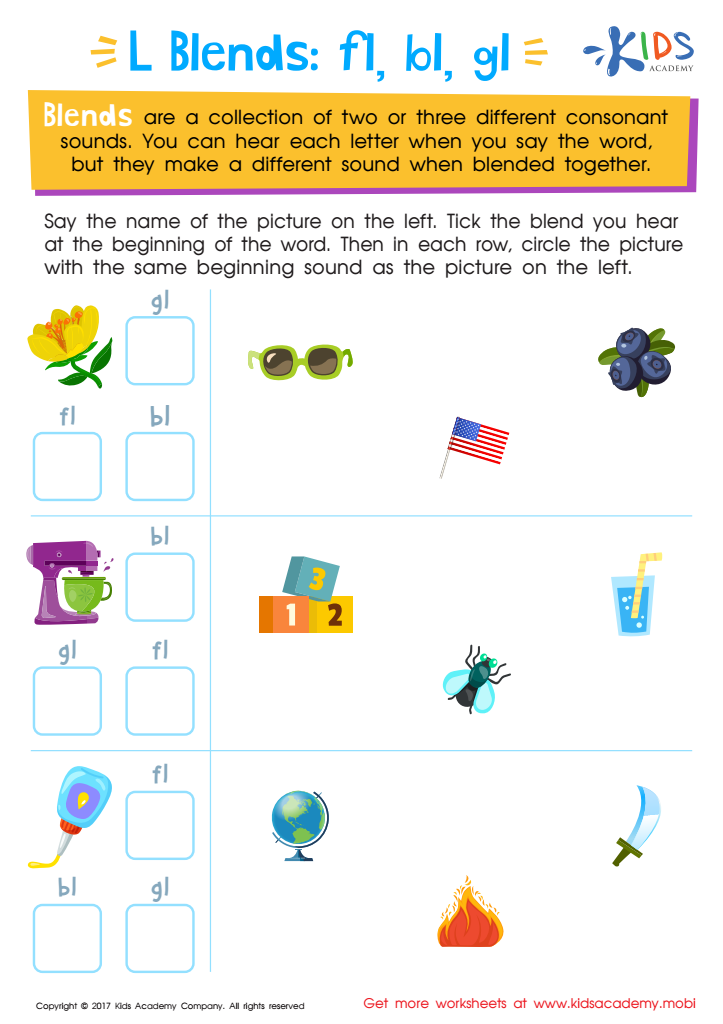
Blending Consonants: "Fl", "Bl" and "Gl" Printable
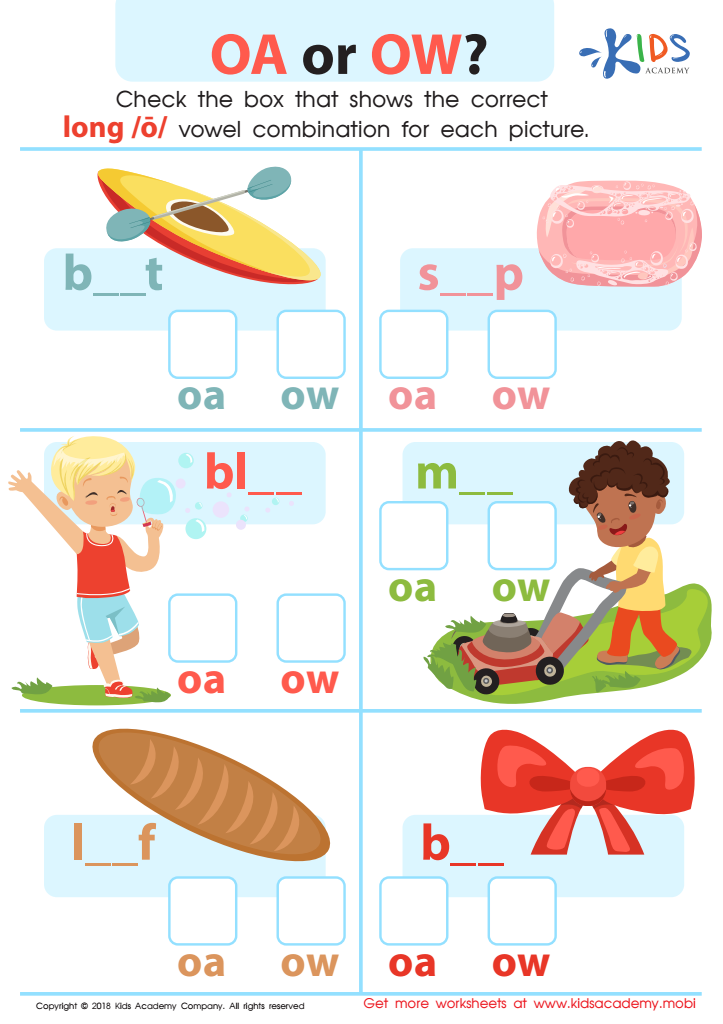
Reading: OA or OW Worksheet
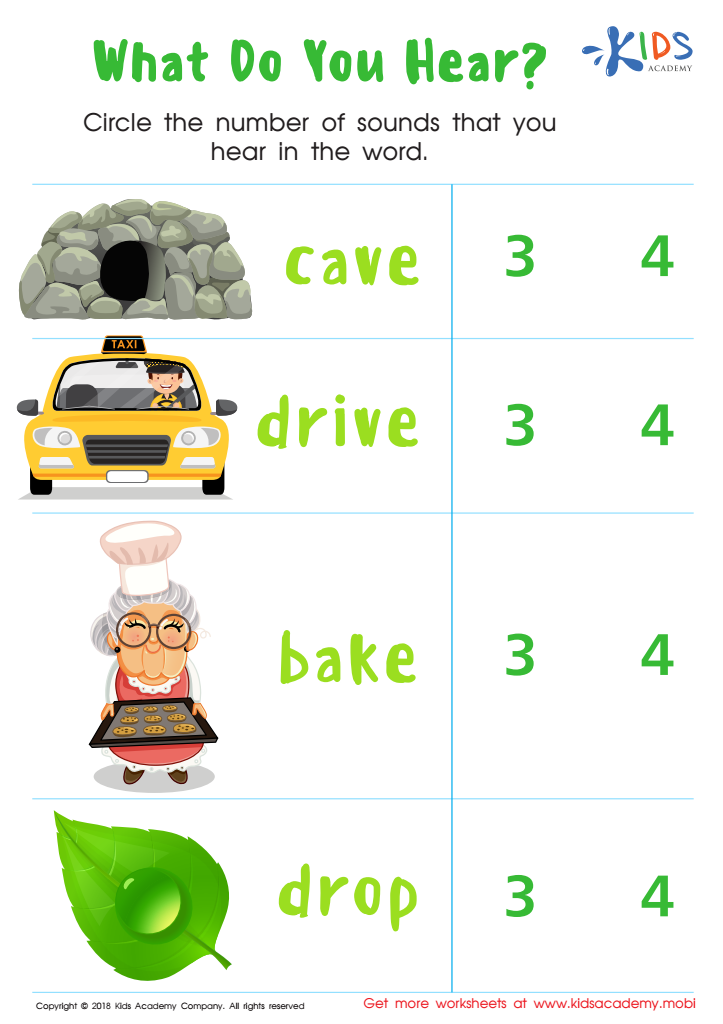
What Do You Hear? Worksheet
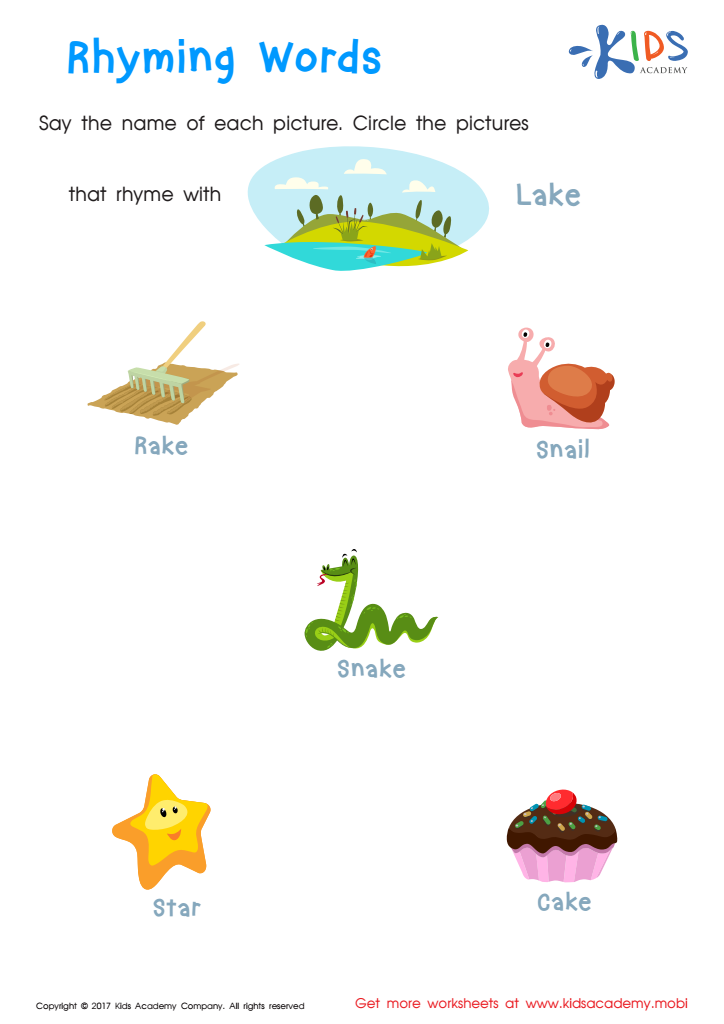
Rhyming Words Rhyming Worksheet
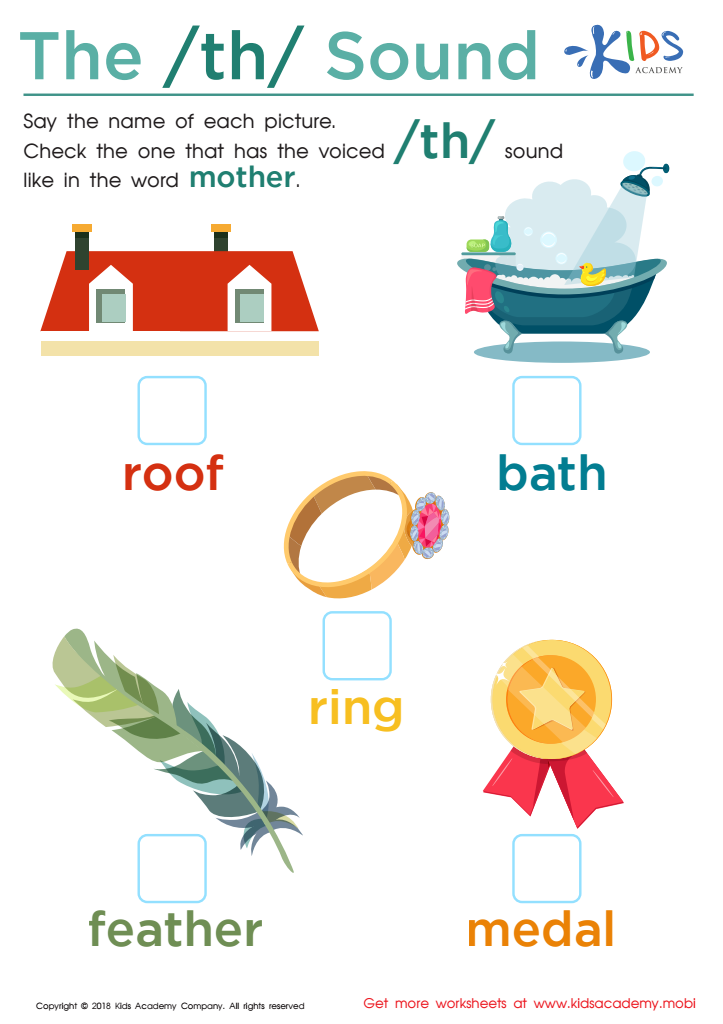
The /th/ Sound Worksheet
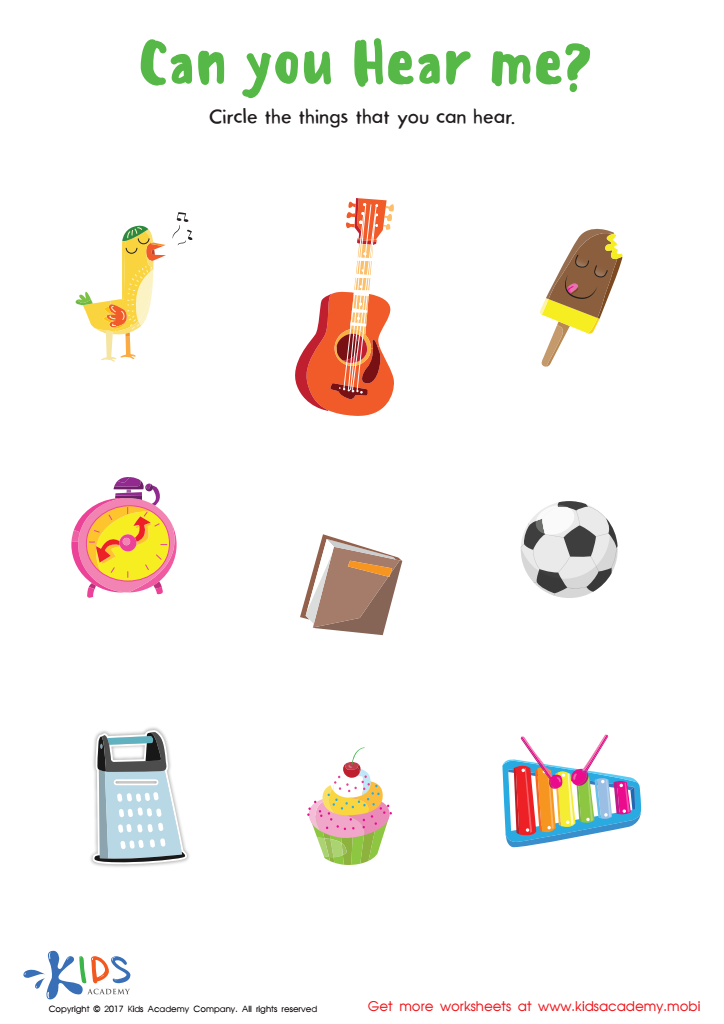
Can You Hear Me Worksheet

Long and Short U Worksheet
 Assign to My Students
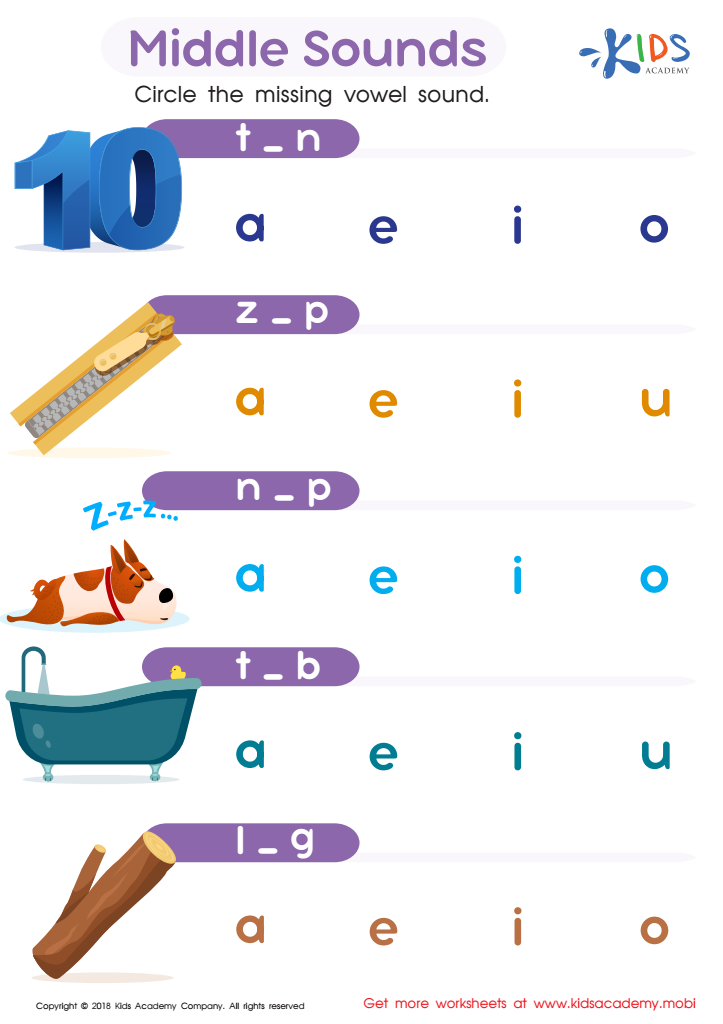
Middle Sounds Worksheet
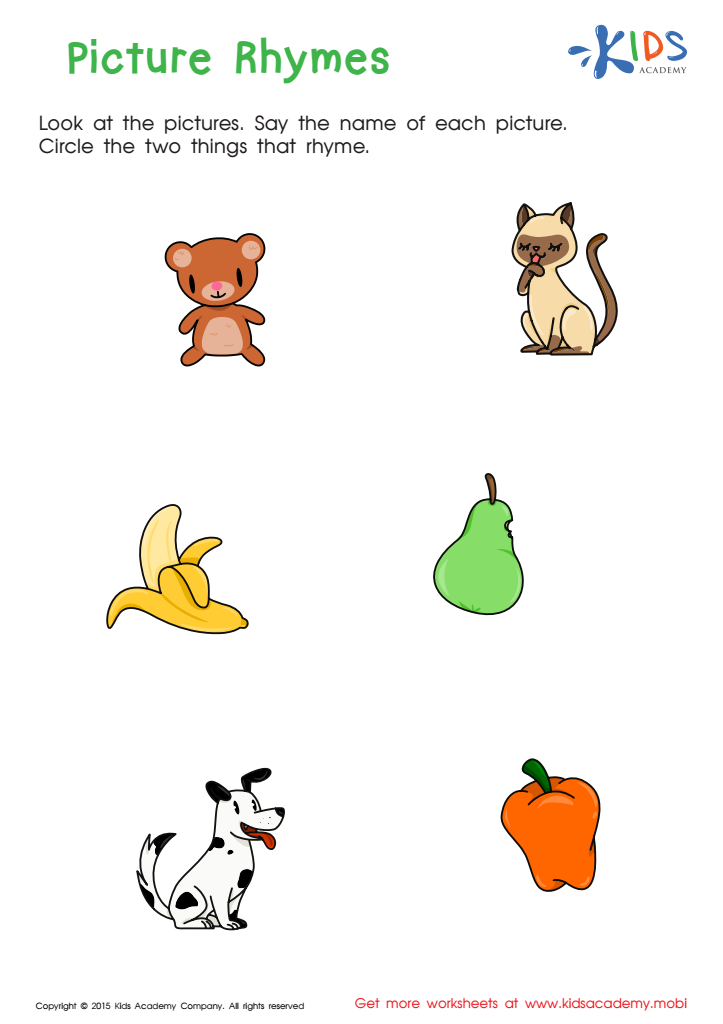
First Words: Picture Rhymes Worksheet
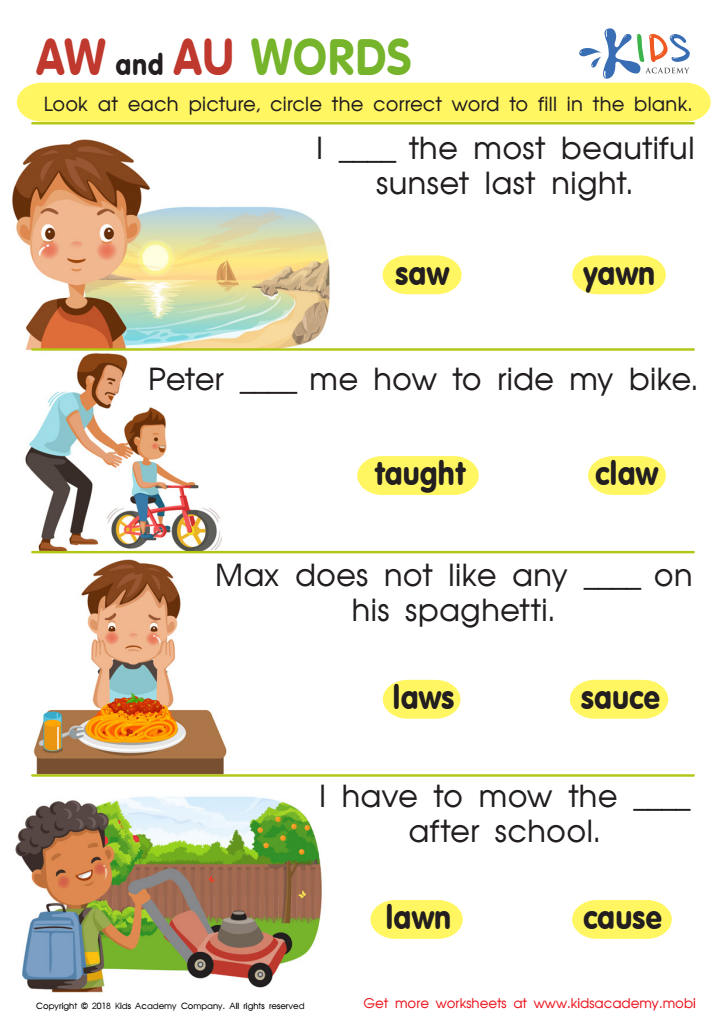
Reading: AW and AU Words Worksheet
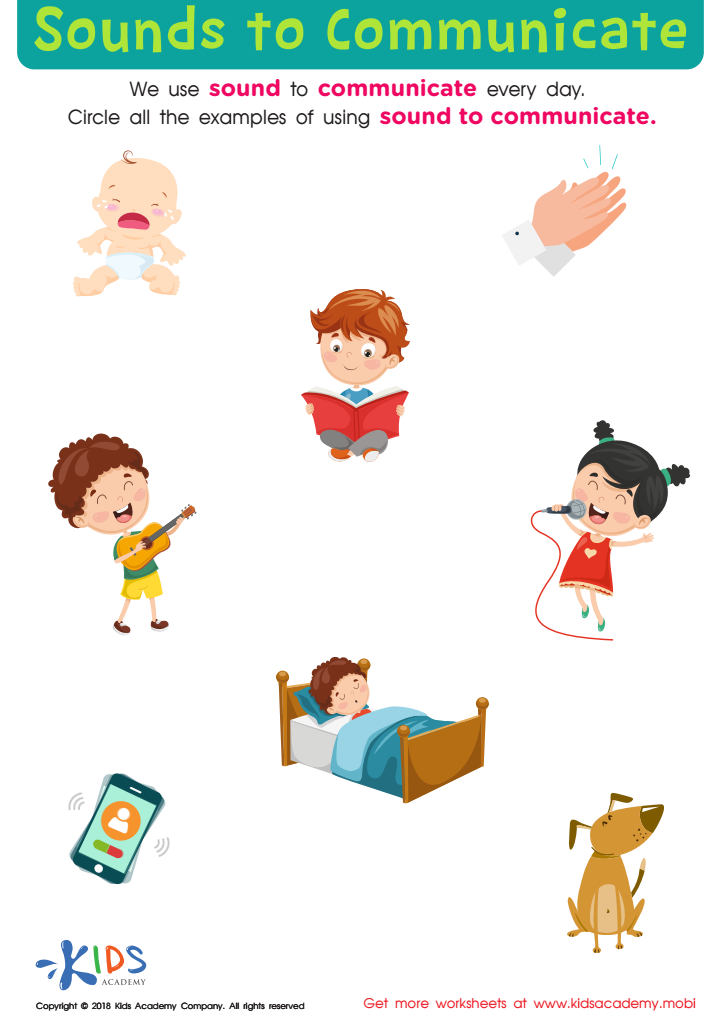
Sounds to Communicate Worksheet
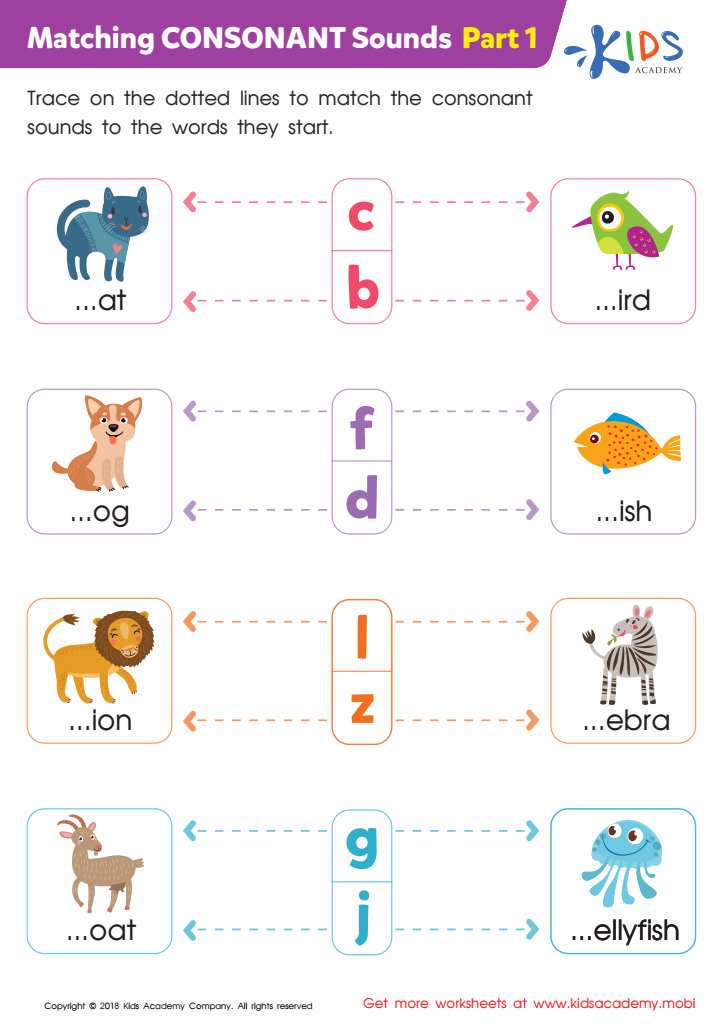
Matching Consonant Sounds: Part 1 Worksheet
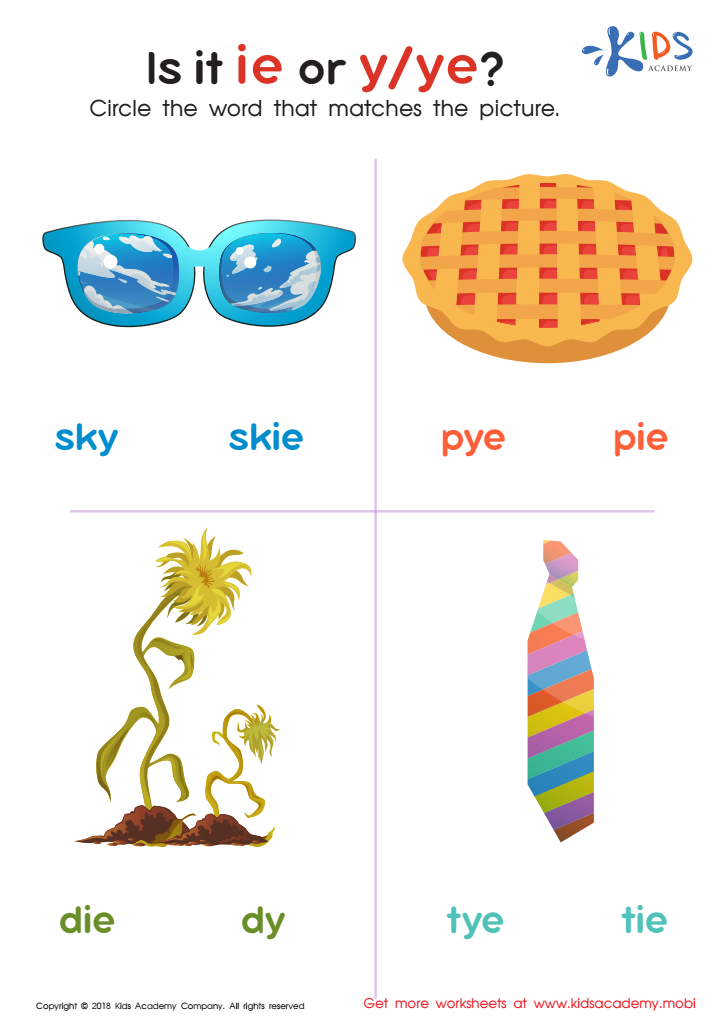
Is It IE or Y/Ye? Worksheet







Sound recognition plays a crucial role in the early development of children aged 3-8, laying the foundational skills for effective communication, literacy, and cognitive growth. At this age, kids are like sponges, rapidly absorbing information from their surroundings. Recognizing and distinguishing between different sounds boosts their phonemic awareness, which is essential for reading and spelling skills. When children can identify sounds, they are better equipped to decode words, understand their meanings, and appropriate pronunciation.
For parents and teachers, emphasizing sound recognition also has broader developmental benefits. It enhances listening skills, which are vital for following instructions, participating in conversations, and developing empathy. Children learn to focus their attention, discern subtle differences in environments, and improve their auditory memory.
Moreover, fostering sound recognition in young children can be a fun and interactive learning experience. Activities such as singing, playing musical instruments, rhyming games, and storytelling captivates their interest and imagination.
Neglecting this crucial stage might lead to difficulties in reading and communication later on, thereby affecting academic performance and social interactions. Therefore, parents and teachers should prioritize sound recognition to support holistic development and set the stage for future learning success.








