Visual perception improvement Normal Worksheets for Ages 3-8
12 filtered results
-
From - To
Boost your child's visual perception skills with our comprehensive collection of worksheets designed for ages 3-8. These engaging and age-appropriate activities focus on enhancing visual discrimination, memory, and tracking abilities, ensuring young learners develop critical skills needed for reading and writing. Our user-friendly worksheets feature colorful illustrations and interactive tasks that make learning fun and effective. Perfect for home or classroom use, these resources can be easily printed and integrated into your teaching routine. Support your child’s growth with our Visual Perception Improvement Worksheets, designed to inspire creativity and boost confidence in their learning journey. Explore and print today!
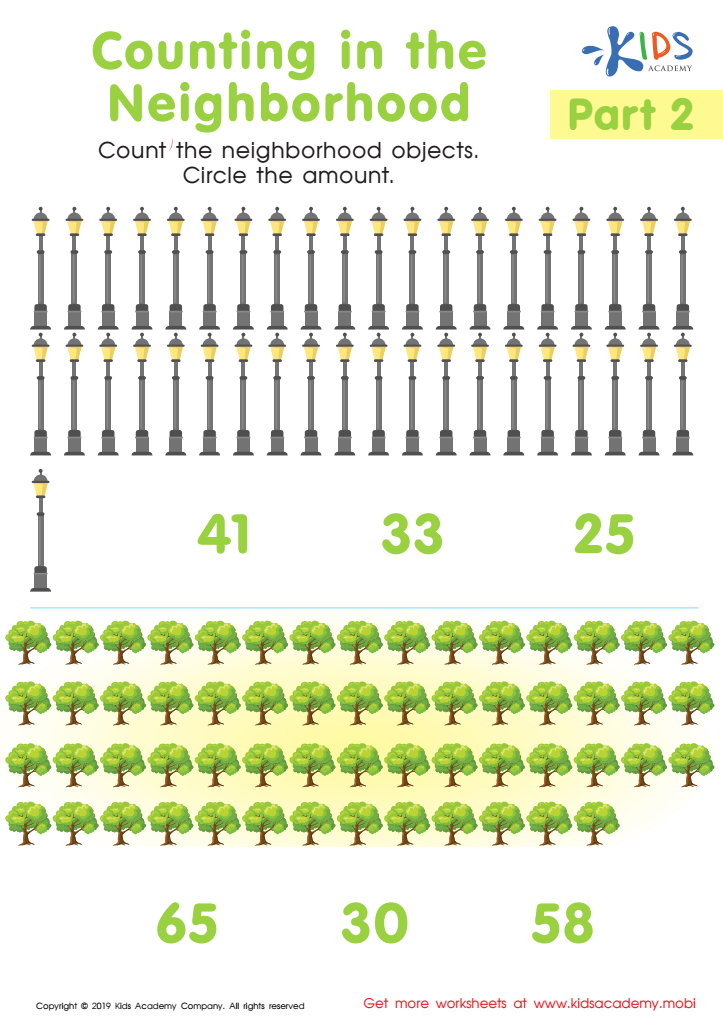
Counting In The Neighborhood Part 2 Worksheet
 Assign to My Students
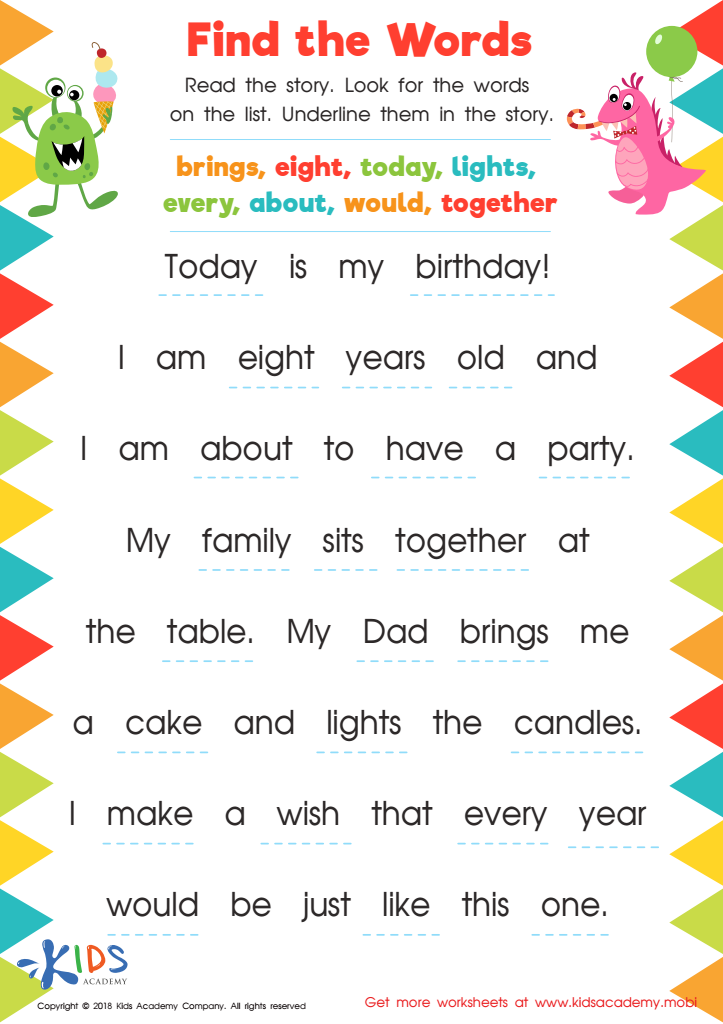
Find The Words Printable Worksheet
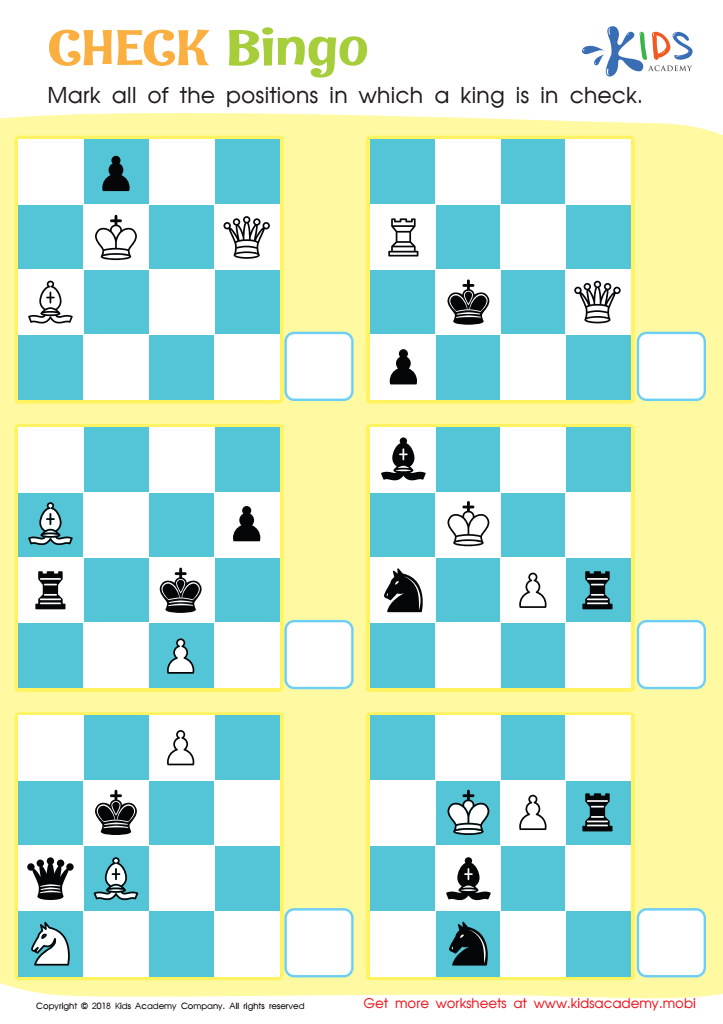
Check Bingo Worksheet
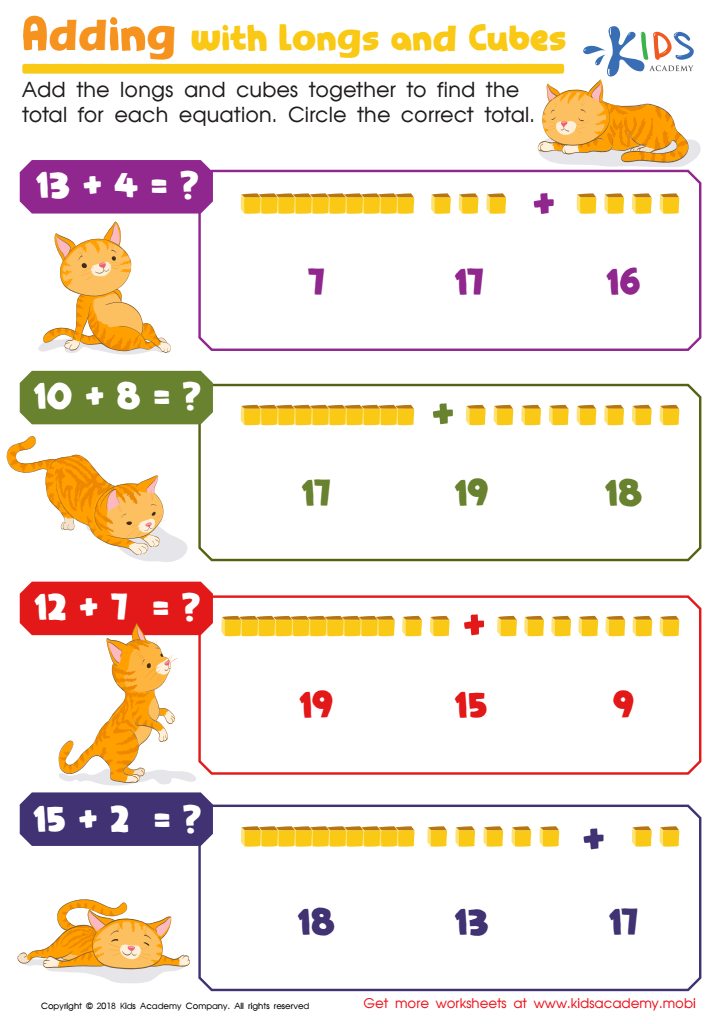
Adding With Longs and Cubes Worksheet
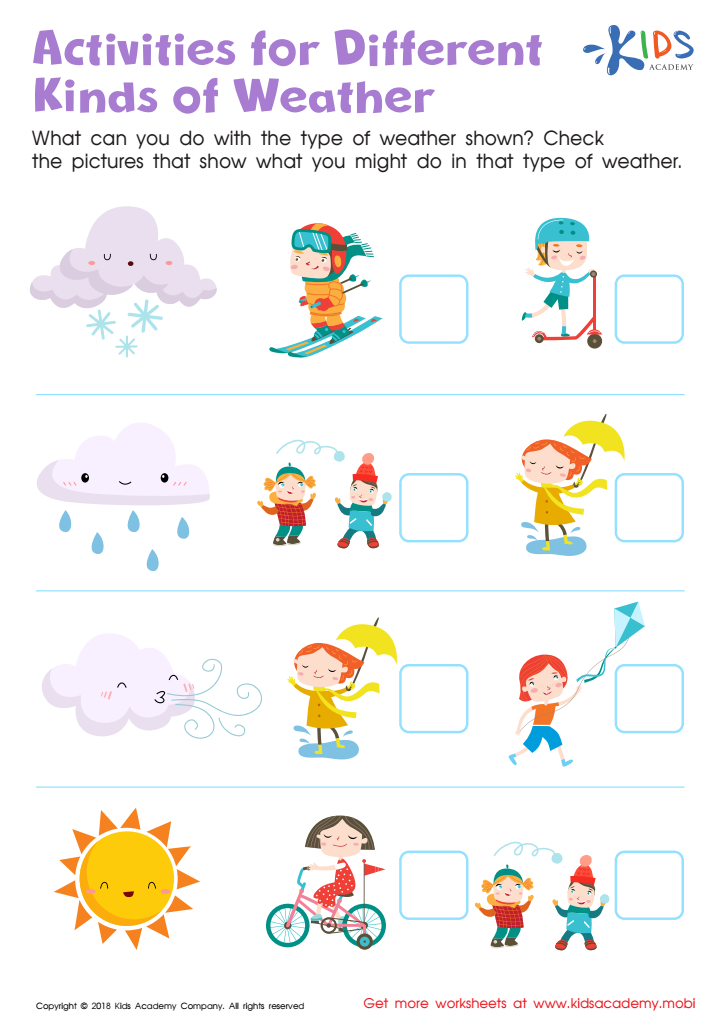
Activities for Different Kinds of Weather Worksheet
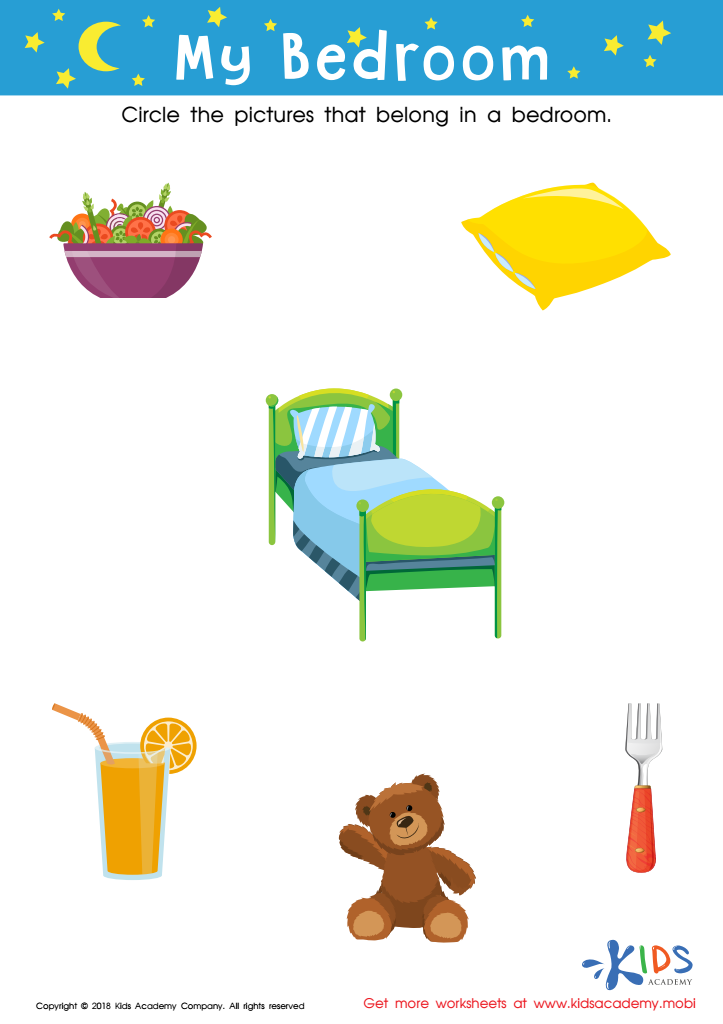
My Bedroom Worksheet
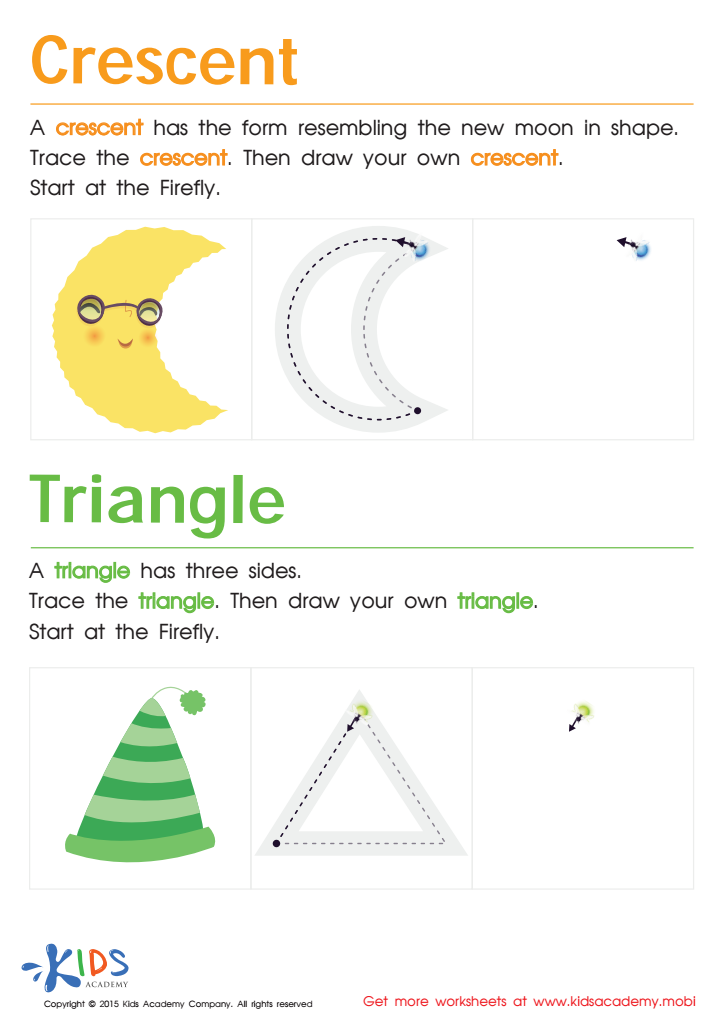
Learning to Draw Crescents And Triangles Worksheet
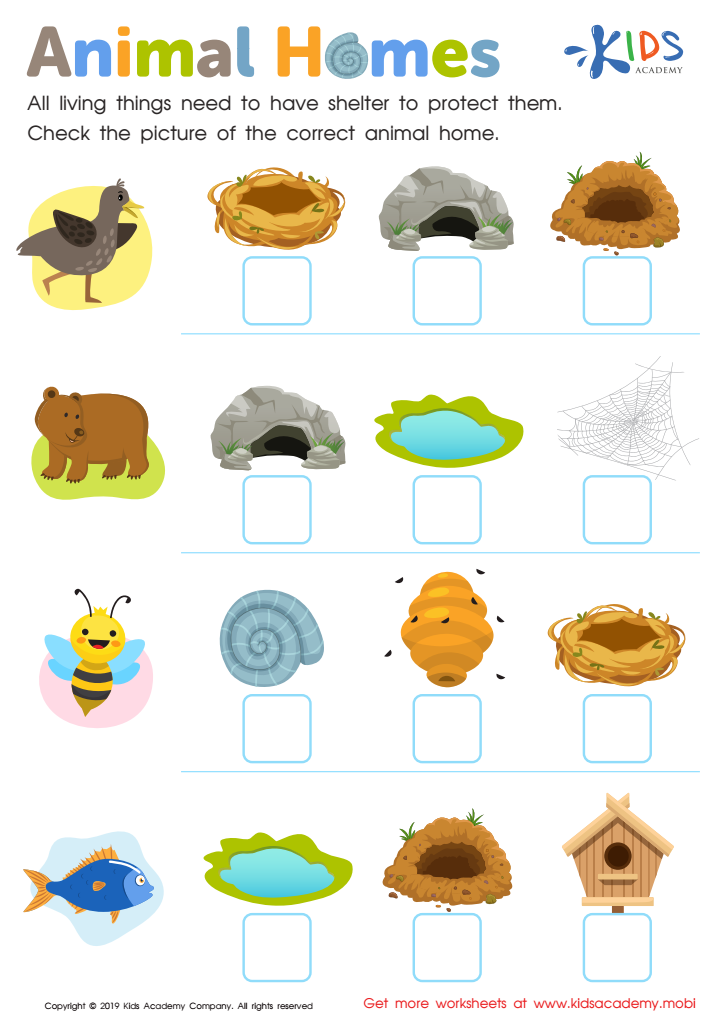
Animal Homes Worksheet
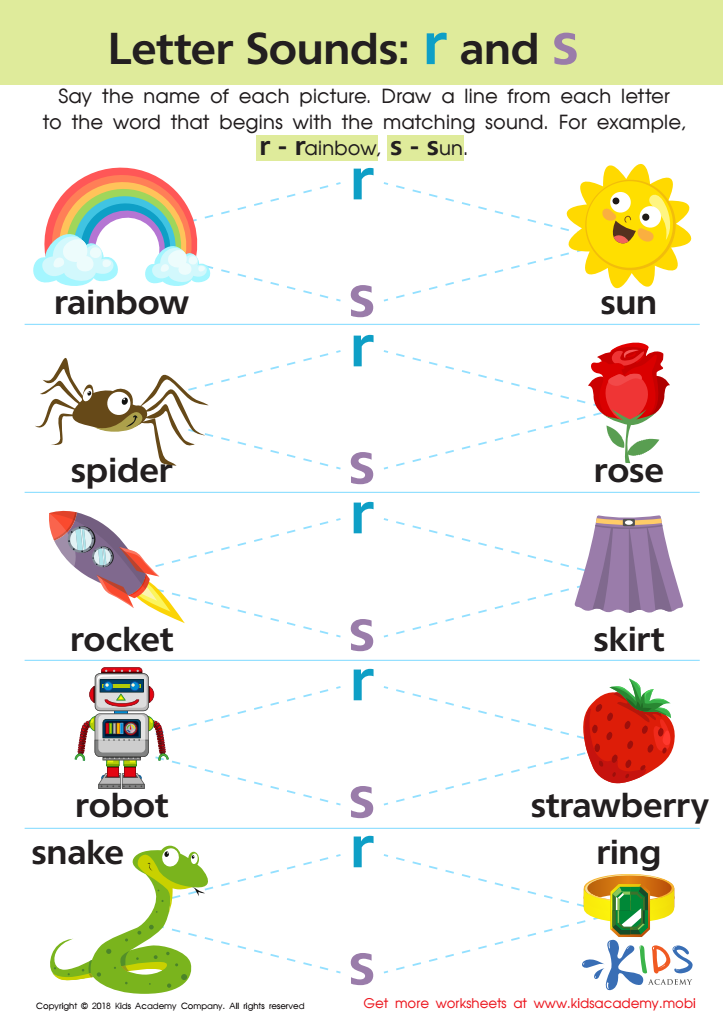
Letter R and S Sounds Worksheet
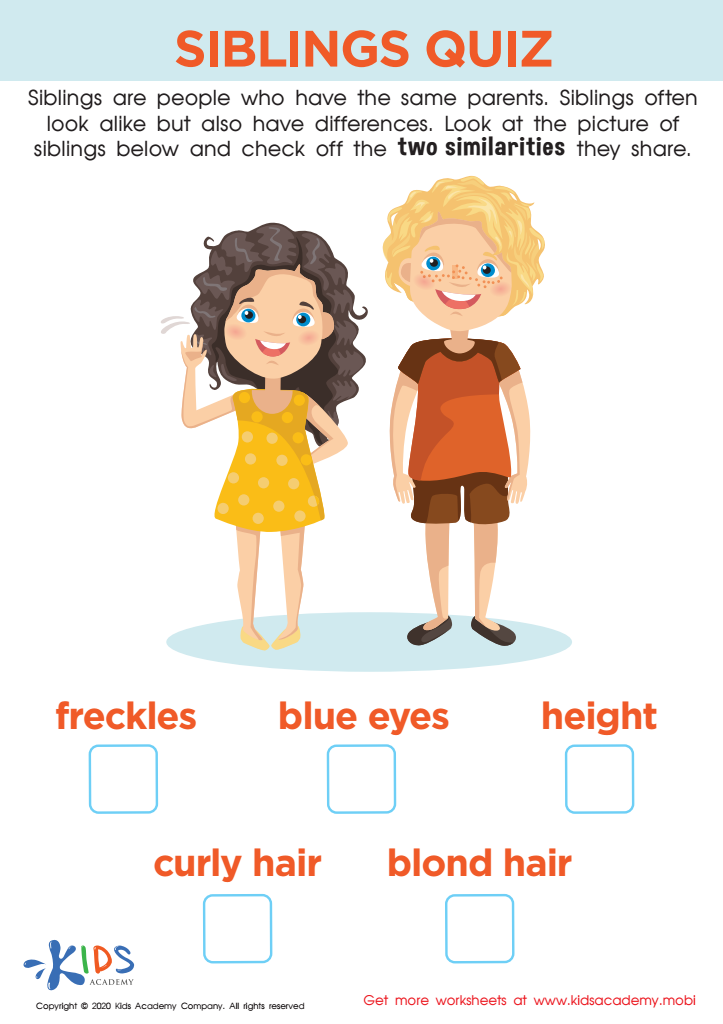
Siblings Quiz Worksheet
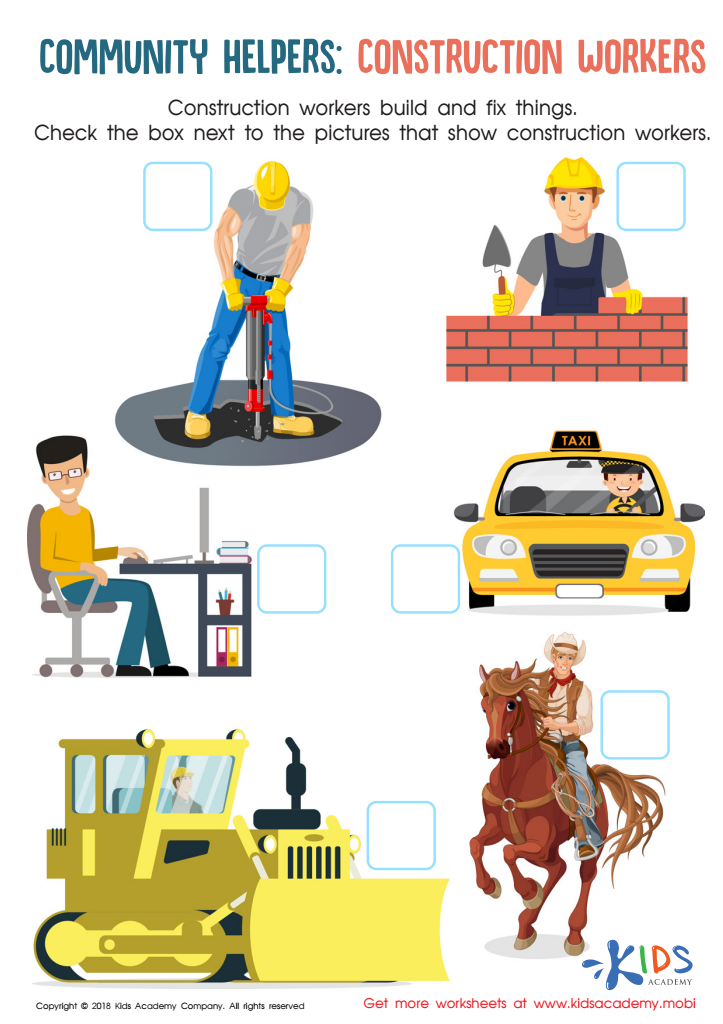
Construction Workers Community Helpers Worksheet
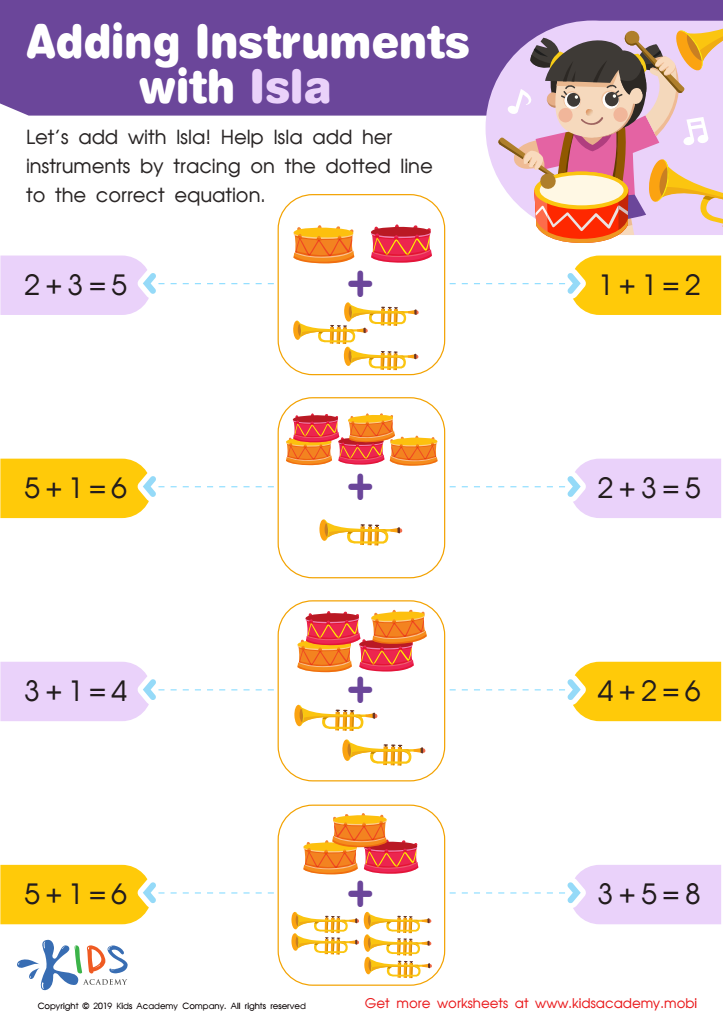
Adding Instruments with Isla Worksheet






Visual perception plays a crucial role in the development of children aged 3-8, influencing their ability to understand and interact with the world around them. For parents and teachers, fostering visual perception improvement is essential because it directly impacts a child’s learning and academic success. Children with strong visual perception skills can better recognize letters, numbers, shapes, and patterns, laying the groundwork for reading and math proficiency.
Additionally, visual perception is linked to fine motor skills; activities involving tracing, cutting, and coloring require children to accurately perceive and coordinate visual input with physical movement. This development is critical for tasks like handwriting and self-care.
Moreover, heightened visual perception enhances critical thinking and problem-solving abilities. Children learn to analyze their environment, make connections, and develop spatial awareness—skills vital for future learning and everyday tasks.
Encouraging visual perception activities—through games, puzzles, and hands-on learning—can be both fun and beneficial. Thus, by prioritizing visual perception improvement, parents and teachers not only support essential academic skills but also boost a child’s confidence, independence, and overall cognitive development. Investing in these foundational skills ensures children are better equipped for their educational journey and lifelong learning.








