Logical Reasoning Normal Addition and Subtraction Word Problems Worksheets for Ages 3-8
4 filtered results
-
From - To
Unlock your child’s potential with our "Logical Reasoning Normal Addition and Subtraction Word Problems Worksheets" designed specifically for ages 3-8. These engaging worksheets challenge young learners to apply their logical reasoning skills while mastering basic addition and subtraction concepts. Each problem encourages critical thinking, helping children learn how to analyze situations and find solutions. Our colorful, age-appropriate worksheets are created to motivate and inspire, making math fun and accessible. Perfect for home or classroom use, these activities promote cognitive development and lay the foundation for future math success. Start your child’s learning journey today with our dynamic, interactive worksheets!
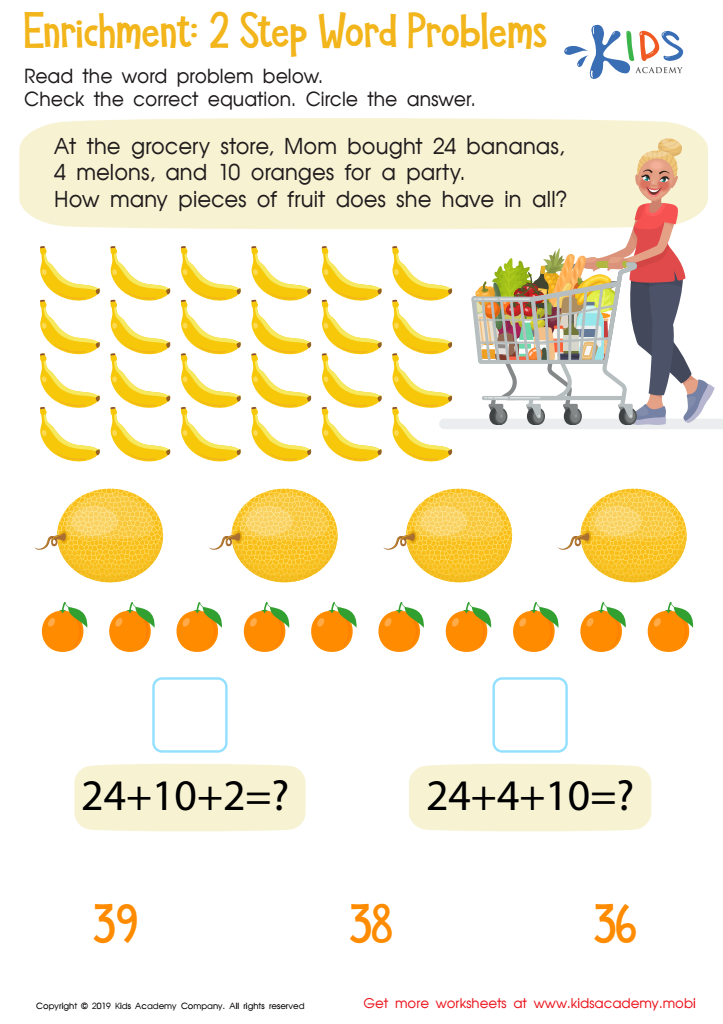
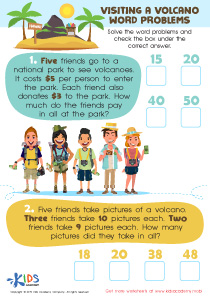
Enrichment -2 Step Word Problems Worksheet
 Assign to My Students
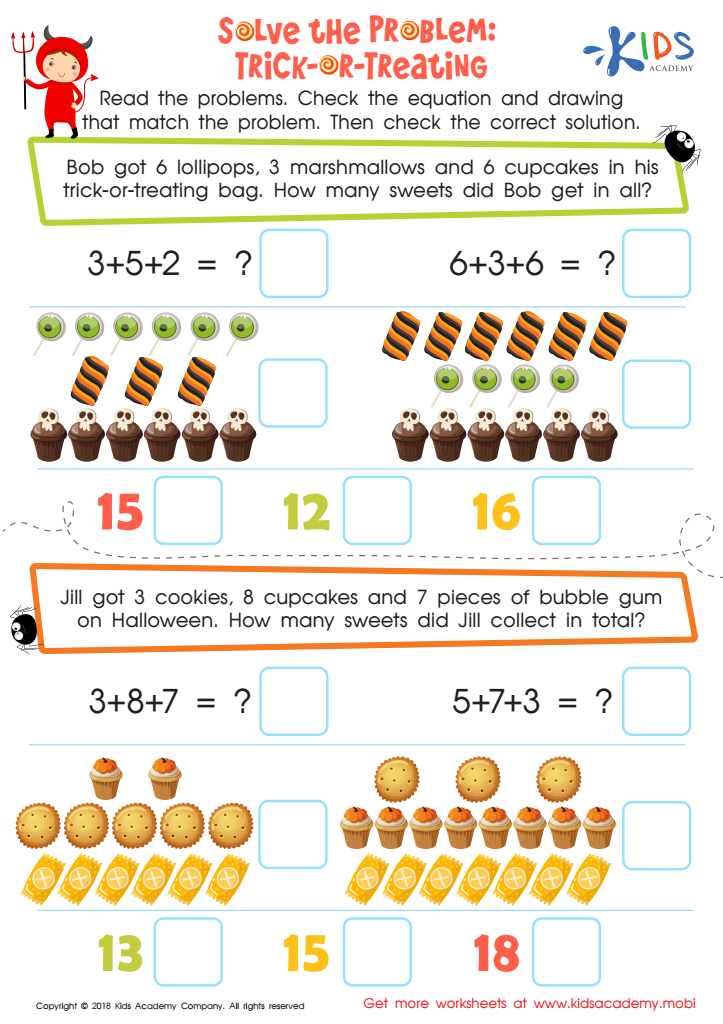
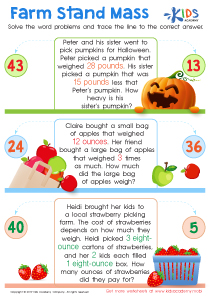
Solve the Problem: Trick–or–treating Worksheet
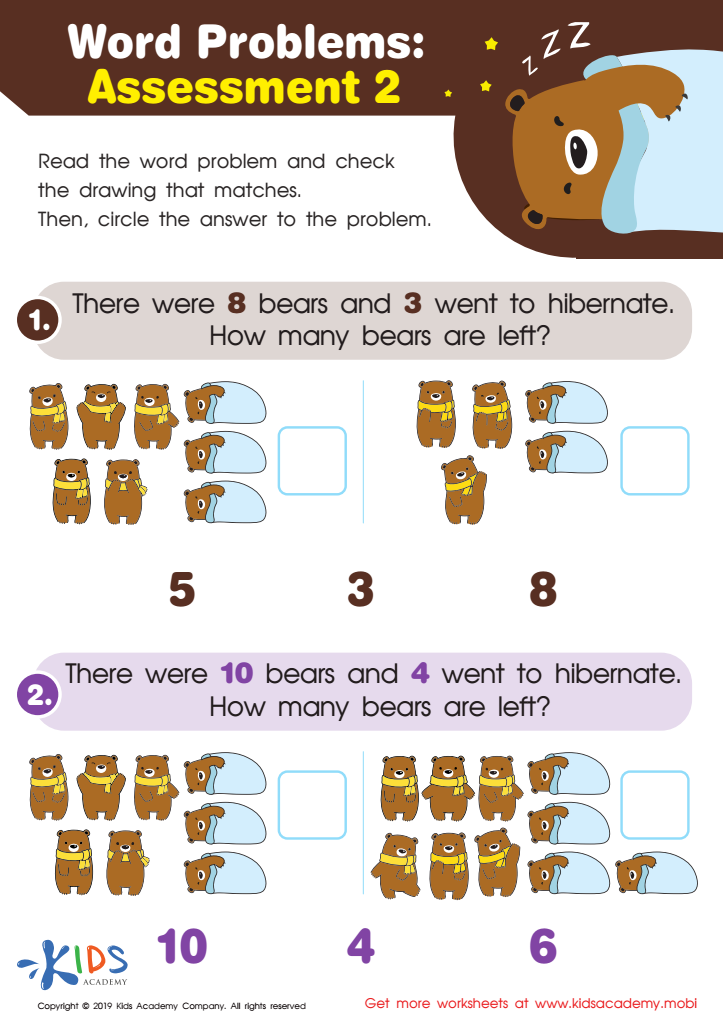
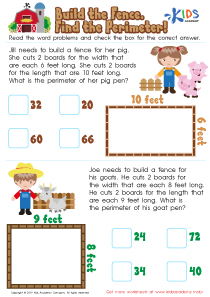
Word Problems: Assessment 2 Worksheet
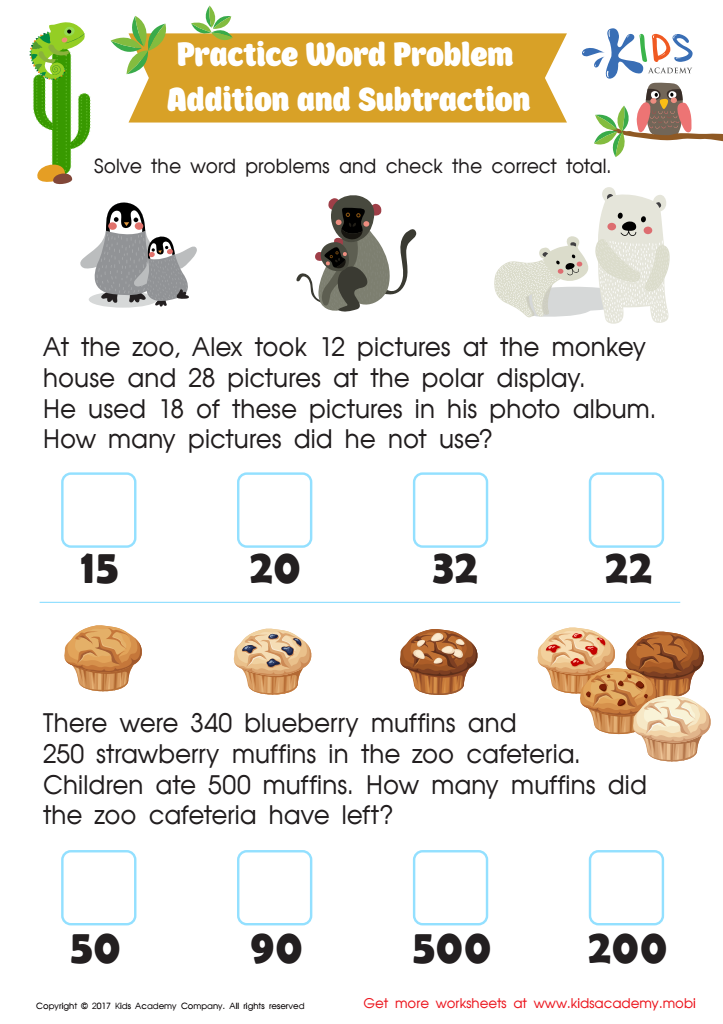
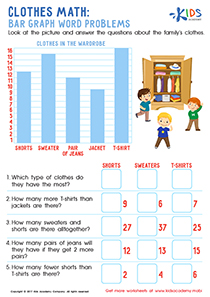
Addition and Subtraction: Word Problems Worksheet








Parents and teachers should recognize the importance of logical reasoning, particularly in the context of normal addition and subtraction word problems, for children aged 3-8. Early mathematical skills form the foundation for future learning and are crucial in developing critical thinking abilities. Engaging with logical reasoning word problems encourages children to understand the relationships between numbers, enhancing their problem-solving capabilities.
Through these exercises, children learn to interpret and analyze situations, helping them to construct and test hypotheses. This promotes cognitive development, verbal reasoning, and comprehension skills. Additionally, integrating real-world contexts into math encourages children to see the relevance of math in daily life, making learning more engaging and meaningful.
More than just arithmetic practice, logical reasoning through word problems fosters independence and confidence as children work through challenges. Also, this foundation helps in accelerated learning as they progress in school, where challenges become more complex. For parents and teachers, supporting children in these early stages of mathematical reasoning set the stage for successful lifelong learners, instilling persistence and resilience in the face of challenges. In essence, caring about these skills is investing in a child’s holistic development and future academic success.