Filters

8 filtered results

Clear all filters
Favorites
With answer key
Interactive

8 filtered results

Difficulty Level

Grade


Enhance your child’s fine motor skills while they engage in fun and educational math practice with our Normal Addition & Subtraction Worksheets designed for ages 3-8. These printable worksheets combine essential math concepts with fine motor skill development, allowing children to grasp foundational addition and subtraction while refining their hand-eye coordination and dexterity. Each worksheet features engaging visuals and age-appropriate exercises that cater to varying skill levels. Perfect for home schoolers, teachers, or parents looking to supplement their child’s learning, these resources provide an enjoyable way to support early math skills and promote overall growth. Download now and watch your child flourish!

Check out this FREE Trial Lesson on Addition & Subtraction for age 3-8!

Add within 20 and Memorize all Sums

Favorites
With answer key
Interactive
  • 3-8
  • Fine Motor Skills
  • Addition & Subtraction
  • Normal
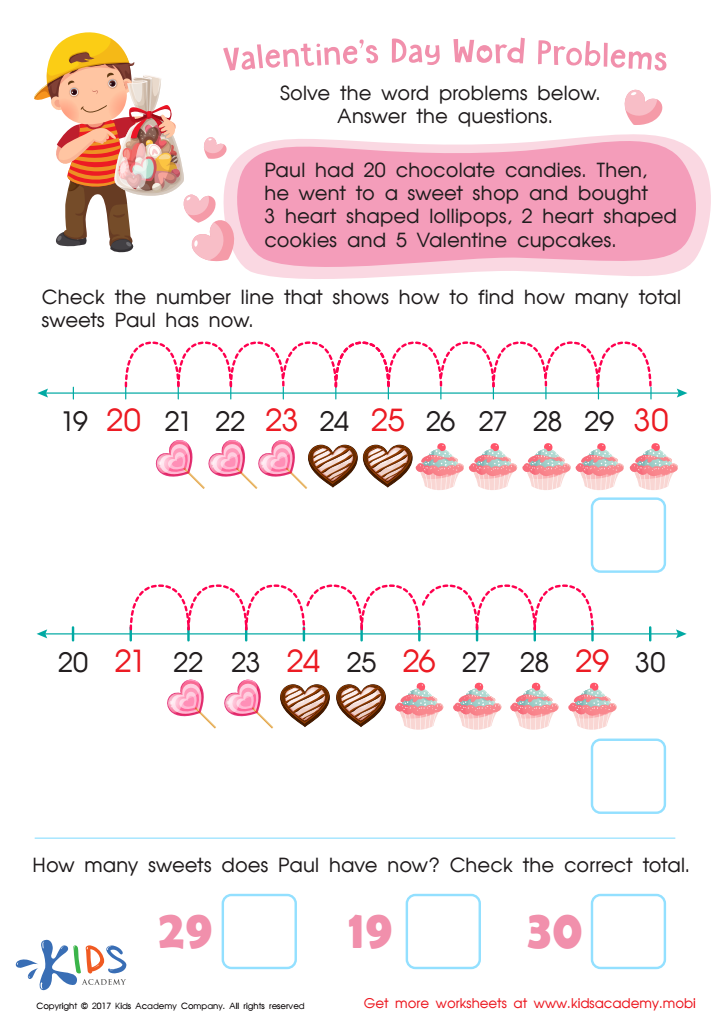
Valentine’s Day word problem PDF worksheet

Valentines Day 2 Printable

This PDF worksheet uses a number line to help solve the problems. Your child will be ready for Valentine's Day after completing it. Counting and adding from 20 is also reinforced.
Valentines Day 2 Printable
Worksheet
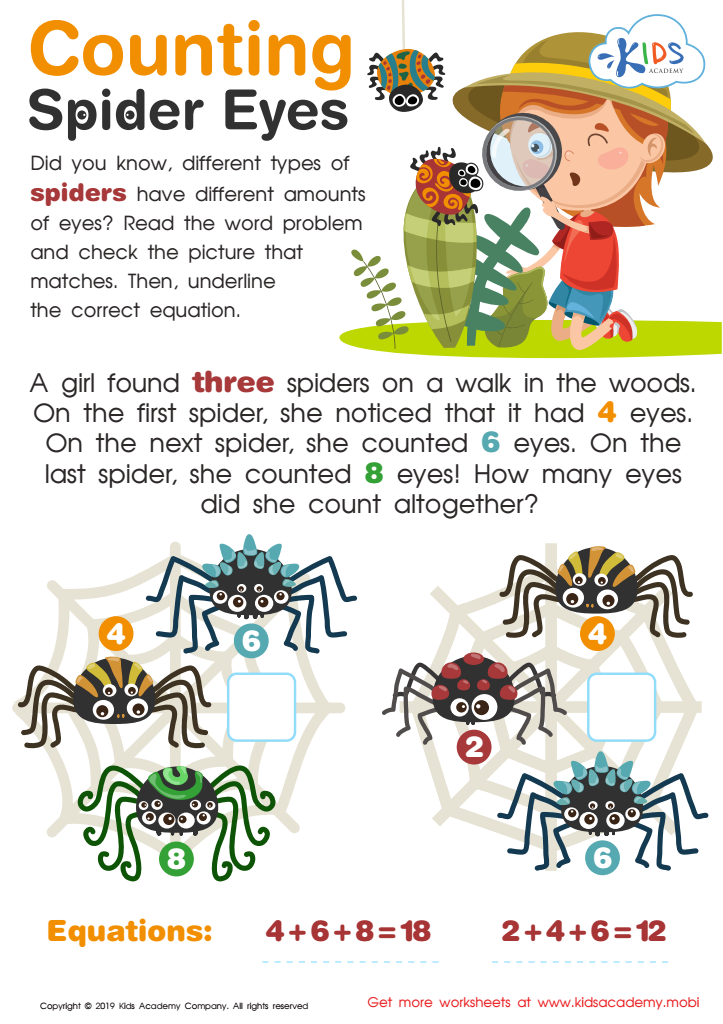
Counting Spider Eyes Worksheet

Counting Spider Eyes Worksheet

Did you know different spiders have different eye numbers? Kids will love learning this fact and solving the spider word problems on this free worksheet! Word problems promote a deeper understanding of the concept, plus they get to add up the spiders’ eyes while solving addition problems with more than one addend. Fun and math all in one!
Counting Spider Eyes Worksheet
Worksheet
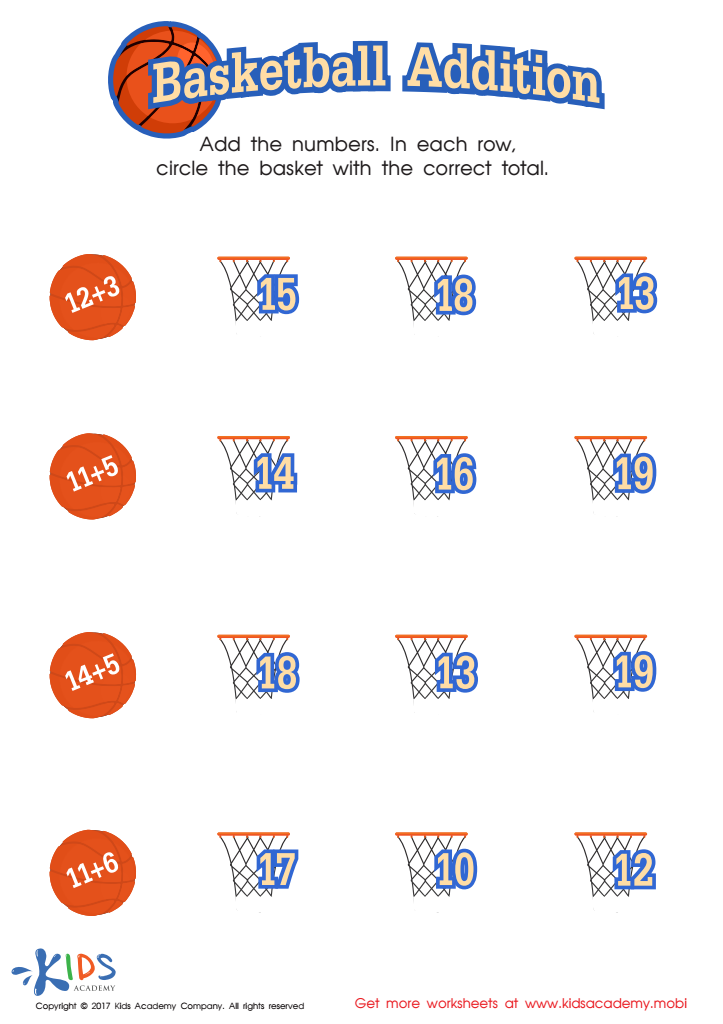
Basketball Addition Worksheet

Basketball Addition Worksheet

Basketball Addition Worksheet
Worksheet
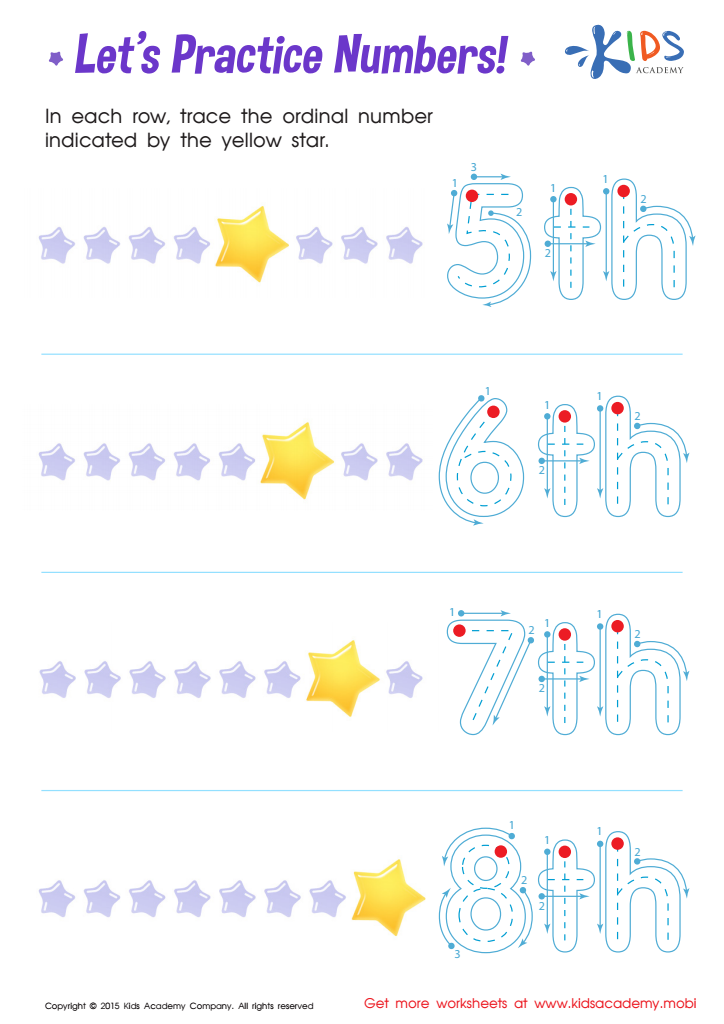
Practice Ordinal Numbers Worksheets PDF
Ordinal Numbers: Let's Practice Numbers Printable
Worksheet
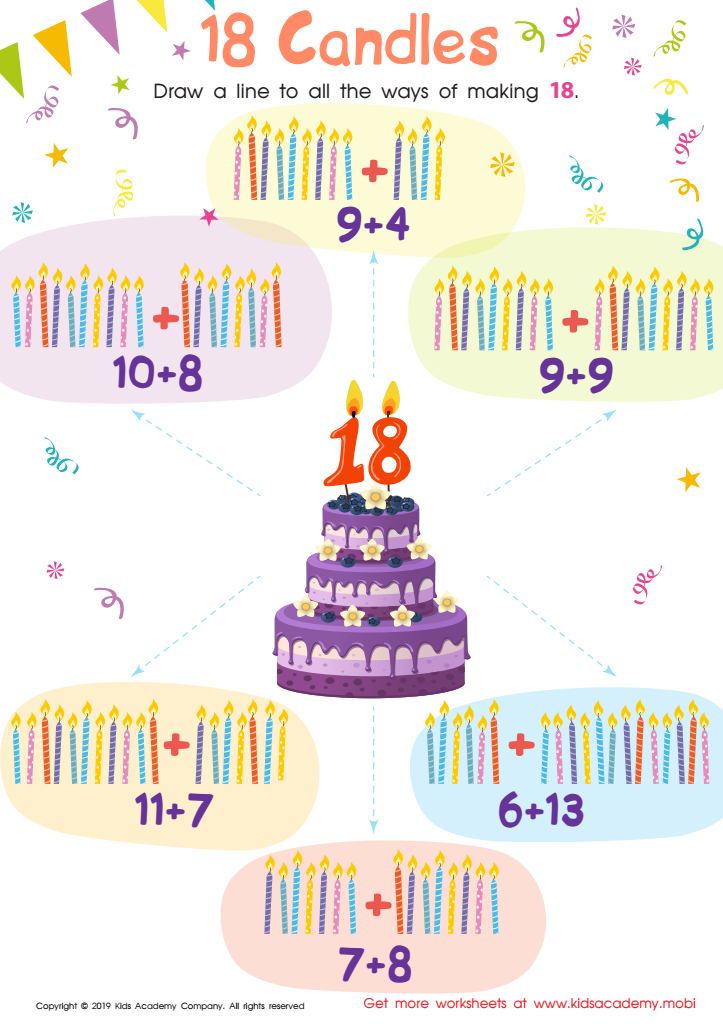
18 Candles Worksheet

18 Candles Worksheet

This worksheet is great for introducing your students to addition and subtraction. Help your kids solve the simple equations on it and draw a line from the birthday cake with 18 on it to all the solutions. Practice like this will prepare them to tackle more complex math problems.
18 Candles Worksheet
Worksheet
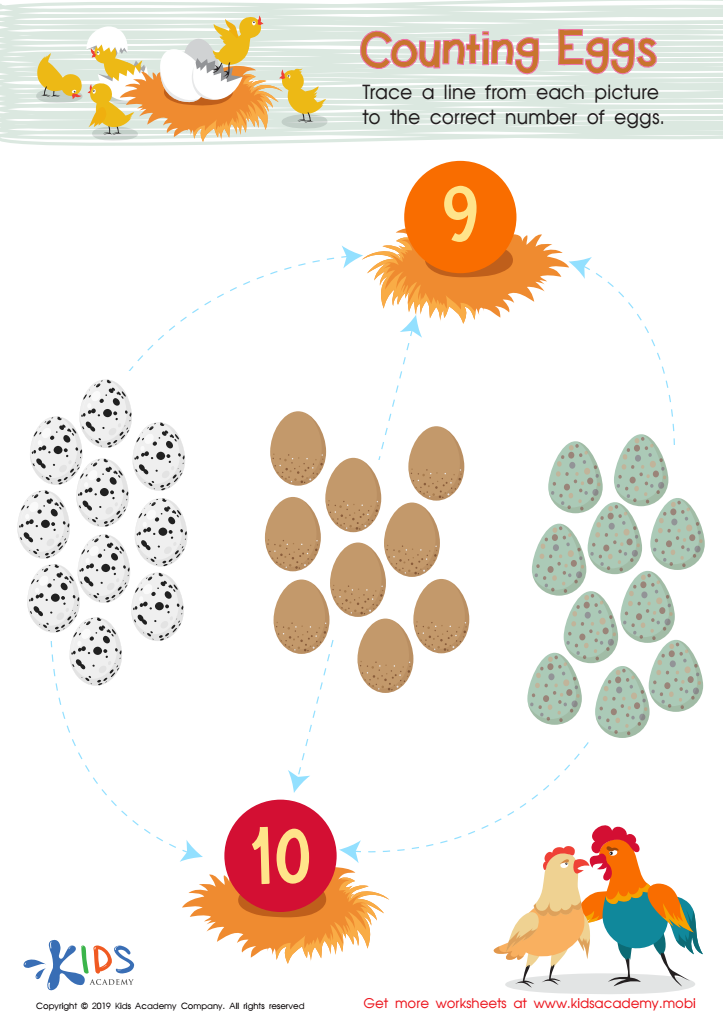
Counting Eggs Worksheet

Counting Eggs Worksheet

This worksheet is great for teaching kindergarteners to count and add numbers. It includes colorful pictures of eggs with numbers to trace. Help students count the eggs and draw a line to the right number. This will make learning fun and easy!
Counting Eggs Worksheet
Worksheet
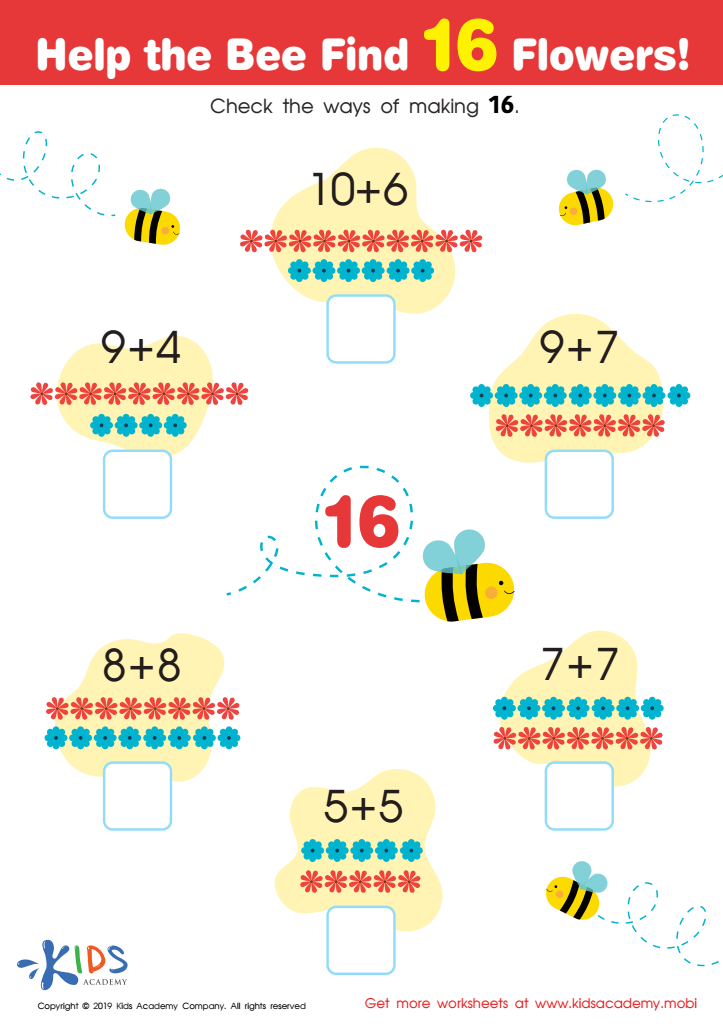
Help the Bee Find 16 Flowers Worksheet

Help the Bee Find 16 Flowers Worksheet

Ask your students to count as high as they can. Show them that different numbers can equal the same figure with examples like 2+2=4 and 3+1=4. Ask for more examples, then help the bees find 16 flowers by checking the ways of making 16.
Help the Bee Find 16 Flowers Worksheet
Worksheet
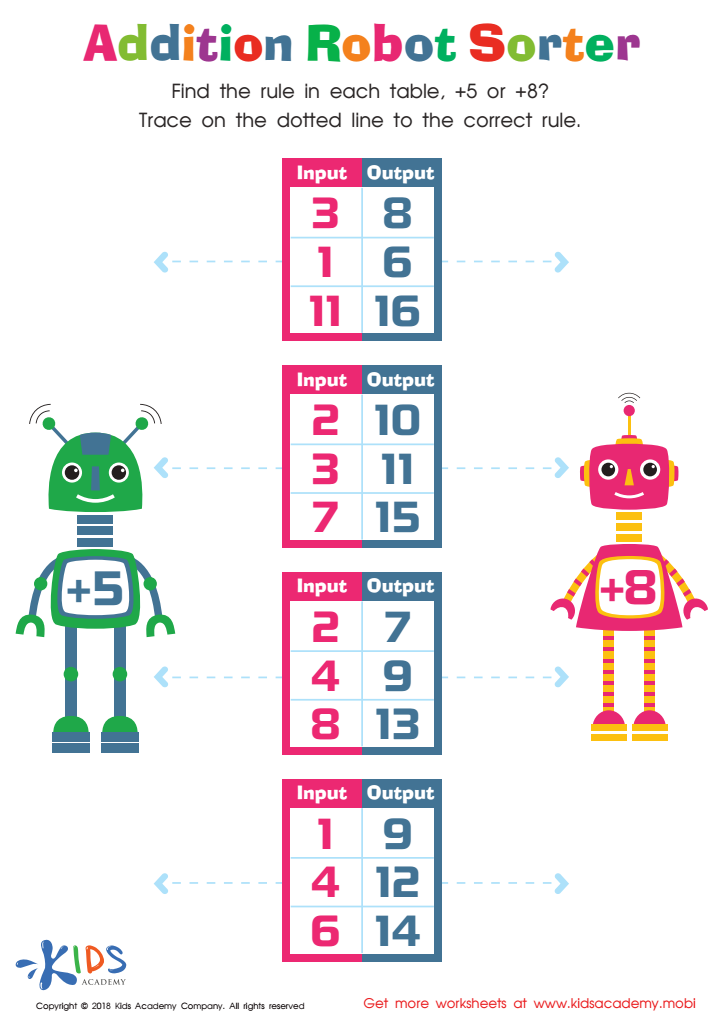
Addition Robot Sorter Worksheet


Addition Robot Sorter Worksheet

This worksheet helps your child understand addition. Have them trace the dotted lines to the correct equations: +8 and +5. It's a great way to aid their mathematical comprehension and get them comfortable with adding equations.
Addition Robot Sorter Worksheet

Worksheet


Fine motor skills are crucial for children aged 3-8 as they directly influence a child's ability to perform daily tasks and engage in academic activities. These skills involve the coordination of small muscles in the hands and fingers, essential for writing, drawing, and manipulating objects. By nurturing fine motor skills, parents and teachers can lay a solid foundation for the development of critical cognitive abilities, including normal addition and subtraction.

When children master fine motor tasks such as using manipulatives, drawing numbers, or writing equations, they gain confidence and independence in their math skills. Engaging in activities that promote these competencies—like threading beads or grasping pencils—also enhances their focus, patience, and perseverance.

In the context of math, fine motor activities can make abstract concepts more tangible. Using physical objects to illustrate addition and subtraction helps solidify understanding, allowing children to visualize mathematical processes. Without proficient fine motor skills, children might struggle with basic math operations or lose interest in learning altogether.

By recognizing the importance of fine motor skill development, parents and teachers can provide the necessary support, ensuring children not only excel in math but grow into competent, confident learners.