Normal Comparing Numbers Worksheets for Ages 3-8 - Page 2
32 filtered results
-
From - To
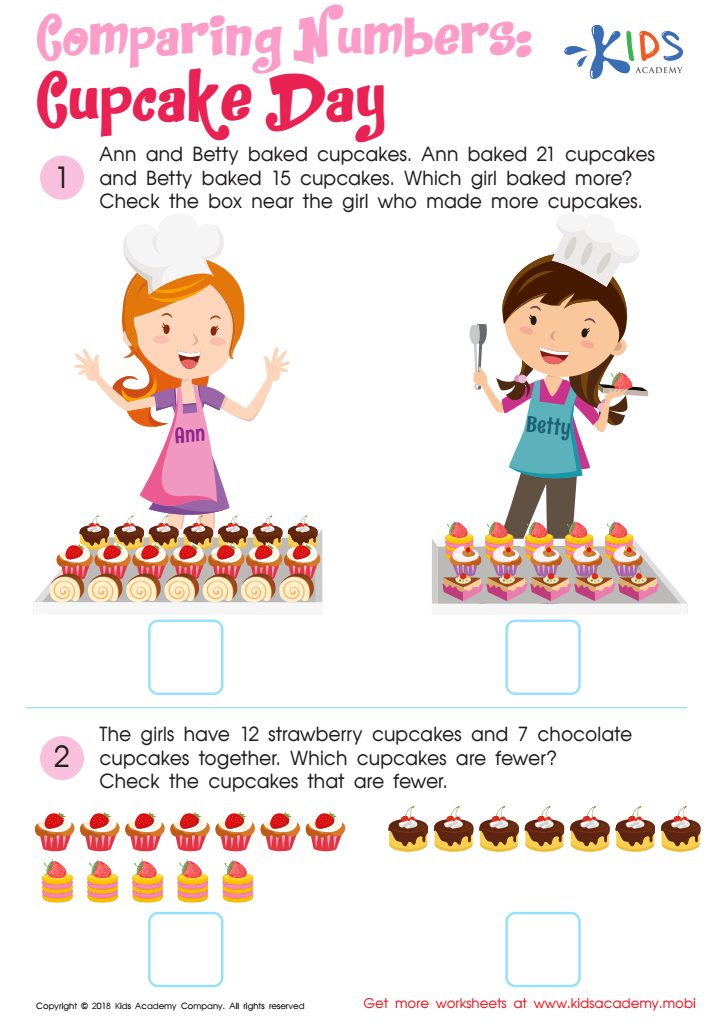
Cupcake Day Worksheet
 Assign to My Students
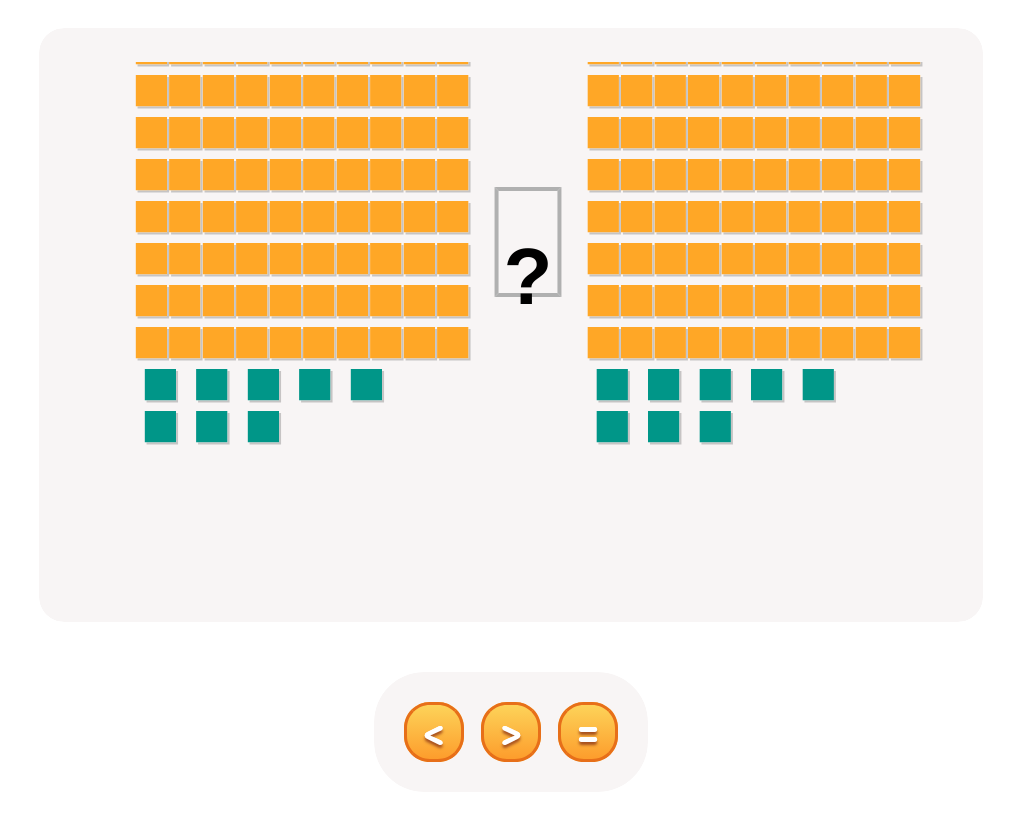

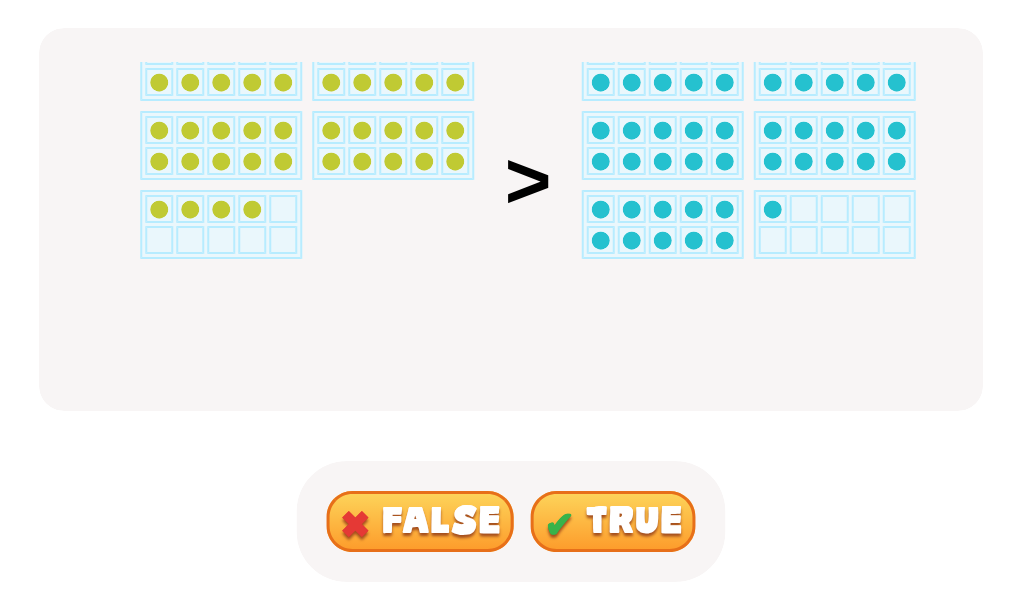
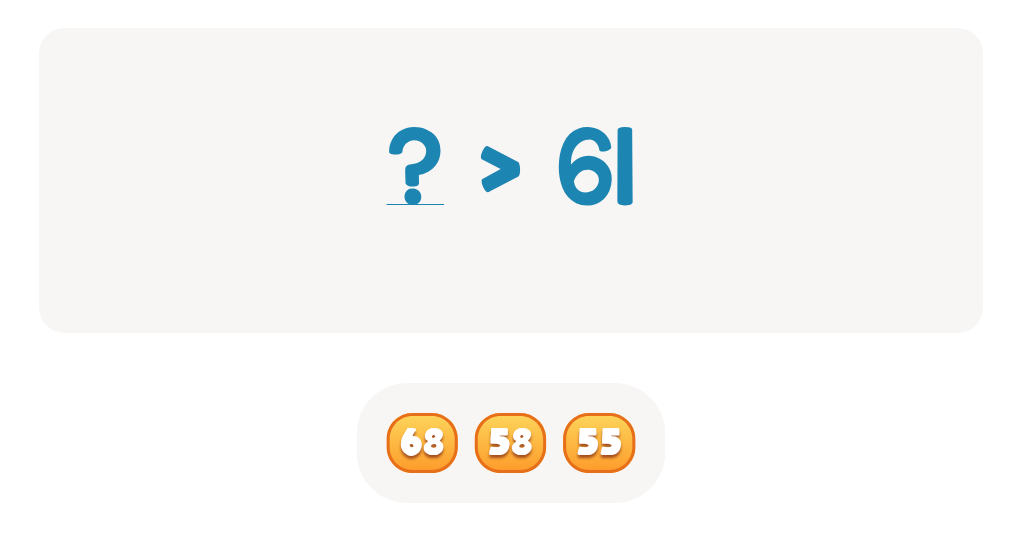
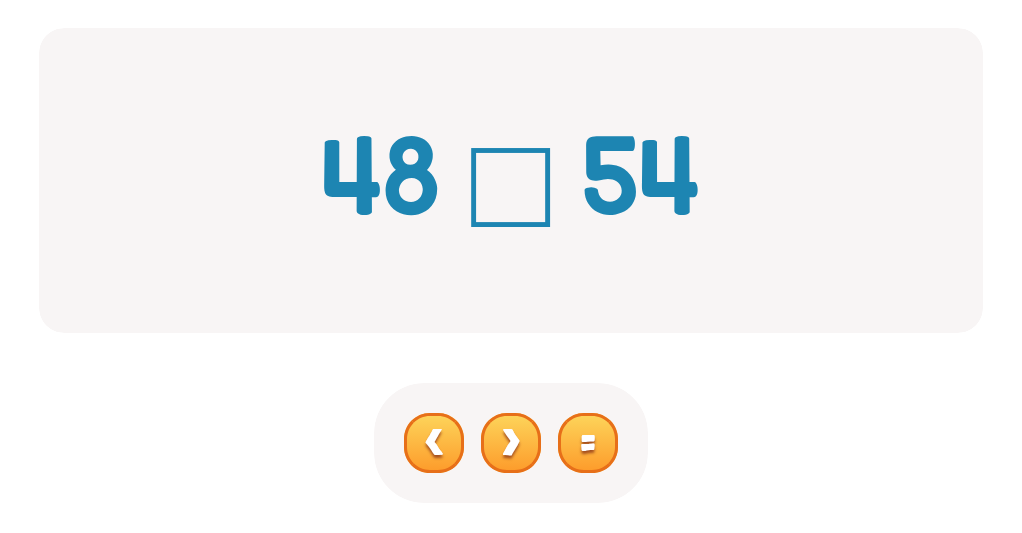
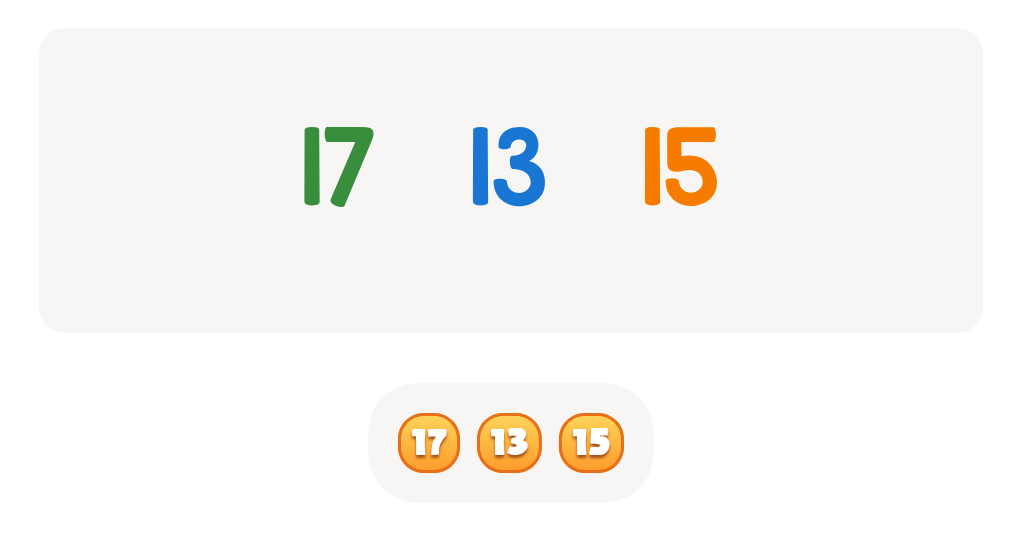
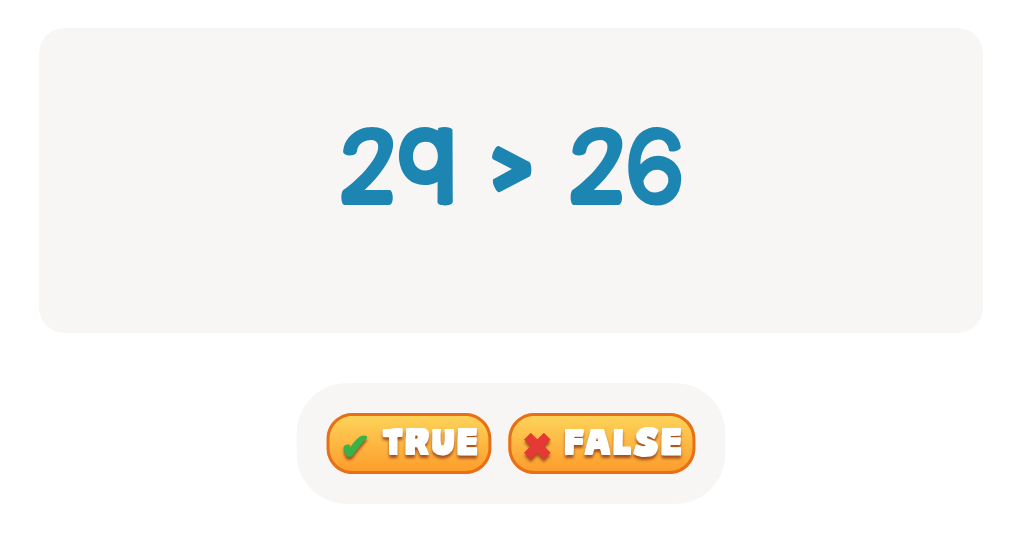
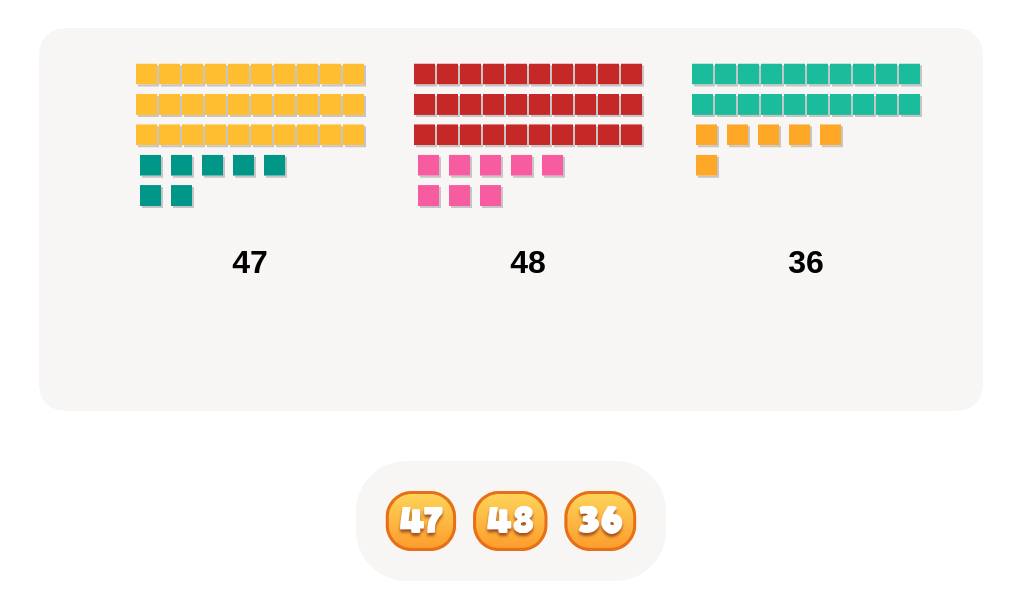
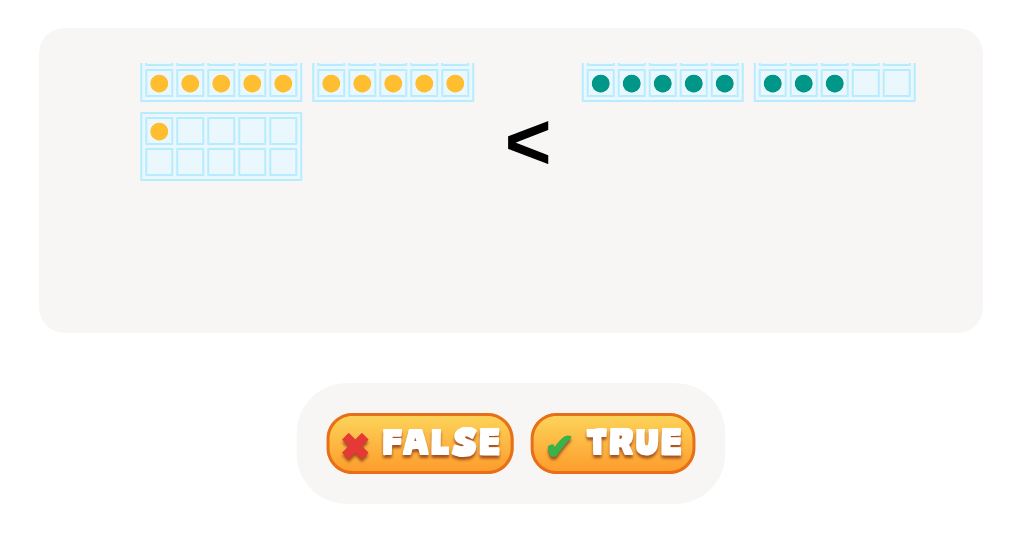
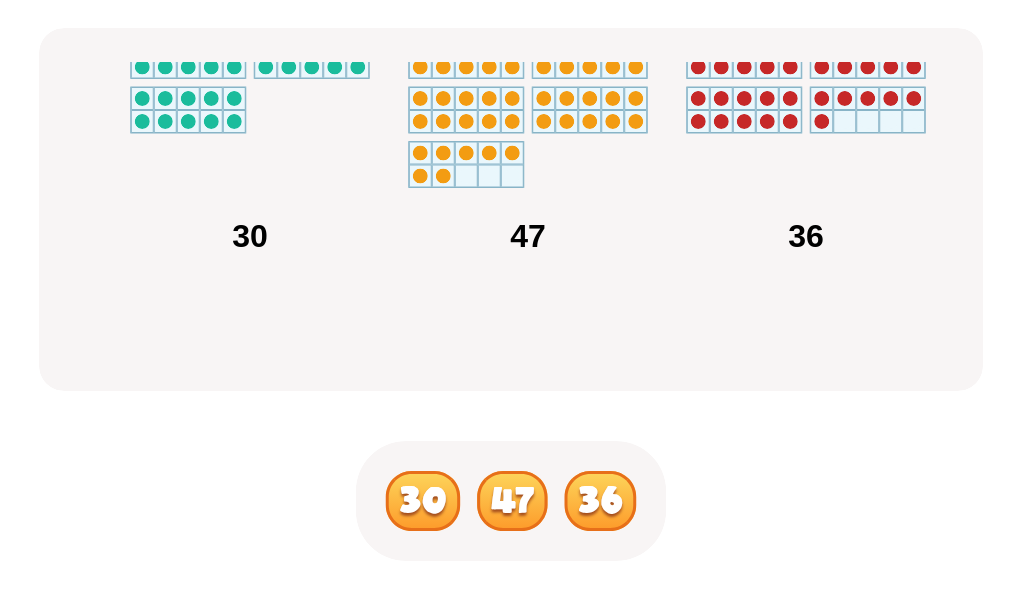
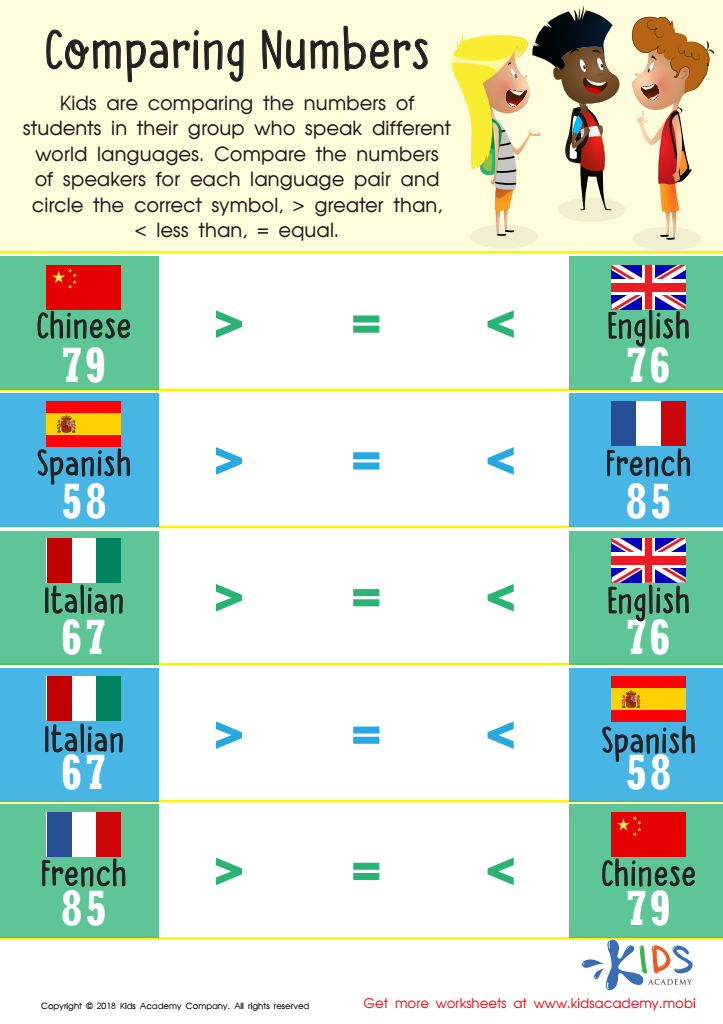
Comparing Numbers Worksheet for 1st Grade
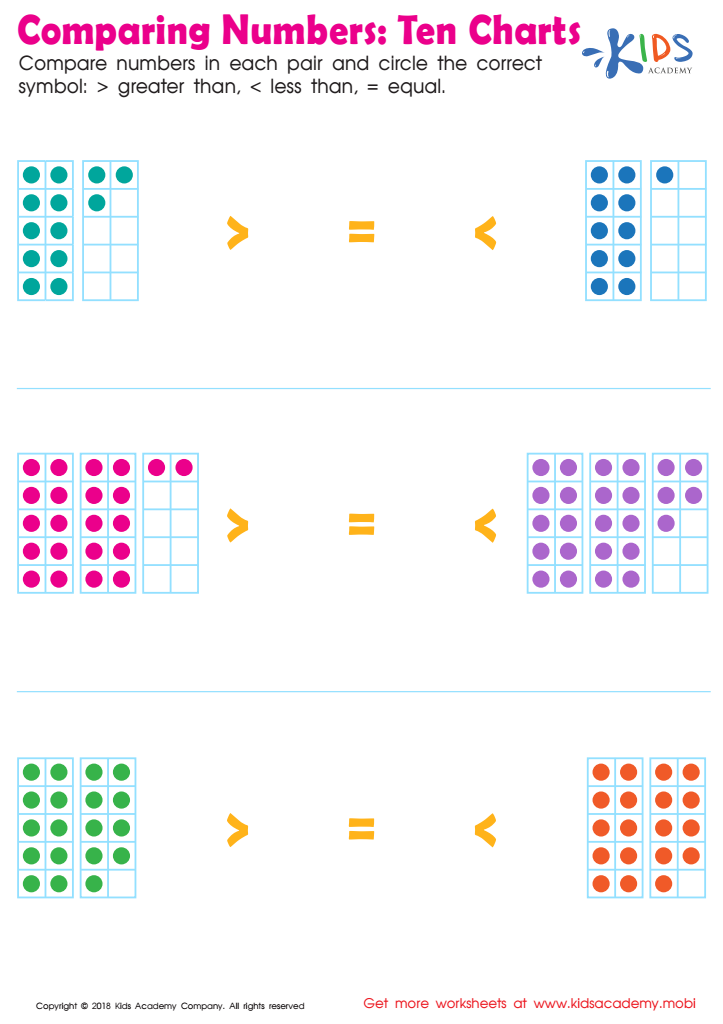
Ten Charts Worksheet
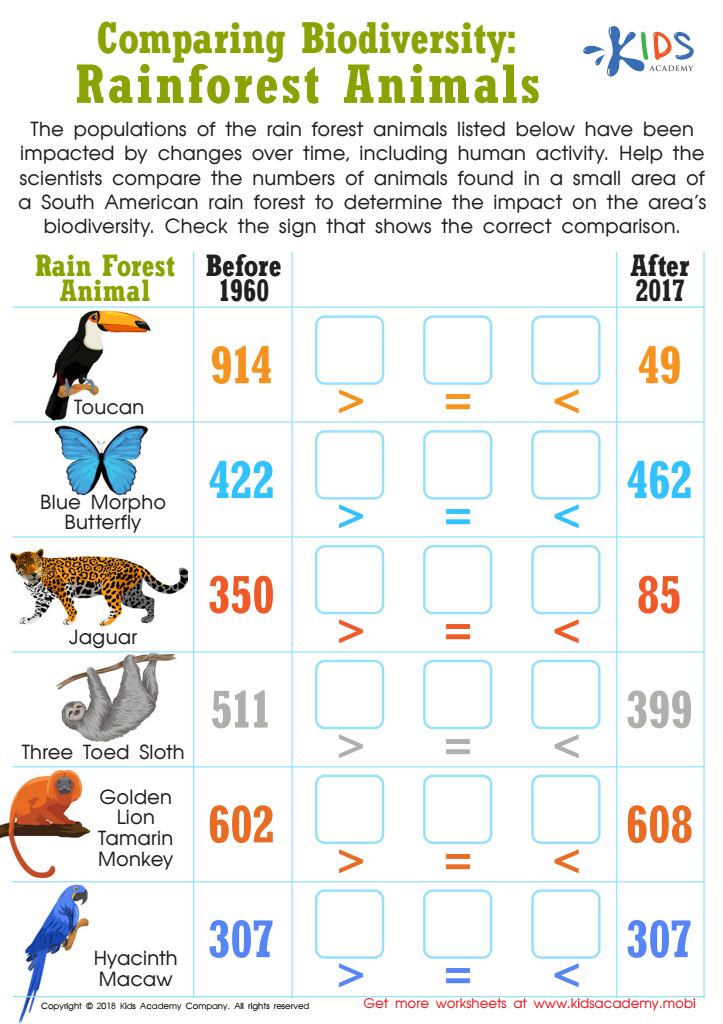
Comparing Biodiversity: Rainforest Animals Worksheet
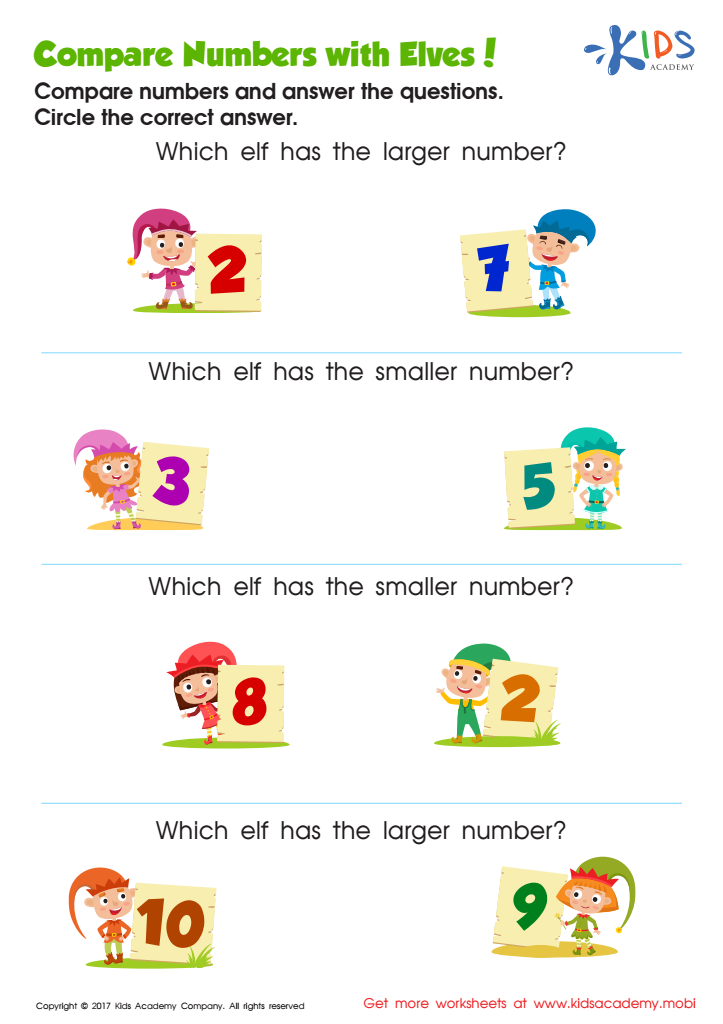
Comparing Numbers Worksheet for Kindergarten
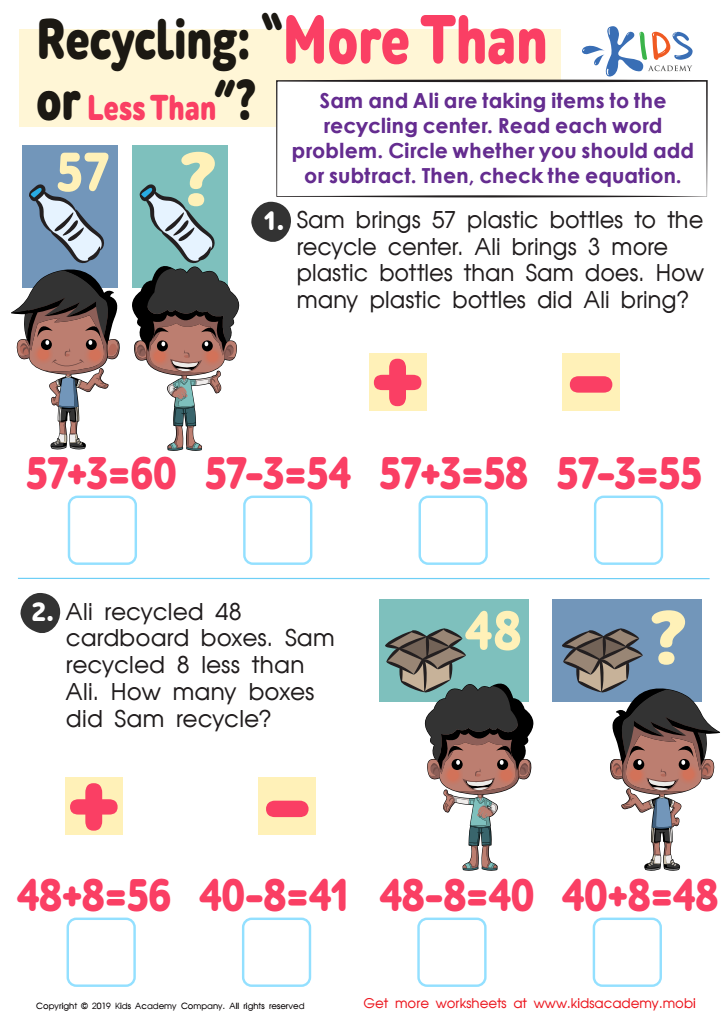
Recycling - More or Less Worksheet
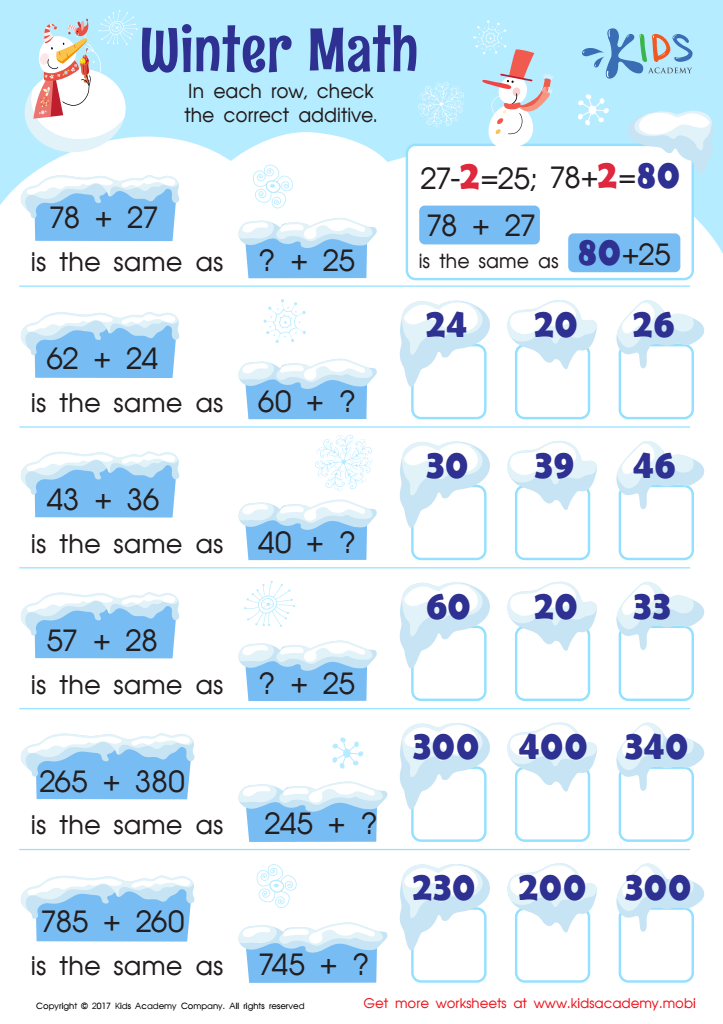
Free Addition Worksheet
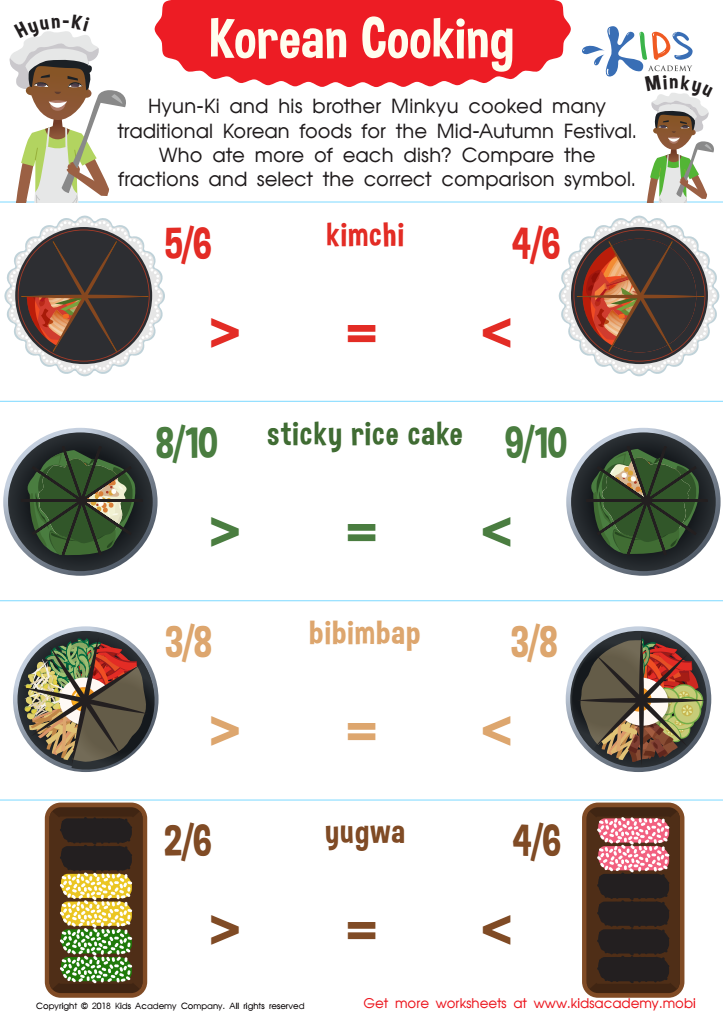
Korean Cooking Worksheet








Understanding and practicing comparing numbers for children aged 3-8 is crucial for several reasons. First, it fosters foundational mathematical skills. By learning to compare quantities, children enhance their number sense and grasp basic concepts like greater, less than, or equal to. This primary step is instrumental in setting the stage for future mathematical operations, such as addition and subtraction.
Second, comparing numbers develops critical thinking. As children evaluate numbers, they learn to make judgments and decisions, bolstering their problem-solving abilities. It nurtures logic and reasoning skills essential across all areas of learning and daily life.
Third, early math skills, including number comparison, have been consistently linked to academic success. Research indicates that young children with robust math skills tend to achieve better outcomes not just in math, but in other subjects as well.
Lastly, mastering these skills builds confidence. As children successfully distinguish between quantities, they grow more confident in their capabilities. This confidence encourages a positive attitude toward learning in general.
In summary, parents and teachers play a crucial role in nurturing these skills to ensure children have a strong mathematical foundation, critical thinking ability, and academic confidence, impacting their long-term educational journey.