Counting skills Normal Numbers Worksheets for Ages 3-8 - Page 2
67 filtered results
-
From - To
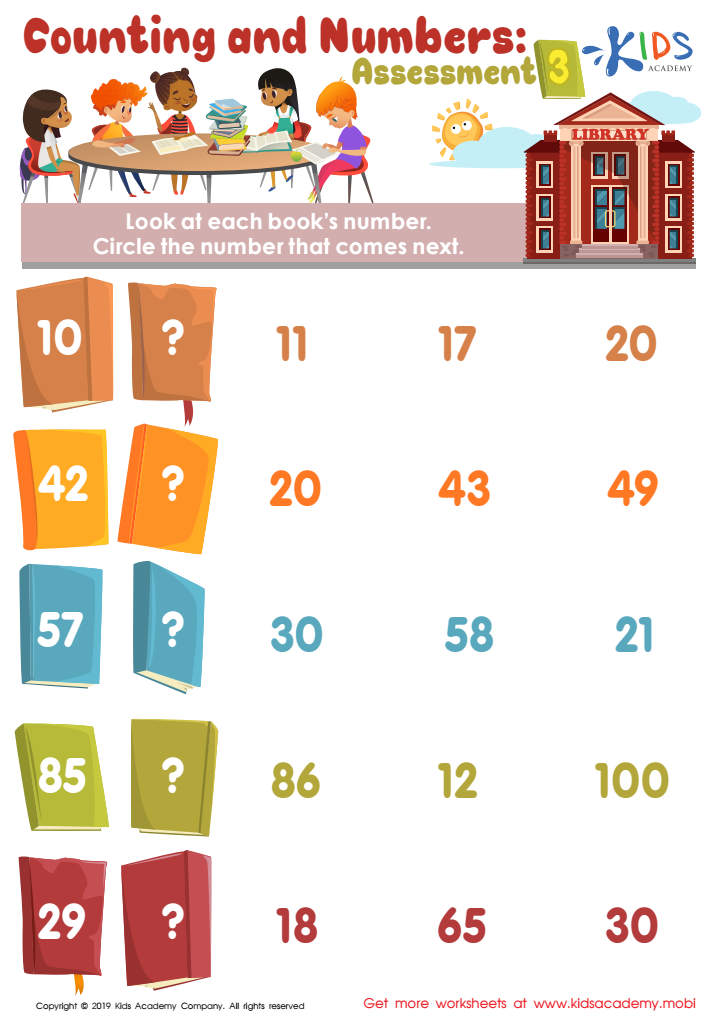
Counting and Numbers: Assessment Worksheet
 Assign to My Students
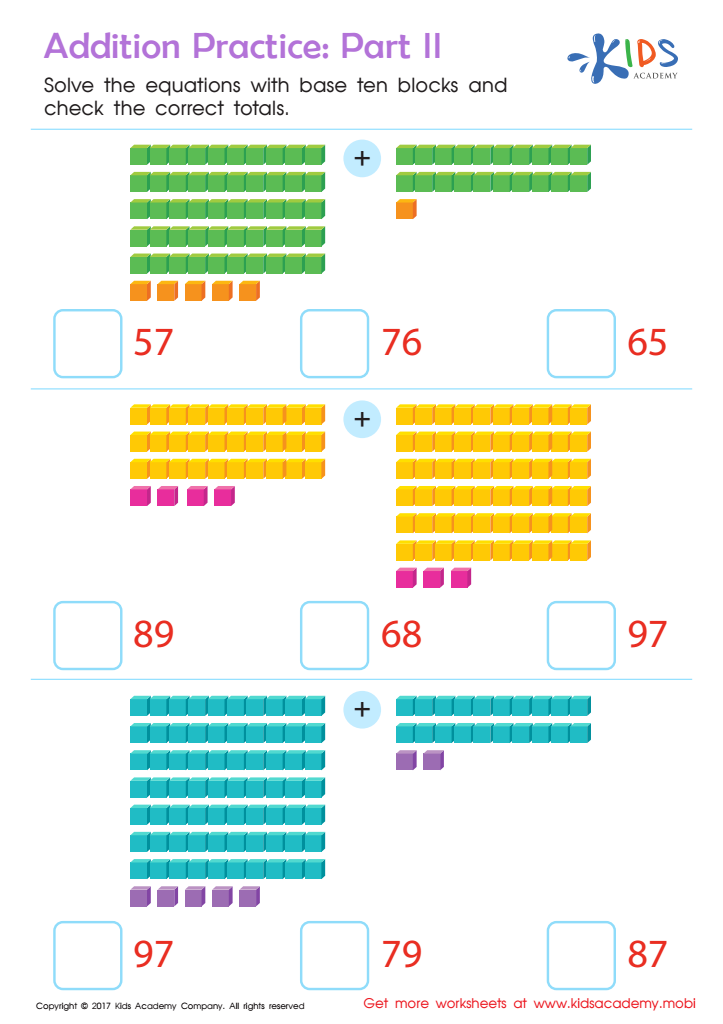
Addition Practice Sheet: Part 2
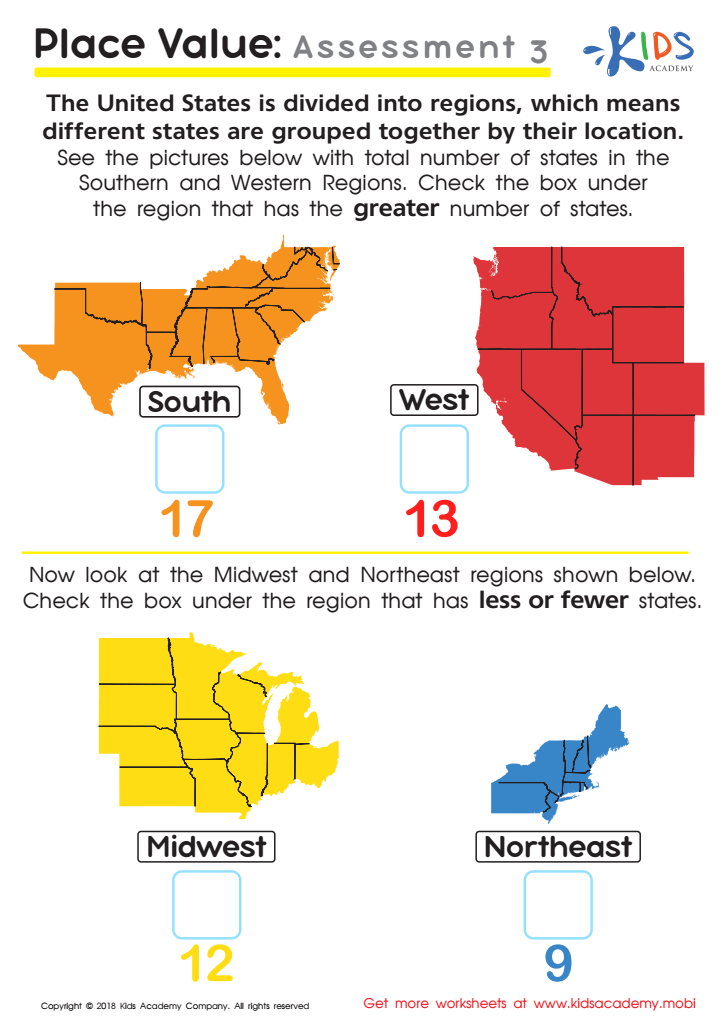
Place Value: Assessment 3 Worksheet
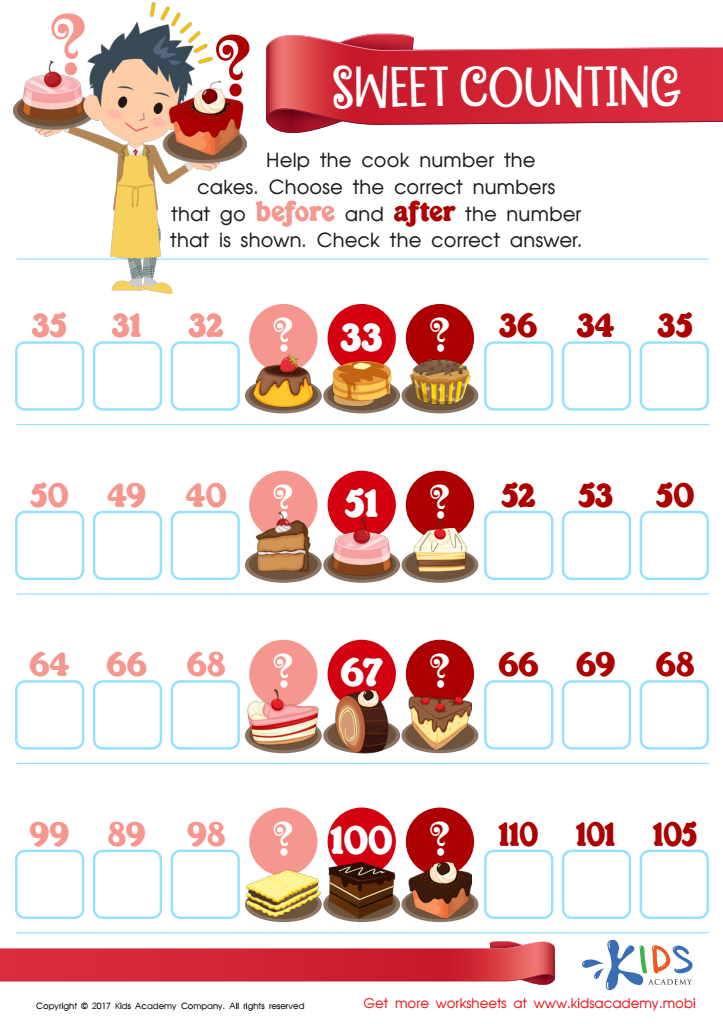
Sweet Counting - Part 1 Worksheet
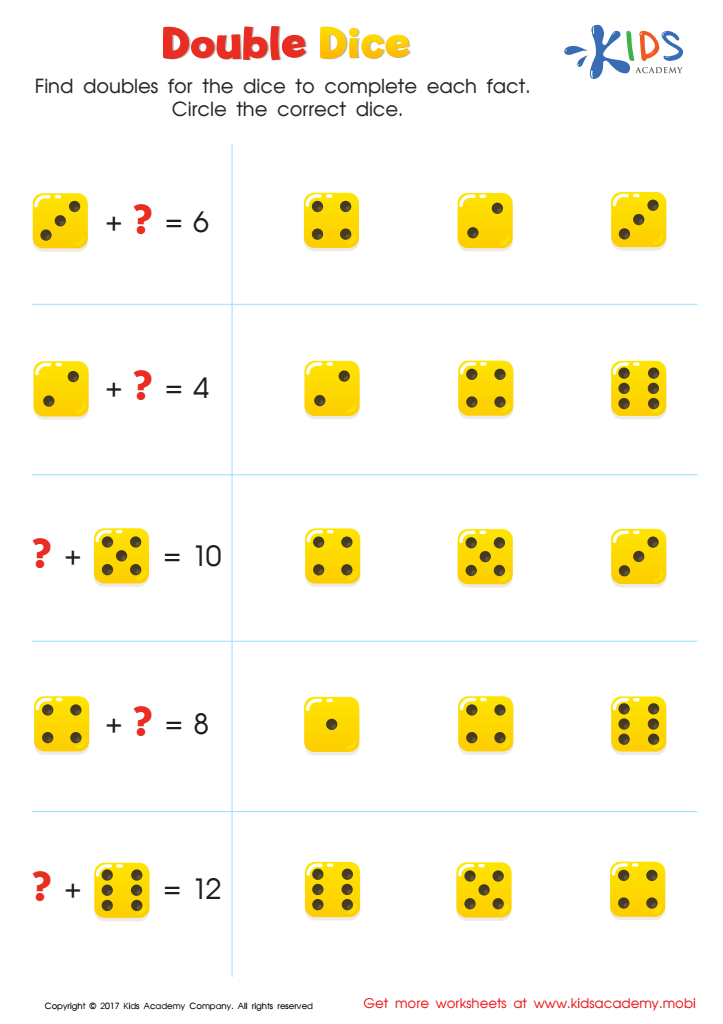
Addition Facts: Double Dice Worksheet
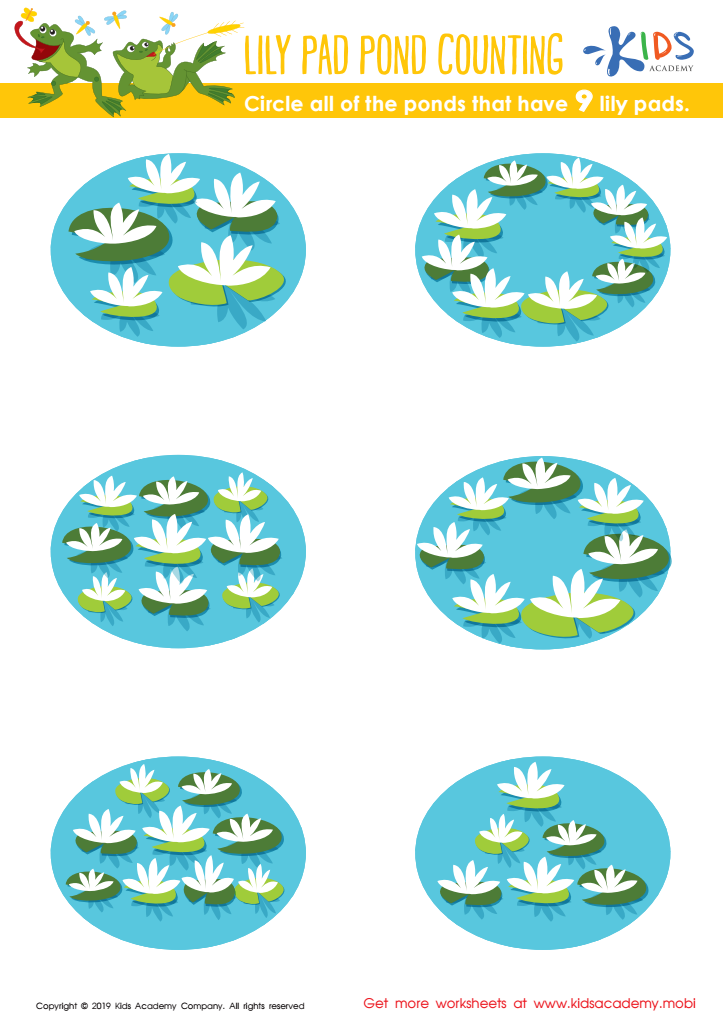
Lily Pad Pond Counting Worksheet
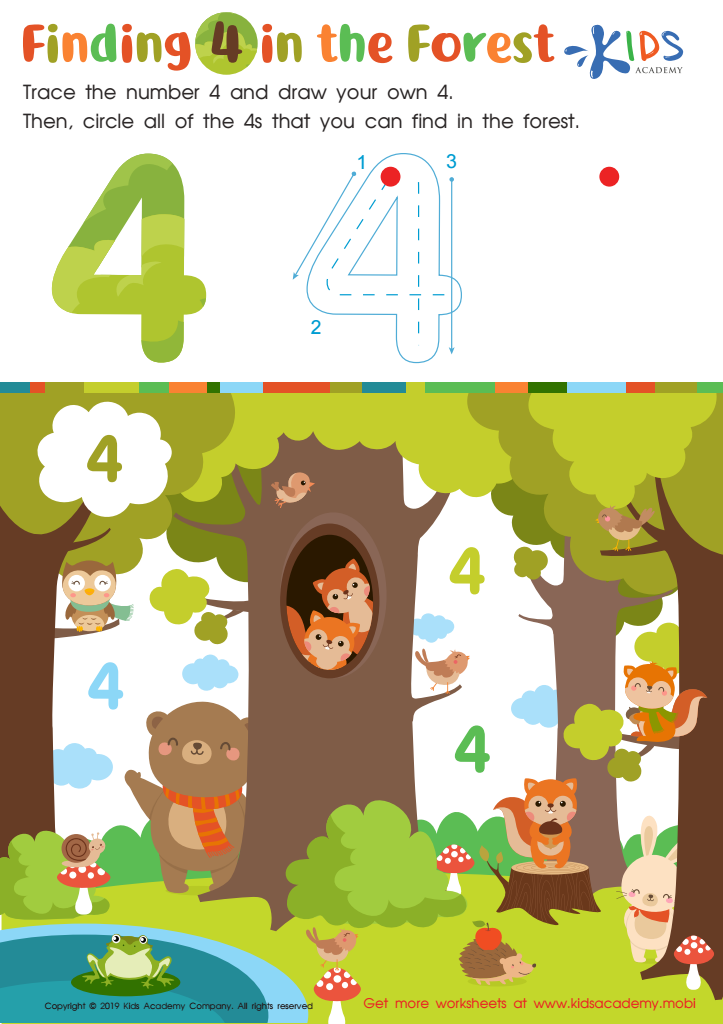
Finding 4 in the Forest Worksheet
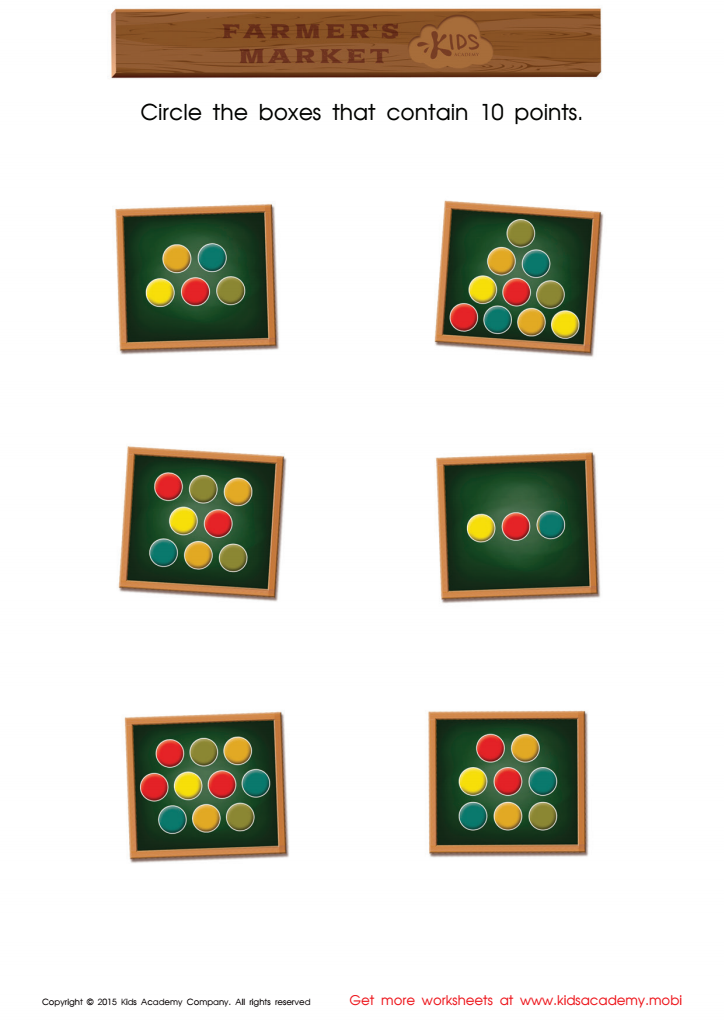
Count and Match Points 10 Math Worksheet
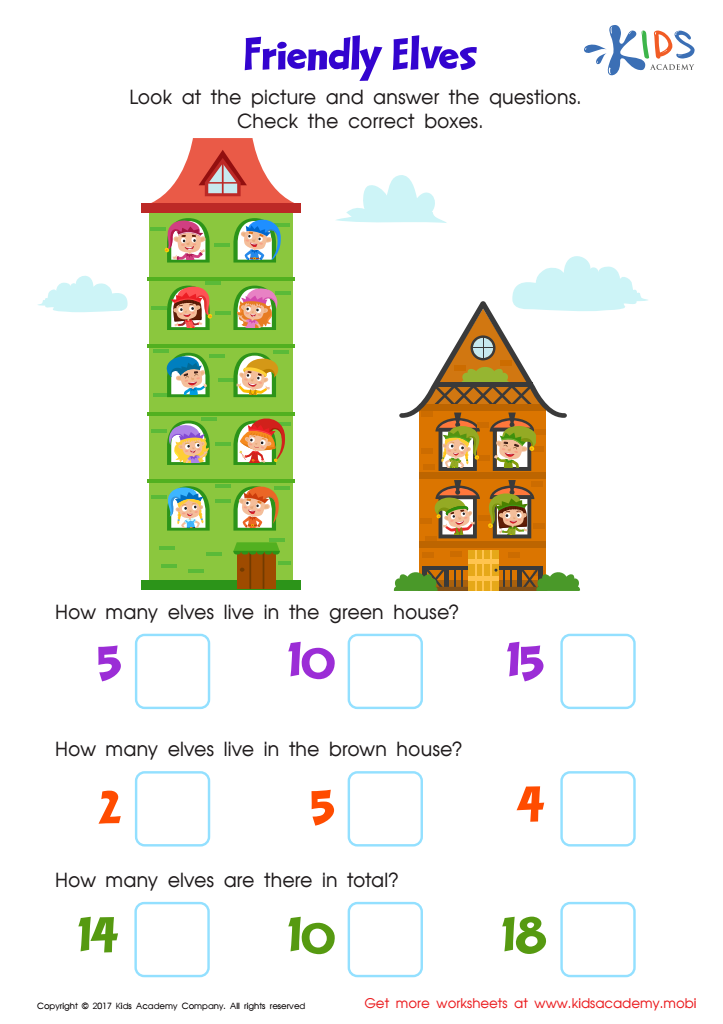
Place Value: Friendly Elves Worksheet
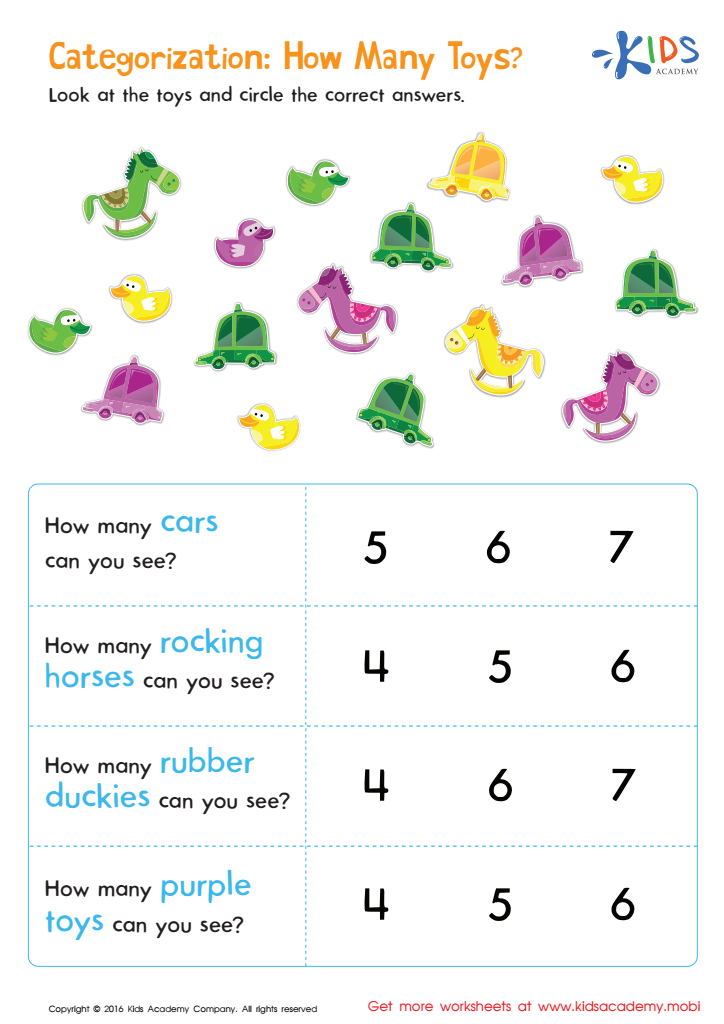
Classifying Toys by Type and Color Sorting Worksheet
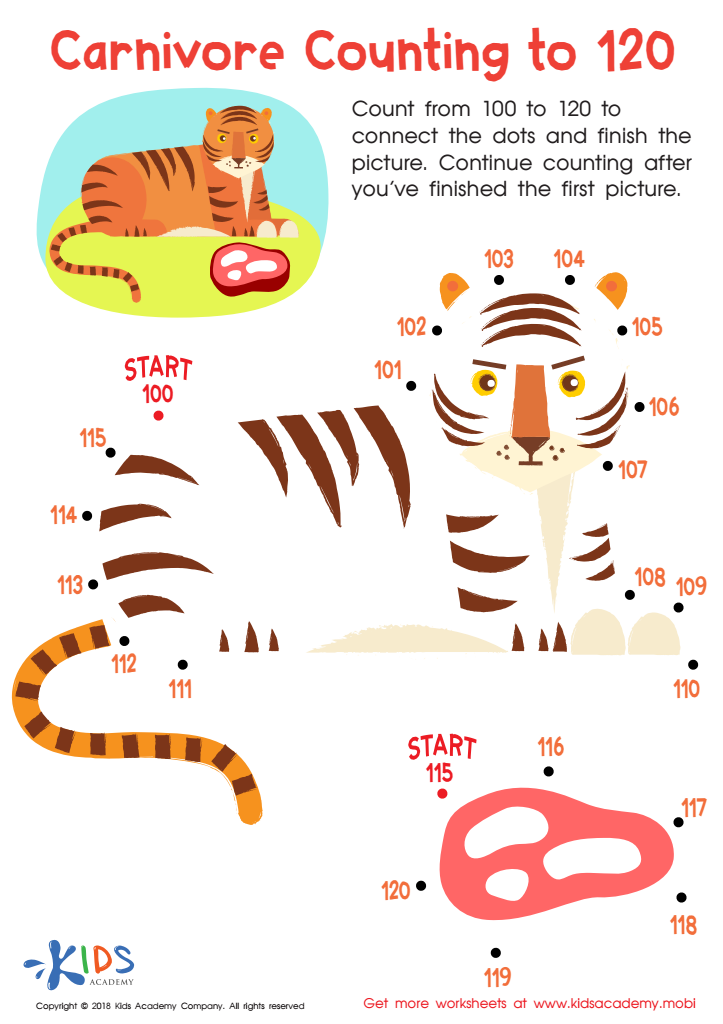
Carnivore Counting to 120 Worksheet
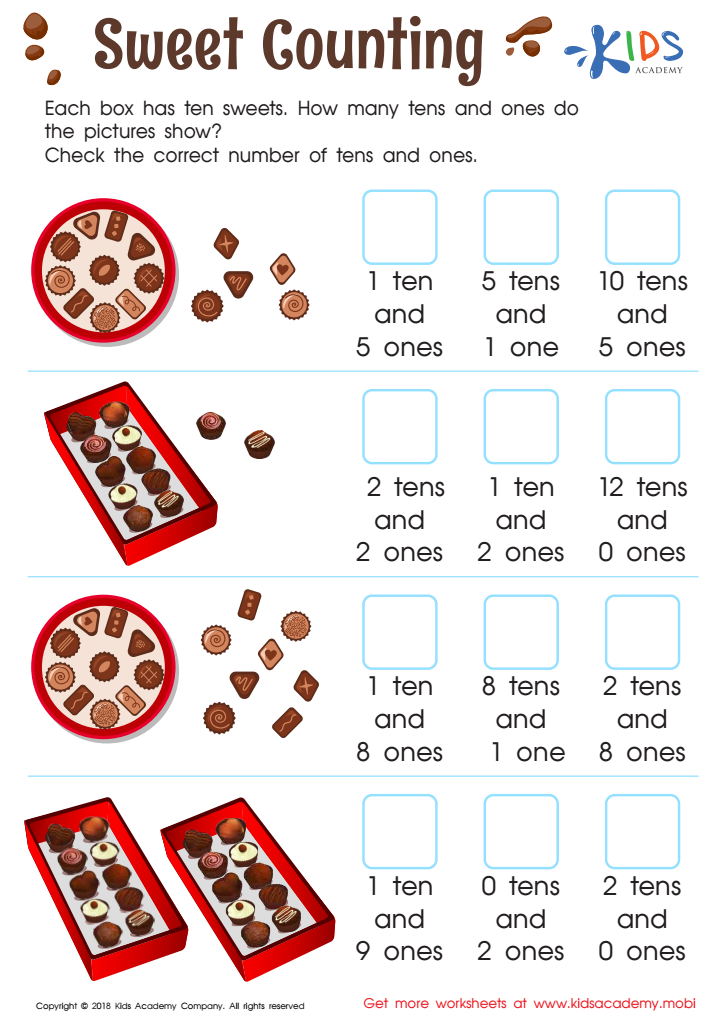
Sweet Counting - Part 2 Worksheet
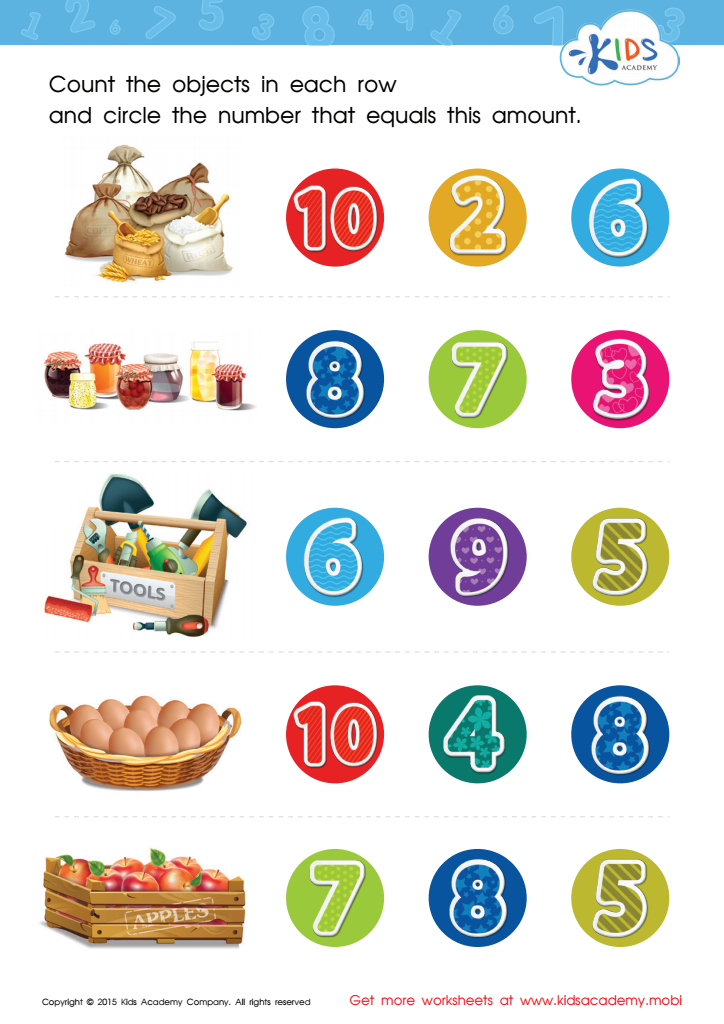
Count and Match 6 – 10 Math Worksheet
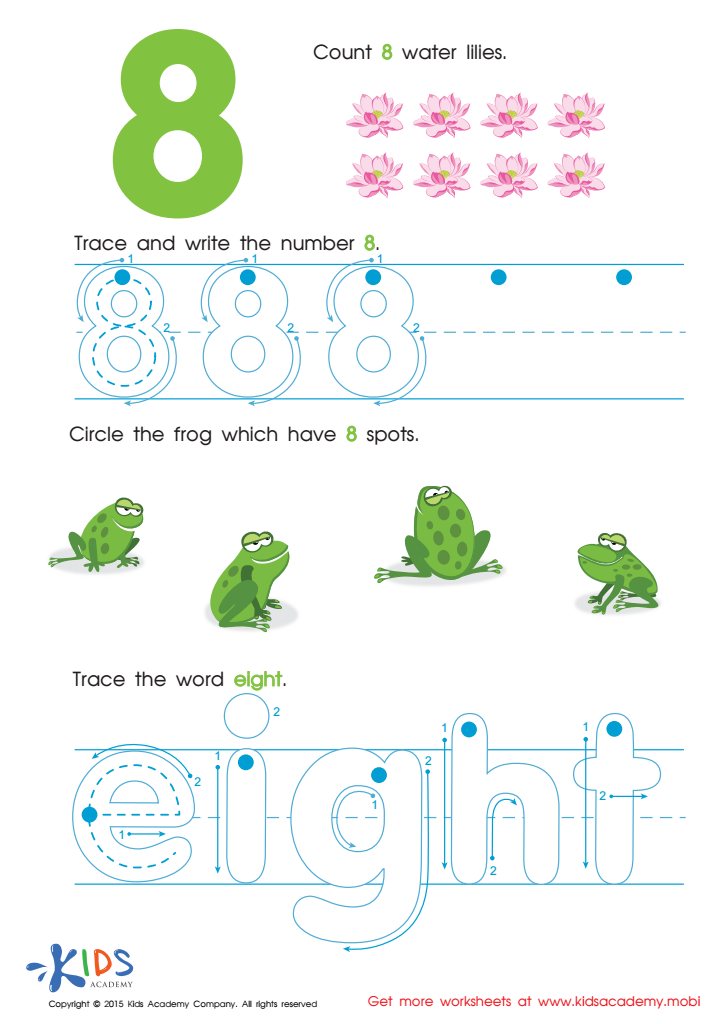
Learn Number 8 Easily Worksheet
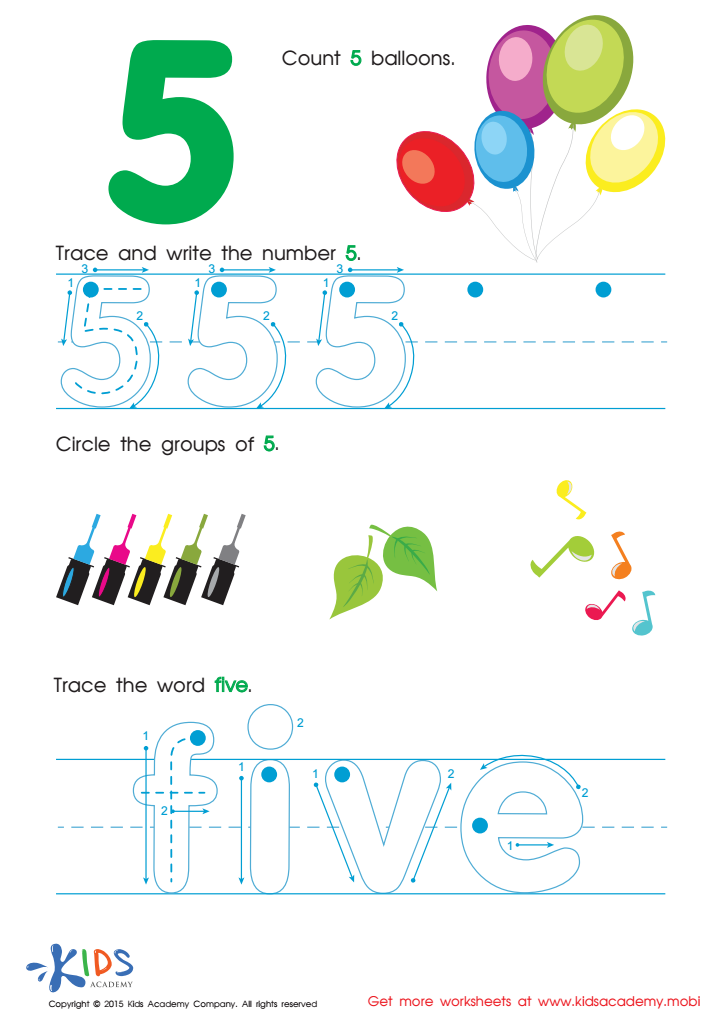
Practice Writing Number 5 Worksheet
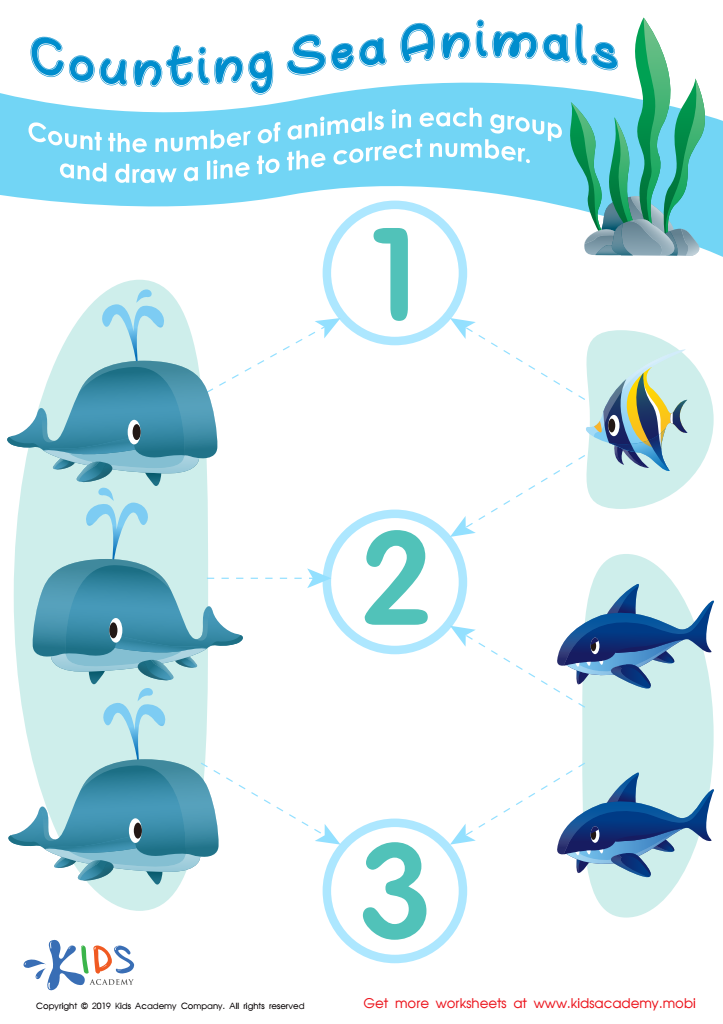
Counting Sea Animals Worksheet
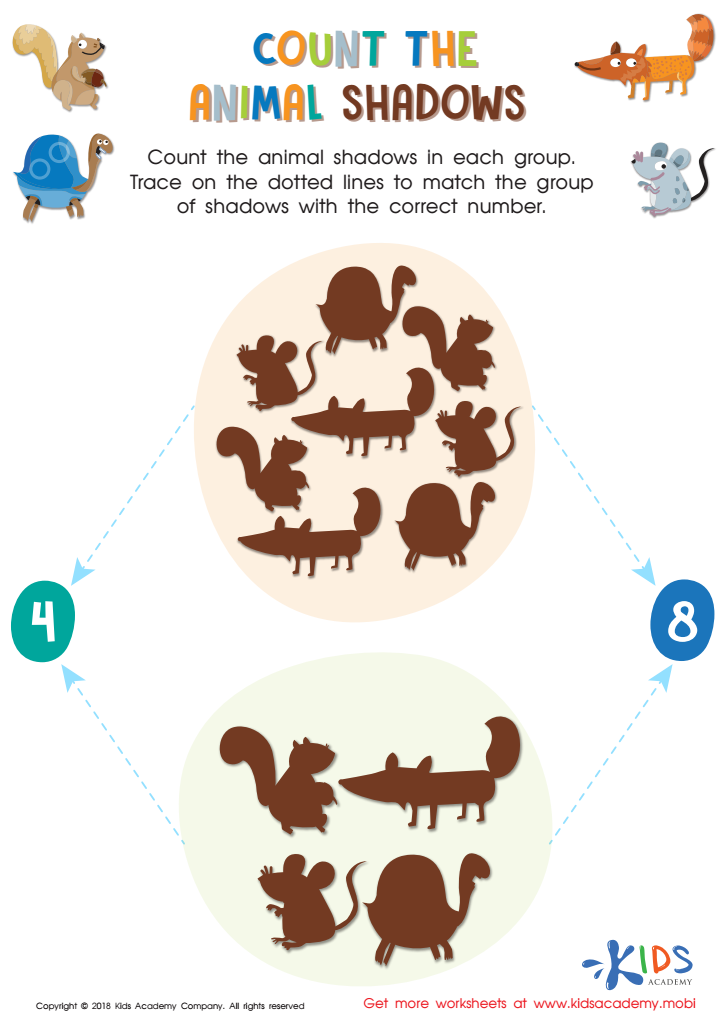
Count the Animal Shadows Worksheet
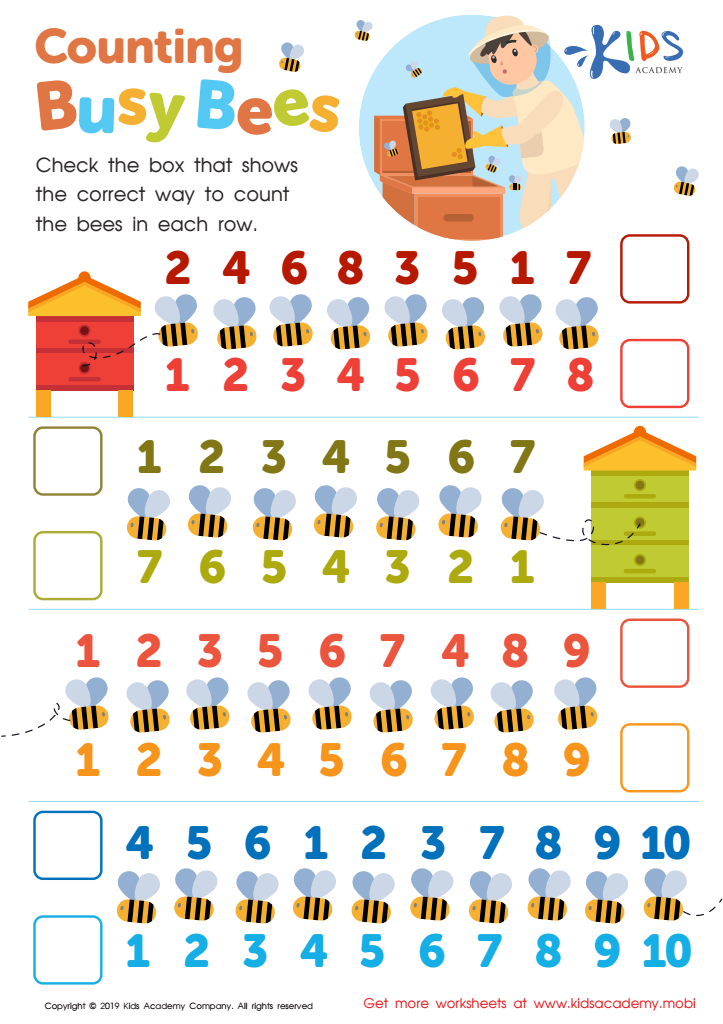
Counting Busy Bees Worksheet
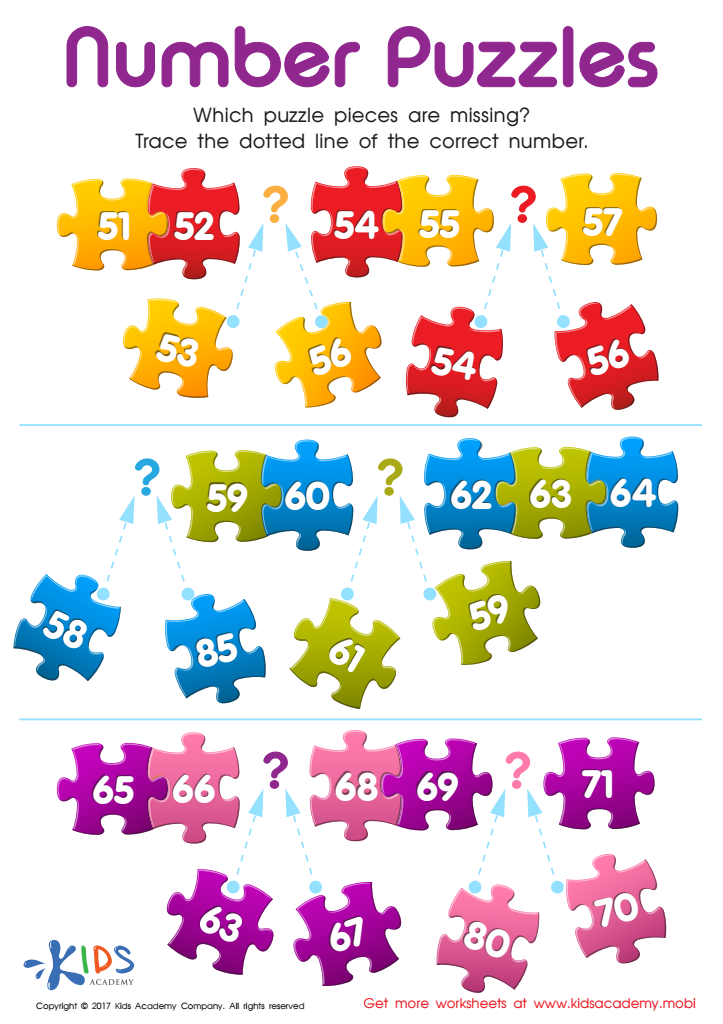
Number Puzzles Worksheet
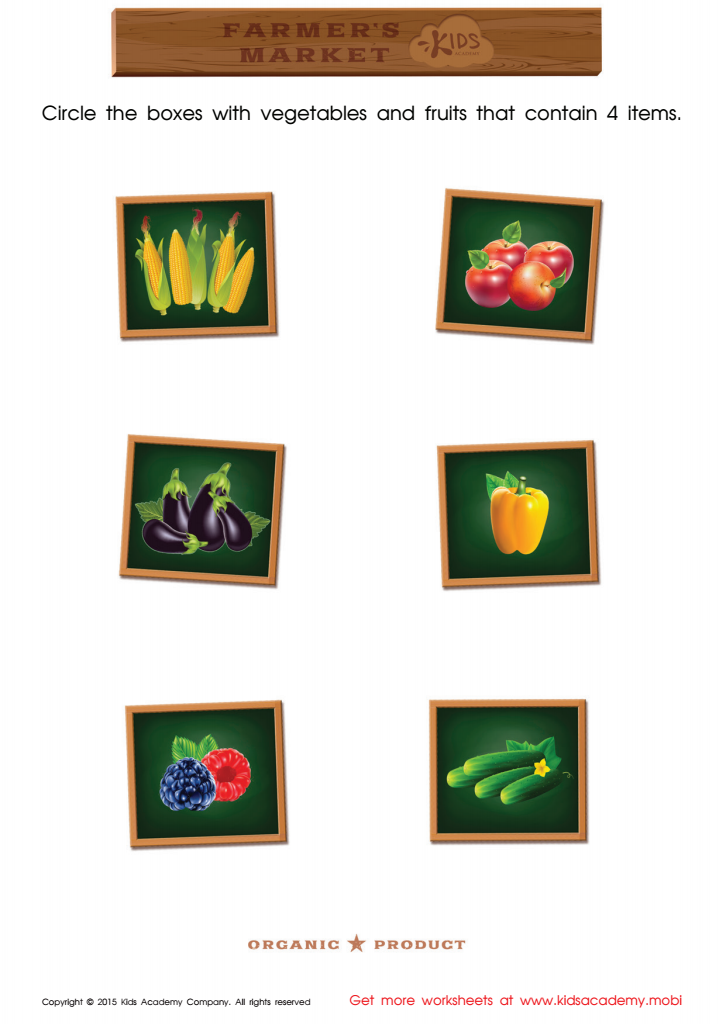
Count and Match Vegetables 2 – 8 Math Worksheet
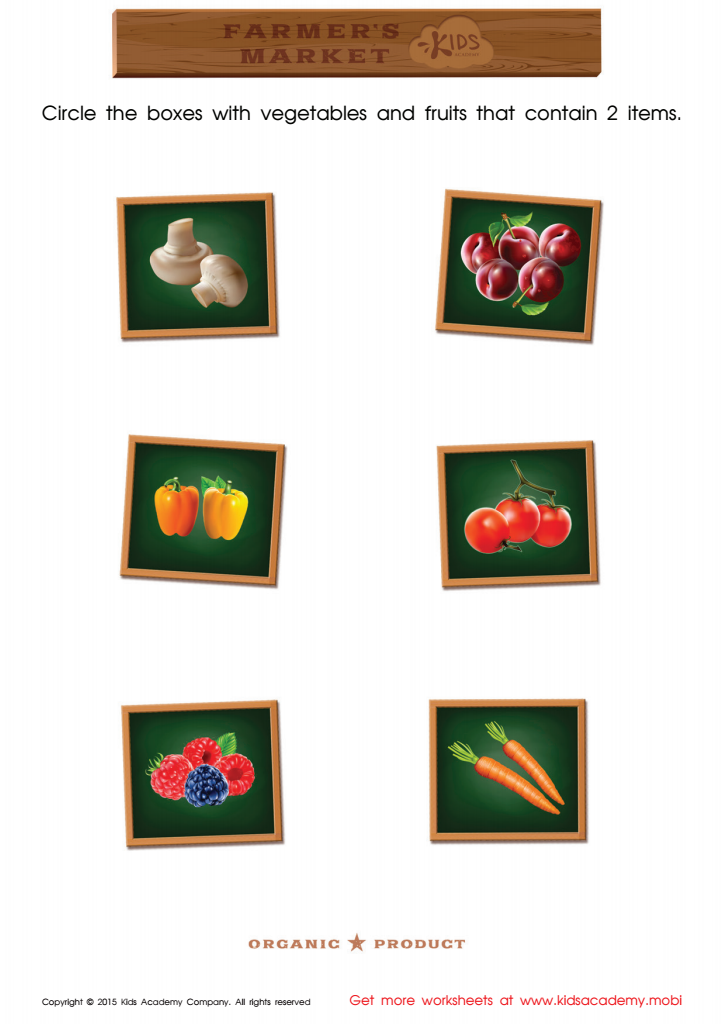
Count and Match Vegetables and Points Math Worksheet
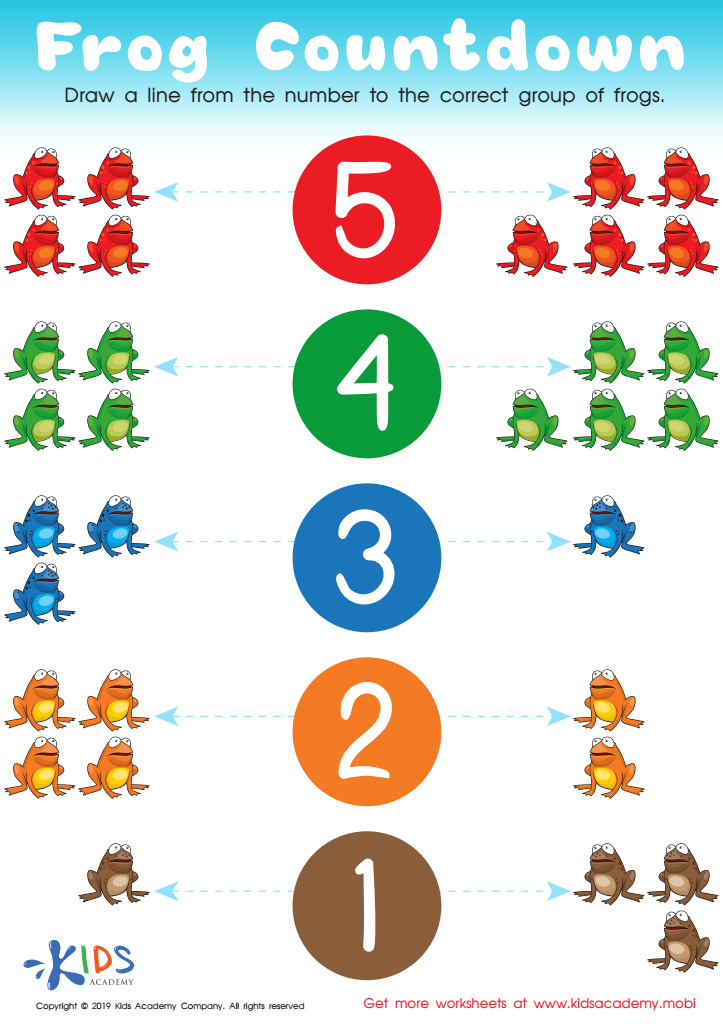
Frog Countdown Worksheet
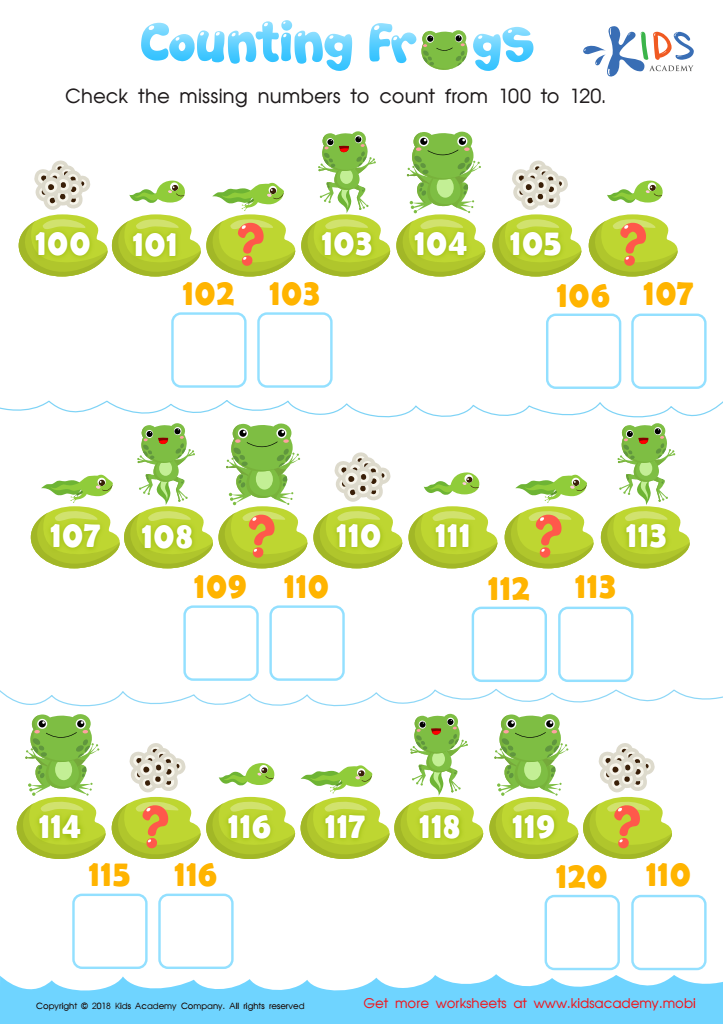
Counting Frogs Worksheet
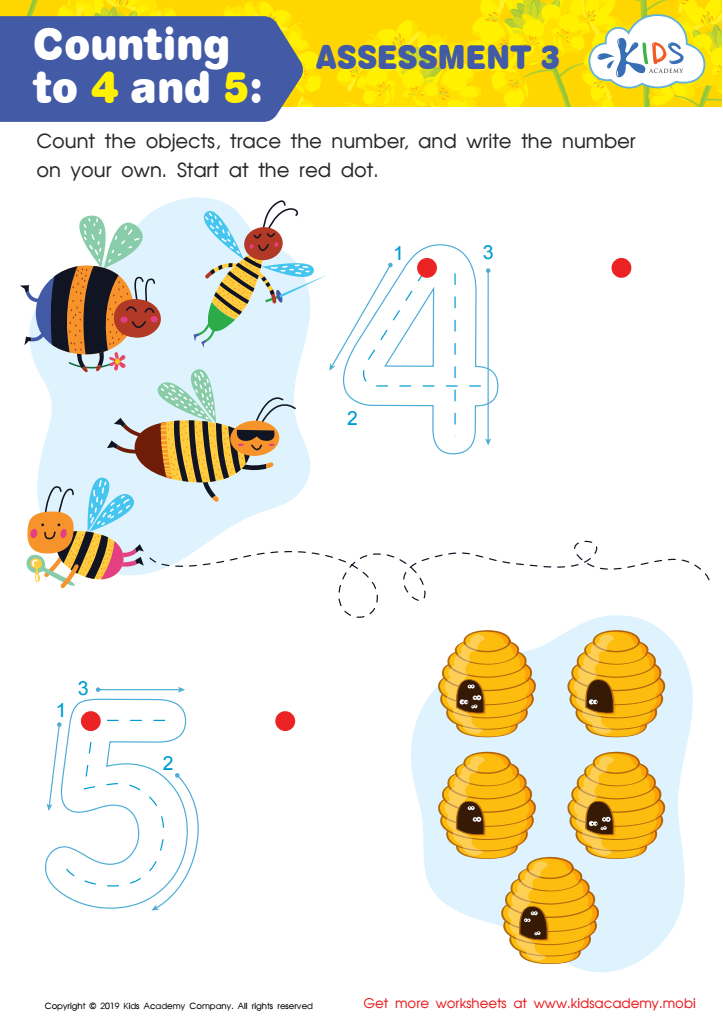
Counting to 4 and 5: Assessment 3 Worksheet


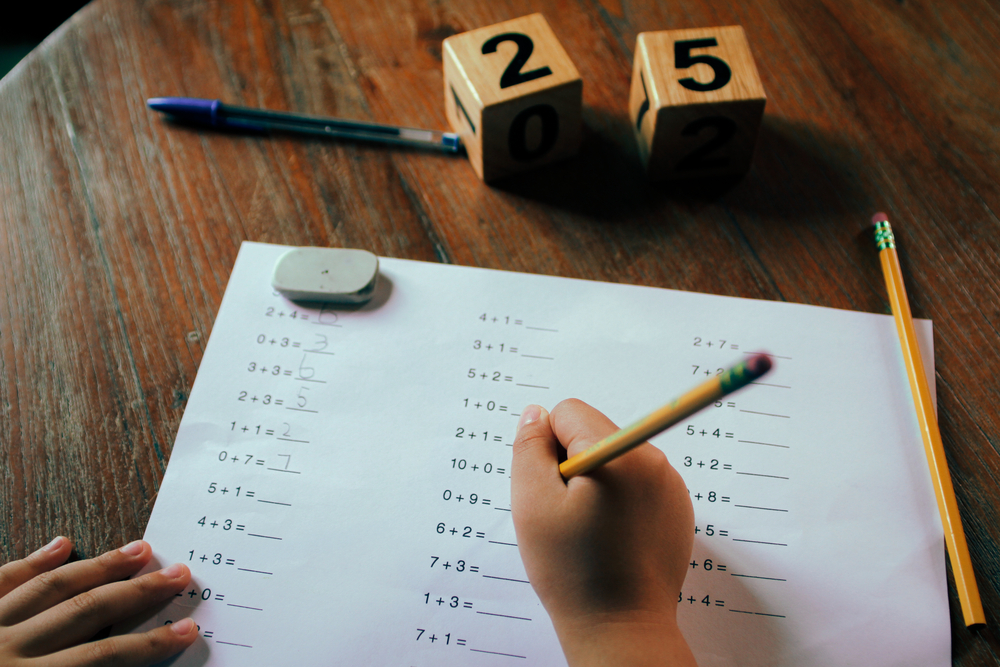





Counting skills are a fundamental aspect of early childhood development that parents and teachers should prioritize for children aged 3-8. Mastering these foundational skills plays a crucial role in a child's overall cognitive growth and future academic success. For young learners, counting not only involves rote memorization of numbers but also the understanding of what these numbers represent in quantity, which is essential for grasping more complex mathematical concepts later on.
When children proficiently learn to count, they develop a sense of number awareness and quantity recognition, honing their abilities to perform everyday tasks such as identifying shapes, understanding patterns, and even telling time. Additionally, counting activities reinforce fine motor skills through physical counting aids like blocks or beads, which improve hand-eye coordination.
Further, early counting competence fosters critical thinking and problem-solving skills. For example, engaging in counting activities challenges children to think logically, enhancing their ability to categorize objects and identify numerical patterns. It also nurtures language development as children learn the correct vocabulary associated with numbers and quantities.
Encouraging counting skills in early years forms the bedrock of future mathematical learning and builds confidence in children, preparing them for a smoother transition to more advanced academic challenges. Thus, focusing on developing counting skills from a young age prepares them for a lifetime of learning and practical application.








