Enhancing problem-solving skills Normal Numbers Worksheets for Ages 3-8
4 filtered results
-
From - To
Enhance your child's problem-solving skills with our engaging Normal Numbers Worksheets designed for ages 3 to 8. Tailored to support early learners, these interactive worksheets encourage critical thinking and number recognition in a fun and accessible way. Children develop vital math skills as they tackle various challenges, from counting and sorting to simple addition and subtraction. Our worksheets are perfect for home or classroom use, promoting independent learning and confidence in young learners. Get your child excited about numbers while building their problem-solving abilities, ultimately laying the foundation for future academic success. Download now and watch their skills soar!
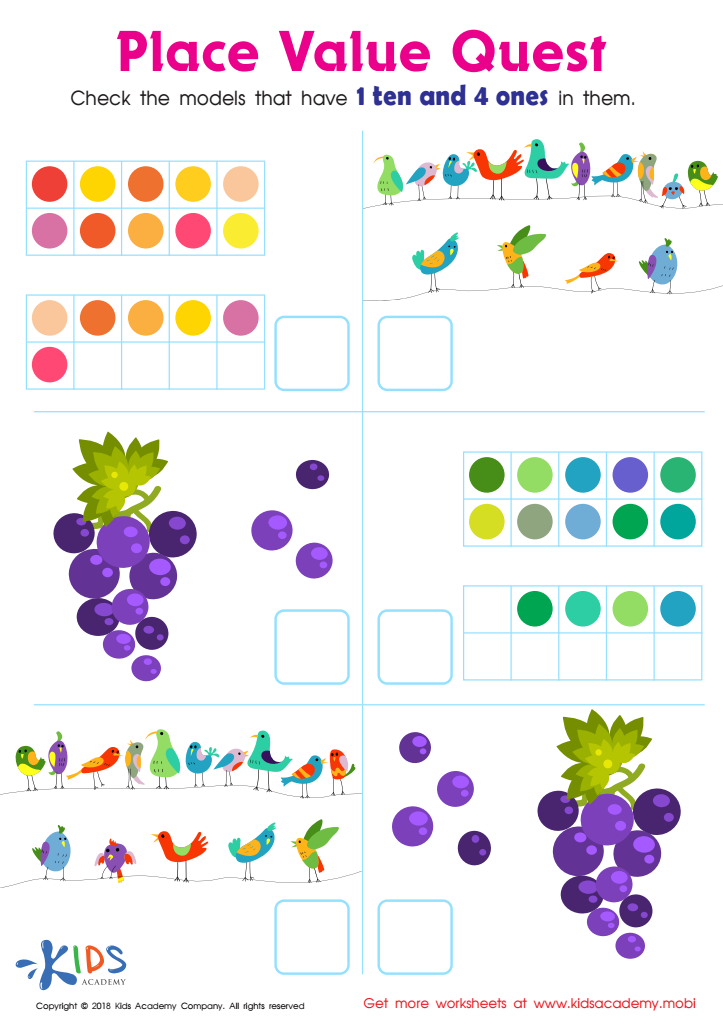
Place Value Quest Worksheet
 Assign to My Students

Daisy Subtraction Quest Worksheet
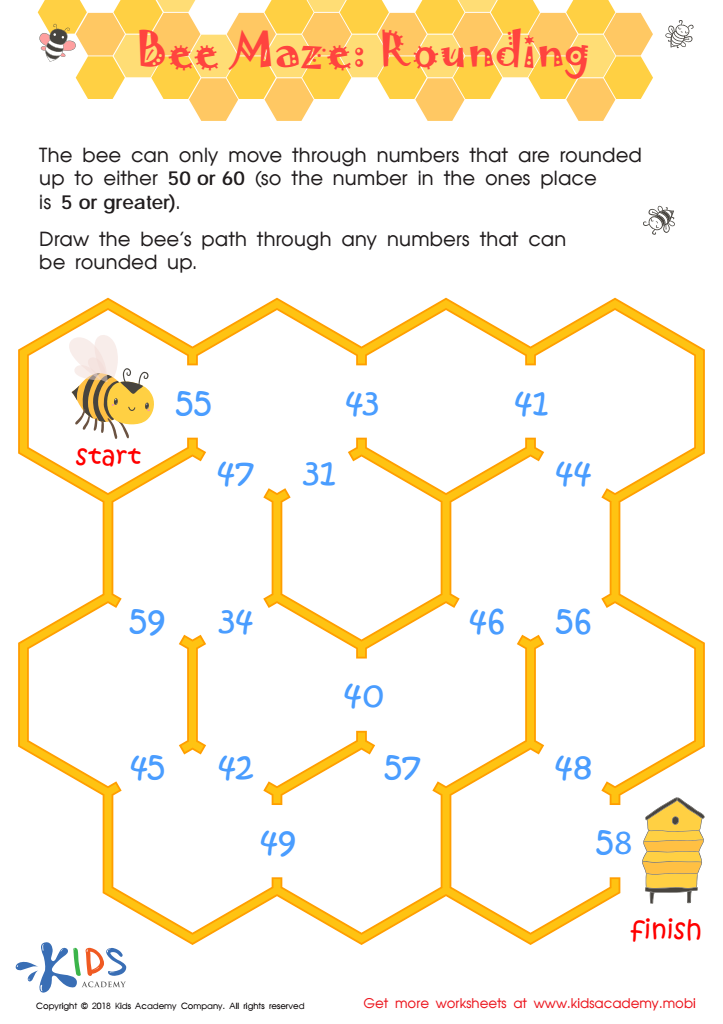
Bee Maze Rounding Worksheet
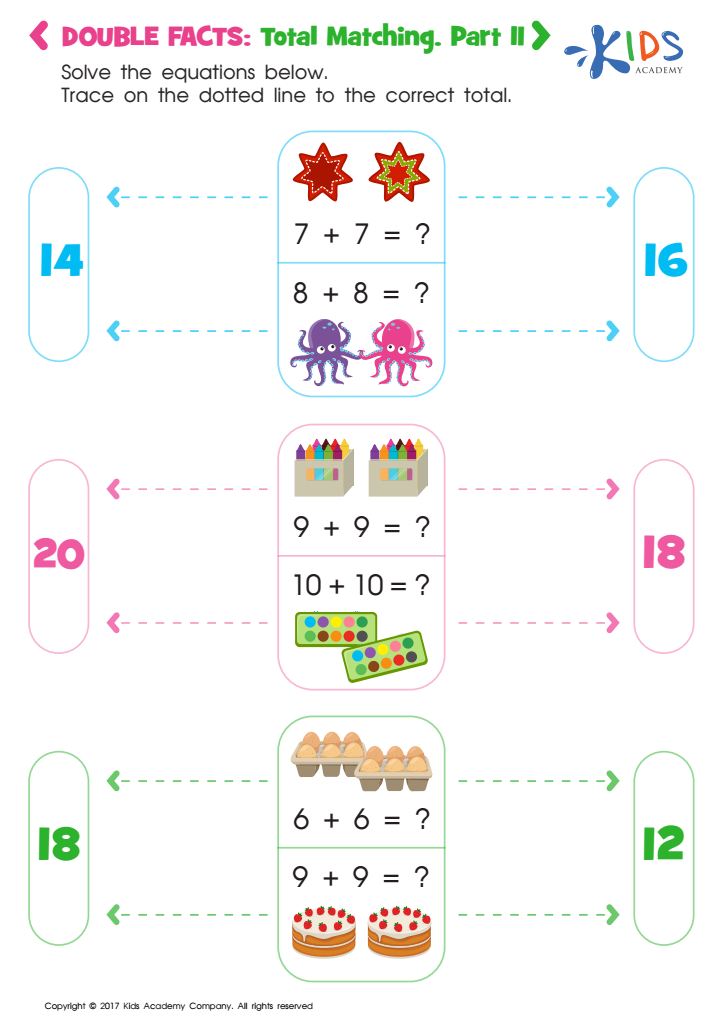
Double Facts: Total Matching 2 Worksheet








Enhancing problem-solving skills in children aged 3-8 is vital for their cognitive and emotional development. During these formative years, children are naturally inquisitive, eager to explore their environment and make sense of the world around them. By fostering problem-solving abilities, parents and teachers can equip children with essential tools for critical thinking, creativity, and resilience.
Strong problem-solving skills can help children navigate challenges they face in daily activities, from simple tasks to more complex scenarios. This is crucial as they transition into more structured learning environments. Engaging children in activities that promote these skills—such as puzzles, games, and hands-on tasks—stimulates their cognitive growth and encourages them to think independently.
Additionally, problem-solving fosters patience and perseverance. Children learn that it’s okay to make mistakes and that effort leads to success, instilling a growth mindset. This emotional resilience is essential not just academically, but in social contexts as well. Overall, enhancing problem-solving skills serves as a foundational cornerstone in a child’s holistic development, preparing them for lifelong success in learning and life challenges. Parents and teachers play a pivotal role in cultivating this environment and should prioritize interventions that support these skills.