Improving concentration Normal Math Worksheets for Ages 3-8
3 filtered results
-
From - To
Discover our specially designed Normal Math Worksheets for Ages 3-8, aimed at enhancing concentration and critical thinking skills in young learners. These engaging worksheets offer a variety of fun and interactive math exercises that capture children's attention and encourage active participation. Each activity focuses on essential math concepts, helping kids build confidence while mastering basic skills. Ideal for teachers, parents, and tutors, our resources promote a positive learning environment and make math enjoyable. Explore our collection today to inspire focused learning and set the foundation for future academic success in your child's educational journey!
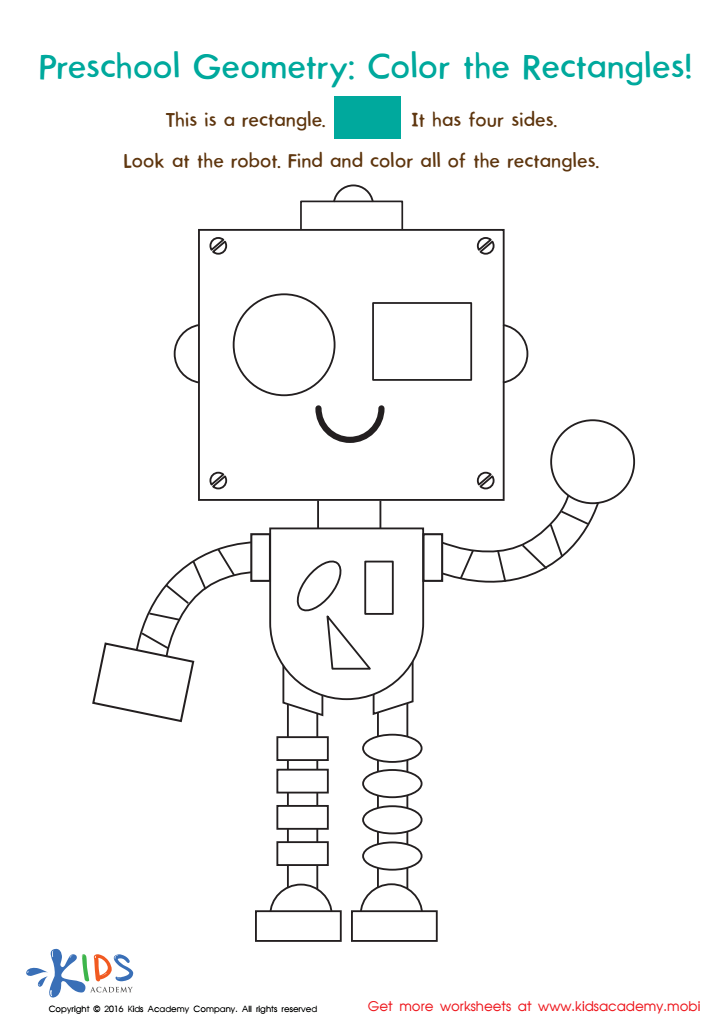
Geometry Worksheet
 Assign to My Students
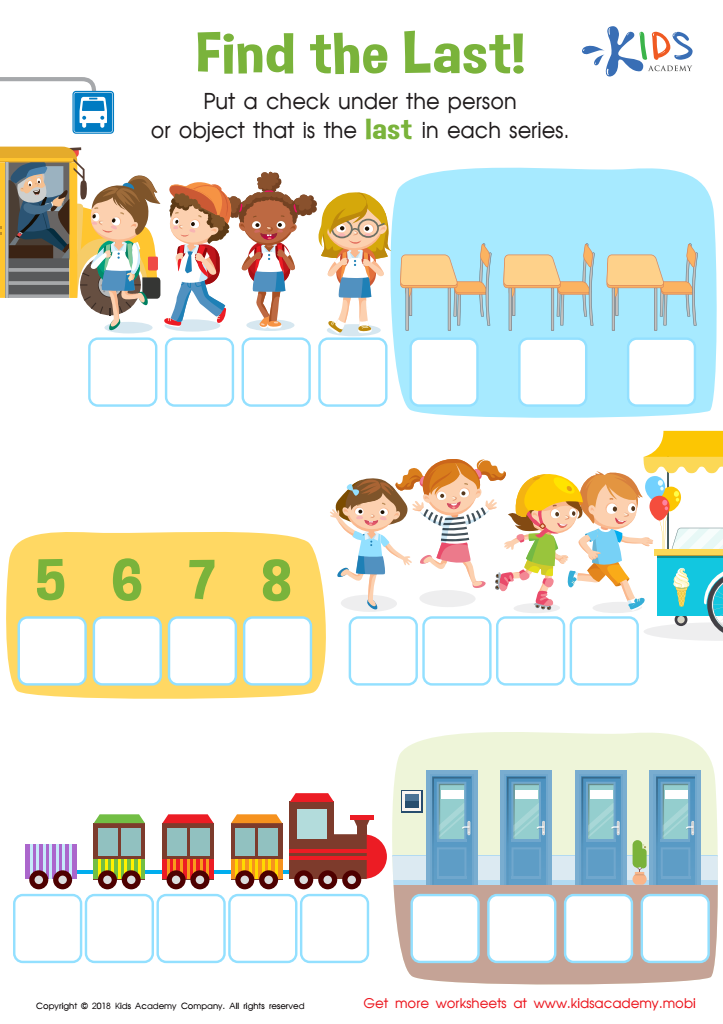
Find the Last! Worksheet
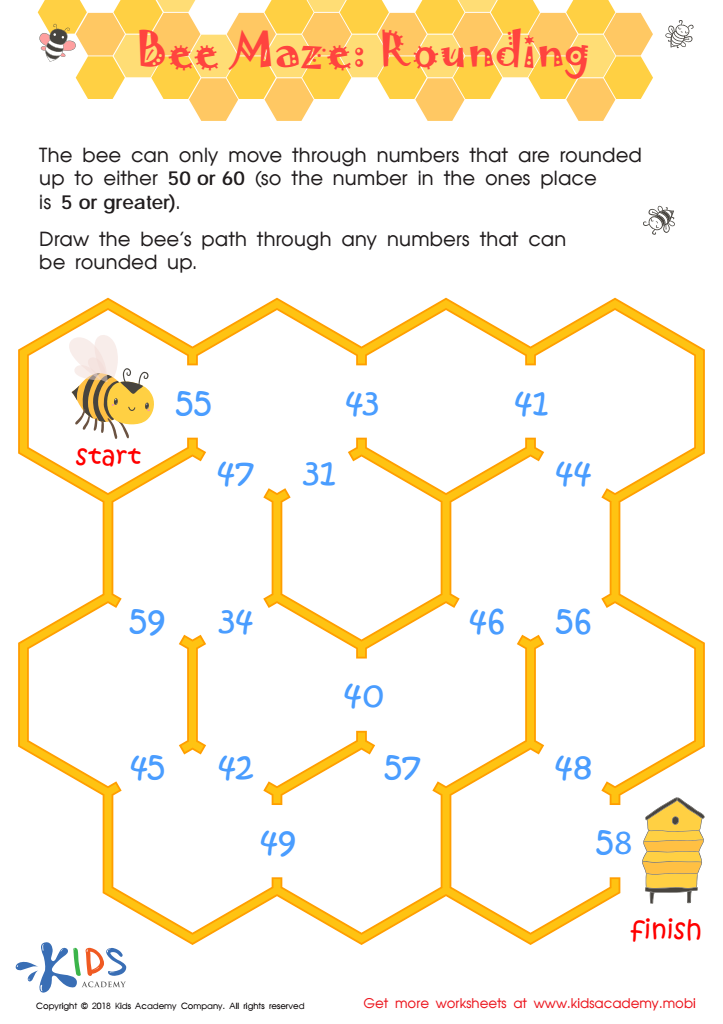
Bee Maze Rounding Worksheet








Improving concentration in early math learning for children aged 3-8 is crucial for several compelling reasons. First, this age range is pivotal in a child’s cognitive development; their ability to focus directly impacts their ability to learn foundational math skills. Concentration enhances their capacity to absorb and process new concepts effectively, laying the groundwork for future academic success.
Second, strong concentration skills foster patience and persistence in young learners. Math can often be challenging and may not yield immediate results; teaching children to concentrate helps them tackle problems thoughtfully rather than rushing through. This approach not only builds their math abilities but also promotes a growth mindset.
Additionally, encouraging concentration during math activities can heighten children's engagement. When they are focused, they are more likely to participate and enjoy learning, which can cultivate a positive attitude towards math. This benefits both classroom dynamics and home learning experiences.
Finally, as concentration is a skill that transcends subjects, enhancing it during math lessons will prepare children for increased demands in their schooling, ultimately supporting their overall academic journey. Thus, investing in improving concentration should be a shared priority for parents and educators alike.








