Vocabulary expansion Normal Math Worksheets for Ages 3-8
4 filtered results
-
From - To
Enhance your child’s learning journey with our Vocabulary Expansion Normal Math Worksheets, designed specifically for ages 3-8. These engaging and interactive worksheets combine foundational math skills with vocabulary development, making learning fun and effective. Each worksheet focuses on building essential language skills alongside basic math concepts, helping young learners connect words with numbers. Ideal for parents and educators, our resources promote essential cognitive development while fostering an enjoyable educational experience. Foster a love for learning in your child, boosting both their math and communication skills effortlessly. Download these creative worksheets now to watch your child's vocabulary and confidence flourish!
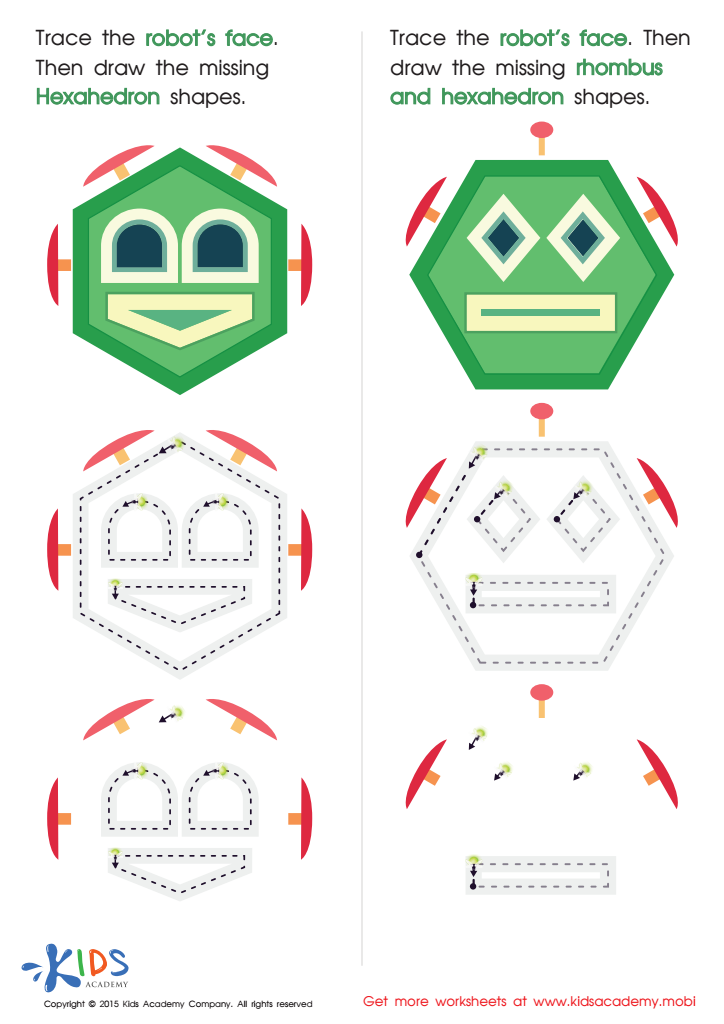
Practice Drawing Hexahedrons And a Rhombus Worksheet
 Assign to My Students
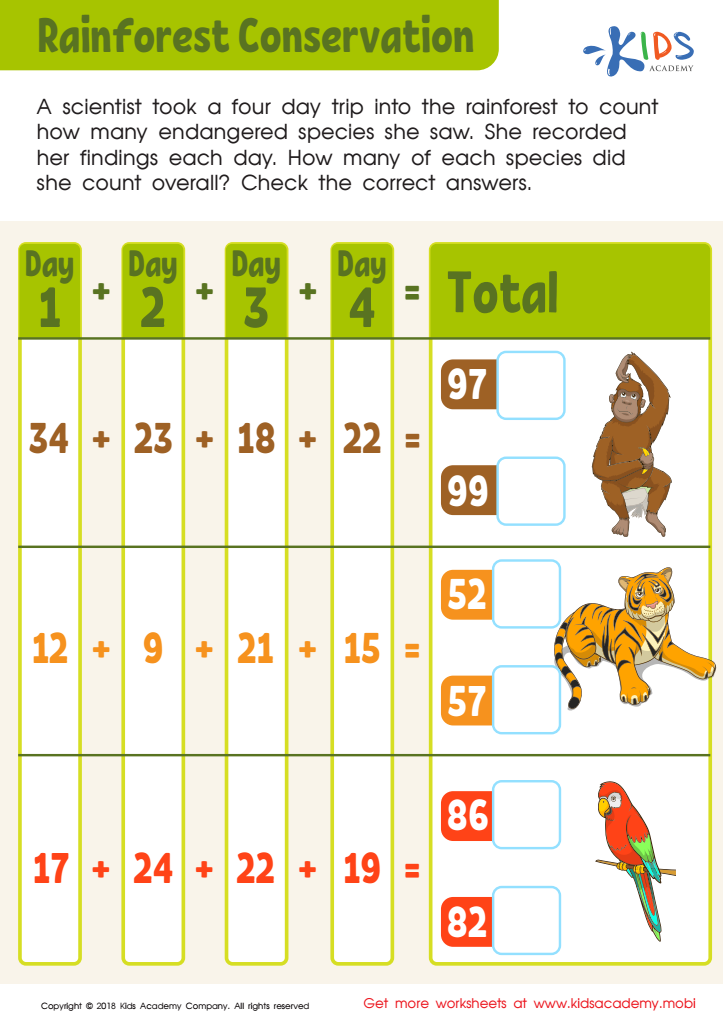
Rainforest Conservation Worksheet
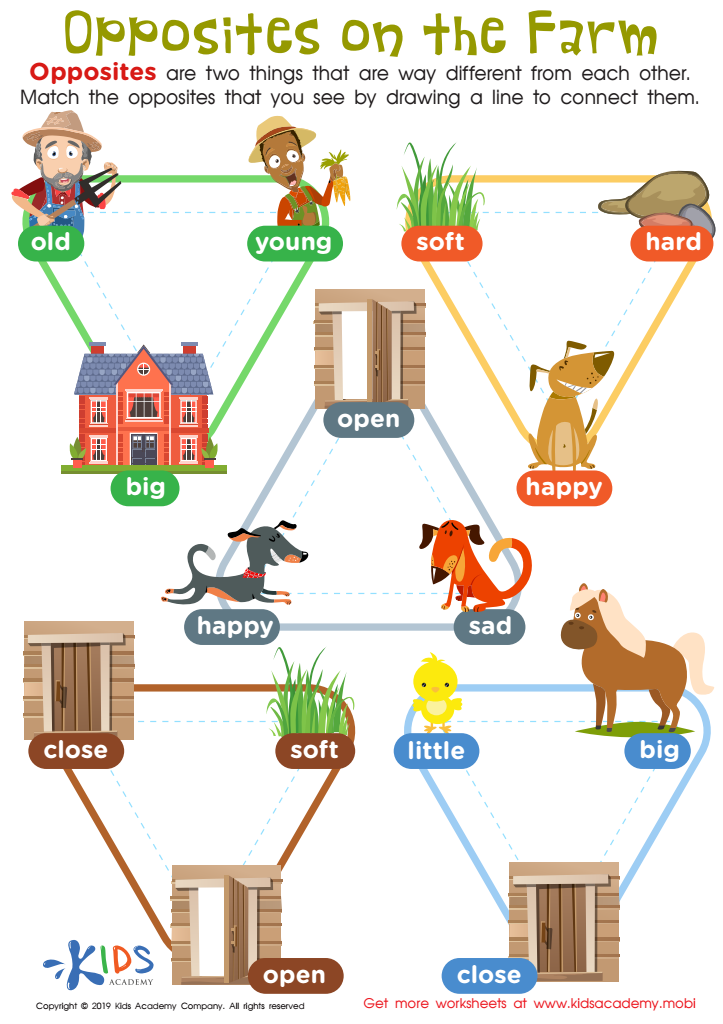
Opposites on the Farm Worksheet
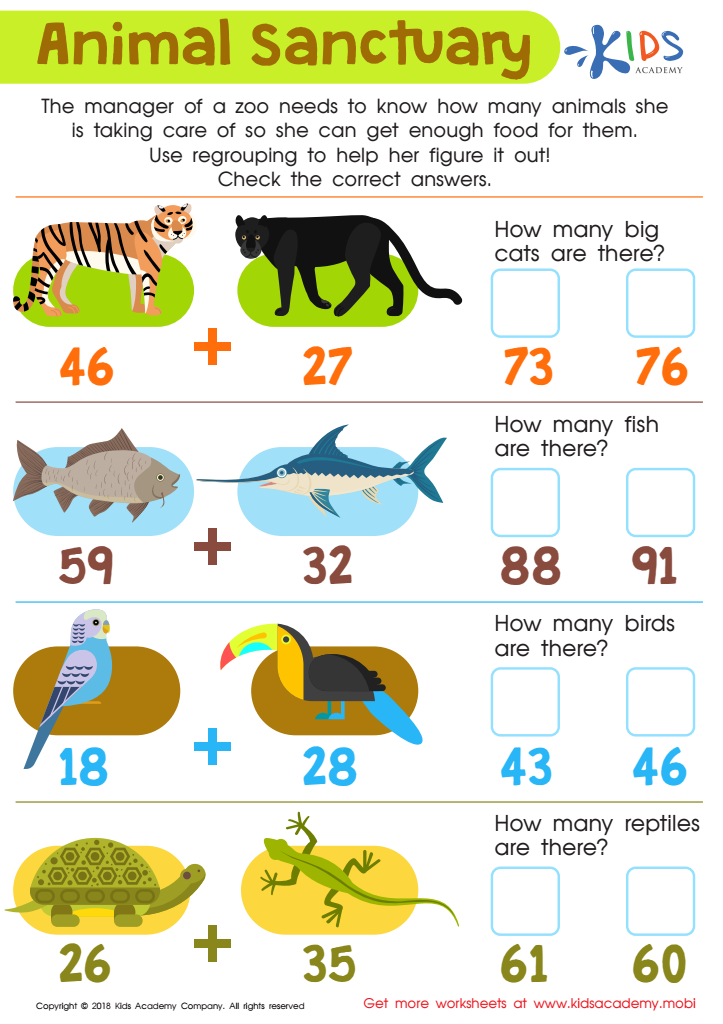
Animal Sanctuary Worksheet







Vocabulary expansion is crucial for children aged 3-8, as it lays the foundation for successful learning in various subjects, including mathematics. In these formative years, a rich vocabulary helps children articulate their thoughts, understand concepts, and communicate effectively. For young learners, the links between math and language are profound; terms like "addition," "subtract," "greater than," and "less than" are essential for comprehension in math lessons.
By nurturing vocabulary development in the context of math, parents and teachers can enhance children's problem-solving skills and critical thinking. This process fosters cognitive development, enabling children to express mathematical ideas and grasp complex concepts more easily. Moreover, a robust vocabulary supports reading comprehension, which is pivotal as children transition to formal math problems presented in text.
In today’s educational landscape, the ability to discuss and comprehend math language encourages engagement and resilience. Children who articulate mathematical ideas are more likely to develop confidence and motivation in their abilities. Therefore, emphasizing vocabulary expansion in math enriches children's language skills, promotes academic success, and prepares them for future learning opportunities. Ultimately, nurturing vocabulary in mathematics cultivates well-rounded learners equipped for STEM-related fields.








