Logical thinking Normal Matching Worksheets for Ages 3-8
3 filtered results
-
From - To
Foster your child’s cognitive development with Kids Academy's Logical Thinking Normal Matching Worksheets for ages 3-8. Our expertly designed worksheets are perfect for young learners to sharpen their logical reasoning, problem-solving skills, and critical thinking. Each exercise features engaging and age-appropriate activities that challenge kids to match pairs, recognize patterns, and understand relationships between objects. Ideal for both classroom and home learning, these printable worksheets make education a fun, interactive experience. Help your child develop a solid foundation in logical thinking while enhancing their overall learning abilities through our captivating and educational materials.
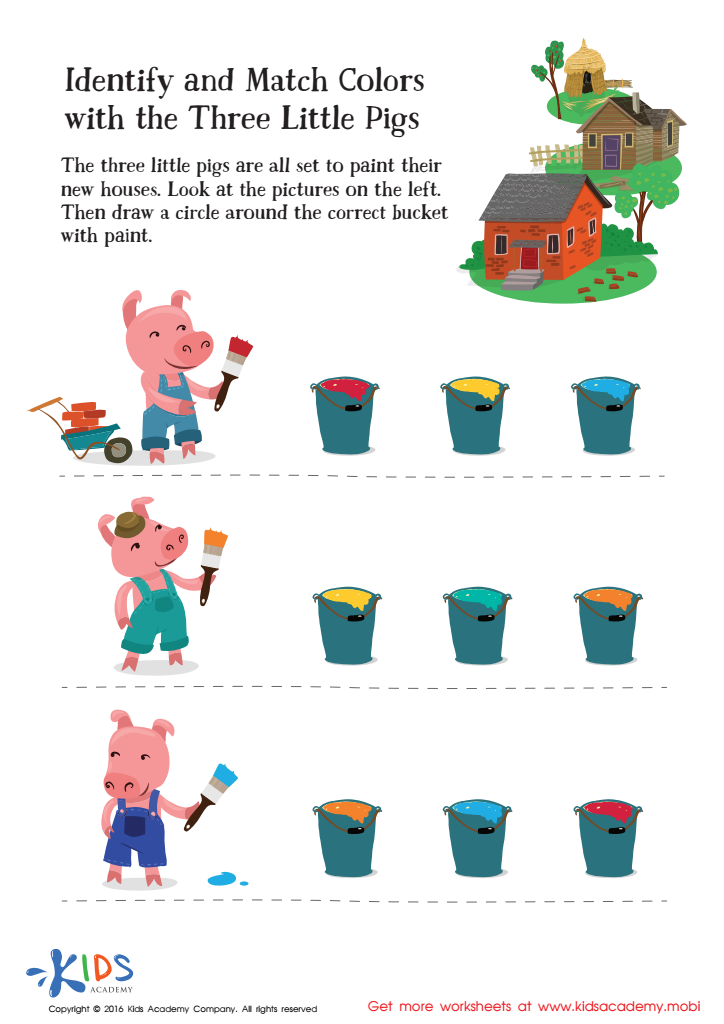
Fairy Tale Worksheet: Identify and Match Colors with Three Little Pigs
 Assign to My Students
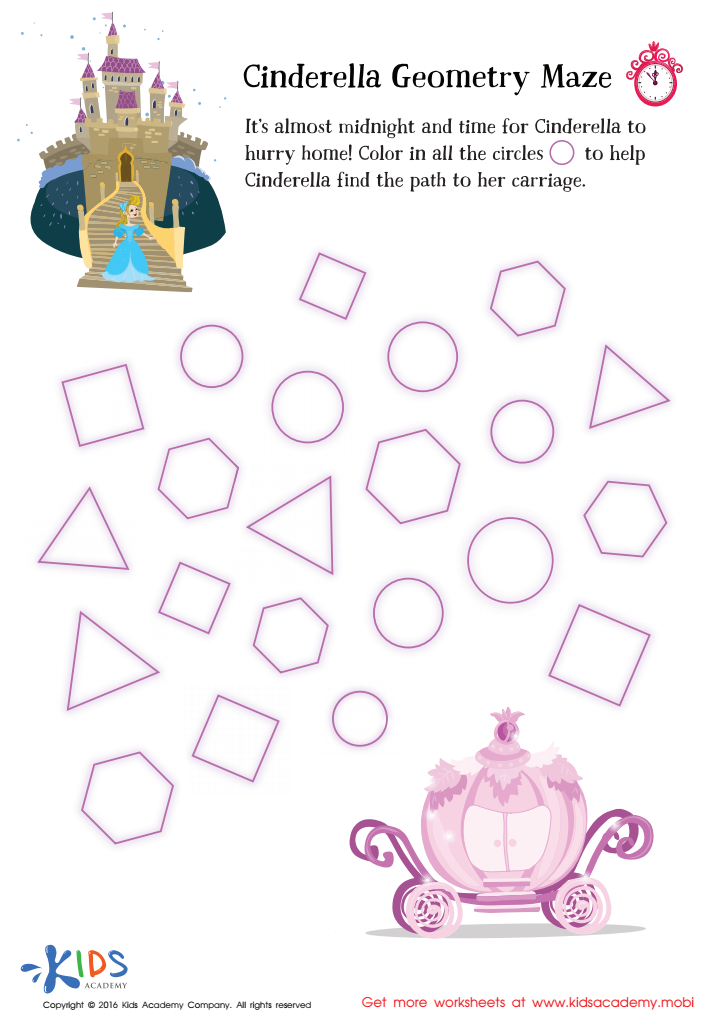
Cinderella Geometry Maze Worksheet
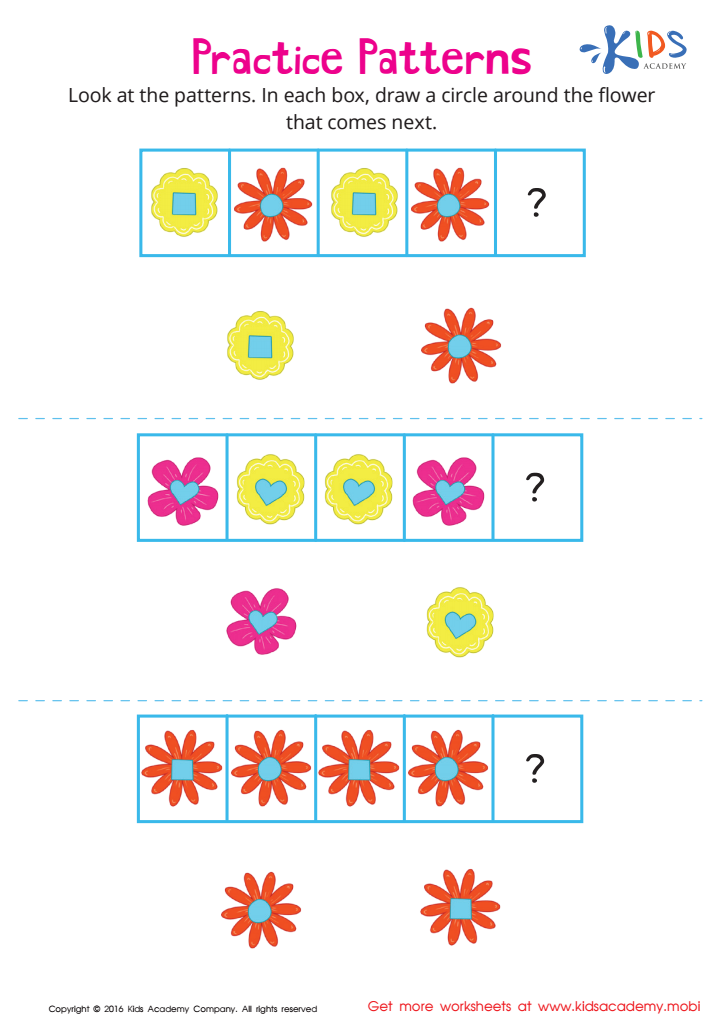








Logical thinking and pattern matching are foundational skills that are crucial for the cognitive development of children aged 3-8. Parents and teachers should prioritize these skills to foster critical thinking, problem-solving abilities, and academic preparedness.
Logical thinking enables children to make sense of their environment, understand cause and effect, and develop reasoning skills. It's the groundwork for mathematical concepts and scientific exploration, as children learn to classify objects, sequence events, and identify relationships. These abilities are not only pivotal for academic success but also for everyday decision-making and social interactions.
Pattern matching, a subset of logical thinking, introduces children to recognition and order. It strengthens their memory and attention to detail and lays the groundwork for more advanced tasks such as reading, where understanding patterns of letters and words is key. Matching activities help children discern similarities and differences, an essential skill for language development and comprehension.
Engaging in logical thinking and matching activities boosts confidence and curiosity, encouraging a child's enthusiasm for learning. They provide a structured way of exploring ideas, nurturing patience, persistence, and the ability to approach challenges systematically. Prioritizing these skills early on equips children with a solid intellectual foundation that benefits them throughout their educational journey and beyond.








