Problem-Solving Skills Normal Measurement Worksheets for Ages 3-8
5 filtered results
-
From - To
Enhance your child's problem-solving skills with our engaging Normal Measurement Worksheets, specifically designed for ages 3-8. These worksheets offer a fun and interactive approach to learning essential measurement concepts, helping young learners grasp basic skills like length, height, weight, and volume. Our resources are crafted to promote critical thinking and reinforce age-appropriate math topics. Each worksheet is visually appealing and easy to navigate, ensuring a friendly experience for both children and caregivers. Support your child's educational journey and boost their confidence in handling measurement challenges by incorporating these valuable worksheets into their learning routine!
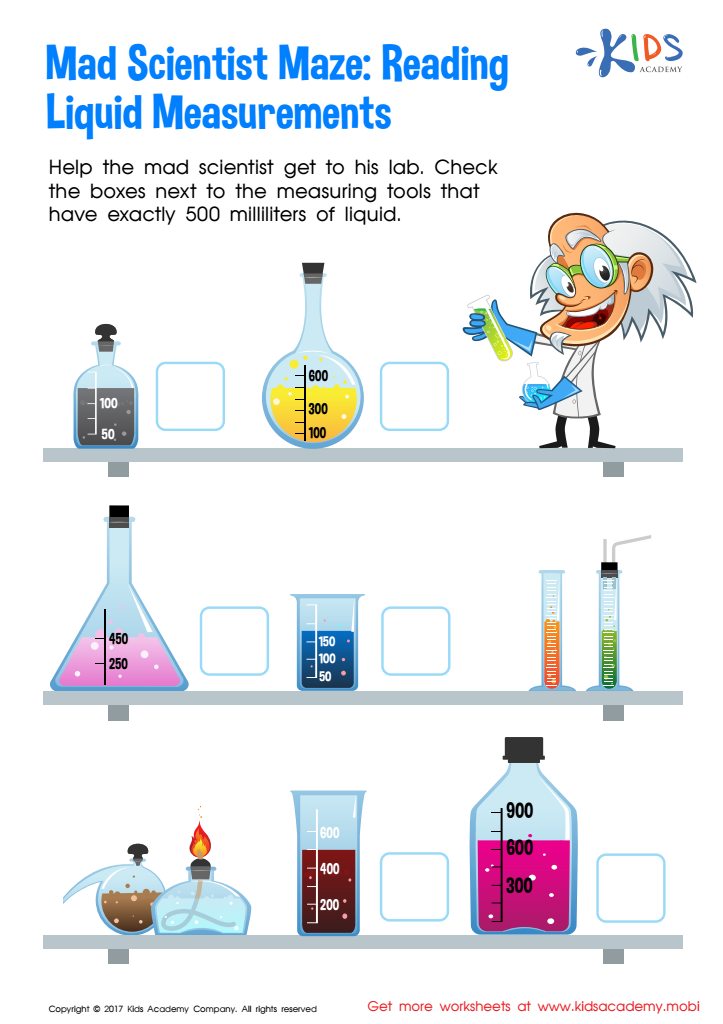
Reading Liquid Measurement Worksheet
 Assign to My Students
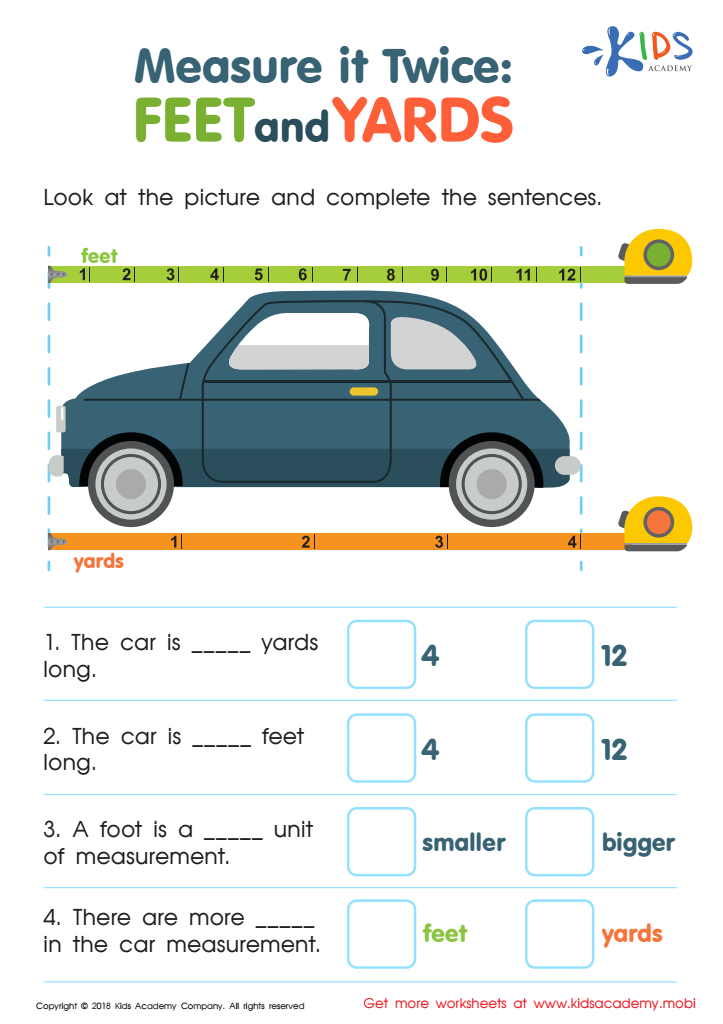
Measure It Twice: Feet and Yards Worksheet
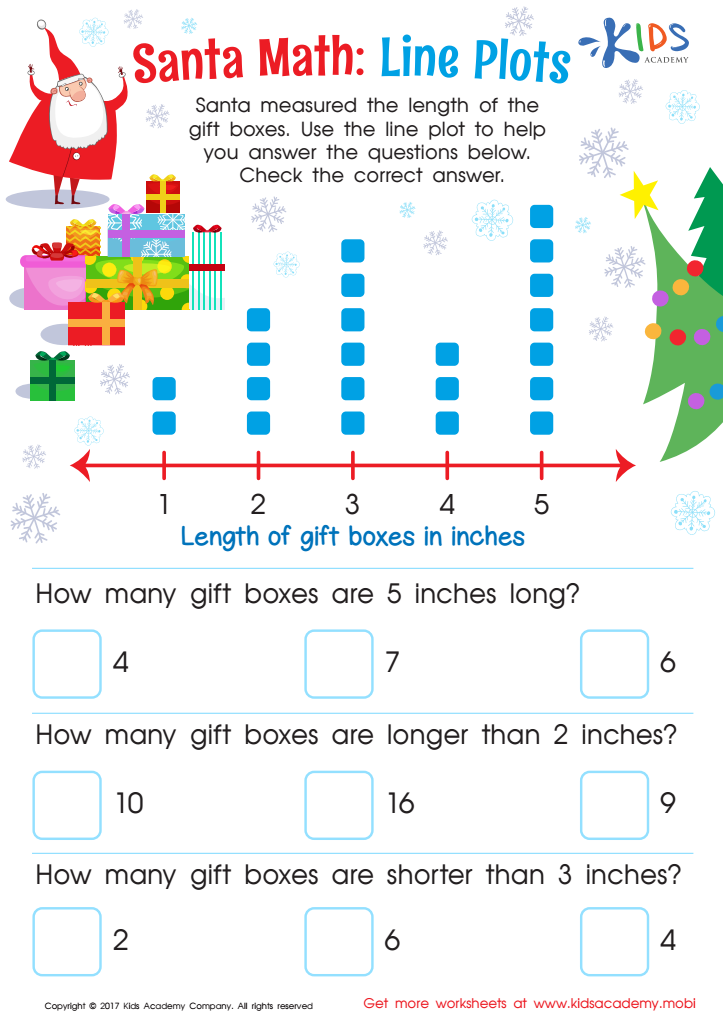
Line Plot Worksheet
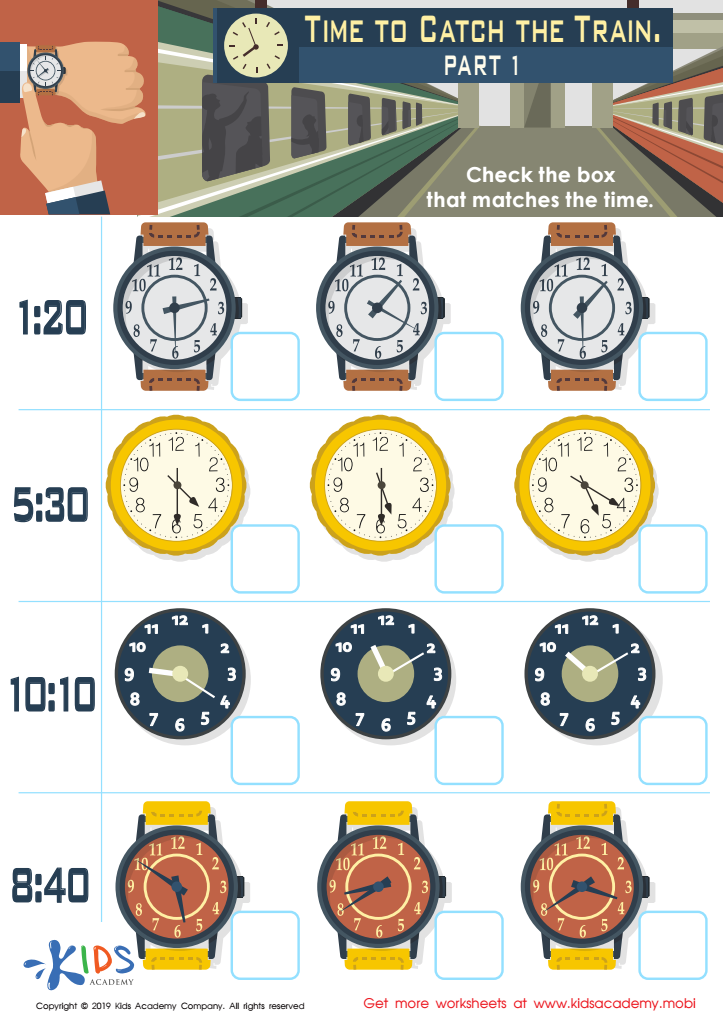
Time to Catch the Train Part 1 Worksheet
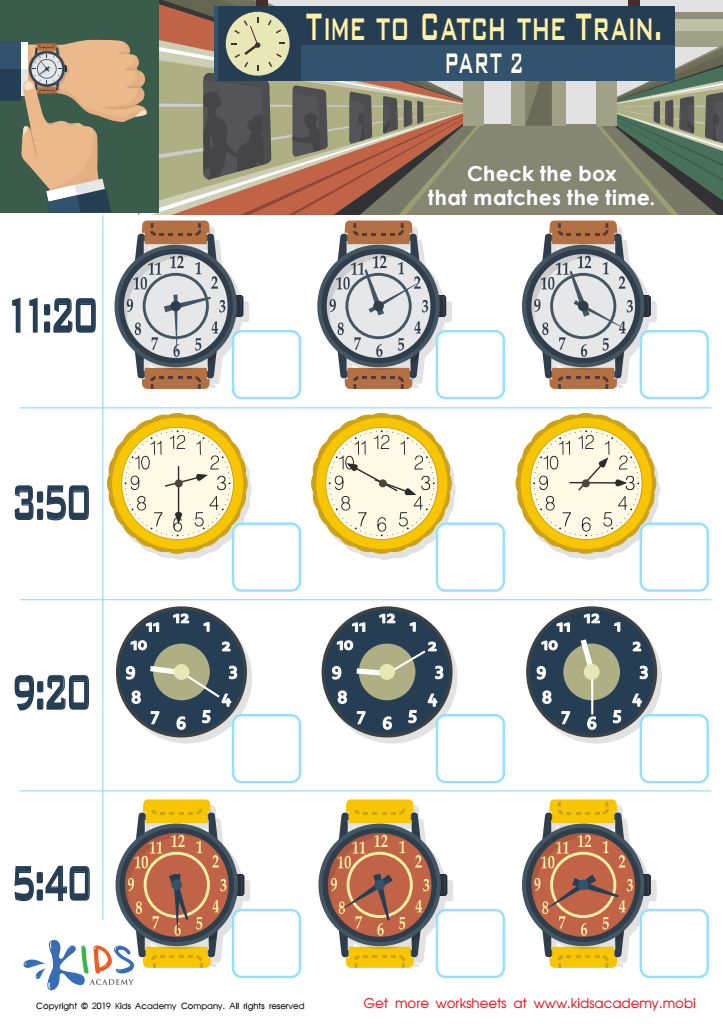
Time to Catch the Train Part 2 Worksheet








Problem-solving skills are critical for children ages 3-8 as they lay the foundation for lifelong learning and cognitive development. During these formative years, children encounter numerous challenges that require them to think critically, analyze situations, and develop solutions. Parents and teachers play an essential role in nurturing these skills through play-based learning and interactive experiences.
Early measurement of problem-solving capabilities can help educators and caregivers identify children's strengths and areas of improvement. This awareness allows for targeted interventions that support individualized learning paths, fostering a growth mindset in young learners. Furthermore, strengthening problem-solving competences contributes to emotional intelligence, resilience, and adaptability, qualities crucial for success in our dynamic world.
Moreover, children who engage in problem-solving activities learn how to work collaboratively, communicate effectively, and feel empowered to tackle new challenges. By caring about problem-solving skill measurement, parents and teachers ensure that children develop critical thinking abilities which are vital in academics and future career pathways. Ultimately, investing time and effort into enhancing these skills now will prepare children for greater academic achievements and social interactions later on, ultimately shaping confident, resourceful, and competent individuals.








