Reading comprehension Normal Building Vocabulary Worksheets for Ages 3-8
71 filtered results
-
From - To
Enhance your child's language skills with our Reading Comprehension: Building Vocabulary worksheets designed for ages 3-8. These engaging activities help young learners grasp essential vocabulary by offering a dynamic mix of interactive exercises, fun visuals, and easy-to-follow instructions. Tailored to support reading comprehension, our worksheets encourage children to explore and understand new words, fostering a love for reading from an early age. Perfect for both classroom and at-home use, our resource aims to build a strong vocabulary foundation, making learning an enjoyable and rewarding experience for your young reader. Visit us to discover the perfect tools for early education success.
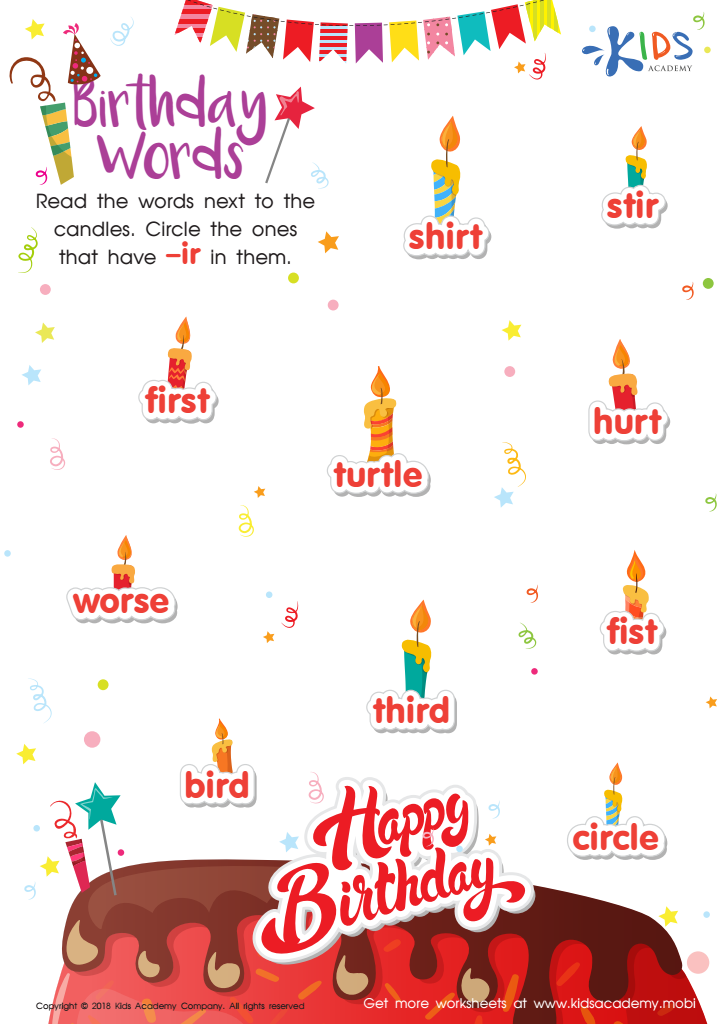
Birthday Words Worksheet
 Assign to My Students











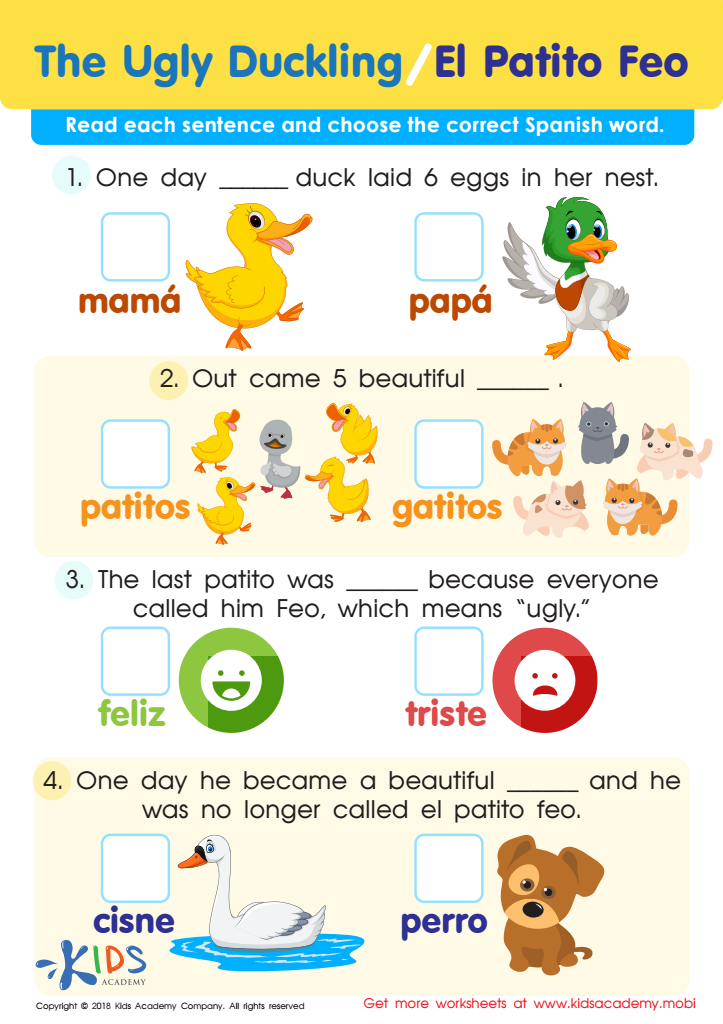
The Ugly Duckling / El Patito Feo Worksheet
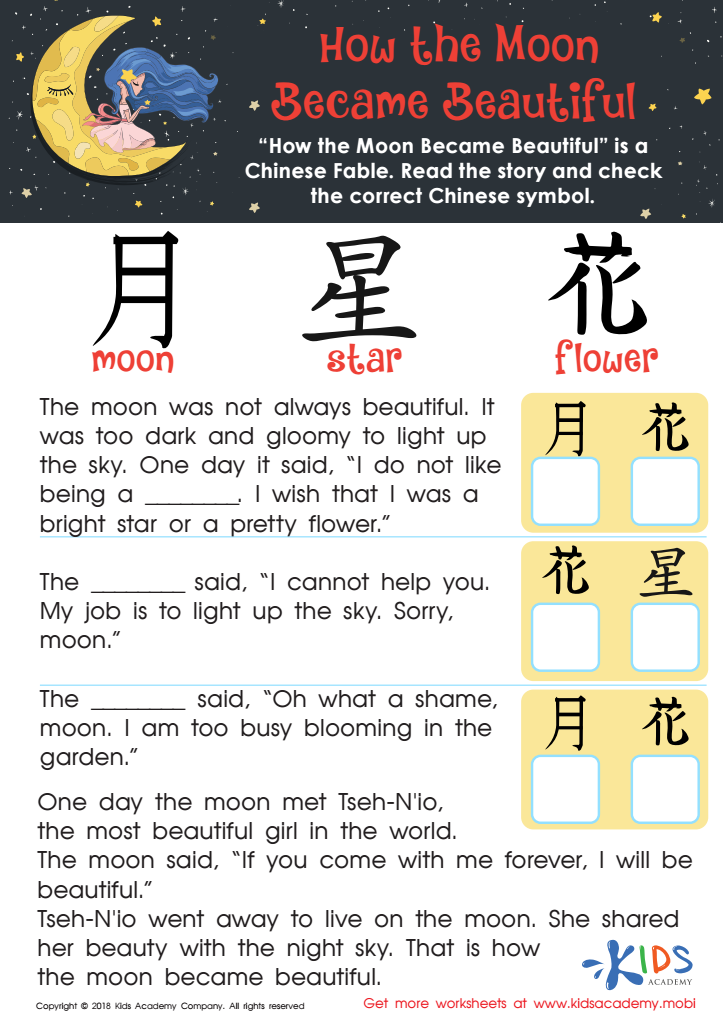
How the Moon Became Beautiful Worksheet
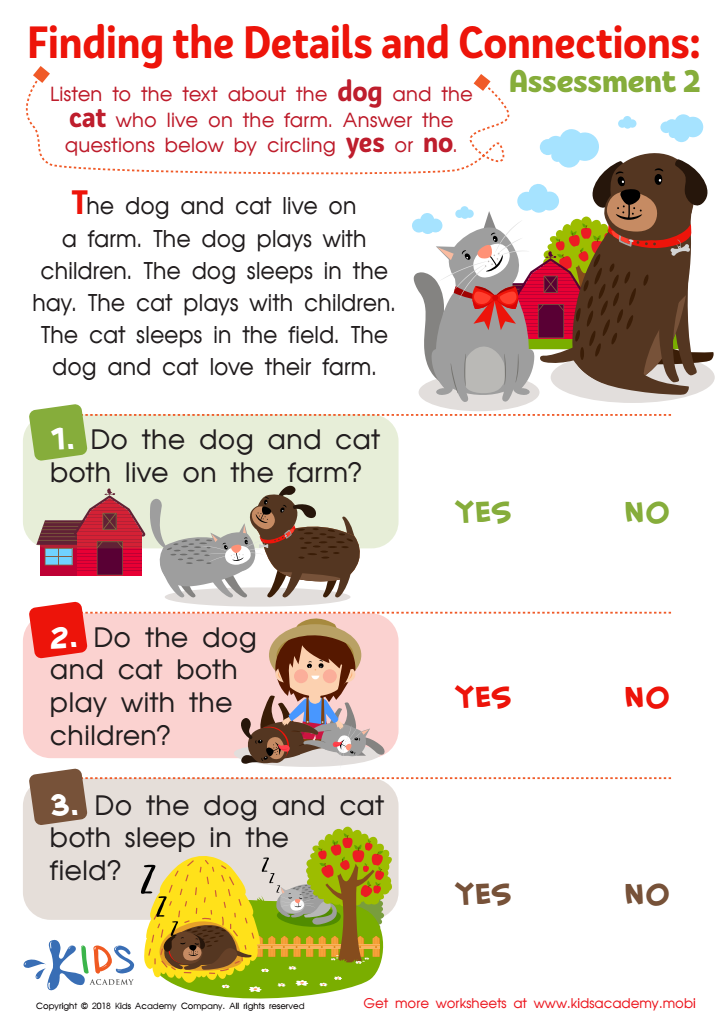
Finding the Details and Connections: Assessment 2 Worksheet
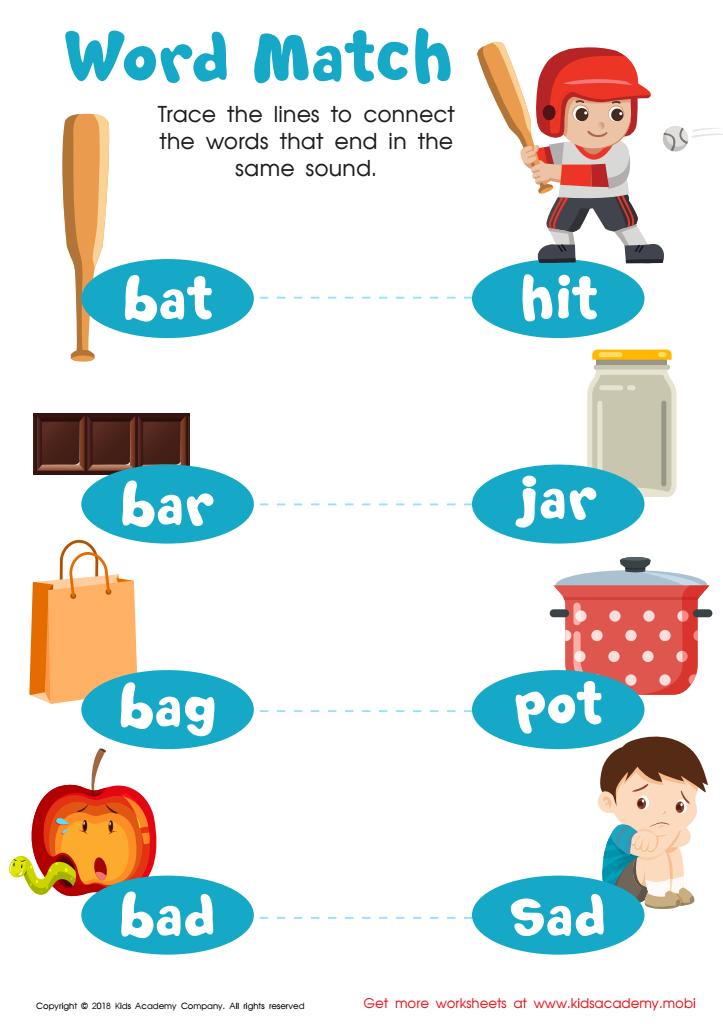
Word Match Reading Worksheet
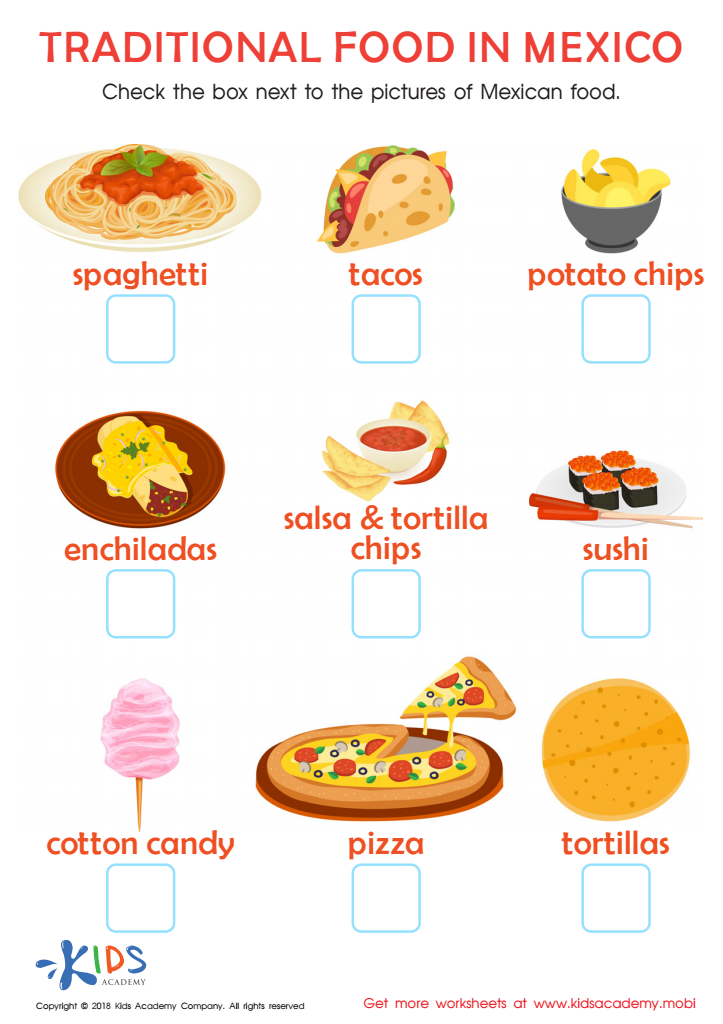
Traditional Food in Mexico Worksheet
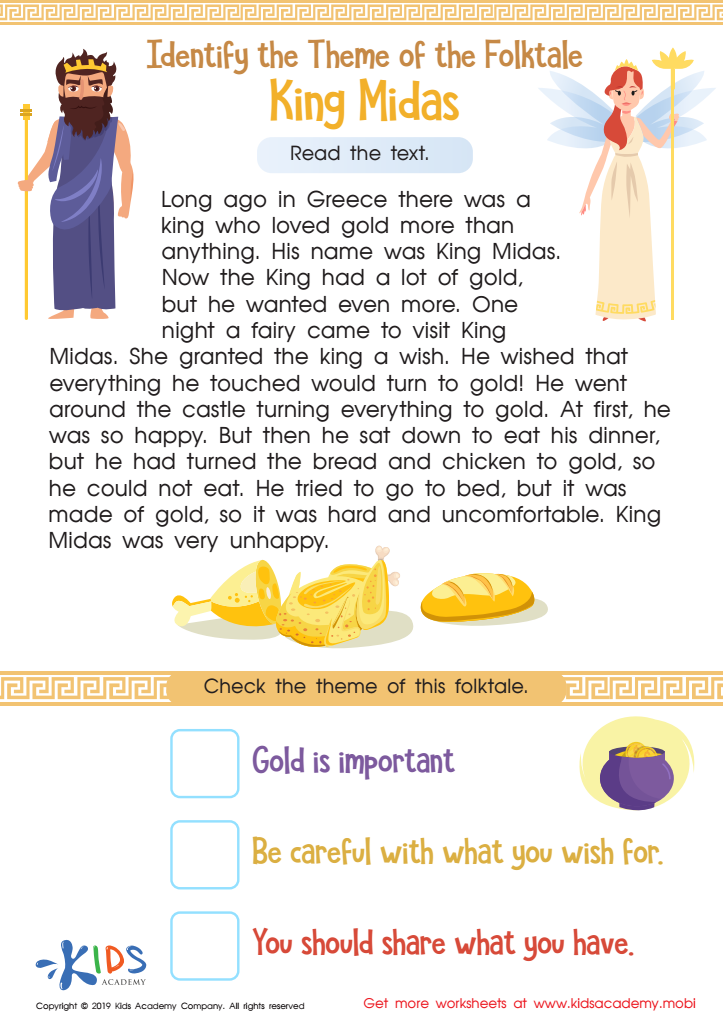
King Midas Worksheet
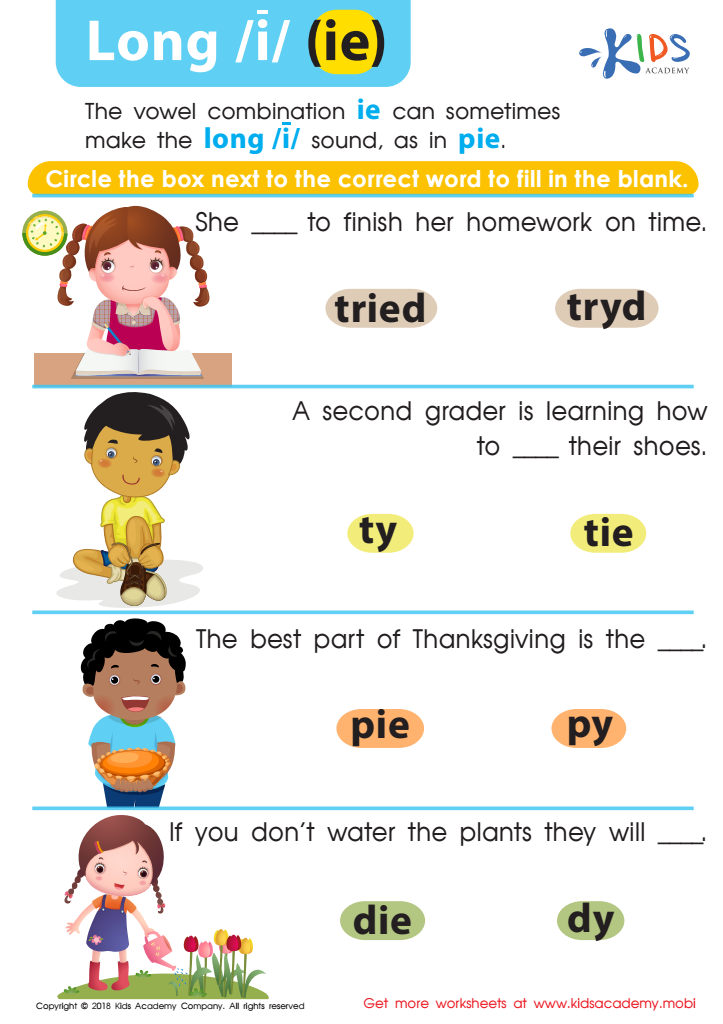
Reading: Long I and IE Worksheet
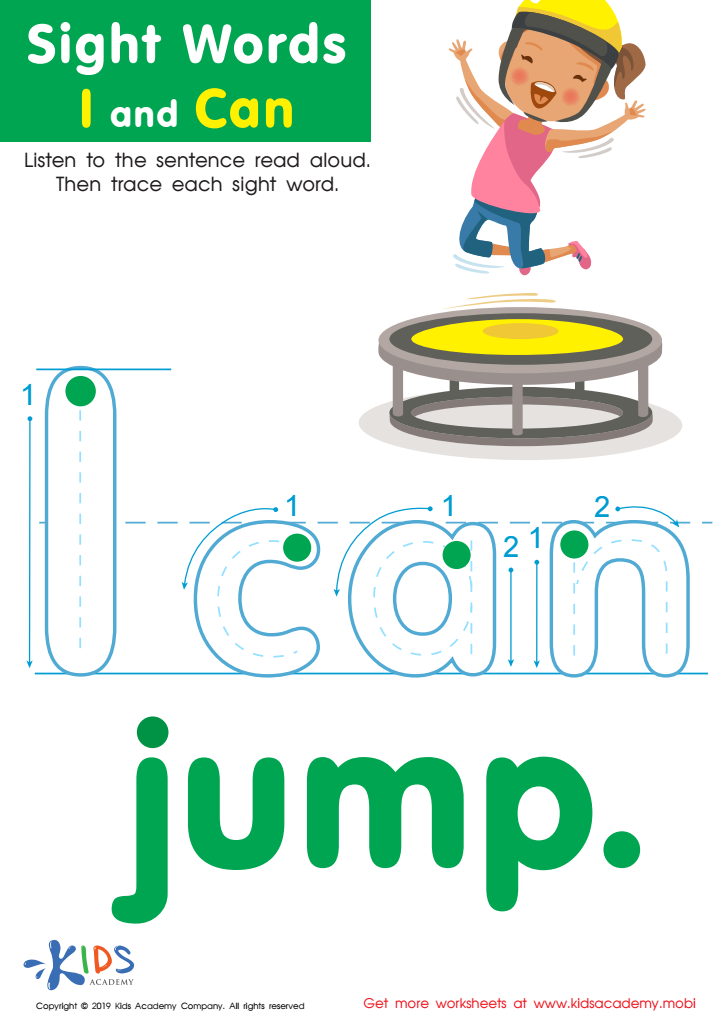
Sight Words I Can Worksheet
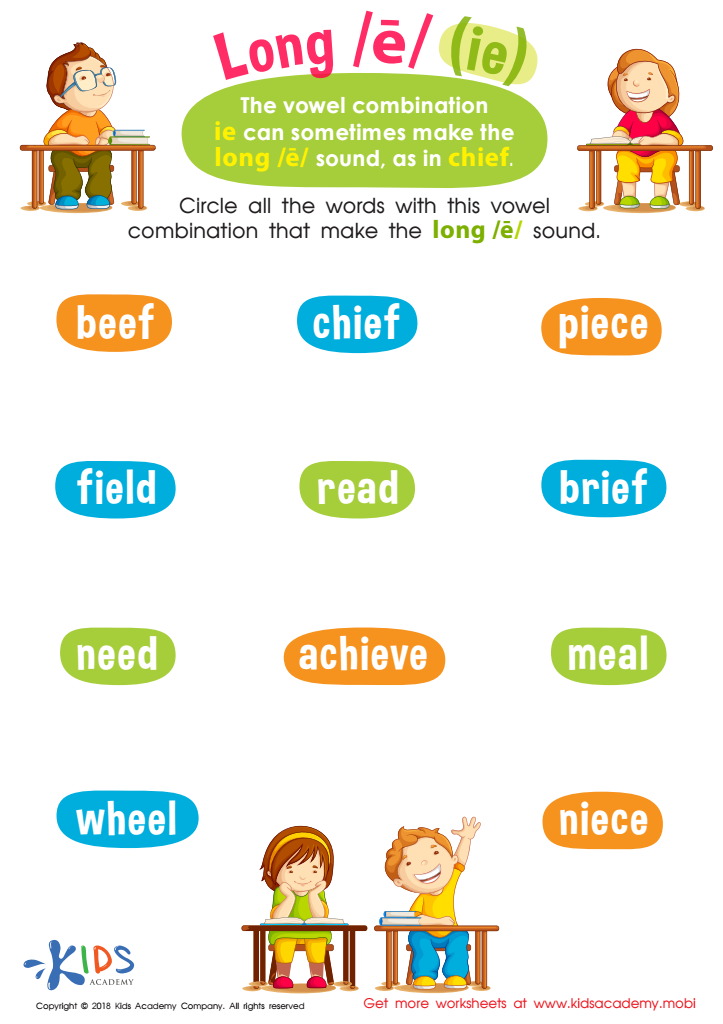
Reading: Long E and IE Worksheet
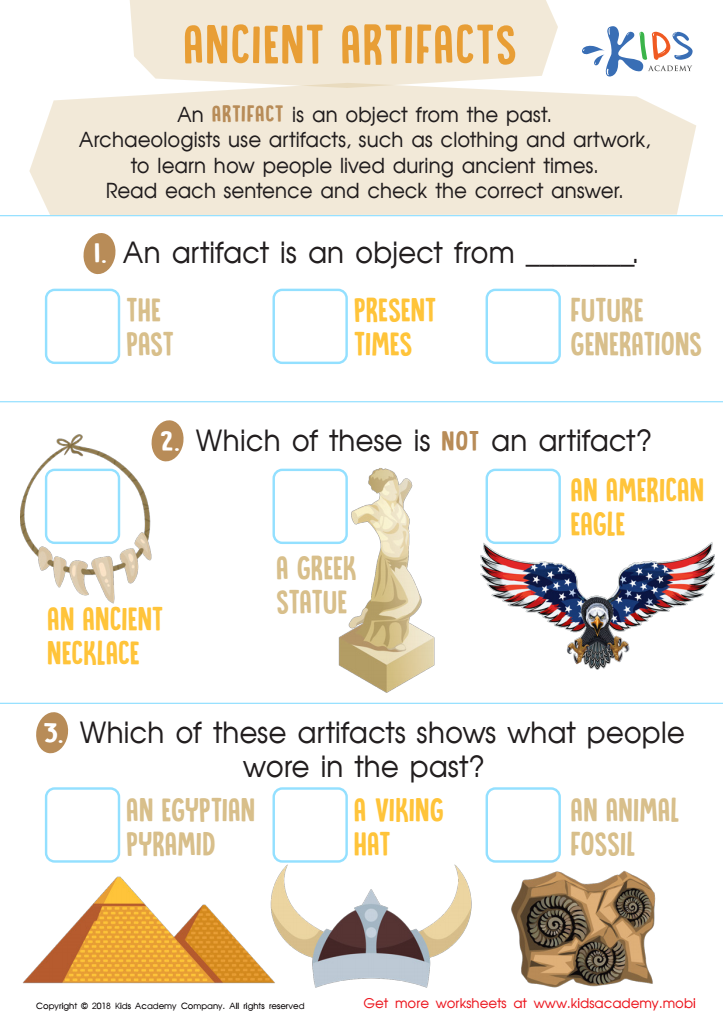
Ancient Artifacts Worksheet
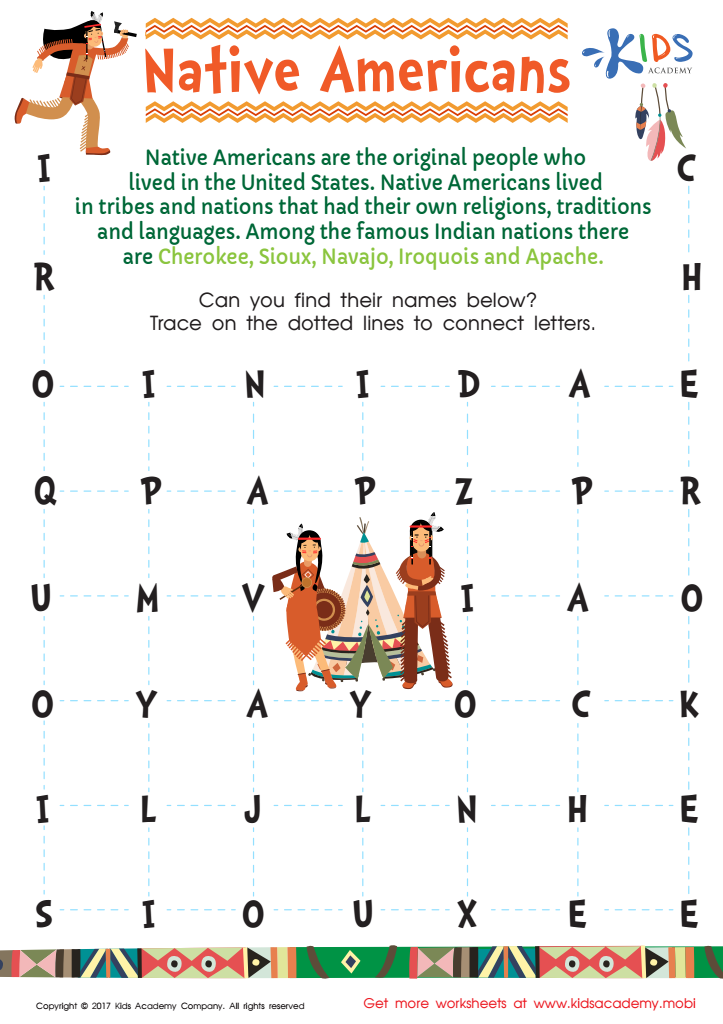
Native American Word Search Printable
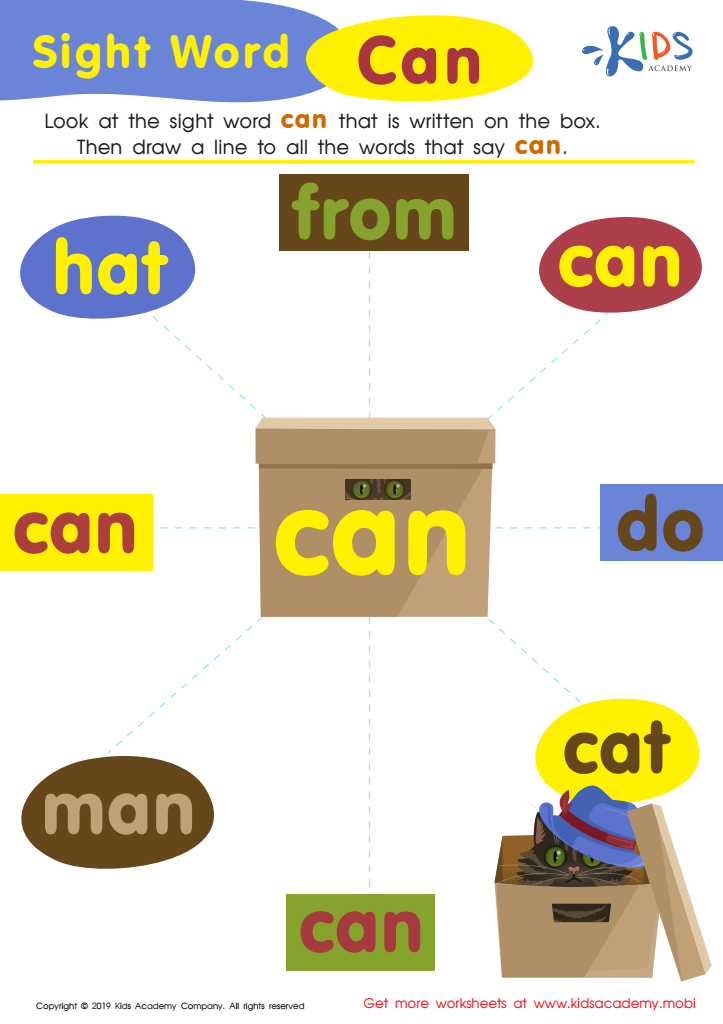
Sight Word Can Worksheet
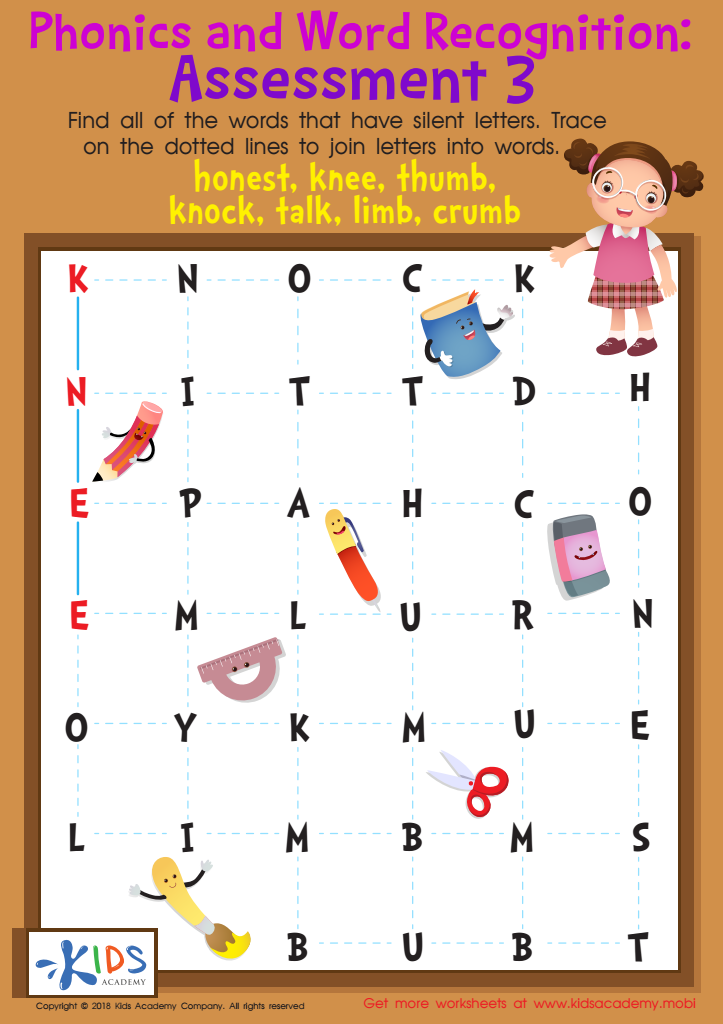
Phonics and Word Recognition: Assessment 3 Worksheet
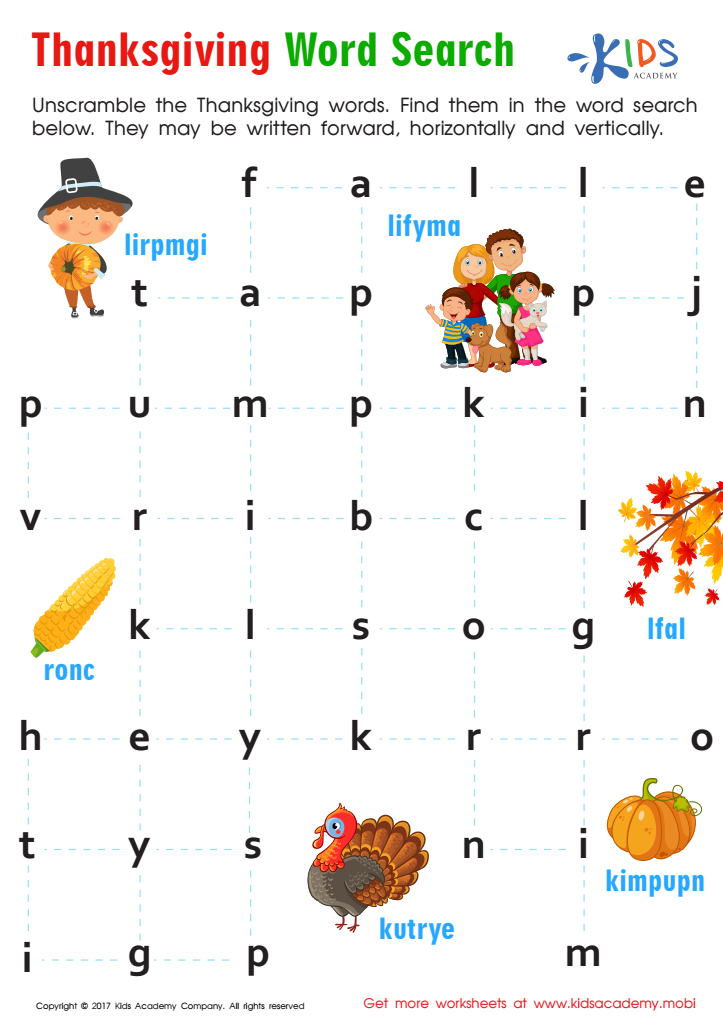
Thanksgiving Word Search Sight Words Worksheet
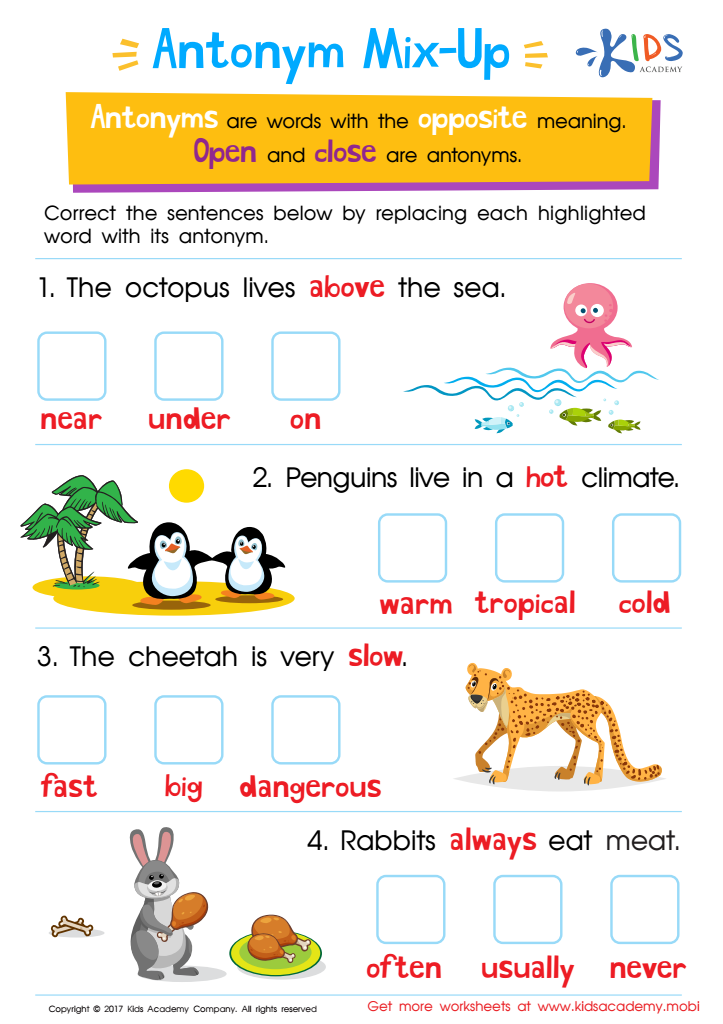
Vocabulary Antonyms Worksheet
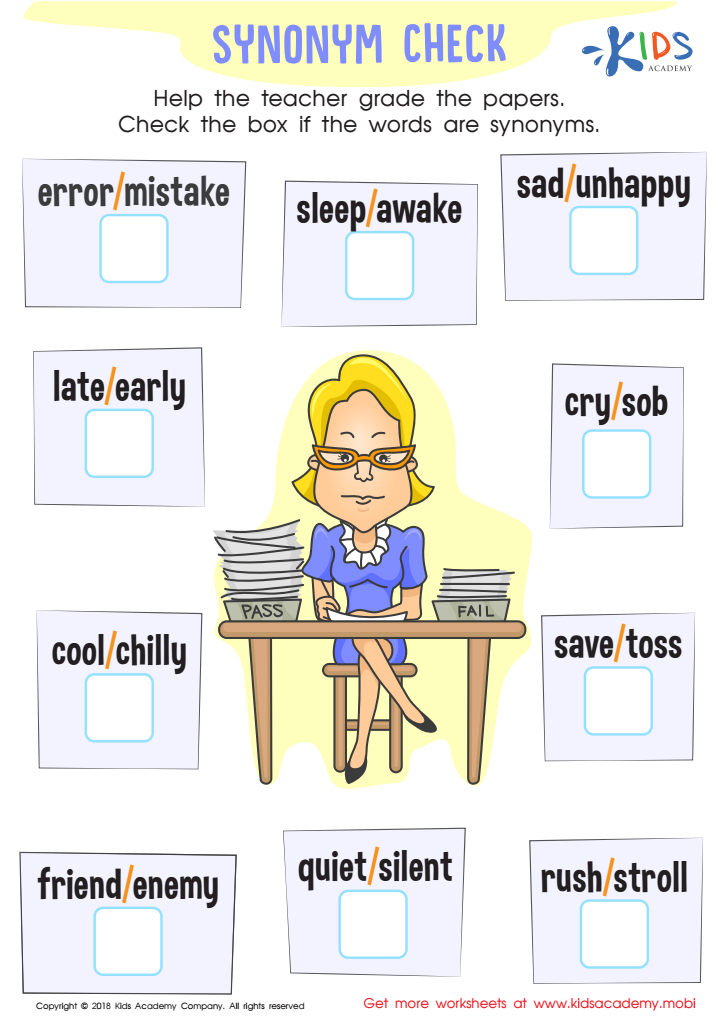
Synonym Check Worksheet
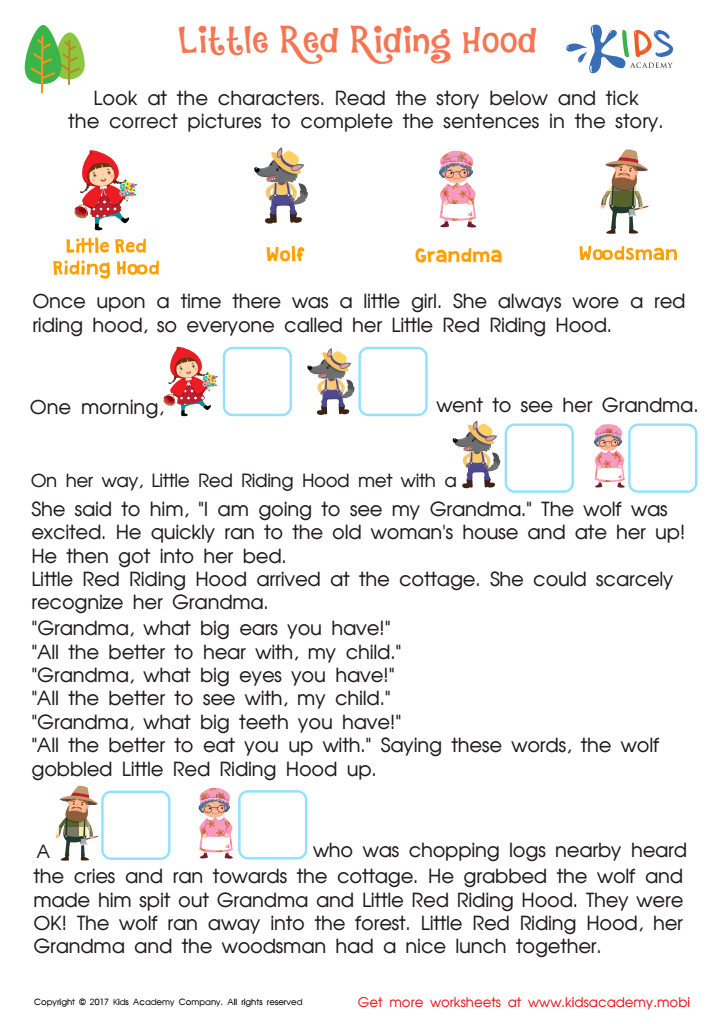
Little Red Riding Hood Printable
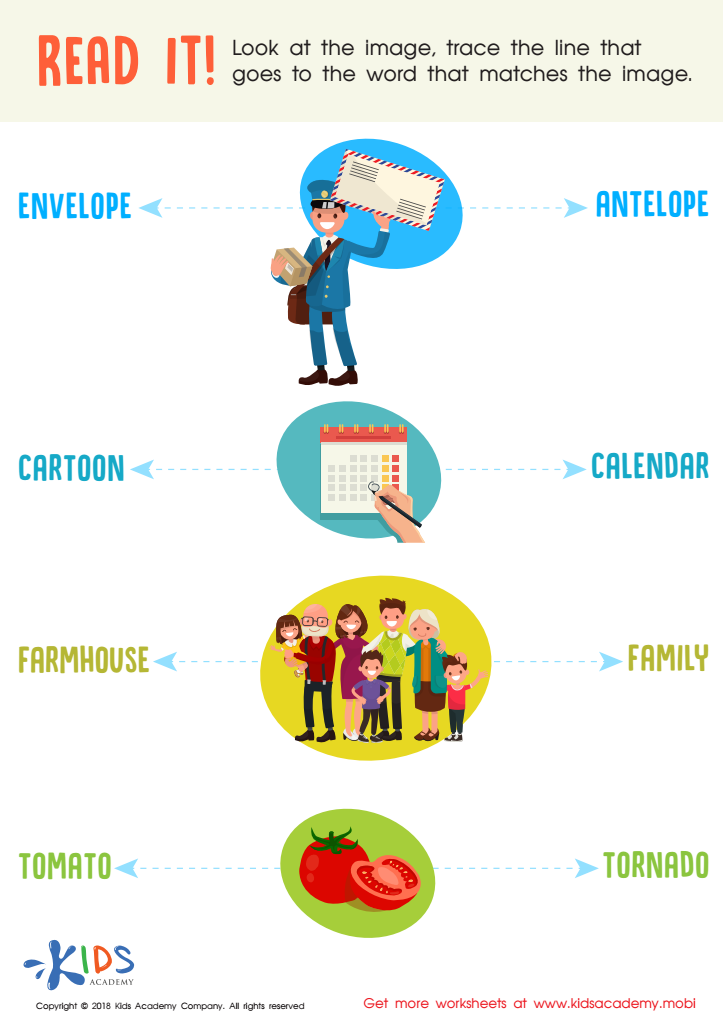
Read It! Worksheet
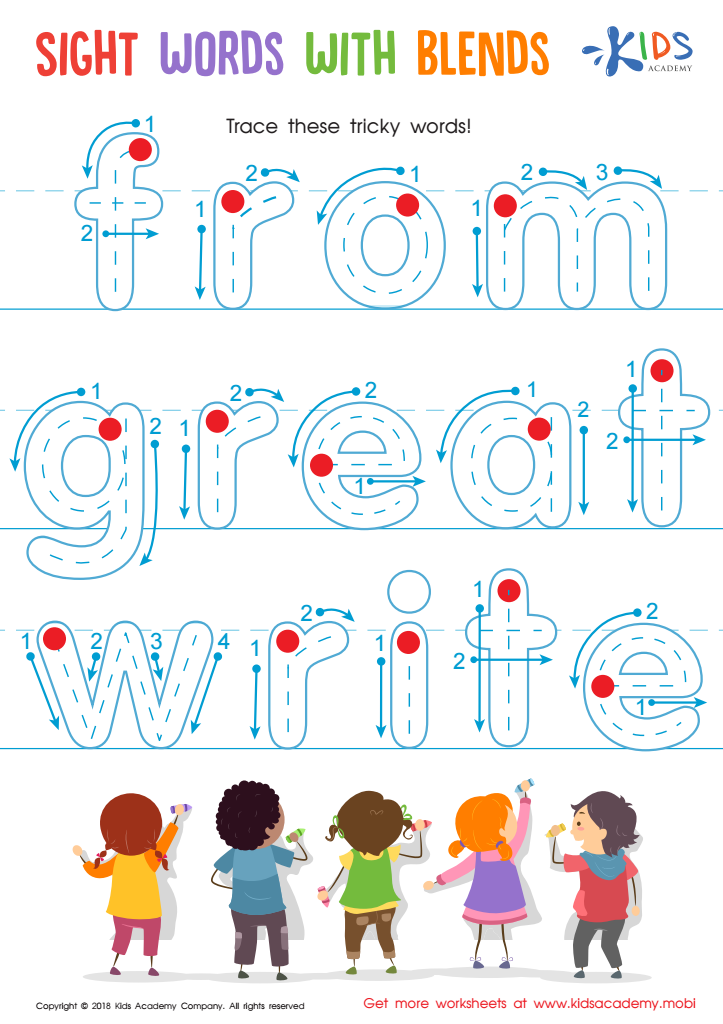
Sight Words with Blends Worksheet
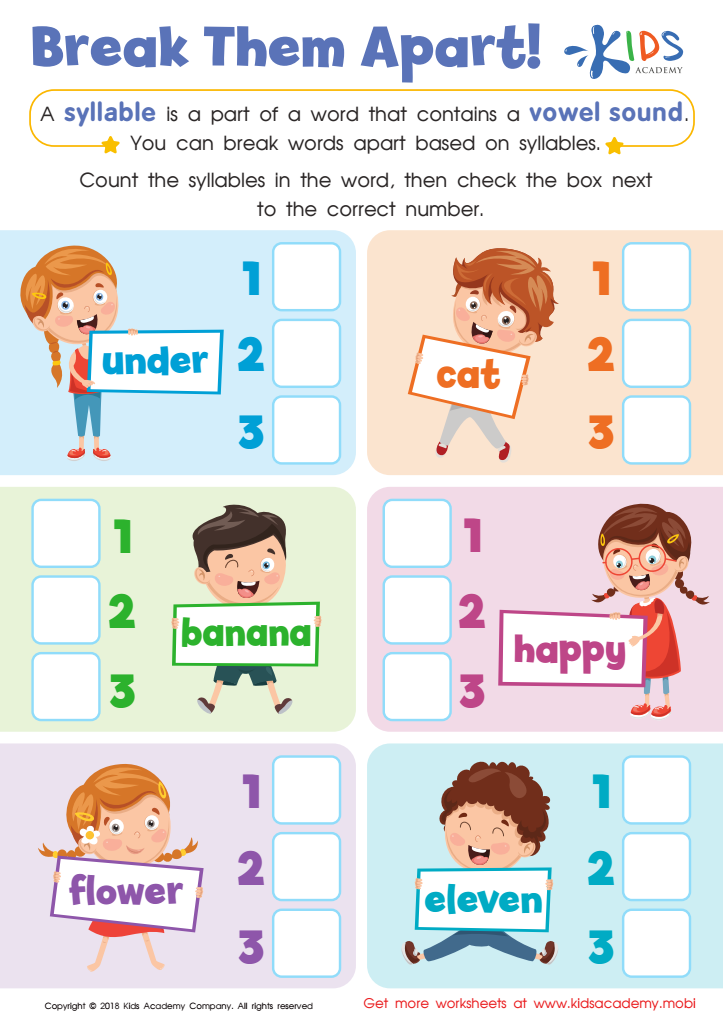
Reading: Break Them Apart Worksheet
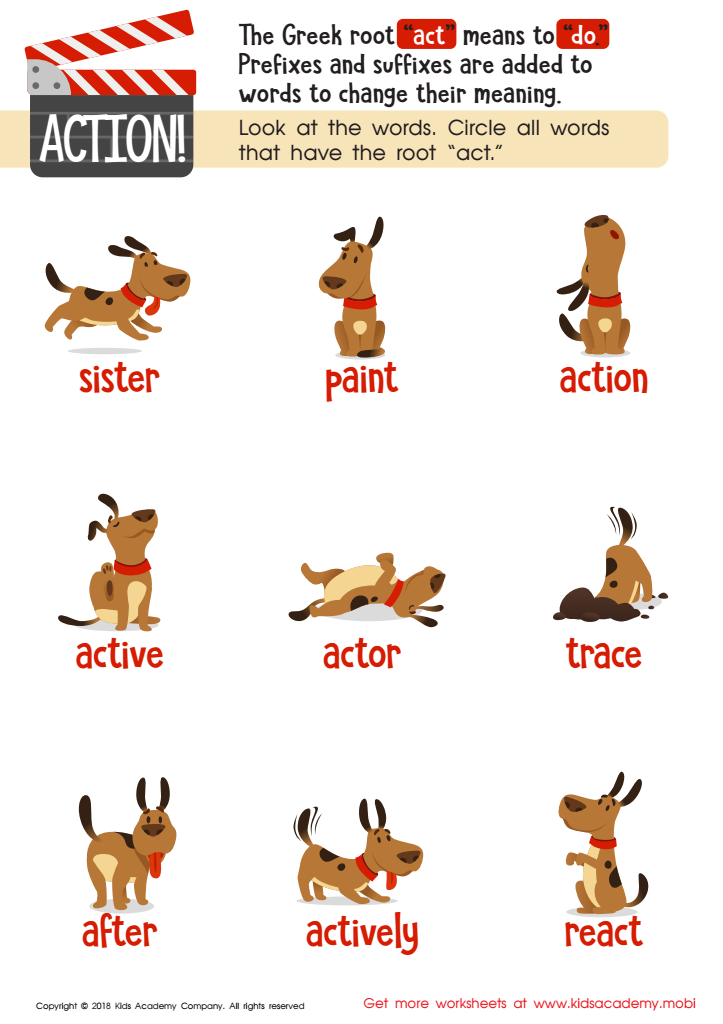
Action! Worksheet
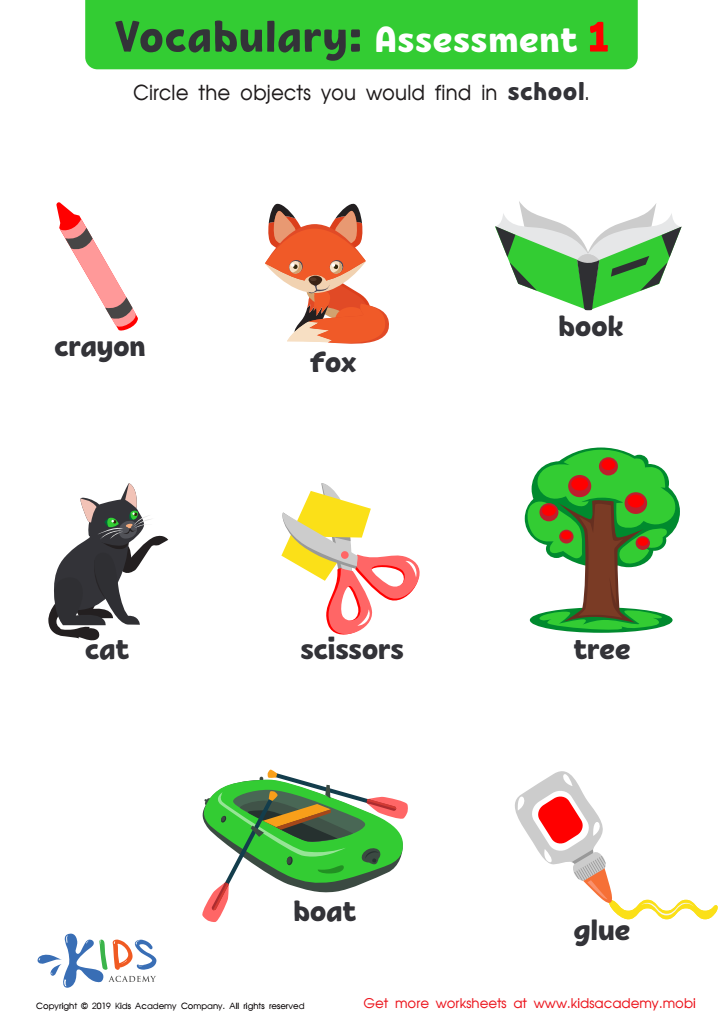
Vocabulary: Assessment 1 Worksheet
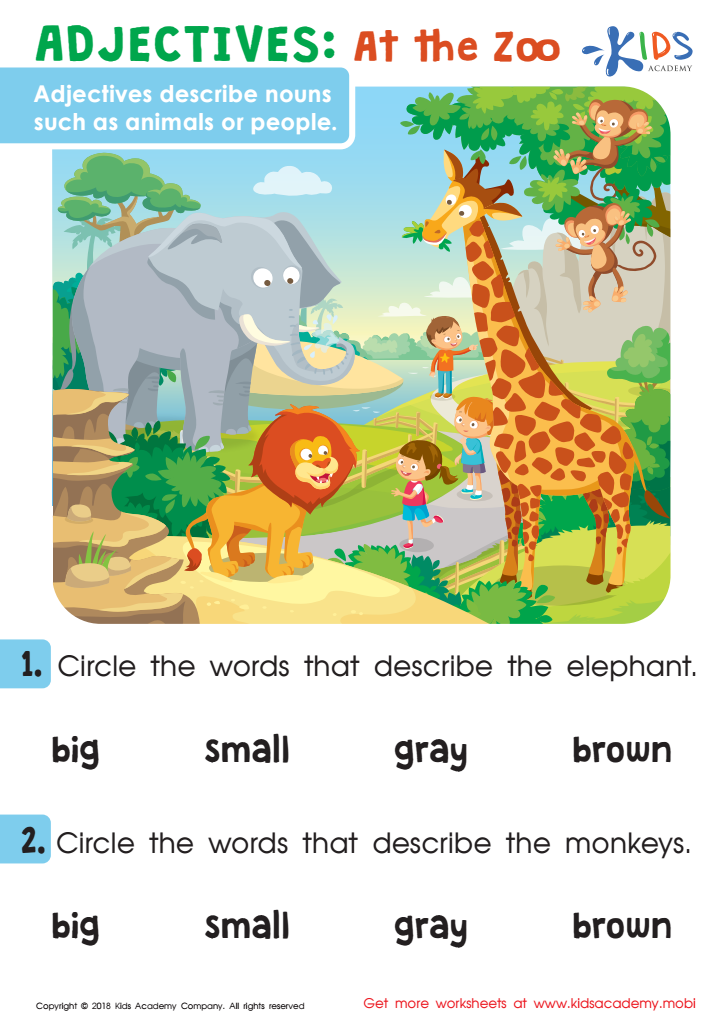
Adjectives: At The Zoo Worksheet








Reading comprehension and vocabulary building are critical components of early childhood education, particularly for children aged 3-8 years. At this developmental stage, children experience rapid cognitive growth, and the foundation laid here significantly influences their future academic and personal success.
Strong reading comprehension skills enable children to understand and interpret text, fostering a love for reading that can last a lifetime. When children comprehend what they read, they are more likely to engage deeply with the material, remember details, and develop critical thinking skills. These skills are not limited to academic success; they are essential for effective communication and problem-solving in everyday life.
Vocabulary building is equally important. A rich vocabulary enhances comprehension, allowing children to express themselves clearly and understand others better. It enables them to grasp more complex ideas and participate confidently in discussions. Furthermore, vocabulary acquisition at an early age is strongly correlated with later reading proficiency and overall academic achievement.
Parents and teachers play a pivotal role in nurturing these skills. By reading to children, engaging them in conversations, and introducing new words in meaningful contexts, they create a rich linguistic environment. This proactive involvement sets the stage for a positive, lifelong relationship with reading and learning, empowering children to succeed in myriad ways.








