Vocabulary enhancement Normal Building Vocabulary Worksheets for Ages 3-8 - Page 2
45 filtered results
-
From - To
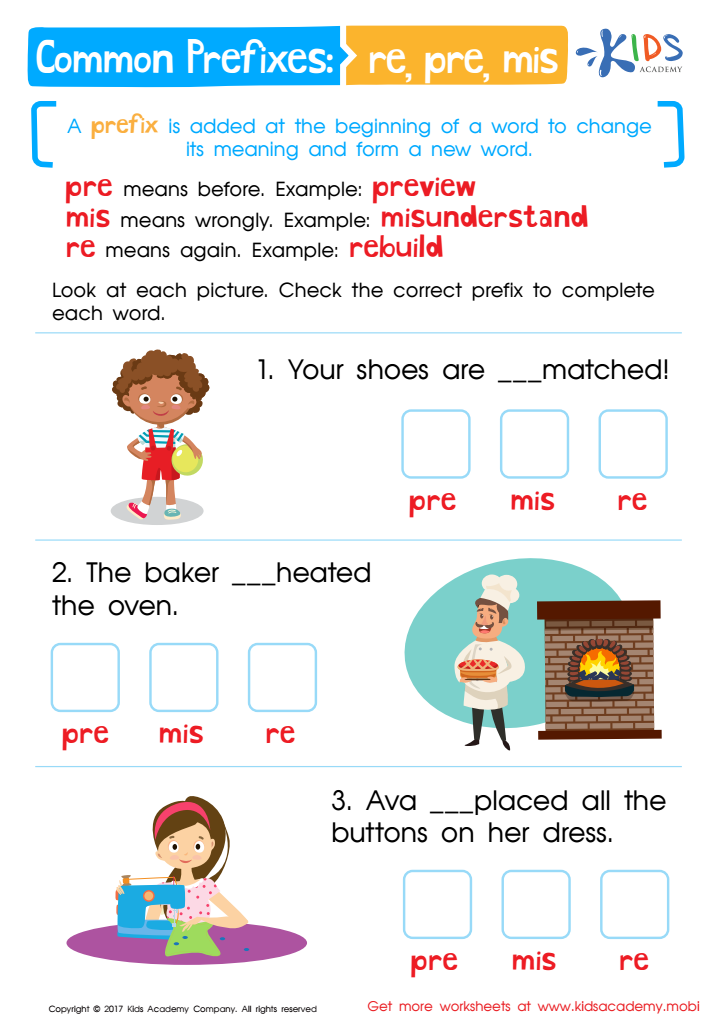
Common Prefixes Worksheet: RE, PRE, MIS
 Assign to My Students











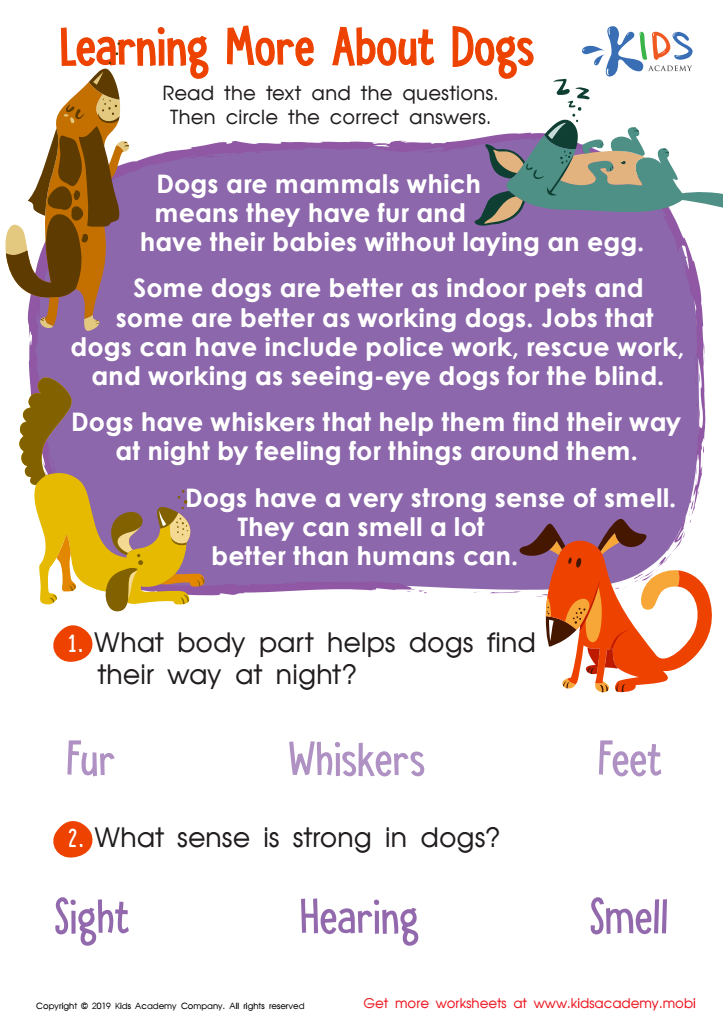
Learning More About Dogs Worksheet
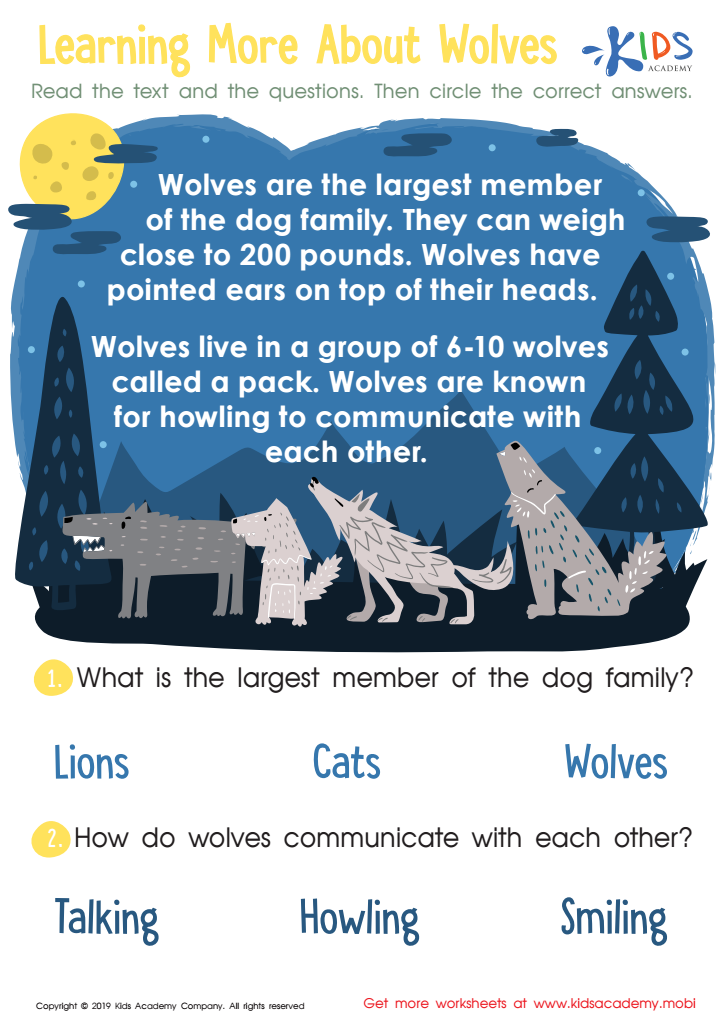
Learning More About Wolves Worksheet

The Planets: Saturn Printable
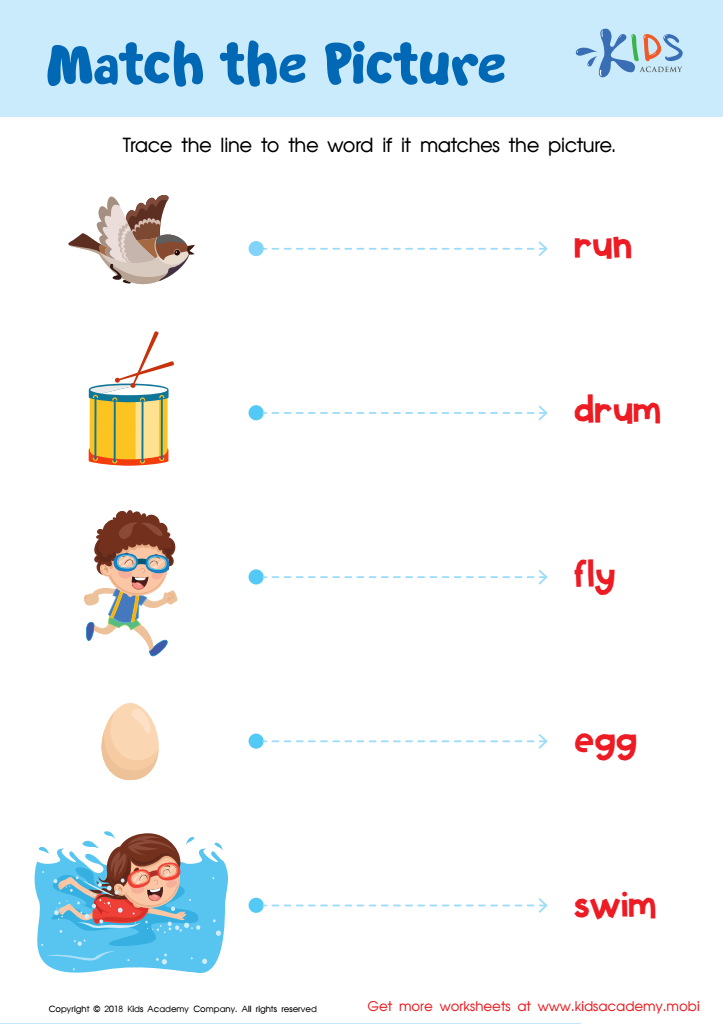
Match the Picture Worksheet
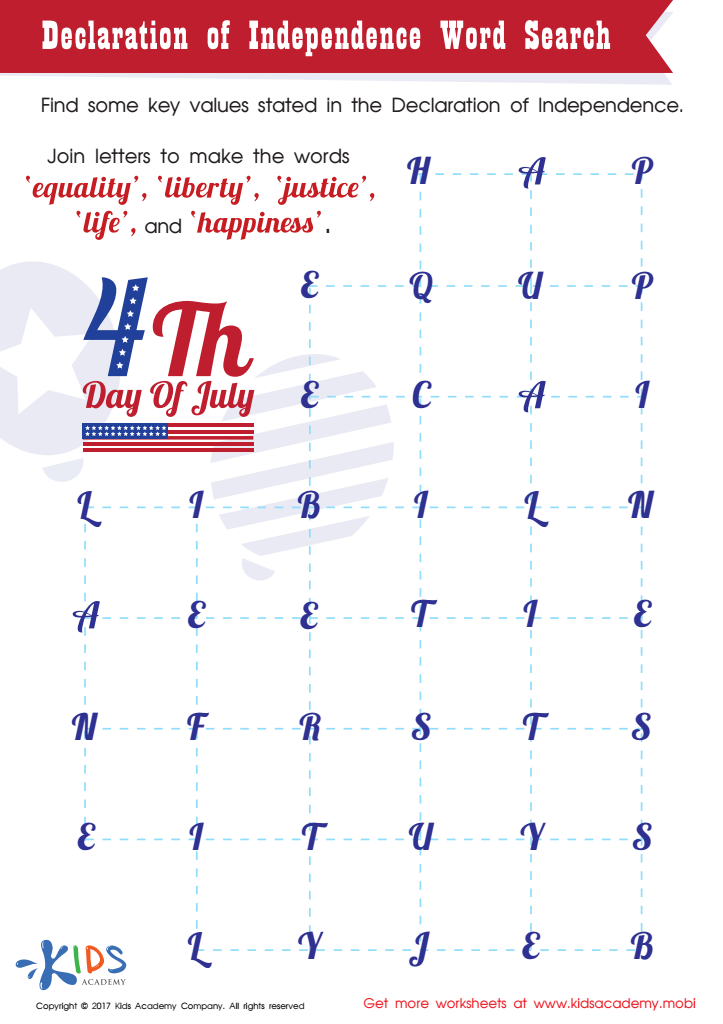
Declaration of Independence Word Search Printable
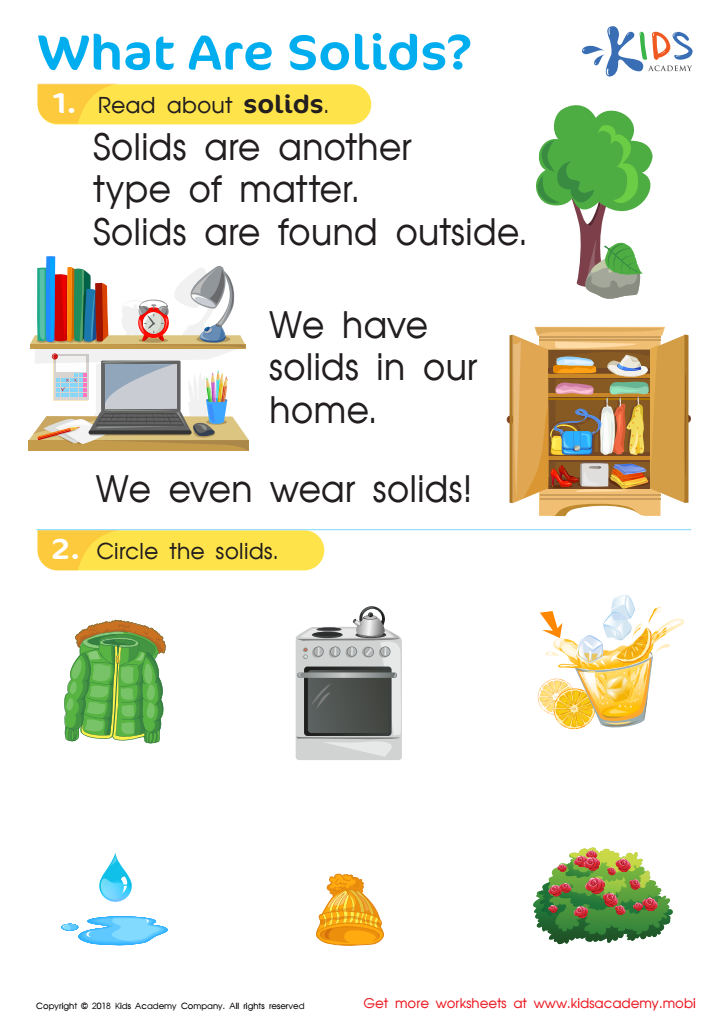
What Are Solids? Worksheet
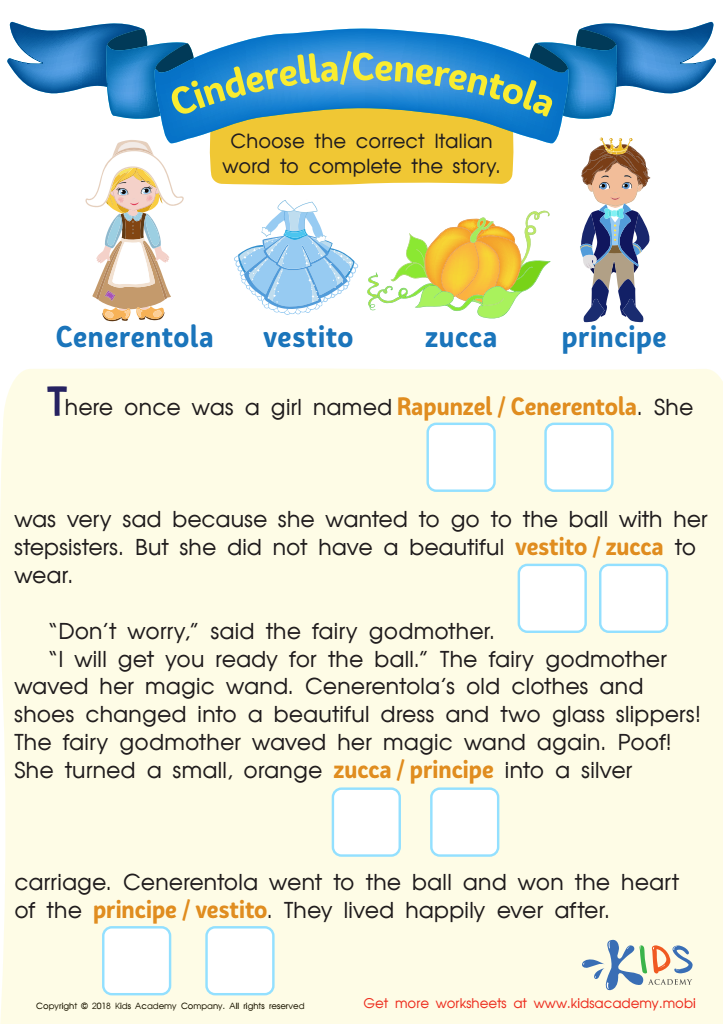
Cinderella / Cenerentola Worksheet

Dinosaurs Worksheet
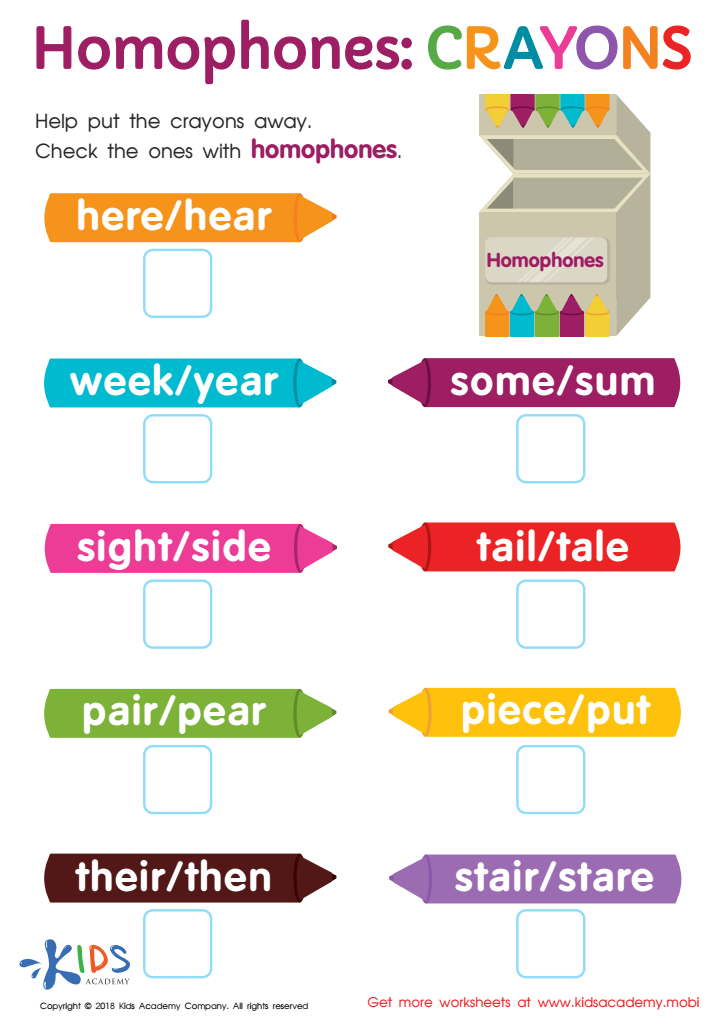
Homophones: Crayons Worksheet
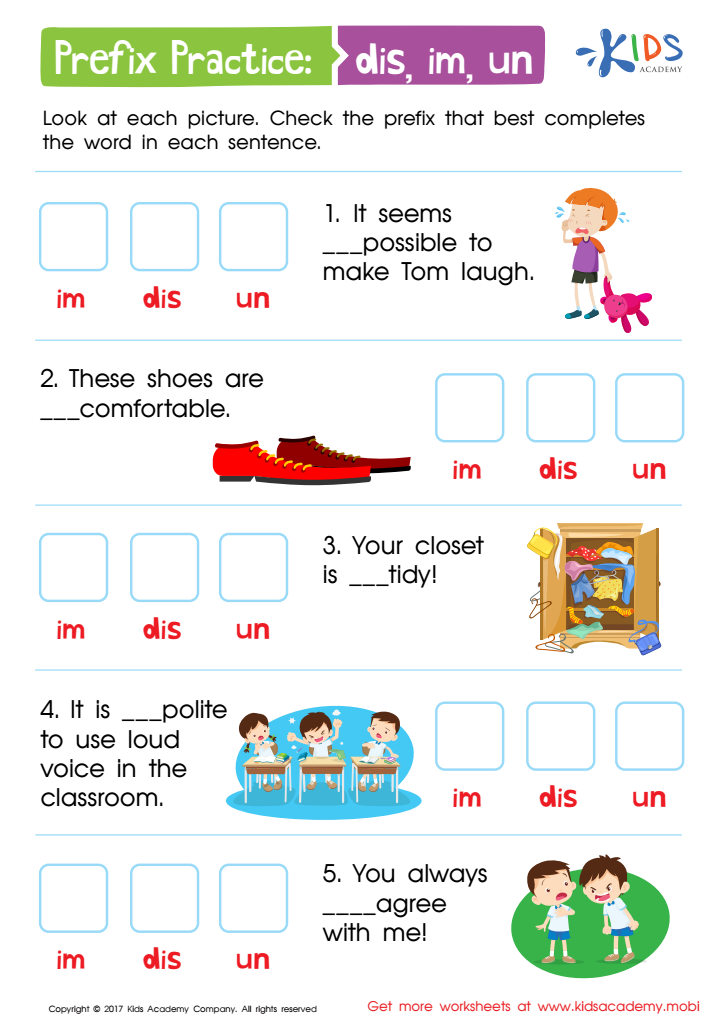
Prefix Practice Worksheet: DIS, IM, UM
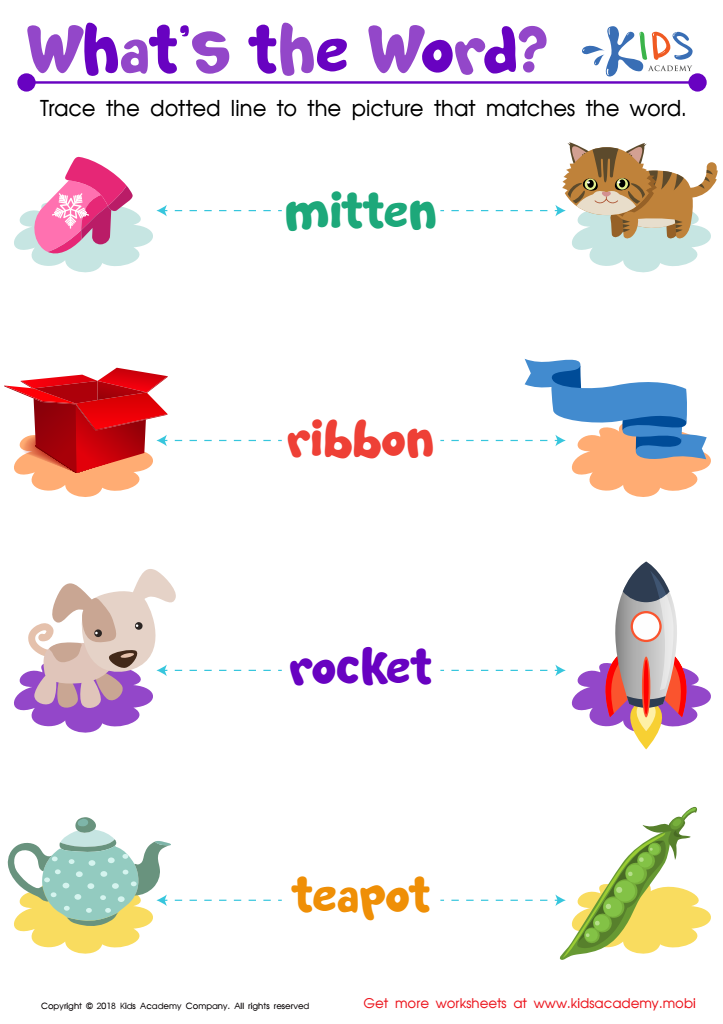
Reading: What's Word Worksheet
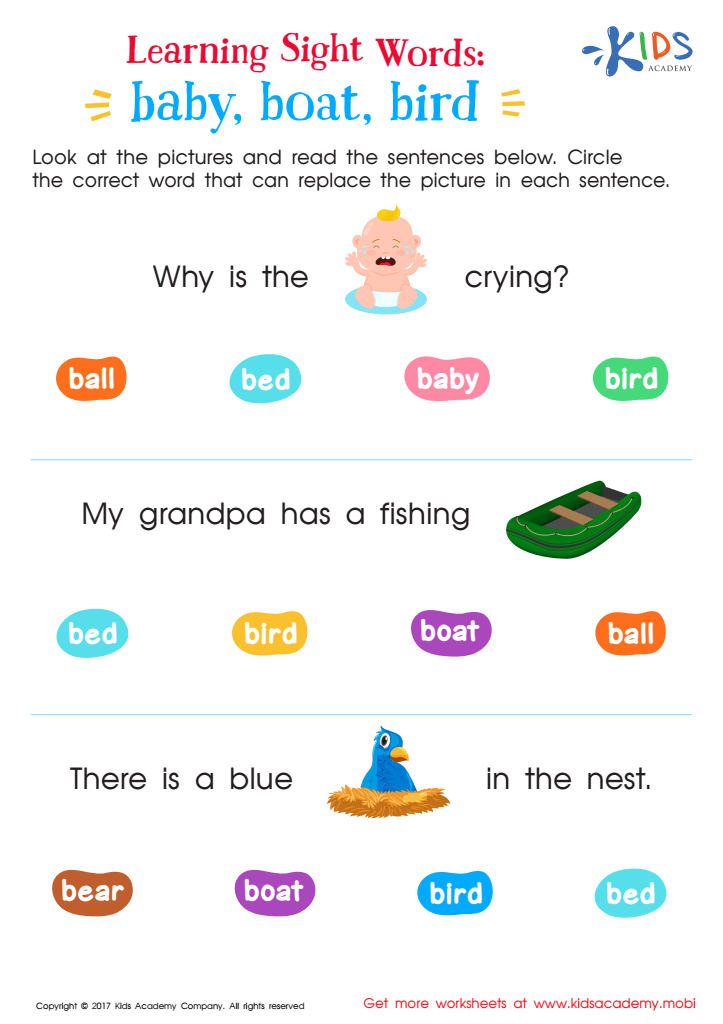
Baby, Boat, Bird Worksheet Sight Words Worksheet
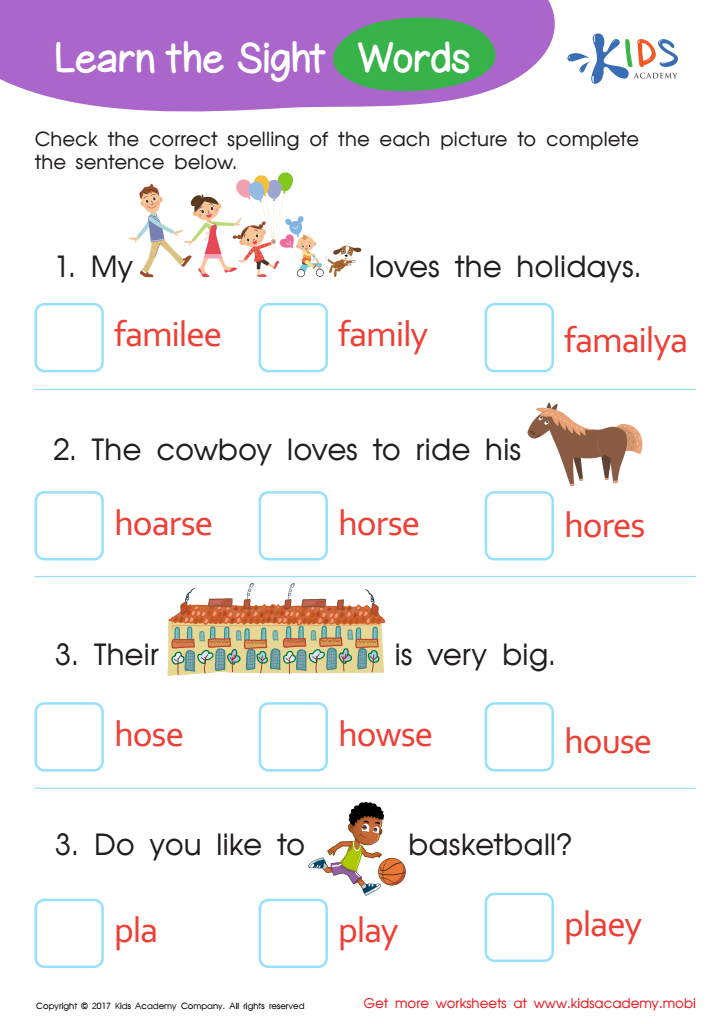
Family, Horse, House, Play Sight Words Worksheet
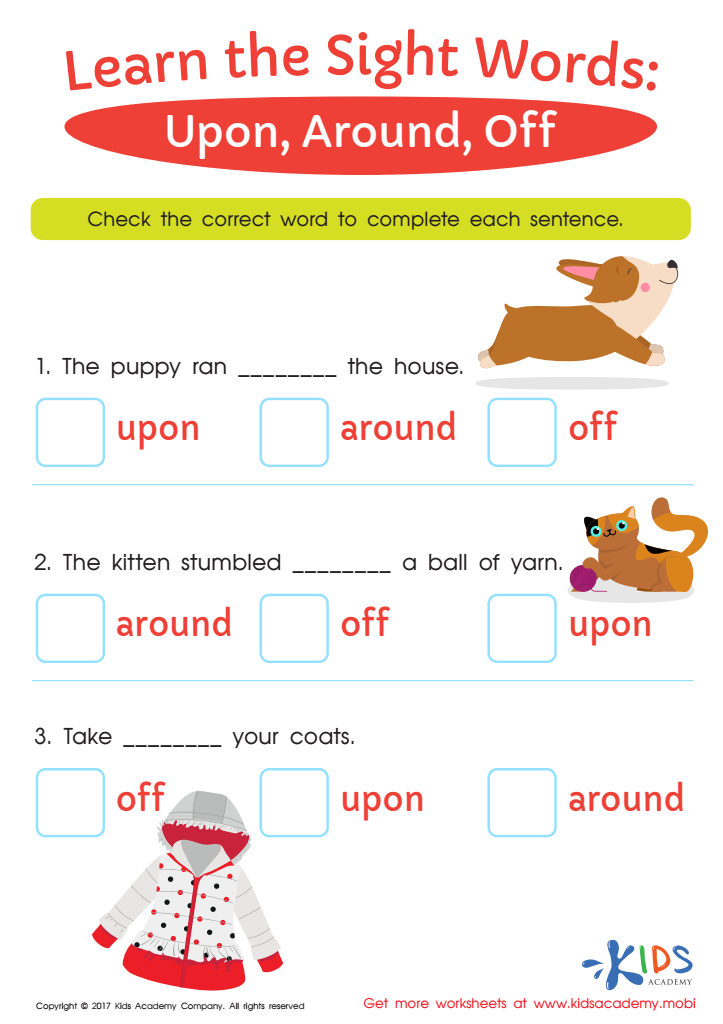
Upon, Around, Off Sight Words Worksheet
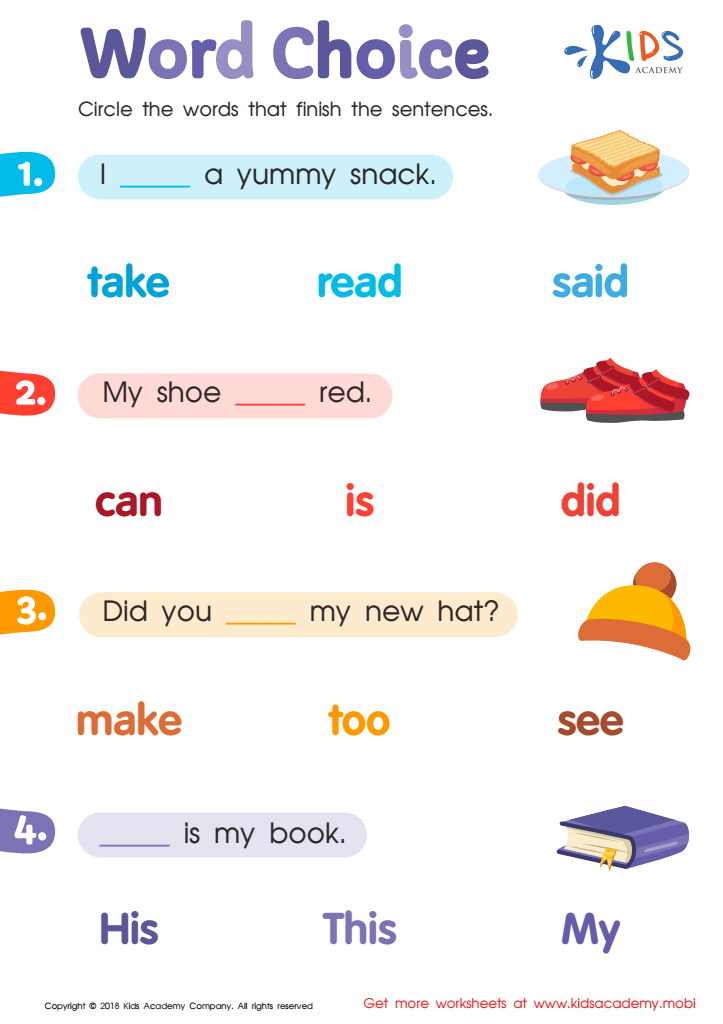
Word Choice Worksheet
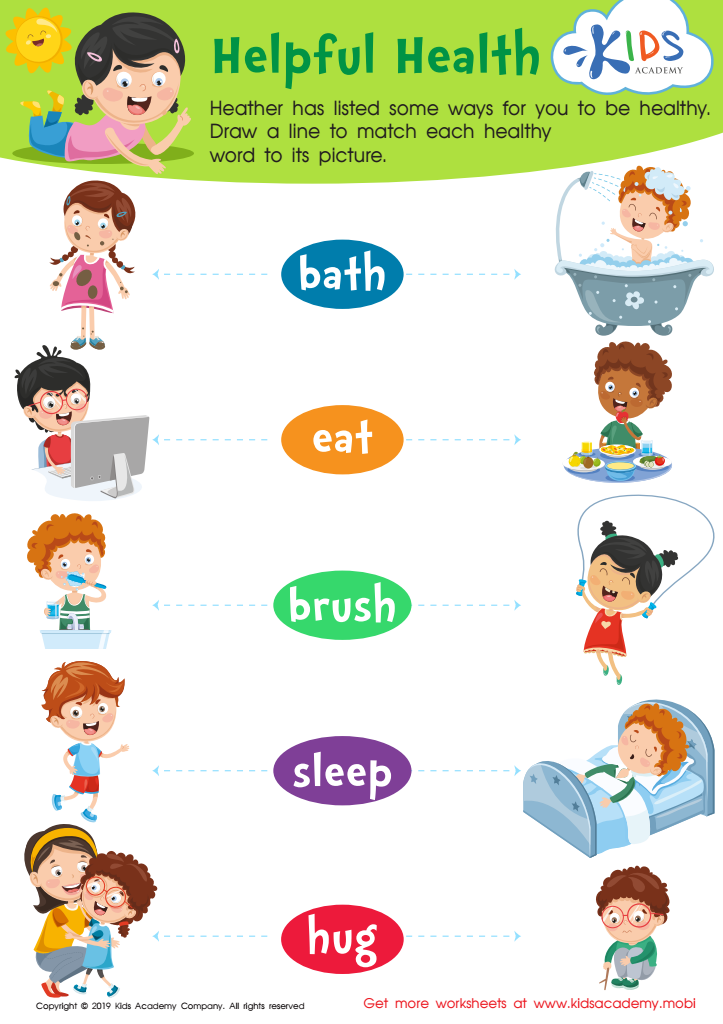
Helpful Health Worksheet
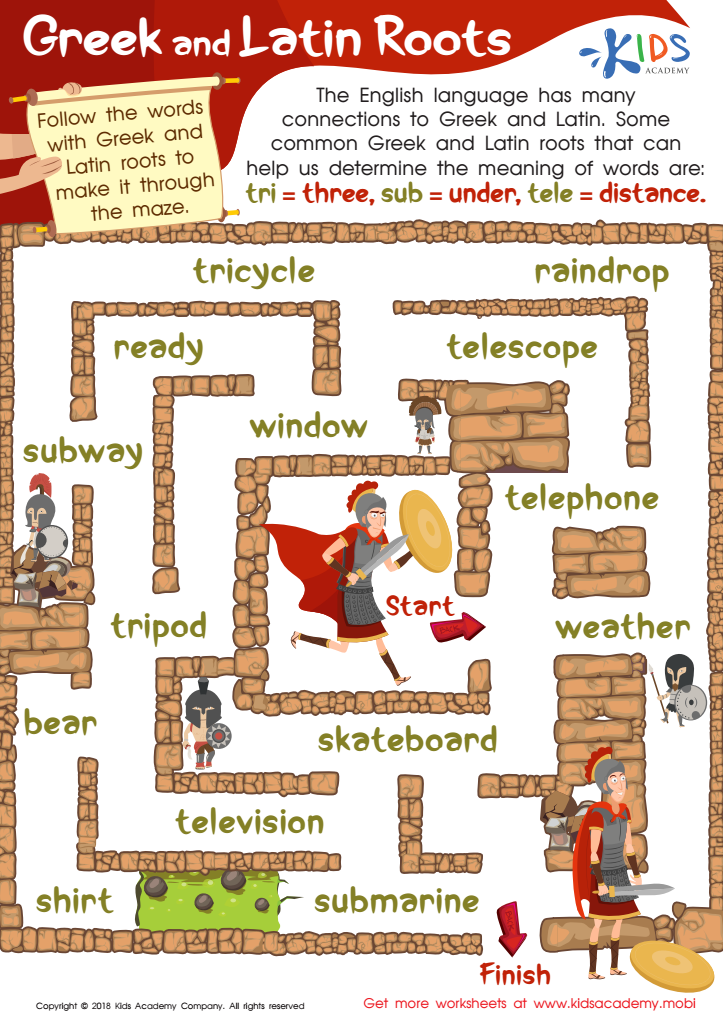
Greek and Latin Roots Worksheet
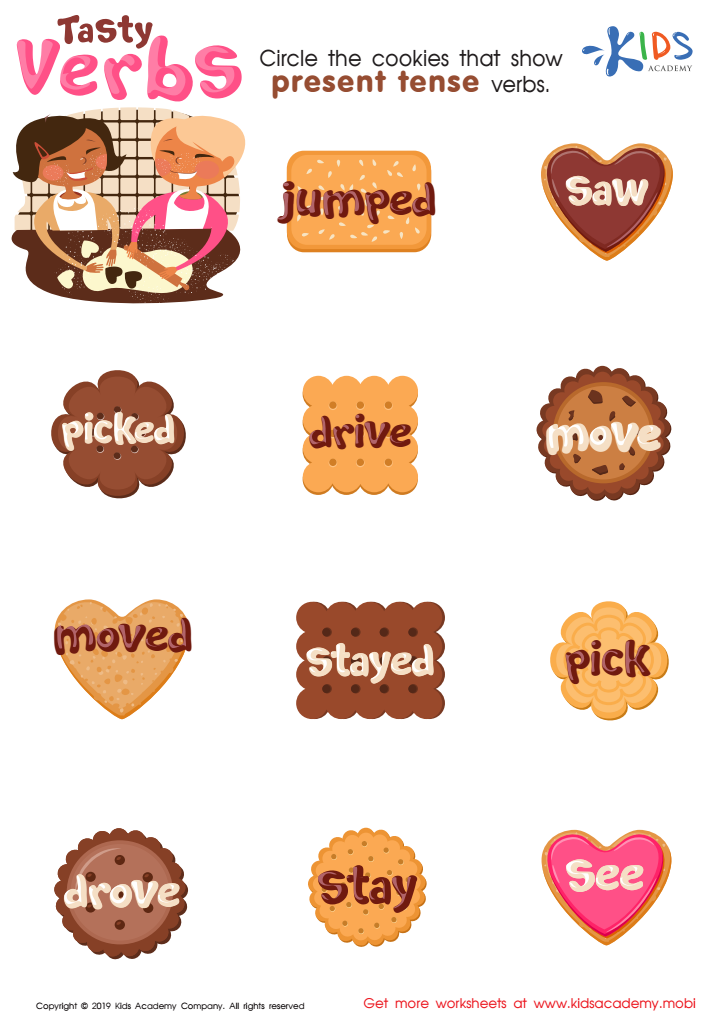
Tasty Verbs Worksheet
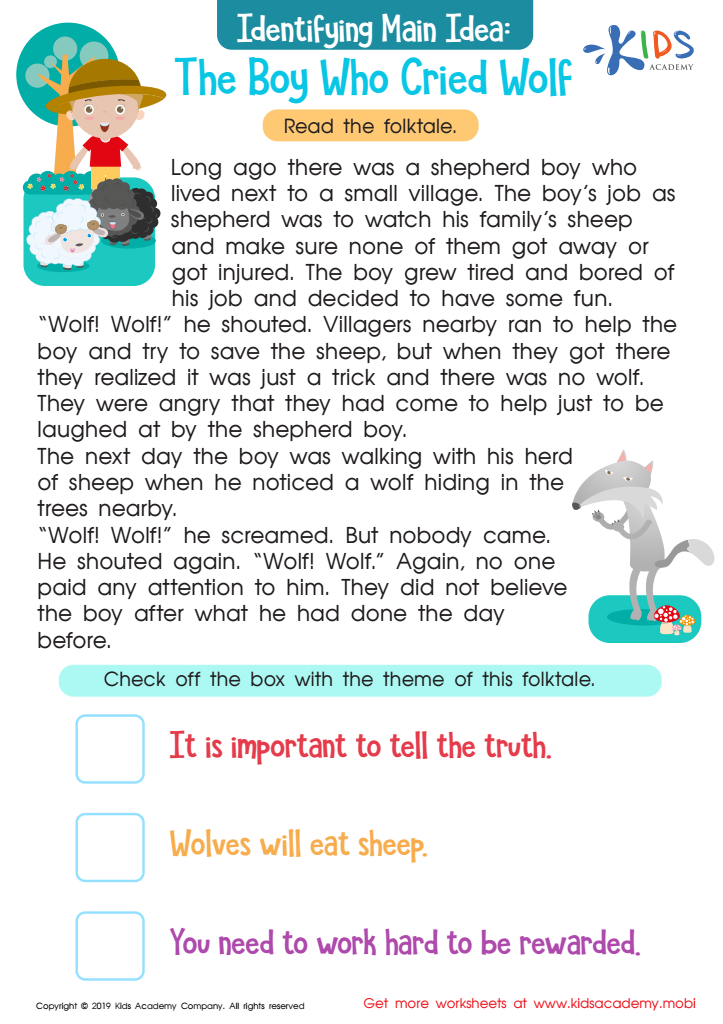
The Boy Who Cried Wolf Part 2 Worksheet
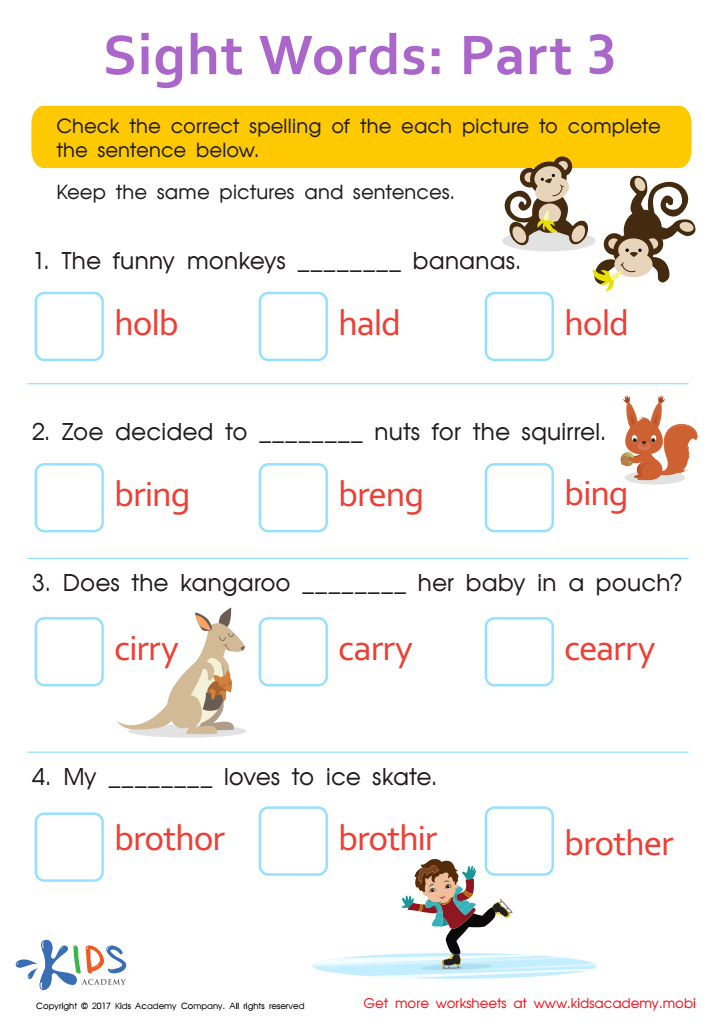
Hold, Bring, Carry, Brother Sight Words Worksheet




.jpg)


Parents and teachers should prioritize vocabulary enhancement for children aged 3-8 because this foundational stage is critical for language development, cognitive growth, and overall academic success. During these formative years, children's brains are exceptionally receptive to learning new words, concepts, and ways of thinking. A robust vocabulary lays the groundwork for effective communication, enabling children to express their thoughts, emotions, and needs more clearly and confidently.
When children have a strong vocabulary, they are better equipped to understand and follow instructions, participate in discussions, and engage with reading material. This advanced comprehension facilitates smoother transitions into more complex subjects as they progress through school. Additionally, a rich vocabulary boosts confidence, encouraging children to engage more actively in social interactions, fostering better relationships with peers and adults.
Moreover, vocabulary knowledge is closely linked to reading proficiency. When children know more words, they find reading more enjoyable and less frustrating, which in turn promotes a lifelong love of learning and literacy. By focusing on vocabulary enhancement, parents and teachers can help ensure that children have the language skills necessary to succeed not just academically, but in all aspects of life. داد. Investing in early vocabulary development is therefore a crucial step in nurturing well-rounded, capable individuals.








