Critical Thinking Normal Reading Worksheets for Ages 3-8 - Page 2
44 filtered results
-
From - To
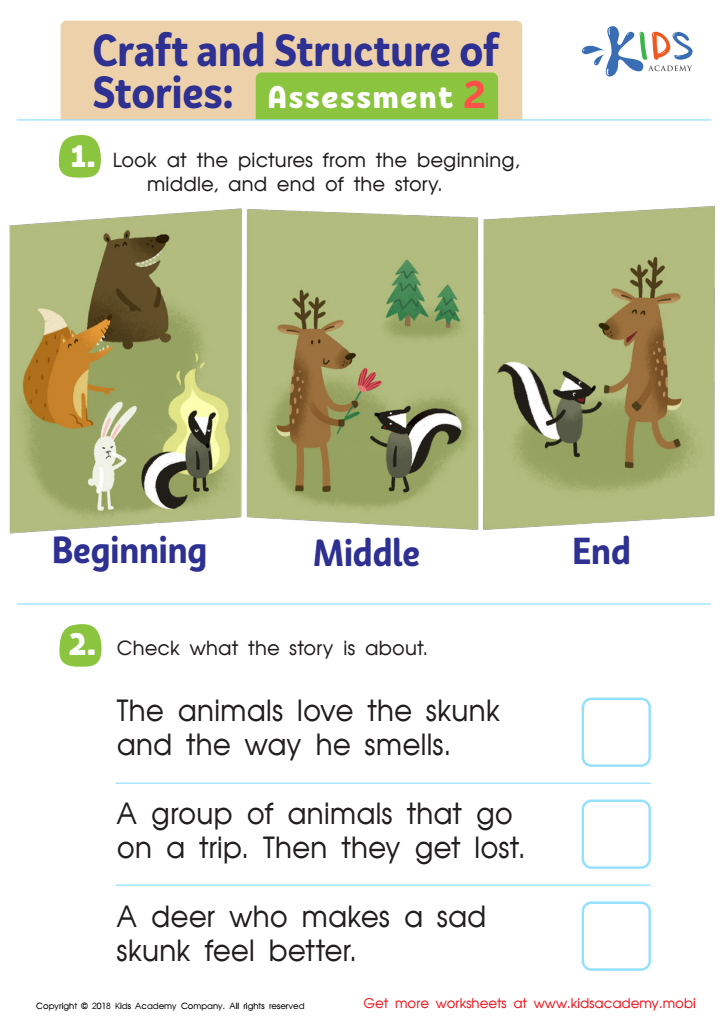
Craft and Structure of Stories: Assessment 2 Worksheet
 Assign to My Students
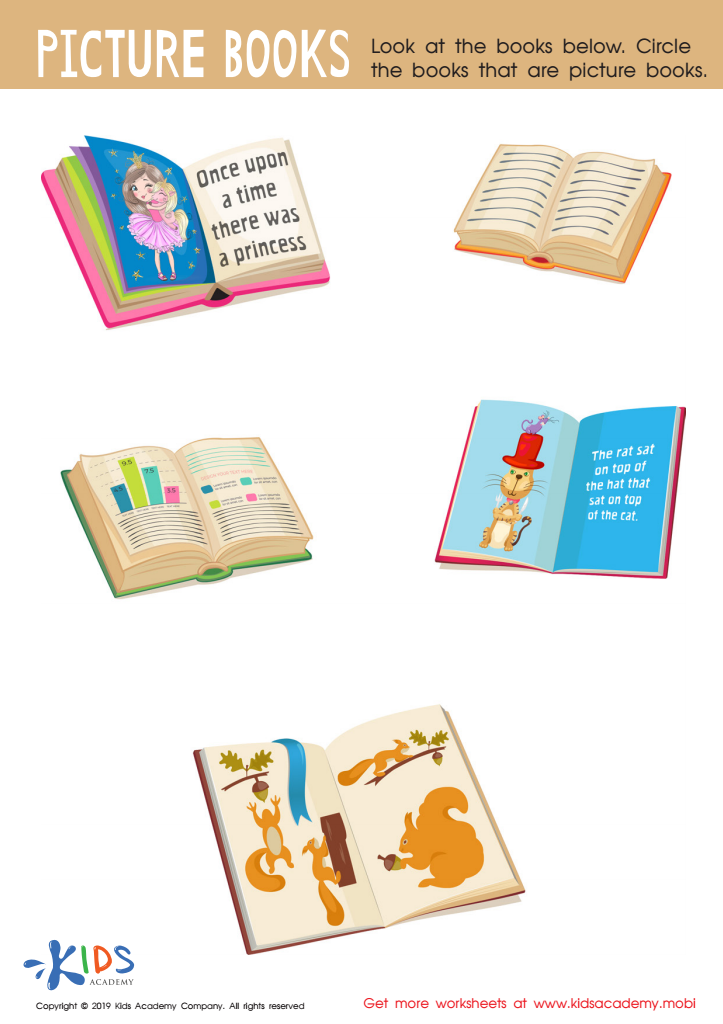
Picture Books Worksheet
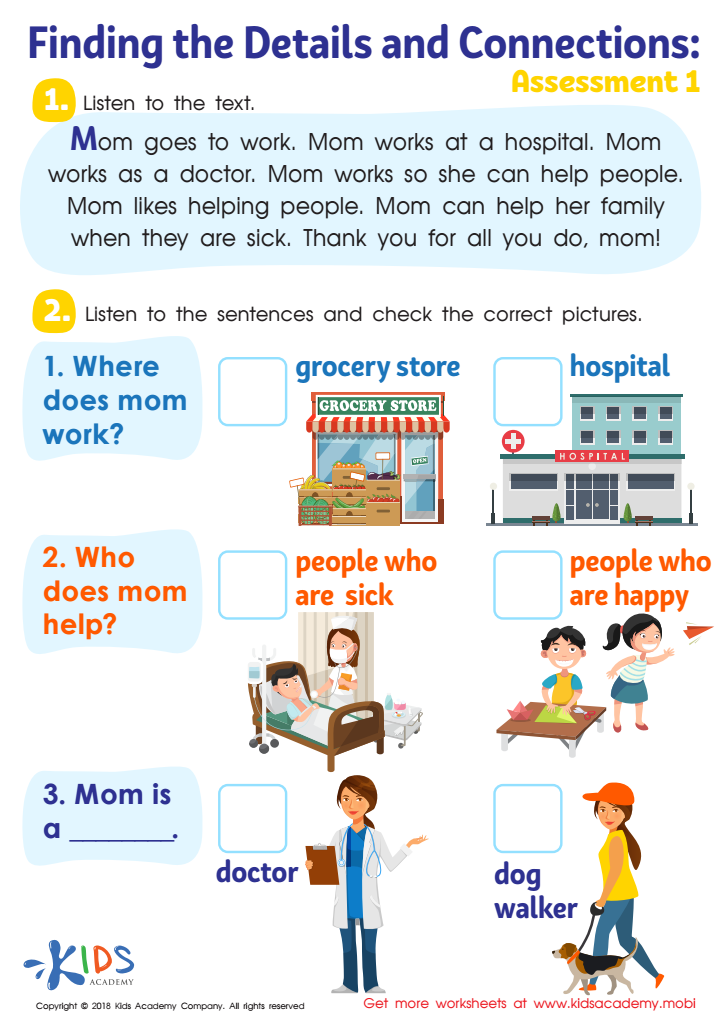
Finding the Details and Connections: Assessment 1 Worksheet
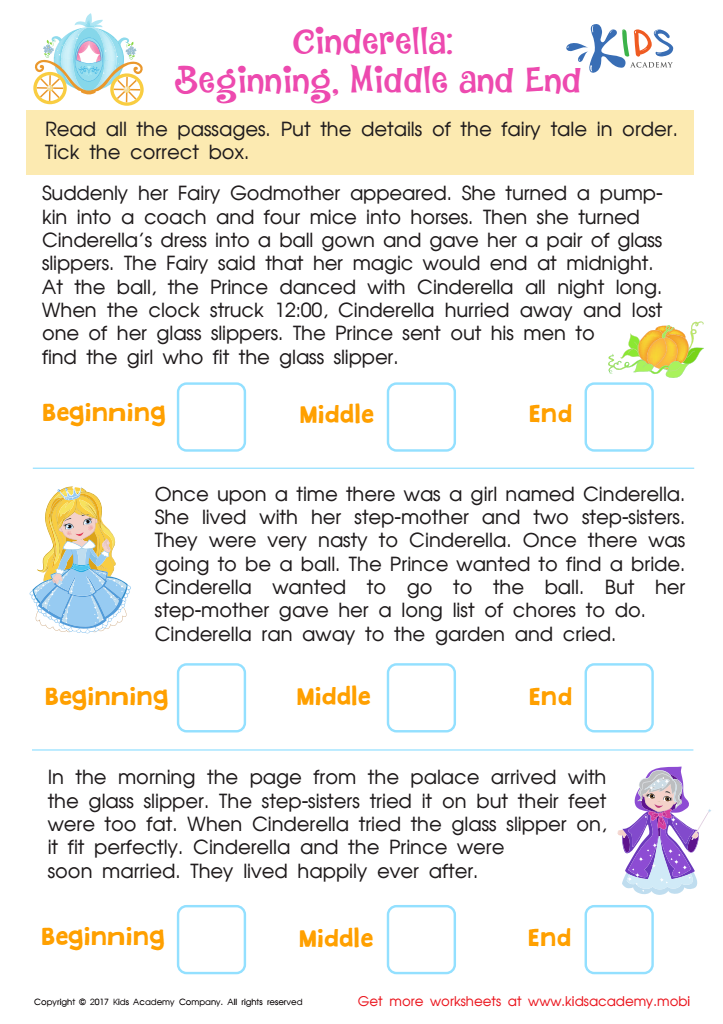
Cinderella: Beginning, Middle and End Worksheet
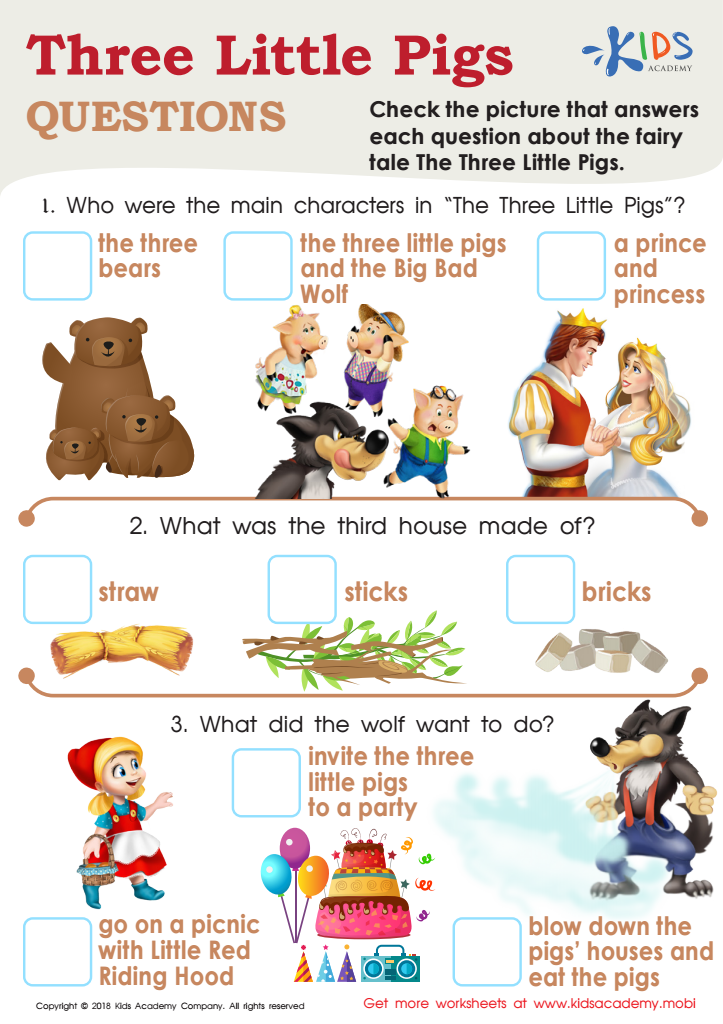
Three Little Pigs Questions Worksheet
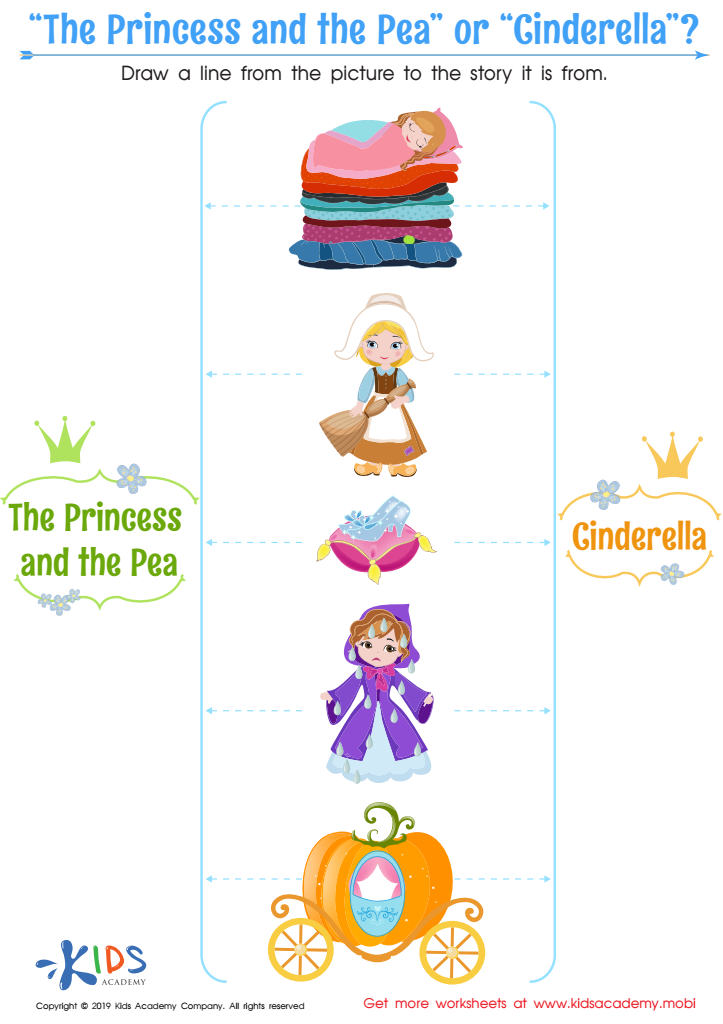
“The Princess and the Pea” or “Cinderella” Worksheet
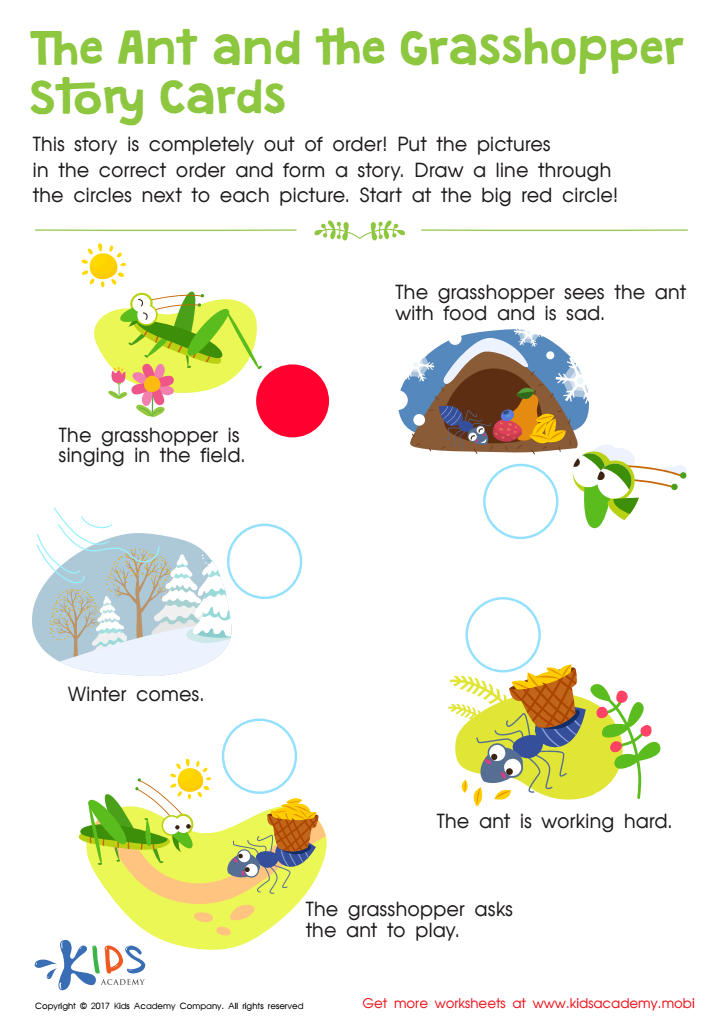
The Ant and The Grasshopper Worksheet
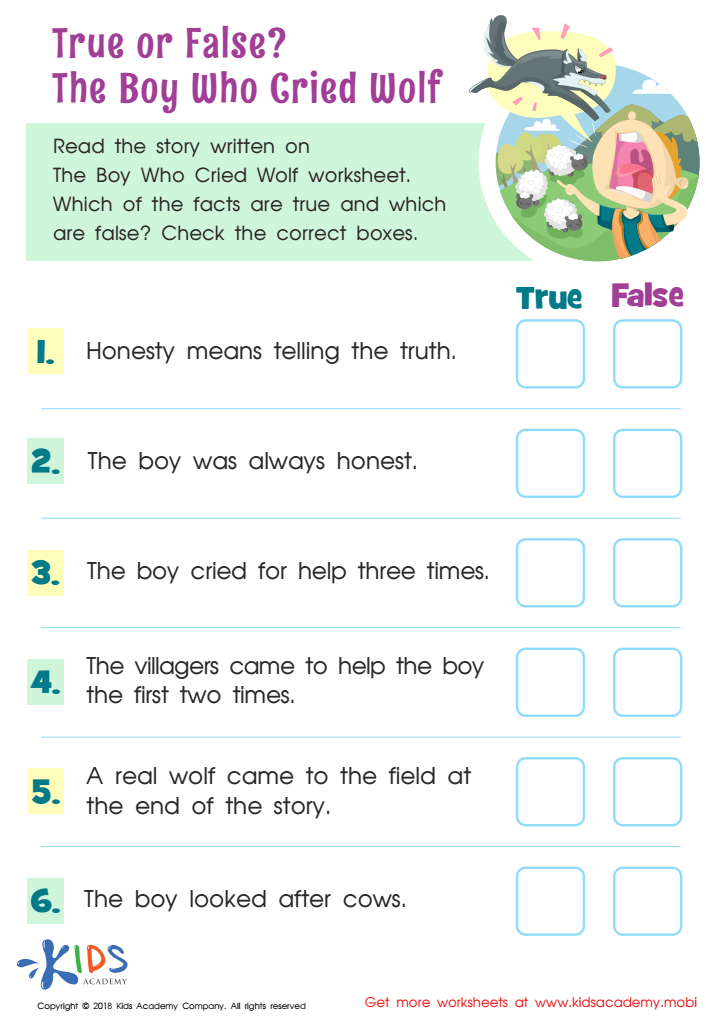
True or False? The Boy Who Cried Wolf Worksheet
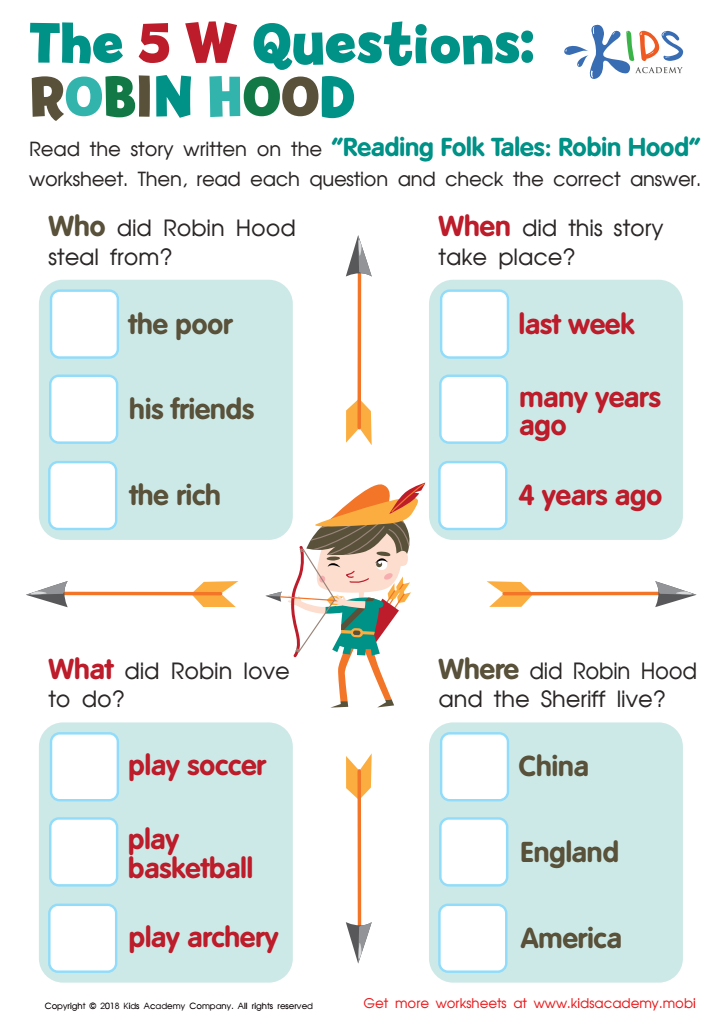
The 5 W Questions: Robin Hood Worksheet
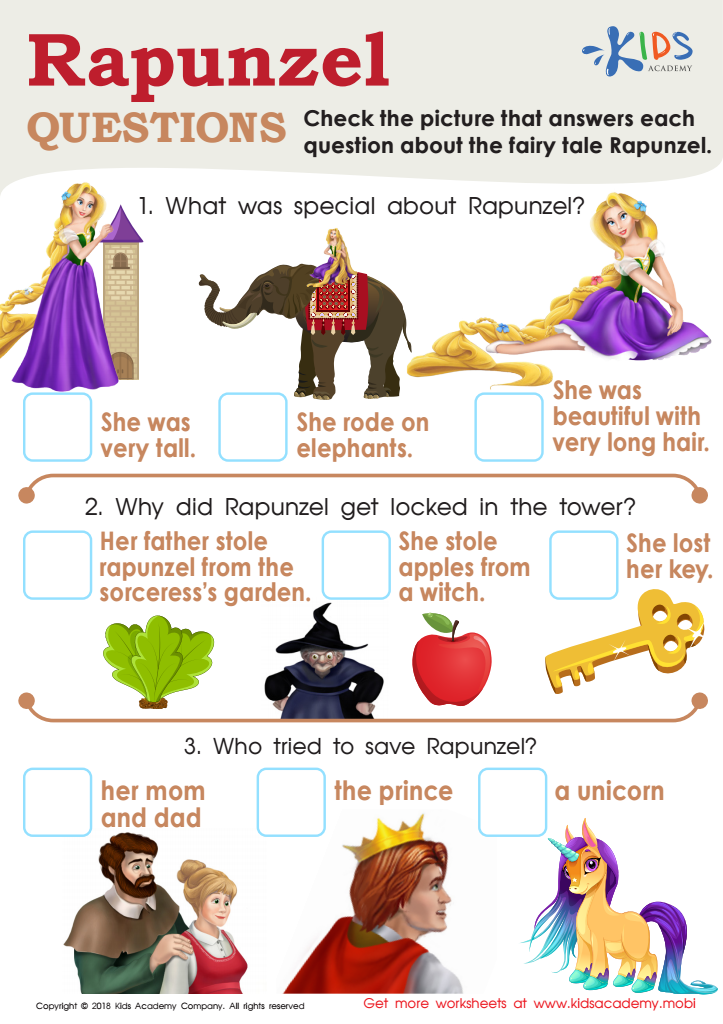
Rapunzel Questions Worksheet
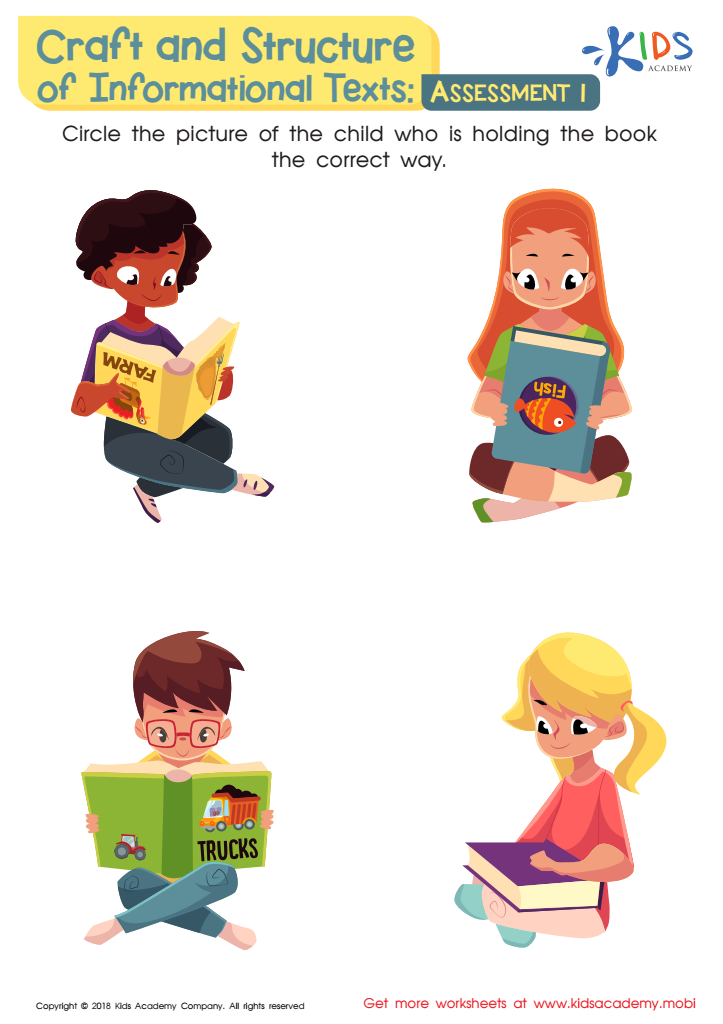
Craft and Structure of Informational Texts: Assessment 1 Worksheet
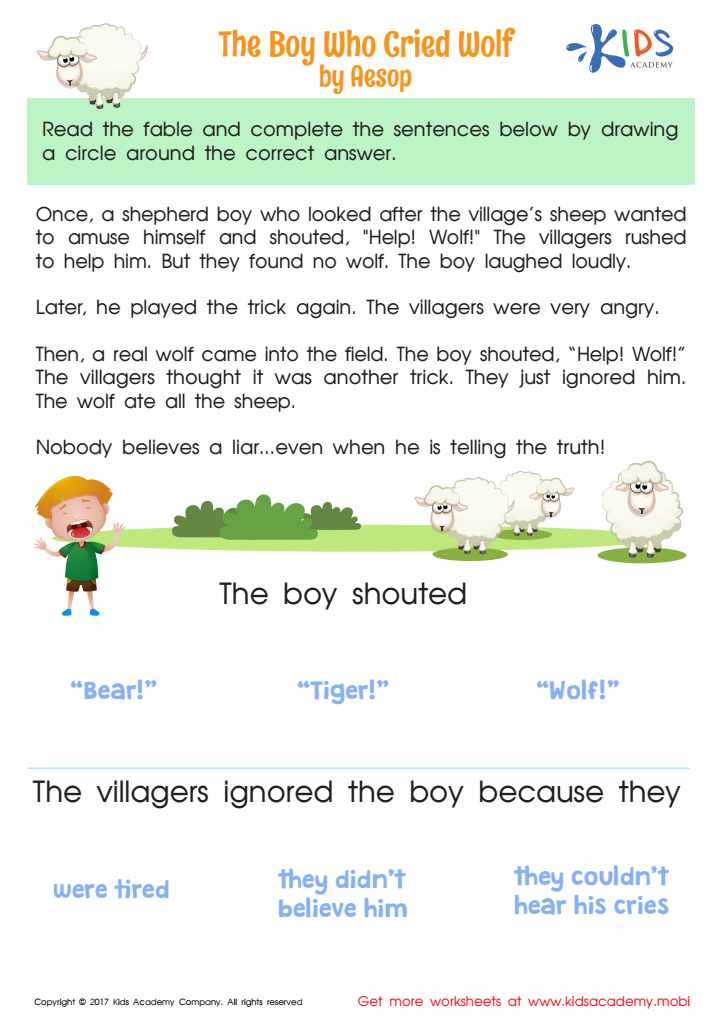
The Boy Who Cried Wolf Worksheet

Assessment: First Thanksgiving Worksheet
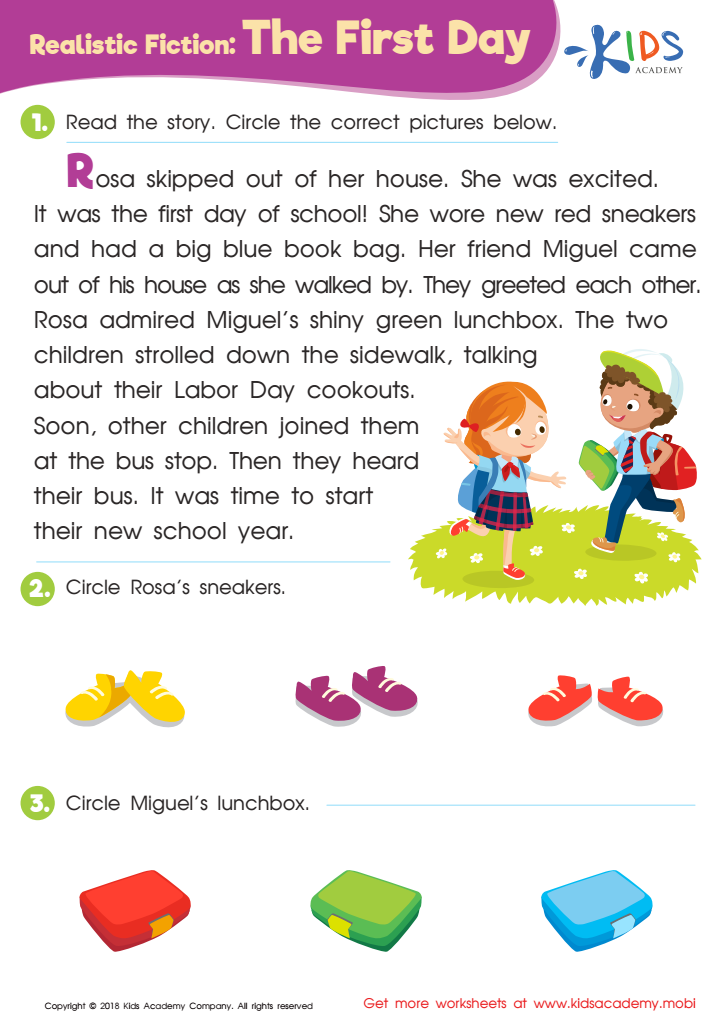
Realistic Fiction: The First Day Worksheet
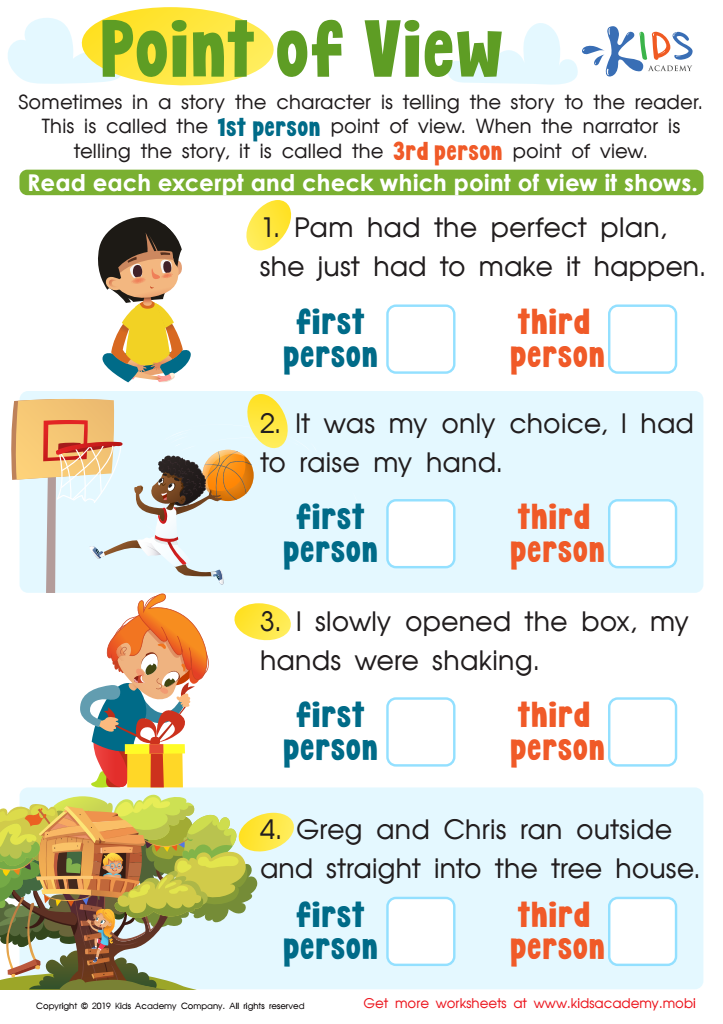
Point of View Printable
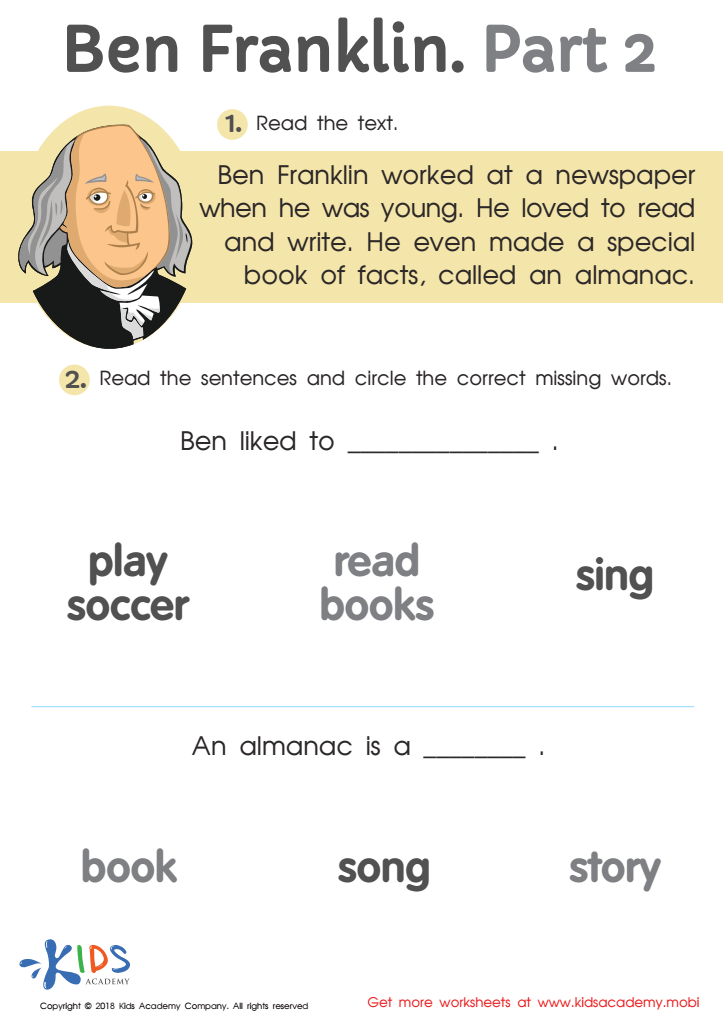
Ben Franklin Part 2 Worksheet
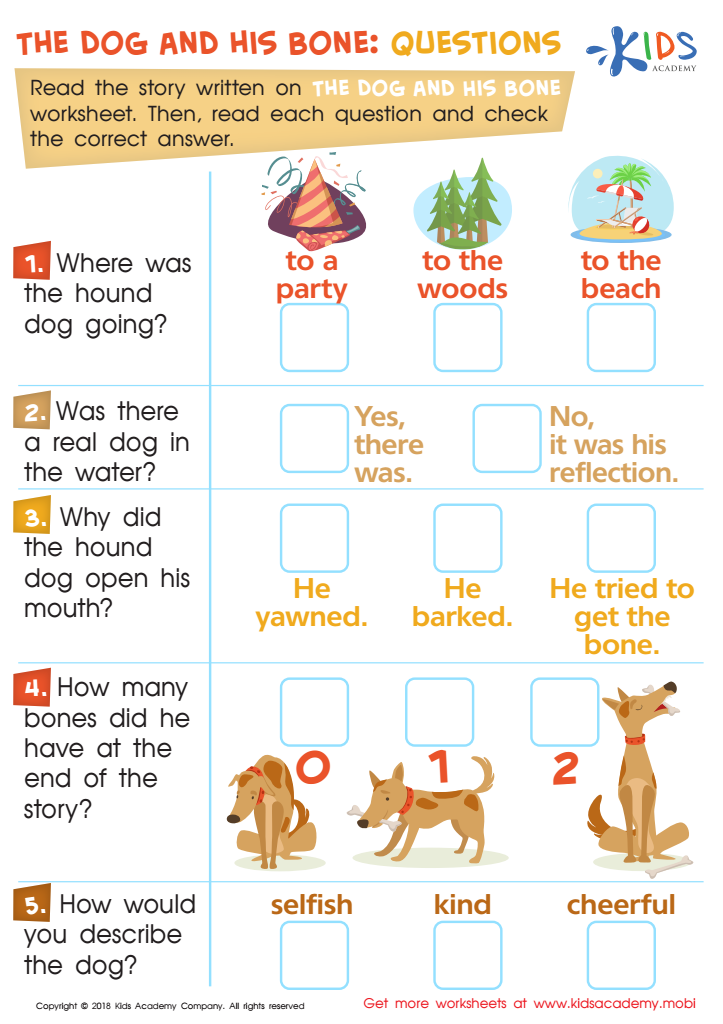
The Dog and His Bone: Questions Worksheet
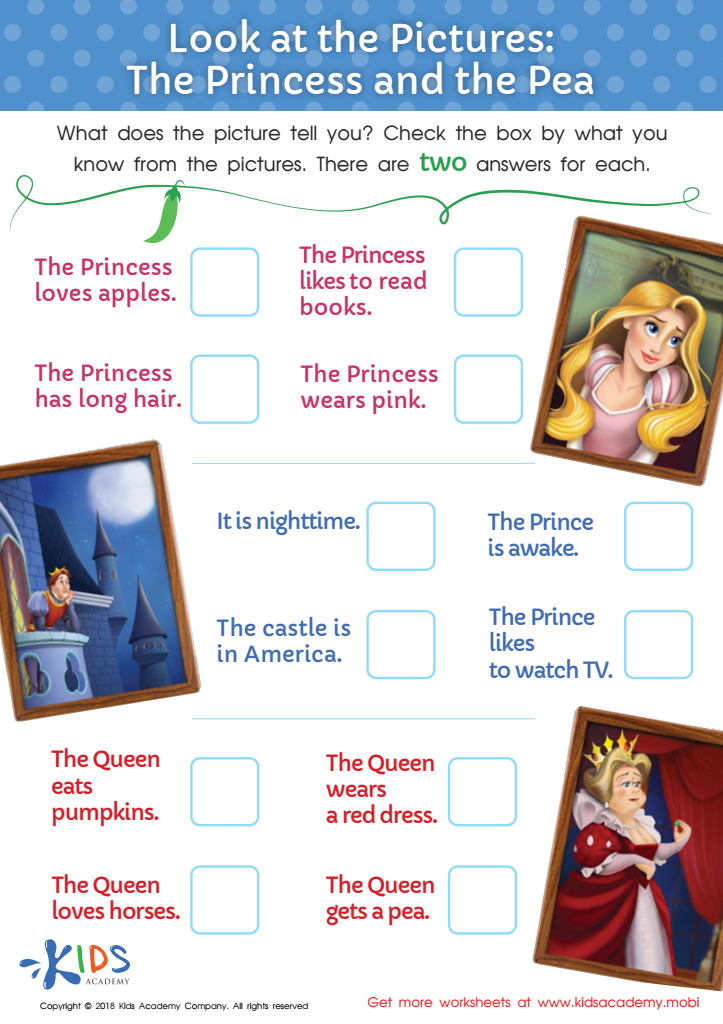
Look at the Pictures: The Princess and the Pea Worksheet
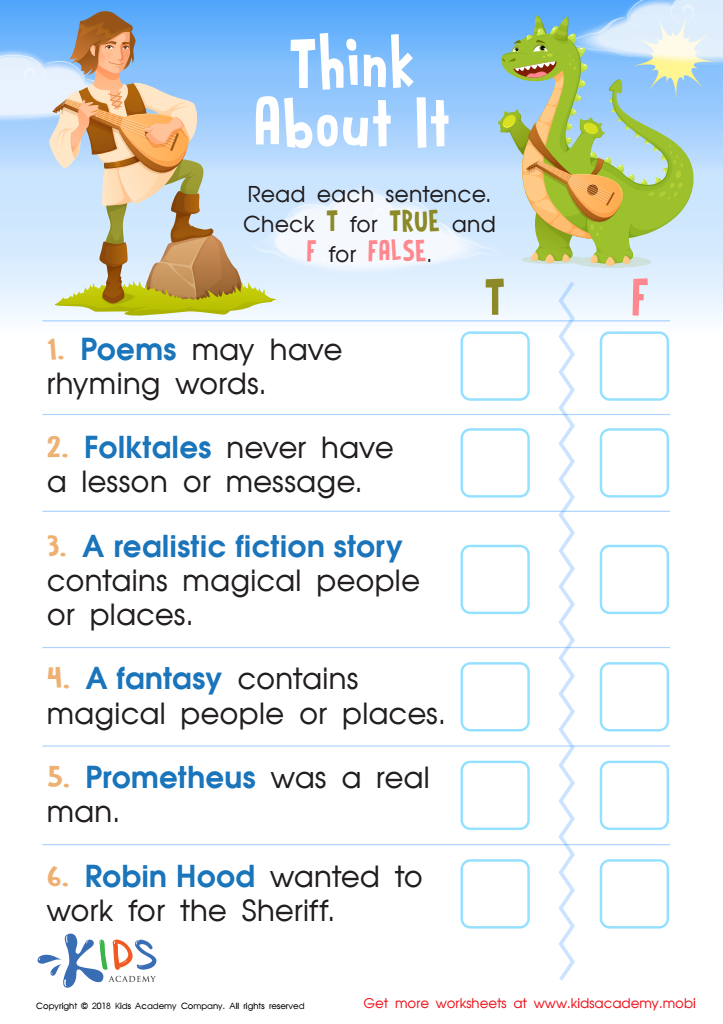
Think About It: Assessment Worksheet
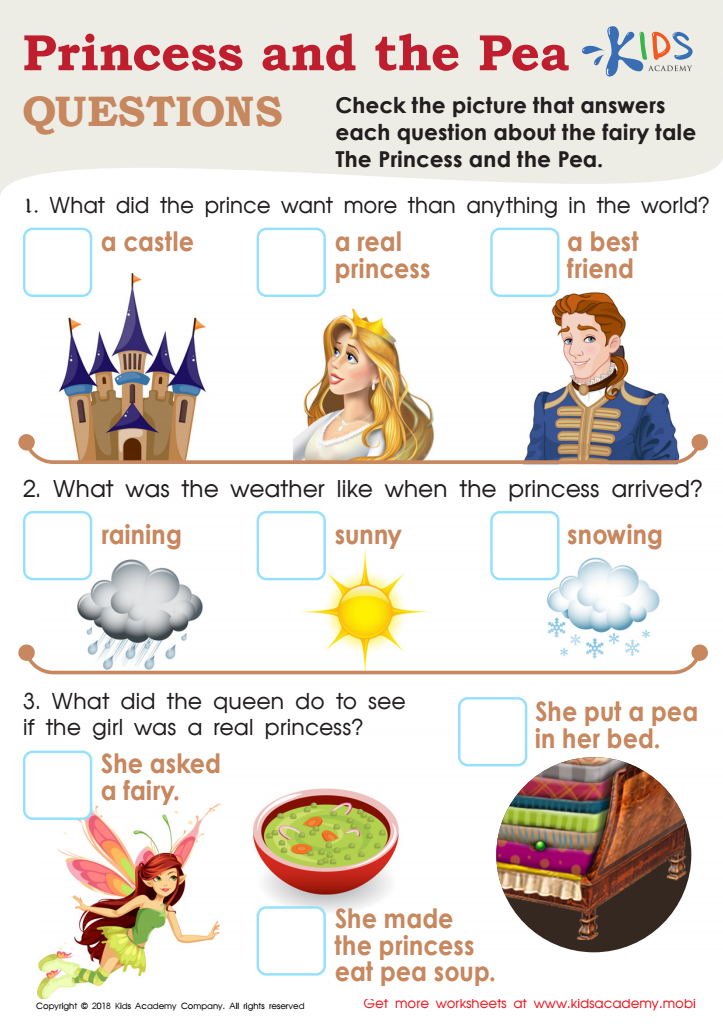
Princess and the Pea Questions Worksheet






.jpg)
Critical thinking and normal reading are foundational skills that serve as essential cornerstones in a child's early development. At the ages of 3 to 8, children's brains are highly malleable, allowing them to absorb and process new information quickly. Encouraging critical thinking helps youngsters to ask questions, analyze information, and make reasoned decisions, setting the stage for lifelong learning and problem-solving capabilities. Basically, this skill helps them navigate academic challenges and real-world issues with a thoughtful and analytical approach.
Normal reading is equally crucial, as it helps build language skills, expands vocabulary, and enhances comprehension abilities. Reading routinely not only improves fluency but also stimulates imagination and cognitive development. It introduces children to different worlds, cultures, and ideas, giving them the opportunity to gain knowledge beyond their immediate experiences. Shared reading with adults further supports emotional connections, fosters a love for books, and builds essential communication skills.
Combining critical thinking with normal reading pushes children to actively engage with texts, thereby improving their interpretative and reflective abilities. For these reasons, both parents and teachers should actively foster environments that prioritize these skills, ensuring a well-rounded and intellectually stimulated future generation. This combination provides the bedrock for academic success and develops responsible, thoughtful individuals.








