
Problem-Solving Skills Normal Plants and Animals Worksheets for Ages 3-8
5 filtered results
Difficulty Level
Grade
Age
-
From - To
Subject
Activity
Standards
Discover our engaging "Problem-Solving Skills Normal Plants and Animals Worksheets for Ages 3-8" designed to captivate young learners. These creative and educational worksheets foster critical thinking and problem-solving abilities while introducing children to the fascinating world of plants and animals. Ideal for preschool through early elementary, each activity encourages exploration, observation, and hands-on learning. Whether it's matching, sorting, or simple reasoning puzzles, our printables make learning about nature fun and interactive. Support your child’s early development and love for science with our expertly crafted resources, perfect for classroom use or at-home enrichment.
Favorites
With answer key
Interactive
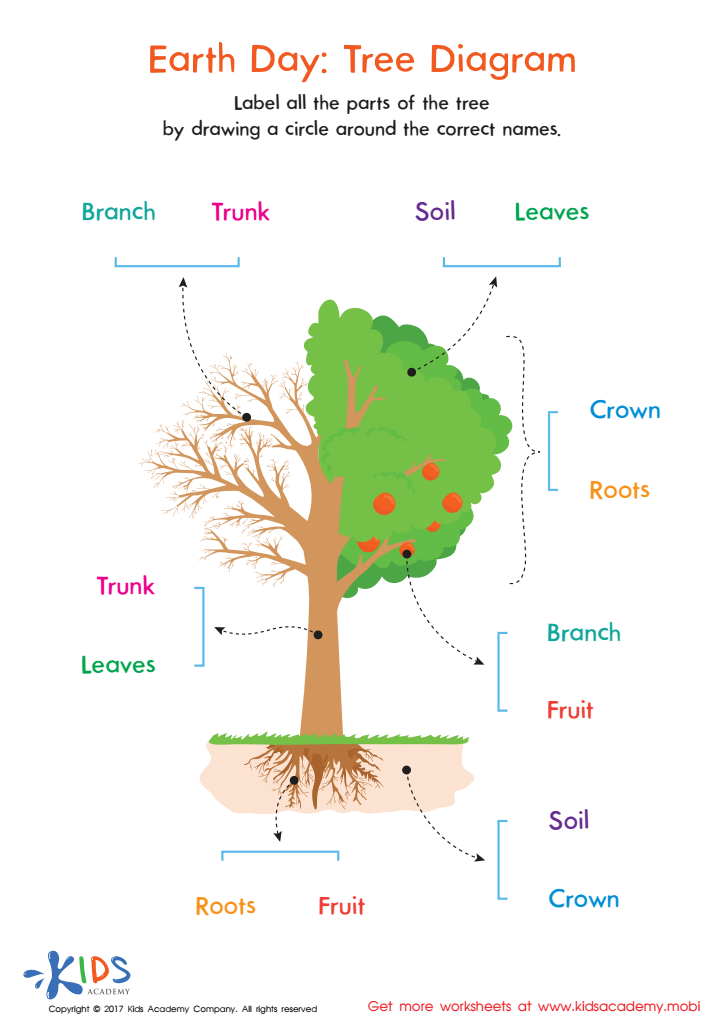
Earth Day: Tree Diagram Worksheet
Teaching our kids about environmental science is essential. Get your child excited about plants and nature with our colorful parts of a tree worksheet! It will help them gain an understanding and appreciation of trees, plants, and the earth. Download it now and open the door to the natural world of your child's everyday!
 Assign to My Students
Earth Day: Tree Diagram Worksheet
Worksheet

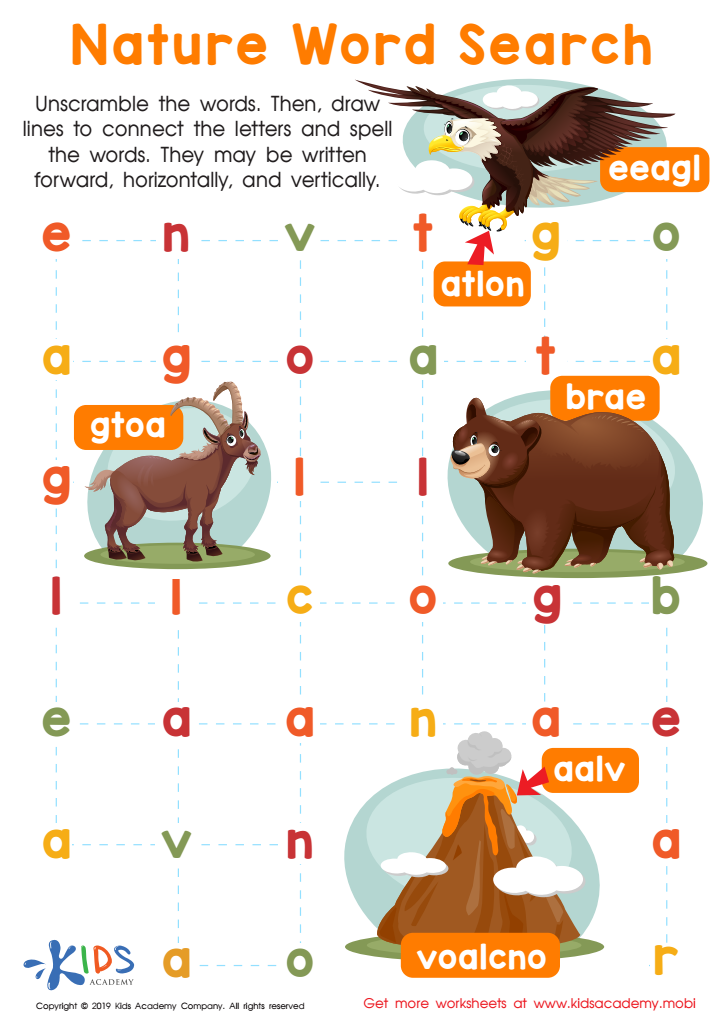
Nature Word Search Worksheet
Unscramble science vocabulary words and find them in this fun worksheet! Use the pictures as clues if you get stumped; you can also write down the words for reference. Solve the puzzle when you're done to finish!
Nature Word Search Worksheet
Worksheet
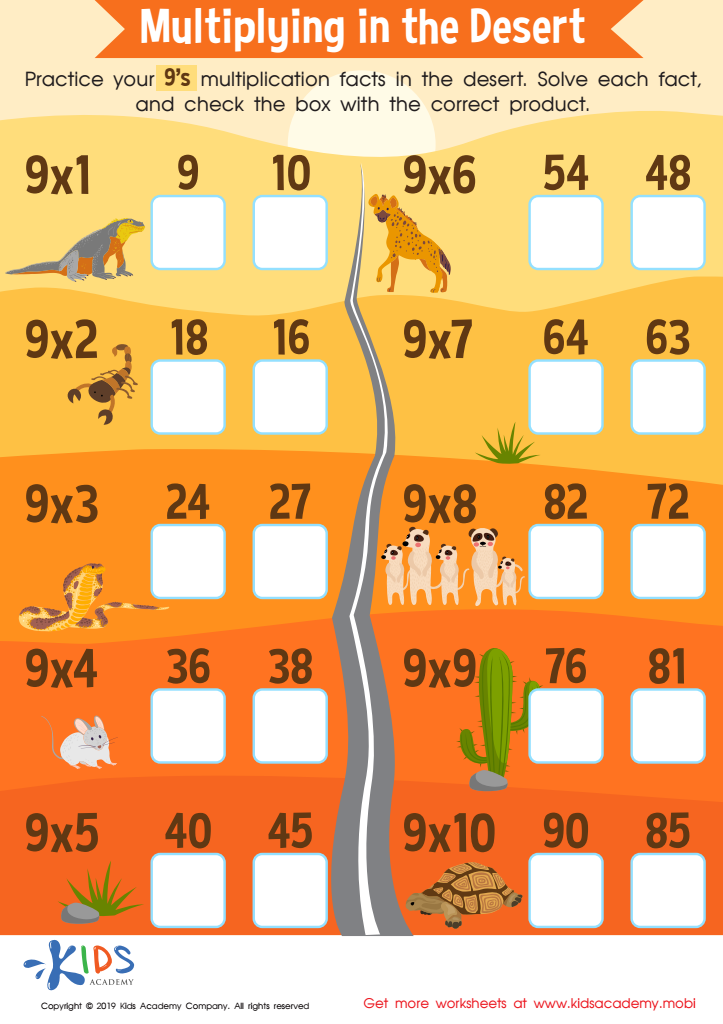
Multiplying in the Desert Worksheet
Help your kids learn the multiplication table faster by introducing them to this fun worksheet! It allows them to learn at a more engaging pace, with the added challenge of naming desert animals. Solve each fact and check the correct product, for an enjoyable and effective way to practice their 9’s multiplication facts.
Multiplying in the Desert Worksheet
Worksheet
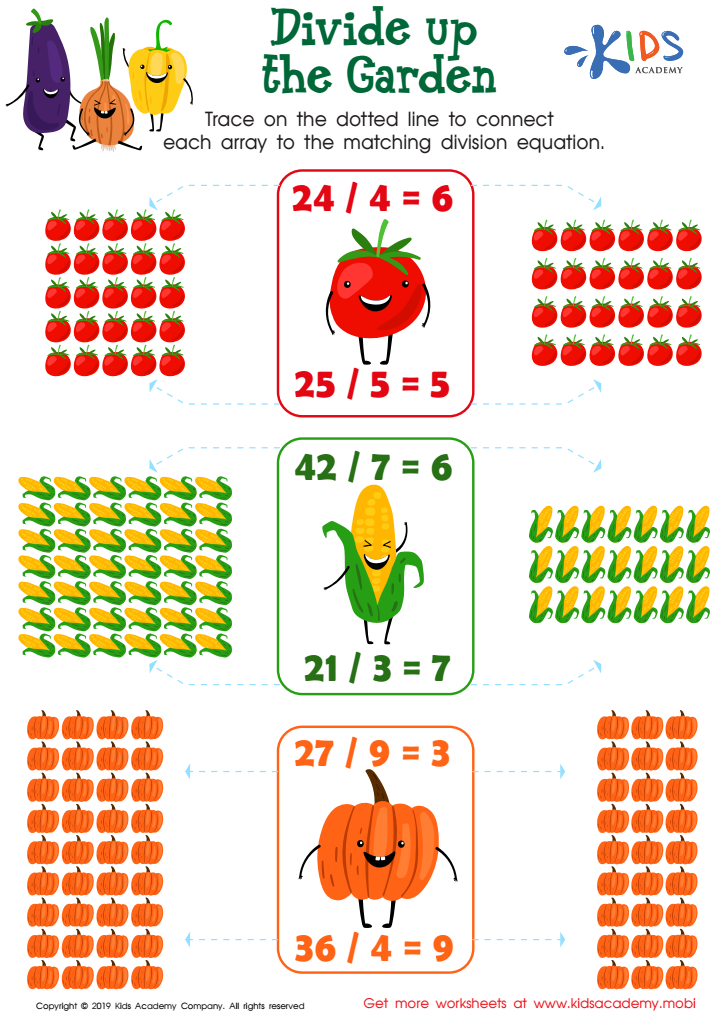
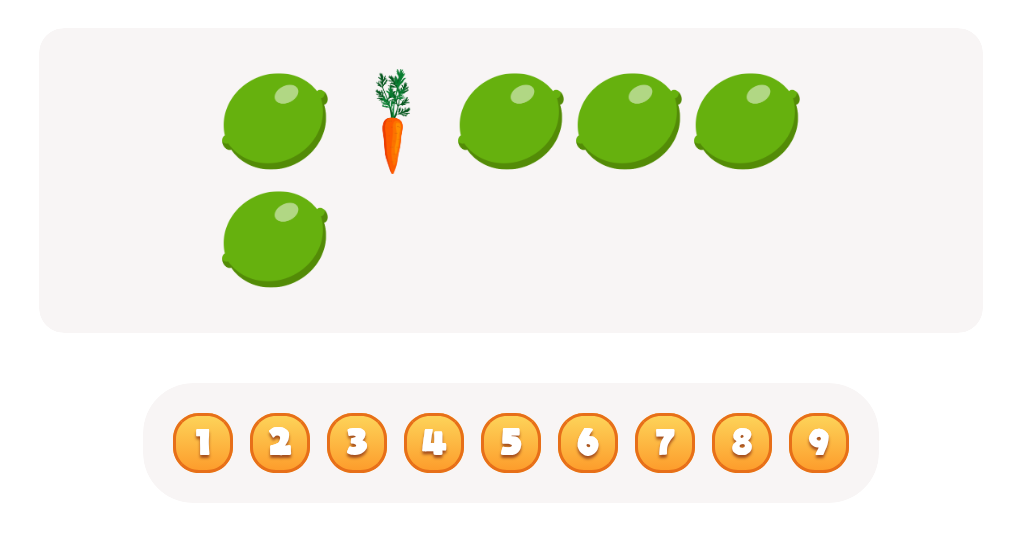
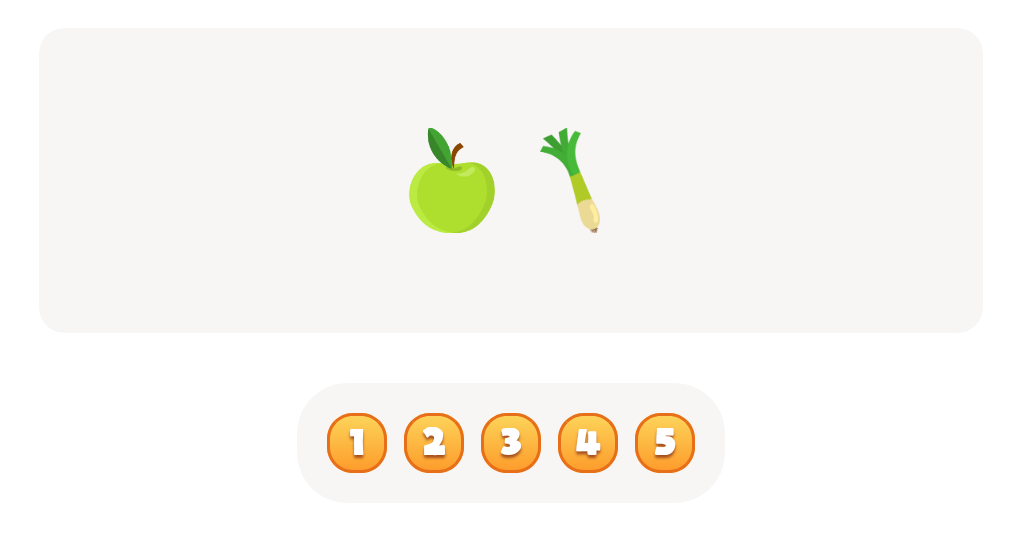
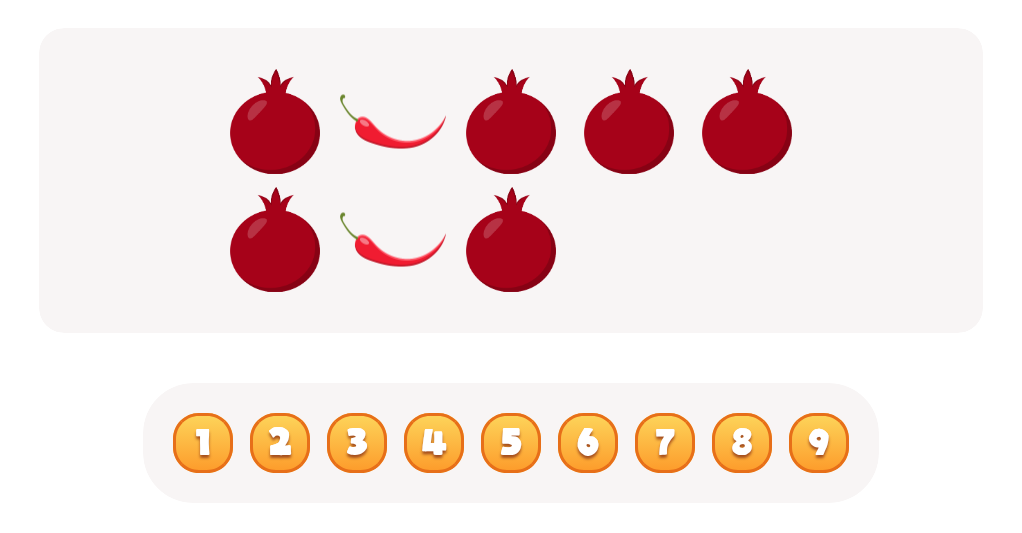
Divide up the Garden Worksheet
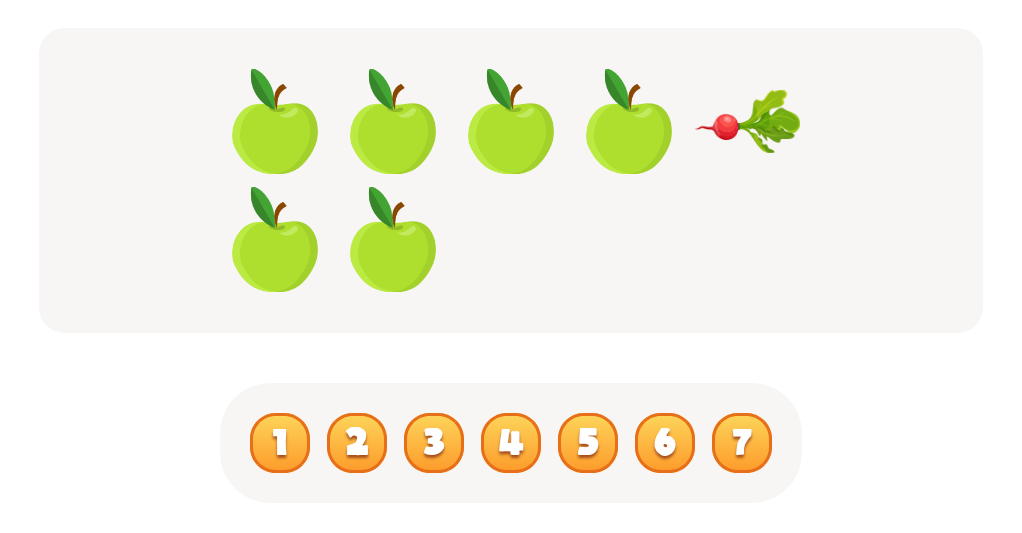
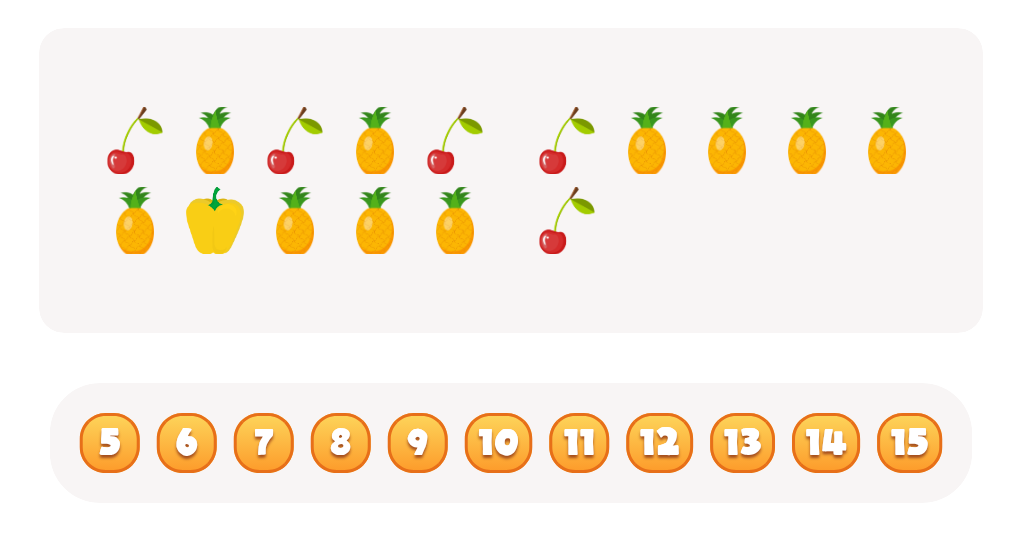
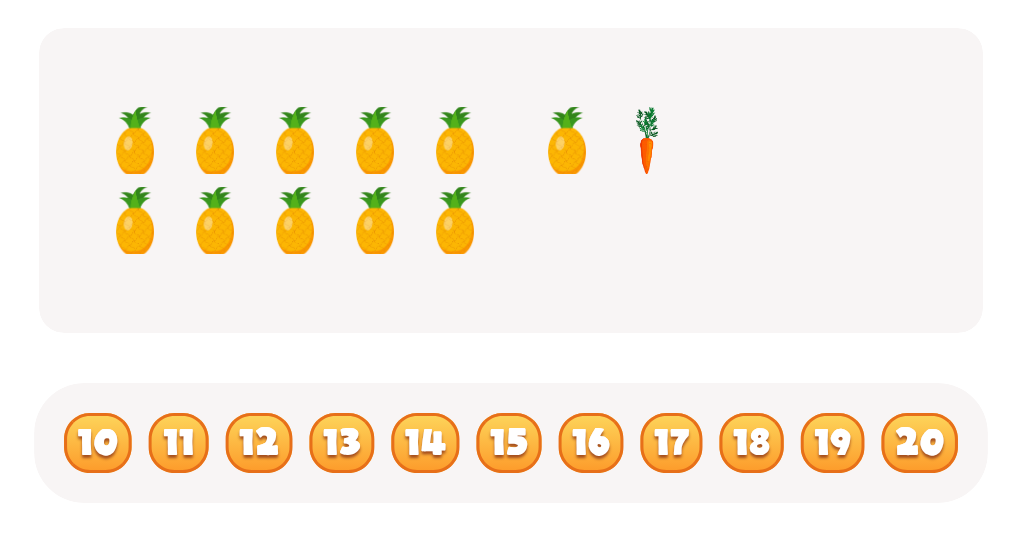
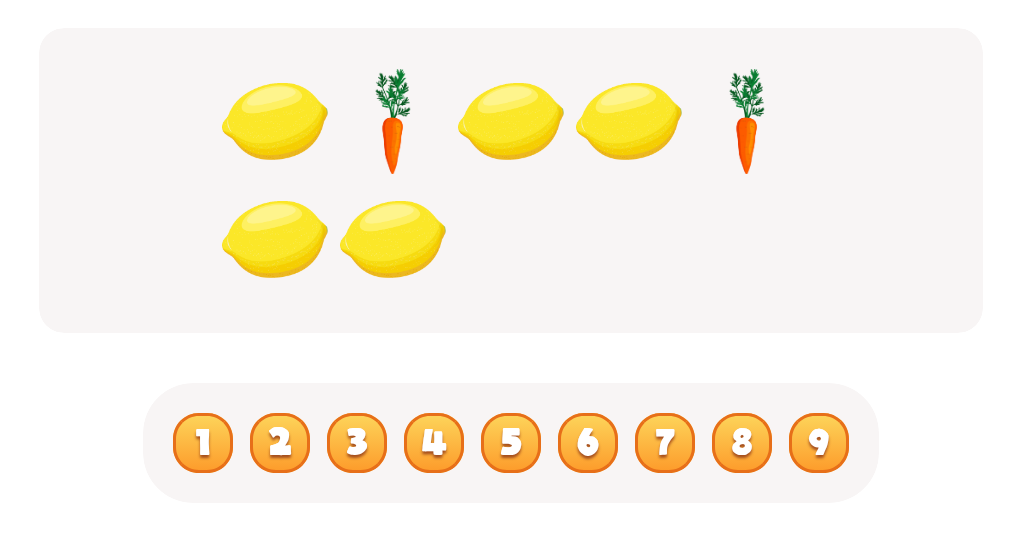
Dividing is simply grouping items into equal sets. This worksheet helps kids see division problems in array form. They'll match each equation with a picture group, using the lines provided. It's a great way for beginners to understand division more concretely.
Divide up the Garden Worksheet
Worksheet
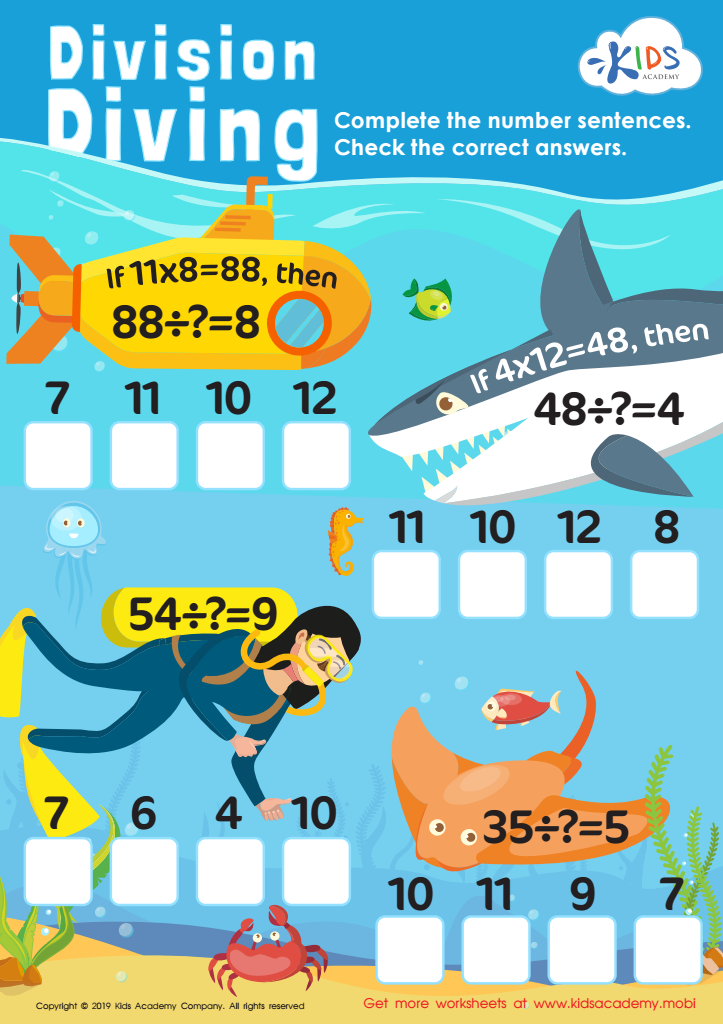
Division Diving Worksheet
Kids love exploring water and this free PDF worksheet is a great way to bring the fun and math together! Kids can help the underwater friends with number sentences, and use their fact family knowledge to solve for the missing number, then choose the correct answer. This worksheet is an enjoyable way for them to practice division!
Division Diving Worksheet
Worksheet
Join Kids Academy for Free
Who is primarily going to use this learning content?








Problem-solving skills are essential building blocks in early childhood education, and incorporating lessons about normal plants and animals can be an engaging way to nurture these abilities. For children aged 3-8, their natural curiosity about the world around them provides a perfect opportunity to introduce these concepts.
First, learning about plants and animals fosters observational skills. Children learn to notice details, compare differences, and ask questions like "Why do plants need sunlight?" or "How do animals find their food?" These questions prompt critical thinking and investigative skills, key components of problem-solving.
Second, when children understand basic biological processes, they can apply this knowledge to different scenarios. For example, knowing that plants need water to grow helps them figure out why a garden isn't thriving and what action to take. This practical application lies at the heart of problem-solving—identifying problems and strategically finding solutions.
Third, discussing ecosystems and lifecycles introduces children to systems thinking. It helps them understand how parts of a system interrelate, fostering an appreciation for the environment and understanding broader concepts like interdependence.
Overall, integrating lessons about plants and animals into problem-solving activities equips children with essential cognitive tools. This foundation not only supports academic success but also prepares them to tackle real-life challenges with confidence and curiosity.







