Normal Space Worksheets for Ages 3-8 - Page 2
38 filtered results
-
From - To
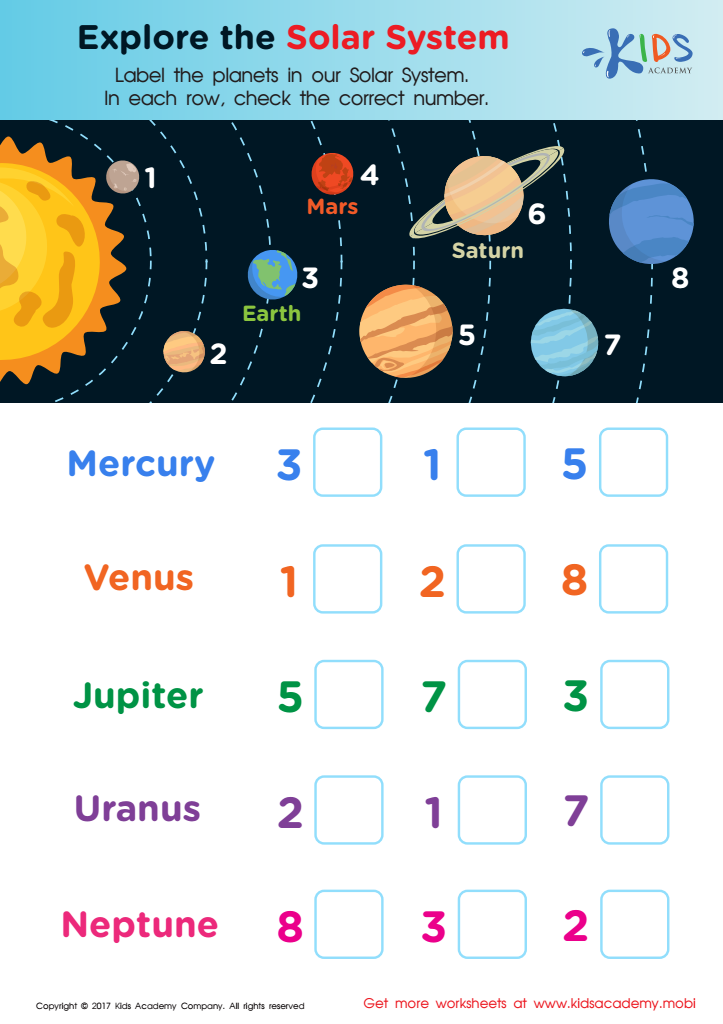
Solar System Planets Worksheet
 Assign to My Students
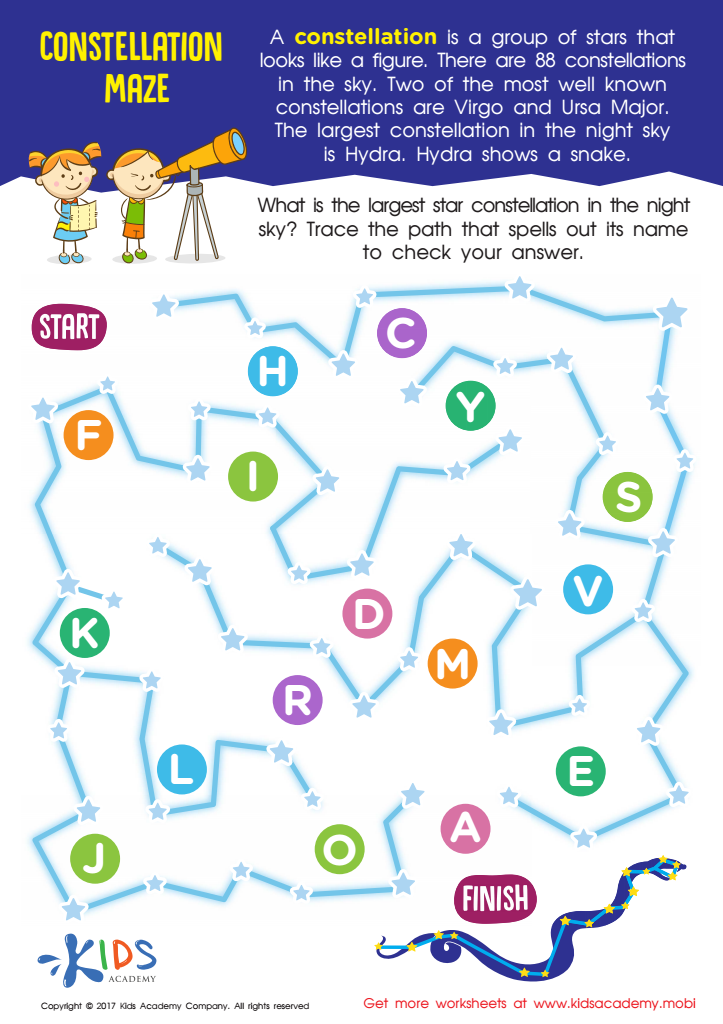
Constellations Worksheet
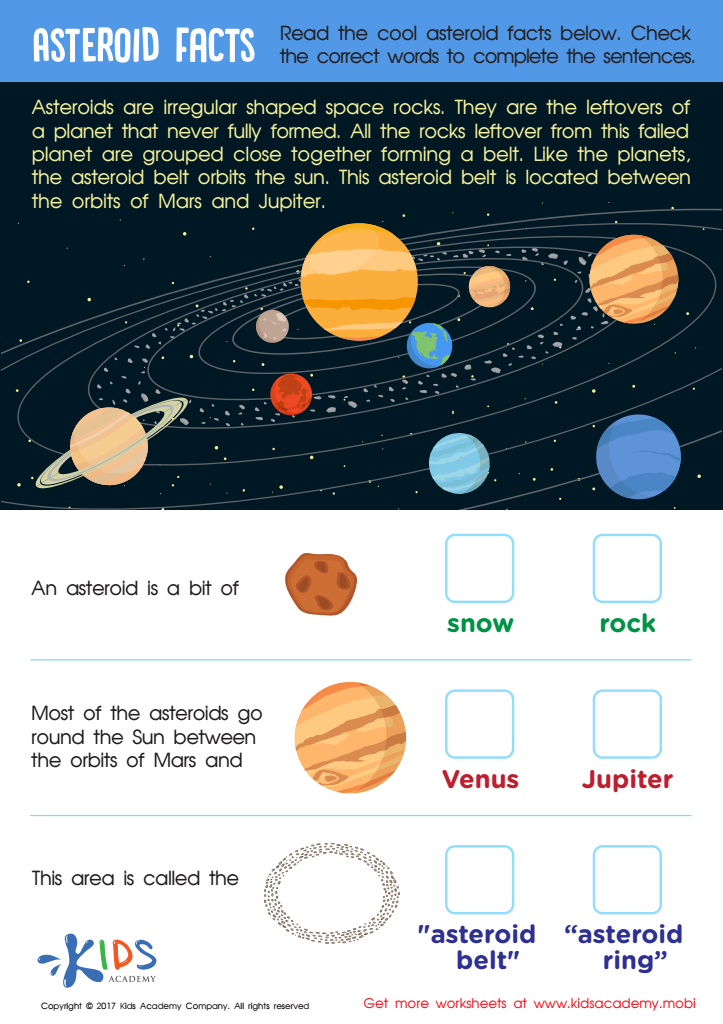
Asteroid Facts Worksheet
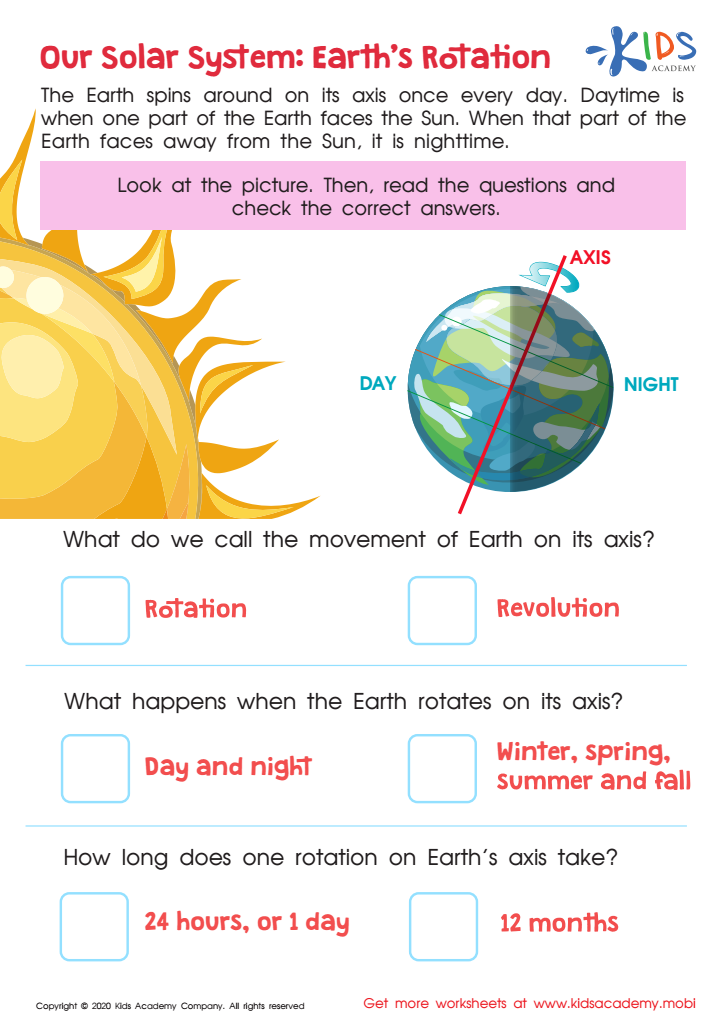
Our Solar System: Earth's Rotation Printable
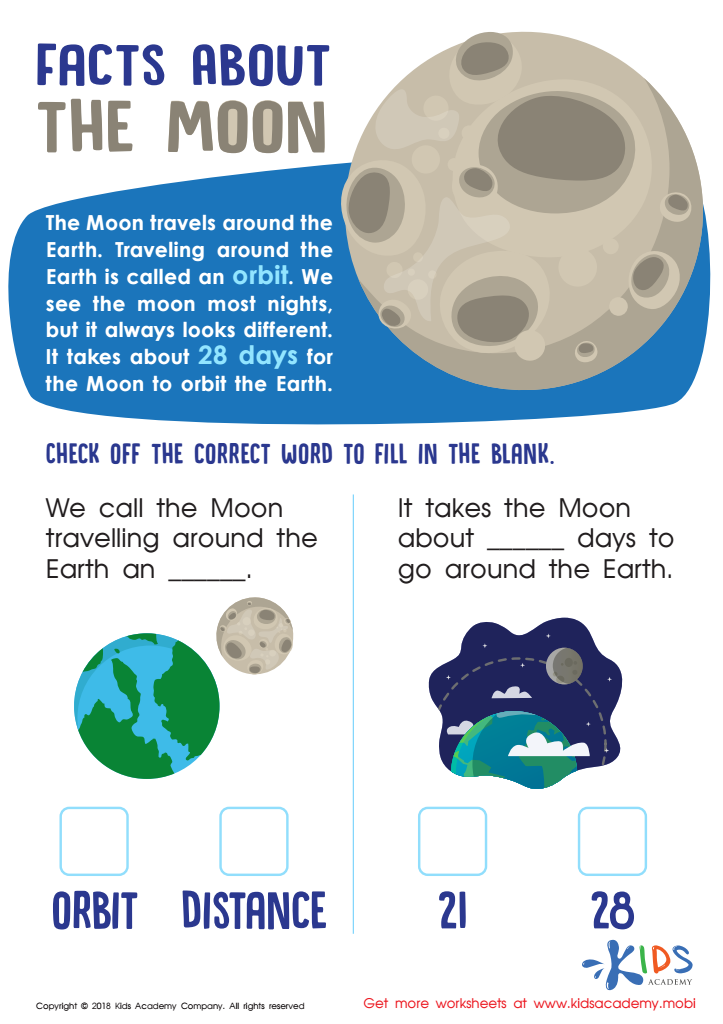
Facts About the Moon Worksheet
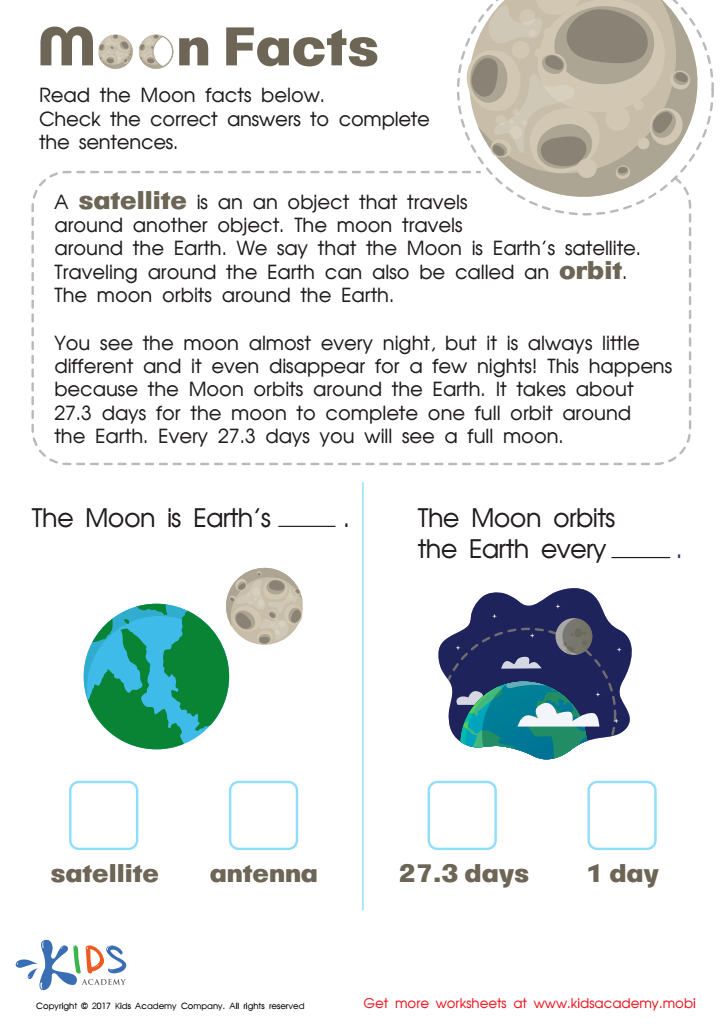
Moon Facts Worksheet
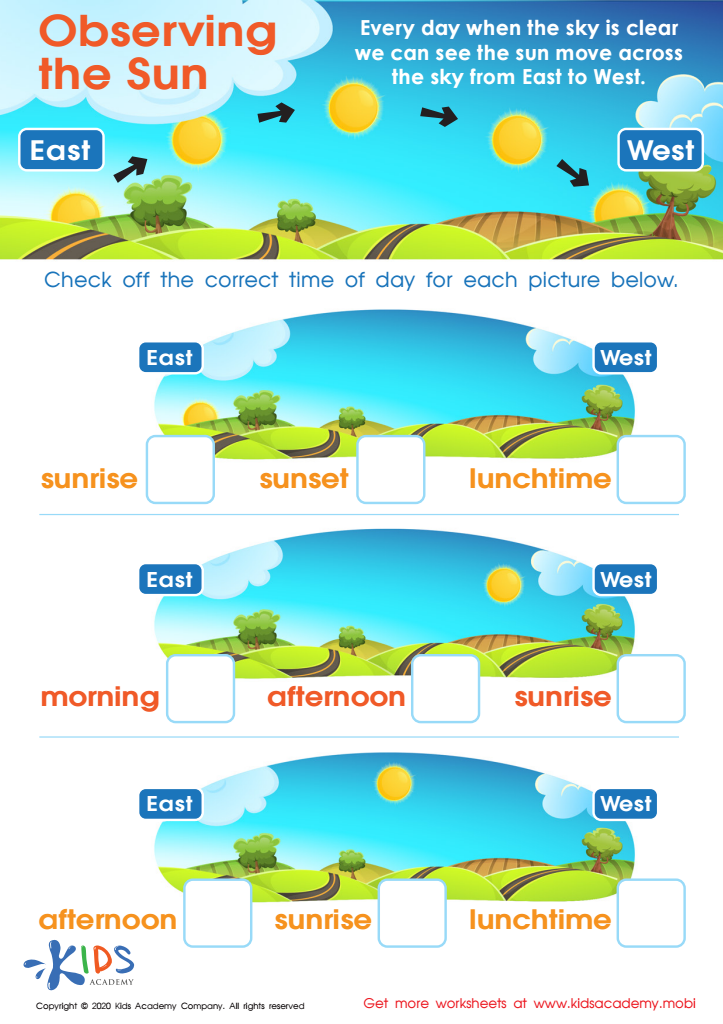
Observing the Sun Worksheet
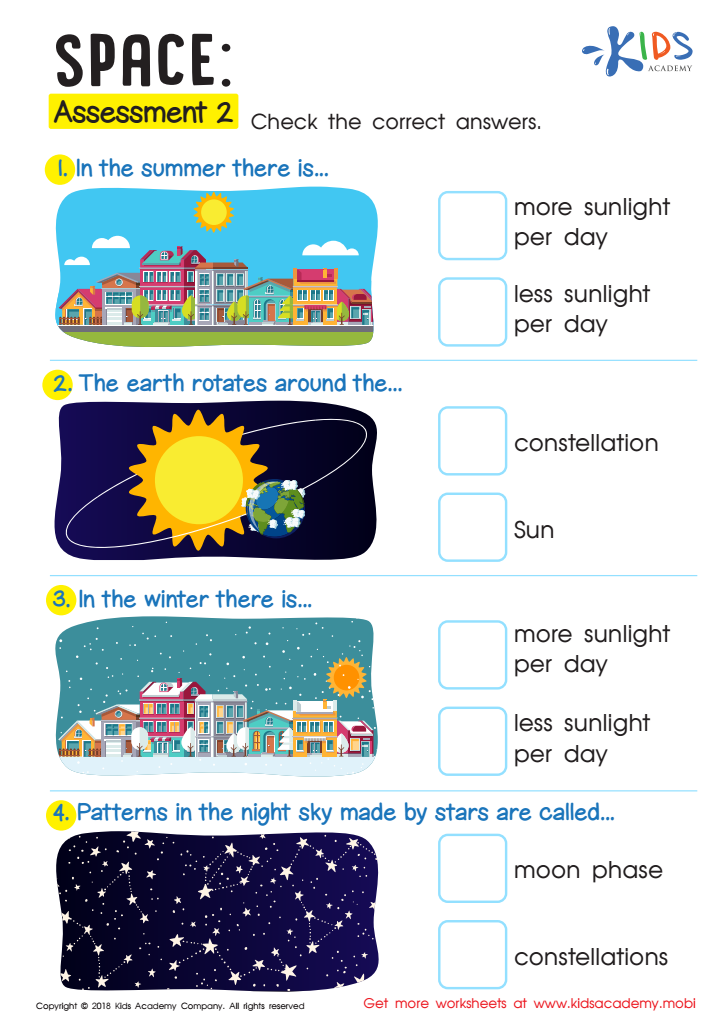
Space: Assessment 2 Worksheet
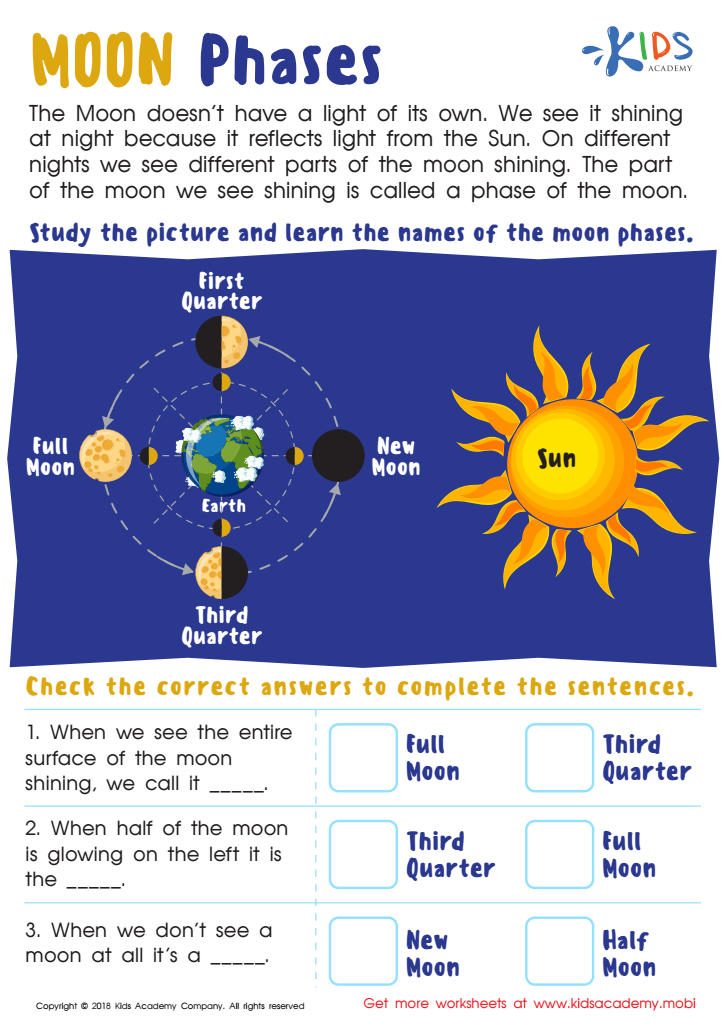
Moon Phases Worksheet
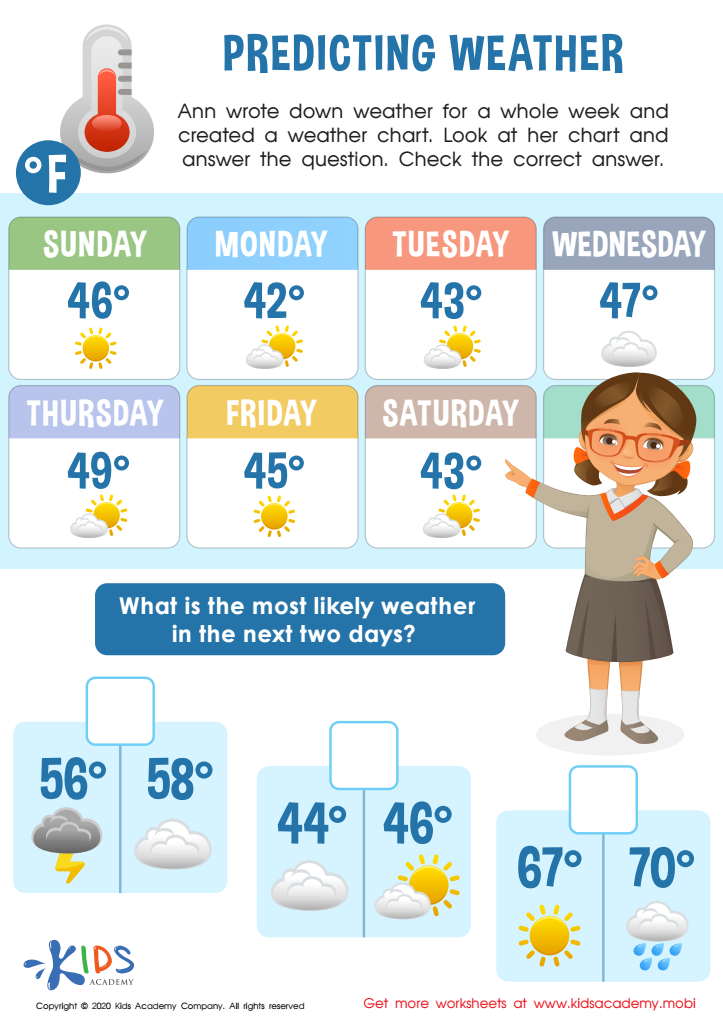
Predicting Weather Worksheet
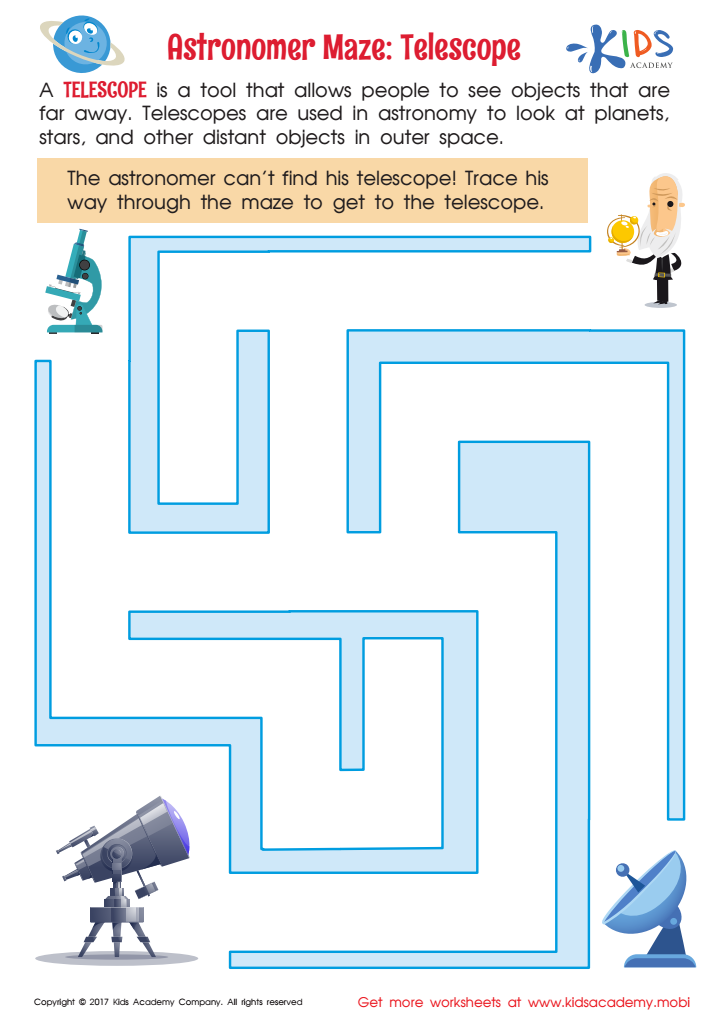
Astronomer Maze: Telescope Worksheet
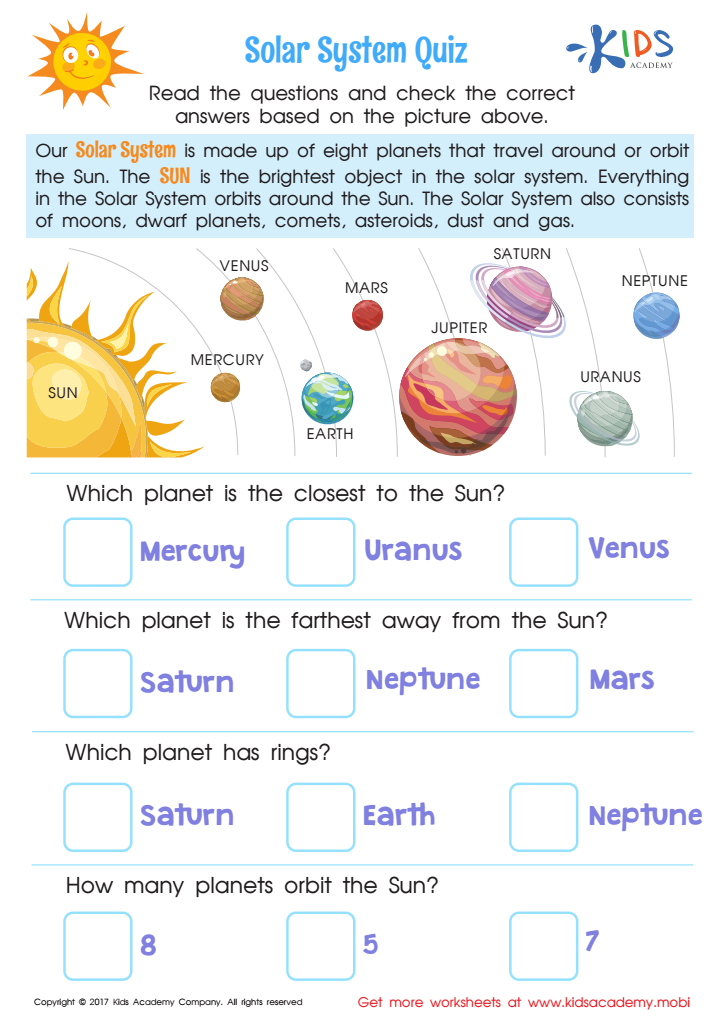
Solar System Quiz Printable
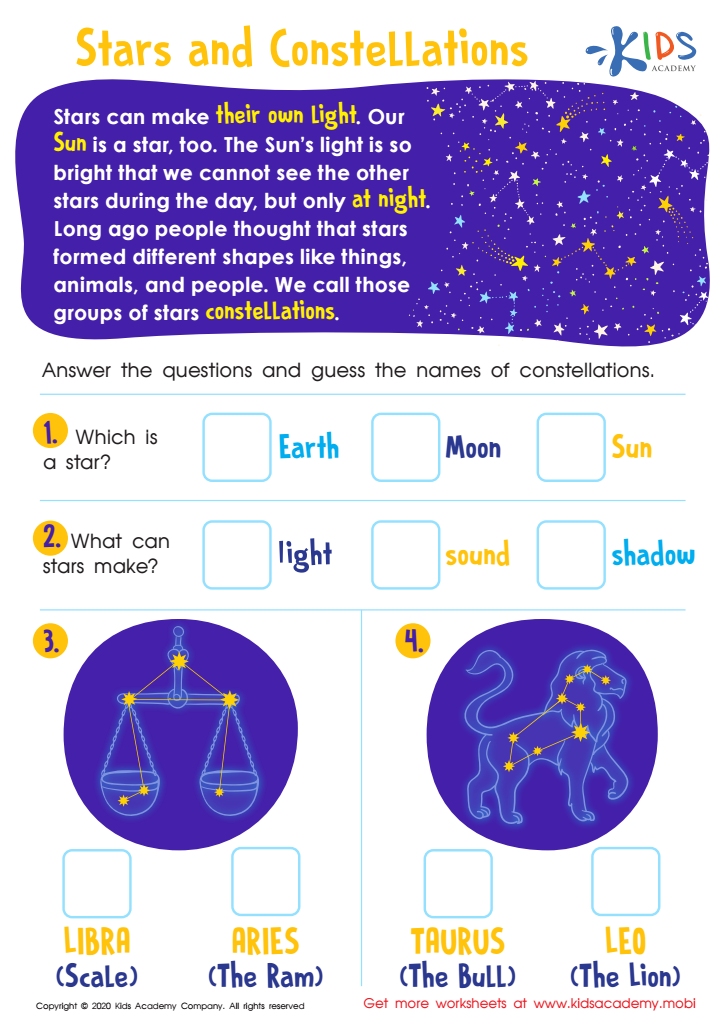
Stars and Constellations Worksheet
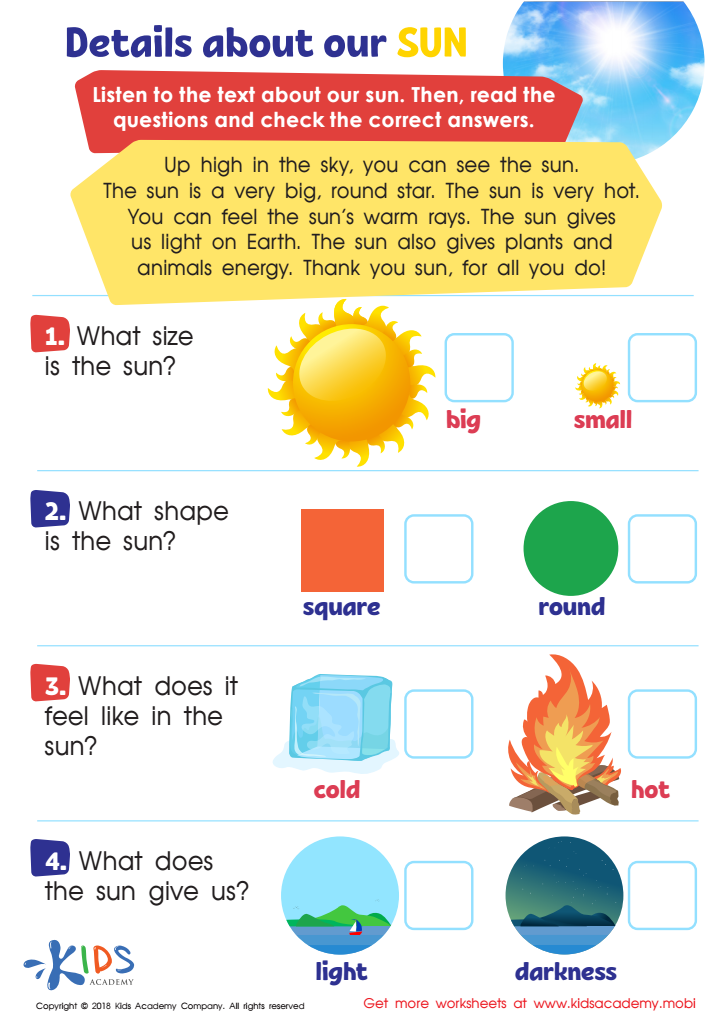
Details About Our Sun Worksheet







Normal Space for Ages 3-8 is vital for parents and teachers because it fosters a nurturing environment that significantly aids children's social, emotional, and cognitive development. At this critical stage in their lives, children are naturally curious and eager to explore the world around them. Providing a normal space means creating an atmosphere that is safe, supportive, and stimulating, allowing children to express themselves freely and nurture their creativity.
In this supportive setting, young learners can engage in imaginative play, develop essential life skills, and explore relationships with peers. These experiences cultivate important social skills, such as cooperation, problem-solving, and empathy. Additionally, a well-thought-out normal space incorporates age-appropriate learning activities that stimulate cognitive growth and encourage independent thinking.
Parents and teachers should care about normal space because it directly influences children's readiness for future learning. A positive, well-structured environment during these formative years lays the foundation for lifelong learning, resilience, and confidence. By prioritizing the creation of normal spaces, we ensure that our youngest learners feel valued and understood, ultimately shaping their attitudes towards education and their understanding of the world, resulting in well-adjusted individuals ready to tackle the complexities of life.







