Vocabulary enhancement Normal Alphabet Worksheets for Ages 3-9 - Page 2
50 filtered results
-
From - To
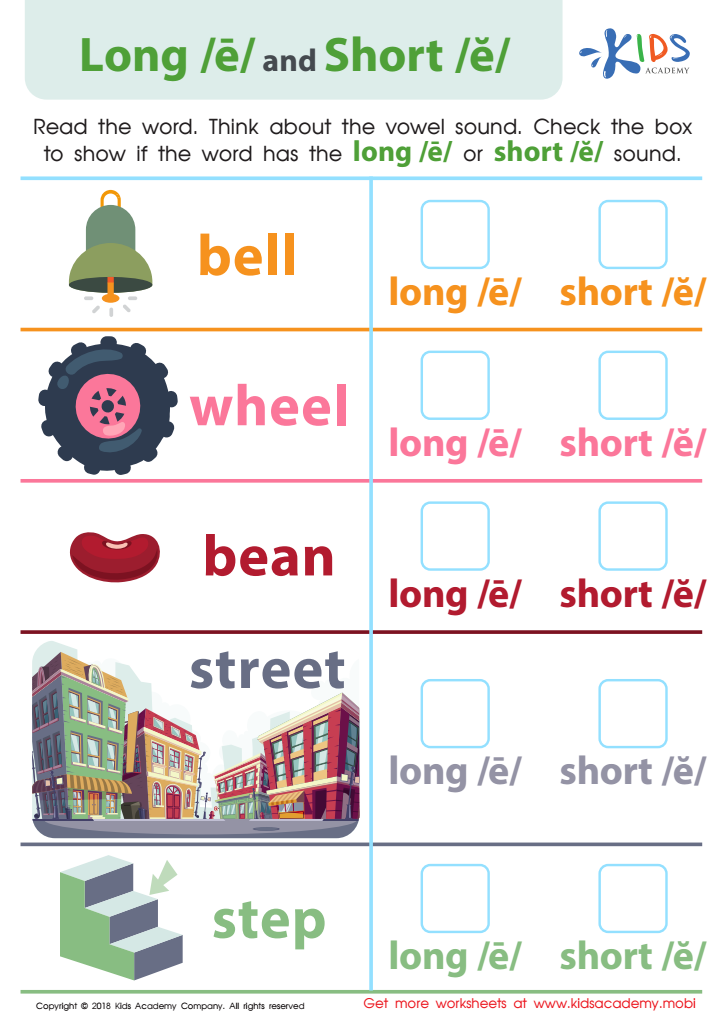
Reading: Long E and Short E Worksheet
 Assign to My Students
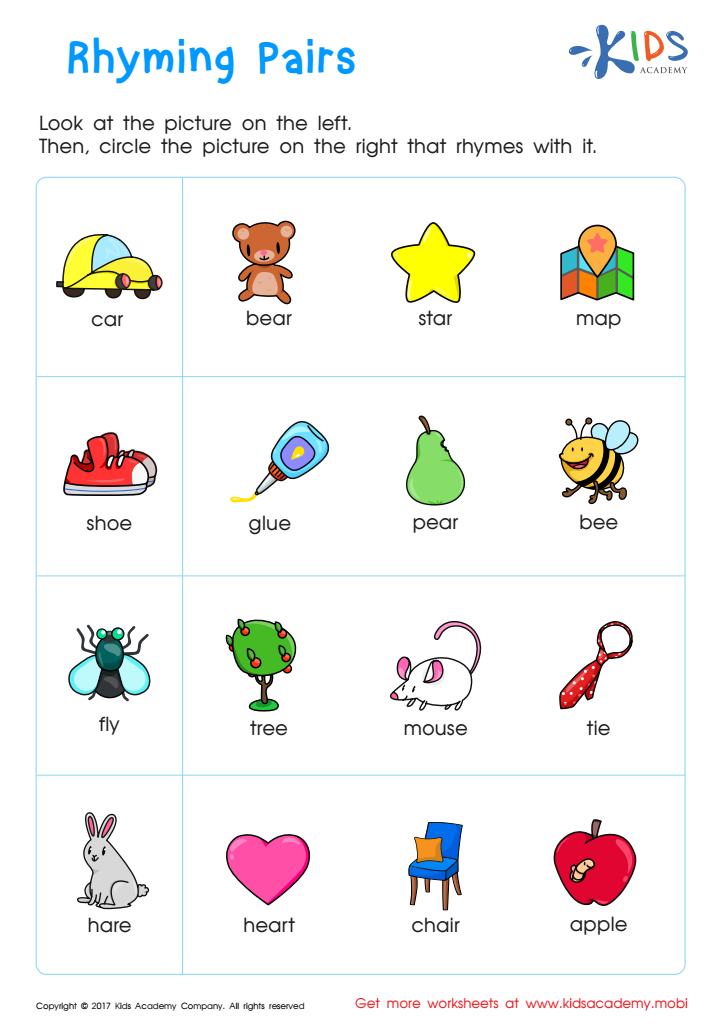
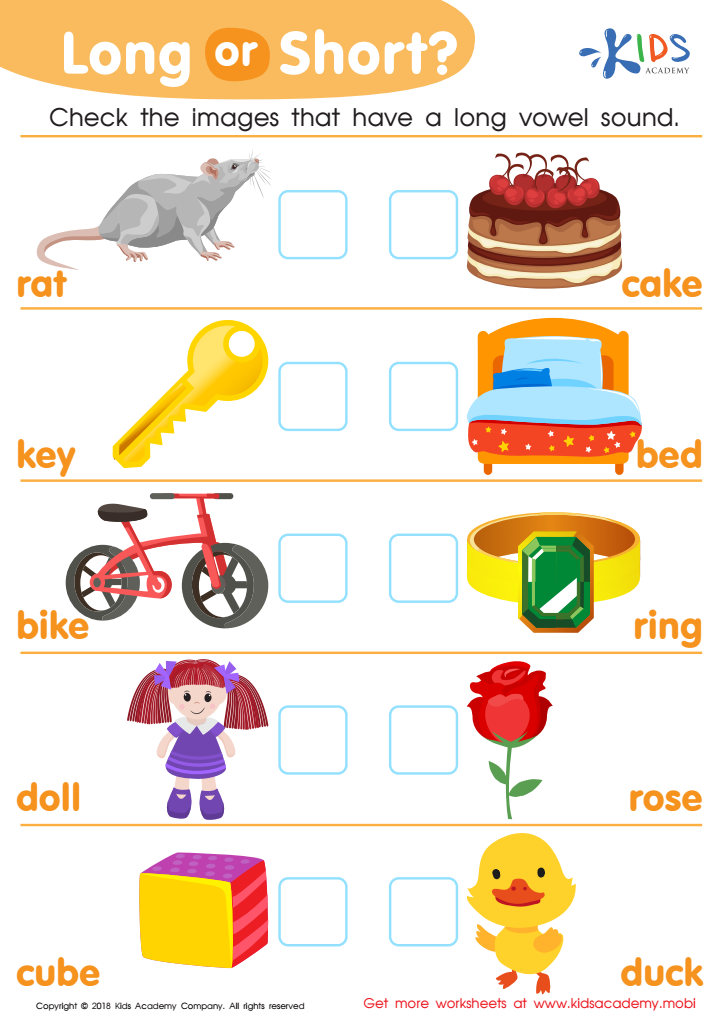
Long or Short Reading Worksheet
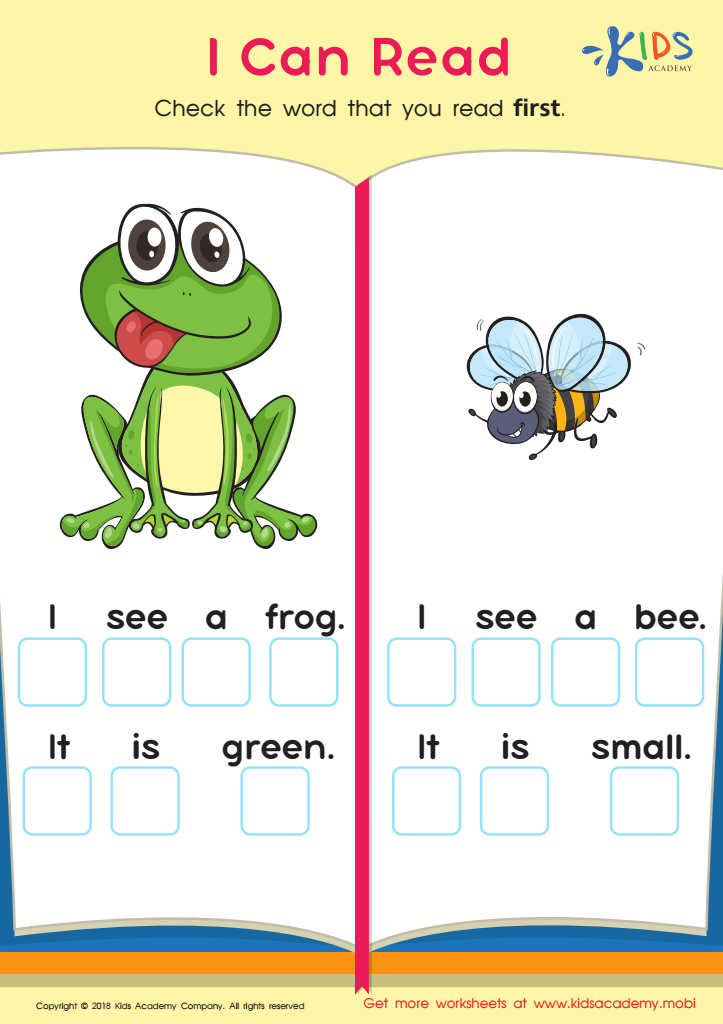
I Can Read Worksheet
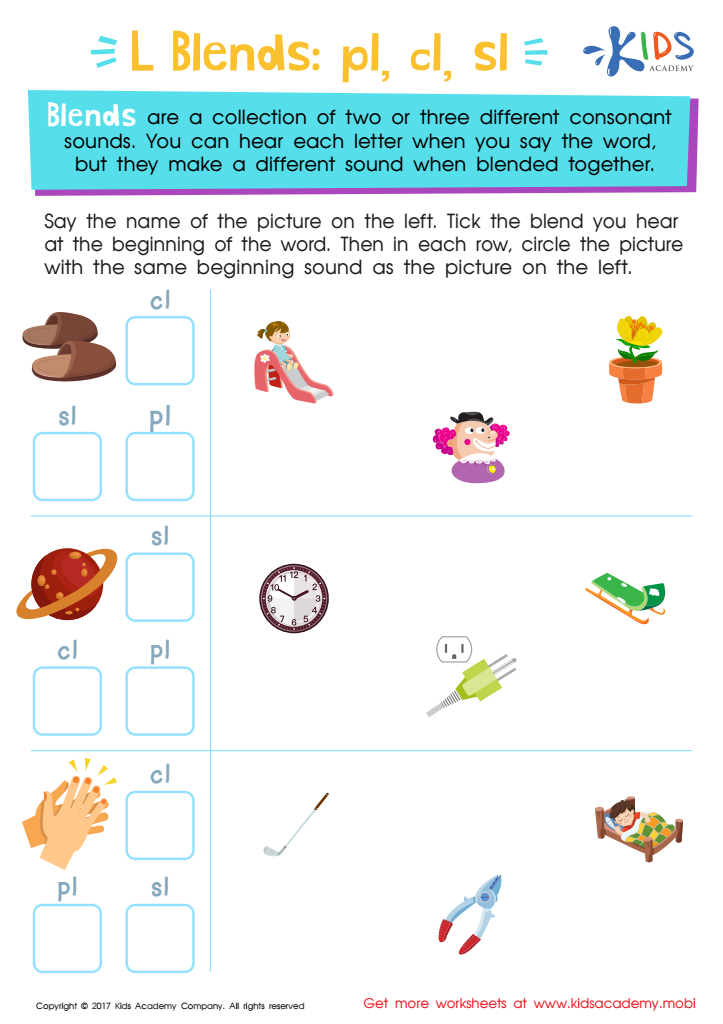
L Blends: "Pl", "Cl" and "Sl" Printable
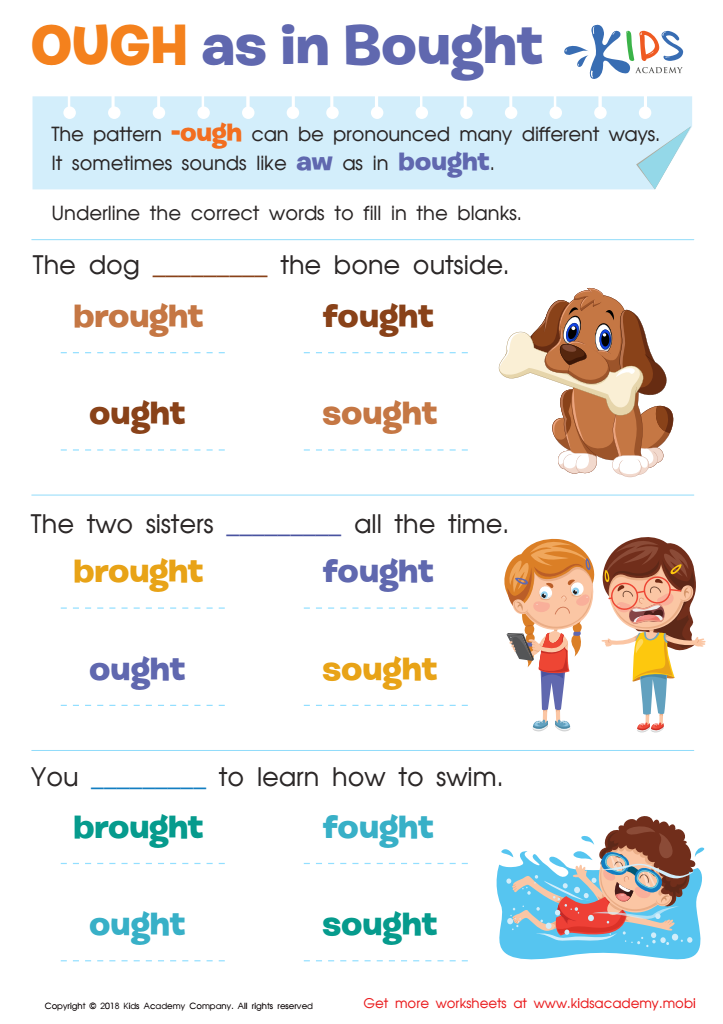
OUGH as in Bought Worksheet
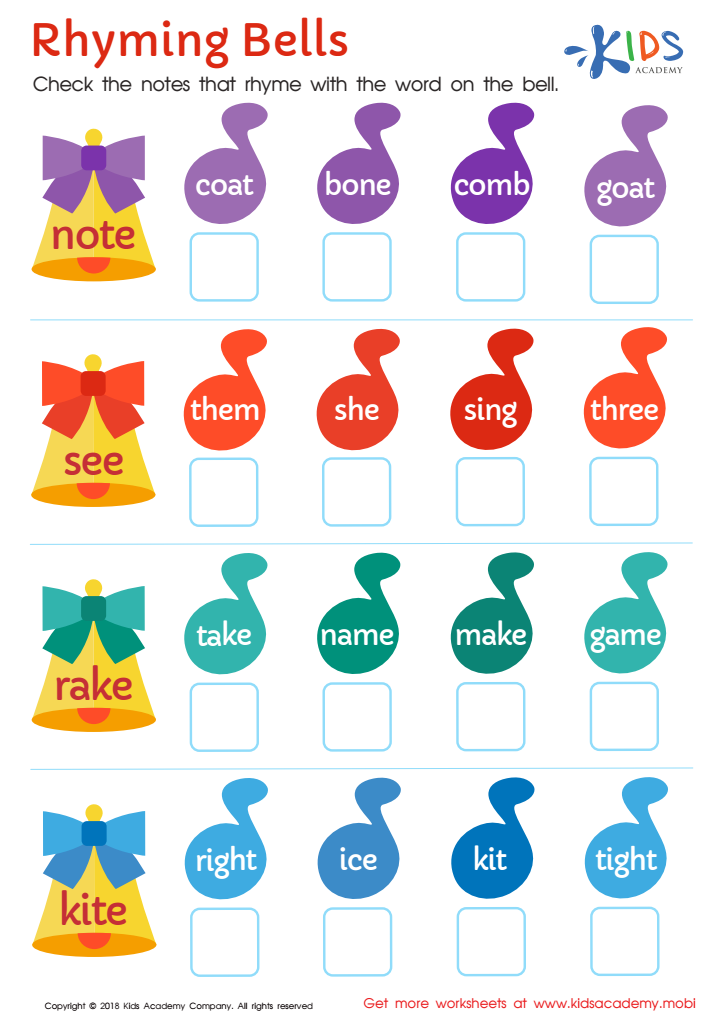
Rhyming Bells Worksheet
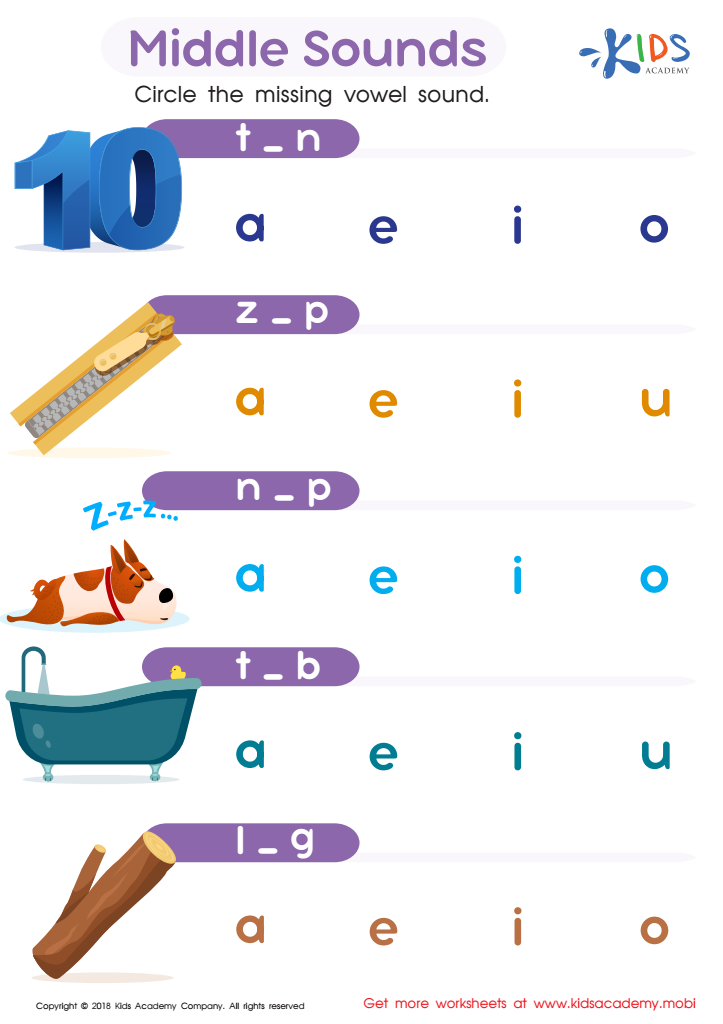
Middle Sounds Worksheet

First Words: Picture Rhymes Worksheet
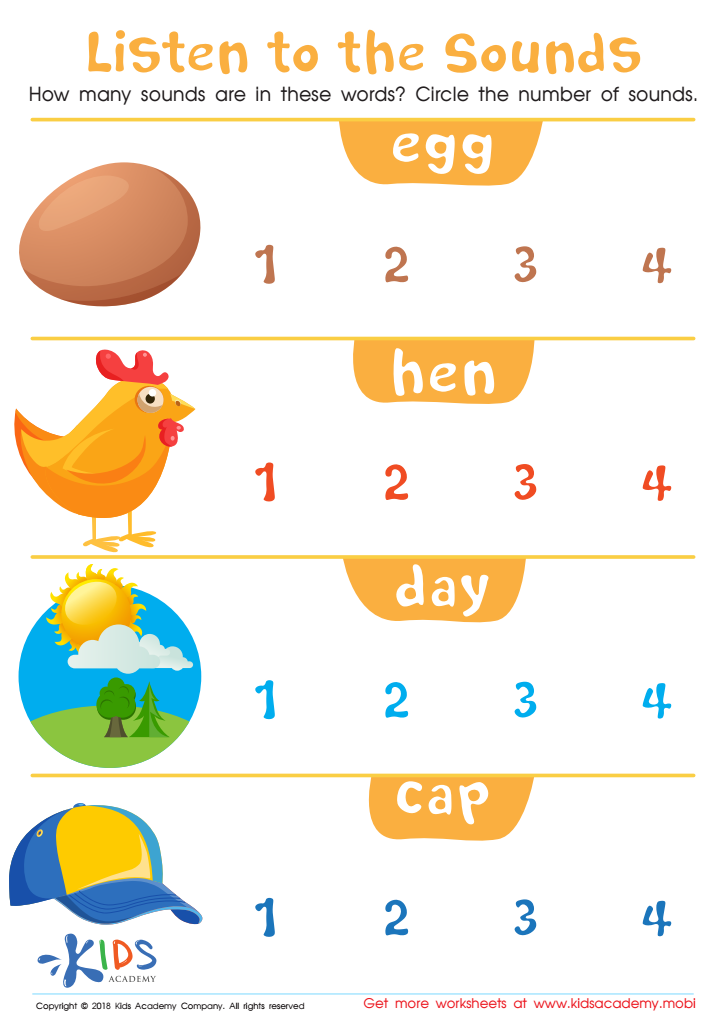
Listen to the Sounds Worksheet
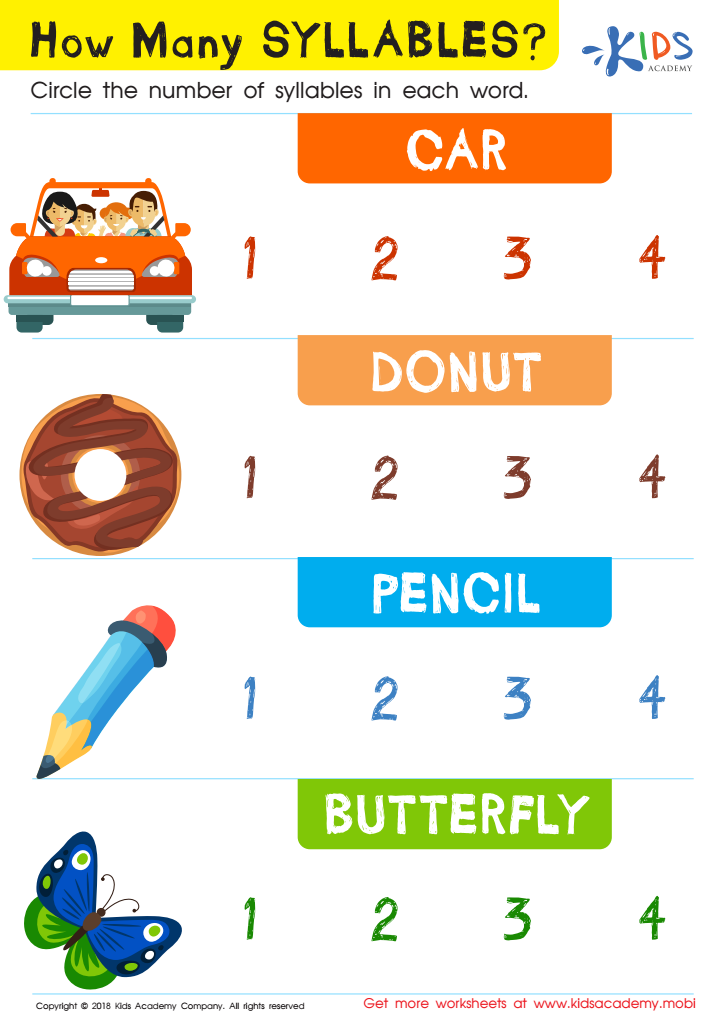
How Many Syllables? Worksheet
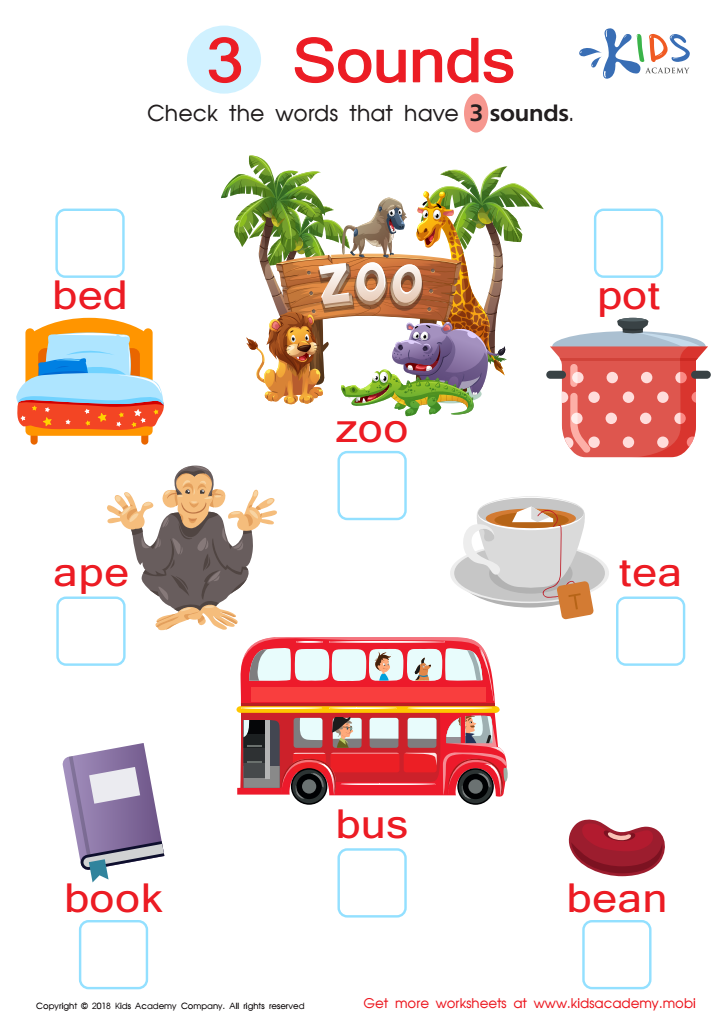
3 Sounds Worksheet
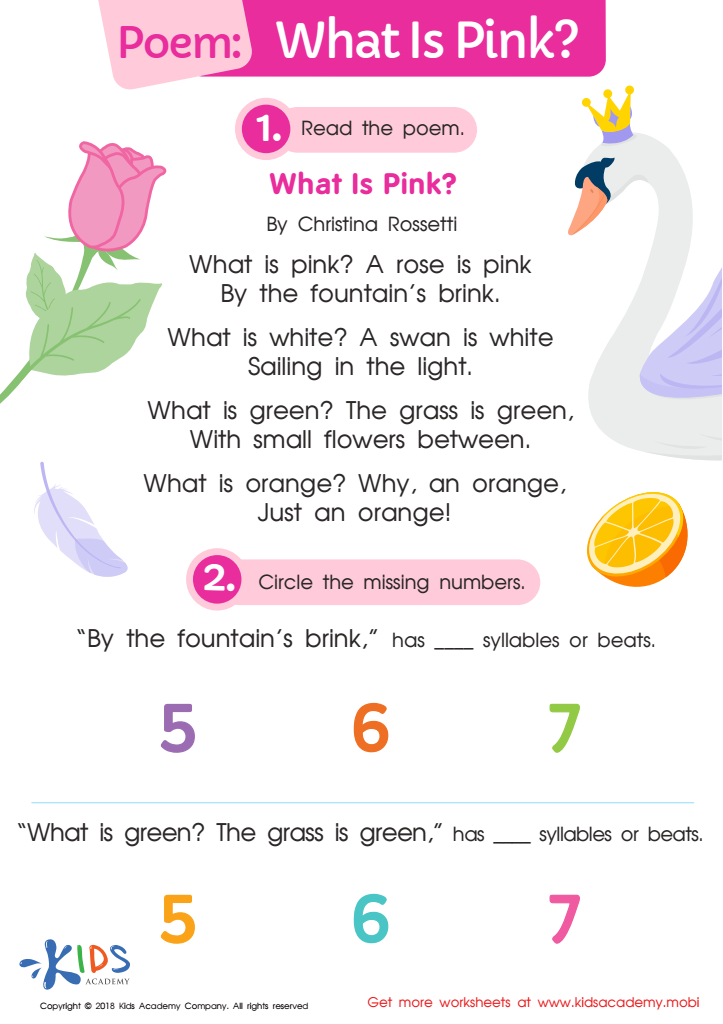
Poem: What Is Pink? Worksheet
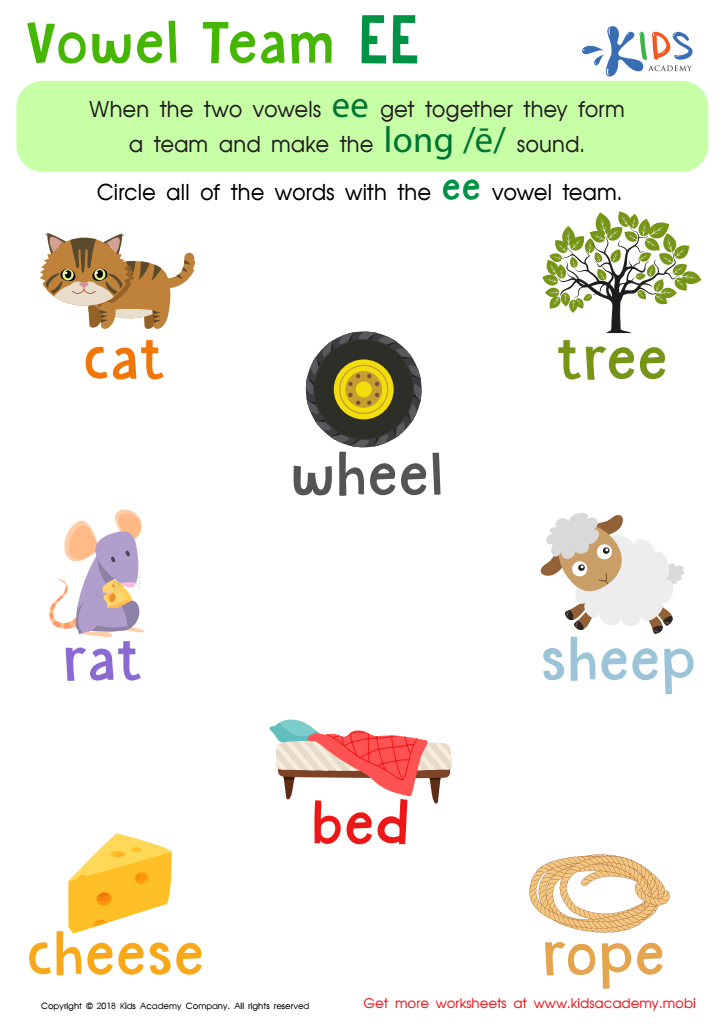
Reading: Vowel Team EE Worksheet
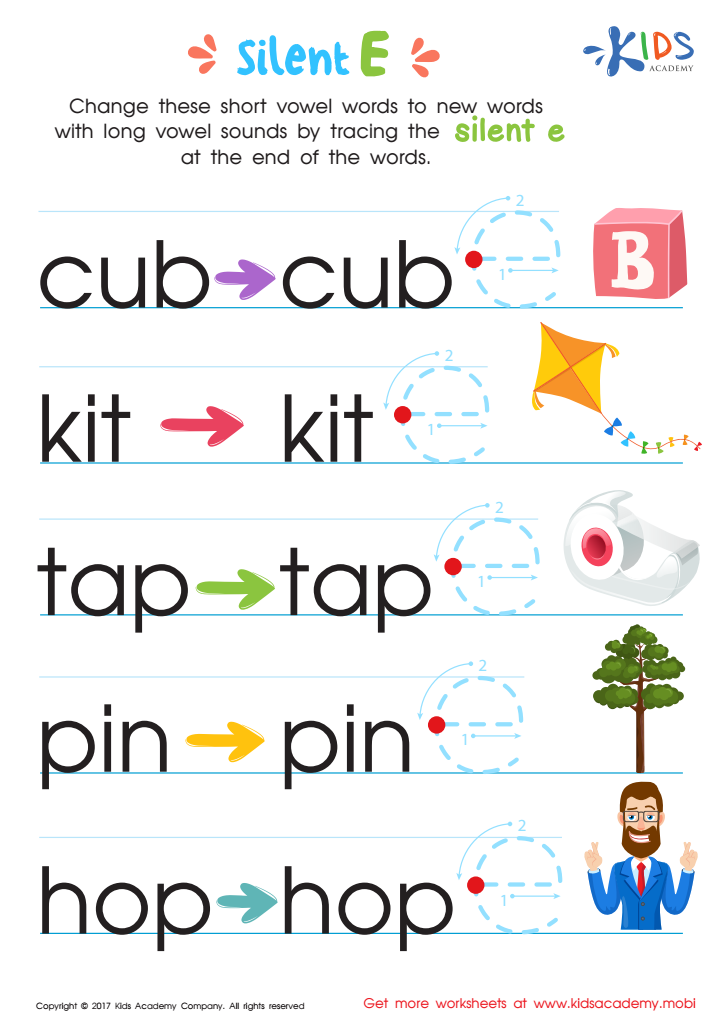
Silent E Words Worksheet
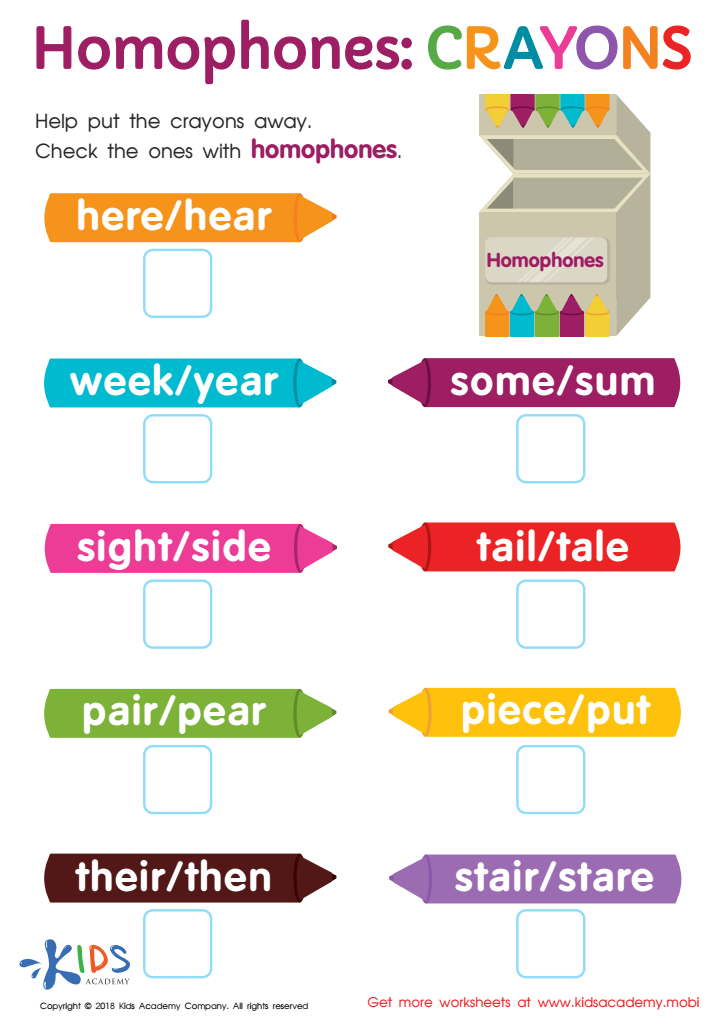
Homophones: Crayons Worksheet
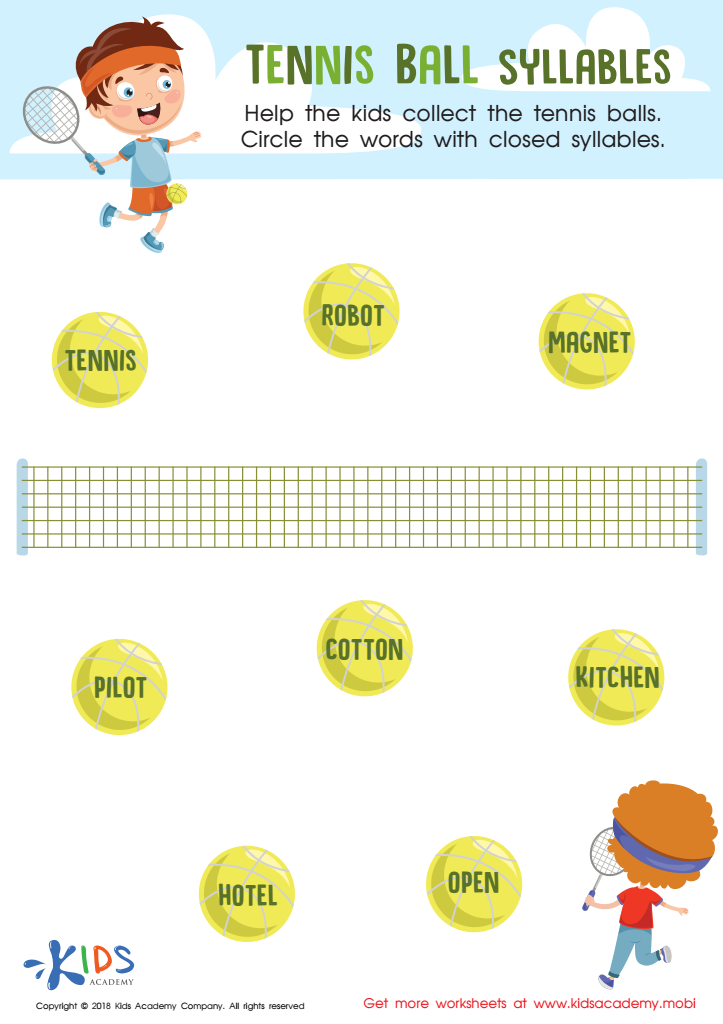
Tennis Ball Syllables Worksheet
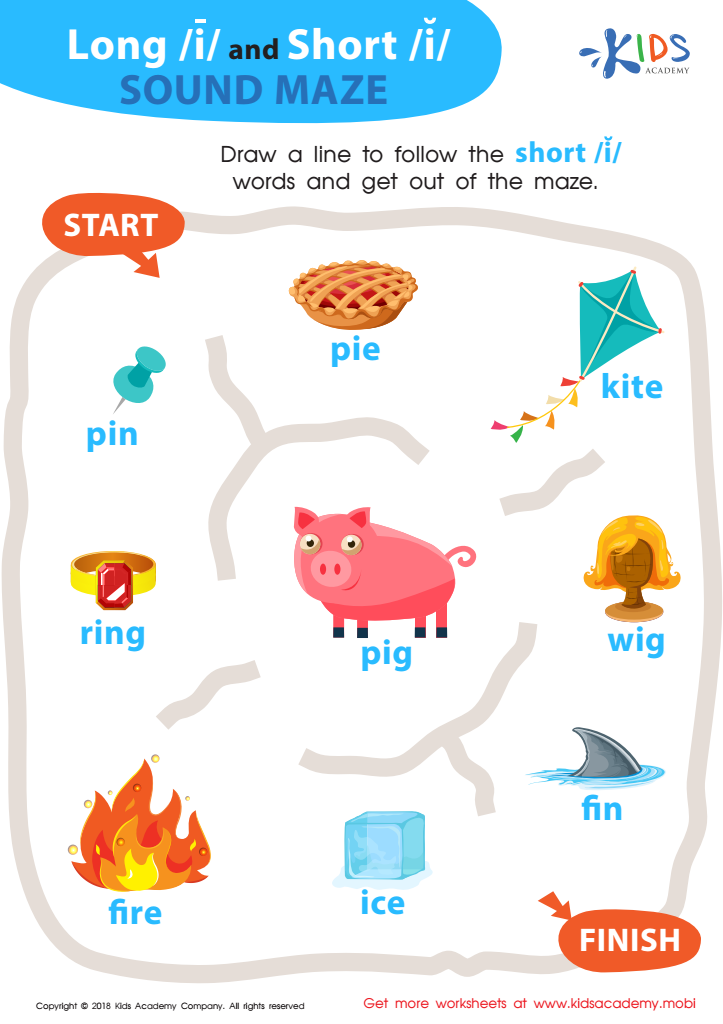
Reading: Long I and Short I Sound Maze Worksheet
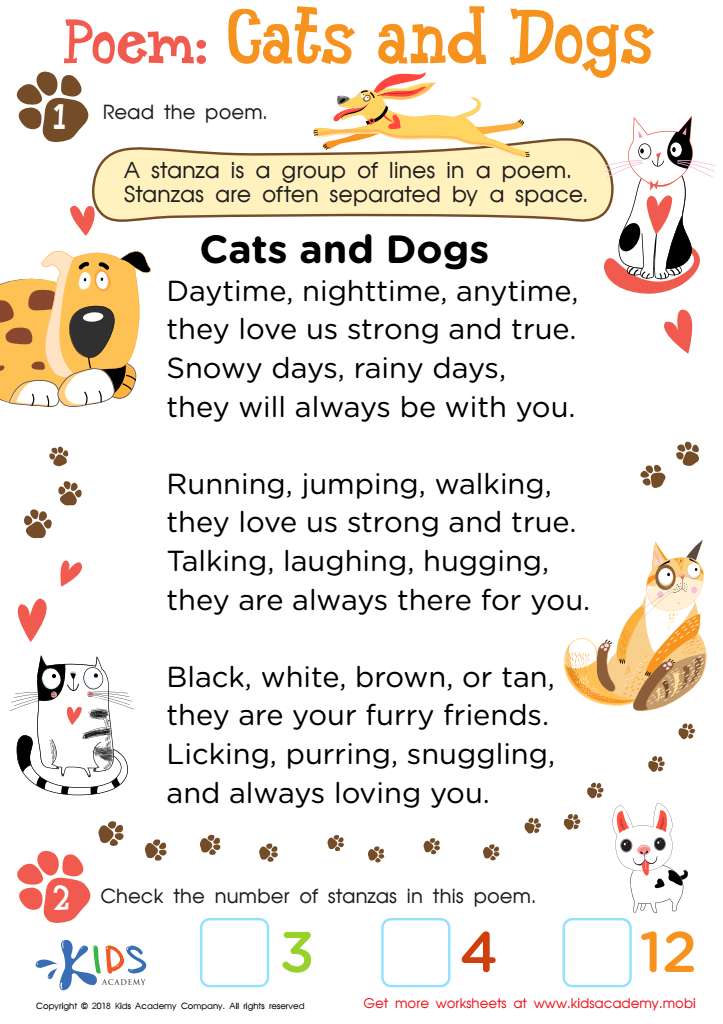
Poem: Cats and Dogs Worksheet
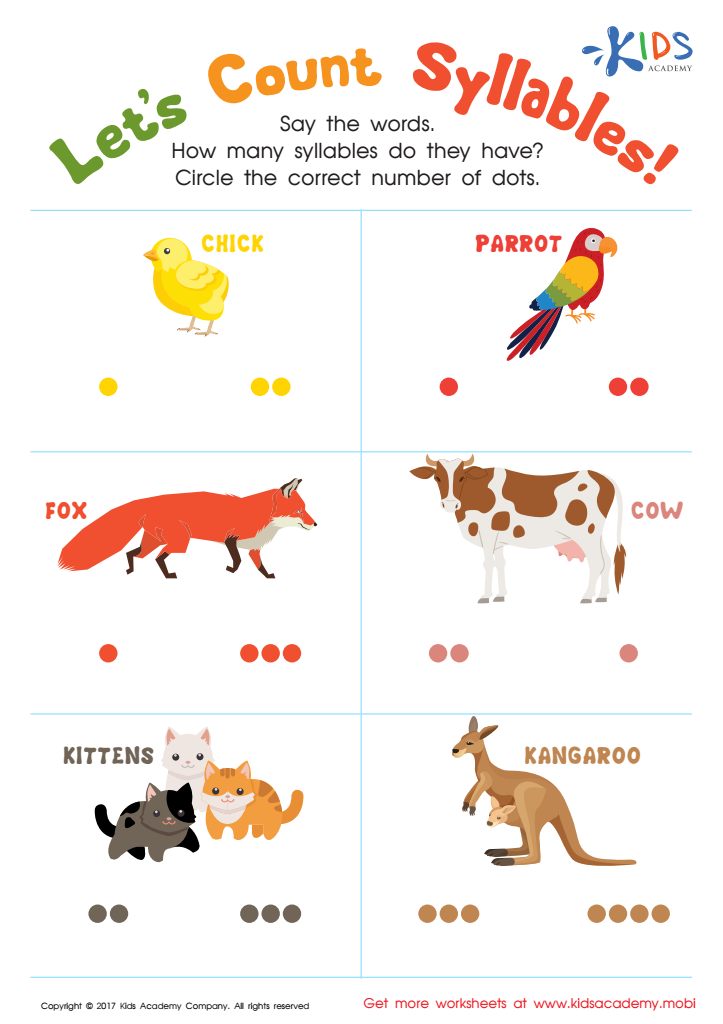
Lets Count Syllables Worksheet
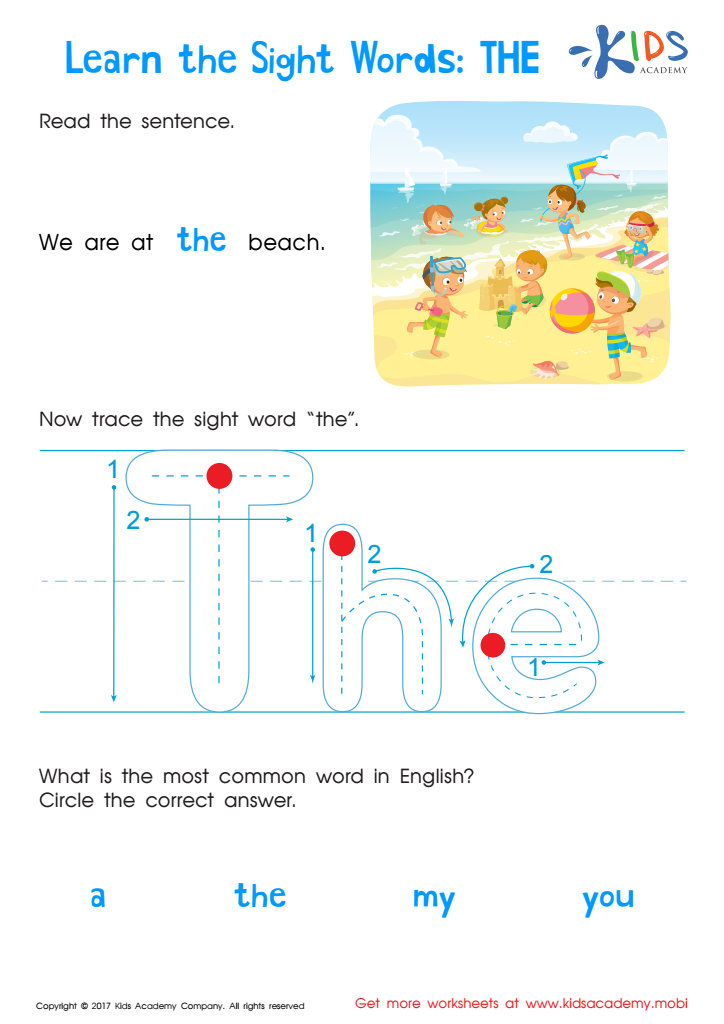
Sight Words: The Worksheet
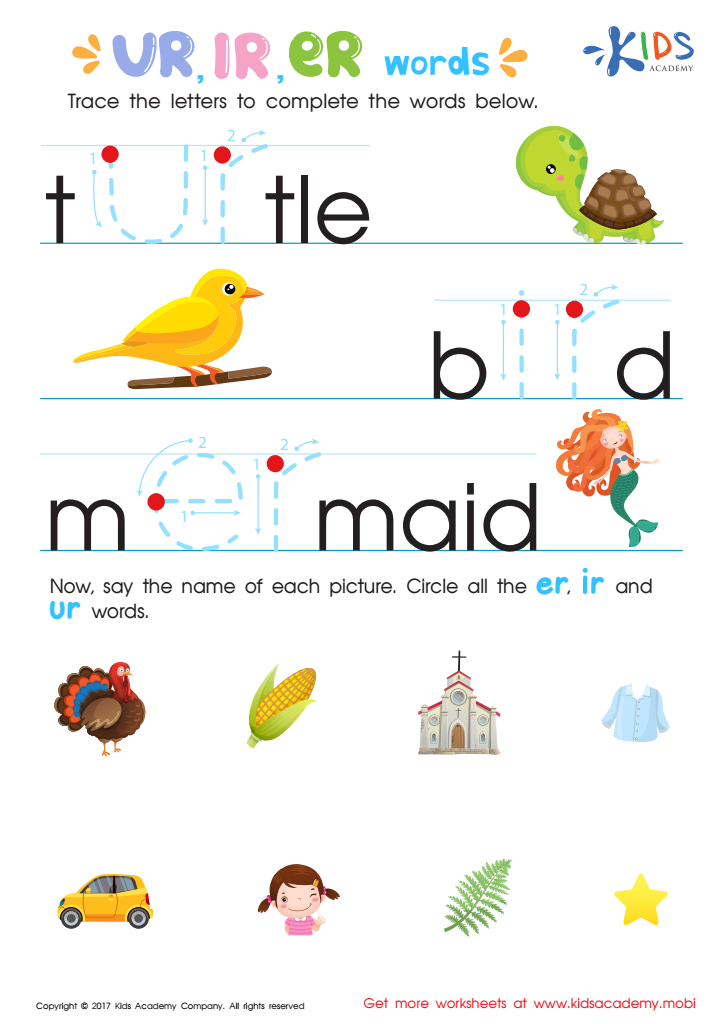
IR UR ER Words Worksheet
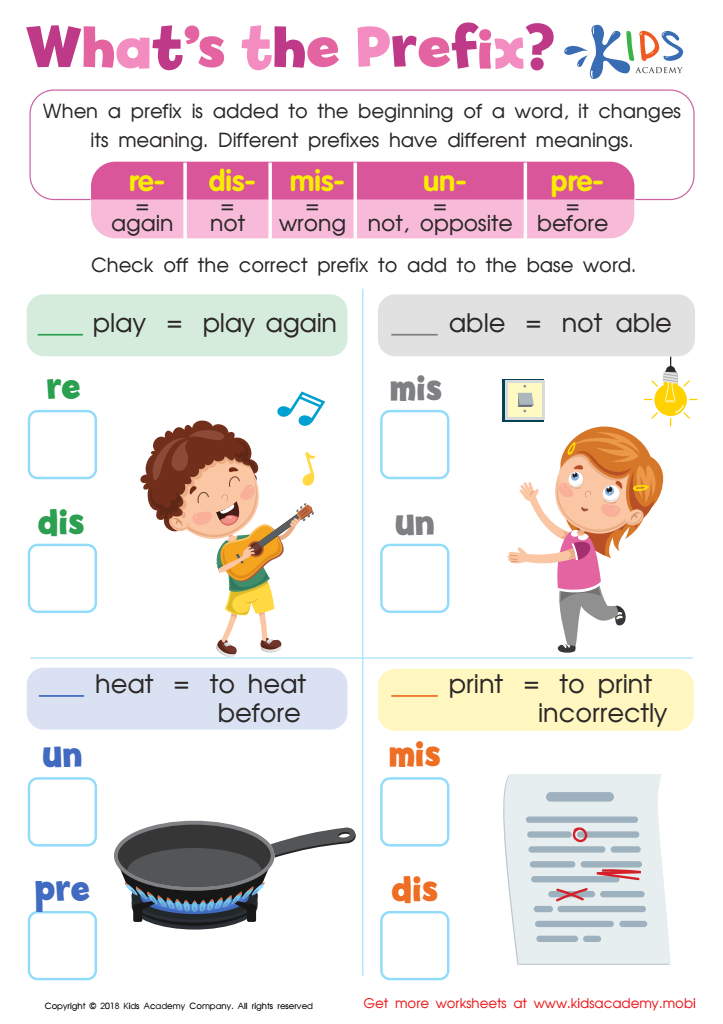
Reading: What Is the Prefix Worksheet







Enhancing vocabulary during early childhood, particularly for ages 3-9, is crucial for several fundamental reasons. At this developmental stage, children are like sponges, capable of absorbing new words and language structures with remarkable ease. A rich vocabulary not only aids in effective communication but also lays a strong foundation for reading and academic success. Early vocabulary is directly linked to better comprehension skills, as understanding more words enables children to grasp complex texts more easily as they grow older.
For parents and teachers, focusing on vocabulary enhancement through the normal alphabet provides numerous benefits. It strengthens cognitive development and critical thinking skills. A good vocabulary tends to enhance a child’s ability to express themselves clearly and confidently, reducing frustrations related to misunderstanding or inability to communicate needs and thoughts.
Furthermore, early exposure to a wide vocabulary can foster a love for reading. This is crucial because a love for reading can lead to lifelong learning and curiosity. Activities centered on the alphabet, such as games, songs, and reading, can create a fun, engaging, and educational environment, turning learning into an enjoyable journey rather than a chore. Thus, paying attention to vocabulary growth is investment in a child’s future, setting them up for ongoing academic and personal success.







