Vocabulary expansion Normal Phonics Worksheets for Ages 3-9
43 filtered results
-
From - To
Unlock your child's potential with our Vocabulary Expansion Normal Phonics Worksheets for Ages 3-9. Designed to support early reading skills, our interactive activities help young learners build a strong foundation in phonics. Each worksheet is packed with engaging exercises that focus on letter recognition, word formation, and comprehending new vocabulary. Perfect for both classroom and home use, our age-specific worksheets make learning fun and effective. Help your child enhance their language skills and boost their confidence with our expertly crafted phonics resources. Start the journey to literacy success today with Kids Academy!
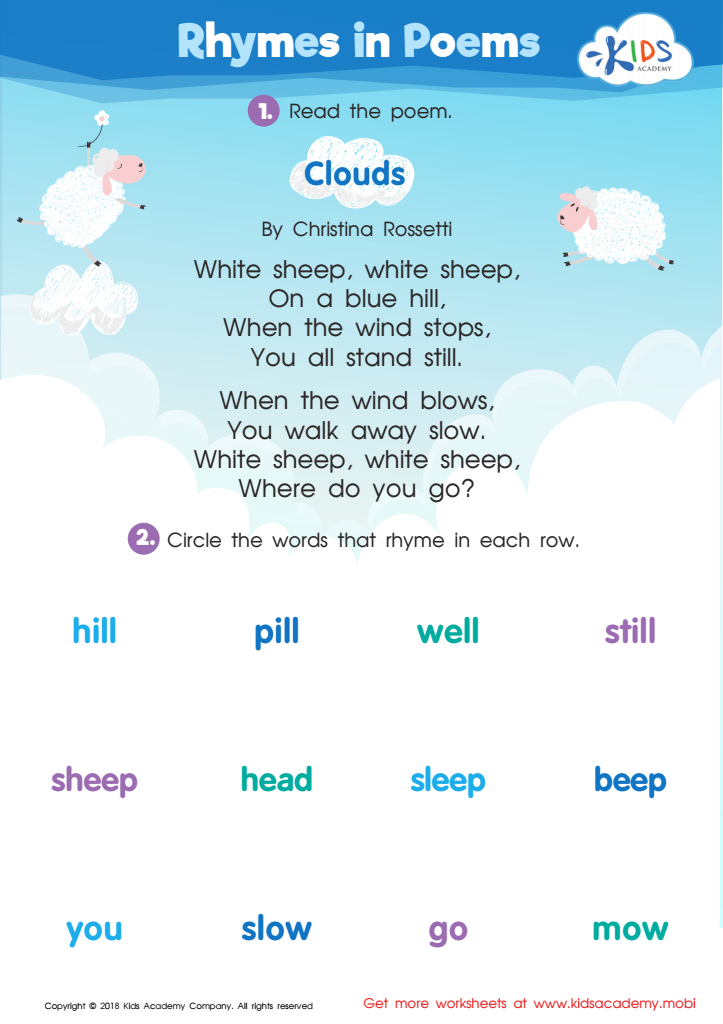
Rhymes in Poems Worksheet
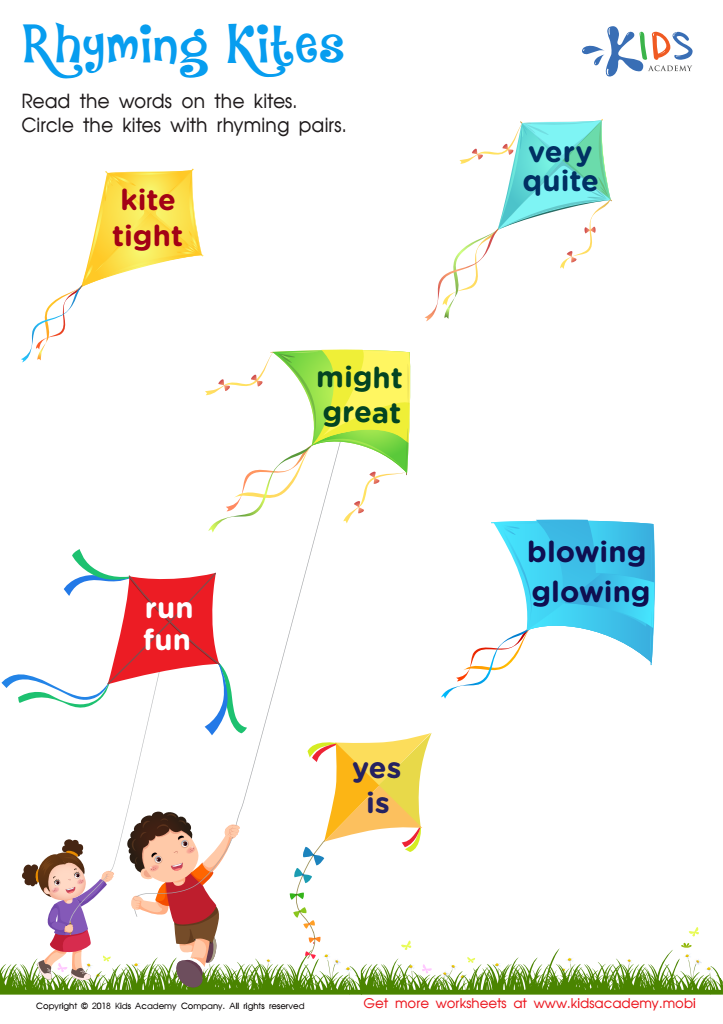
Rhyming Kites Worksheet
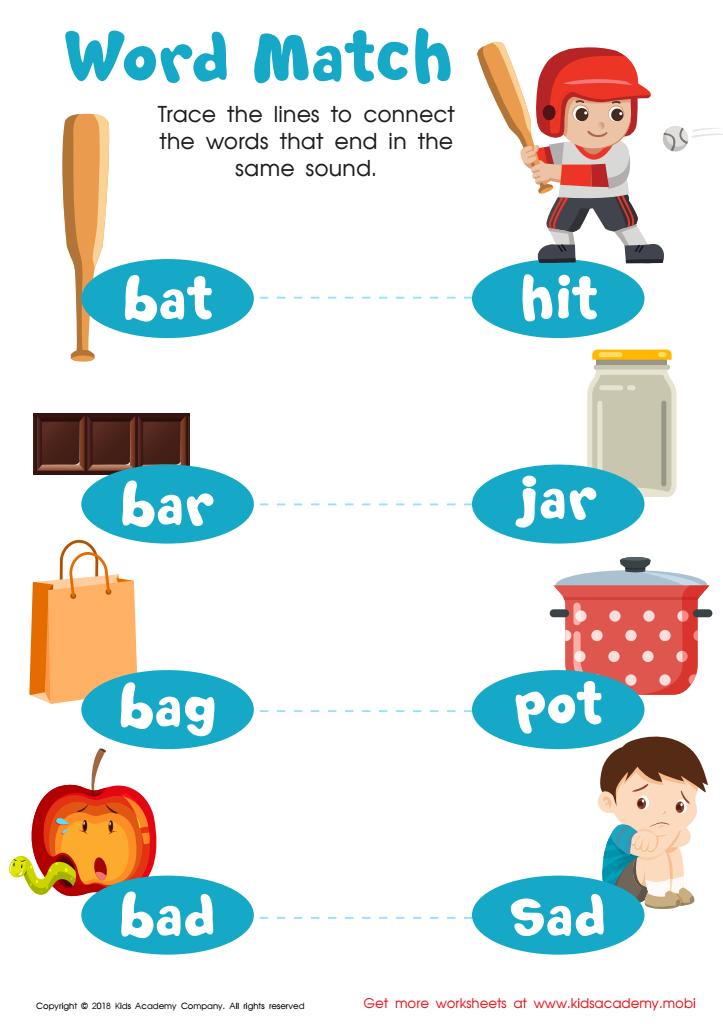
Word Match Reading Worksheet
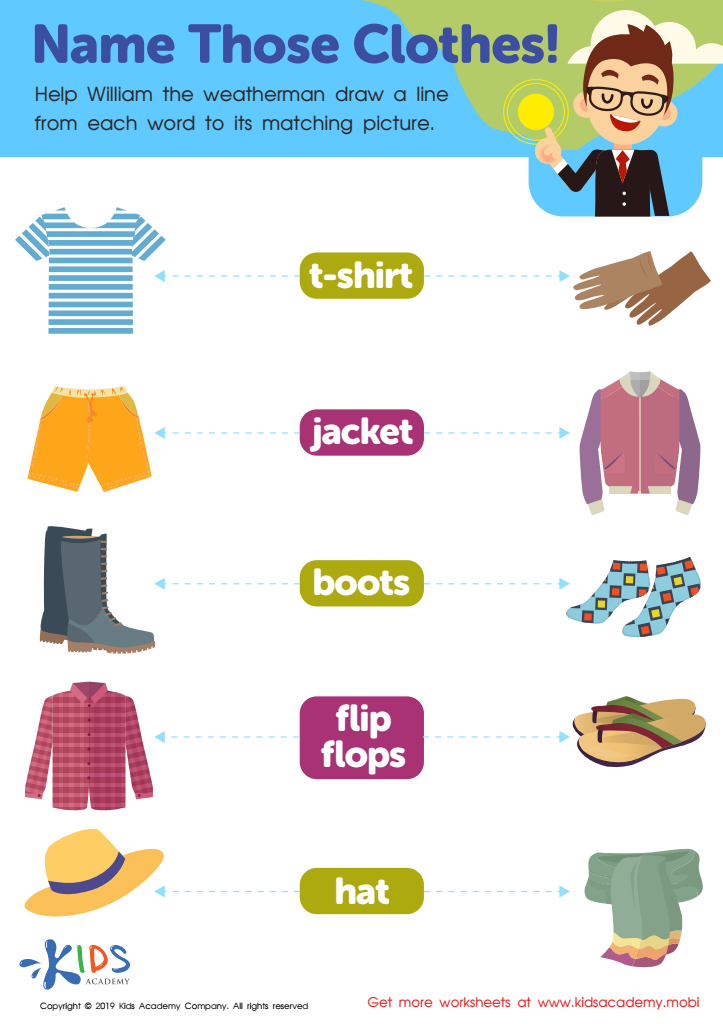
Name Those Clothes Worksheet
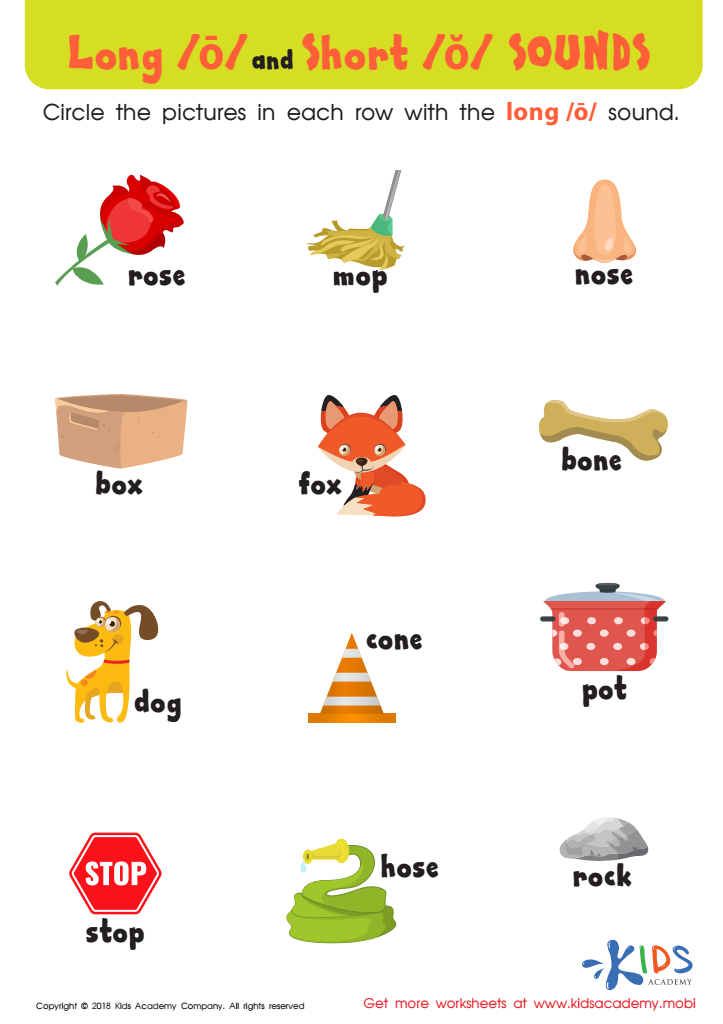
Reading: Long O and Short O Sounds Worksheet
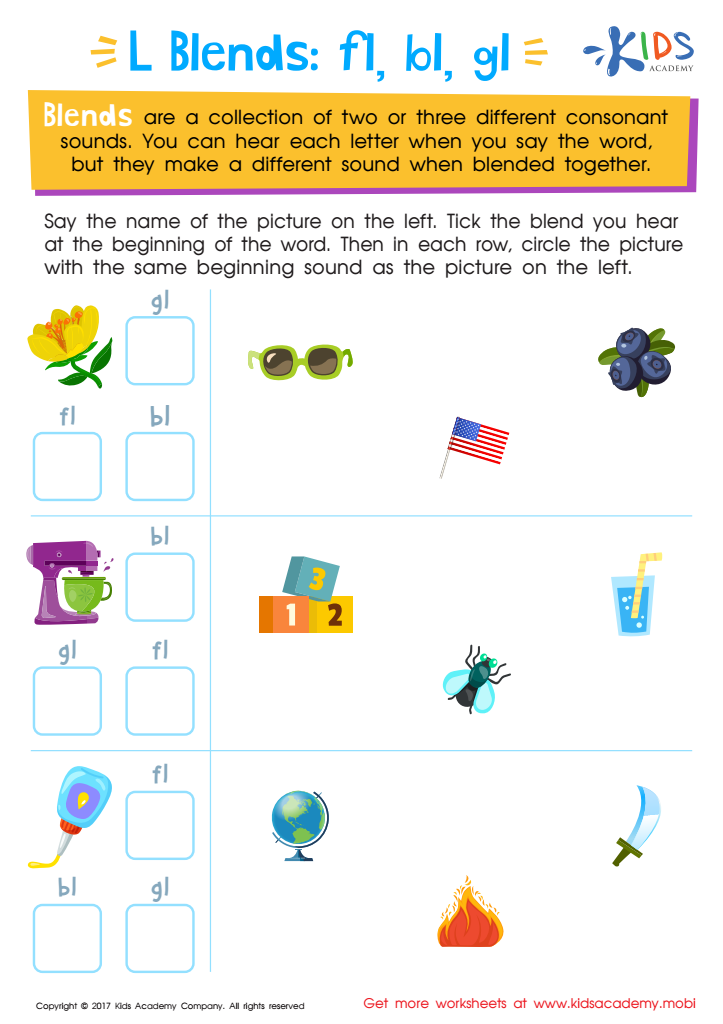
Blending Consonants: "Fl", "Bl" and "Gl" Printable
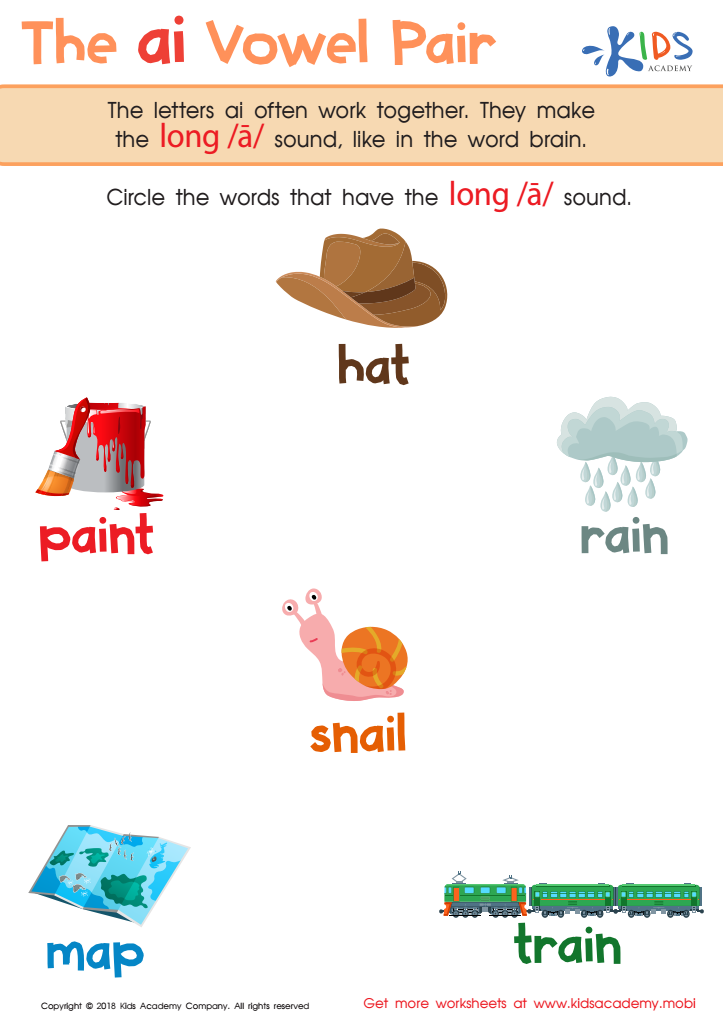
The AI Vowel Pair Worksheet
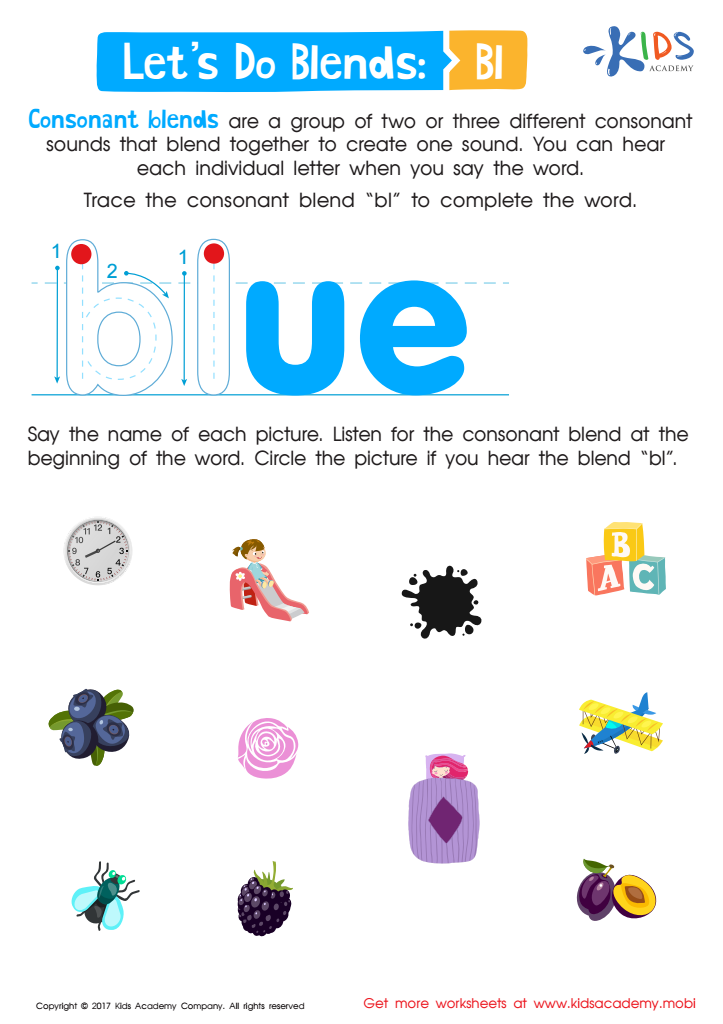
Beginning Blends: "Bl" Words Worksheet
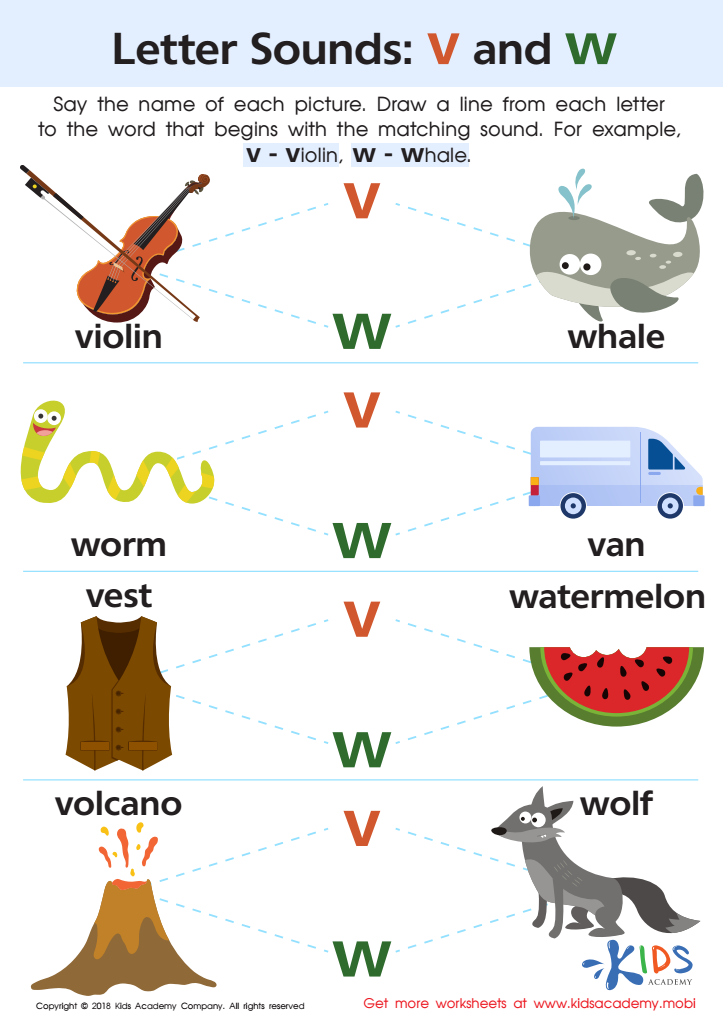
Letter V and W Sounds Worksheet
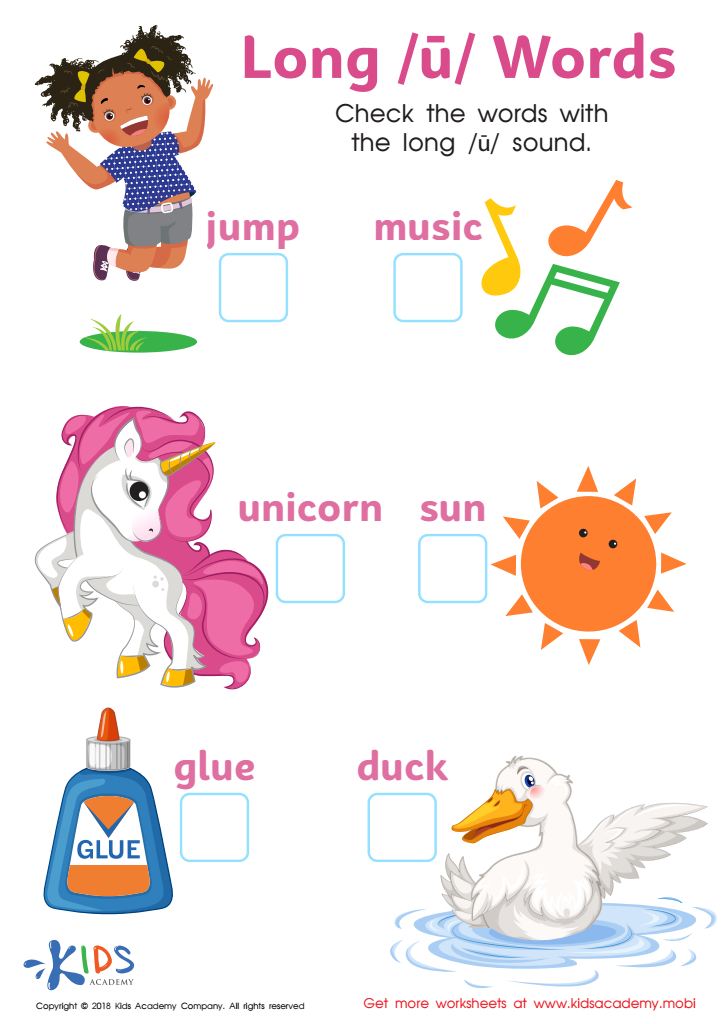
Long U Words Reading Worksheet
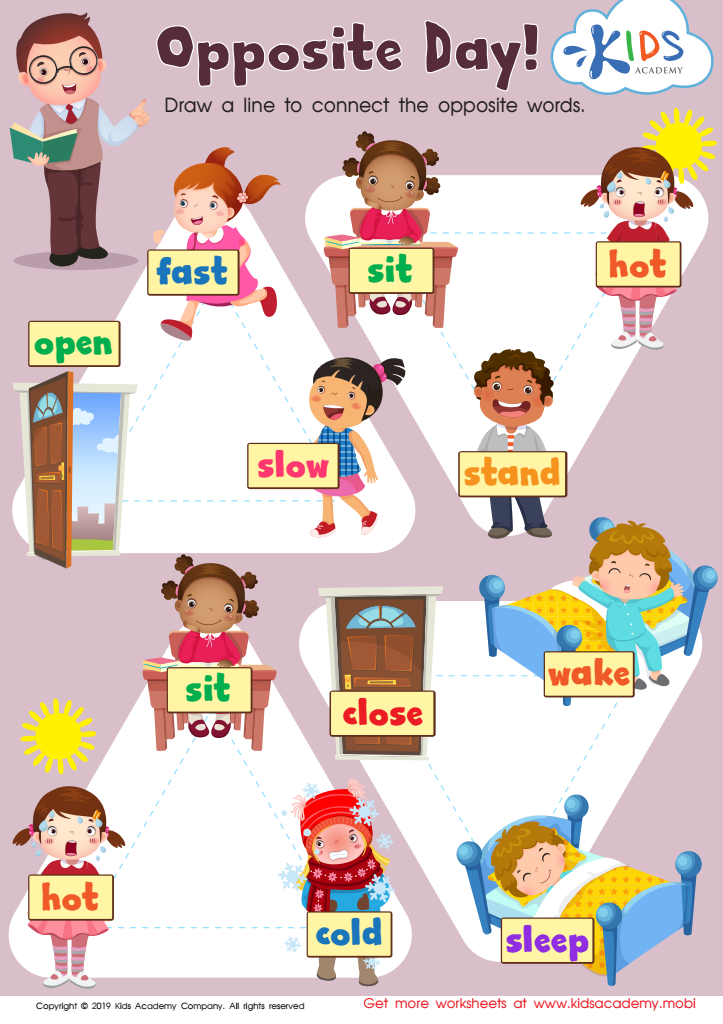
Opposite Day Worksheet
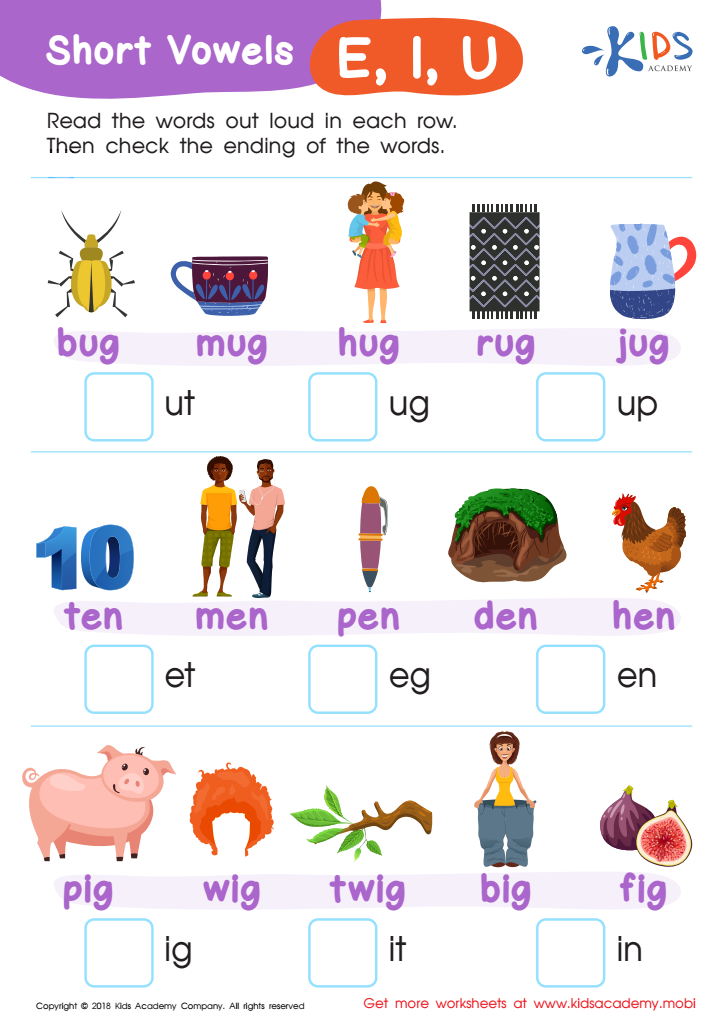
Short Vowels /e/, /i/, and /u/ Worksheet
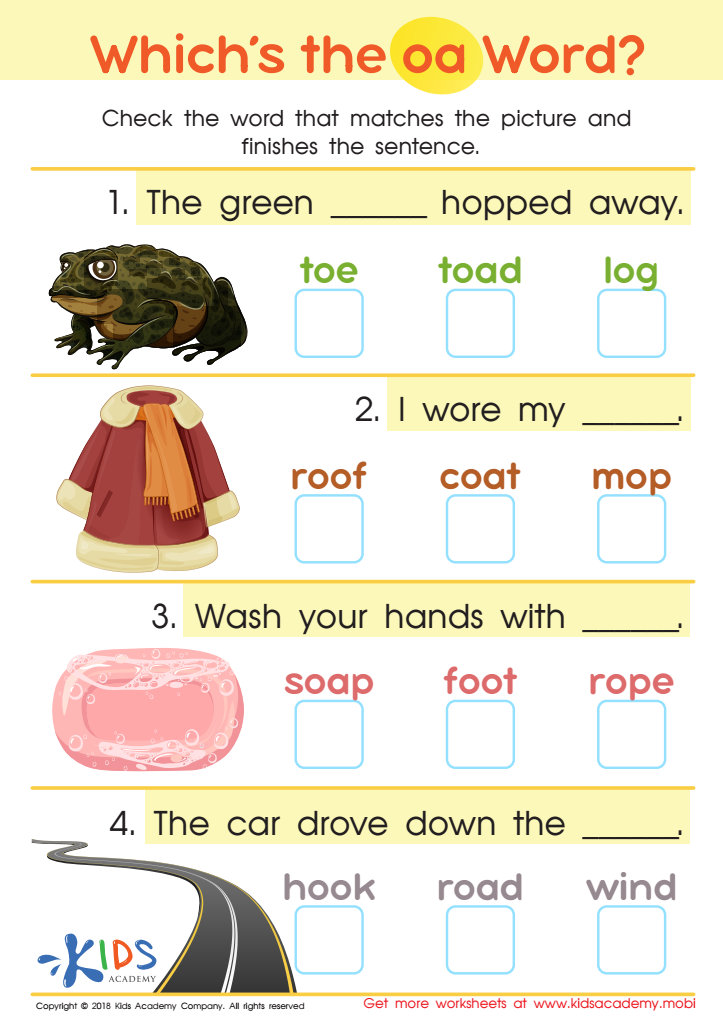
Which's the OA Word? Worksheet
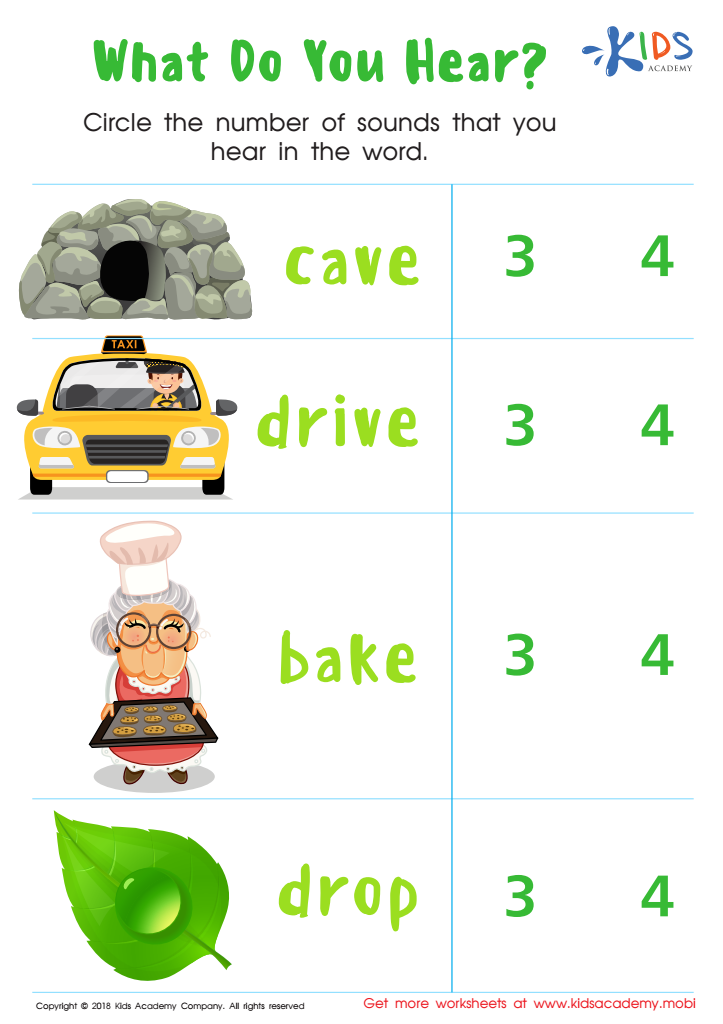
What Do You Hear? Worksheet
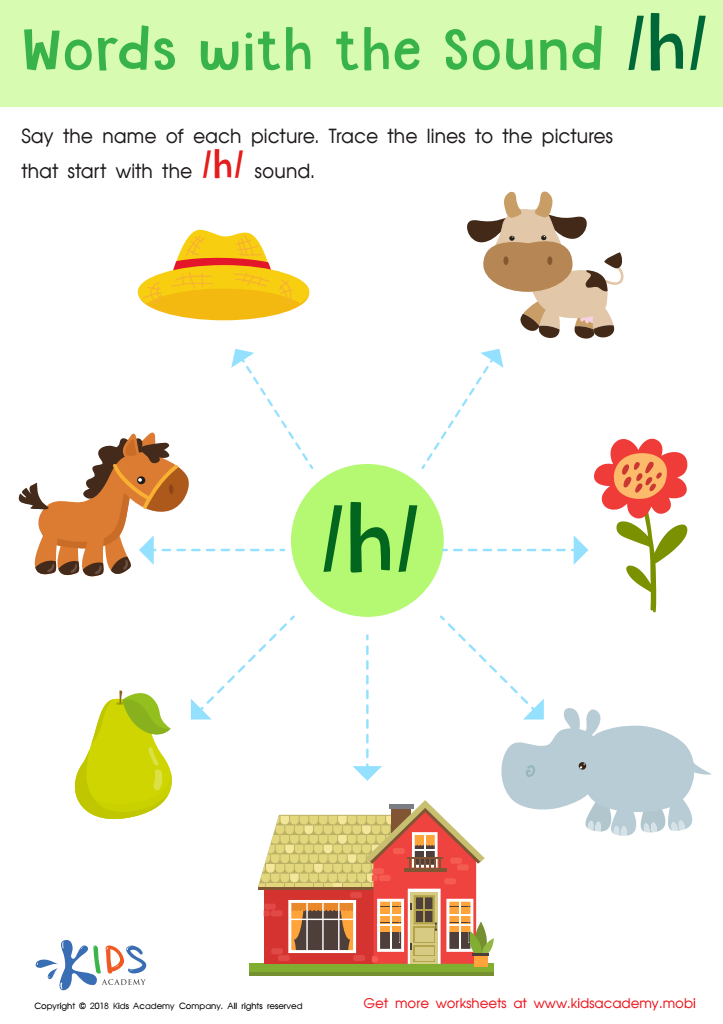
Words with sound h Reading Worksheet
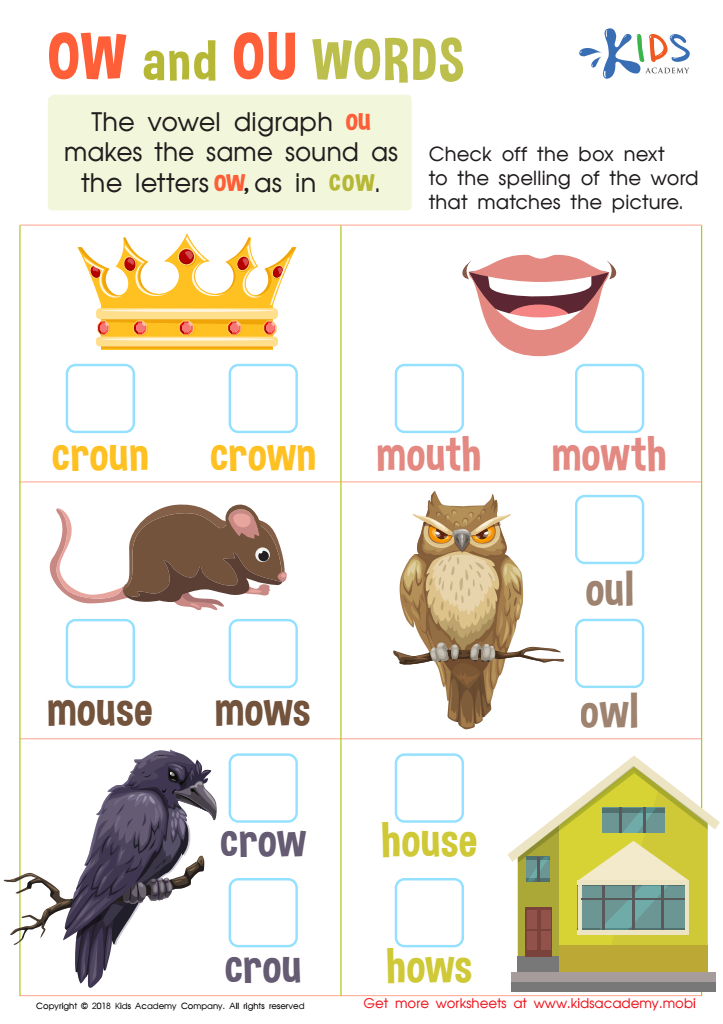
Reading: OW and OU Words Worksheet
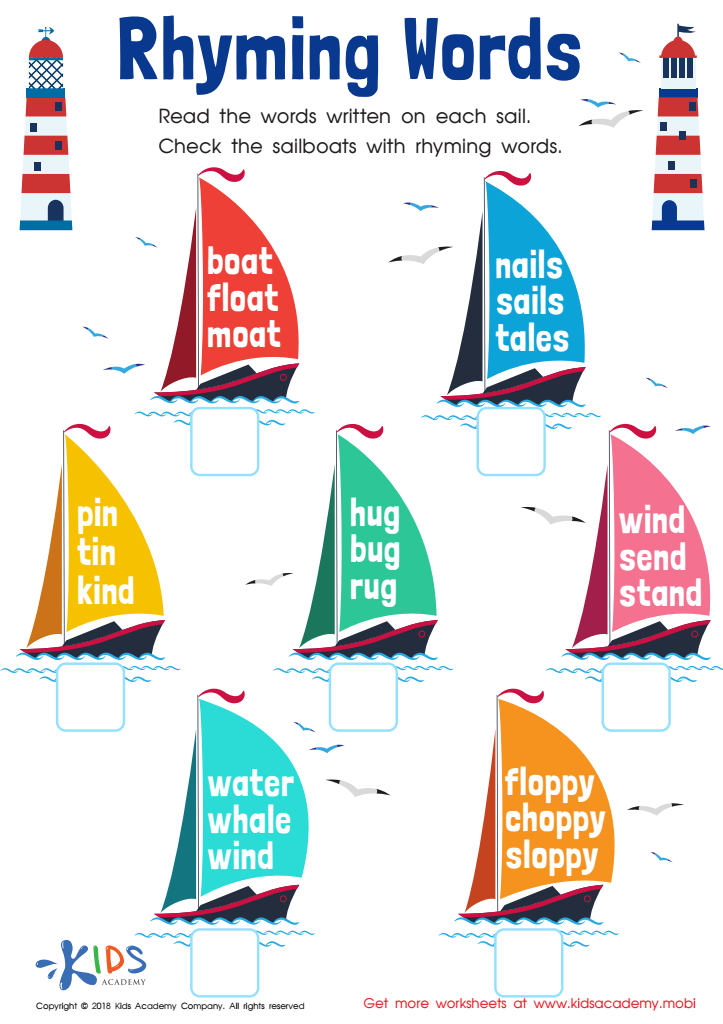
Rhyming Words Worksheet
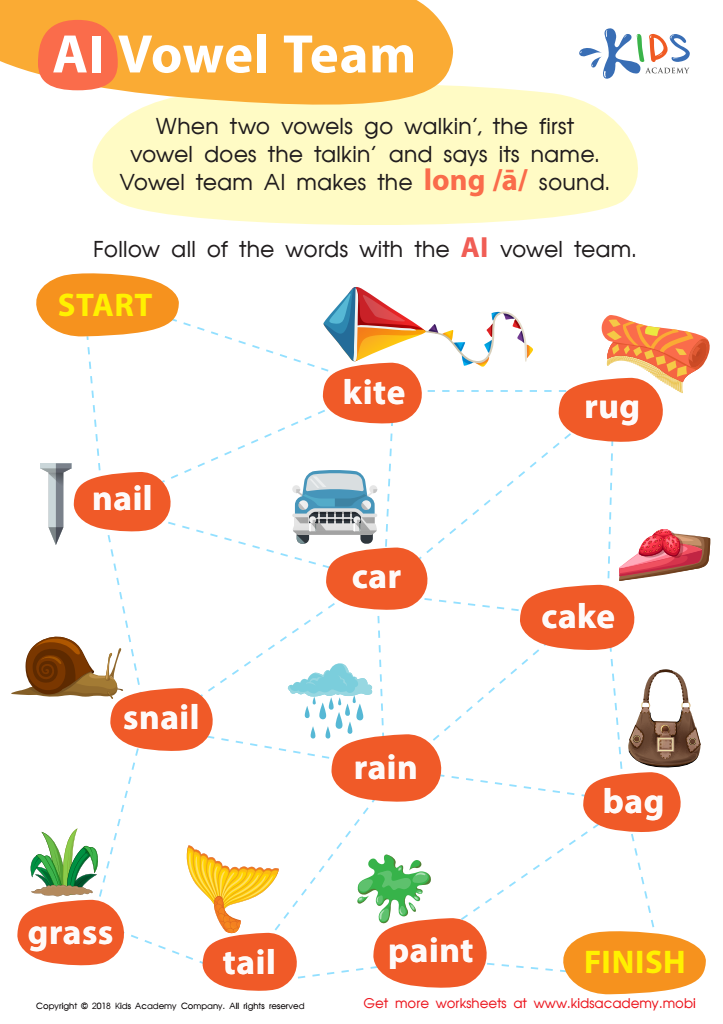
Reading: AI Vowel Team Worksheet
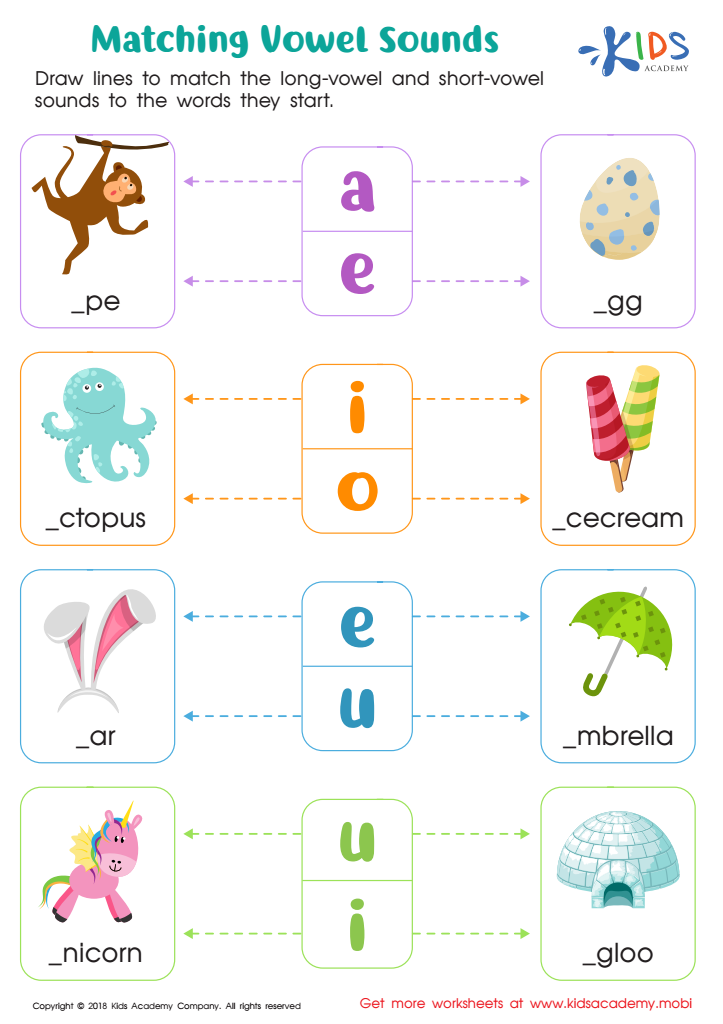
Matching Vowel Sounds Worksheet
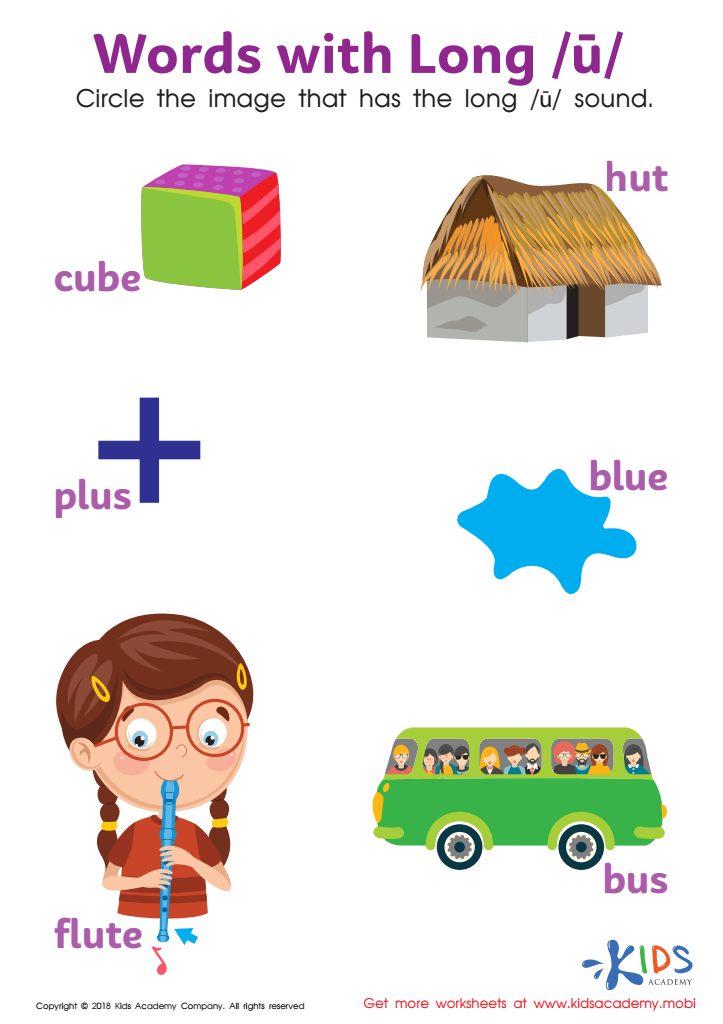
Words with Long U Reading Worksheet
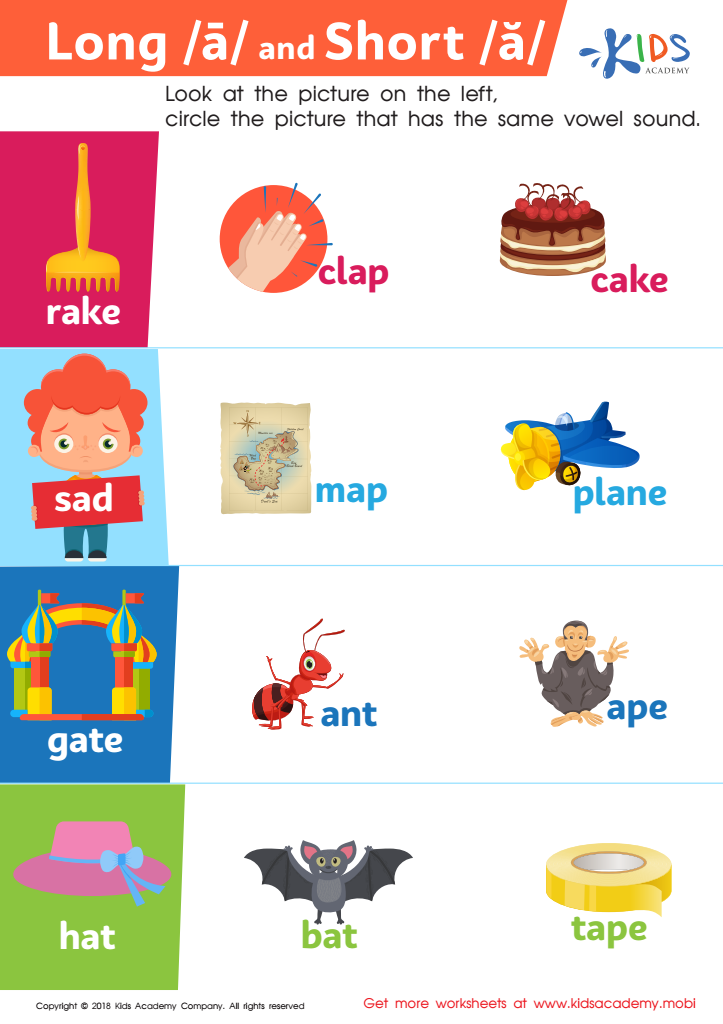
Reading: Long a and Short a Worksheet

Long and Short U Worksheet
 Assign to My Students
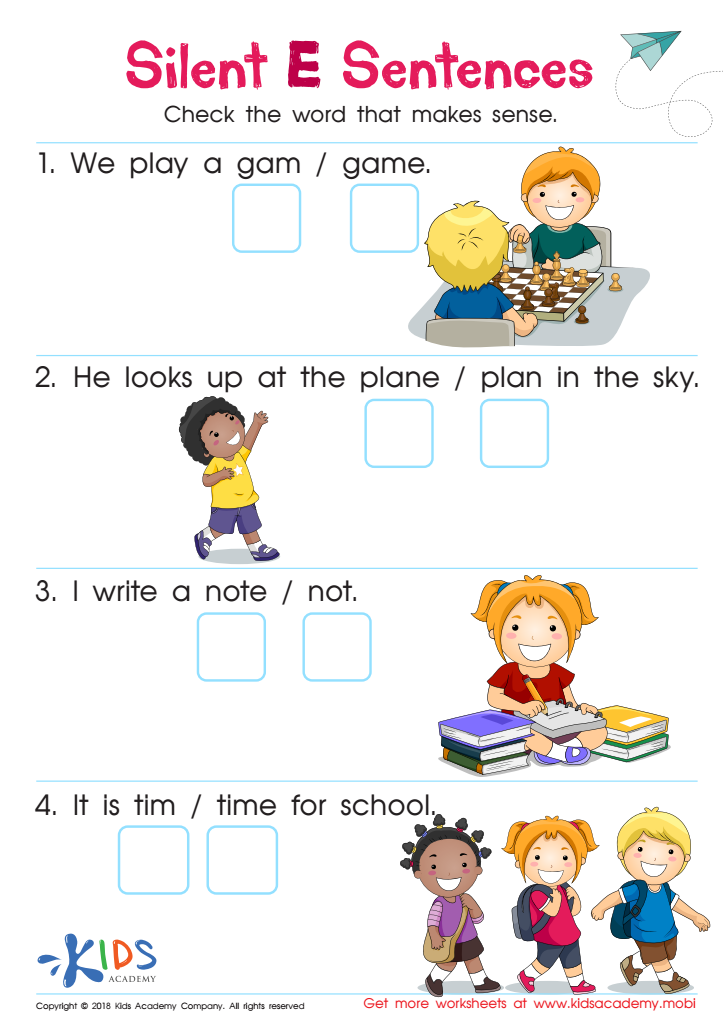
Silent E Sentences Worksheet
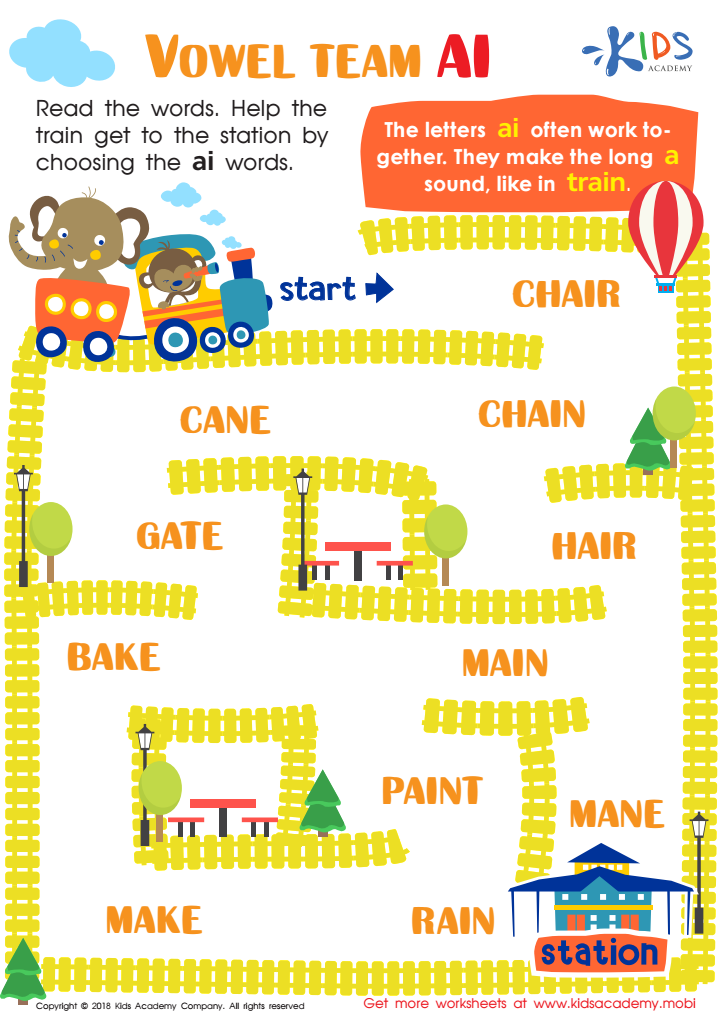
Vowel team ai Worksheet








Vocabulary expansion and normal phonics are foundational to early childhood education and should be of high concern to parents and teachers. Ages 3-9 are critical in a child's language development, a time when their brains are notably receptive to learning new words and sounds. Expanding vocabulary is not just about knowing more words; it is intrinsically linked to cognitive development and academic success. Children use language to understand the world, communicate needs, and empathize with others. A strong vocabulary enriches their ability to think, dream, and make sense of their experiences.
Introducing phonics—understanding the relationships between letters and sounds—at an early age ensures that children develop essential reading skills. Phonics instruction helps children decode words, leading to more fluent reading. This fluency, in turn, frees up cognitive resources to focus on comprehension rather than simply recognizing words.
Successful early reading experiences build confidence, encourage a love for learning, and set a strong educational foundation. When parents and teachers actively engage in activities that support vocabulary expansion and phonics, they foster not only literacy but also improved listening skills, stronger memory, and better academic performance. Moreover, literacy skills are closely tied to other subject areas like math and science, underscoring their broader importance in a child’s lifelong educational journey.







