Filters

15 filtered results

Clear all filters
Favorites
With answer key
Interactive

15 filtered results

Difficulty Level

Grade


Discover our Handwriting Practice Normal Tracing Letters Worksheets designed for children ages 3-9! These engaging worksheets help young learners develop essential handwriting skills while mastering the alphabet. Each page features clear letters that children can trace, promoting letter recognition and fine motor skills. Our fun and friendly designs encourage creativity, making learning an enjoyable experience. Ideal for at-home learning or classroom activities, these worksheets cater to various learning levels, ensuring every child progresses at their own pace. Get ready to equip your little ones with the foundational skills they need for successful writing! Download these worksheets and watch their confidence grow!

Check out this FREE Trial Lesson on Tracing Letters for age 3-9!

I

Favorites
With answer key
Interactive
  • 3-9
  • Handwriting practice
  • Tracing Letters
  • Normal
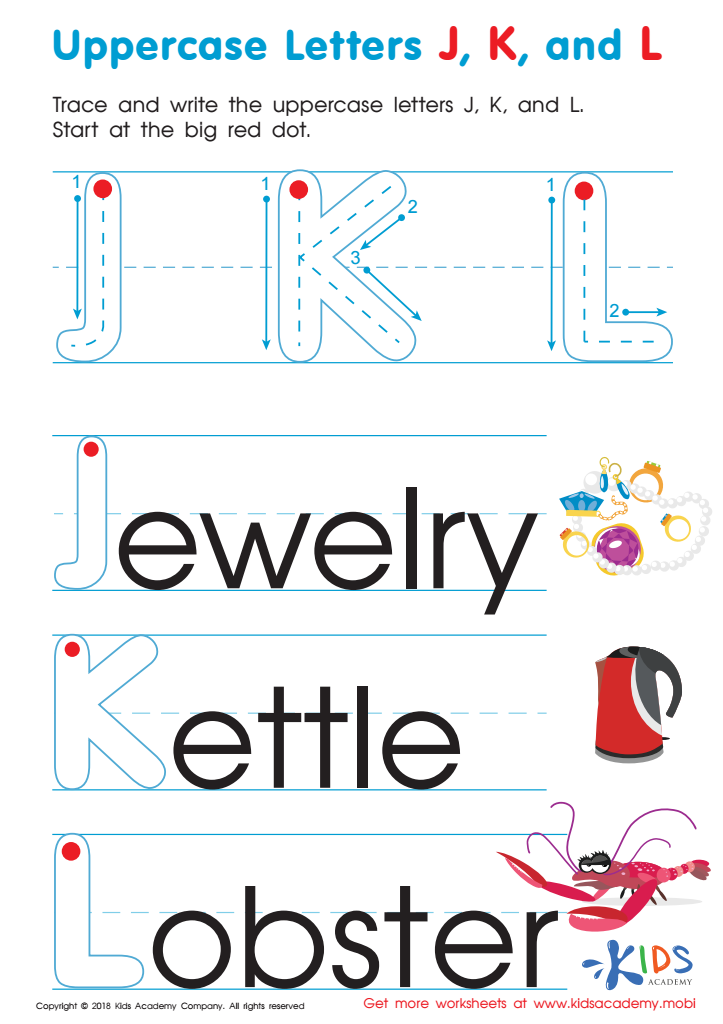
Uppercase Letters J, K, and L Worksheet Preview

Uppercase Letters J, K, and L Worksheet

Jewelry, kettle and lobster share a common trait: their names start with J, K and L, 3 letter neighbors found in the middle of the alphabet. This traceable worksheet helps kids learn letter sounds and practice writing. Arrows and tracing lines make it easy to form neat pencil strokes. Red dot shows where kids should start. Perfect for preschoolers and kindergarteners!
Uppercase Letters J, K, and L Worksheet
Worksheet
Letter I worksheets
Letter I worksheets

Letter I Tracing Page

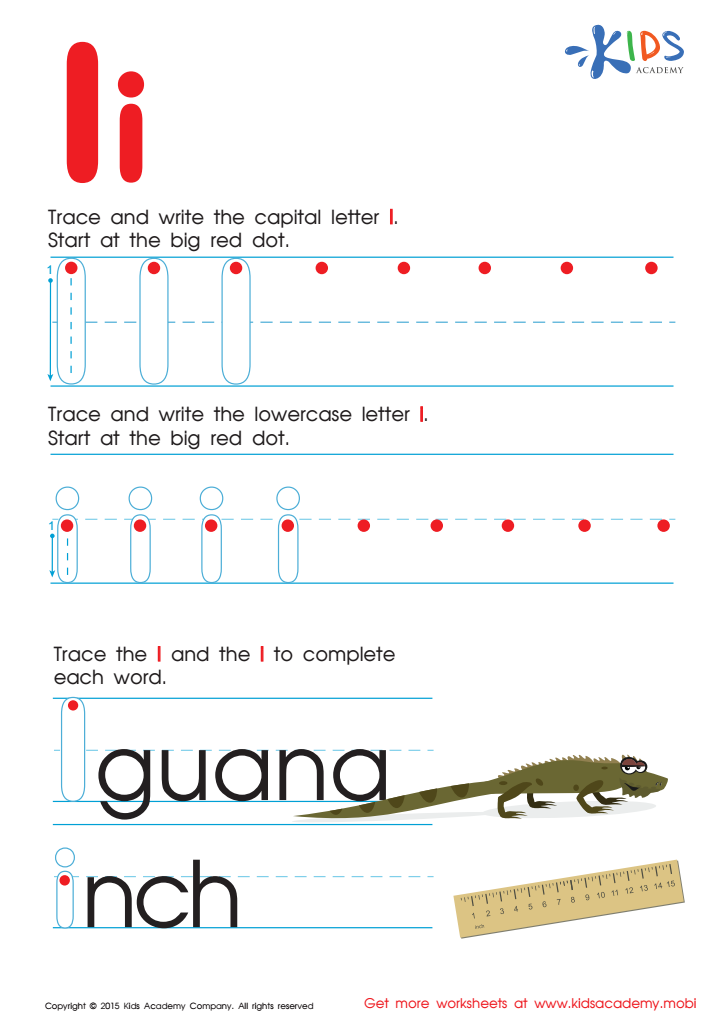
Trace and write "I" uppercase and lowercase. An iguana's tail looks like the uppercase "I" and the lowercase "i" is as small as an inch. Make learning fun with Kids Academy worksheets.
Letter I Tracing Page
Worksheet
Lowercase Letters y z Worksheet

Lowercase Letters y z Worksheet

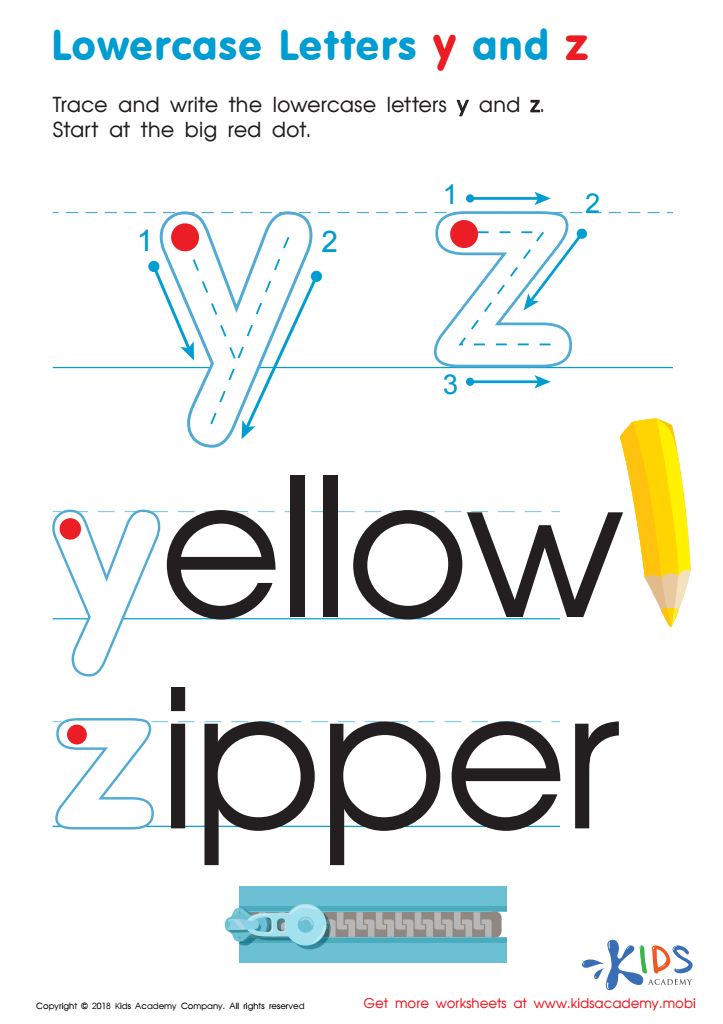
Help your child get a good start in writing and reading by tracing and writing the lowercase letters y and z. With this activity, they will learn the alphabet, which is essential for literacy success. Guide them through the worksheet and make sure they form the letters correctly. This will help them learn the basics needed to write and read fluently.
Lowercase Letters y z Worksheet
Worksheet
letter C worksheets
letter C worksheets

Letter C Tracing Page

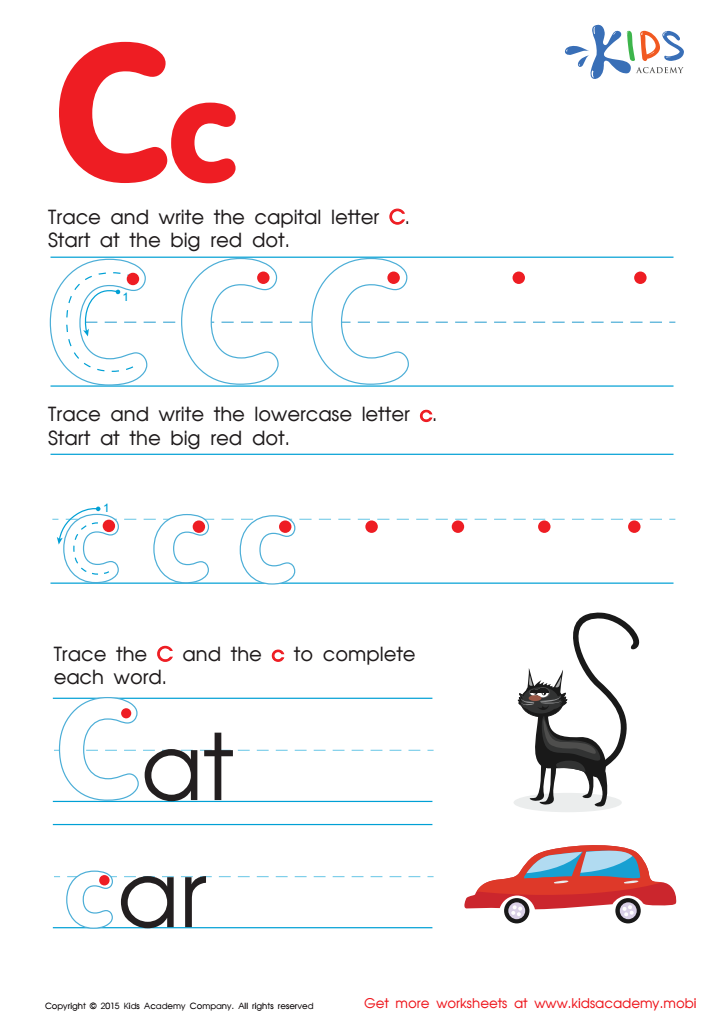
Trace and write the letter 'C'! Put the pencil at the red dot then follow the lines – the capital letter first then the lowercase one. Cats love it and so will you! Get more free printables to practice tracing and writing.
Letter C Tracing Page
Worksheet
Uppercase Letters G, H, and I Worksheet Preview

Uppercase Letters G, H, and I Worksheet

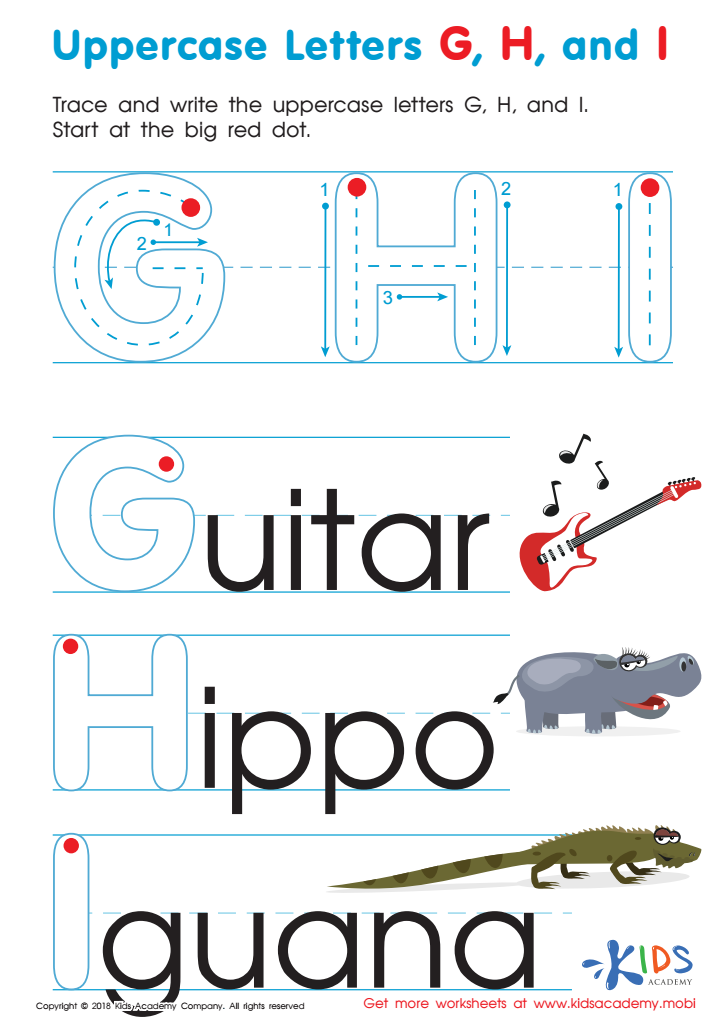
Trace each letter with the big red dot, connecting them to sounds as you go. Then write G to I. Congrats on a job well done! Rock on with a cute hippo and iguana while working on this delightful kindergarten worksheet!
Uppercase Letters G, H, and I Worksheet
Worksheet
letter G worksheets
letter G worksheets

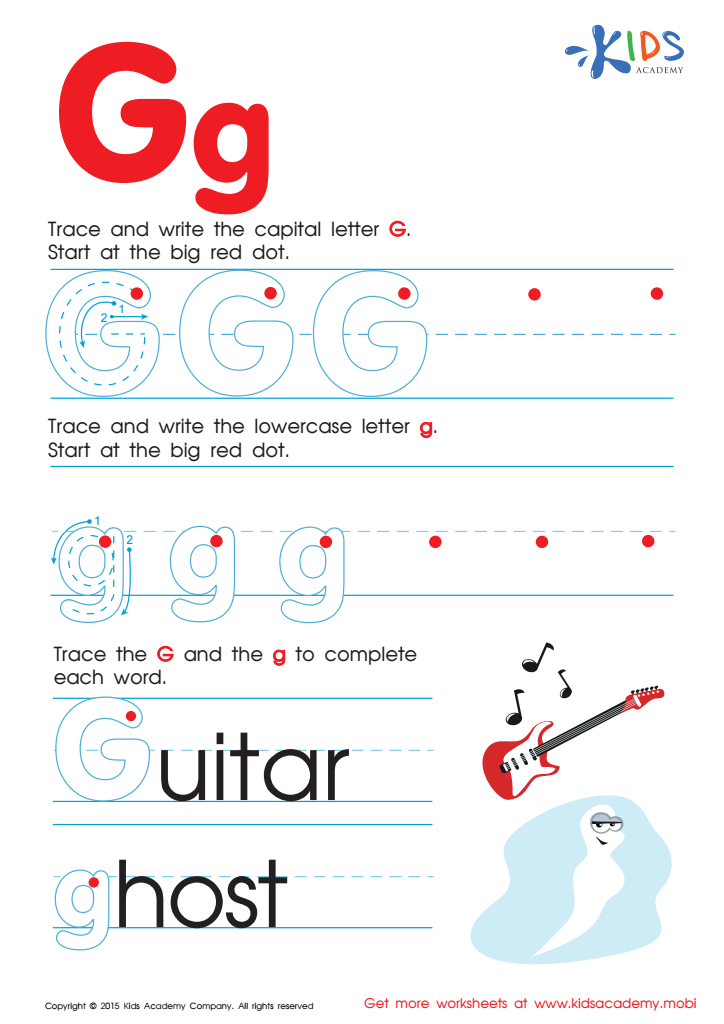
Letter G Tracing Page

Get ready to trace the letter "G" – with a big red spot as the starting point, trace the lines and watch the letter appear. Uppercase and lowercase letters are both easy and fun to write. Give it a go and finish the word "go". Play the guitar and say "hello" to a funny ghost!
Letter G Tracing Page
Worksheet
Letter E Tracing Worksheet Preview

Letter E Tracing Worksheet

Students trace and write uppercase and lowercase letter E. They sound out "E" words, choosing those with short "E" sounds. Preschoolers identify the difference between the 'E' sounds in words like "egg" and "turkey." A tracing sheet helps them to understand.
Letter E Tracing Worksheet
Worksheet
Lowercase Letters m n o Worksheet

Lowercase Letters m n o Worksheet

Help your child learn the alphabet with letter tracing. Show them the difference between uppercase and lowercase letters by working through this free worksheet, tracing and writing lowercase m, n and o.
Lowercase Letters m n o Worksheet
Worksheet
Letter N worksheets
Letter N worksheets

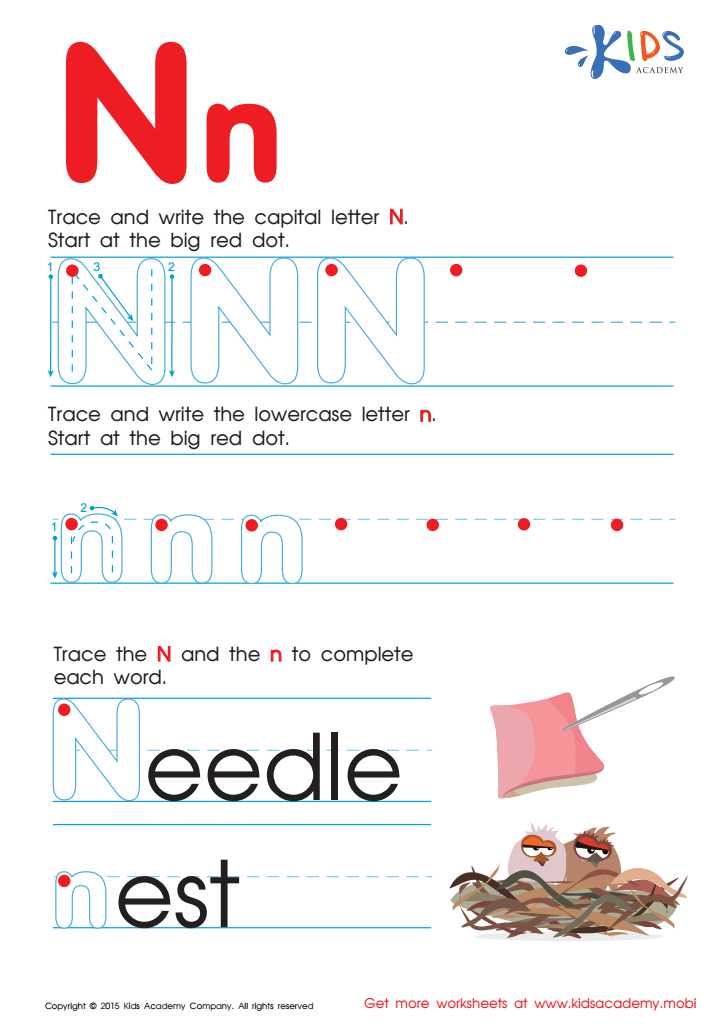
Letter N Tracing Page

Trace and write capital "N" and lowercase "n" several times. Then try forming words like "needle" and "nest". Master letter writing with Kids Academy's collection of ABC worksheets for kindergarten.
Letter N Tracing Page
Worksheet
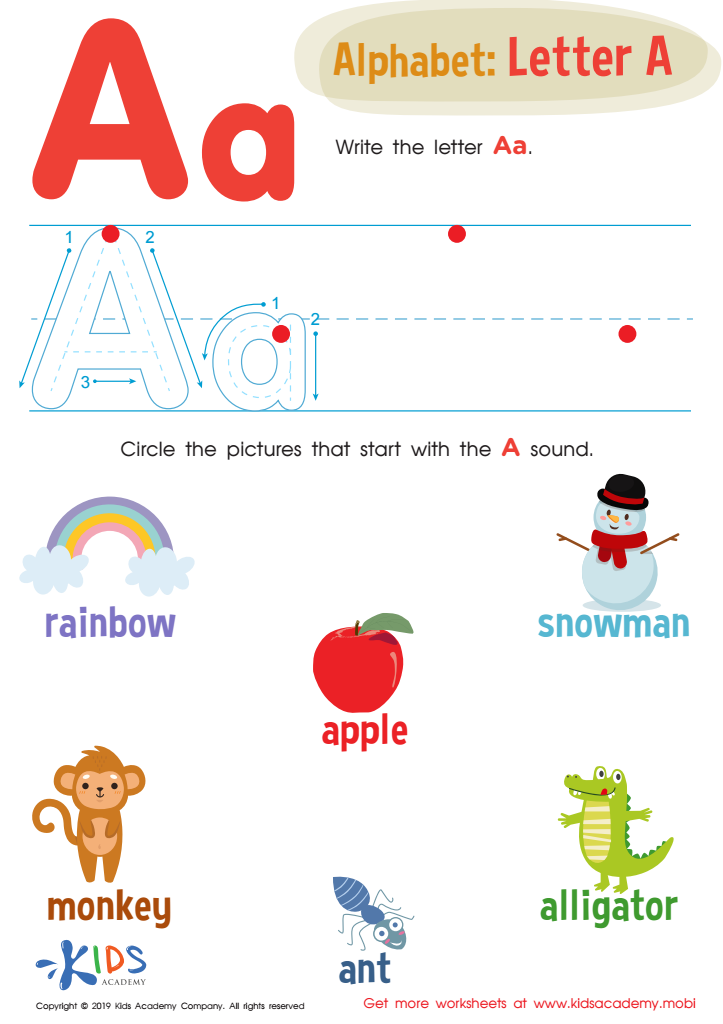
Letter A Tracing Worksheet Preview

Letter A Tracing Worksheet

Learning the letter "A" is essential. This worksheet helps kids trace and write it, boosting their skill. They also circle pictures with the "A" sound, with both the word and picture provided. This helps them learn how to pronounce words like "apple" correctly.
Letter A Tracing Worksheet
Worksheet
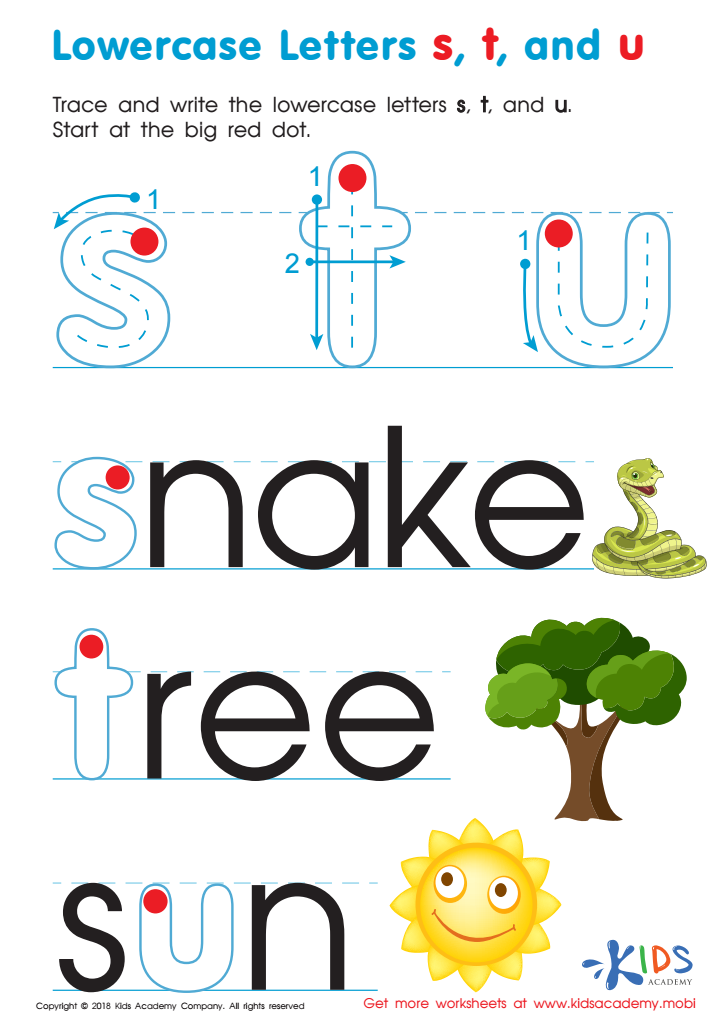
Lowercase Letters s t u Worksheet

Lowercase Letters s t u Worksheet

Help your child trace lowercase letters s, t and u. Ask questions like: "What word starts with 's'? What about 't' and 'u'? Point out the snake, tree and sun pictures. Start tracing from the big red dot.
Lowercase Letters s t u Worksheet
Worksheet
Uppercase Letters D, E, and F Worksheet Preview

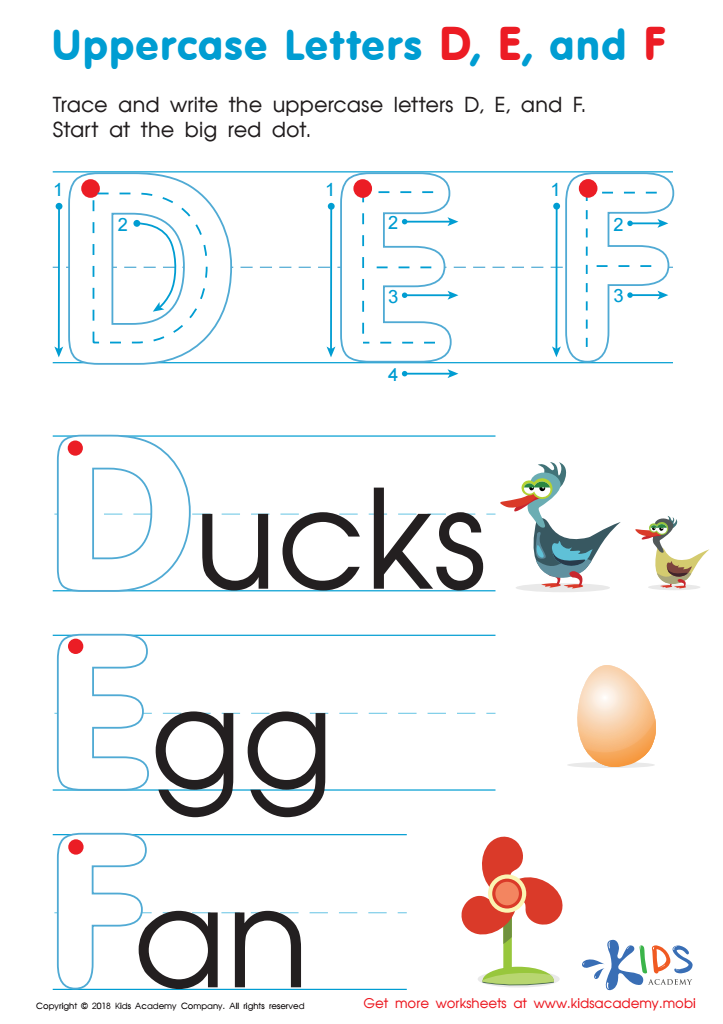
Uppercase Letters D, E, and F Worksheet

A-F are important letters! Get kids tracing with this free printable worksheet. Help them learn the right pencil strokes by following the tracing lines, starting at the big red dot. Reinforce letter sounds with the colorful pictures. 80 words.
Uppercase Letters D, E, and F Worksheet
Worksheet
Uppercase Letters Y Z Worksheet

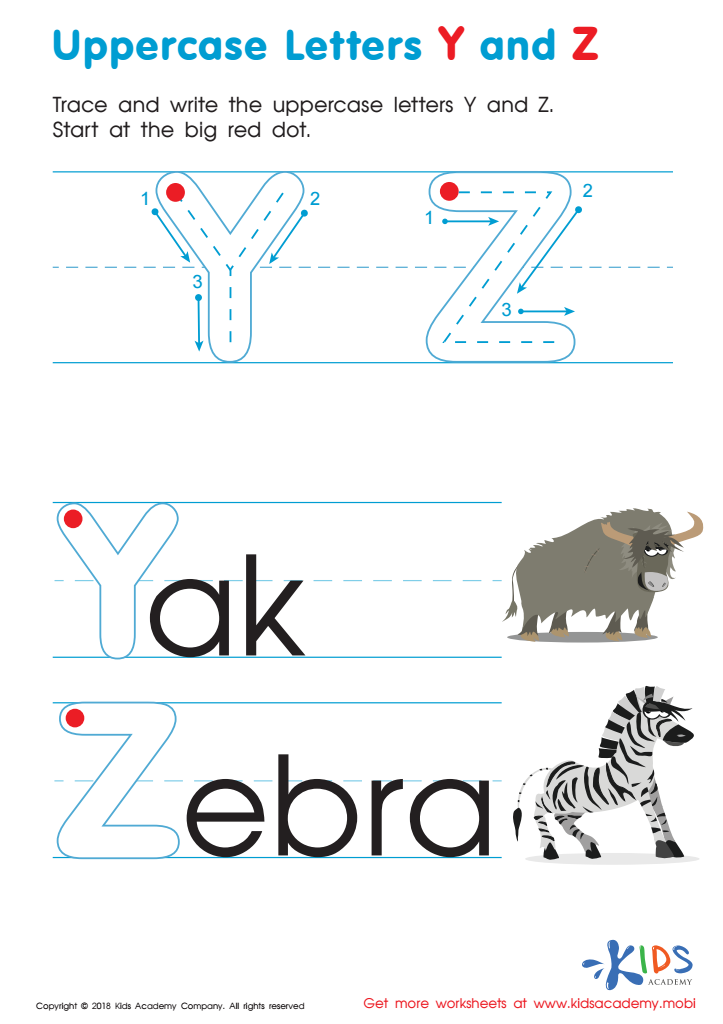
Uppercase Letters Y Z Worksheet

Help your child learn their ABCs with this fun tracing activity! They must trace and write Y and Z in uppercase form, starting from the red dot. Kids will love the fun images for extra engagement. Guiding their hand carefully will help them practice and perfect their writing skills.
Uppercase Letters Y Z Worksheet
Worksheet
Lowercase Letters g h i Worksheet

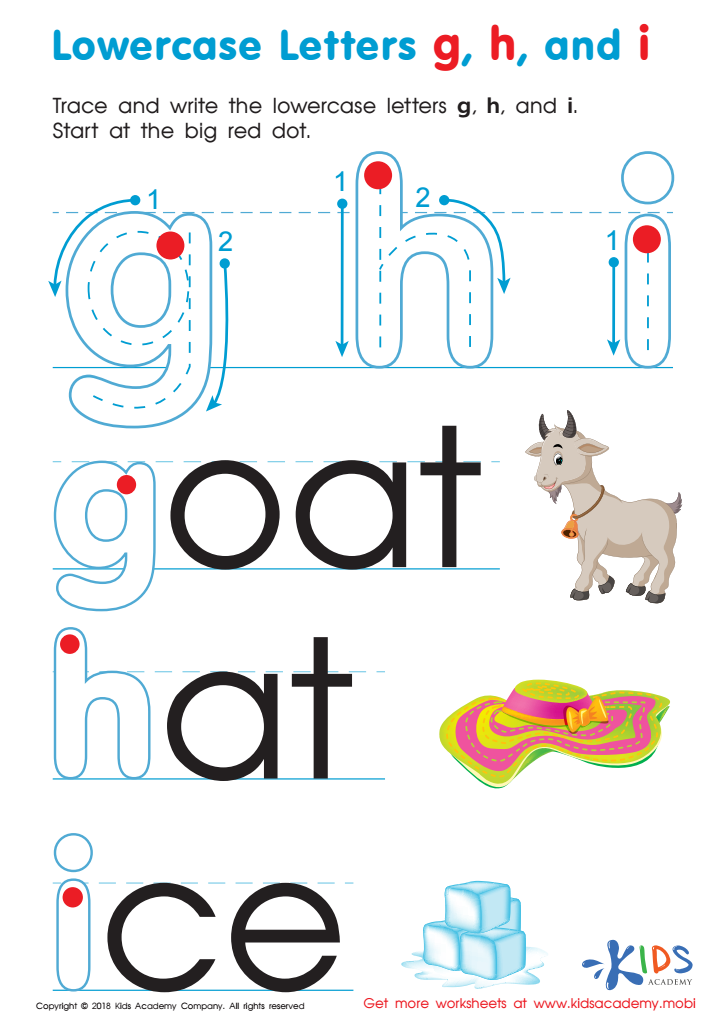
Lowercase Letters g h i Worksheet

Learning is fun for your youngster with color and an enjoyable exercise. Help them build their understanding of the alphabet by starting at the big red dot drawn on each letter and carefully following the dotted lines to draw g, h, and i.
Lowercase Letters g h i Worksheet
Worksheet
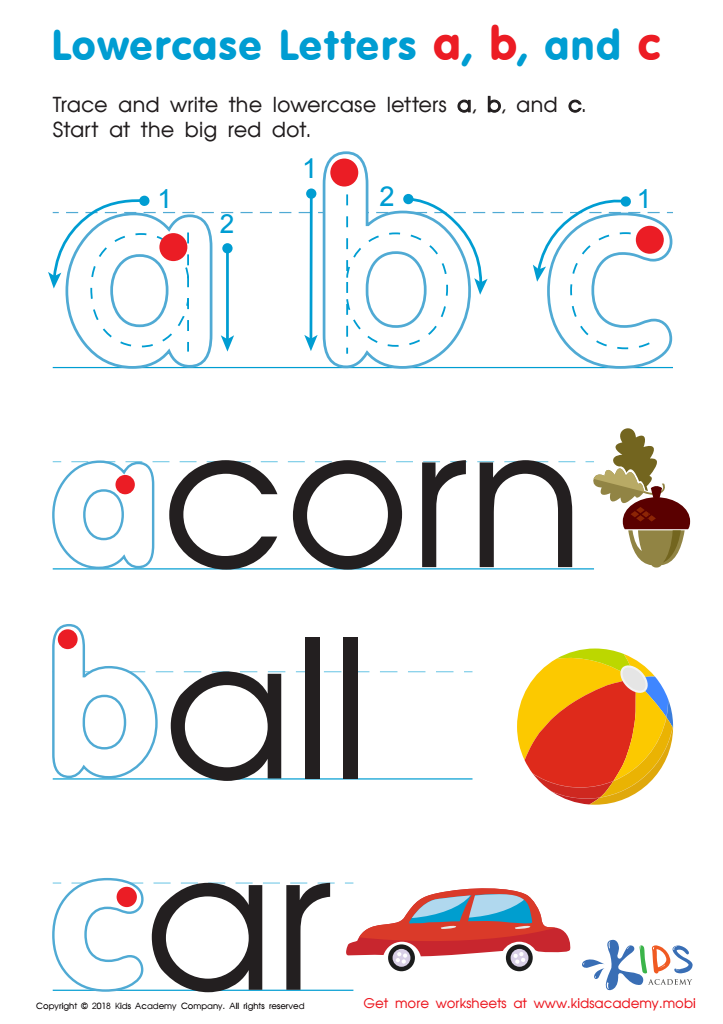
Lowercase Letters a b c Worksheet


Lowercase Letters a b c Worksheet

Help your child trace and write the lowercase letters of the alphabet with this fun worksheet. Start by following the arrows and directions from the red dot, and watch them improve their writing skills! Vibrant illustrations make it easy and enjoyable.
Lowercase Letters a b c Worksheet

Worksheet


Handwriting practice, specifically normal tracing of letters, is crucial for children ages 3-9 for several reasons. Firstly, it supports the development of fine motor skills, which are essential for students' overall dexterity and coordination. These skills enable children to perform other tasks such as buttoning shirts, using scissors, and eventually typing on a keyboard.

Secondly, tracing letters aids in cognitive development, as children begin to recognize the shapes and sounds of letters, enhancing their literacy skills. This early exposure to letters fosters phonemic awareness, critical for reading readiness. Additionally, handwriting promotes hand-eye coordination, which is vital for various learning activities.

Moreover, consistent handwriting practice encourages perseverance and discipline. Mastering the skill of writing requires practice and patience, teaching children the value of effort and determination. It also contributes to their self-esteem; as they gain proficiency, they experience a sense of accomplishment.

Lastly, handwriting remains a fundamental mode of communication, even in an increasingly digital world. Developing solid handwriting skills early on ensures that children can express their thoughts clearly and effectively, setting the foundation for successful future learning. Thus, both parents and teachers should prioritize tracing letters as a core activity in early childhood education.