Handwriting practice Normal English for Beginners Worksheets for Ages 3-9
26 filtered results
-
From - To
Unlock the world of beautiful penmanship with our "Handwriting Practice Normal English Worksheets for Beginners," designed specifically for ages 3-9. Created to enhance fine motor skills and encourage correct letter formation, these engaging worksheets provide young learners with a solid foundation in writing. Through fun activities and step-by-step guides, kids will write clearly and confidently. Perfect for ESL learners or any beginning writer, our worksheets cover everything from basic letter tracing to more advanced word writing. Give your child the tools to shine in handwriting with our expertly crafted resources. Visit us today and start practicing!
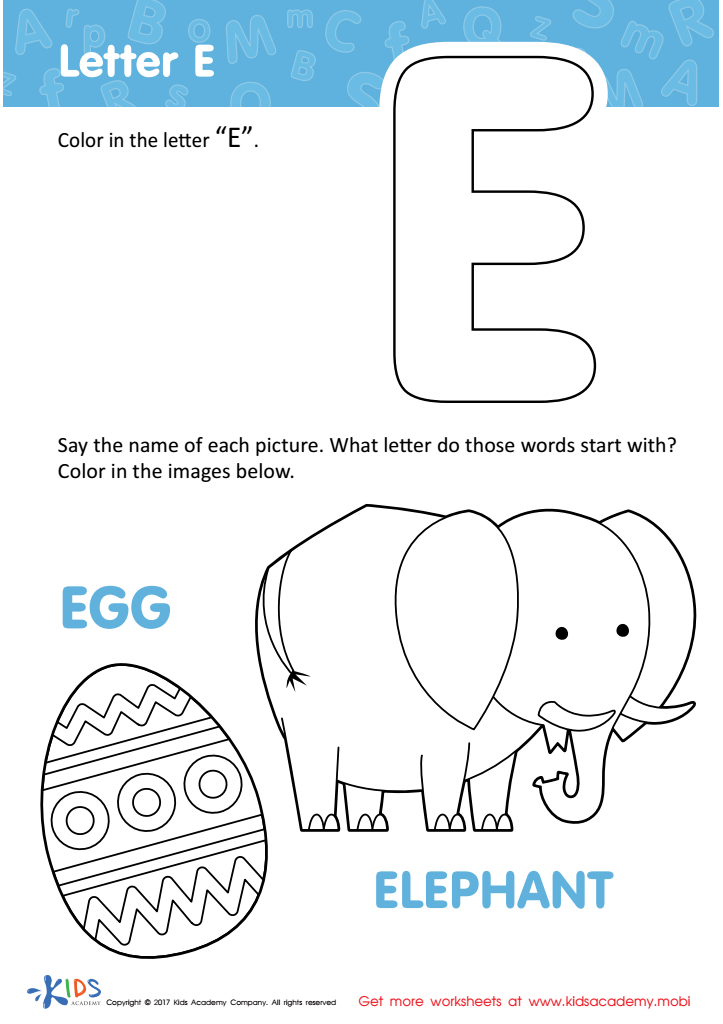
Letter E Coloring Sheet
 Assign to My Students
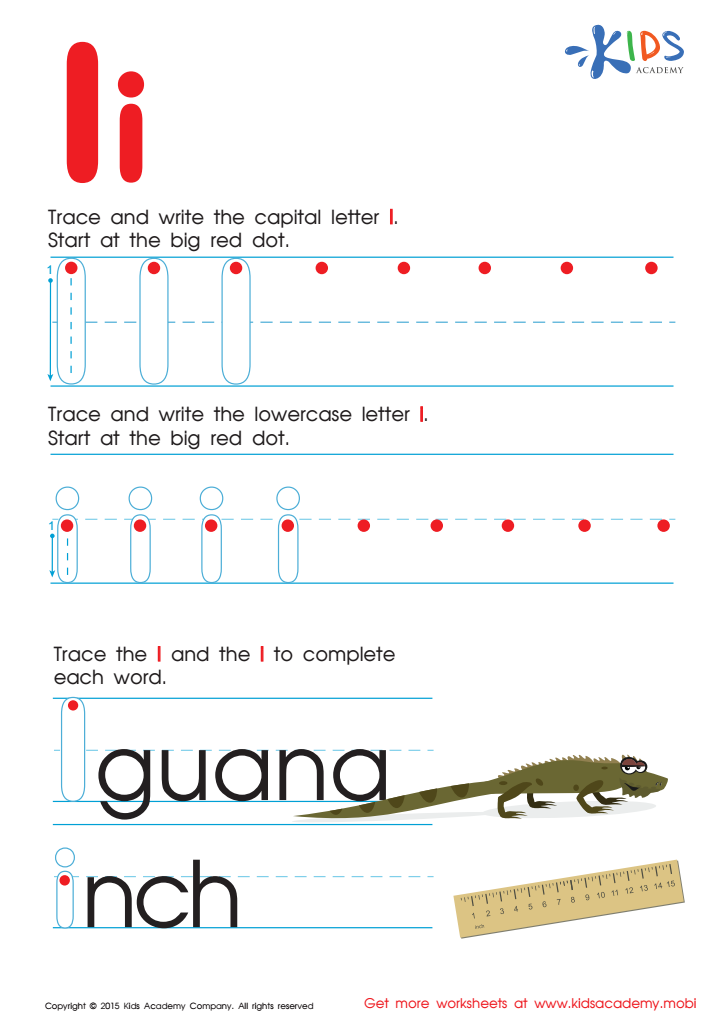
Letter I Tracing Page
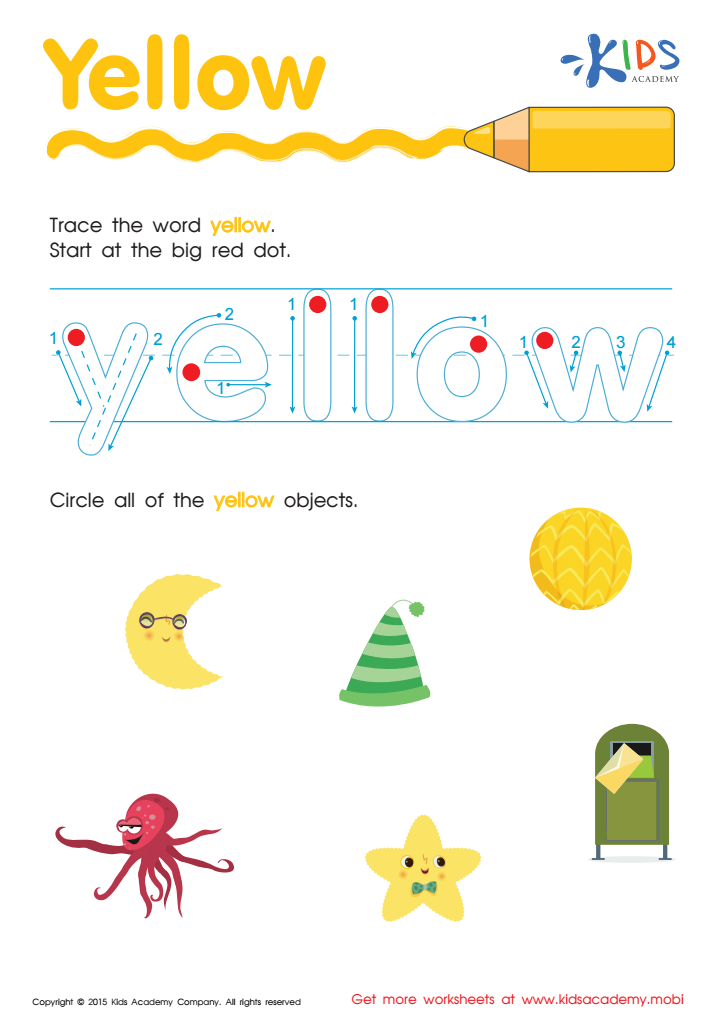
Yellow Tracing Color Words Worksheet
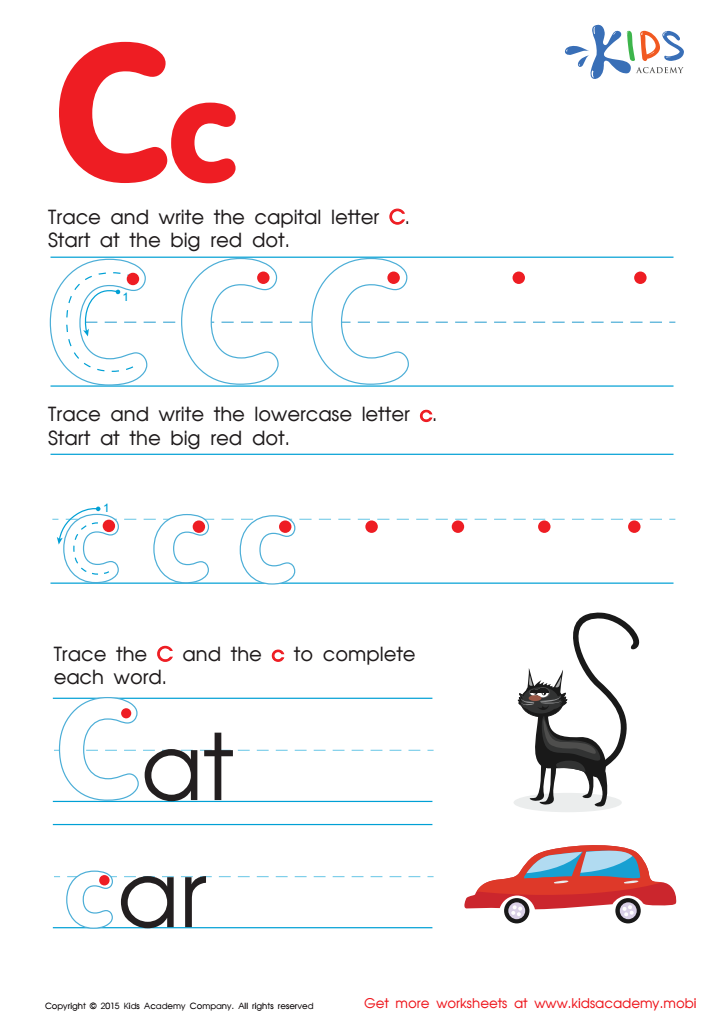
Letter C Tracing Page
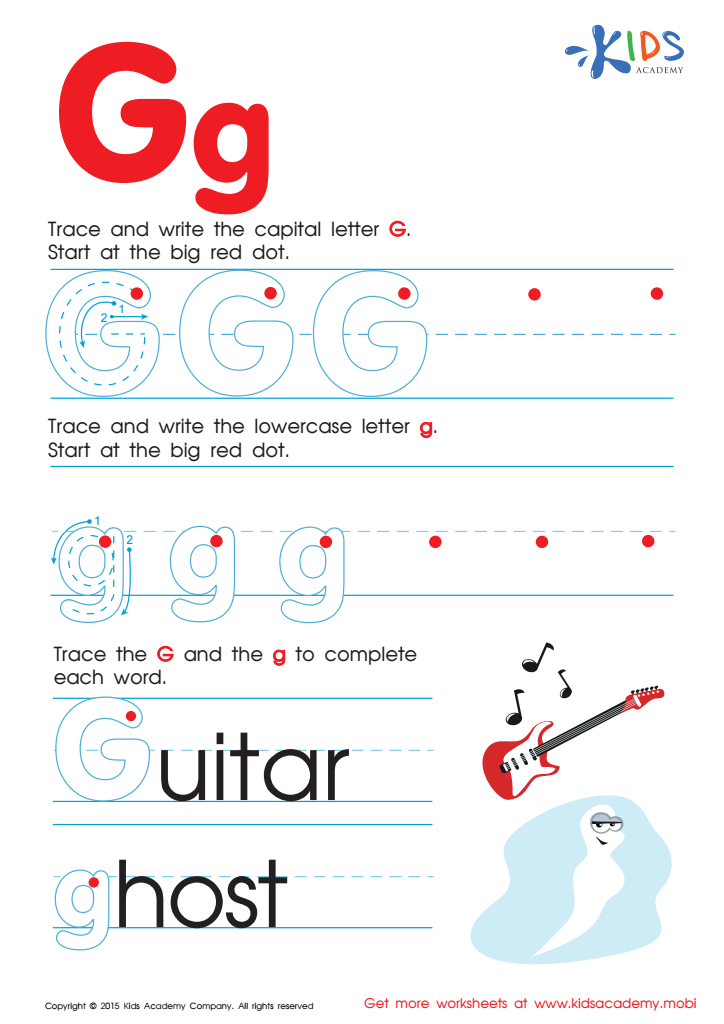
Letter G Tracing Page
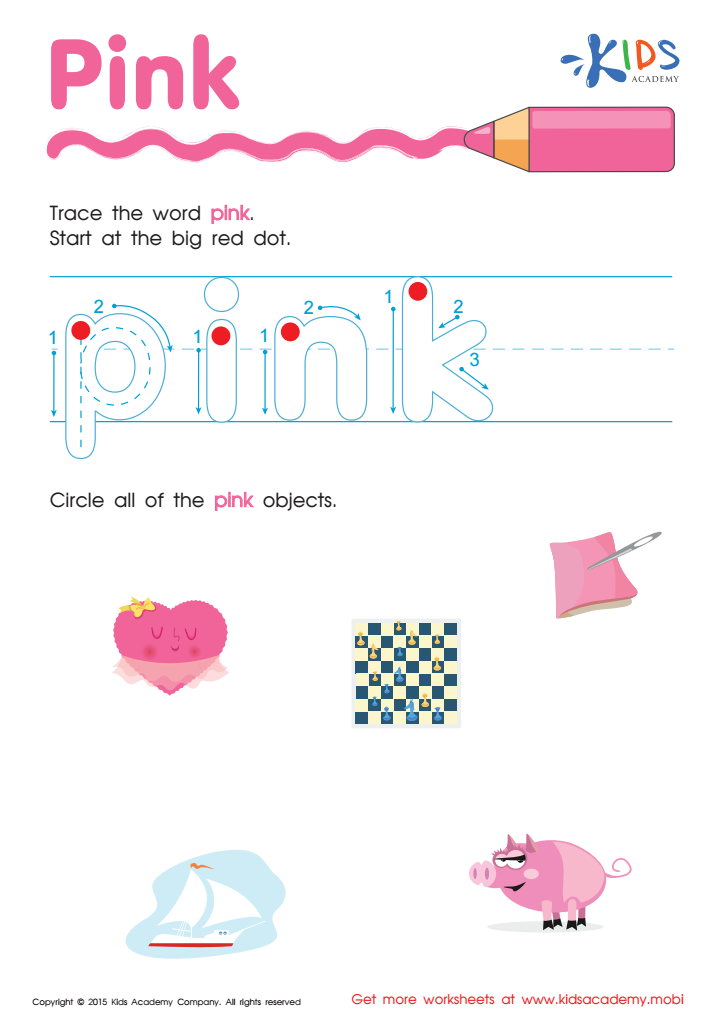
Pink Tracing Color Words Worksheet
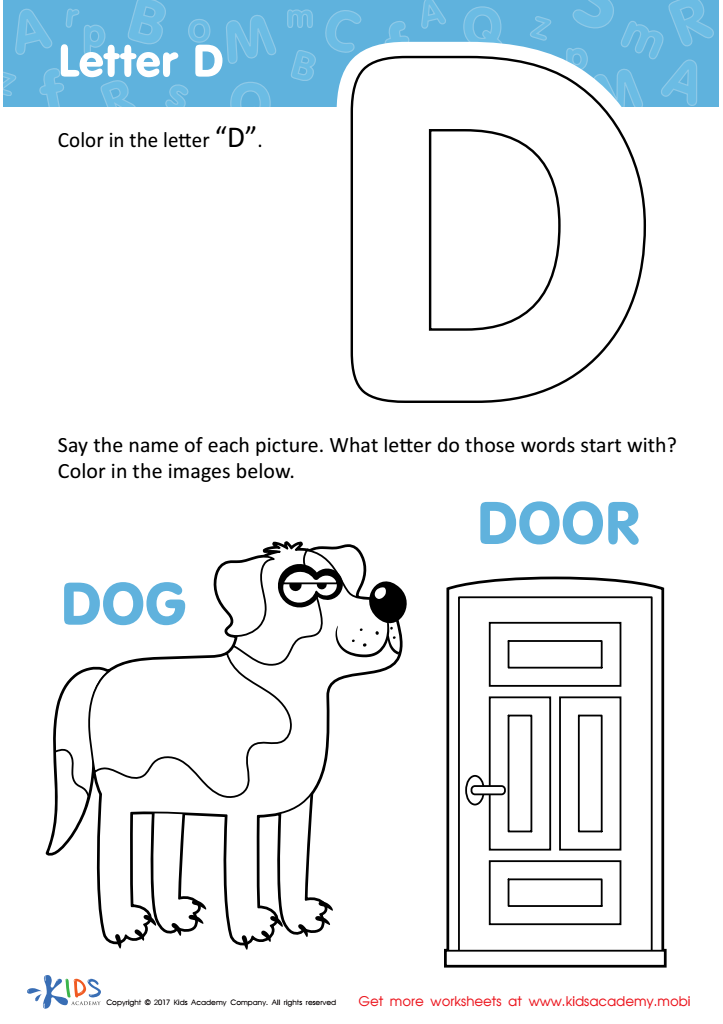
Letter D Coloring Sheet
Assign to My Students
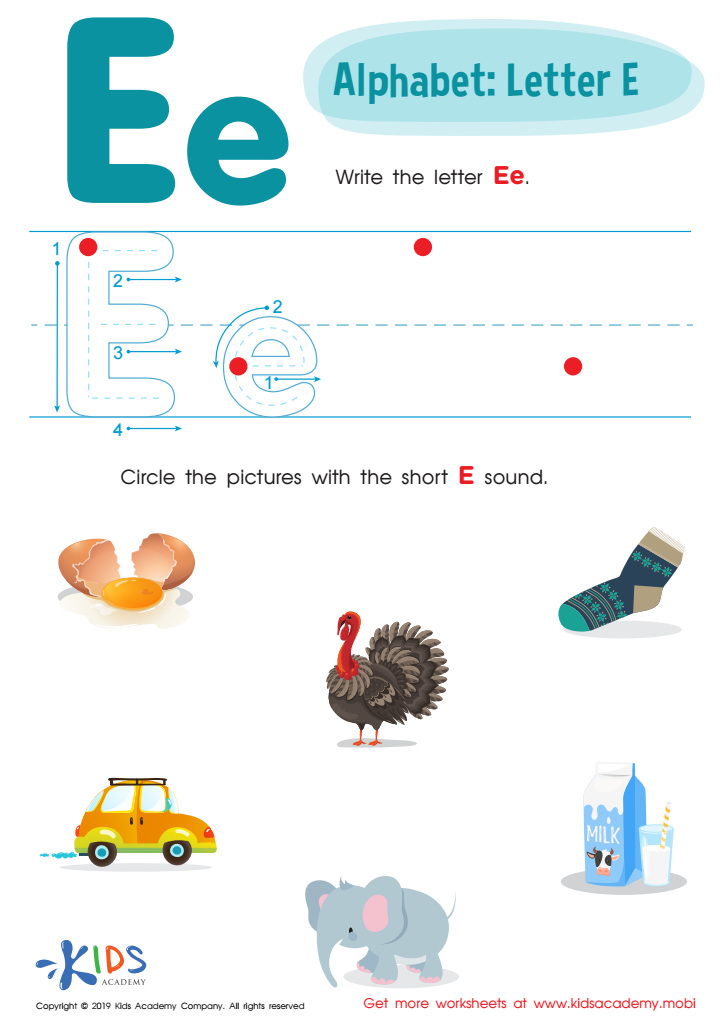
Letter E Tracing Worksheet
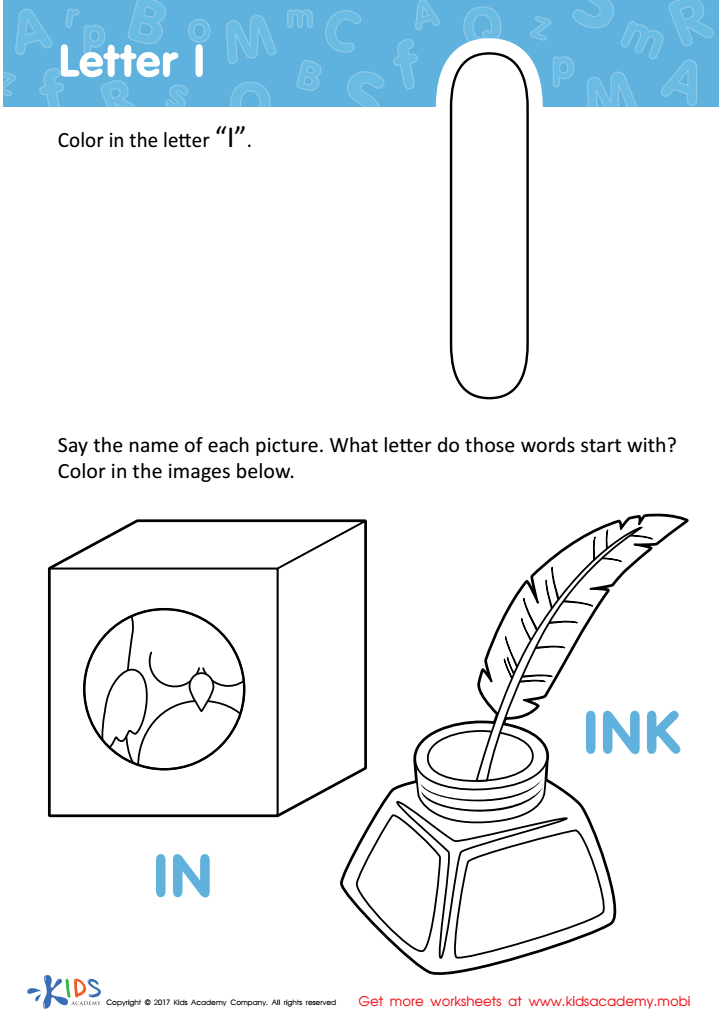
Letter I Coloring Sheet
Assign to My Students
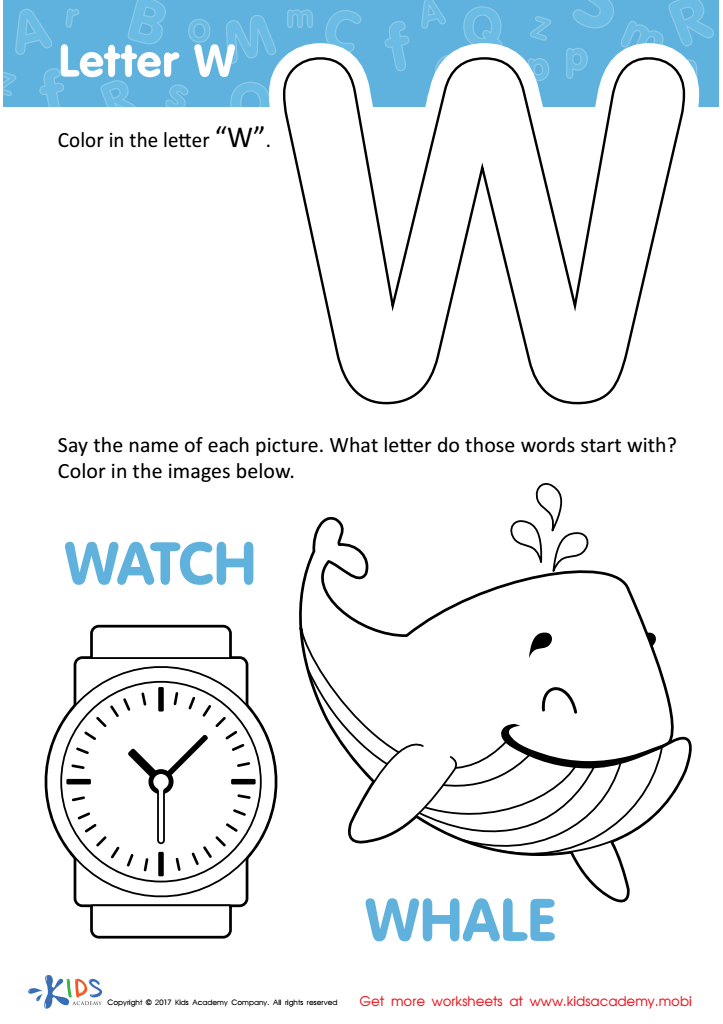
Letter W Coloring Sheet
Assign to My Students
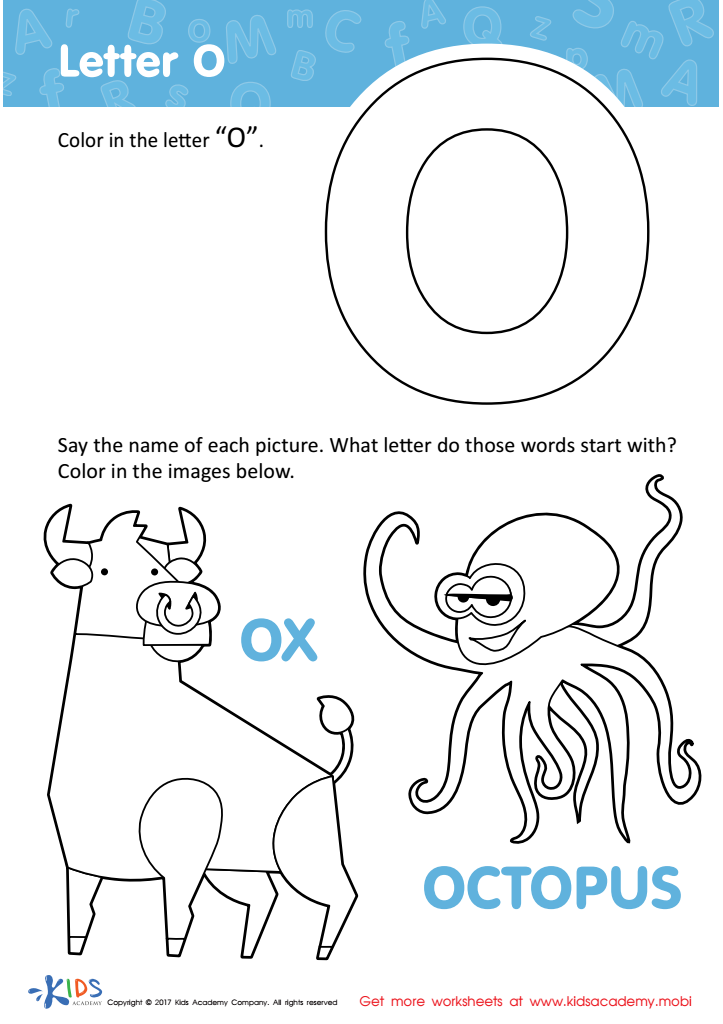
Letter O Coloring Sheet
Assign to My Students
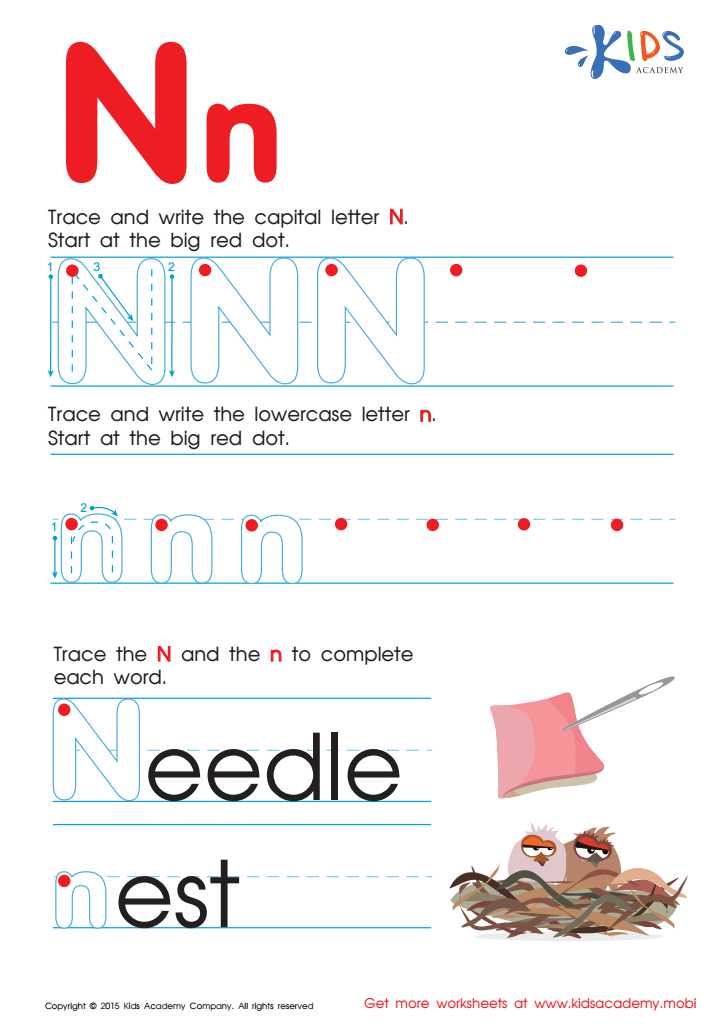
Letter N Tracing Page
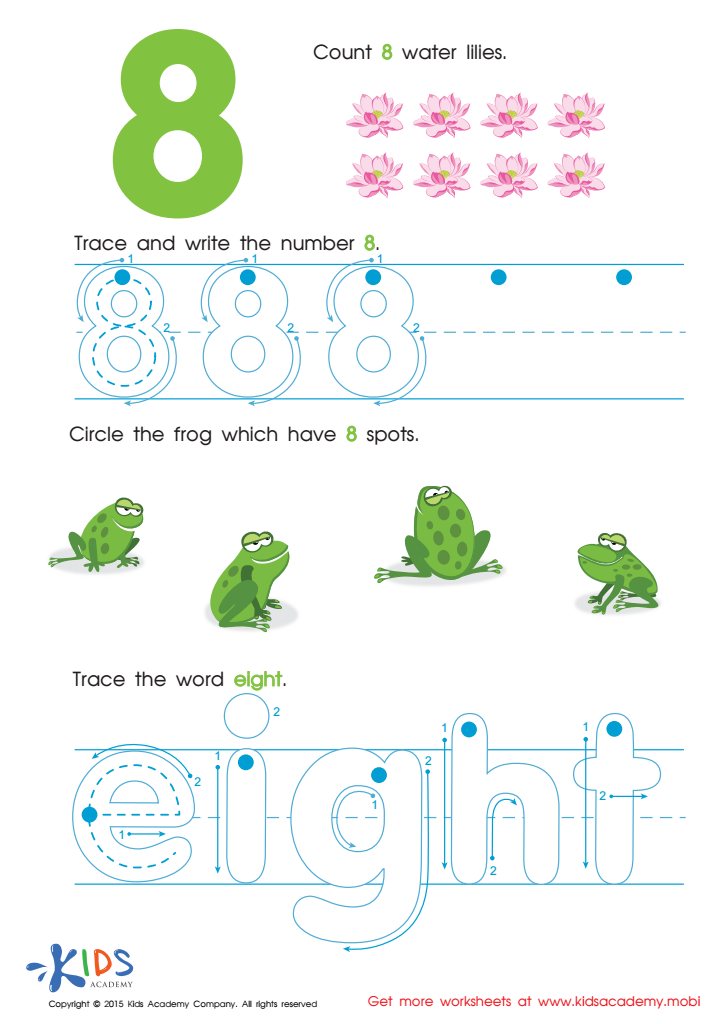
Learn Number 8 Easily Worksheet
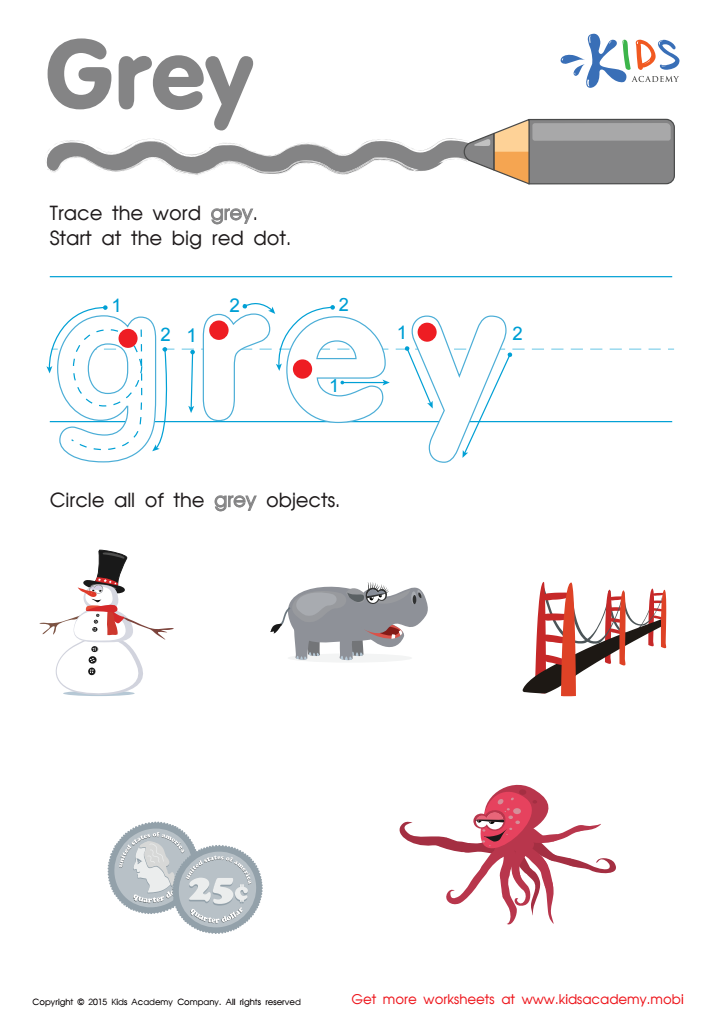
Grey Tracing Color Words Worksheet
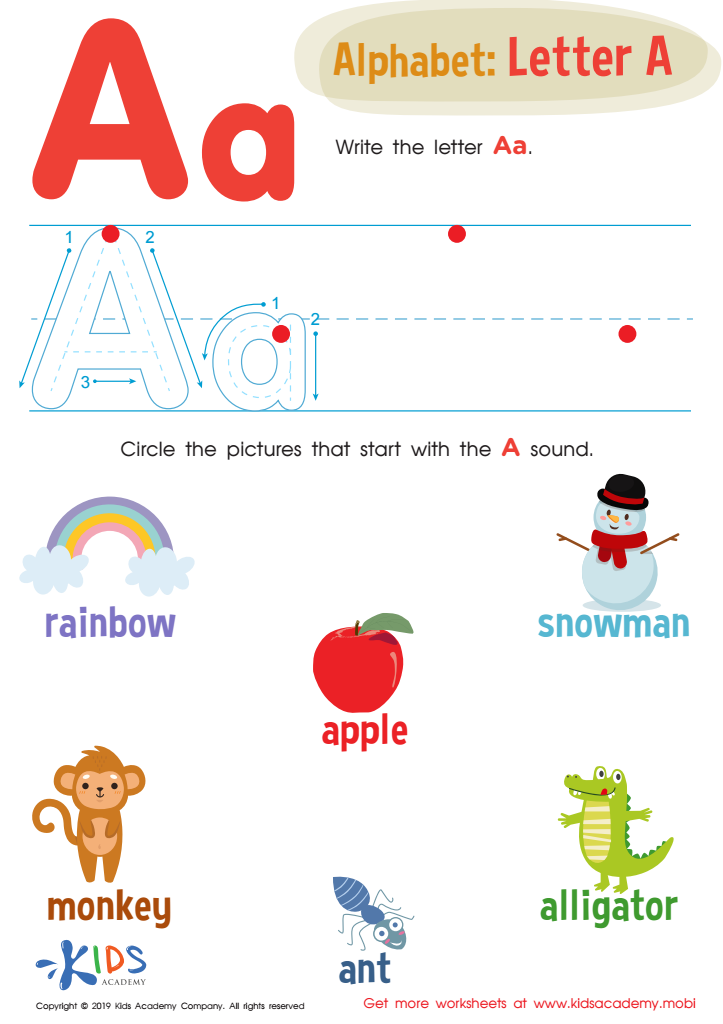
Letter A Tracing Worksheet
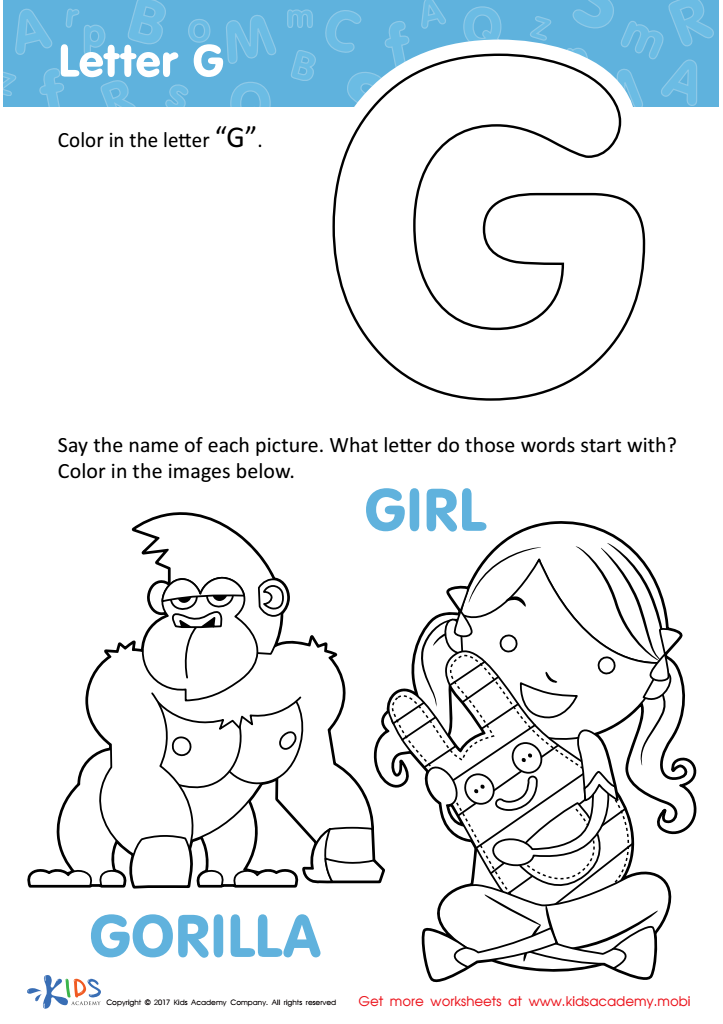
Letter G Coloring Sheet
Assign to My Students
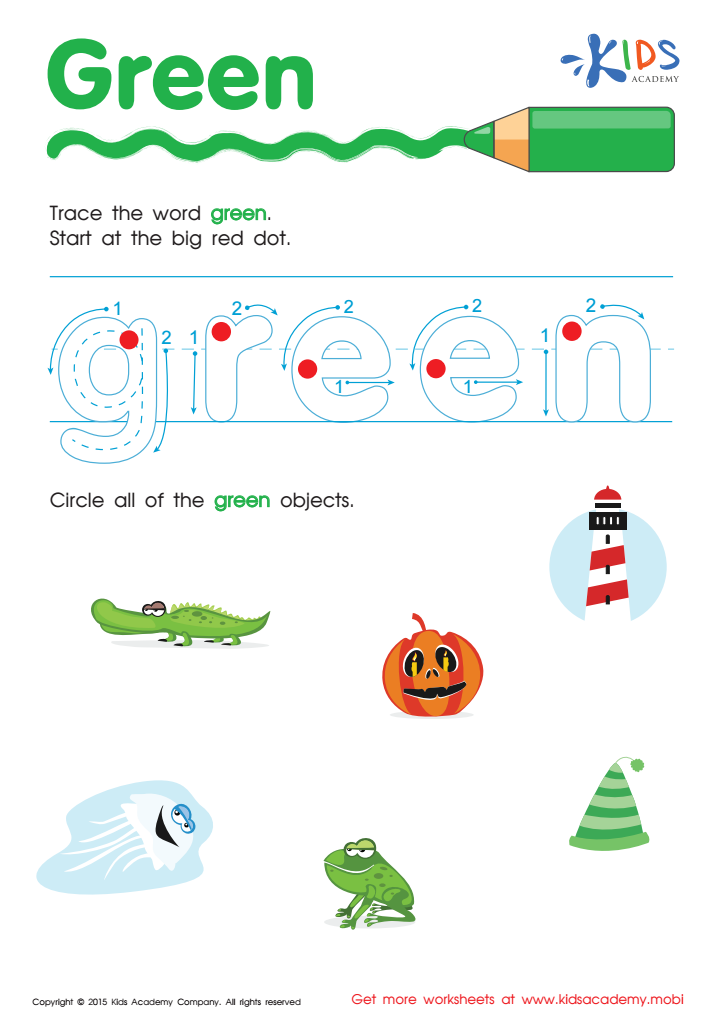
Green Tracing Color Words Worksheet
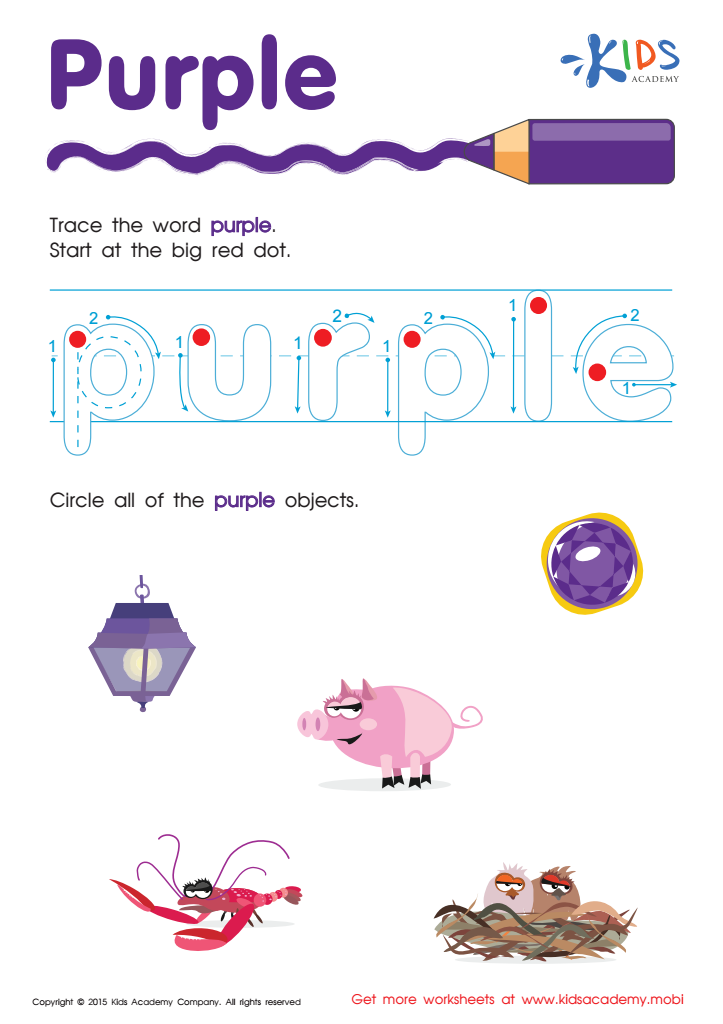
Purple Tracing Color Words Worksheet
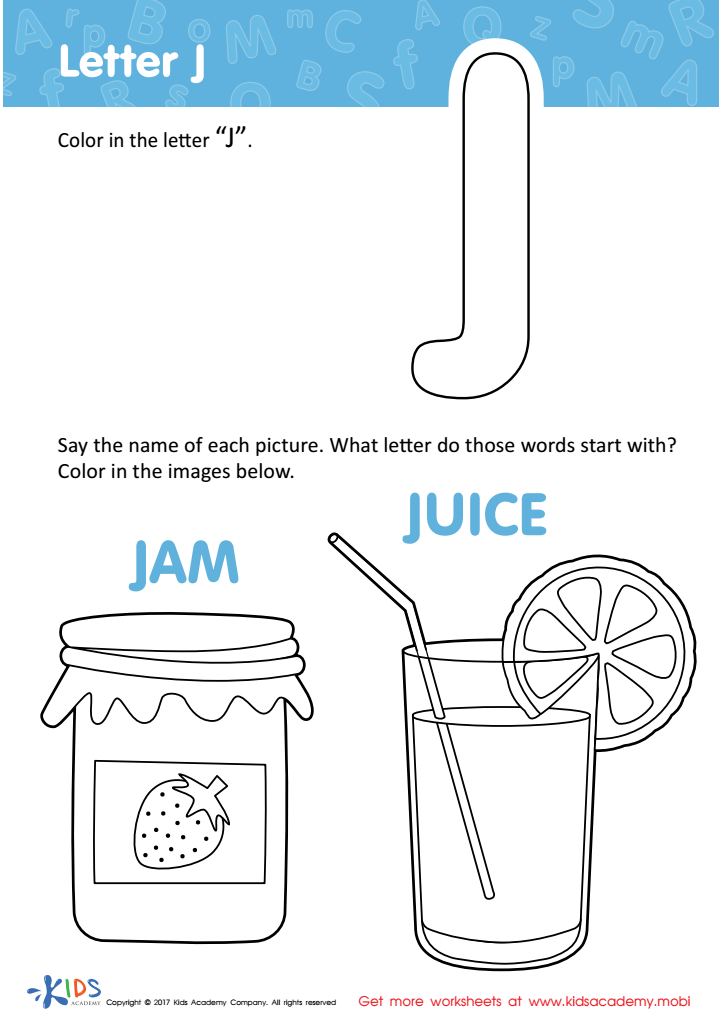
Letter J Coloring Sheet
Assign to My Students
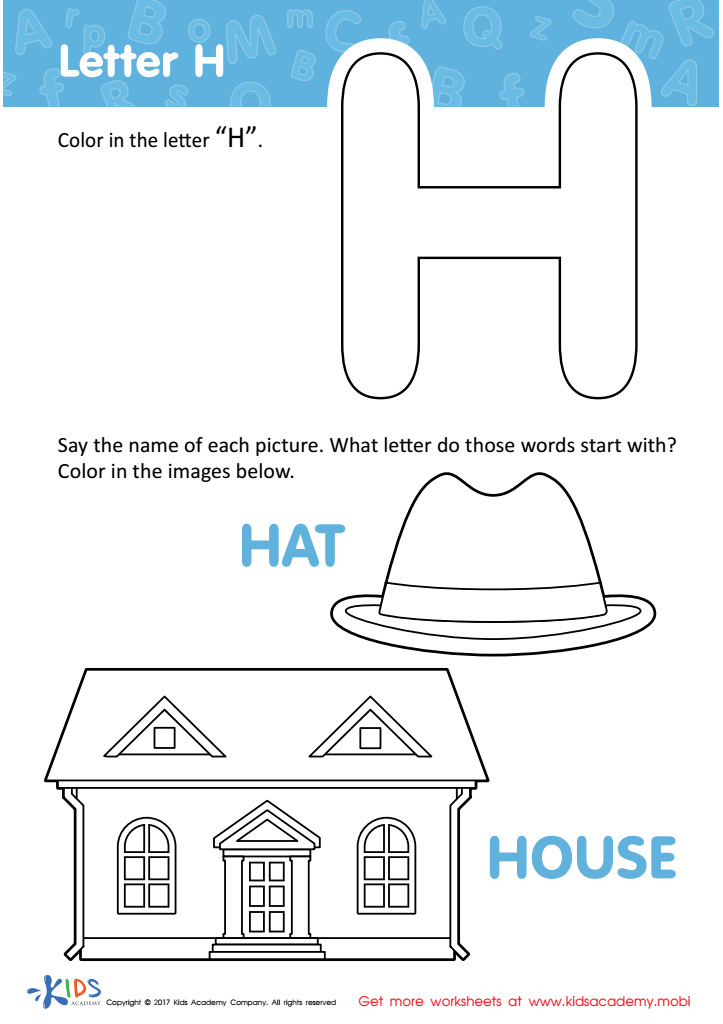
Letter H Coloring Sheet
Assign to My Students
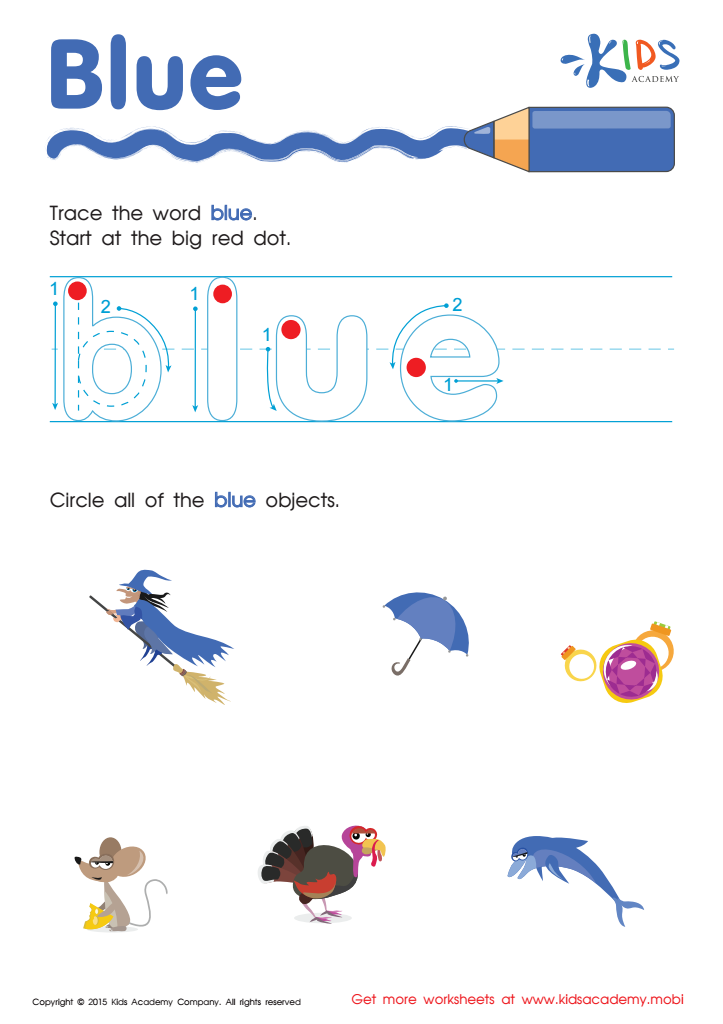
Blue Tracing Color Words Printable
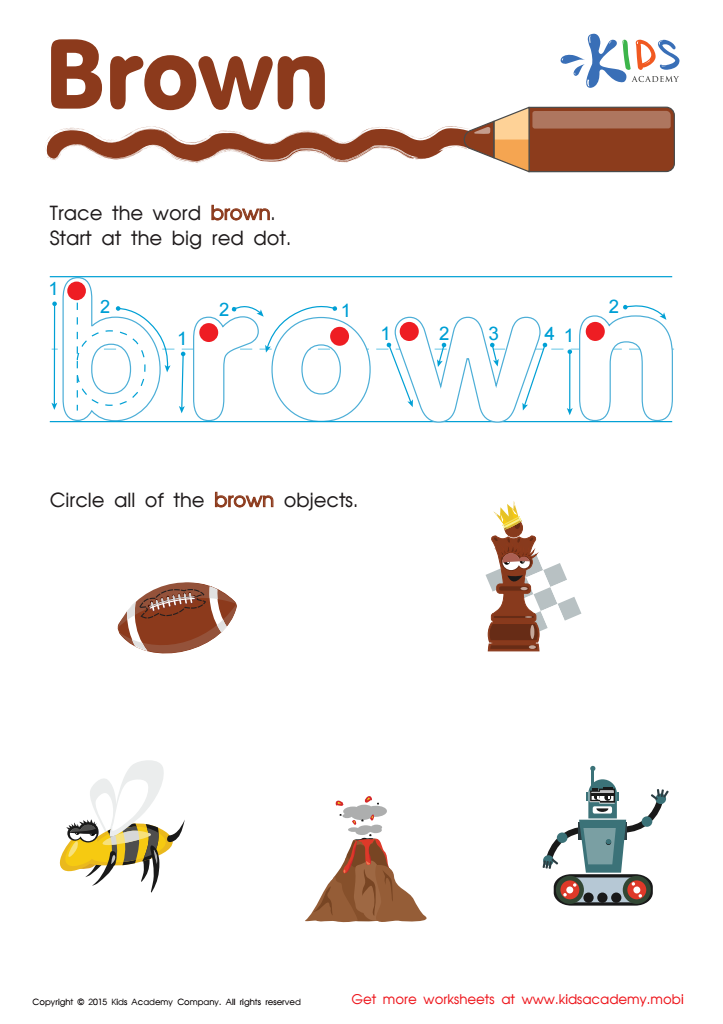
Brown Tracing Color Words Worksheet
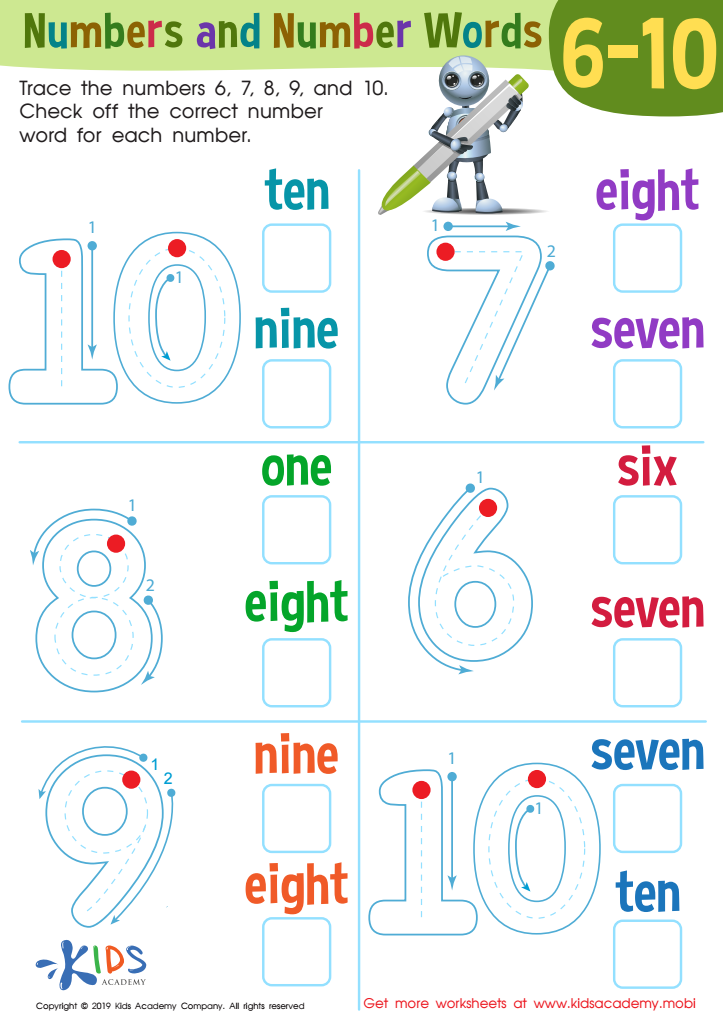
Numbers and Number Words 6–1 Worksheet
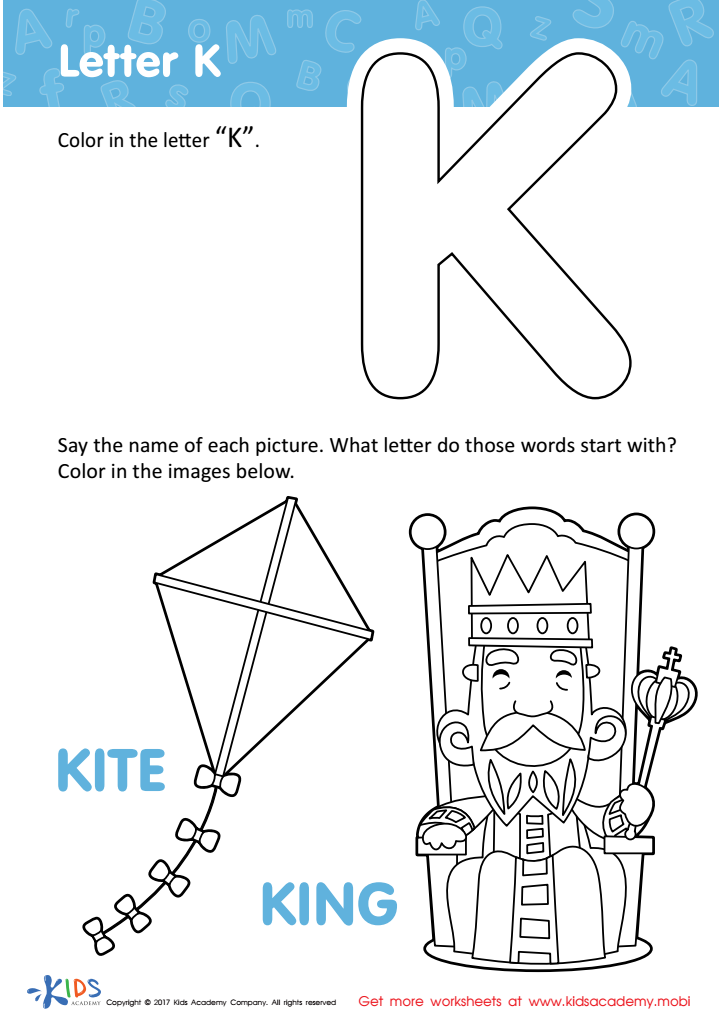
Letter K Coloring Sheet
Assign to My Students





Handwriting practice for children aged 3-9 is crucial because it lays the foundation for essential skills that significantly impact their academic and personal development. Firstly, handwriting helps improve fine motor skills. When children learn to hold a pencil and write letters, they develop the muscle control and dexterity needed for other everyday tasks, such as tying shoes or using scissors.
Secondly, handwriting practice enhances cognitive development. It helps children learn to recognize letters and shapes, which is fundamental to reading and spelling. Writing by hand also stimulates brain activity, encouraging focus and memory retention, which are vital for learning.
In addition, good handwriting fosters self-esteem and confidence. When children see their progress and learn to write clearly, they feel accomplished. This positive reinforcement can make them more enthusiastic about other subjects and school in general.
Socially, handwriting is a form of communication. Being able to write legibly means that children can share their thoughts and ideas clearly with others, leading to better interpersonal interactions.
Lastly, despite the rise of digital devices, handwritten notes and assignments are still a big part of education. Thus, developing strong handwriting skills ensures that children are well-prepared for the demands of school.
In summary, caring about handwriting practice for young children is important because it promotes motor skills, cognitive development, self-esteem, communication, and preparedness for future learning.