Addition Practice Normal Worksheets for Ages 3-9 - Page 2
39 filtered results
-
From - To
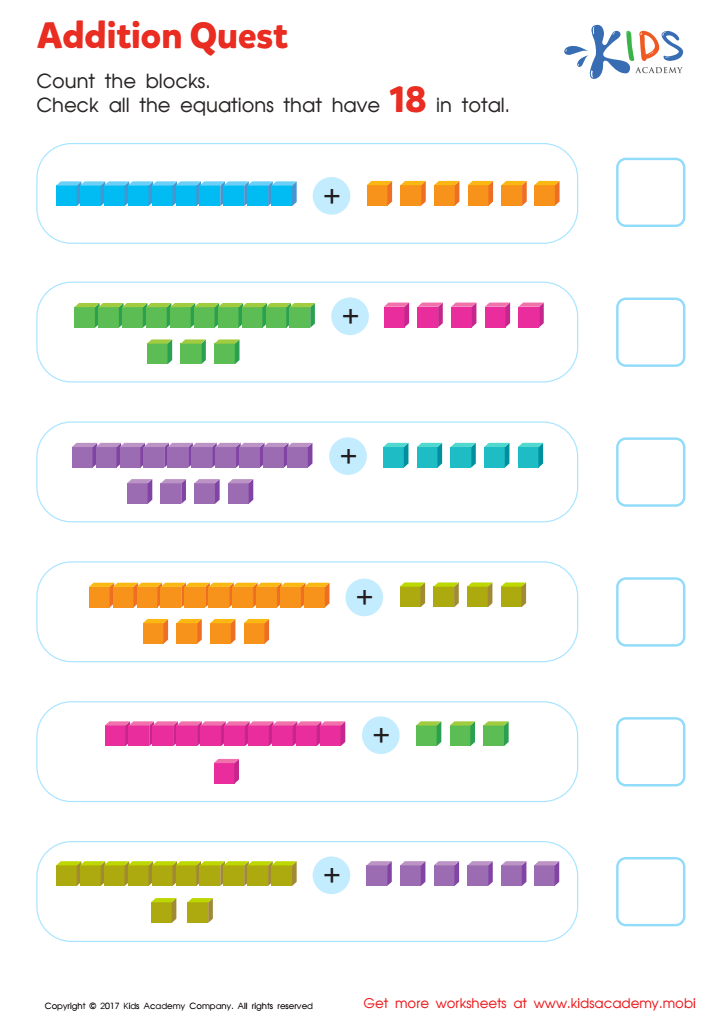
Addition Quest Worksheet: Part 2
 Assign to My Students
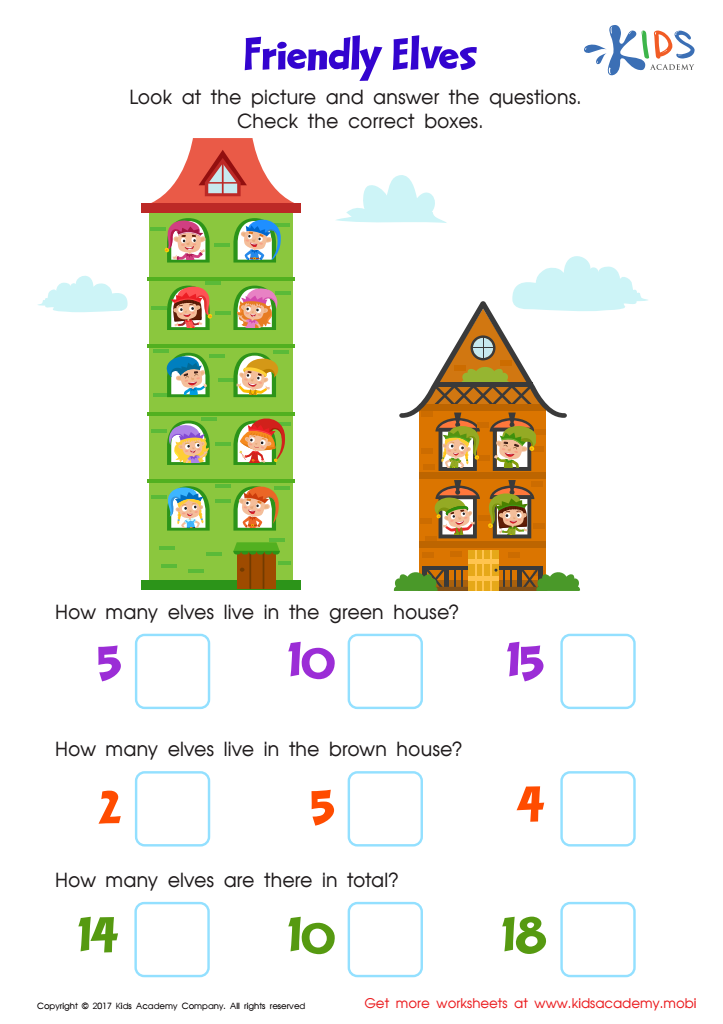
Place Value: Friendly Elves Worksheet
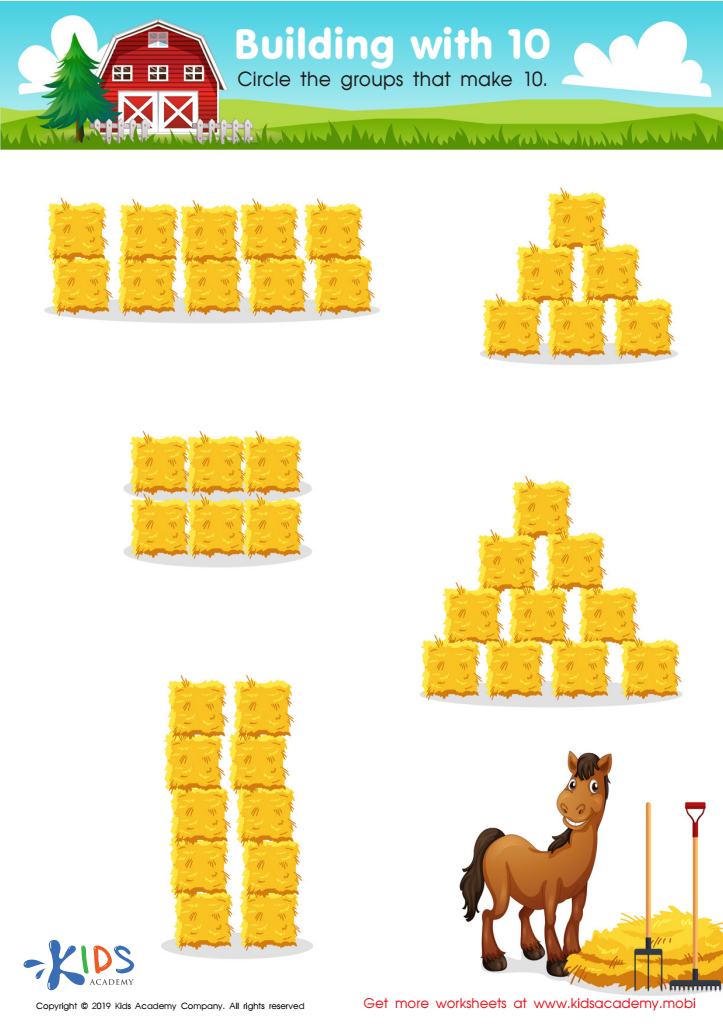
Building with 10 Worksheet
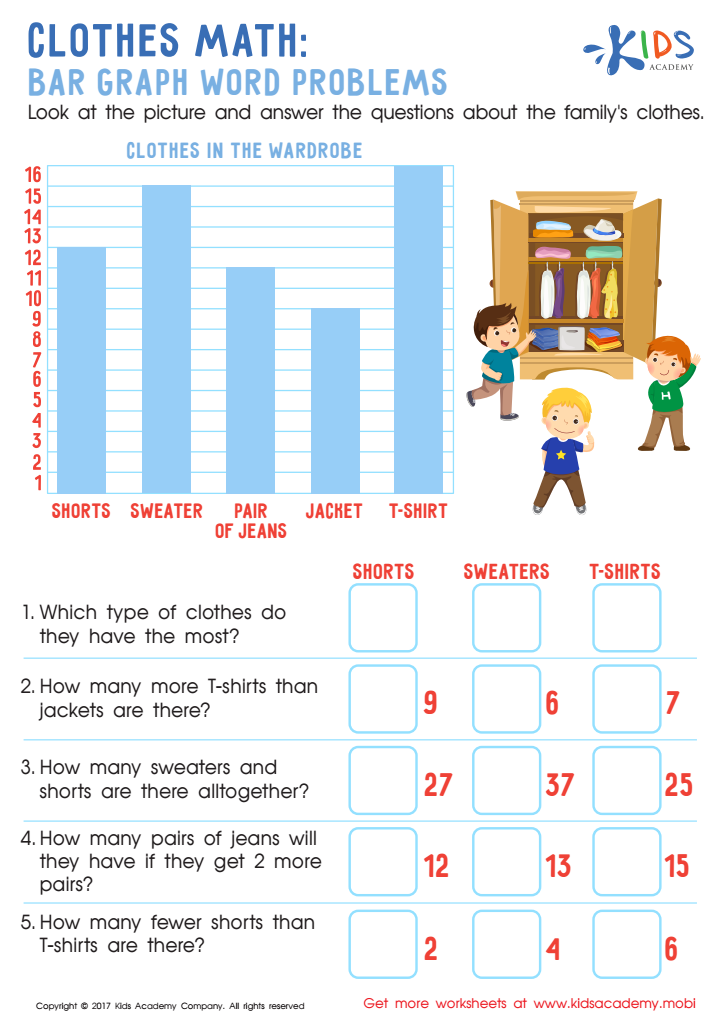
Clothes Math: Bar Graph Word Problems Worksheet
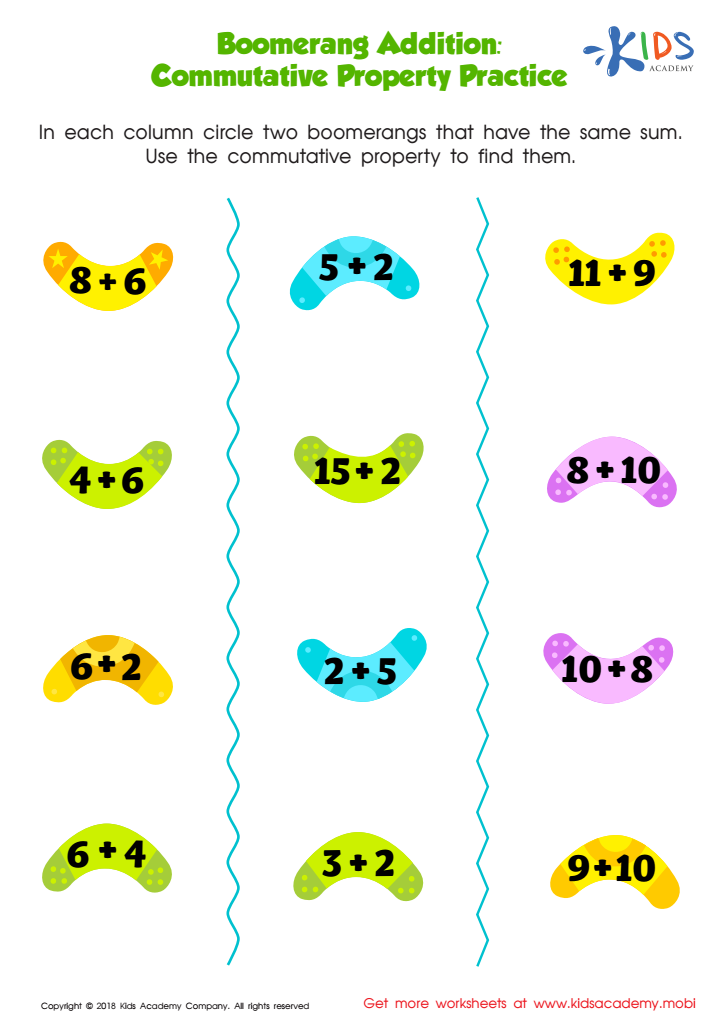
Boomerang Addition Worksheet
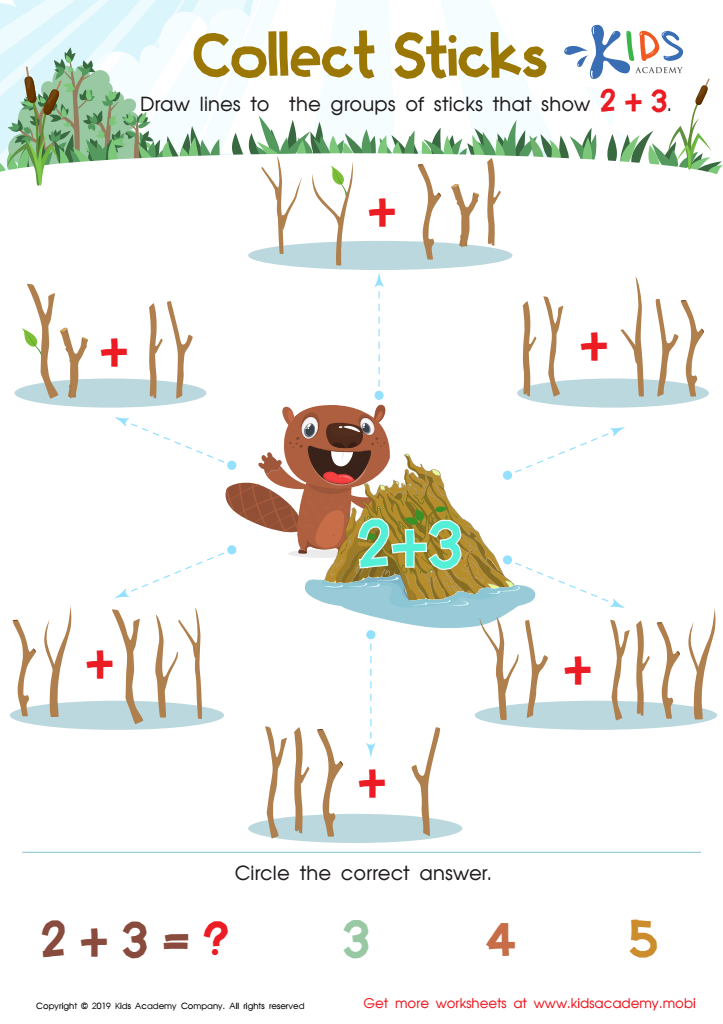
Collect Sticks Worksheet
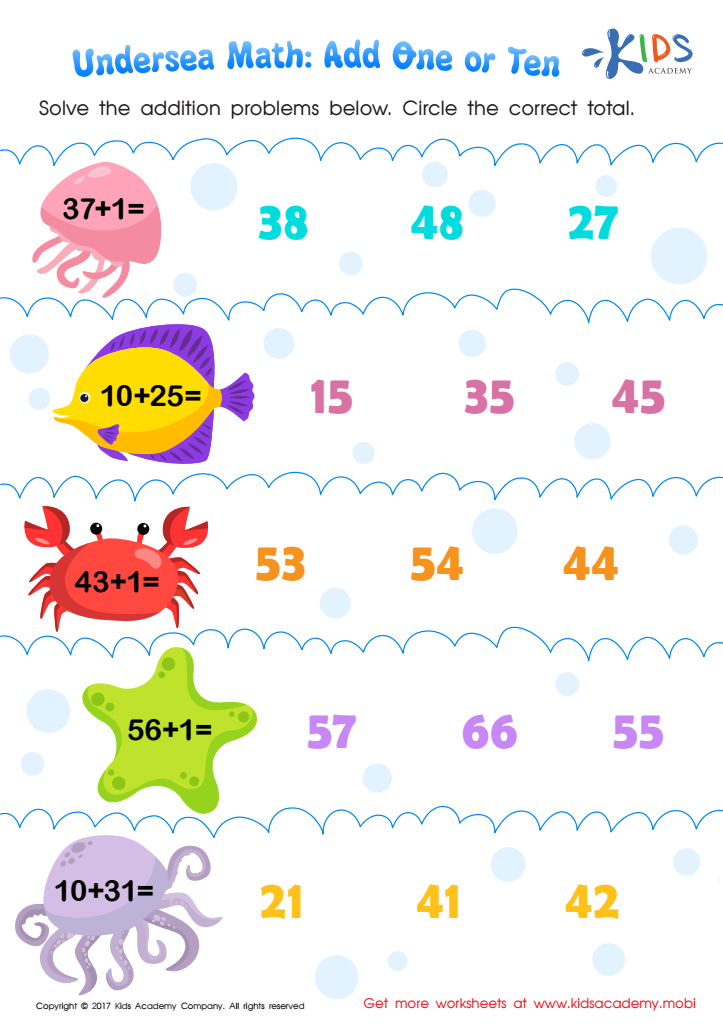
Undersea Math Worksheet
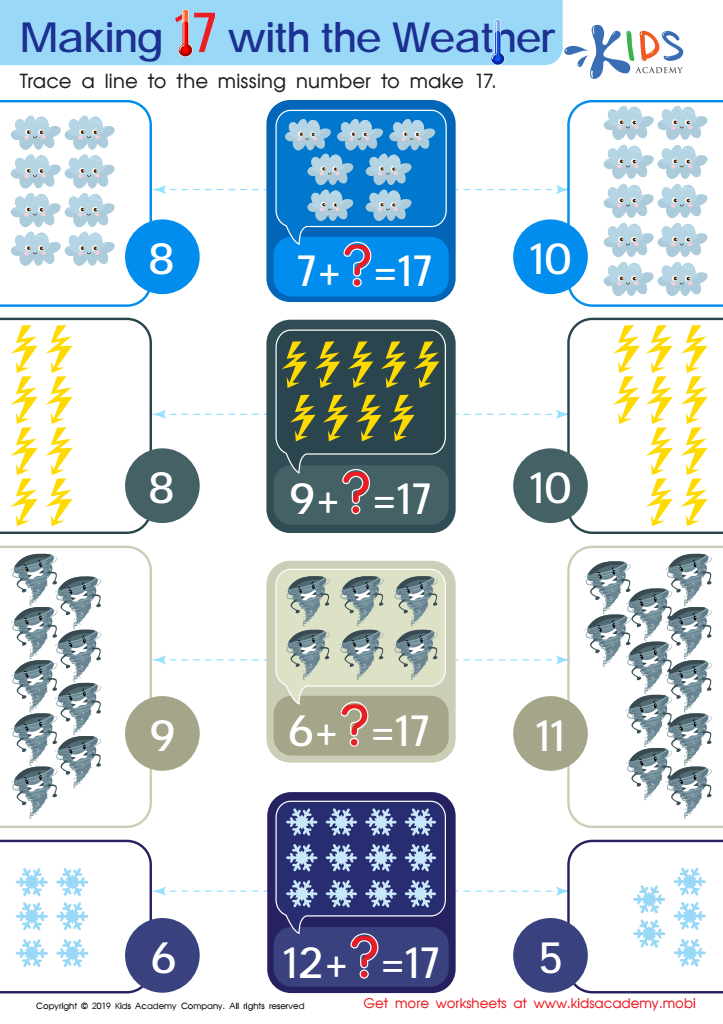
Making 17 with the Weather Worksheet
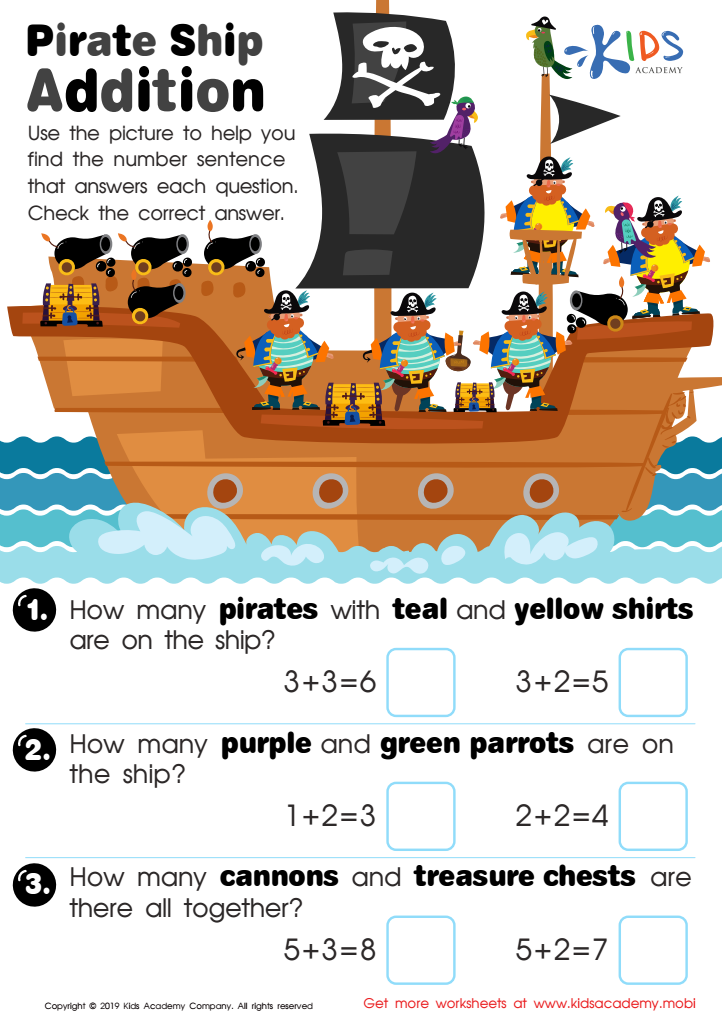
Pirate Ship Addition Worksheet
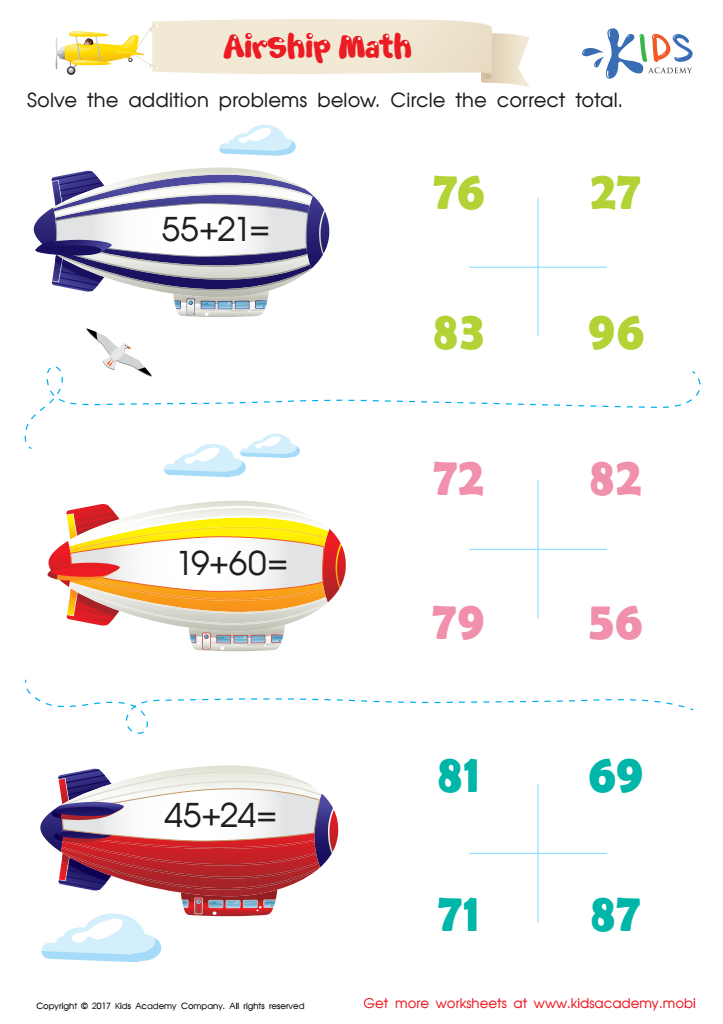
Airship Math Addition Printable
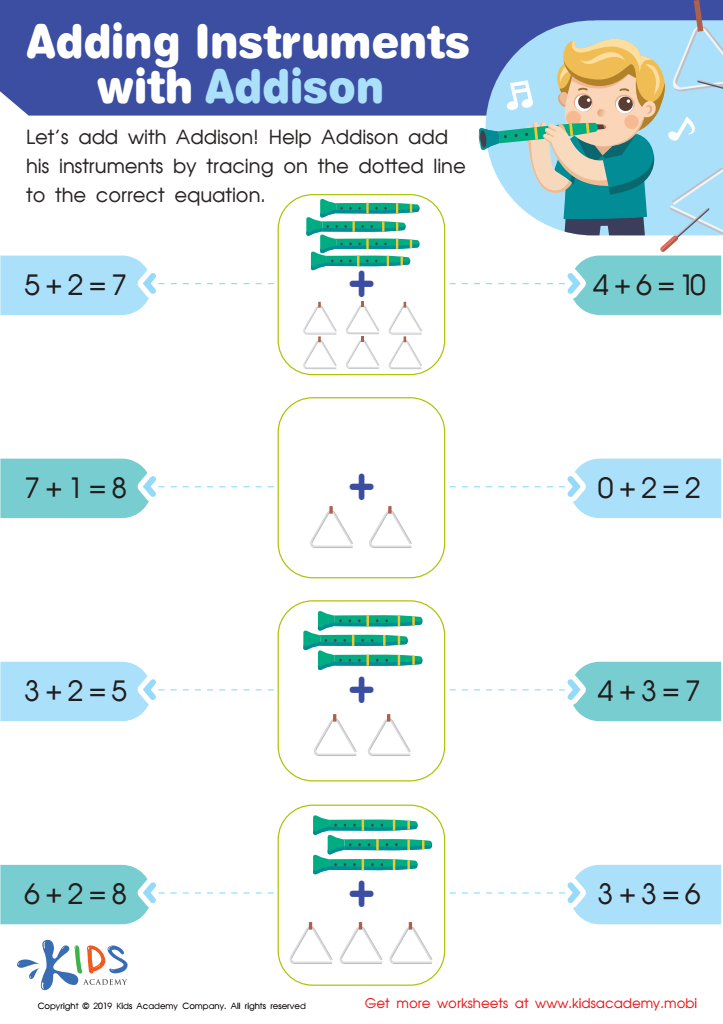
Adding Instruments with Addison Worksheet
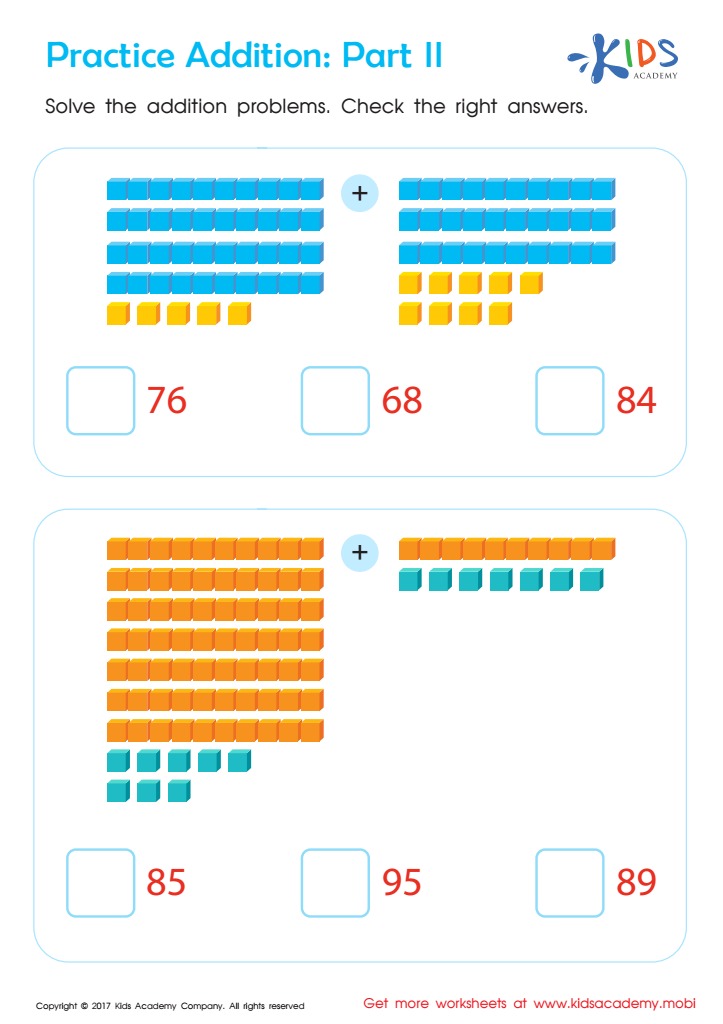
Practice Addition: Part 2 Worksheet
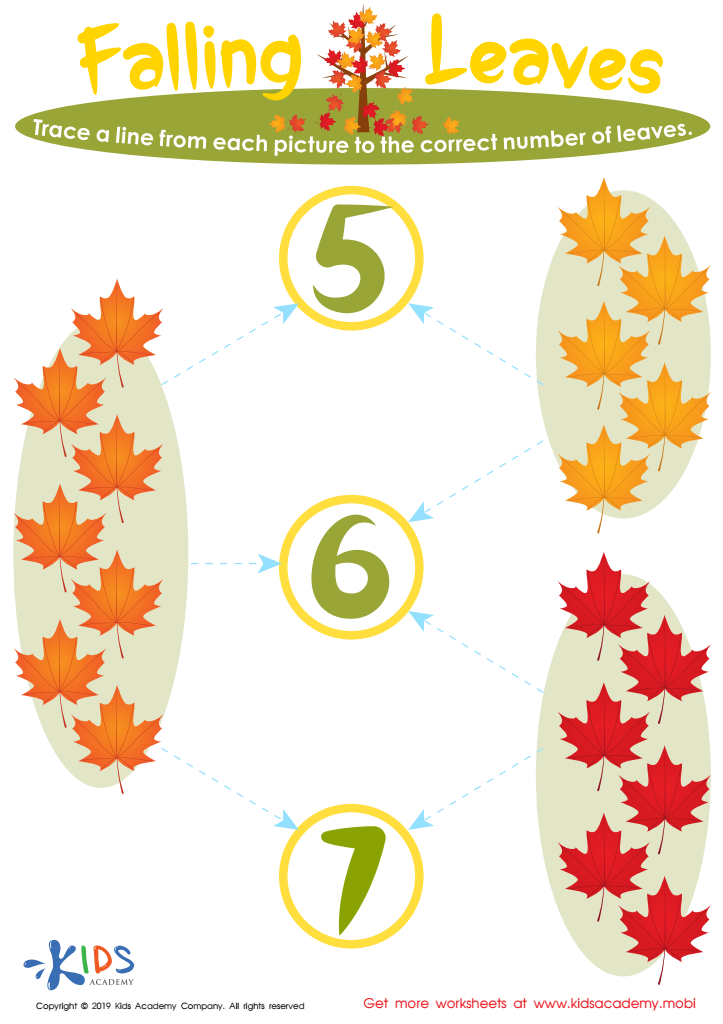
Falling Leaves Worksheet
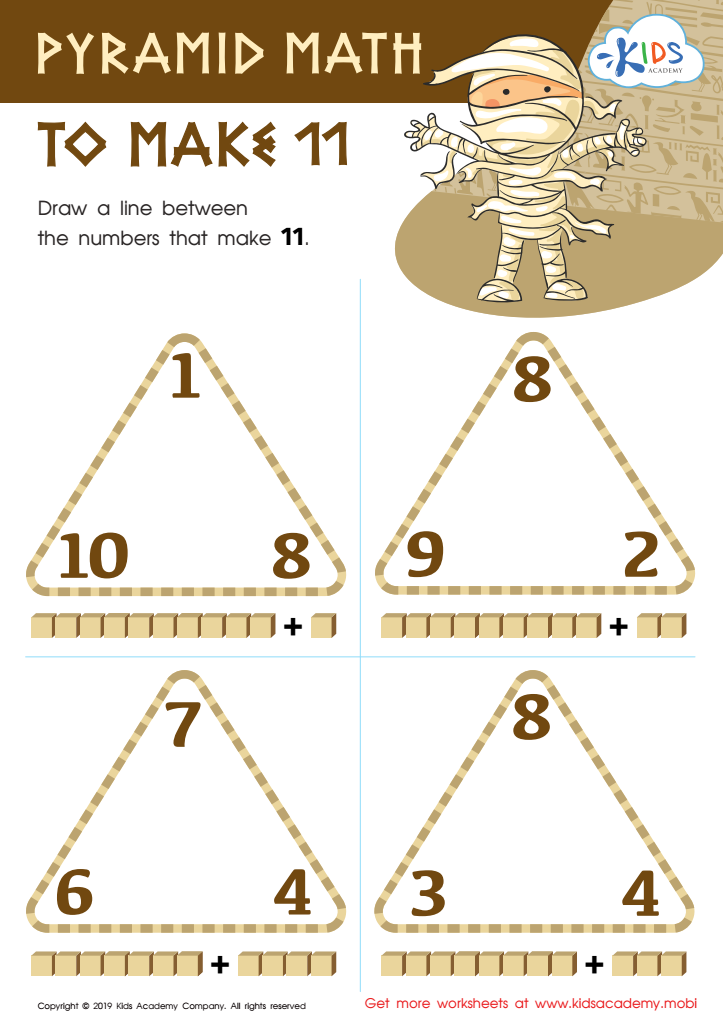
Pyramid Math to Make 11 Worksheet
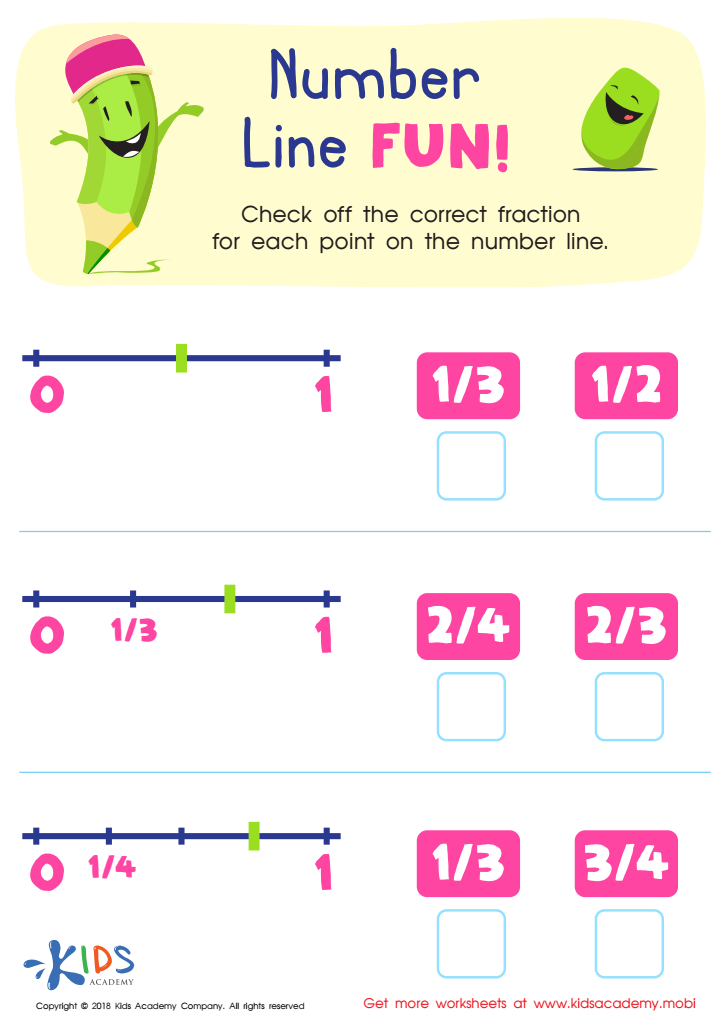
Number Line Fun Worksheet







Parents and teachers should care about addition practice for children ages 3-9 because it lays the foundation for future math skills and overall academic success. At this age, children's brains are highly adaptable and capable of developing essential cognitive skills. Introducing addition early helps them understand basic mathematical concepts and fosters logical thinking, problem-solving, and the ability to follow multi-step processes.
Moreover, consistent practice with addition enhances number sense and promotes confidence in math. It transforms abstract numbers into concrete ideas, making it easier for children to grasp more complex concepts later on, such as subtraction, multiplication, and division. For many everyday tasks, from telling time to handling money, addition is a fundamental skill. In the classroom, solid math skills contribute to a positive learning experience, which can boost a child's enthusiasm and motivation for education in general.
Lastly, practicing addition helps improve other cognitive skills, such as memory, attention span, and pattern recognition, which are valuable across all subjects. By fostering a strong mathematical foundation during this crucial developmental period, parents and teachers can equip children with the tools they need for future academic and life success.








