Decision making process Normal Worksheets for Ages 3-9
3 filtered results
-
From - To
Enhance your child's critical thinking and independence with decision-making process worksheets, specially designed for ages 3-9. Our engaging and age-appropriate activities help young learners develop essential skills with fun scenarios and relatable situations. Boost their confidence in making choices with illustrated prompts and structured exercises that cater to each developmental stage. Perfect for classrooms or at-home learning, these worksheets foster thoughtful analysis and problem-solving abilities. Empower the next generation with tools to navigate daily decisions effectively. Visit Kids Academy to explore our full range of expertly crafted resources that make learning decision-making enjoyable and impactful.
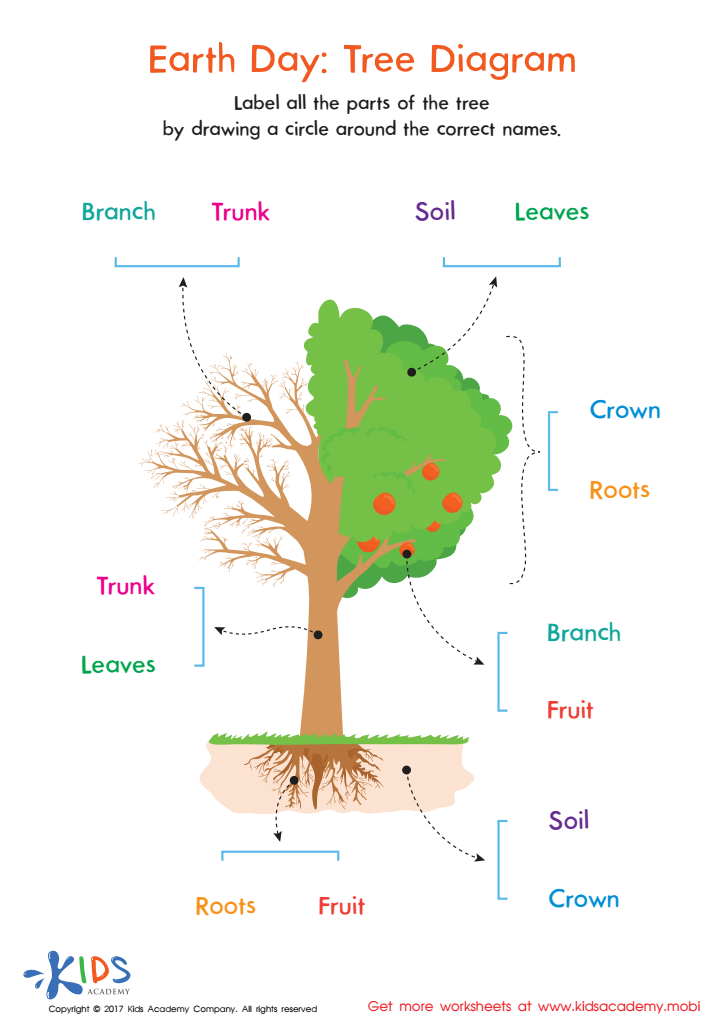
Earth Day: Tree Diagram Worksheet
 Assign to My Students
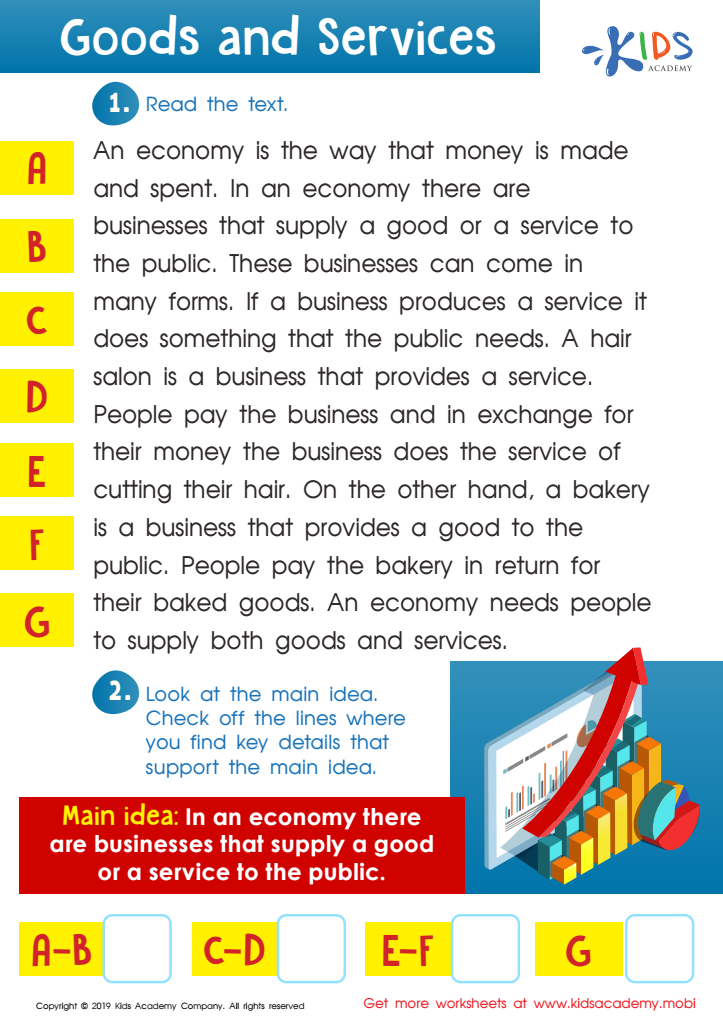
Goods and Services Worksheet
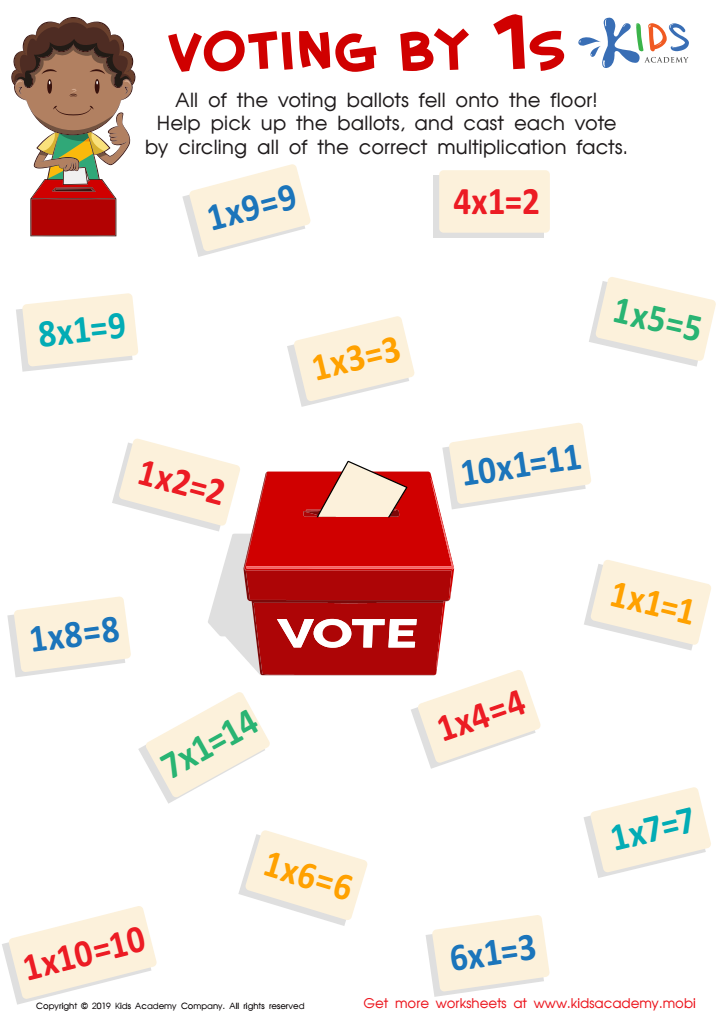
Voting by 1s Worksheet







The ability for children aged 3-9 to engage in decision-making is crucial for their overall development. First, decision-making helps foster independence. By allowing children to make choices regularly, they learn to rely on their judgment and become confident in their abilities. This is a foundational skill for later life, imparting a sense of responsibility and self-sufficiency.
Moreover, decision-making at this young age enhances cognitive development. When children assess different options, they are engaging critical thinking and problem-solving skills. This mental practice lays the groundwork for more complex thinking tasks as they grow older.
Social development is another important aspect. Decision-making often involves others—for example, choosing games to play or negotiating bedtime activities. These interactions help kids learn about compromise and empathy, crucial for effective interpersonal relationships.
Additionally, the emotional development of children benefits from decision-making processes. Making choices can help them understand their preferences and interests, thereby shaping their sense of identity. The experience of facing consequences, both positive and negative, also helps them develop a nuanced understanding of outcomes, helping them learn resilience and adaptability.
Finally, children who are encouraged to make decisions from a young age generally have higher self-esteem. They learn to trust their instincts and develop a sense of competence that carries them confidently into adulthood. Therefore, parents and teachers should actively promote decision-making skills in children in this age group.








