Enhance your child's observational skills with our engaging worksheets designed for ages 3-9! These resources foster critical thinking and attention to detail, helping children identify patterns, compare objects, and recognize differences. Our printable worksheets combine fun illustrations and activities that encourage kids to closely observe their surroundings, improving not only their observational skills but also their overall cognitive development. Tailored to meet early learning standards, these worksheets are perfect for at-home learning or classroom use. Help your child explore the world around them through thoughtful observation with our easy-to-use and enjoyable worksheets—essential tools for young learners on their educational journey!

Check out this FREE "Enhancing observational skills" Trial Lesson for age 3-9!

How Light Behaves

Favorites
With answer key
Interactive
  • 3-9
  • Enhancing observational skills
  • Normal
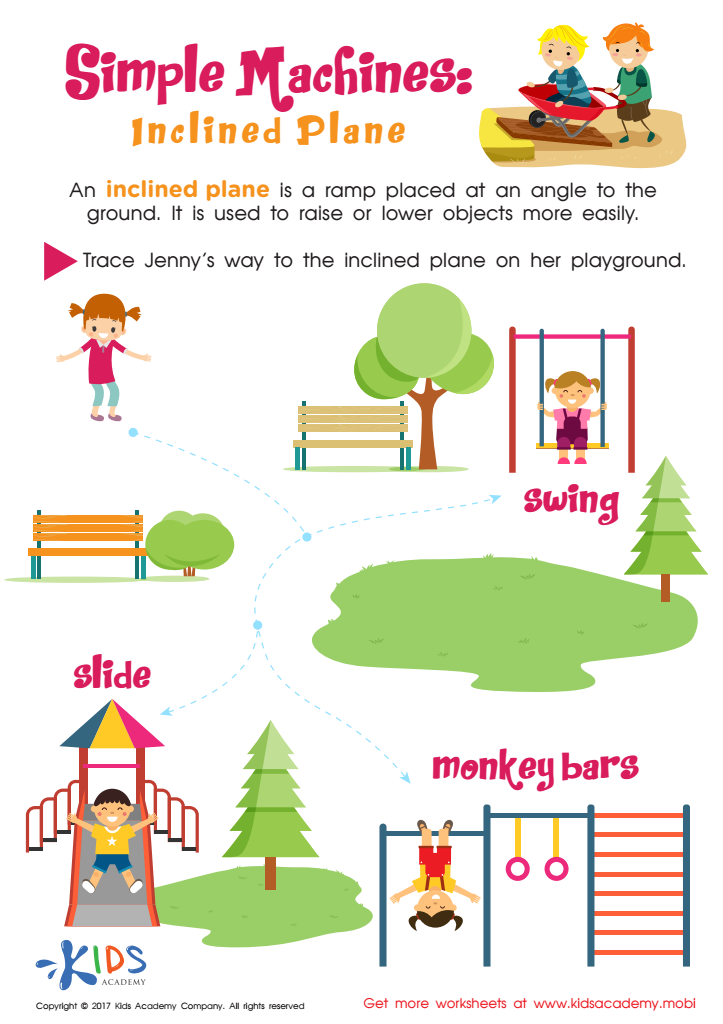
Simple machines inclined plane worksheet

Simple Machines Inclined Plane Worksheet

This fun worksheet will help them increase their science skills while they have fun.
Simple Machines Inclined Plane Worksheet
Worksheet
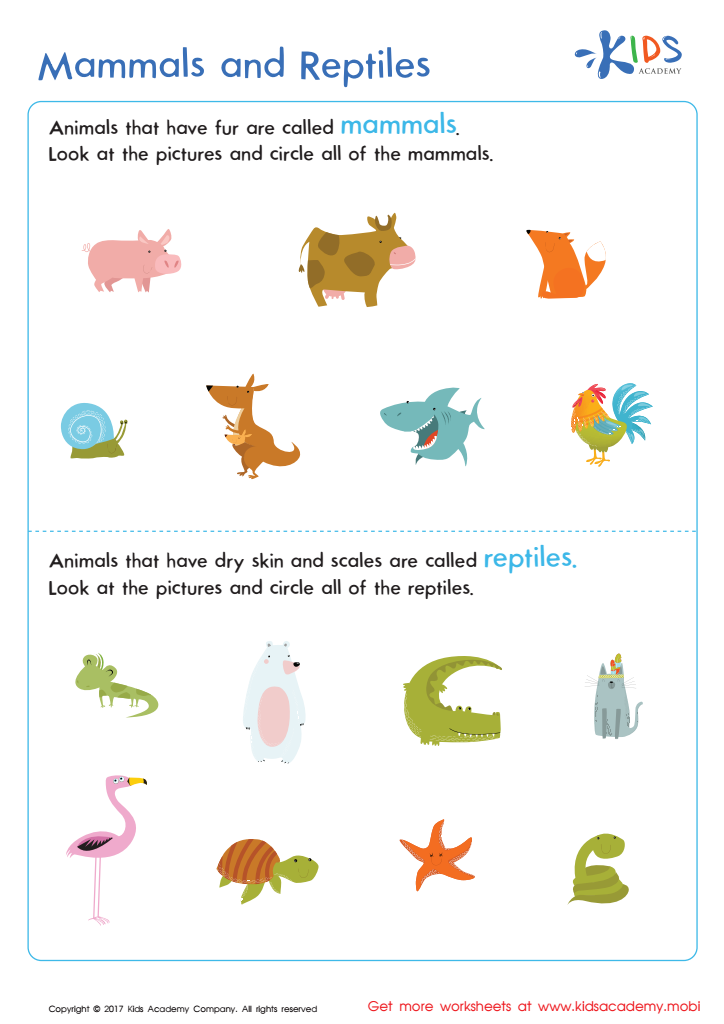
Mammals and Reptiles Worksheet

Mammals and Reptiles Worksheet

Challenge your child to identify mammals and reptiles with this worksheet. It's a great way to help them recognize the differences between these two types of animals.
Mammals and Reptiles Worksheet
Worksheet
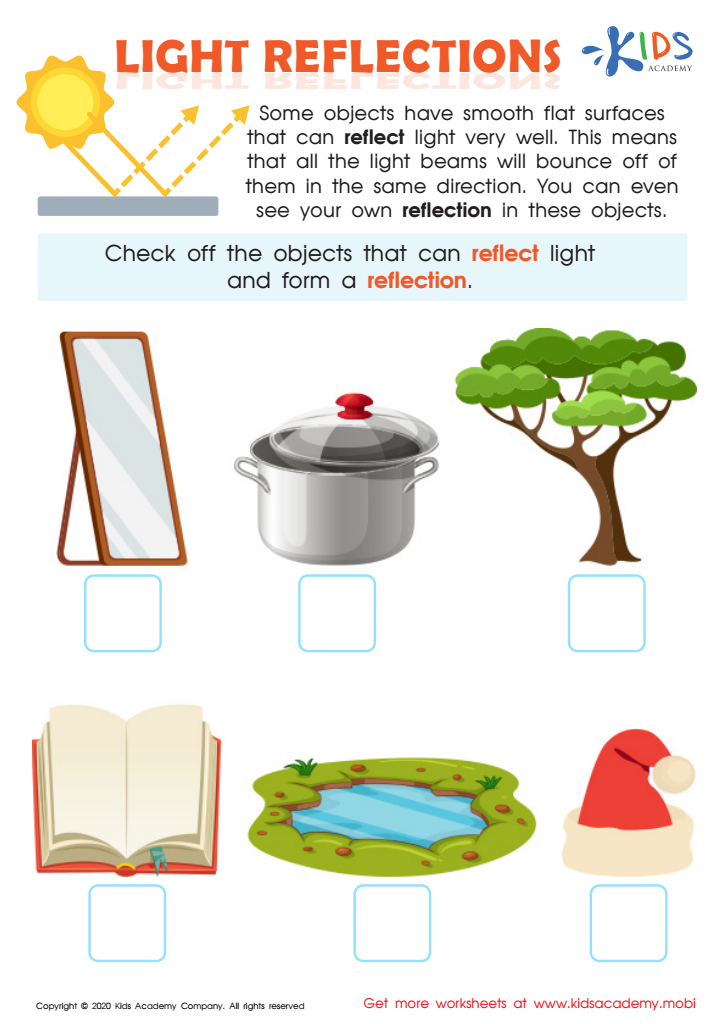
Light Reflections Worksheet

Light Reflections Worksheet

Teach your students that some objects reflect light and form a reflection. Ask them to name examples, then look at pictures and check off which objects can do this. Have them note how the light bounces off these surfaces, and observe their own reflections.
Light Reflections Worksheet
Worksheet
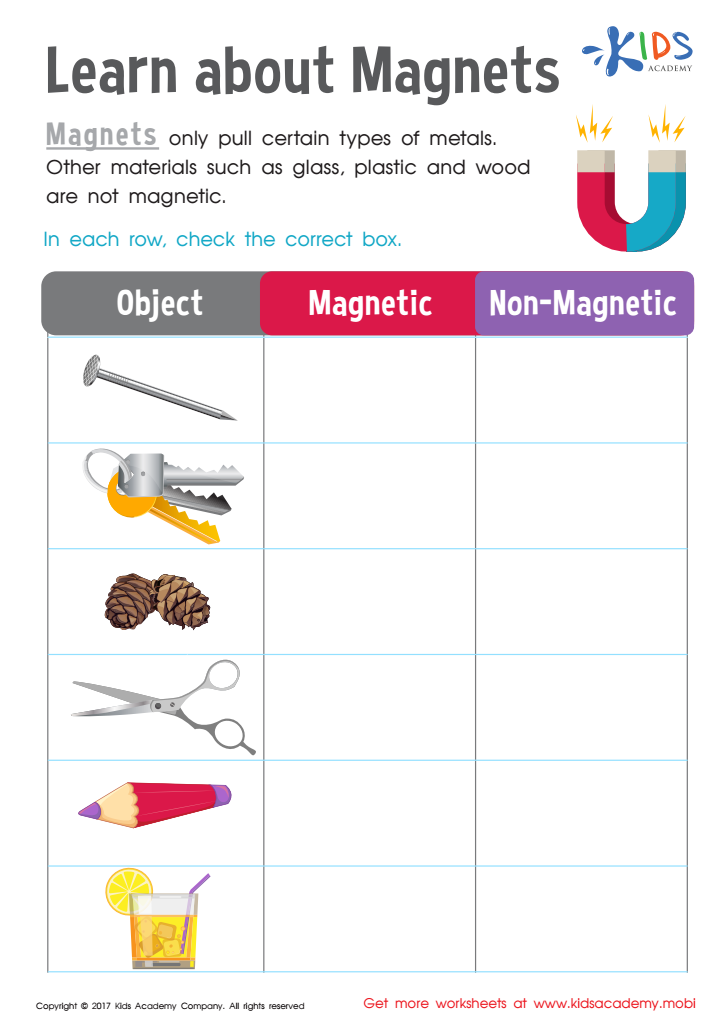
Magnetic or not worksheet

Magnetic Or Not Worksheet

Kids will love discovering the magical power of magnetism with this fun worksheet. Uncover the magic of magnetism with this fun worksheet! Kids will love identifying objects that are magnetic and those that are not. Objects made of metal and those that aren't can be identified, helping your child to gain valuable practice and explore the mysterious power of magnetism!
Magnetic Or Not Worksheet
Worksheet
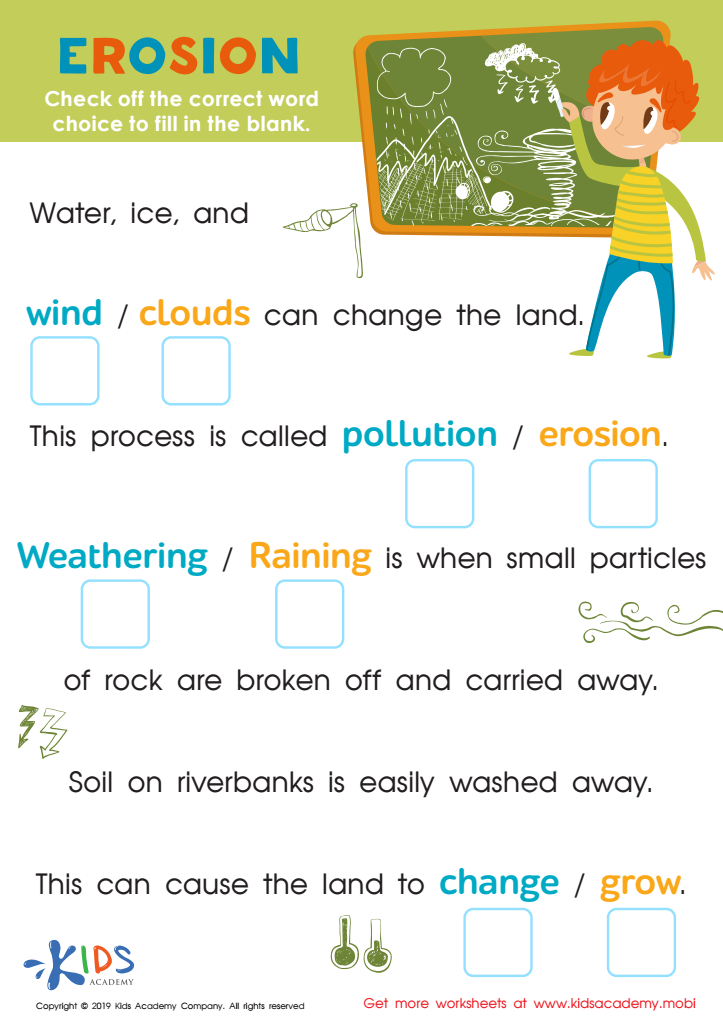
Erosion Worksheet
Erosion Worksheet

Erosion Worksheet

Erosion is when land is washed or crumbled away; it is caused by water, wind, or man. Teach kids its damaging impact, and how to prevent it. Check out this science worksheet to help them learn more. Read each sentence, then help them fill in the blanks with the correct words.
Erosion Worksheet
Worksheet
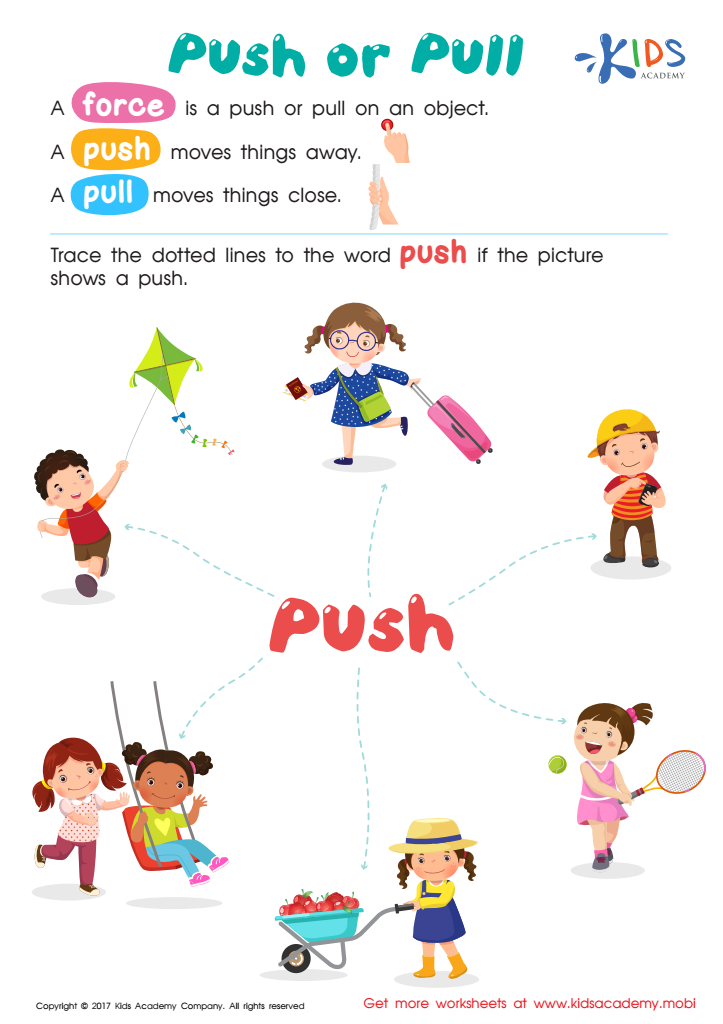
1st grade worksheet: Push or Pull

Push or Pull Worksheet

and which involve pulling! With this fun worksheet, your child will learn about force and its simple application in everyday activities. Get them started with Push or Pull! (80 words)
Push or Pull Worksheet
Worksheet
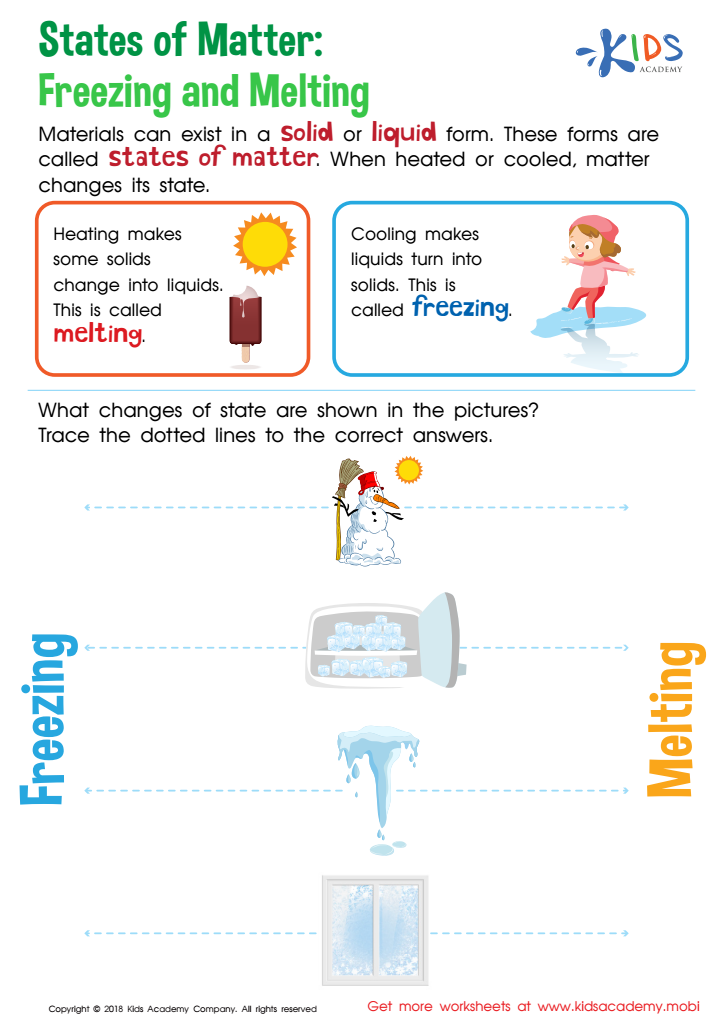
States of Matter: Freezing and Melting Worksheet

States of Matter: Freezing and Melting Worksheet

Have students look through the pics in the worksheet. Ask them what changes of state are shown, then trace the lines to the right answers. Matter can come in liquid or solid form, and changes between the two when heated or cooled (melting/freezing).
States of Matter: Freezing and Melting Worksheet
Worksheet
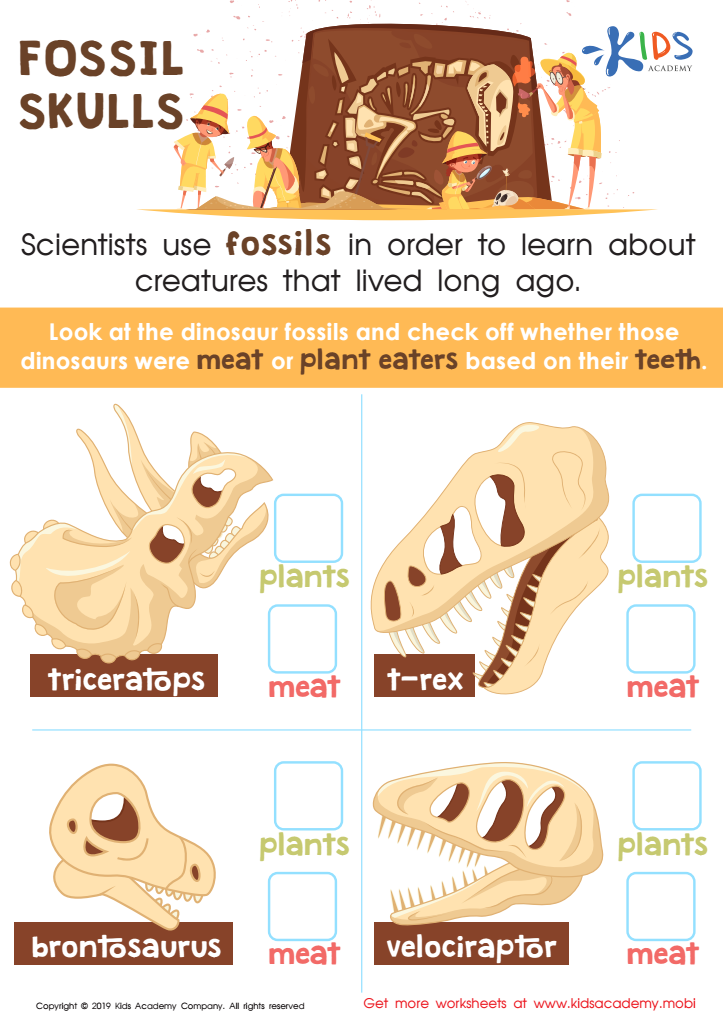
Fossil Skulls Worksheet


Fossil Skulls Worksheet

Your child is invited to join us on a fossil dig! With this free worksheet, they'll learn how paleontologists use fossils to discover what creatures ate long ago. Kids will examine dinosaur teeth to find out if the dinos were plant or meat eaters. It's a fun way to explore adaptation and how dinosaurs fed themselves.
Fossil Skulls Worksheet
Worksheet


Enhancing observational skills in children ages 3-9 is crucial for their overall development. These skills enable young learners to interpret their surroundings, recognize patterns, and make connections between their experiences. During these formative years, children are naturally curious and eager to explore, and fostering observational skills nourishes this curiosity.

Strong observational abilities enhance critical thinking and promote effective problem-solving, allowing children to assess situations accurately and make informed decisions. Such skills are foundational across various subjects, including science, art, and literacy, as they encourage imaginative play, creativity, and comprehension.

Furthermore, keen observance can aid in social development. As children learn to notice non-verbal cues and emotional expressions, they become more empathetic and better equipped to interact with peers and adults. This ability nurtures their social skills and improves communication, building strong relationships.

For teachers and parents, cultivating these skills can lead to a more engaging learning environment where children feel empowered to explore and express themselves. Ultimately, enhancing observational skills not only supports academic success but also fosters well-rounded individuals who can thrive in ever-changing contexts. Emphasizing these skills in education and at home is a valuable investment in a child’s future.