Fine Motor Skills Normal Worksheets for Ages 3-9 - Page 6
134 filtered results
-
From - To

Tower Coloring Page
 Assign to My Students

Letter F Coloring Sheet
Assign to My Students

Great Hornbill Worksheet
Assign to My Students

Circle Laser Cutting Worksheet

Astronomer Maze: Telescope Worksheet
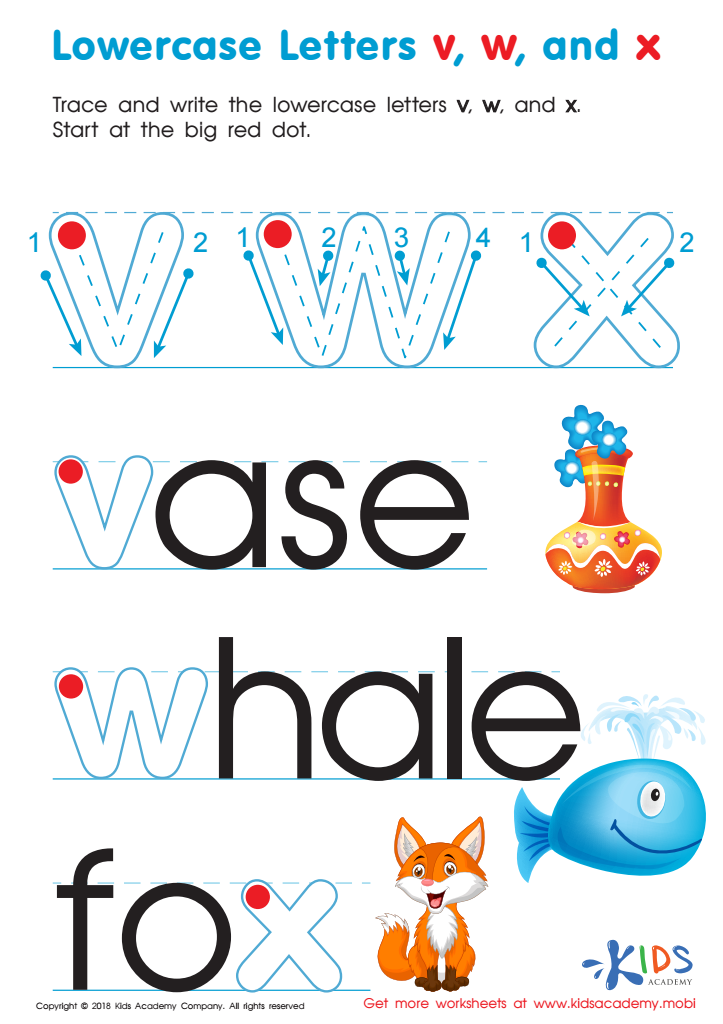
Lowercase Letters v w x Worksheet
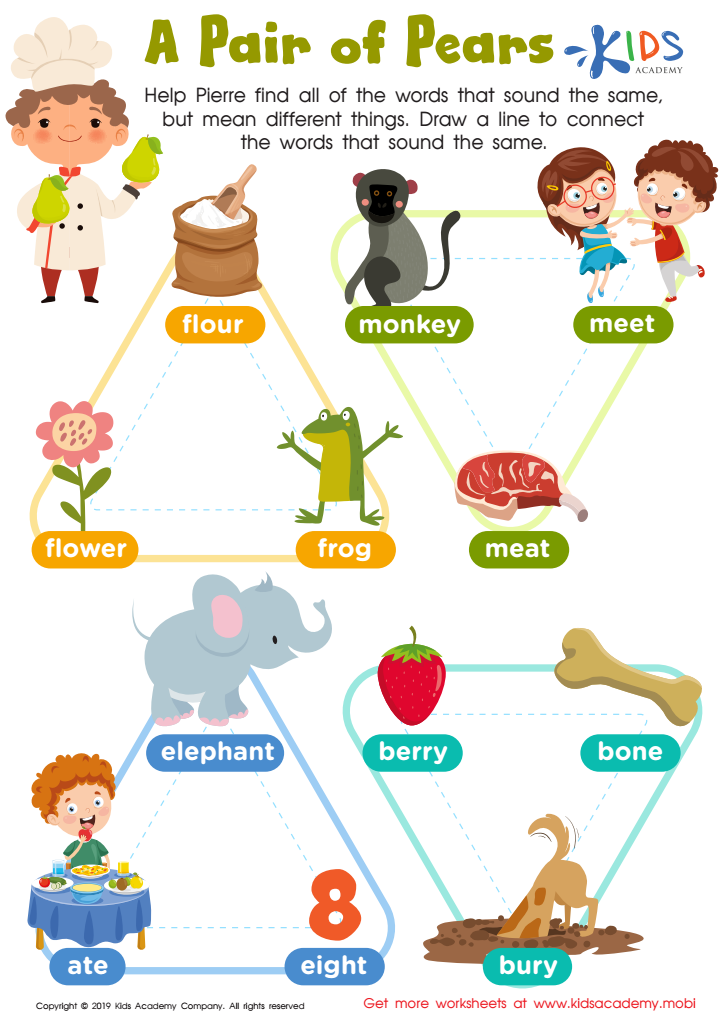
Pair Pears Worksheet

Letter N Coloring Sheet
Assign to My Students

Astronaut Coloring Page
Assign to My Students
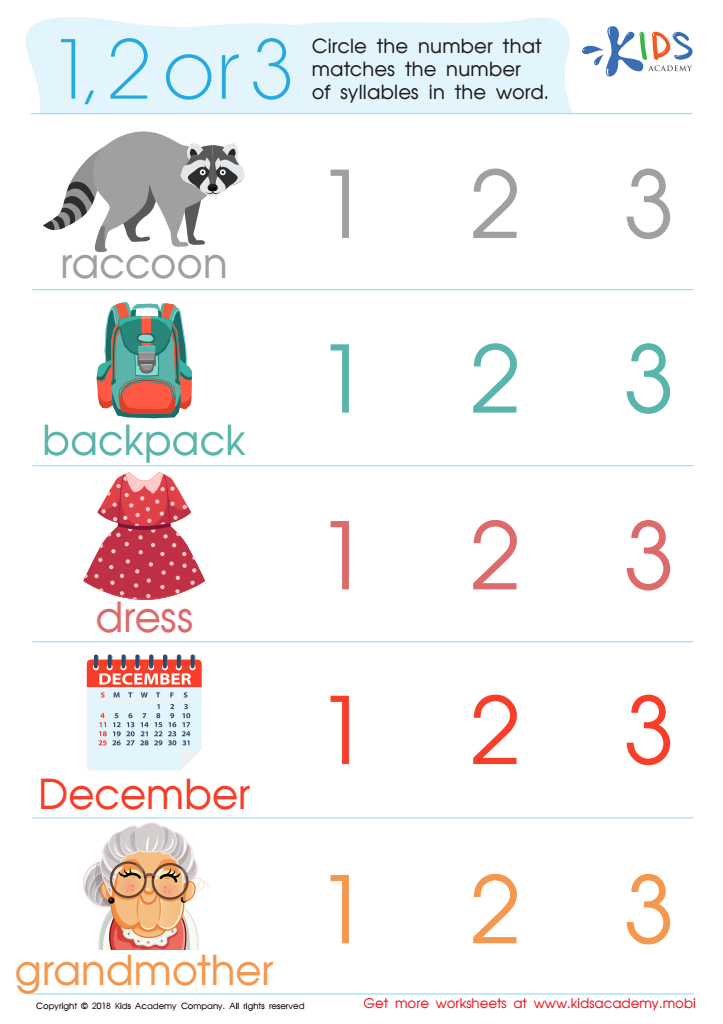
1, 2 or 3? Worksheet

Letter D Tracing Page

Octopus 8’s Worksheet

Uppercase Letters V, W, and X Worksheet
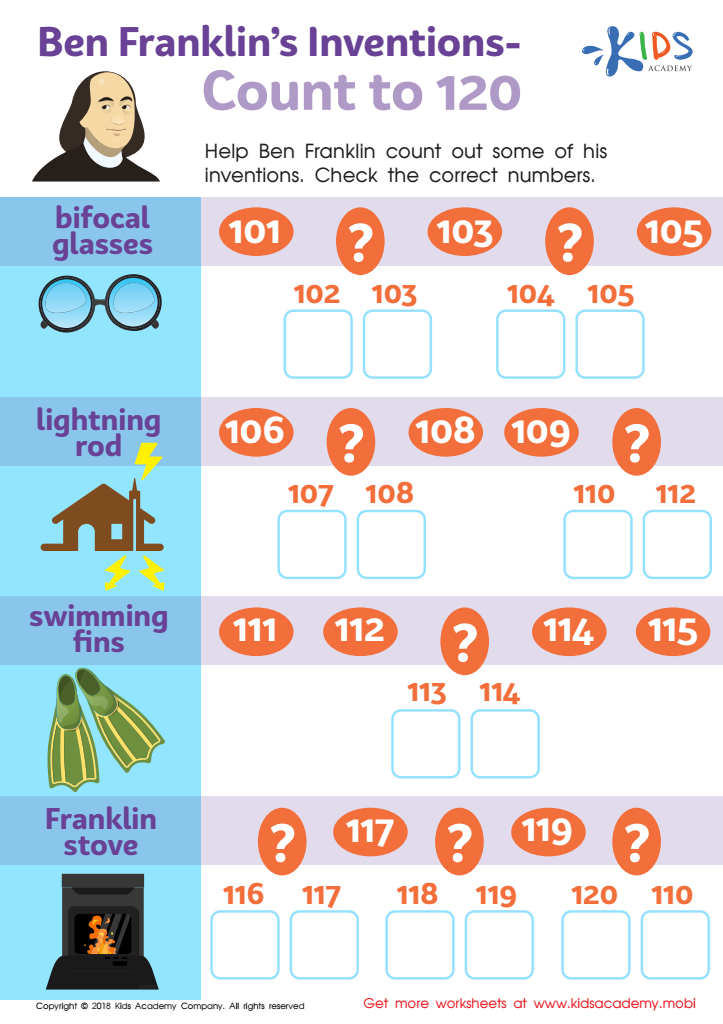
Ben Franklin’s Inventions – Count to 120 Worksheet








Fine motor skills are crucial for children's development, especially between ages 3-9, as they significantly impact daily tasks, academic success, and overall self-esteem. These skills involve the coordination of small muscles in the hands and fingers which are essential for activities like writing, cutting with scissors, buttoning clothes, and using utensils.
For parents and teachers, focusing on developing fine motor skills aids in a child's ability to perform effectively in academic settings. Fine motor skills are essential for handwriting, which is a foundational skill in education. Children with well-developed fine motor skills are more efficient writers and find it easier to keep up with written work, translating to academic success and a love for learning.
Moreover, fine motor skills foster independence and confidence in children. As they master activities of daily living like tying shoelaces or zipping jackets, they become more self-sufficient. Additionally, engaging in fine motor activities such as drawing and crafting can also bolster creativity and cognitive problem-solving abilities.
Lastly, early detection of fine motor skill difficulties allows for timely intervention. Parents and teachers observing potential issues can collaborate with occupational therapists to provide necessary support, ensuring the child stays on track. Therefore, investing in the development of fine motor skills during these formative years contributes significantly to the child's holistic growth and future success.








