Grammar skills improvement Normal Worksheets for Ages 3-9
6 filtered results
-
From - To
Enhance your child's grammar skills with our comprehensive collection of Normal Worksheets designed for ages 3-9. At Kids Academy, we prioritize foundational language development through engaging, age-appropriate activities. Our expertly crafted worksheets cover essential grammar aspects, including punctuation, sentence structure, and parts of speech. Each task supports cognitive growth and literacy, ensuring young learners grasp the core elements of grammar while having fun. Perfect for educators and parents alike, these worksheets provide an effective resource for children to practice and advance their grammar abilities, fostering confident communication and academic success. Download now and watch your child’s language skills flourish!
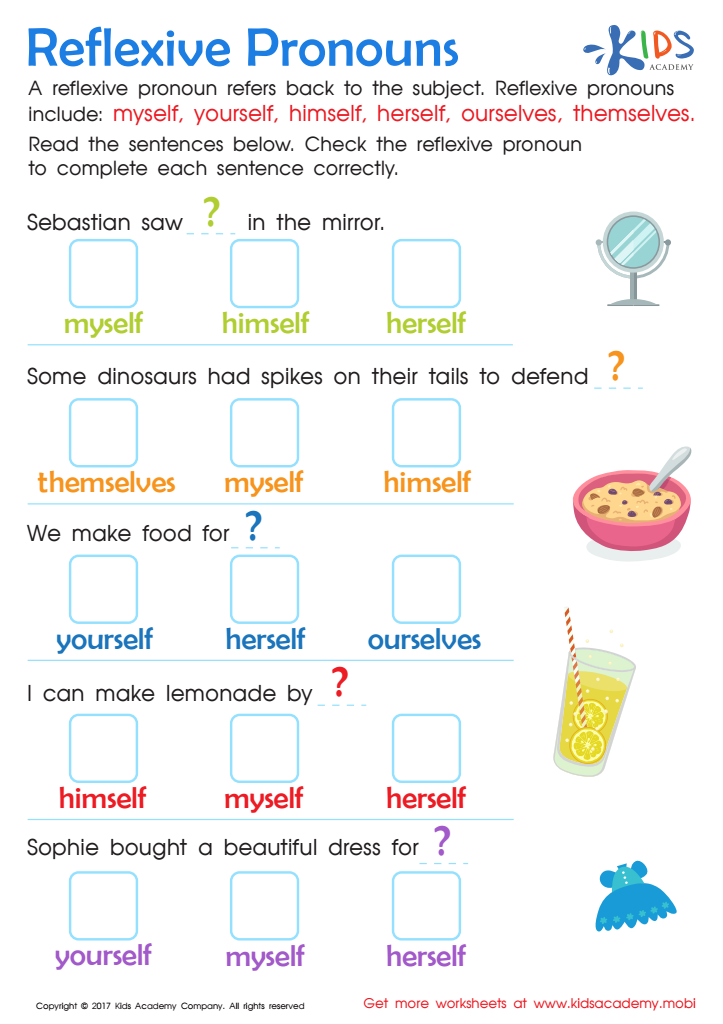
Reflexive Pronouns Worksheet
 Assign to My Students
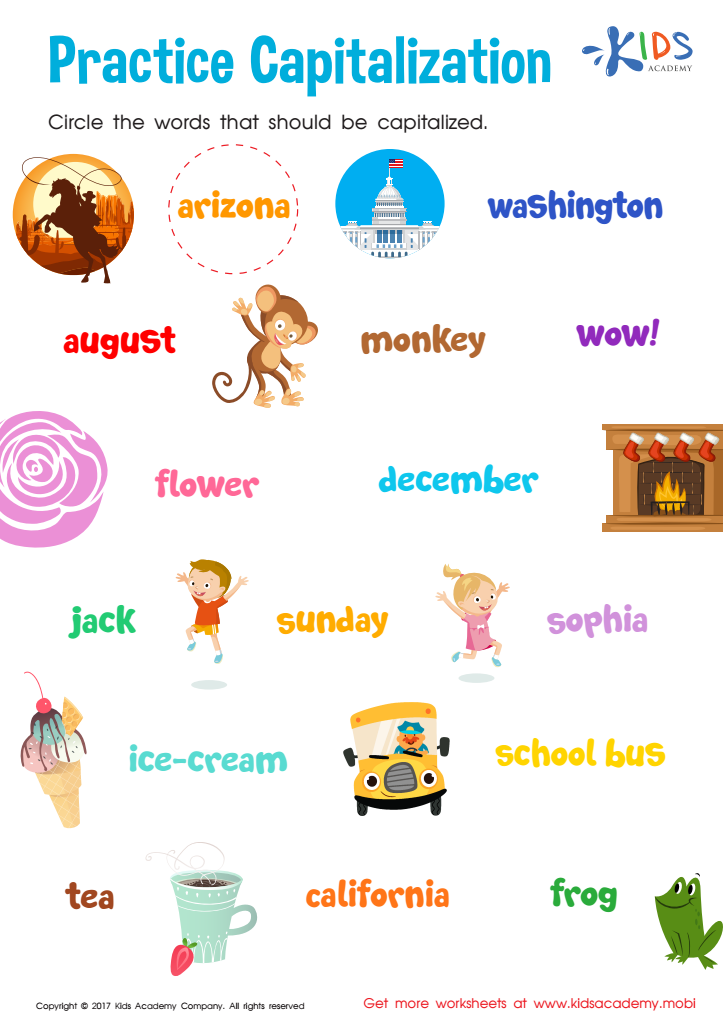
Practice Capitalization Printable
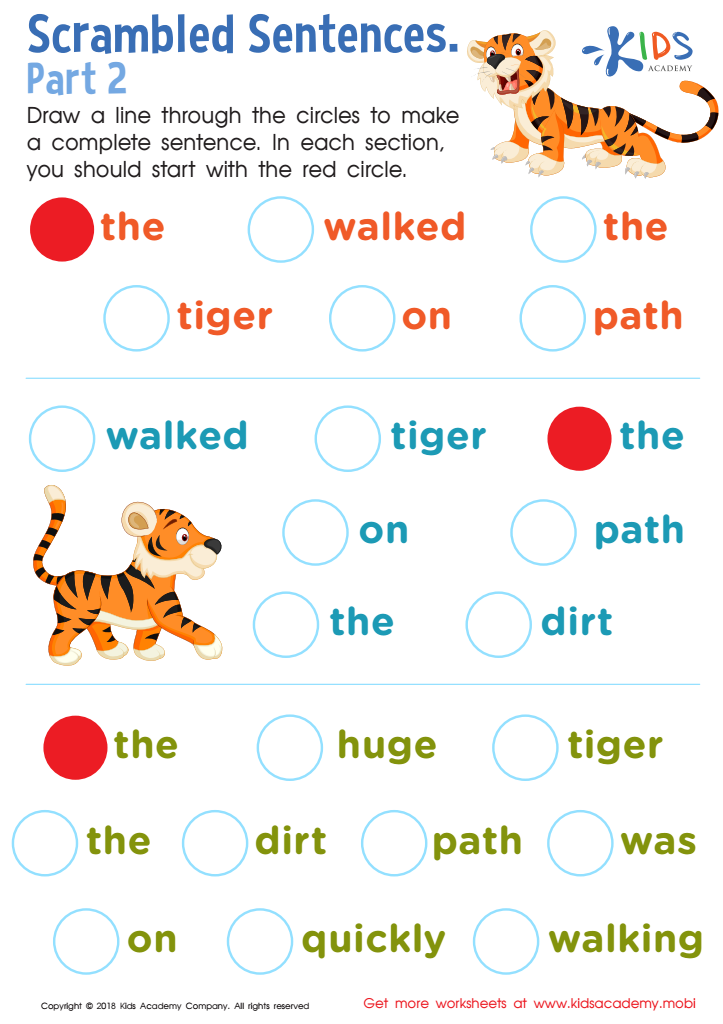
Scrambled Sentences Part 2 Worksheet
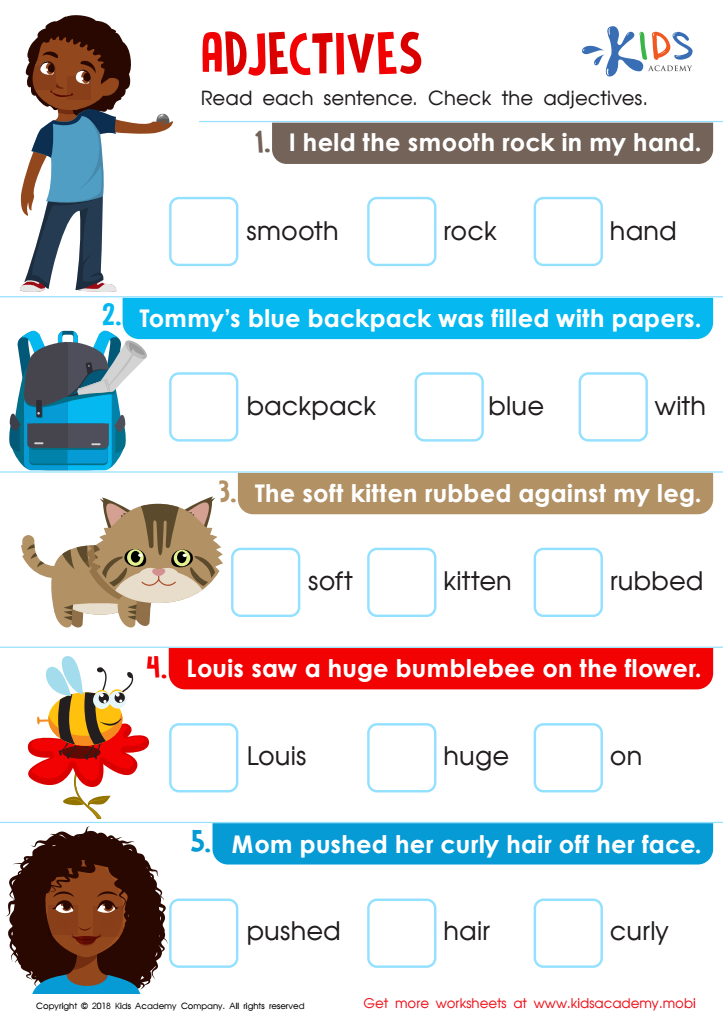
Adjectives Worksheet
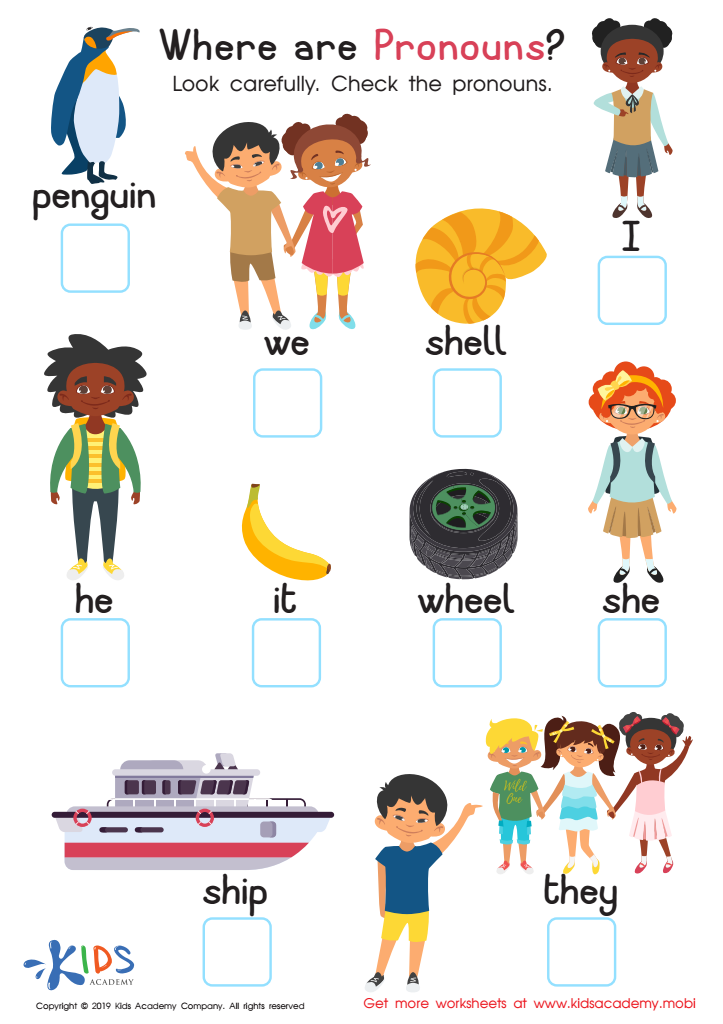
Where Are Pronouns? Worksheet
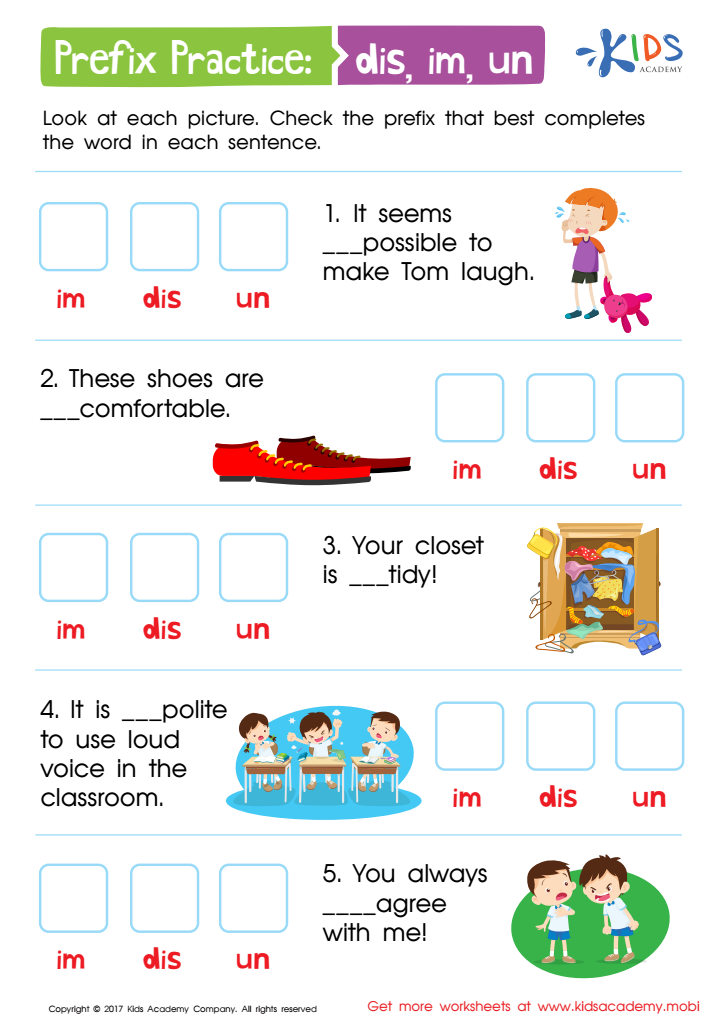
Prefix Practice Worksheet: DIS, IM, UM





.jpg)


Grammar skills are foundational for effective communication, comprehension, and academic success, making their development crucial for children aged 3-9. During these formative years, children's brains are highly receptive to language acquisition, and their experiences can significantly impact abilities later in life.
Firstly, strong grammar skills enable children to express their ideas clearly and understand what others are saying. This clarity in communication helps in building social relationships, an essential aspect of a young child’s life.
Secondly, grammar forms the backbone of reading and writing competencies. By learning basic sentence structures and parts of speech, children can better grasp the meaning of texts, making reading a more enjoyable and engaging activity. Writing skills improve as well, allowing children to convey their thoughts effectively and creatively.
Moreover, grammar proficiency contributes to academic achievement. Many school subjects require strong reading and writing skills, and foundational grammar knowledge enhances a child’s ability to follow instructions, understand content, and perform well in assignments and tests.
Finally, fostering good grammar early sets a precedence for lifelong learning and communication skills. Parents and teachers play critical roles in this developmental phase. By nurturing grammar abilities through playful learning and structured lessons, they are providing children with tools for personal and academic growth, building a solid foundation for future success.








