Handwriting practice Normal Worksheets for Ages 3-9 - Page 3
63 filtered results
-
From - To
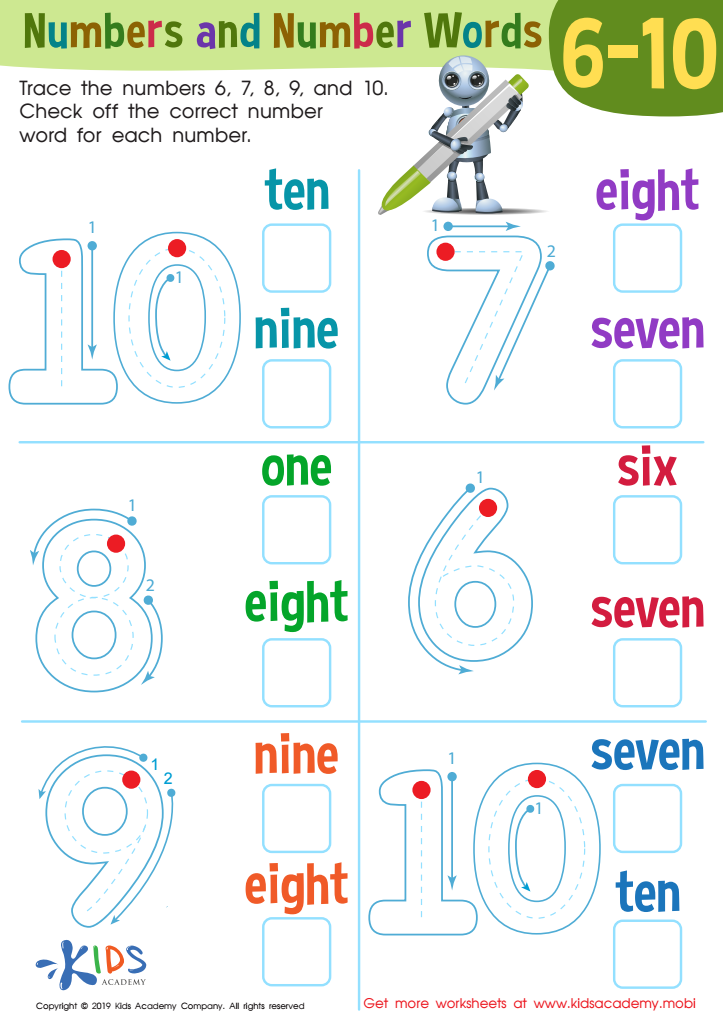
Numbers and Number Words 6–1 Worksheet
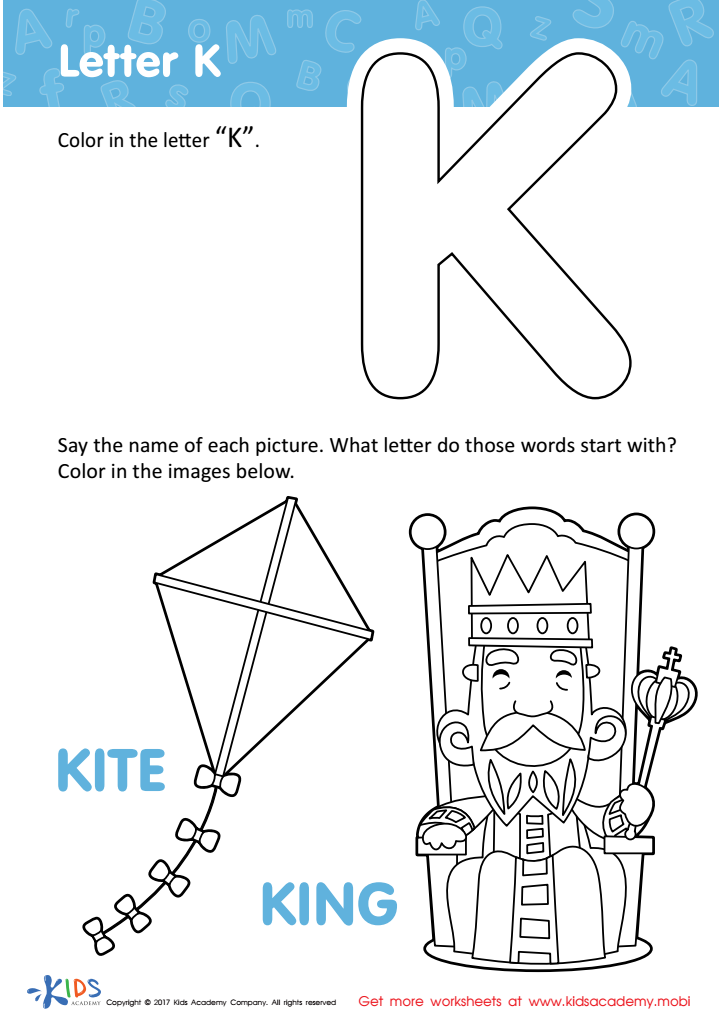
Letter K Coloring Sheet
 Assign to My Students
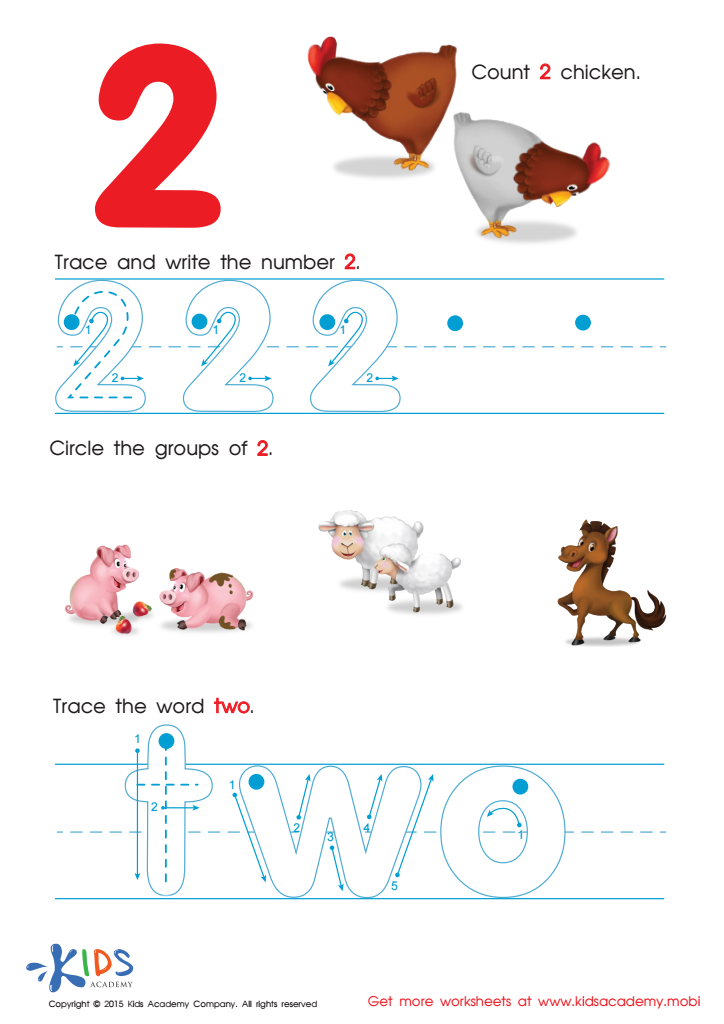
Learn to Write the Number 2 Worksheet
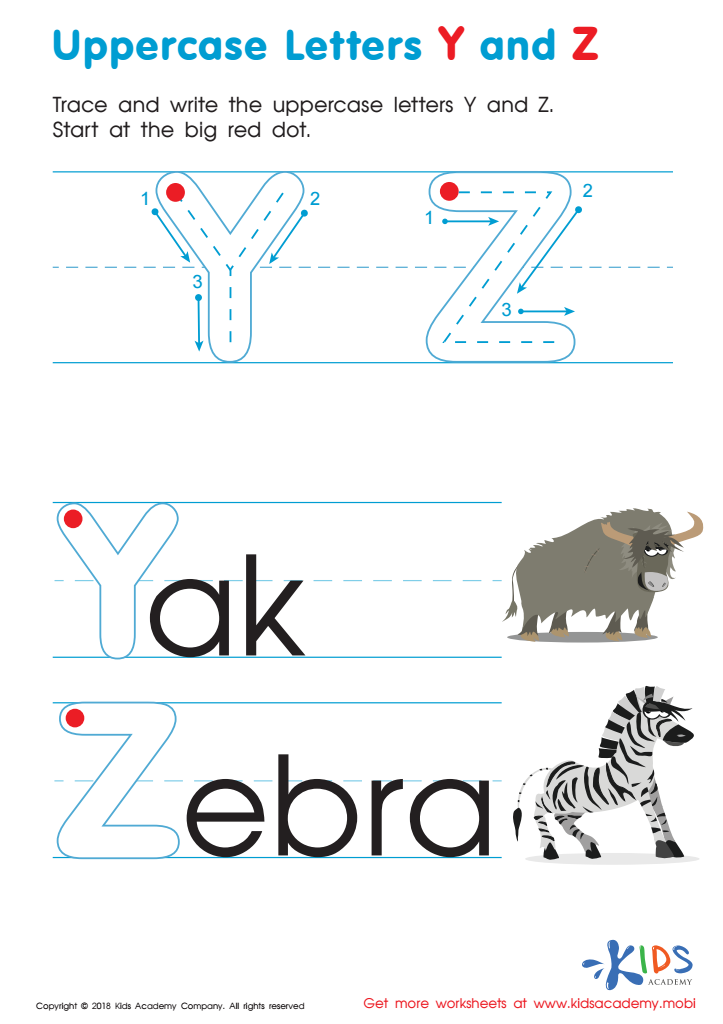
Uppercase Letters Y Z Worksheet
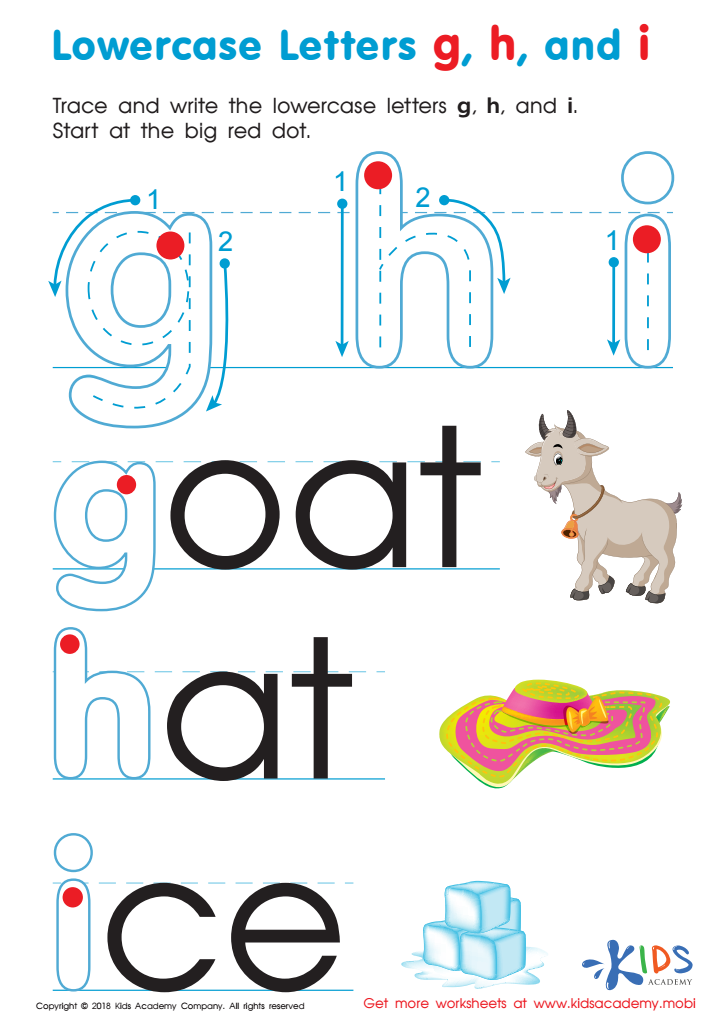
Lowercase Letters g h i Worksheet
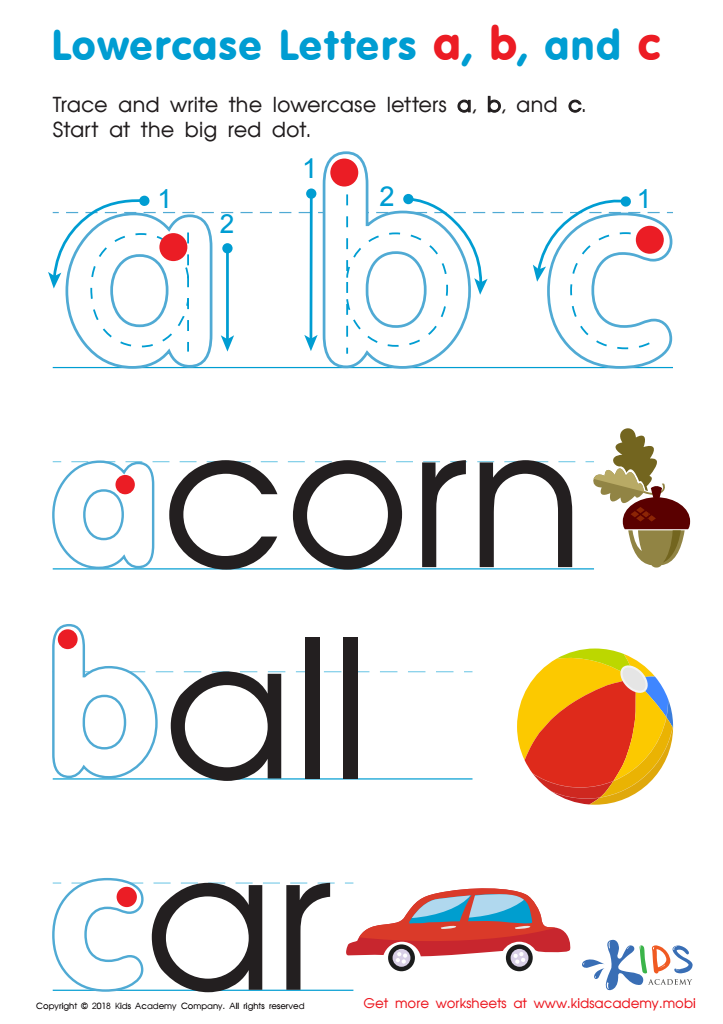
Lowercase Letters a b c Worksheet
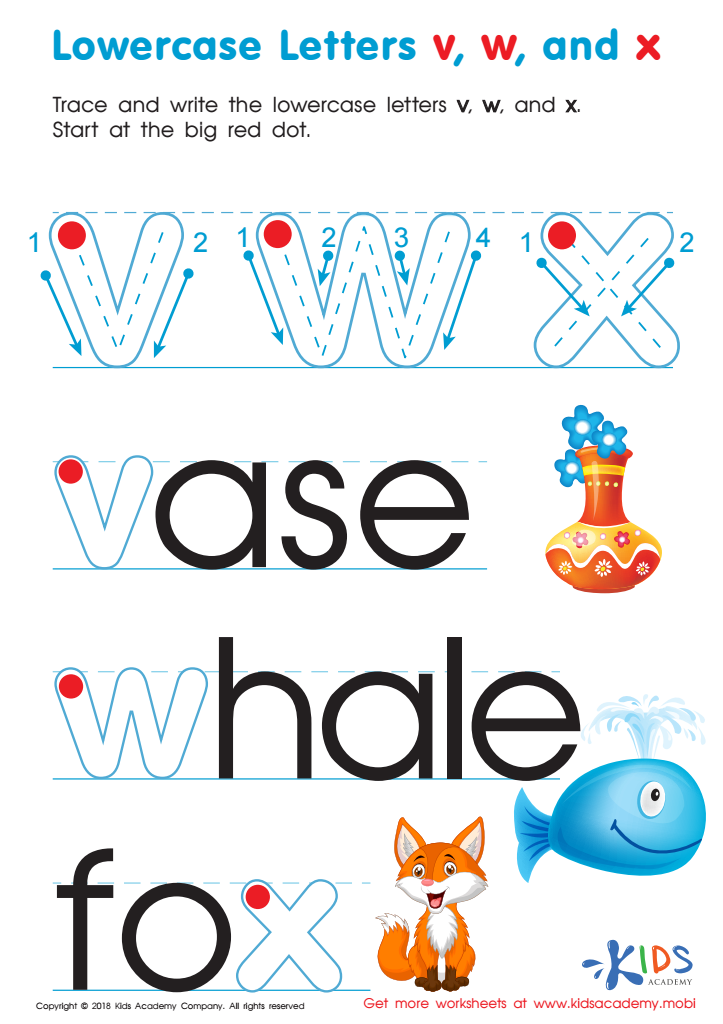
Lowercase Letters v w x Worksheet
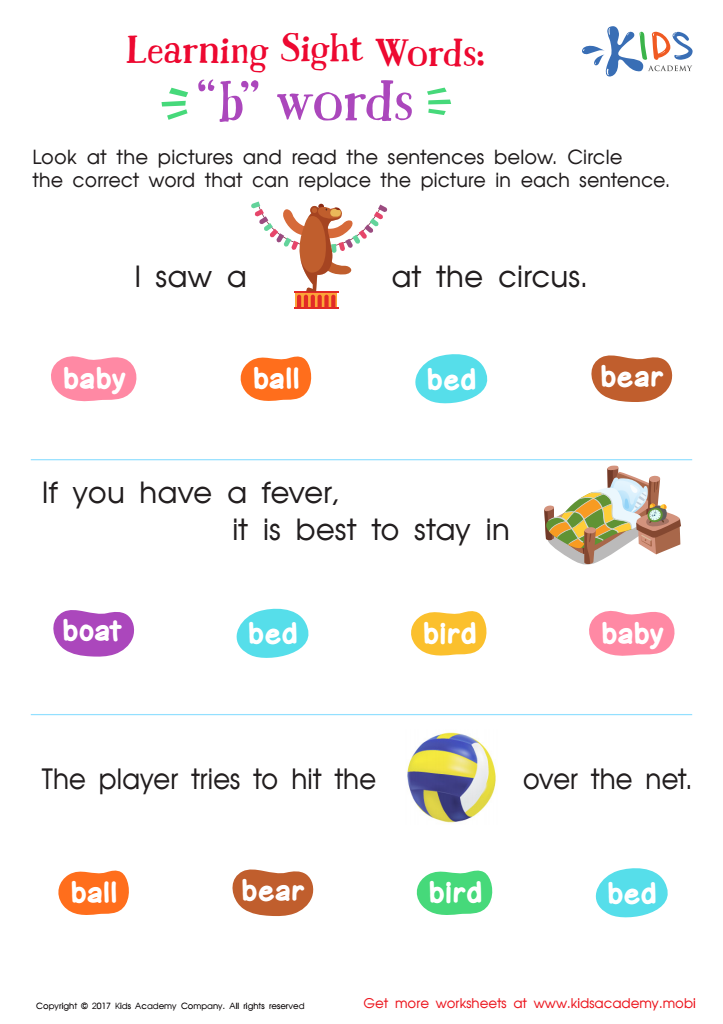
"B" Words Printable Sight Words Worksheet
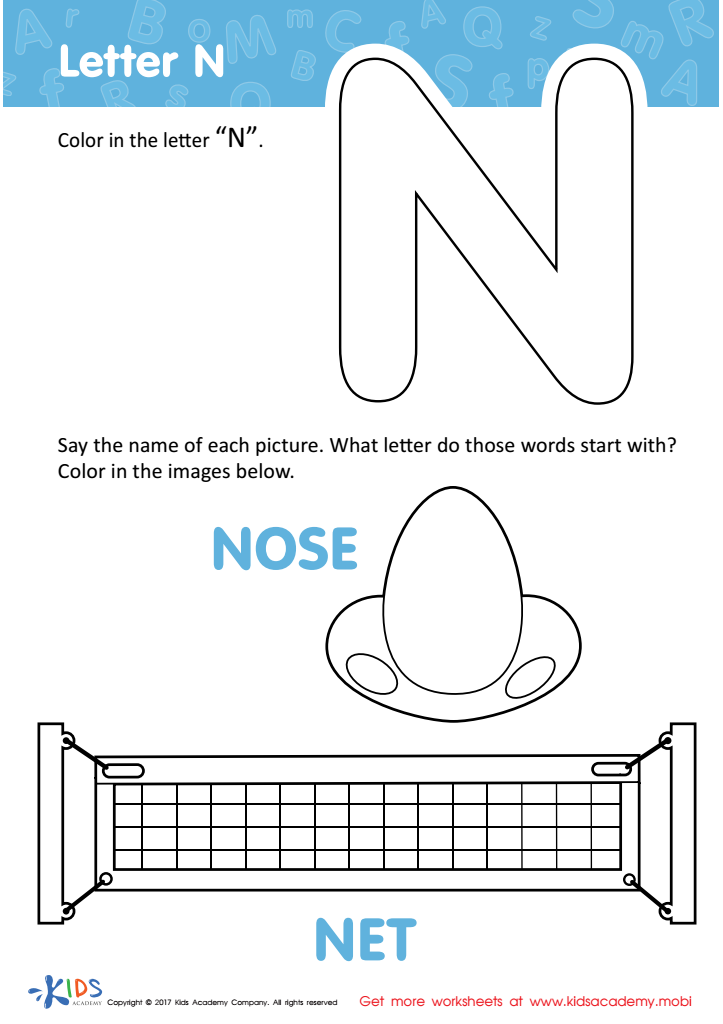
Letter N Coloring Sheet
Assign to My Students
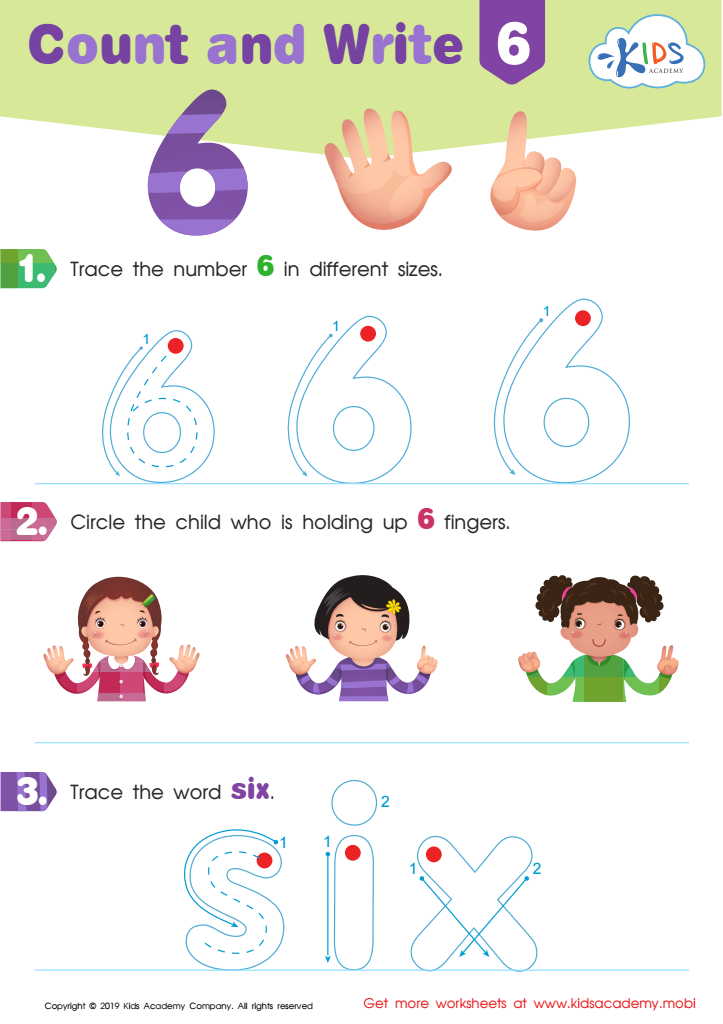
Count and Write 6 Worksheet
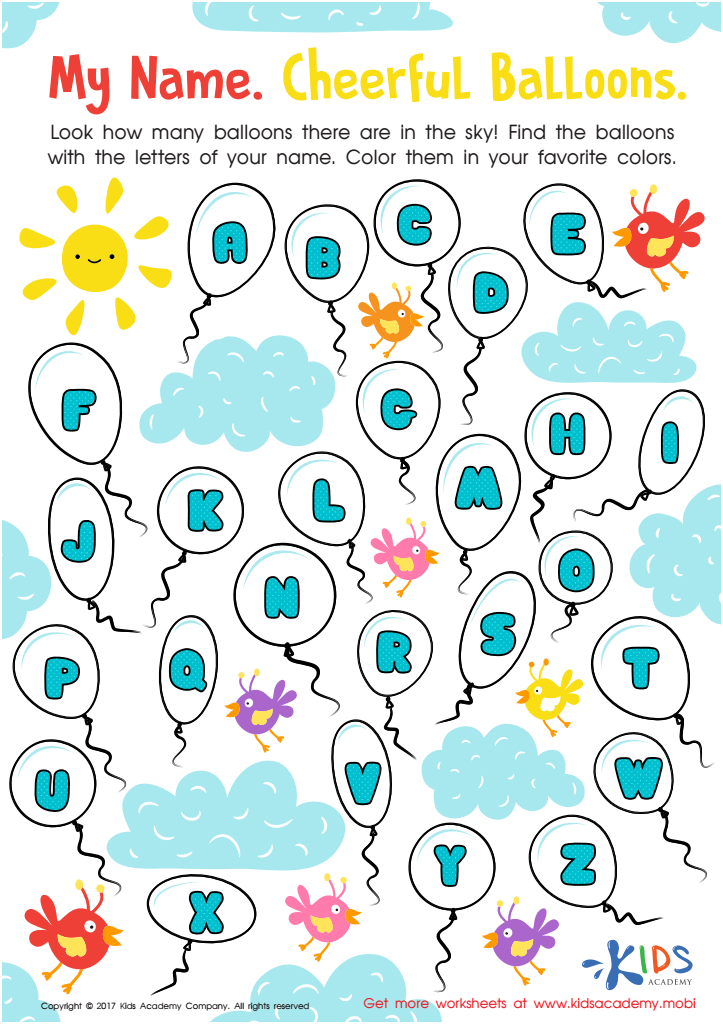
My Name: Cheerful Balloons Worksheet
Assign to My Students
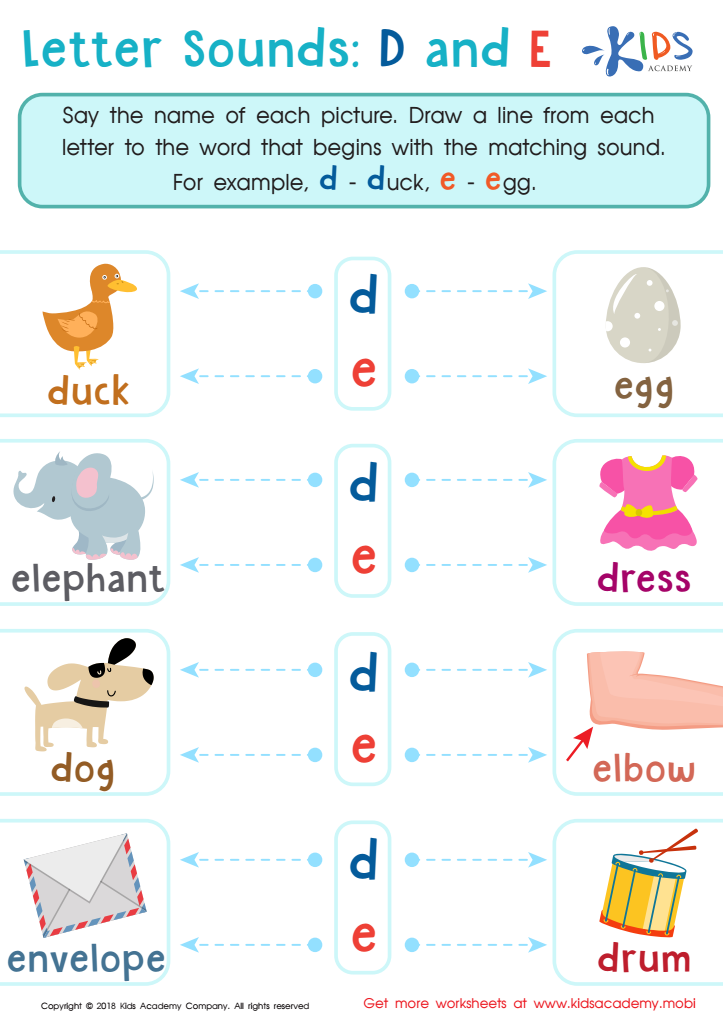
Letter D and E Sounds Worksheet
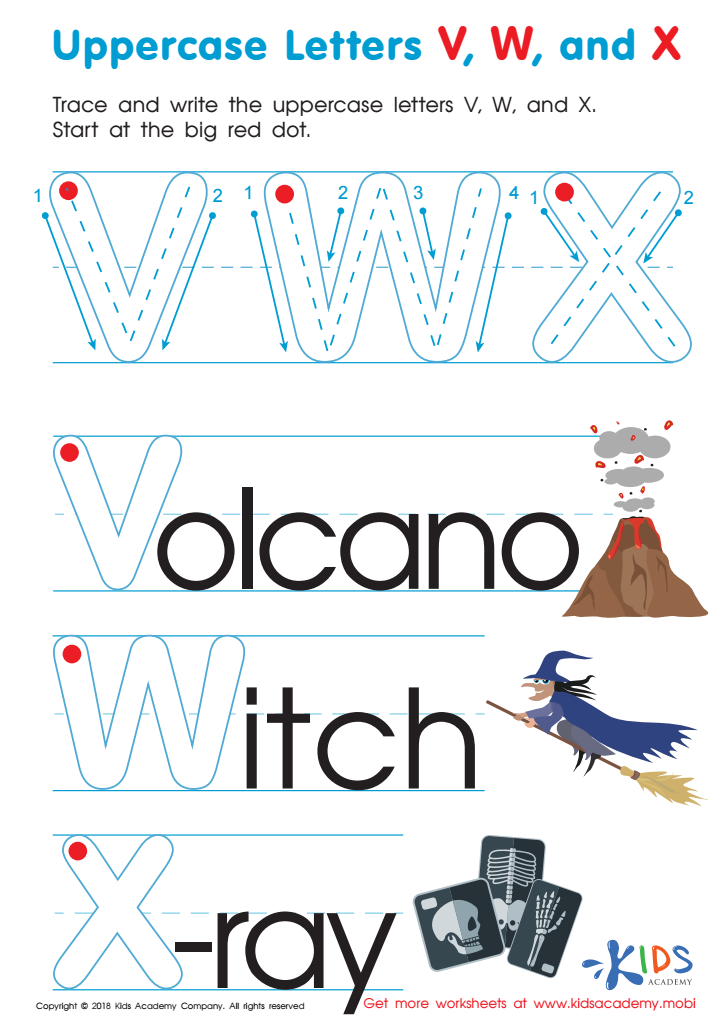
Uppercase Letters V, W, and X Worksheet
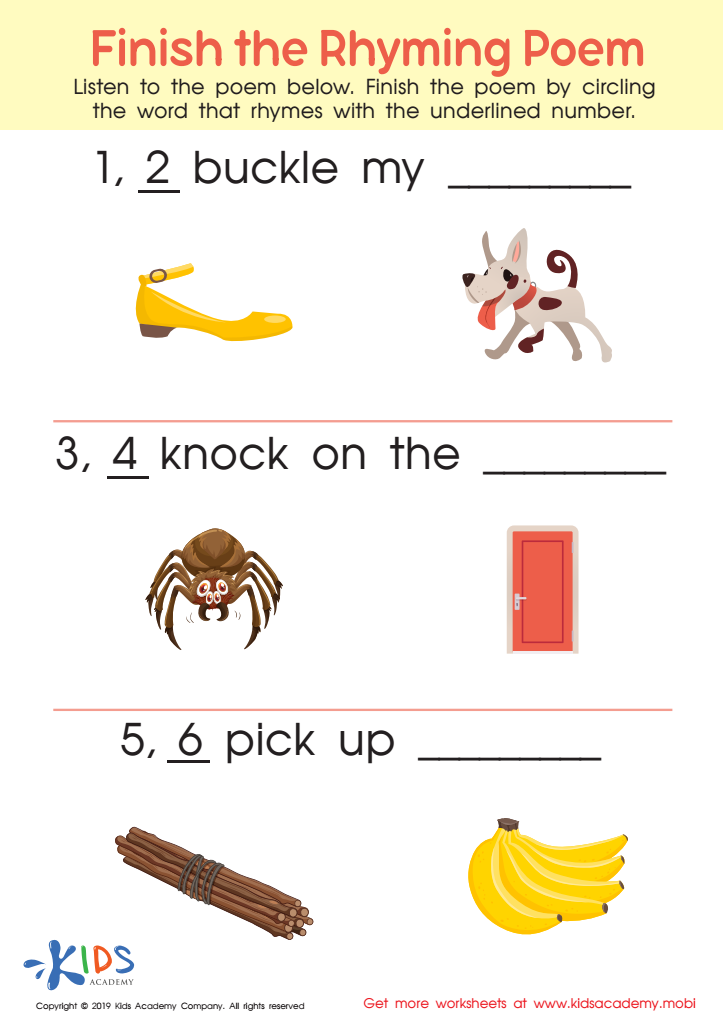
Finish Rhyming Poem Worksheet
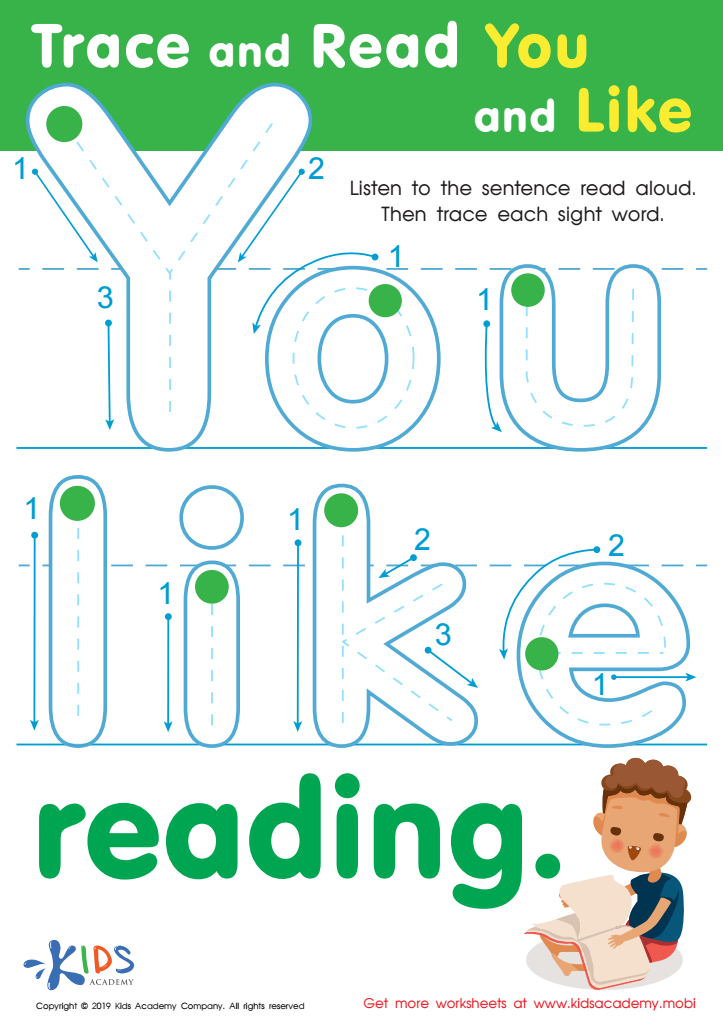
Trace Read You Like Worksheet








Handwriting practice is crucial for children aged 3-9, as it plays a significant role in their overall development. Firstly, fine motor skills are enhanced through handwriting activities, promoting better dexterity and hand-eye coordination. These skills are foundational not only for writing but for various everyday tasks like buttoning clothes and using utensils.
Moreover, handwriting helps in cognitive development. The act of forming letters and words encourages neural connections in the brain, facilitating better memory and learning. Writing can also enhance creativity, allowing children to express their thoughts and ideas in a tangible form.
Socially, good handwriting can boost children's confidence, particularly as they begin to share their written work in school. It fosters a sense of pride and achievement as they see their skills improve.
Additionally, in a digital age, while typing is prevalent, the cognitive process involved in handwriting uniquely supports literacy skills. Children learn spelling and vocabulary more effectively when written by hand.
Lastly, handwriting cultivates patience and focus, teaching children the value of practice and perseverance. For these reasons, both parents and teachers should prioritize handwriting practice, ensuring children build a solid foundation for future learning.








