Visual perception improvement Normal Worksheets for Ages 3-9
12 filtered results
-
From - To
Unlock your child's full potential with our Visual Perception Improvement Normal Worksheets designed for ages 3-9. These expertly crafted worksheets from Kids Academy enhance crucial visual perception skills through engaging activities that challenge young minds. From pattern recognition to spatial awareness, our worksheets offer fun, interactive tasks that promote cognitive development, enhance learning skills, and build a solid foundation for academic success. Ideal for home or classroom use, our visual perception worksheets foster curiosity and confidence, empowering children to see and understand their world in new and exciting ways. Start your child’s visual learning journey today!
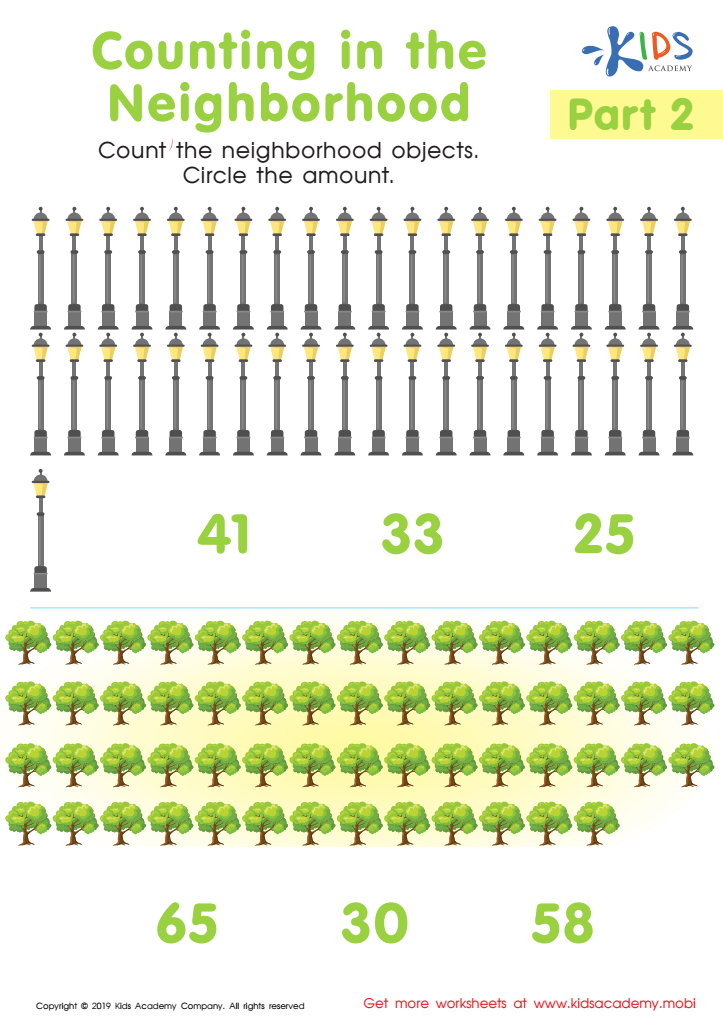
Counting In The Neighborhood Part 2 Worksheet
 Assign to My Students
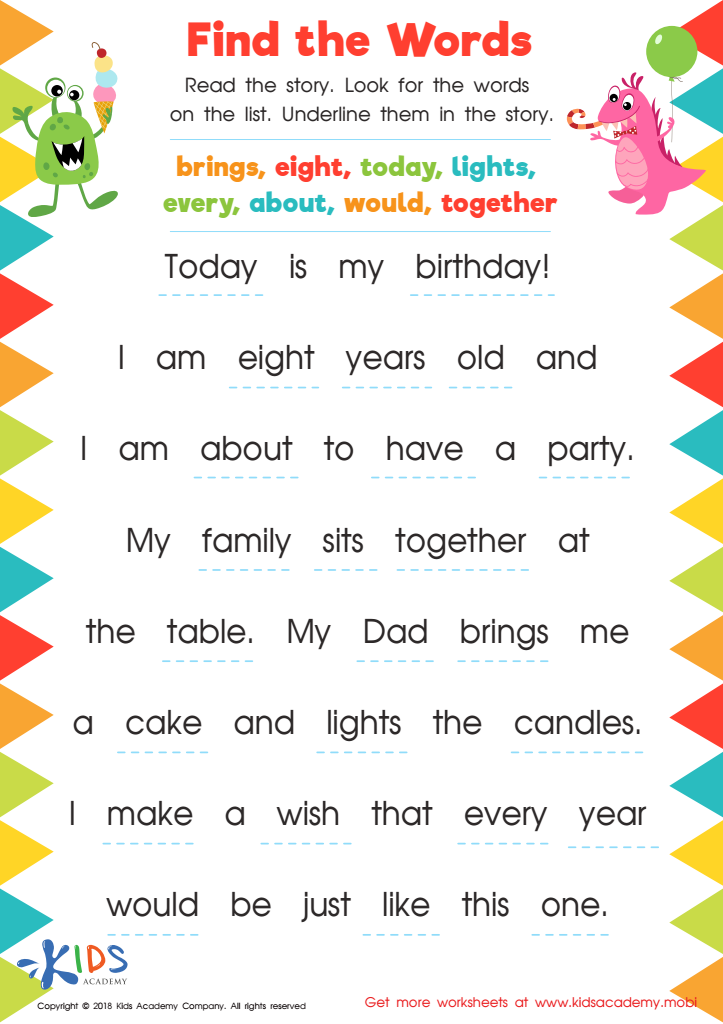
Find The Words Printable Worksheet
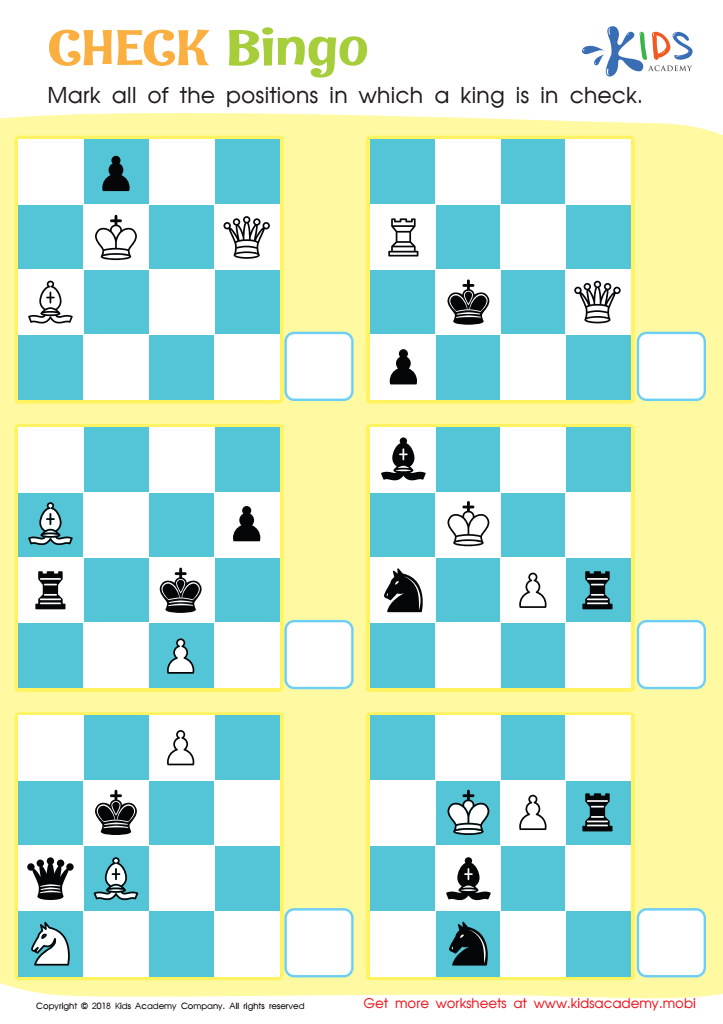
Check Bingo Worksheet
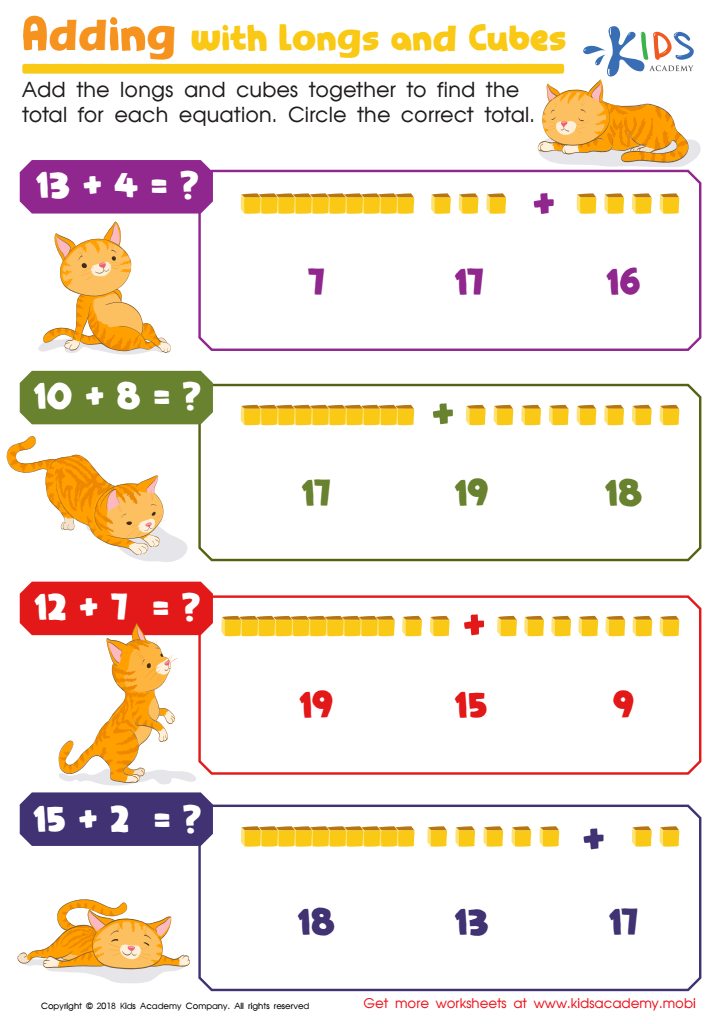
Adding With Longs and Cubes Worksheet
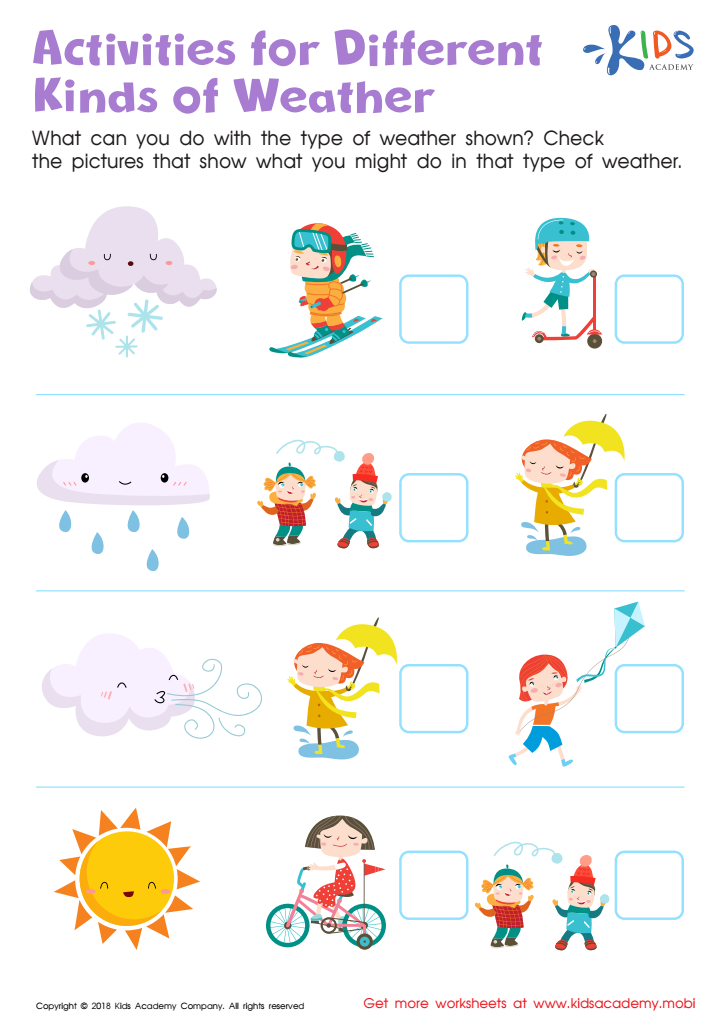
Activities for Different Kinds of Weather Worksheet
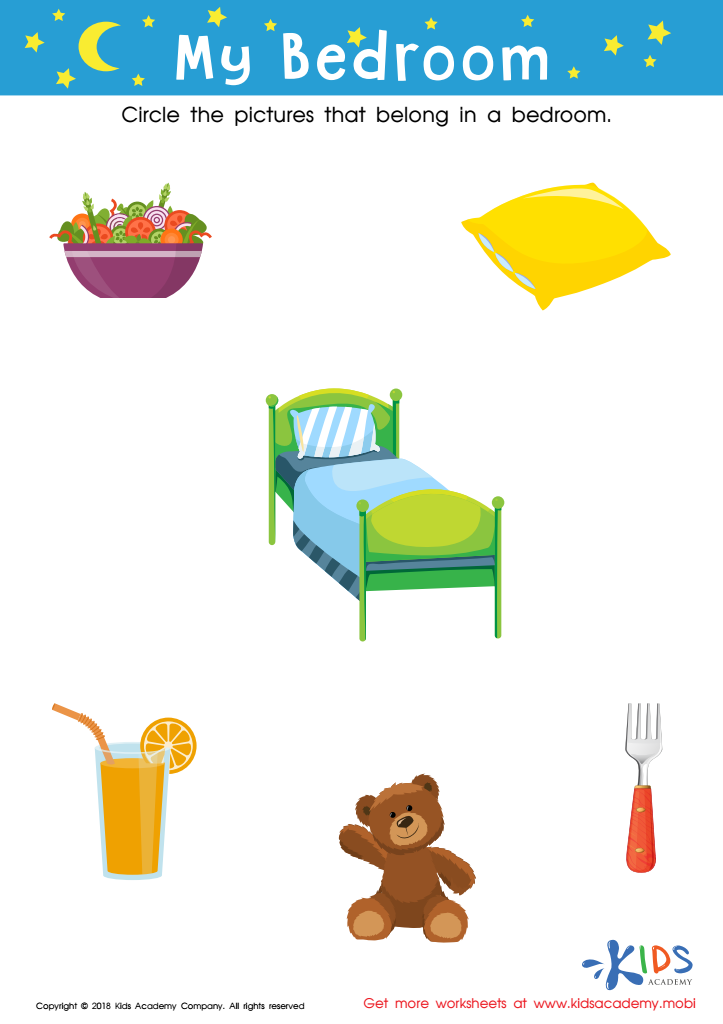
My Bedroom Worksheet
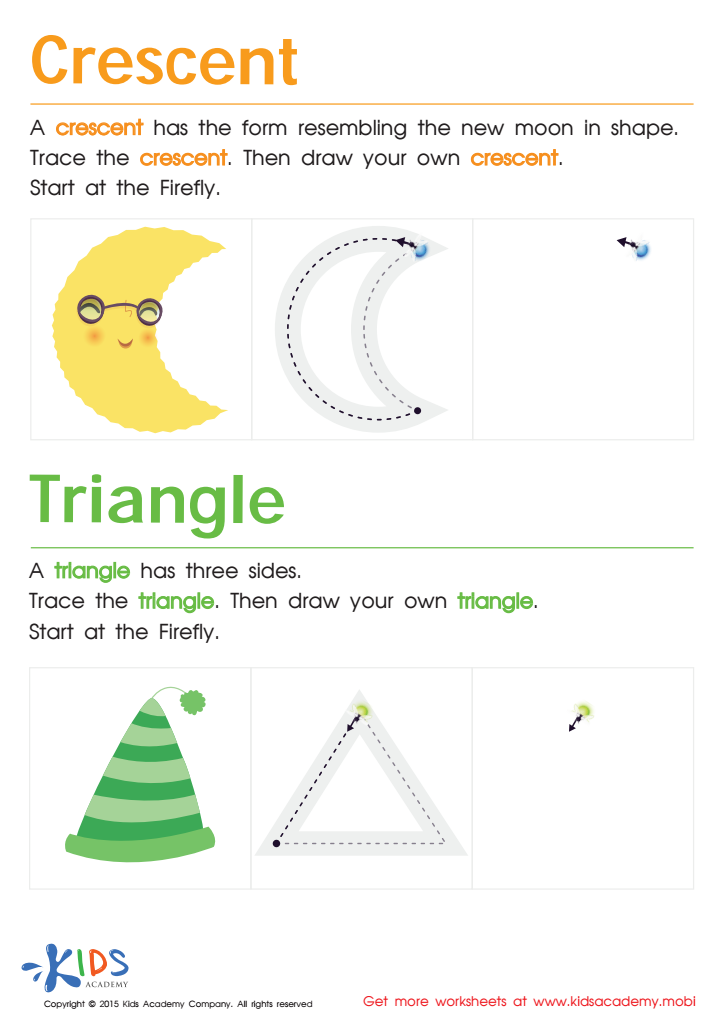
Learning to Draw Crescents And Triangles Worksheet
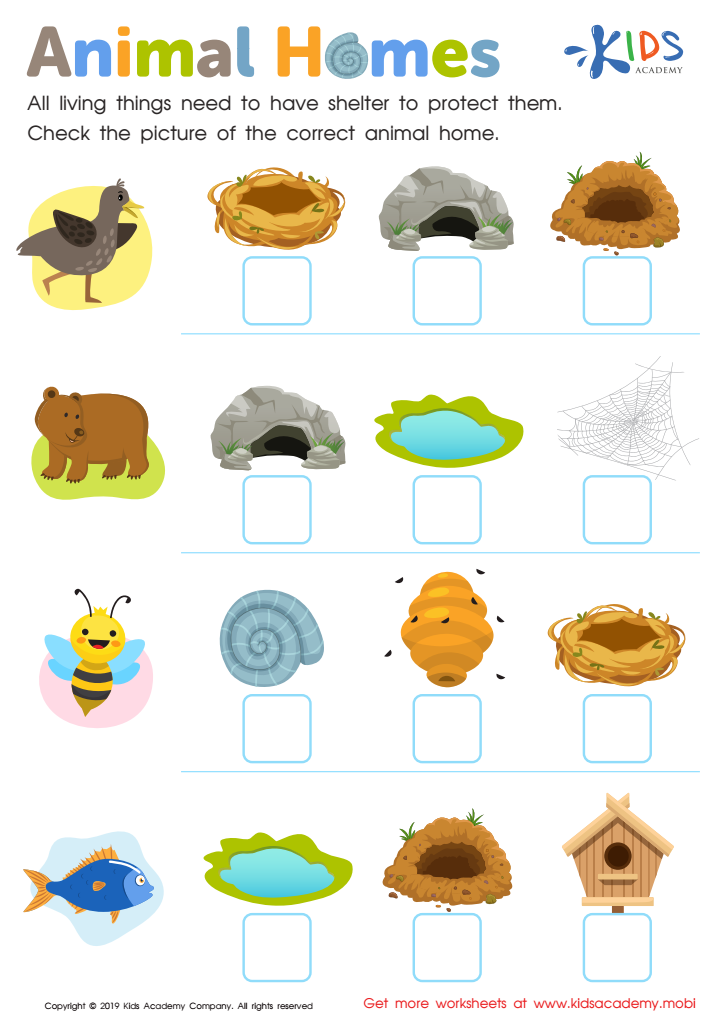
Animal Homes Worksheet
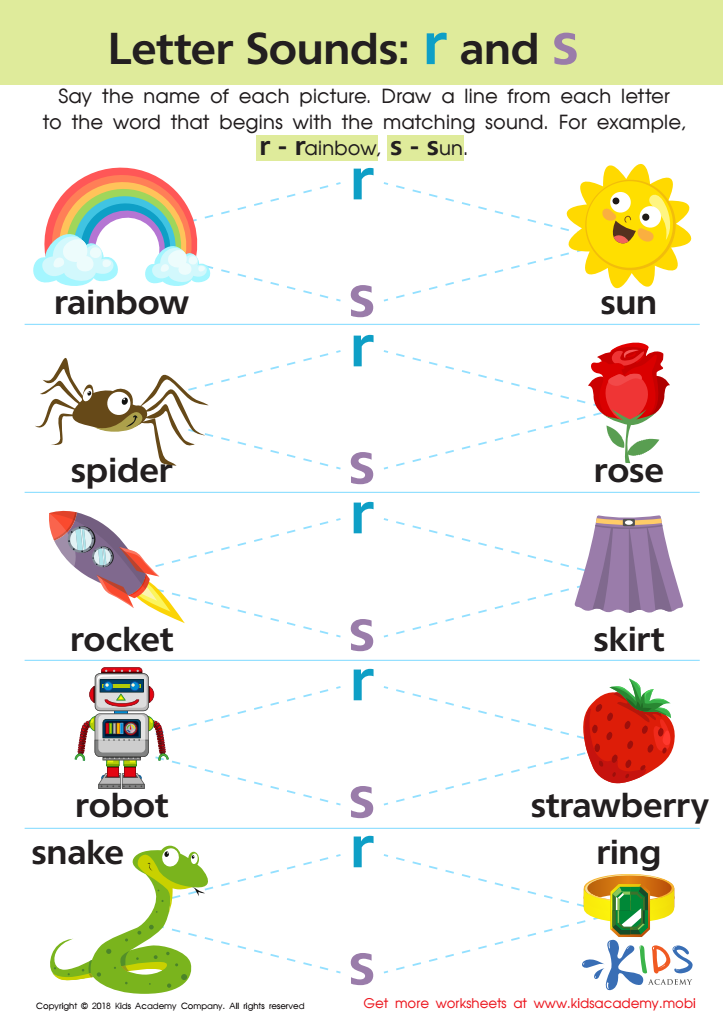
Letter R and S Sounds Worksheet
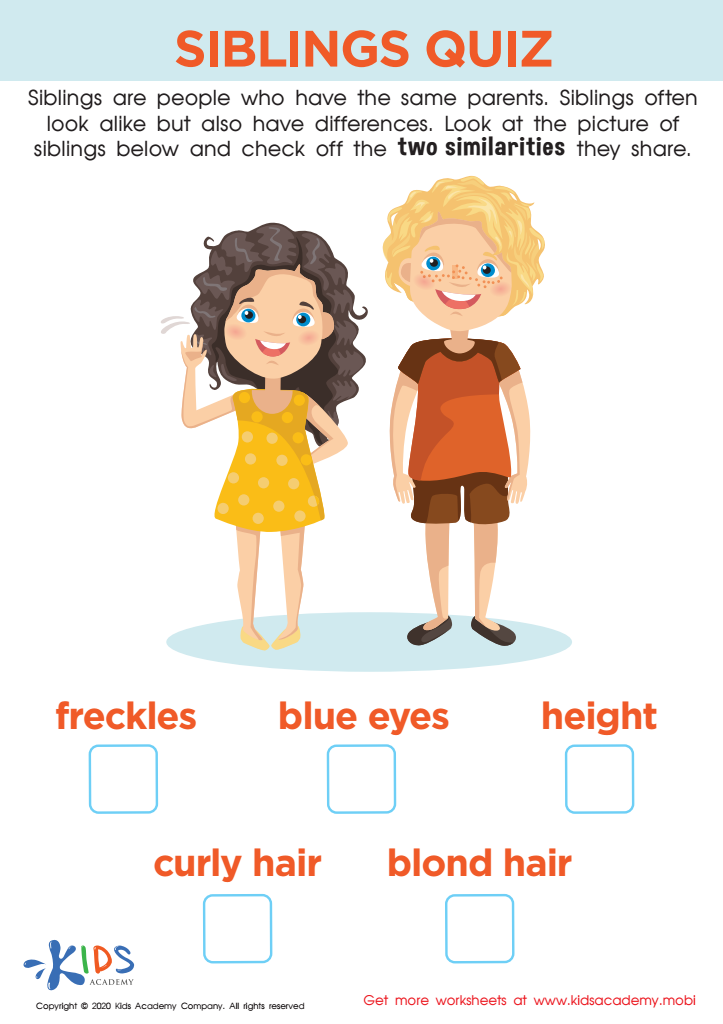
Siblings Quiz Worksheet
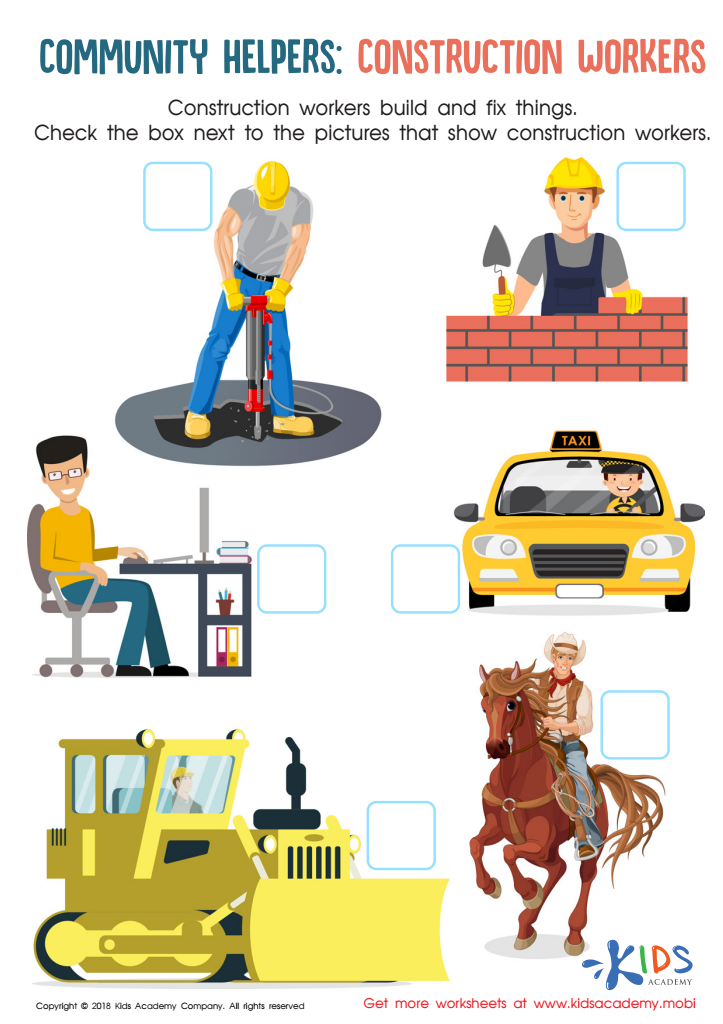
Construction Workers Community Helpers Worksheet
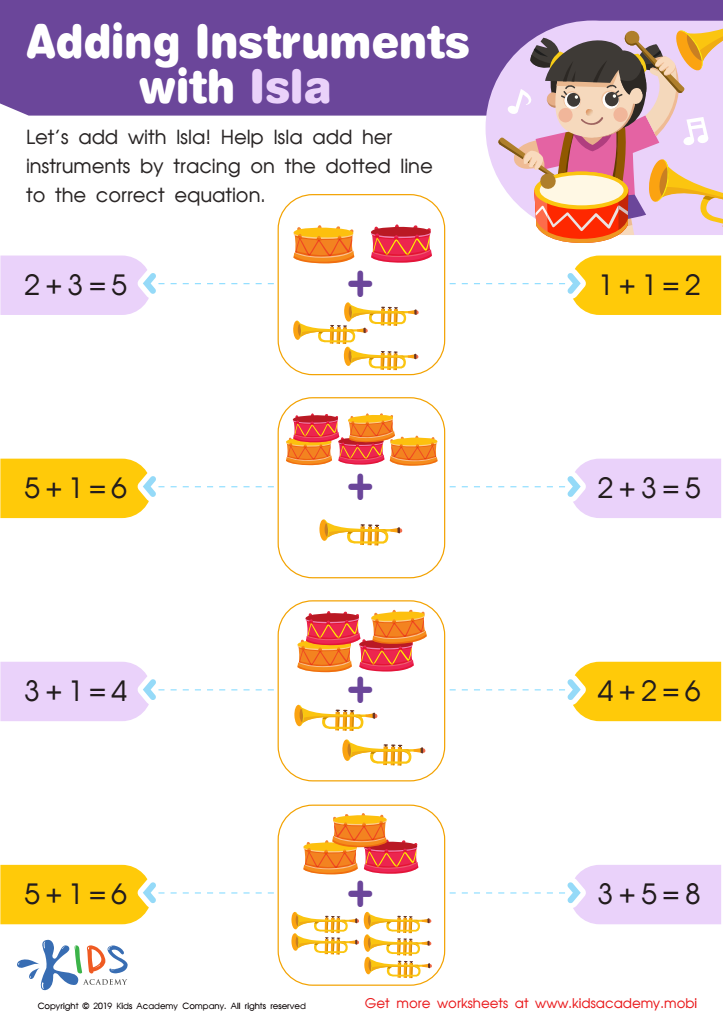
Adding Instruments with Isla Worksheet








Visual perception, the brain's ability to interpret and make sense of what the eyes see, is critical for children aged 3-9. As a parent or teacher, understanding its importance becomes essential for several reasons.
Firstly, visual perception impacts learning and academic success. Children rely heavily on visual cues to read, write, and navigate their surroundings. Skills such as letter recognition, spatial orientation, and differentiating between shapes and sizes are fundamental building blocks for literacy and numeracy. When visual perception is well-developed, children can more easily grasp these concepts, leading to smoother academic progress.
Secondly, social interactions improve with better visual perception. Children need to interpret facial expressions, body language, and social cues correctly. These abilities facilitate positive peer relationships and emotional understanding. A child who misreads visual information may struggle with social connections, leading to potential isolation or behavioral issues.
Moreover, motor skills are closely linked to visual perception. Activities like catching a ball, drawing, or completing puzzles all depend on accurately interpreting visual information and responding appropriately. Strengthening these skills promotes physical coordination and confidence in various activities.
By prioritizing visual perception development through activities like puzzles, drawing, or playing memory games, parents and teachers foster an environment where children can thrive academically, socially, and physically—laying a crucial foundation for future success.








