Critical Thinking Normal Addition & Subtraction Worksheets for Ages 3-9
6 filtered results
-
From - To
Enhance your child’s math skills with our engaging Critical Thinking Normal Addition & Subtraction Worksheets specially designed for ages 3-9. These worksheets foster a deeper understanding of fundamental arithmetic concepts while promoting critical thinking and problem-solving abilities. Each activity challenges young learners to approach addition and subtraction creatively, ensuring they not only learn to calculate but also comprehend the reasoning behind their answers. Our interactive and colorful designs make learning enjoyable, encouraging kids to think analytically. Perfect for home or classroom use, these worksheets are a valuable resource for educators and parents aiming to build a solid math foundation in a fun way.
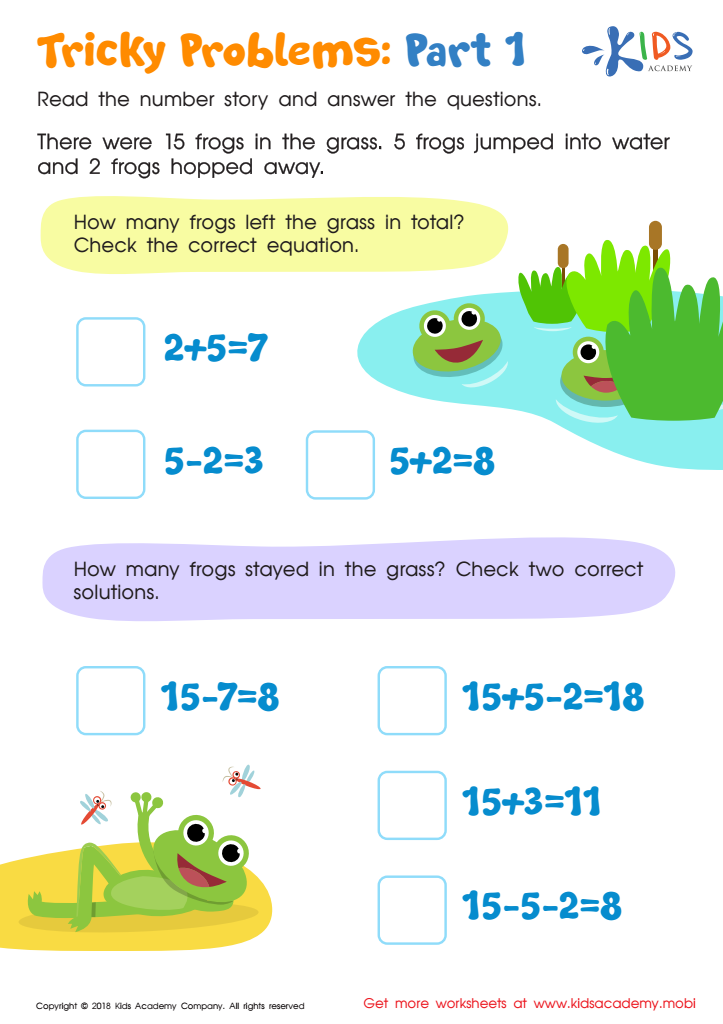
Tricky Problems Worksheet: Part 1
 Assign to My Students
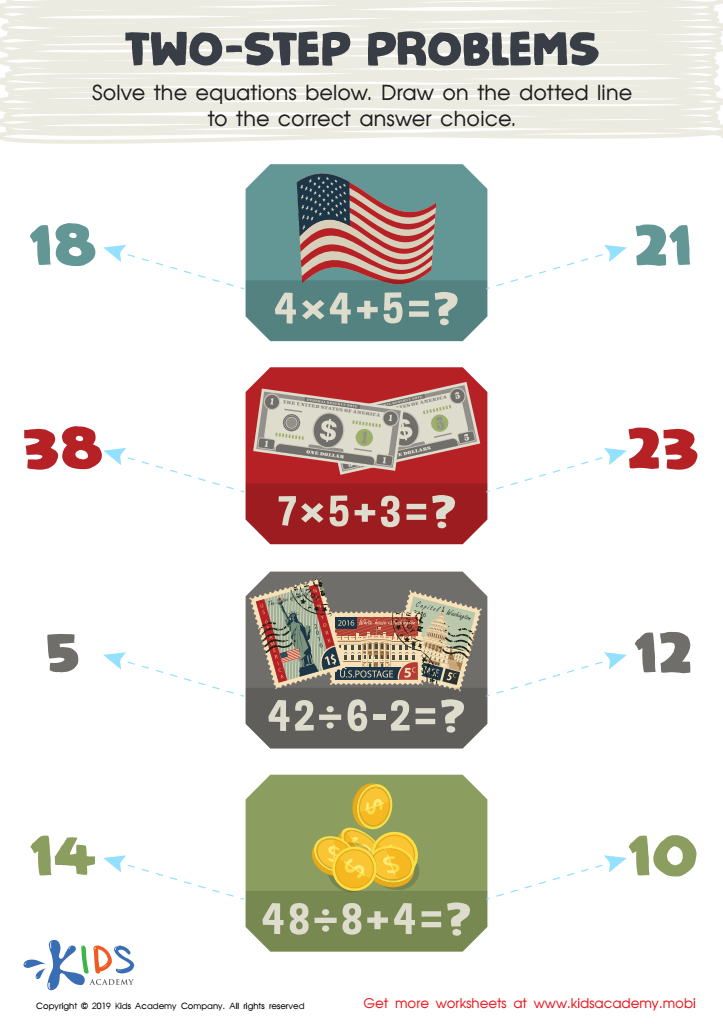
Two-Step Problems Worksheet
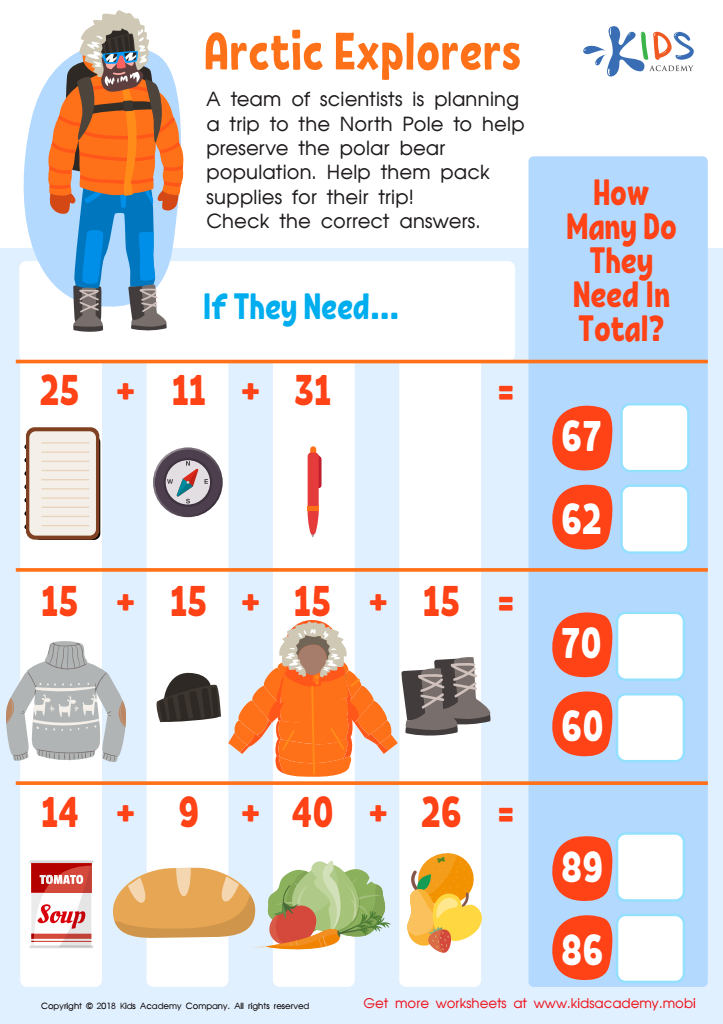
Arctic Explorers Worksheet
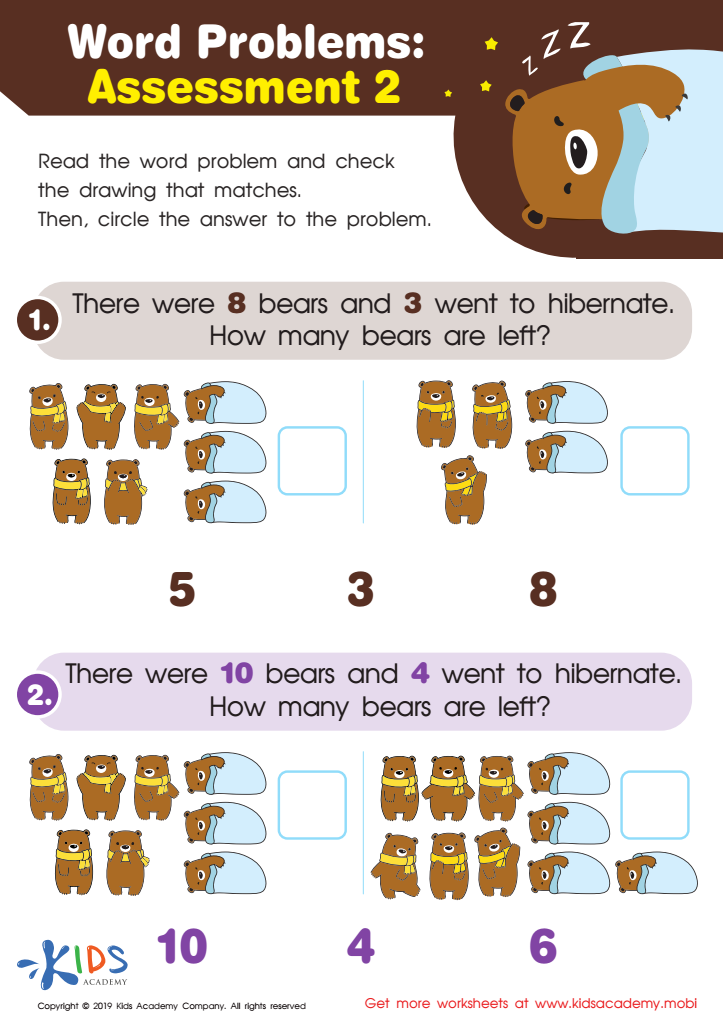
Word Problems: Assessment 2 Worksheet
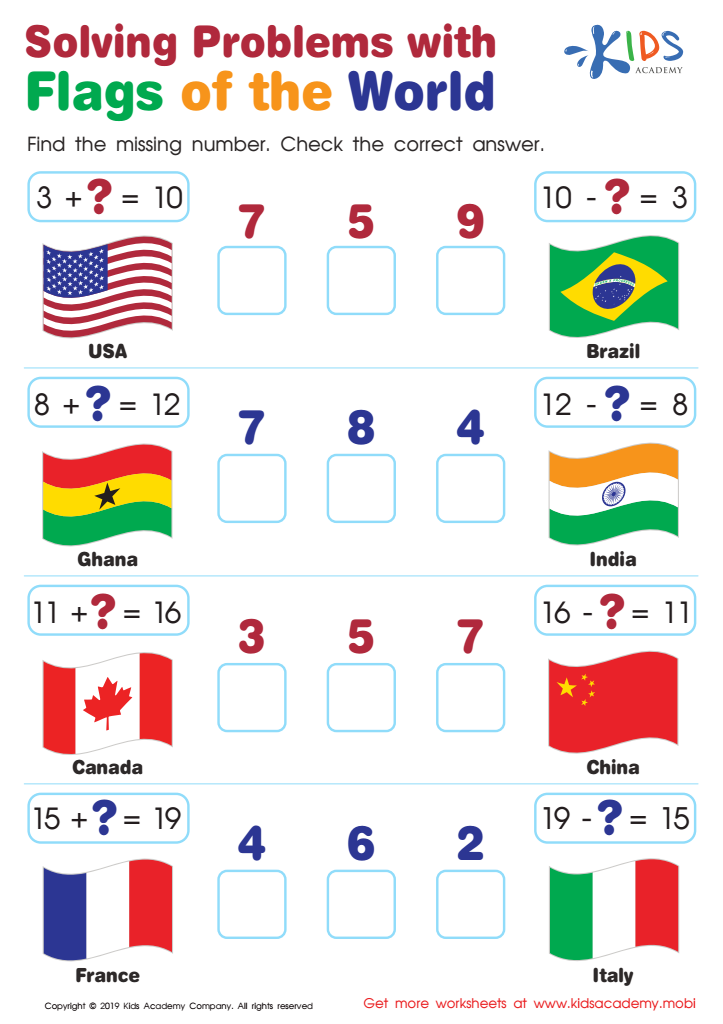
Solving Problems with Flags of the World Worksheet
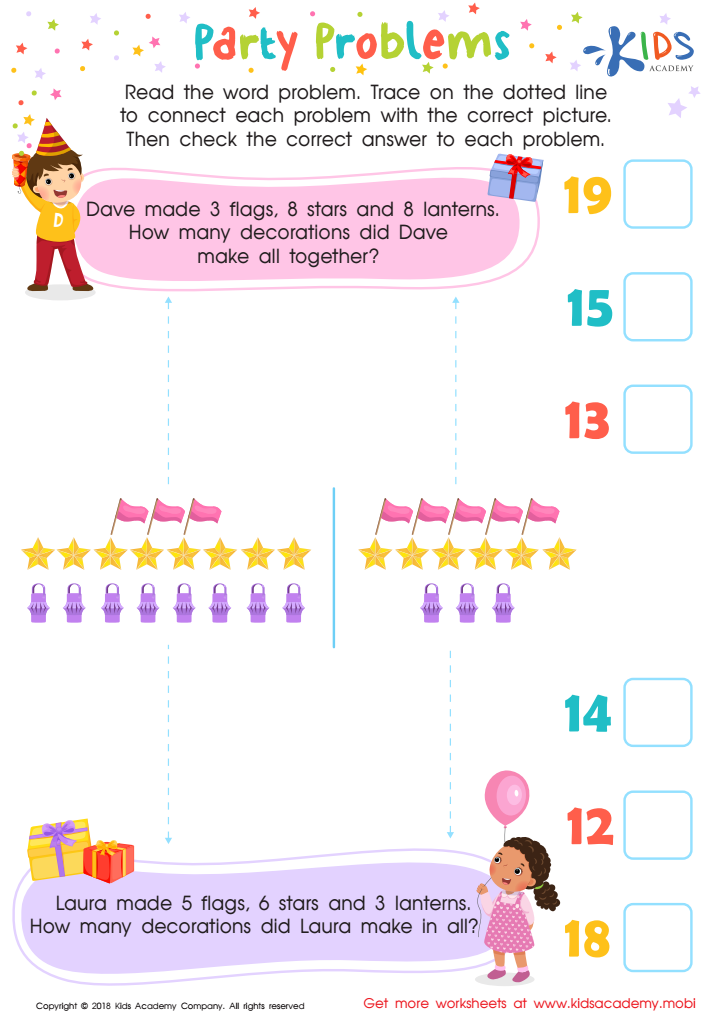
Party Problems Worksheet








Critical thinking in early mathematics, especially normal addition and subtraction for ages 3-9, is crucial for a child's cognitive development and future success. At this stage, children develop foundational skills that will support their understanding of more complex mathematical concepts later on. Teaching math through critical thinking encourages children to explore different problem-solving strategies, fostering their ability to think creatively and logically.
Additionally, engaging children in critical thinking exercises enhances their reasoning abilities, helping them to not just find the correct answer but also to understand the 'why' behind it. This deeper comprehension cultivates a love for learning, making math less intimidating and more enjoyable.
Furthermore, nurturing these skills helps children better navigate everyday situations, as math is a vital part of life skills, from measuring ingredients while cooking to budgeting their allowance. For parents and teachers, instilling these skills contributes to developing self-confidence and resilience in children, equipping them to tackle future academic challenges. Encouraging critical thinking in young learners ultimately lays the groundwork for their ability to analyze scenarios, make informed decisions, and succeed in a complex world. Supporting this process is essential for cultivating a generation of thoughtful, capable individuals.








