Cognitive Development Normal Numbers Worksheets for Ages 3-9
13 filtered results
-
From - To
Unlock your child’s potential with our Cognitive Development Normal Numbers Worksheets for Ages 3-9! Designed to enhance early mathematical skills, these engaging worksheets offer a fun and interactive way for young learners to explore numbers. Through a variety of activities, children will strengthen their cognitive abilities by recognizing, tracing, and counting numbers while fostering problem-solving skills. Perfect for parents and teachers alike, these user-friendly resources are tailored to meet developmental milestones. Help your child build a solid foundation in numeracy and boost their confidence in math with our carefully crafted worksheets that make learning enjoyable! Explore today and watch them thrive!
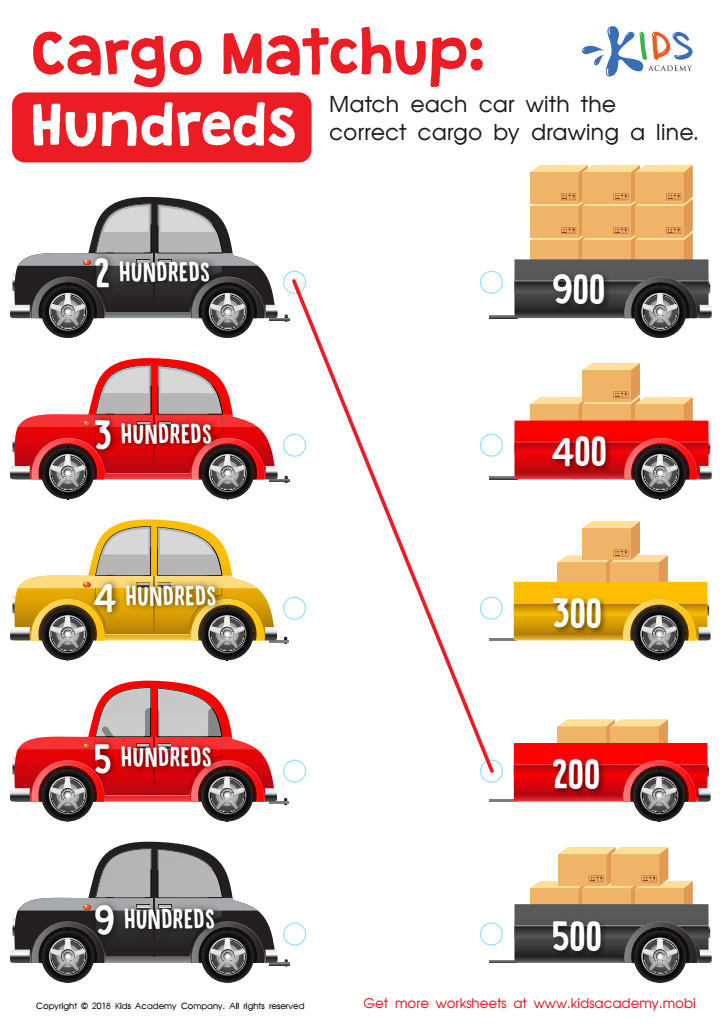
Cargo Matchup: Hundreds Worksheet
 Assign to My Students

Count and Match Boxes with Vegetables
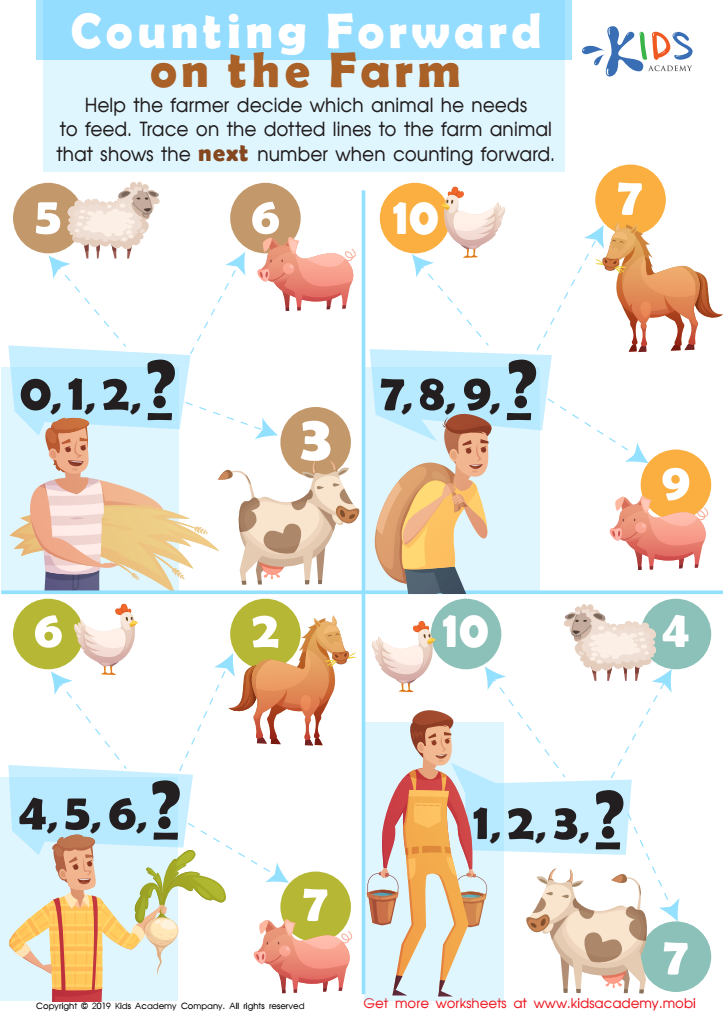
Counting Forward On the Farm Worksheet
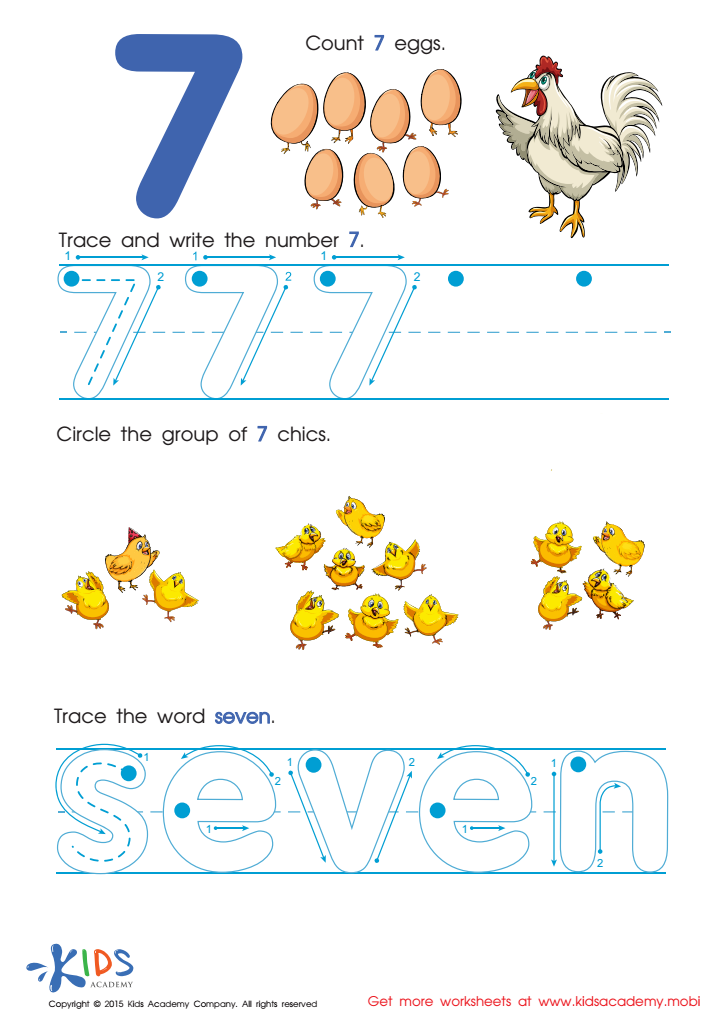
Trace And Write Number 7 with Fun Worksheet
Matching: Classifying Toys by Size Worksheet
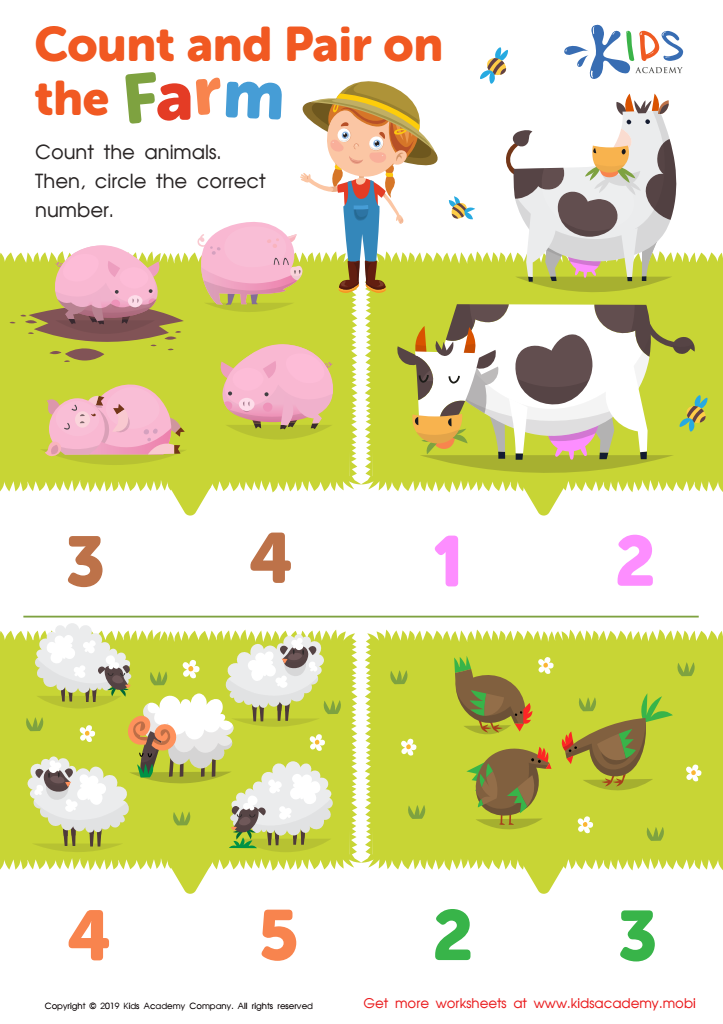
Count and Pair on the Farm Worksheet
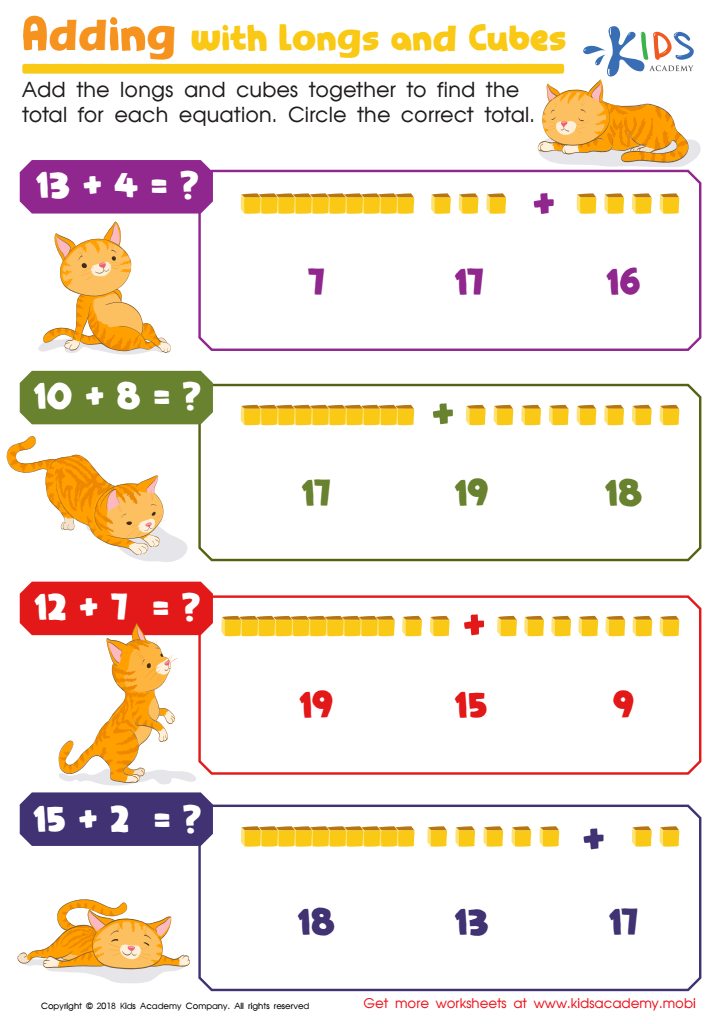
Adding With Longs and Cubes Worksheet
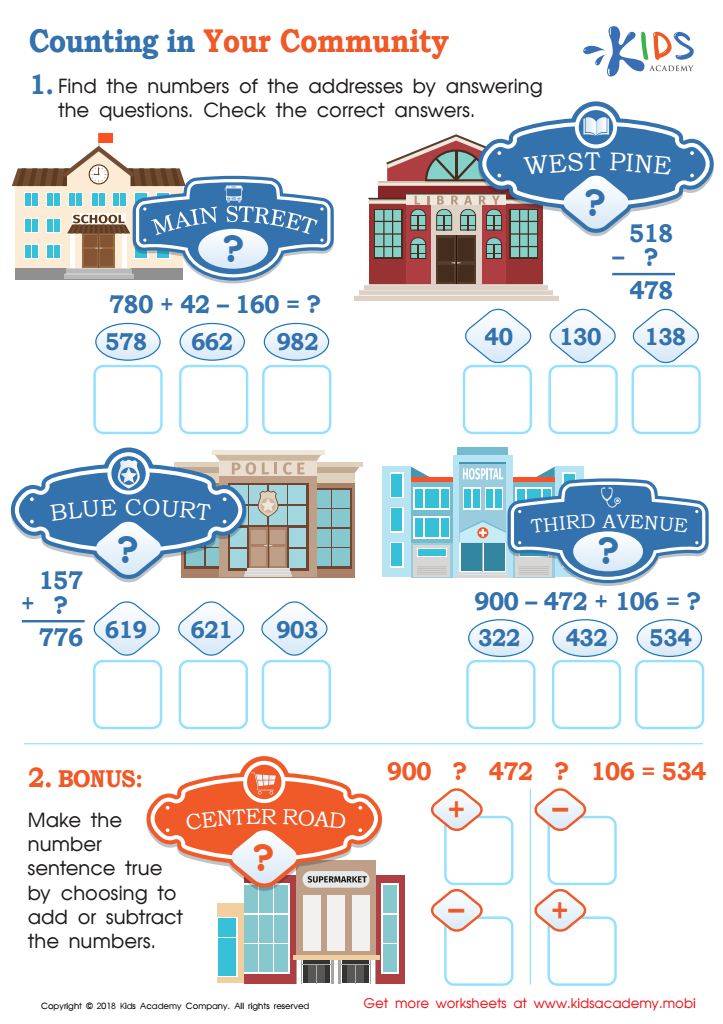
Counting in Your Community Worksheet
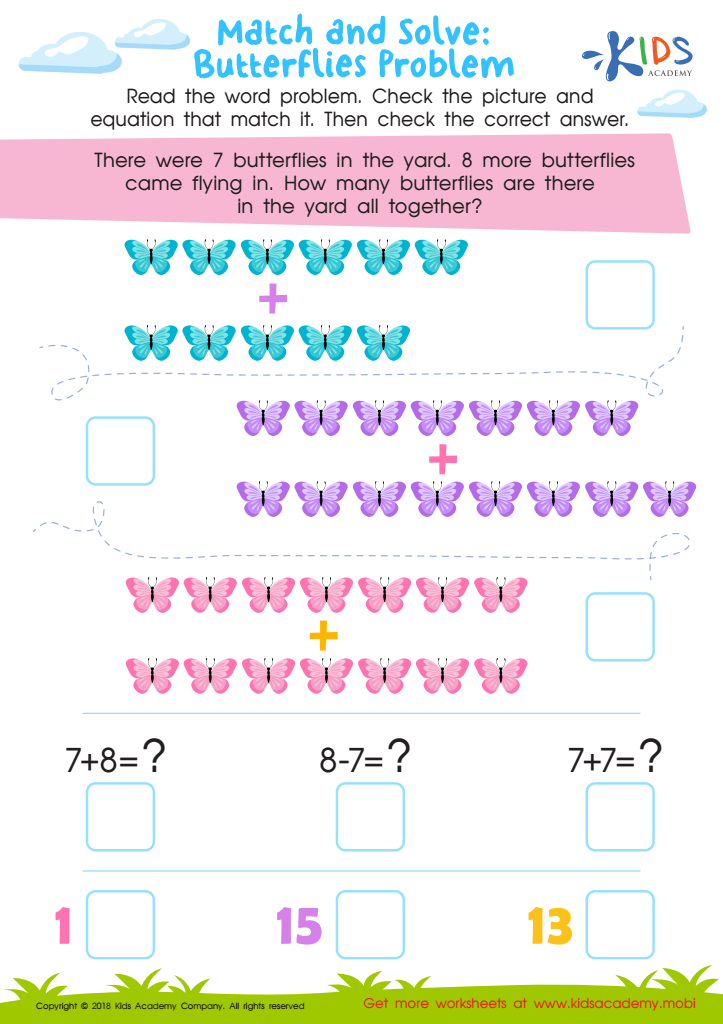
Match and Solve: Butterfly Problem Worksheet
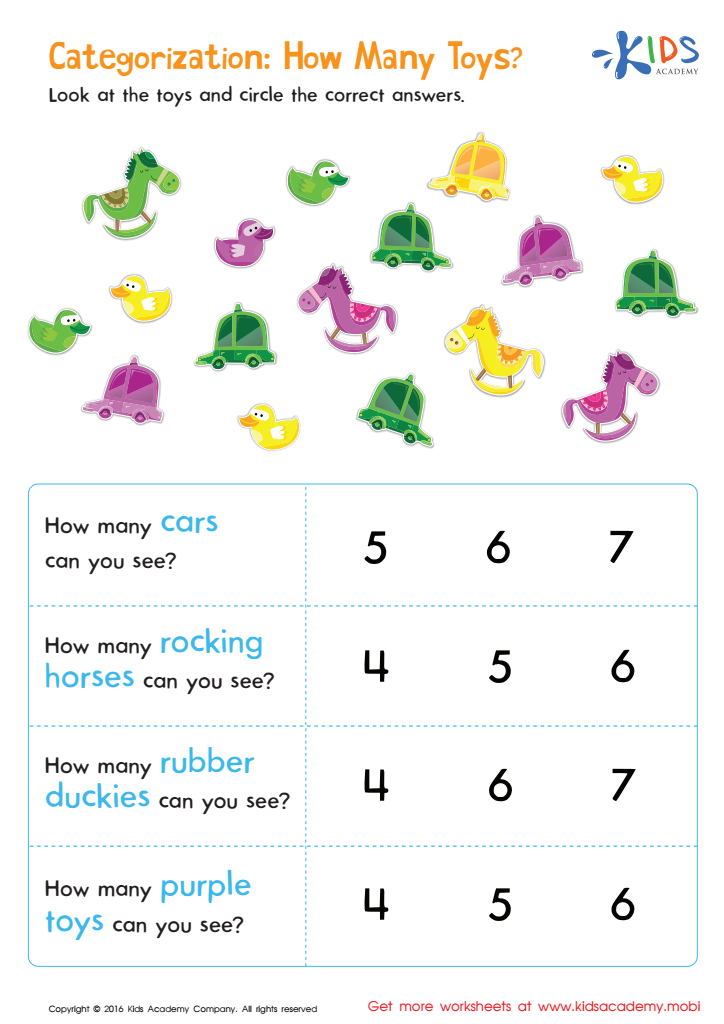
Classifying Toys by Type and Color Sorting Worksheet
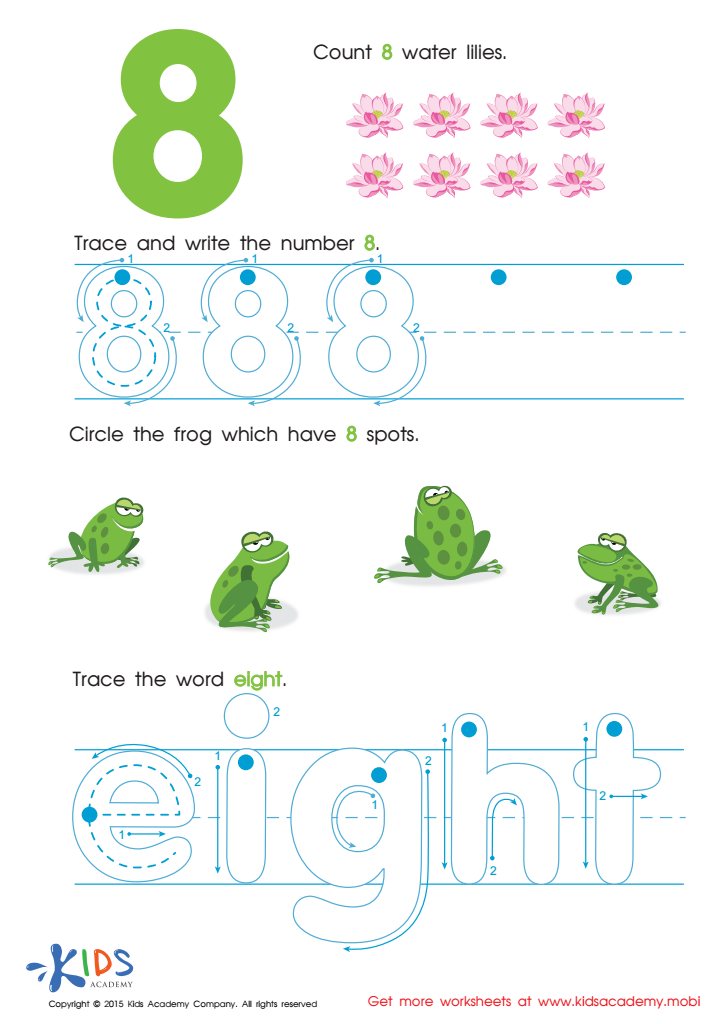
Learn Number 8 Easily Worksheet
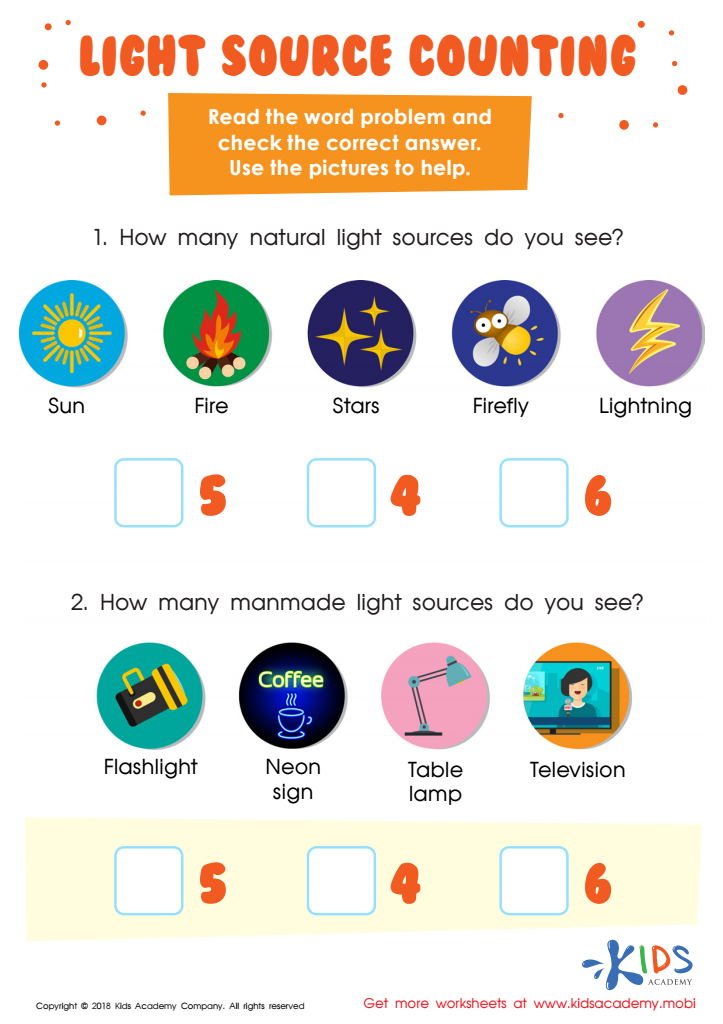
Light Source Counting Worksheet
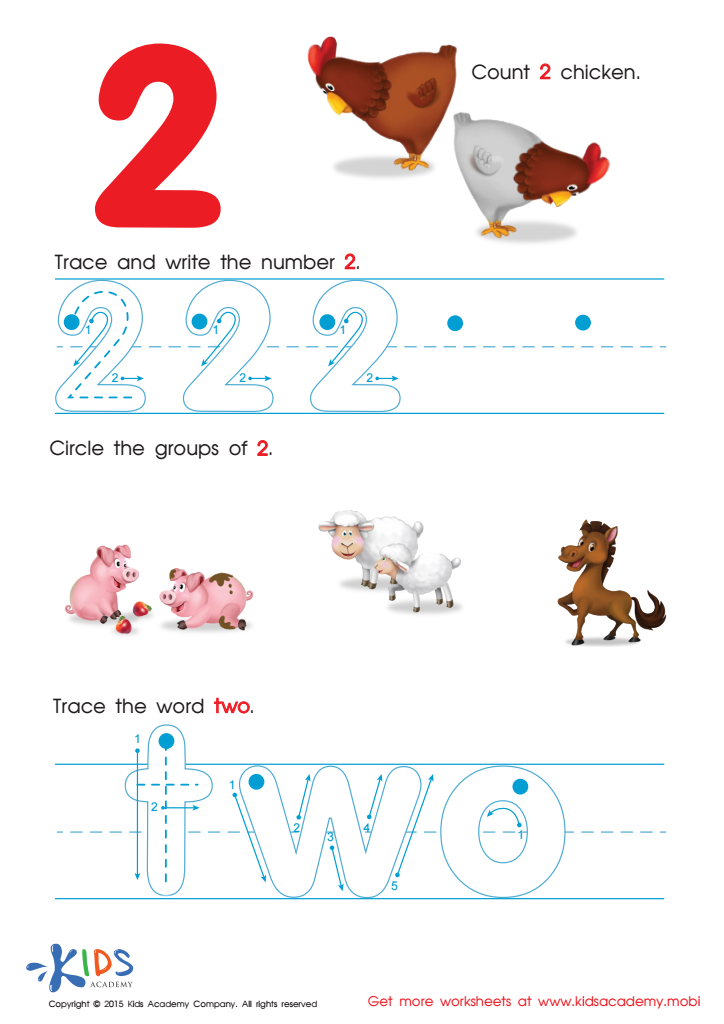
Learn to Write the Number 2 Worksheet


%20(1).jpg)




Cognitive development in children aged 3-9 is crucial as it lays the foundation for future learning, problem-solving, and critical thinking skills. During these formative years, children progress through various developmental milestones that encompass reasoning, memory, and the ability to understand and interact with their environment.
Parents and teachers should pay attention to cognitive development normal numbers because these benchmarks help identify whether a child is developing skills typical for their age group. Understanding these norms allows adults to support children’s learning more effectively, ensuring they acquire essential skills through appropriate activities and instruction. Delays or concerns in cognitive milestones can indicate the need for early intervention, which can significantly alter a child's educational trajectory.
Additionally, fostering cognitive skills during these early years can significantly enhance academic success later. Activities like reading, building, and problem-solving games can stimulate cognitive growth, supporting at-home learning and enriching classroom experiences.
By being aware of cognitive development stages, parents and teachers can collaborate more effectively, create tailored learning environments, and help facilitate healthy intellectual growth, ultimately leading to more well-rounded children prepared for future challenges and opportunities.








