Practical math application Normal Math Worksheets for Ages 3-9
4 filtered results
-
From - To
Boost your child's math skills with our Practical Math Application Normal Math Worksheets, specially designed for ages 3-9. These engaging worksheets provide hands-on activities that make learning math enjoyable and intuitive. From counting and basic addition to interactive problem-solving, our lessons facilitate real-world math applications, fostering critical thinking and cognitive development. Tailored to suit various learning levels, these worksheets promote fun and effective learning at home or in the classroom. Download now to inspire confidence in math through practical experiences, help your child develop essential skills, and lay the foundation for lifelong learning. Explore our resources to enrich your teaching today!
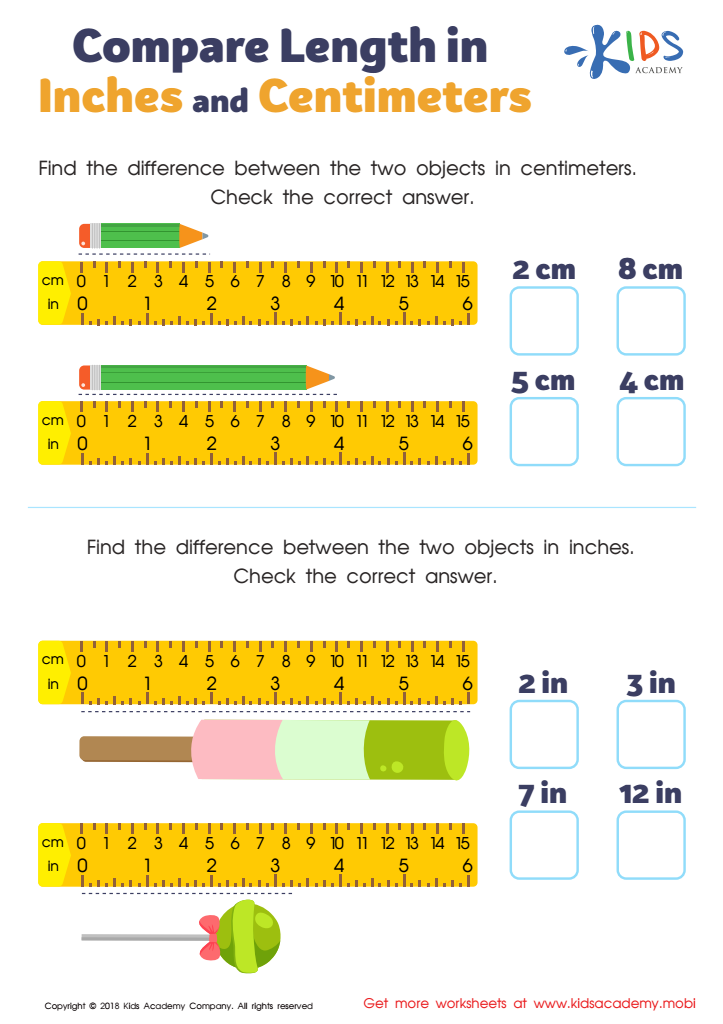
Compare Length in Inches and Centimeters Worksheet
 Assign to My Students
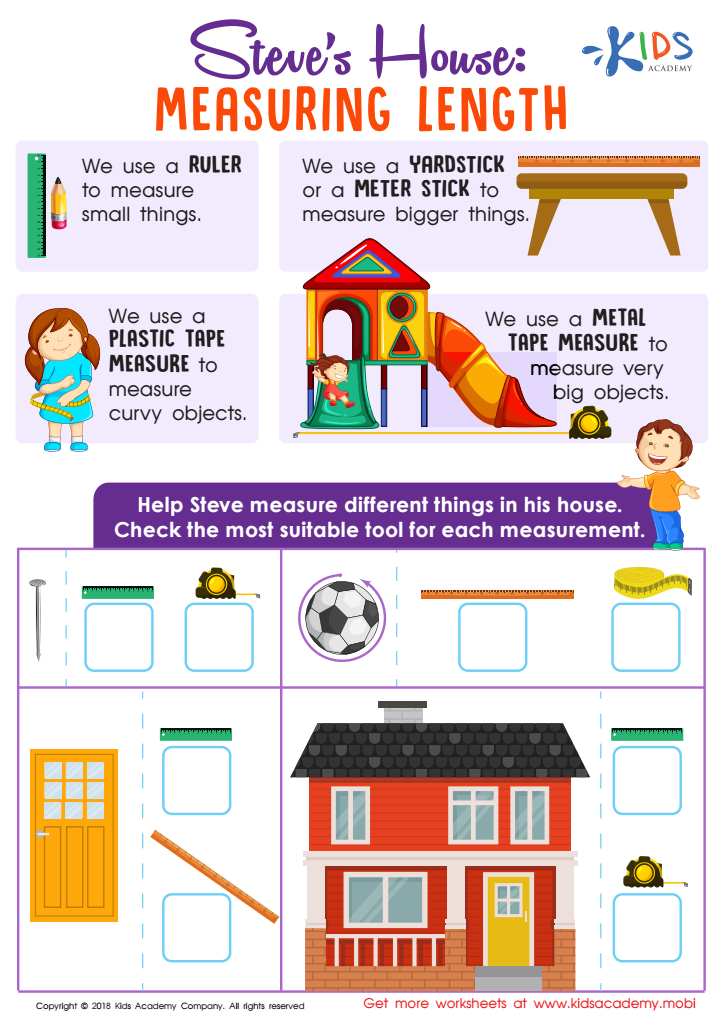
Steve's House: Measuring Length Worksheet
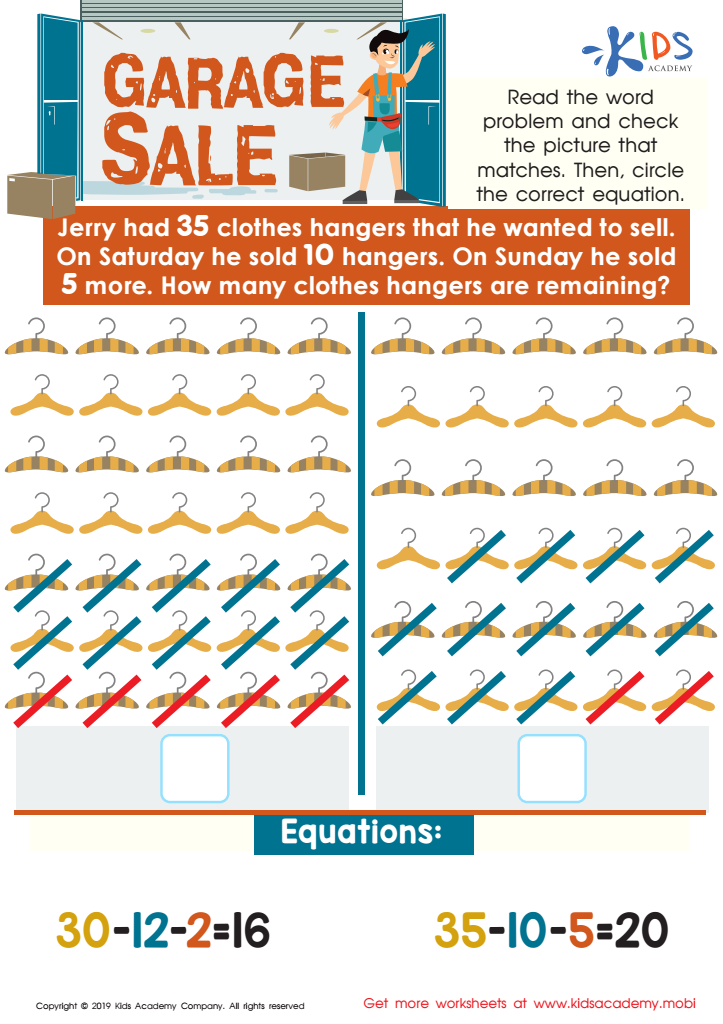
Garage Sale Worksheet
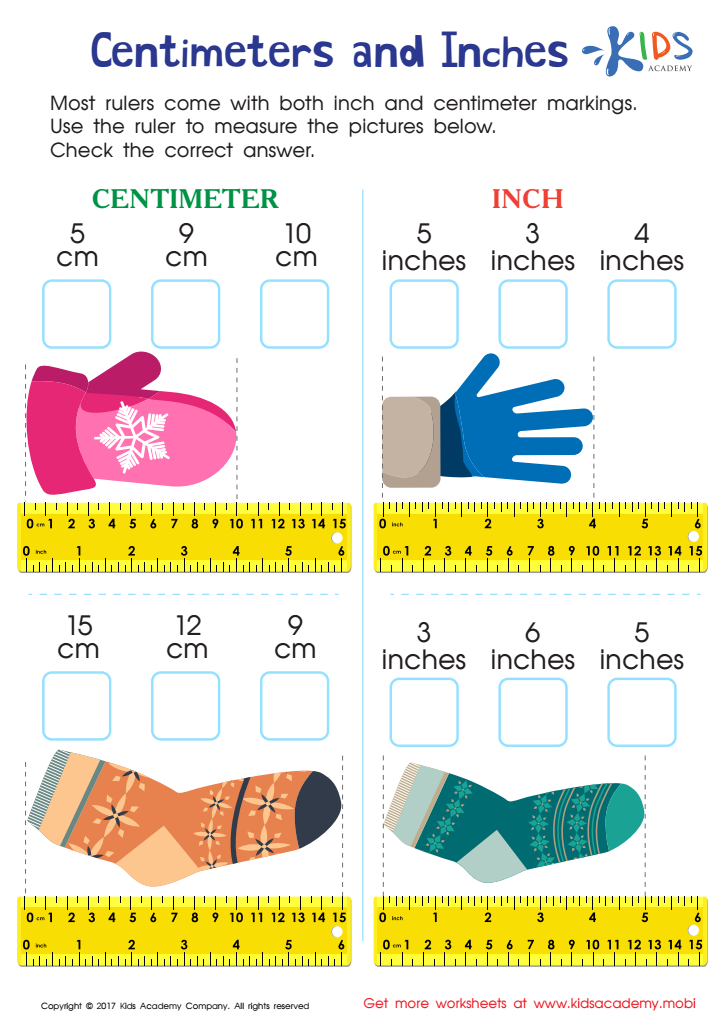
Centimeters and Inches Worksheet


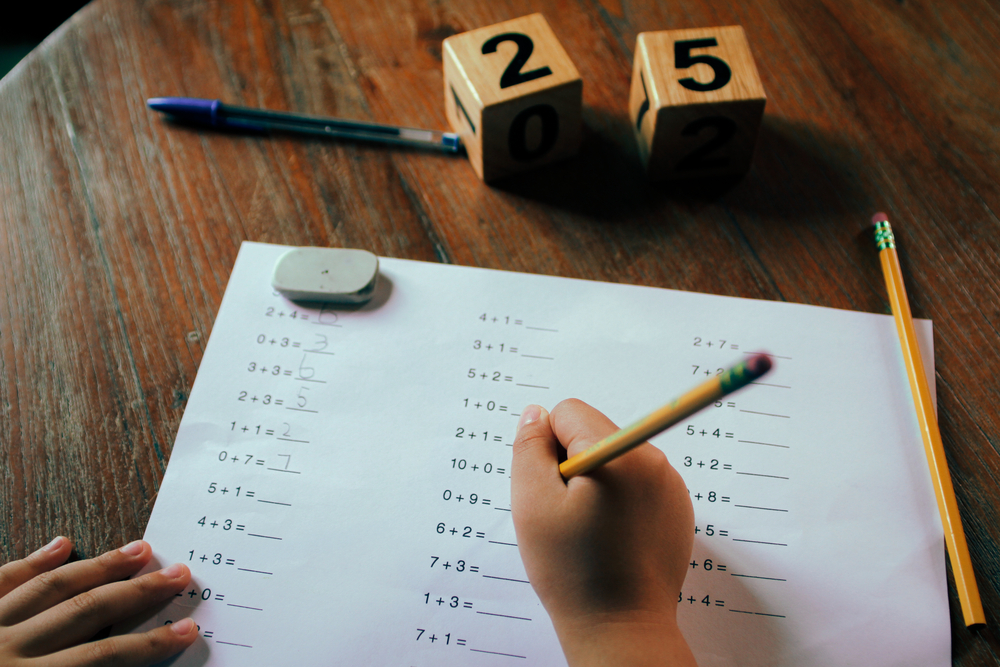





Practical math applications for children aged 3-9 are essential in cultivating foundational skills and fostering a positive attitude towards learning mathematics. During these formative years, children are naturally curious and eager to understand the world around them; practical math helps to extend this curiosity into real-life situations. By integrating math into everyday activities—like counting fruits during grocery shopping, measuring ingredients while baking, or calculating time while playing—they can recognize the relevance of math in their daily lives.
Additionally, experiential learning engages children more effectively than traditional rote memorization methods. It nurtures problem-solving abilities and critical thinking skills, allowing kids to approach challenges with confidence. Understanding practical math empowers them with independence as they begin to navigate tasks on their own, reinforcing their self-esteem.
Furthermore, a solid foundation in practical math early on can set children up for success as they progress to more complex concepts. When parents and teachers emphasize practical applications, they not only deepen children’s comprehension but also sow the seeds for a lifelong appreciation of mathematics. This proactive approach enhances academic readiness, making it a crucial element of early childhood education. Engaging children with math this way can turn potential anxieties into enthusiasm, promoting overall learner development.








