Problem-solving abilities Normal Math Worksheets for Ages 3-9
13 filtered results
-
From - To
Unlock your child's potential with our Problem-solving Abilities Normal Math Worksheets tailored for ages 3-9! At Kids Academy, our expertly designed worksheets nurture critical thinking and analytical skills through engaging math problems. Each worksheet focuses on real-world scenarios to make learning fun and relevant. By encouraging young learners to approach challenges creatively and systematically, these activities lay a strong foundation for future academic success. The vibrant illustrations and age-appropriate tasks ensure an enjoyable learning experience enhances problem-solving abilities. Perfect for both classroom and at-home use, set your child on a path to confident and independent problem-solving today!
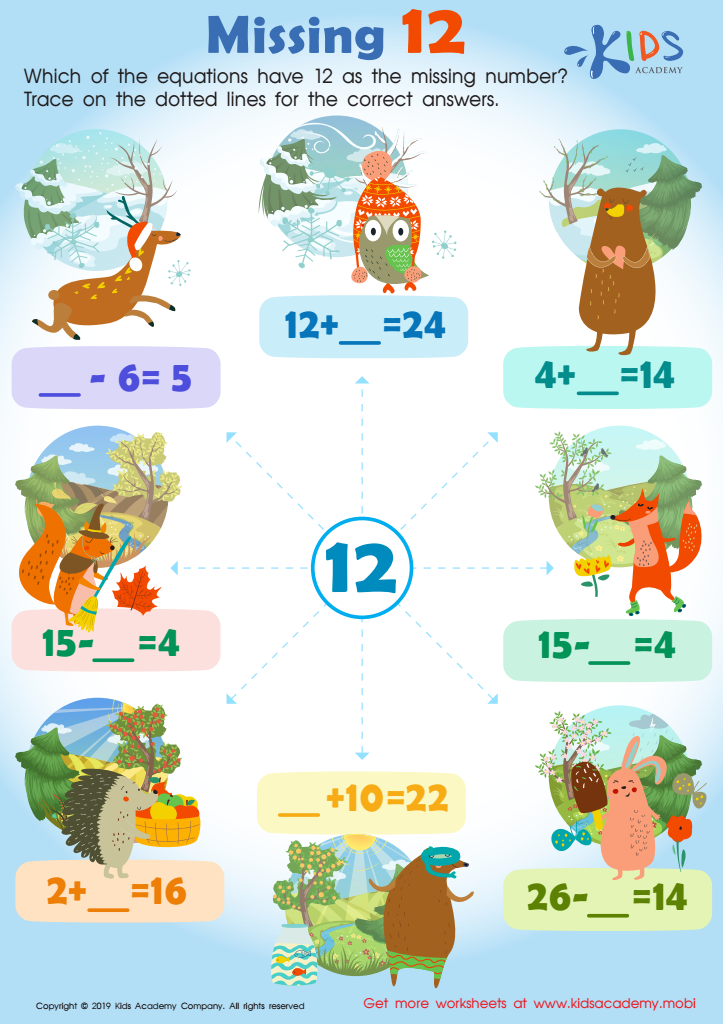
Missing 12 Worksheet
 Assign to My Students
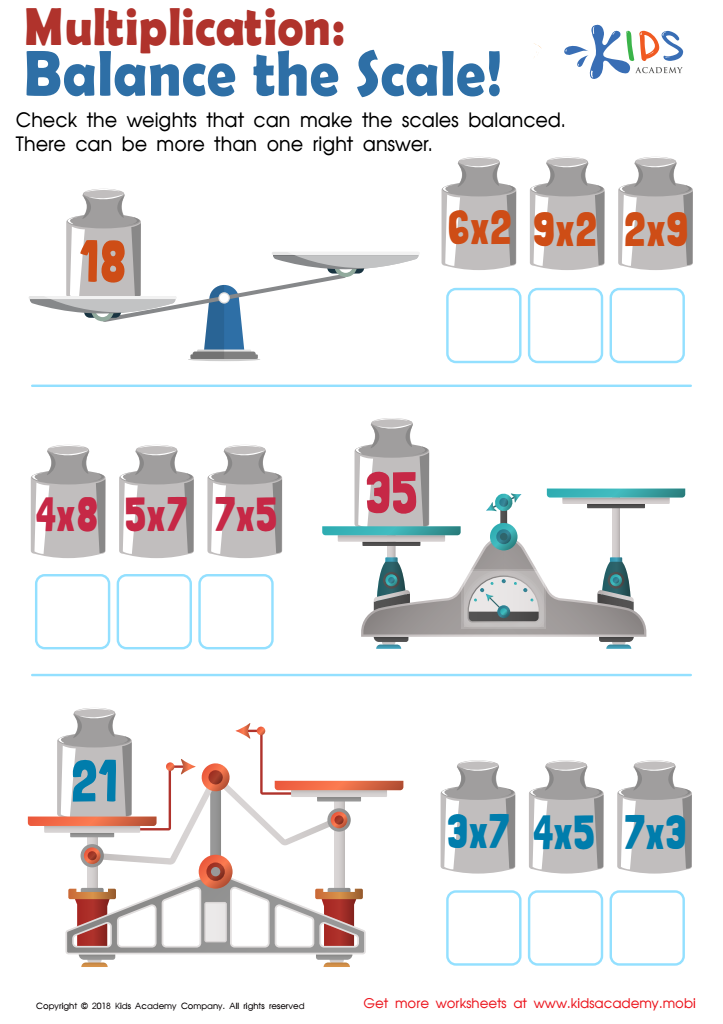
Balance the Scales Multiplication Worksheet
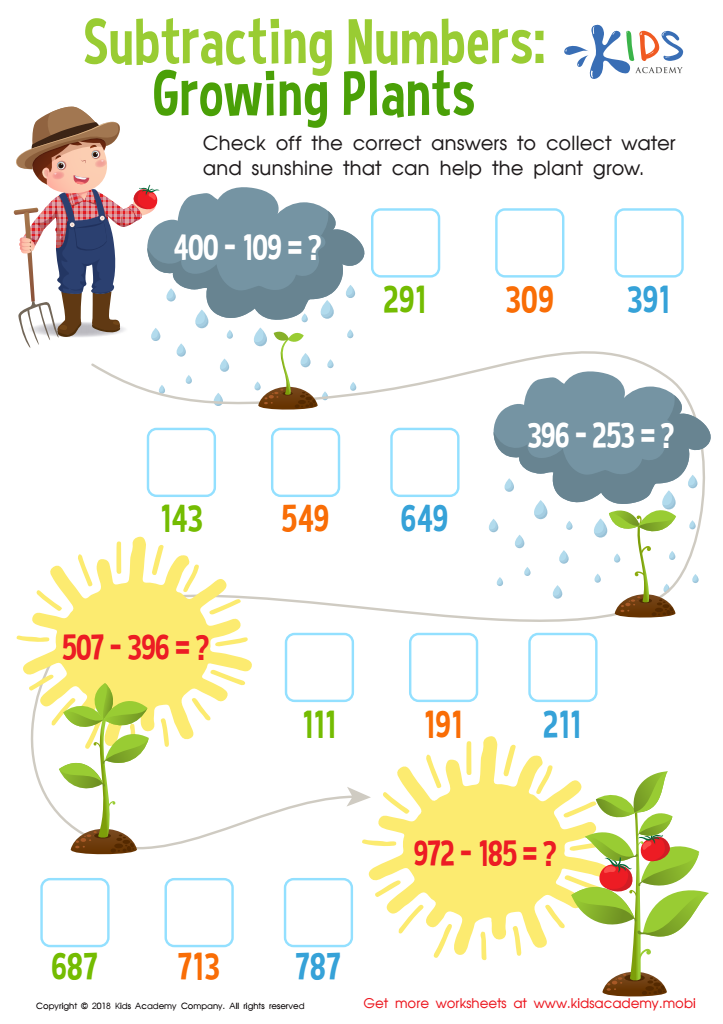
Subtracting Numbers: Growing Plants Worksheet
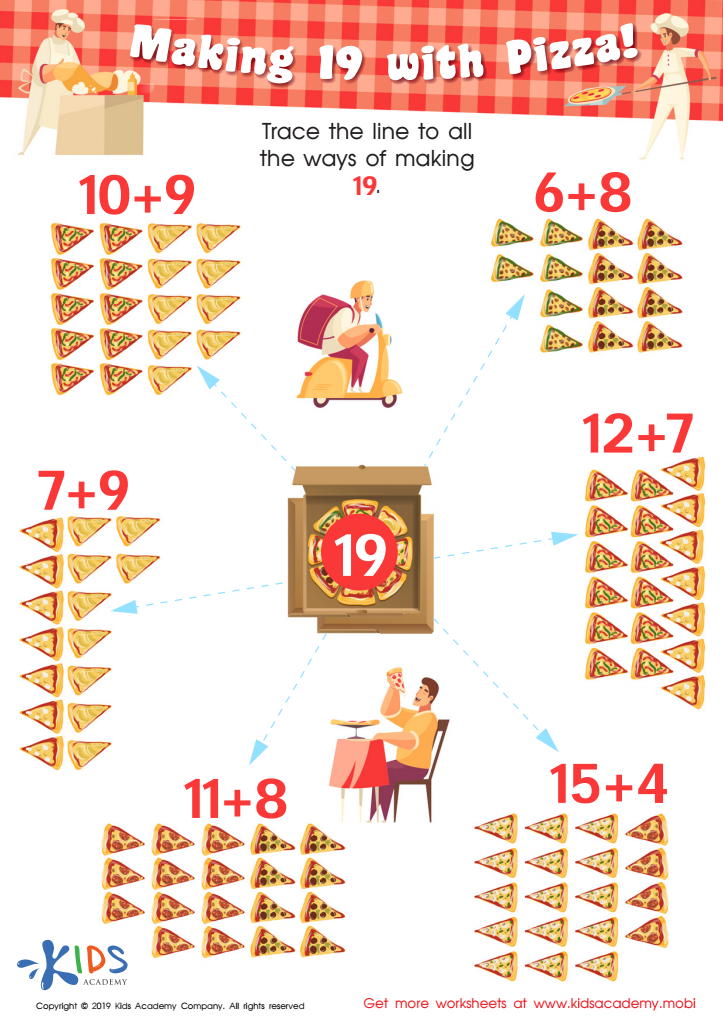
Making 19 with Pizza! Worksheet
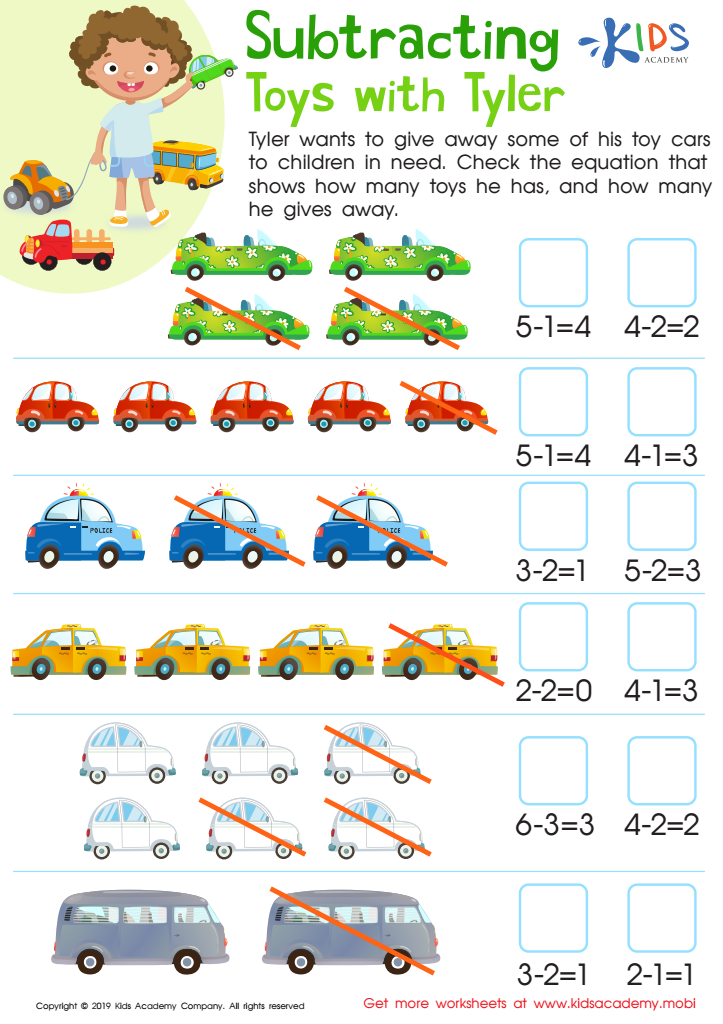
Subtracting Toys with Tyler Worksheet
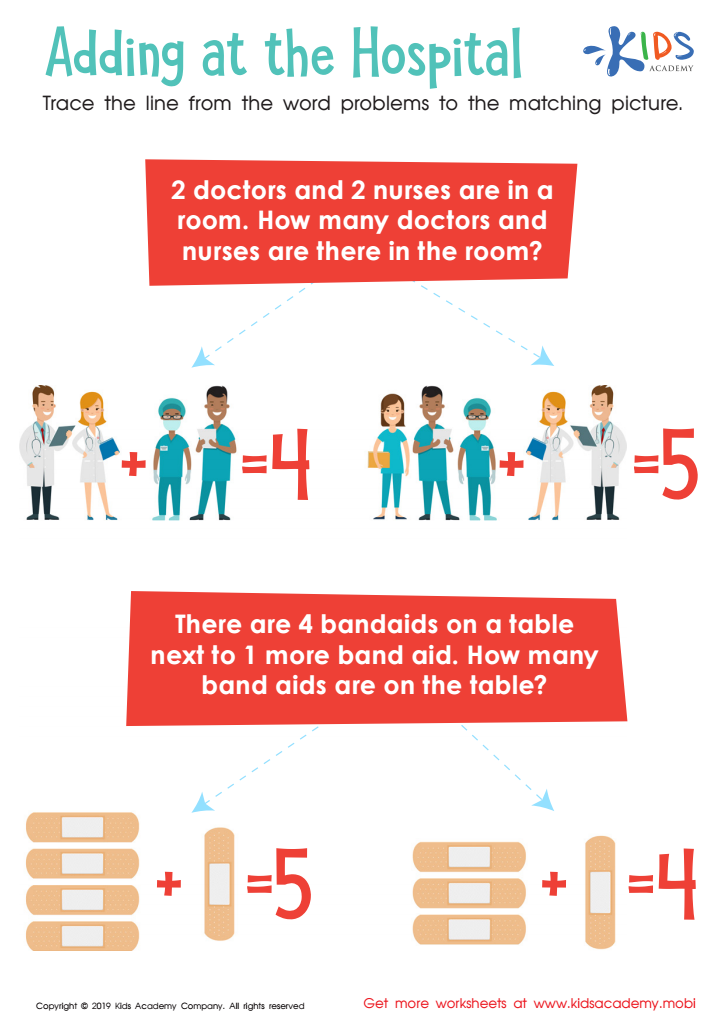
Adding at the Hospital Worksheet
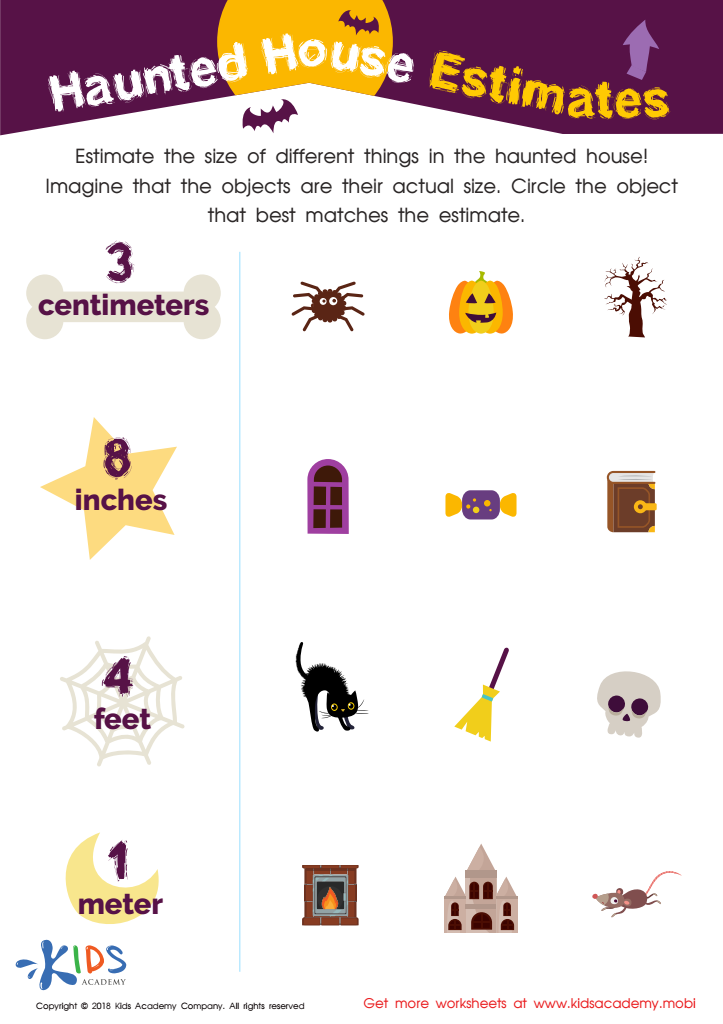
Haunted House Estimates Worksheet
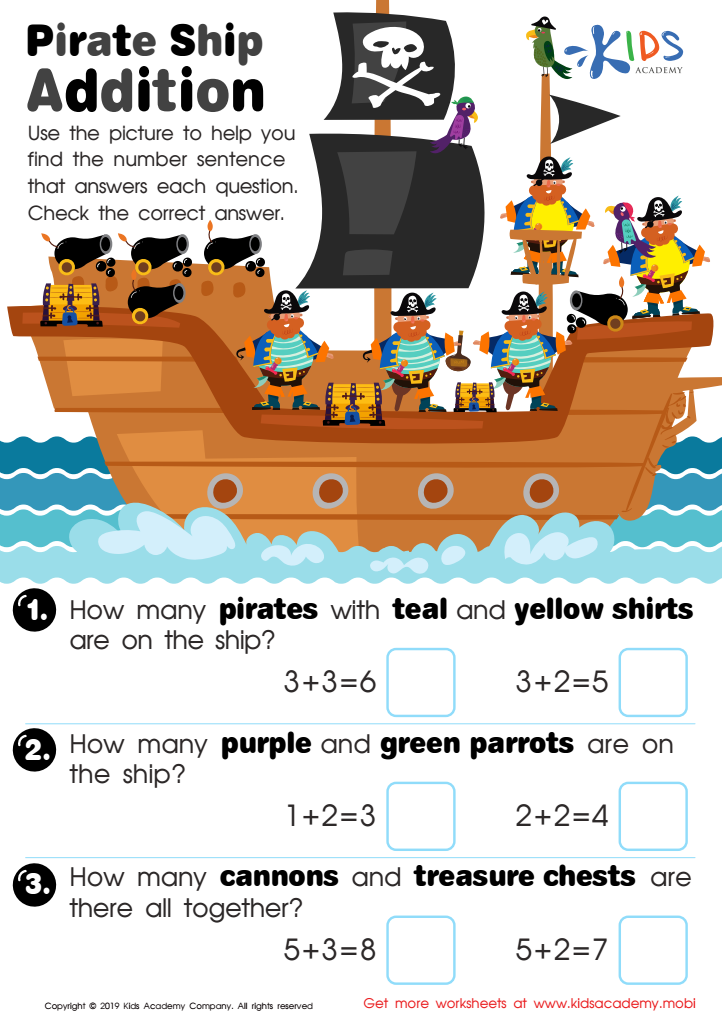
Pirate Ship Addition Worksheet
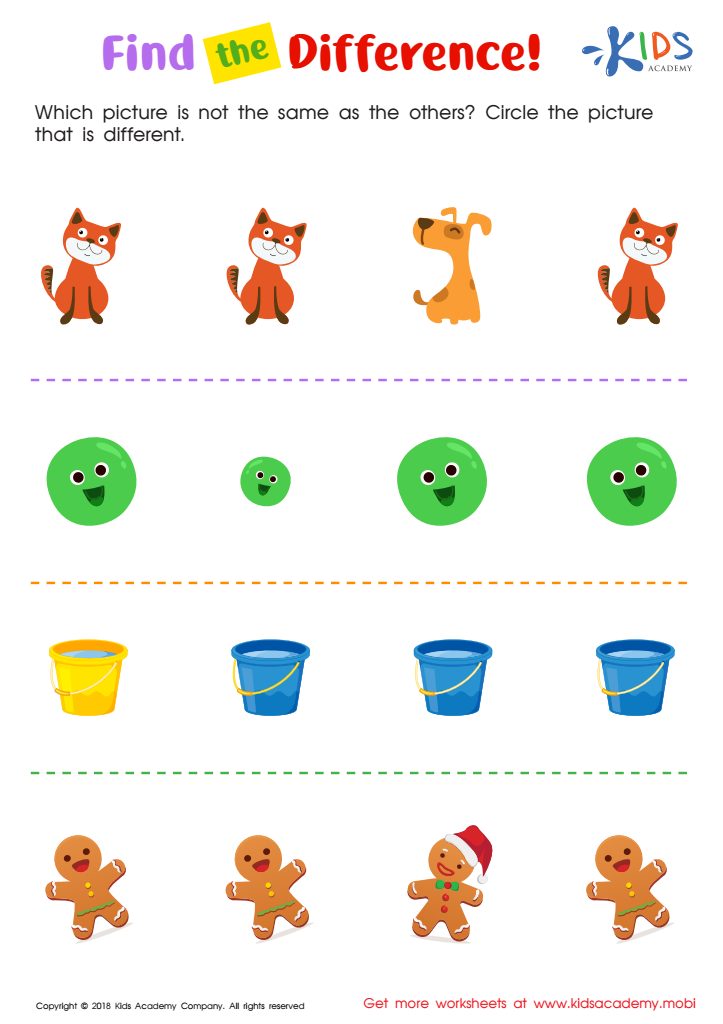
Find the Difference Worksheet
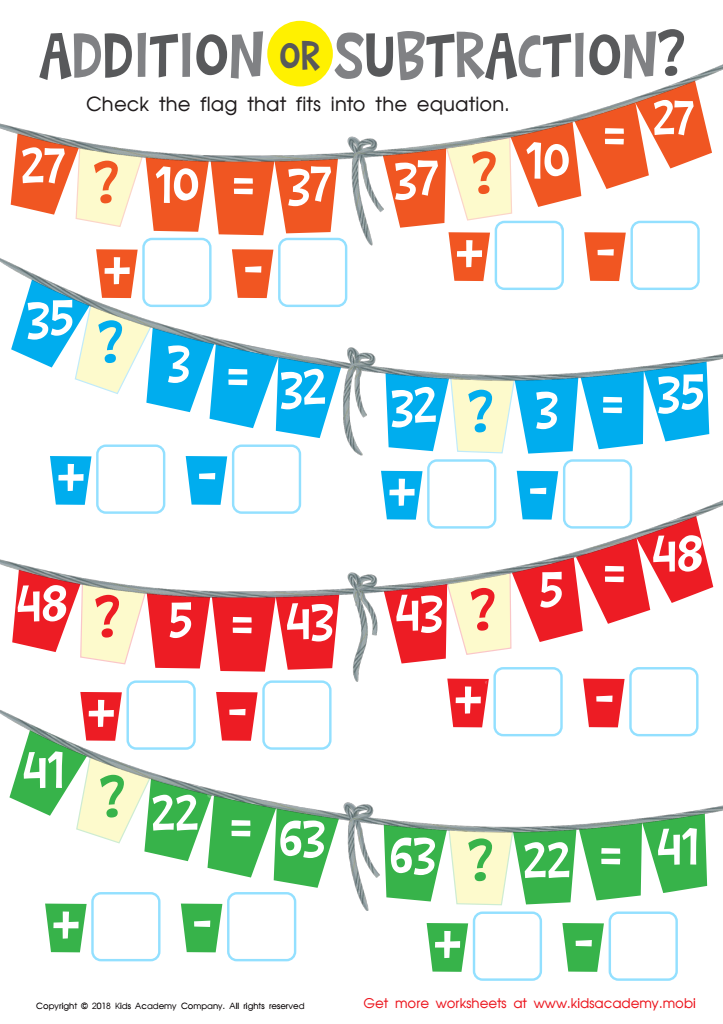
Addition or Subtraction? Worksheet
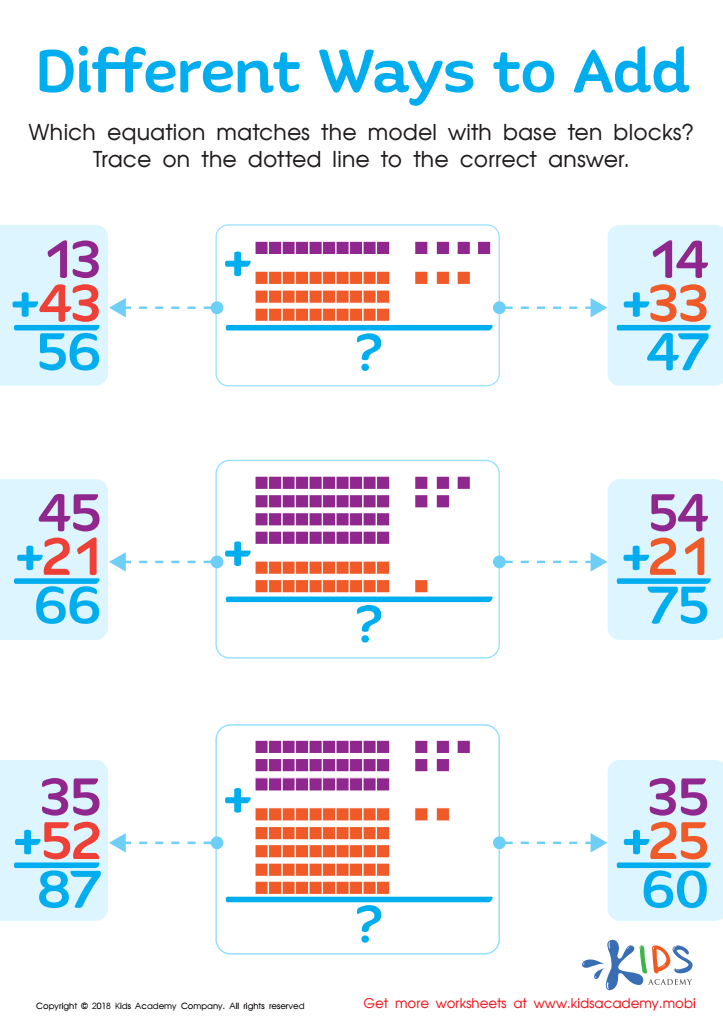
Different Ways to Add Worksheet
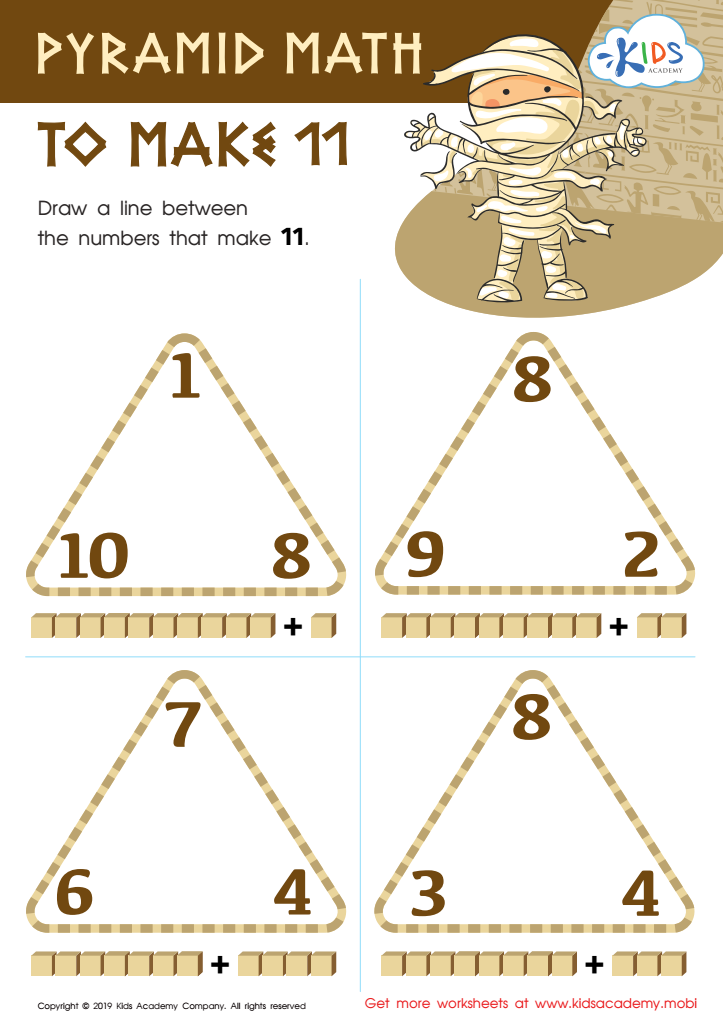
Pyramid Math to Make 11 Worksheet







Problem-solving abilities are crucial for the cognitive and emotional development of children aged 3-9. This foundational skill set lays the groundwork for a child's academic success and resiliency in everyday life. Here's why parents and teachers should prioritize it:
-
Critical Thinking: Problem-solving in math encourages children to think critically and consider various approaches to a situation. This cognitive skill is applicable beyond mathematics and fosters thoughtful and intentional decision-making.
-
Confidence Building: When children successfully solve problems, their confidence grows. This self-assuredness transfers to other subjects and social situations, creating a strong foundation for future challenges.
-
Persistence: Mathematical problem-solving teaches persistence. Young learners gradually understand that not all problems can be resolved immediately and that perseverance pays off—a valuable life lesson.
-
Numeracy Skills: Early exposure to problem-solving enhances numeracy skills, essential for both academic progression and everyday tasks. Mastery of these skills can lead to better performance in other STEM areas.
-
Creative Thinking: Solving problems often requires creative thinking and innovation. These scenarios teach children that there are multiple ways to approach and solve the same issue, promoting flexibility in their thinking.
By fostering problem-solving skills through normal math exercises, parents and teachers equip children with essential tools for lifelong learning and adaptive, proactive mindsets.








