Spatial awareness Normal Math Worksheets for Ages 3-9
13 filtered results
-
From - To
Enhance your child's spatial awareness with our interactive Normal Math Worksheets for ages 3-9. Designed to build a foundation in spatial reasoning, these activities help children visualize shapes, understand positions, and grasp directional concepts. Our age-appropriate exercises promote critical thinking and problem-solving skills through fun, engaging challenges. Perfect for home or classroom use, these worksheets support young learners to effectively navigate and interpret their physical and mathematical environments. Build confidence and competency in your child's spatial skills – explore our collection now to unlock their full potential in math learning.
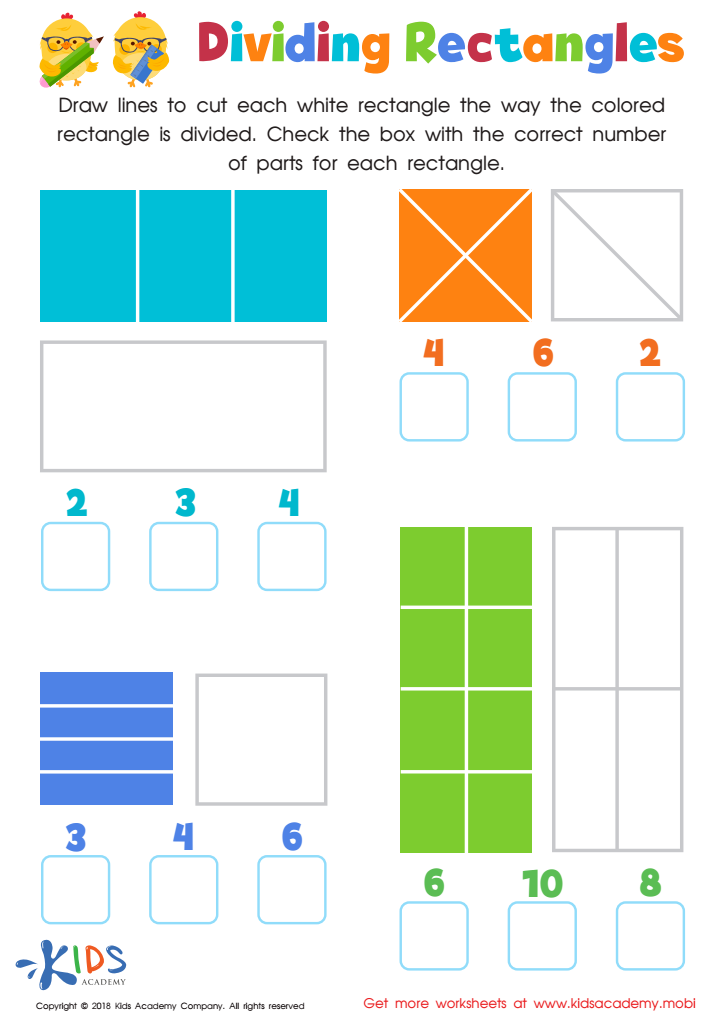
Dividing Rectangles Worksheet
 Assign to My Students
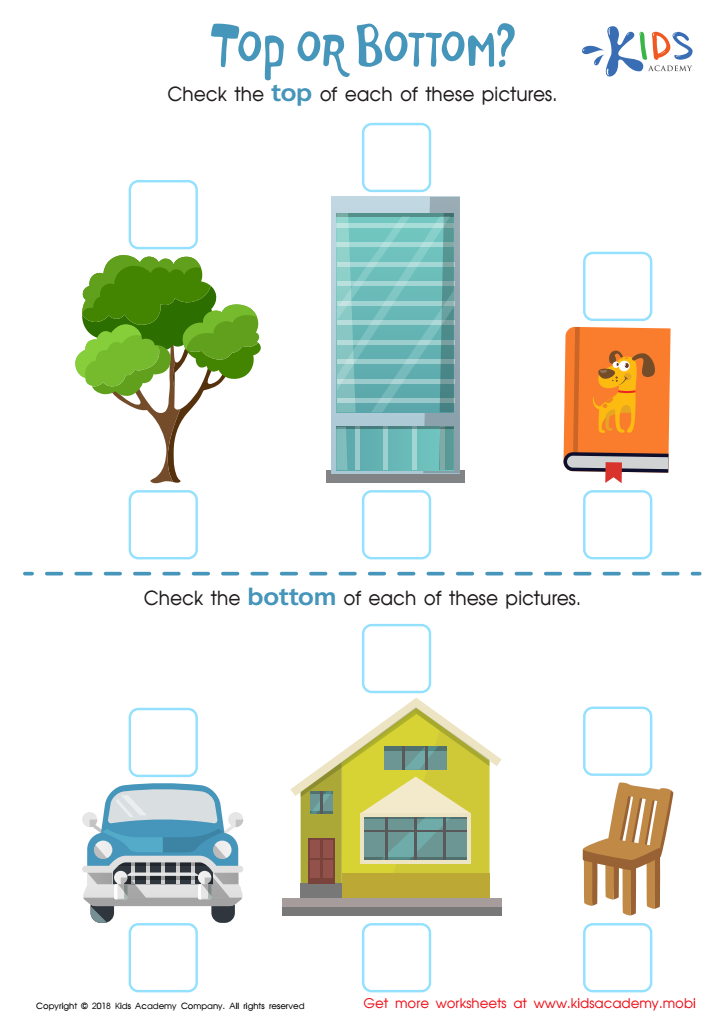
Top or Bottom Worksheet
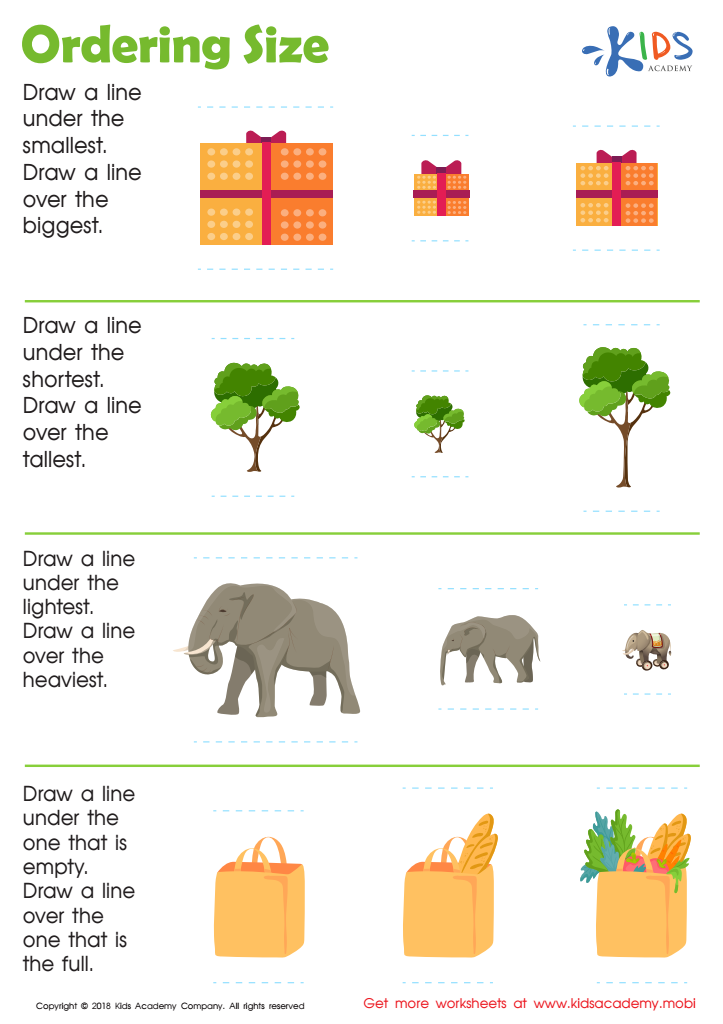
Ordering Size Worksheet
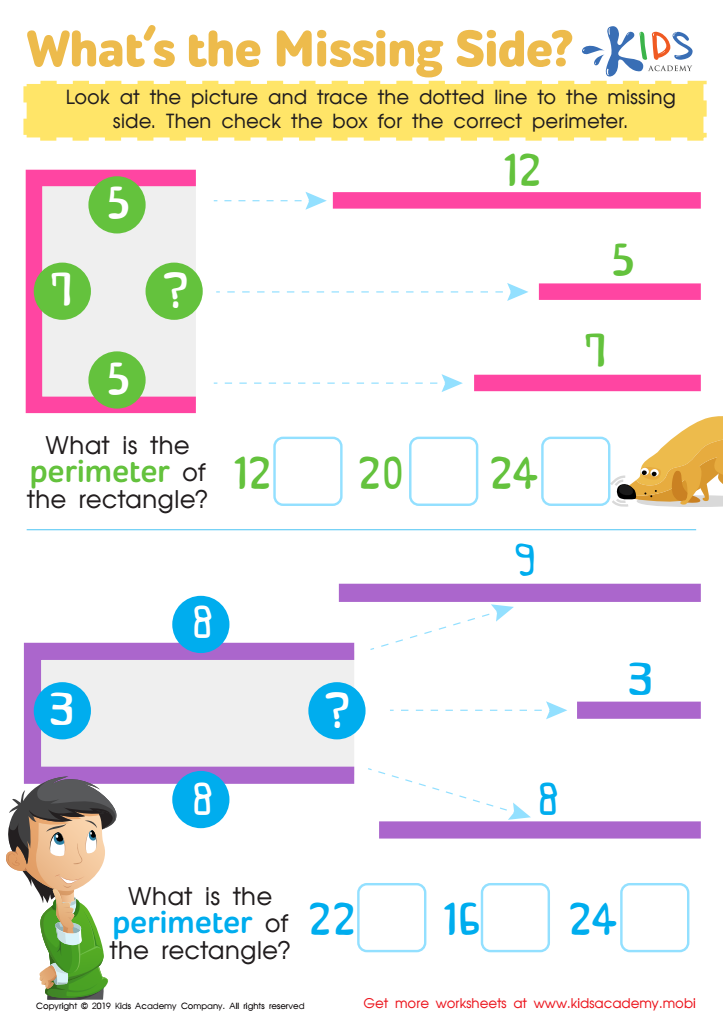
What's the Missing Side Worksheet
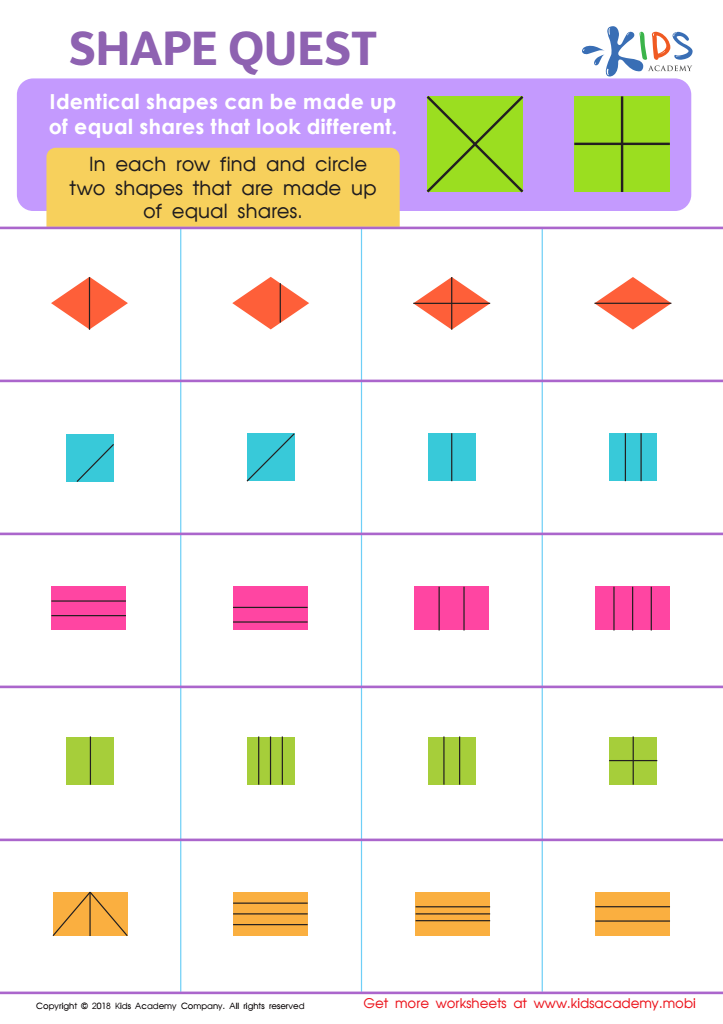
Shape Quest Worksheet
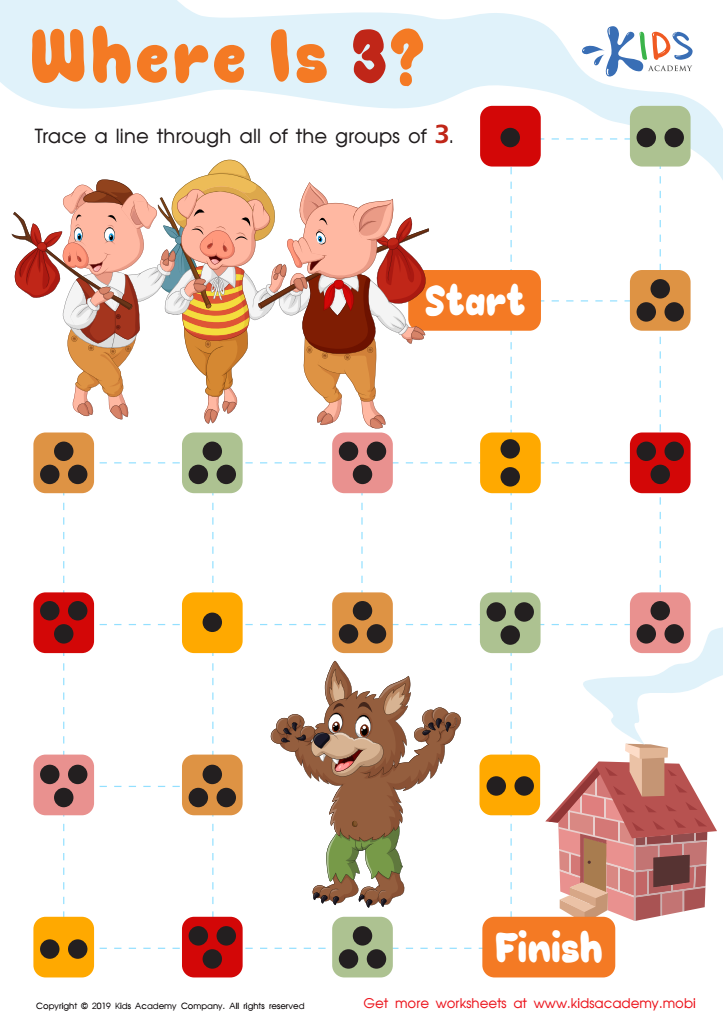
Where Is 3? Worksheet
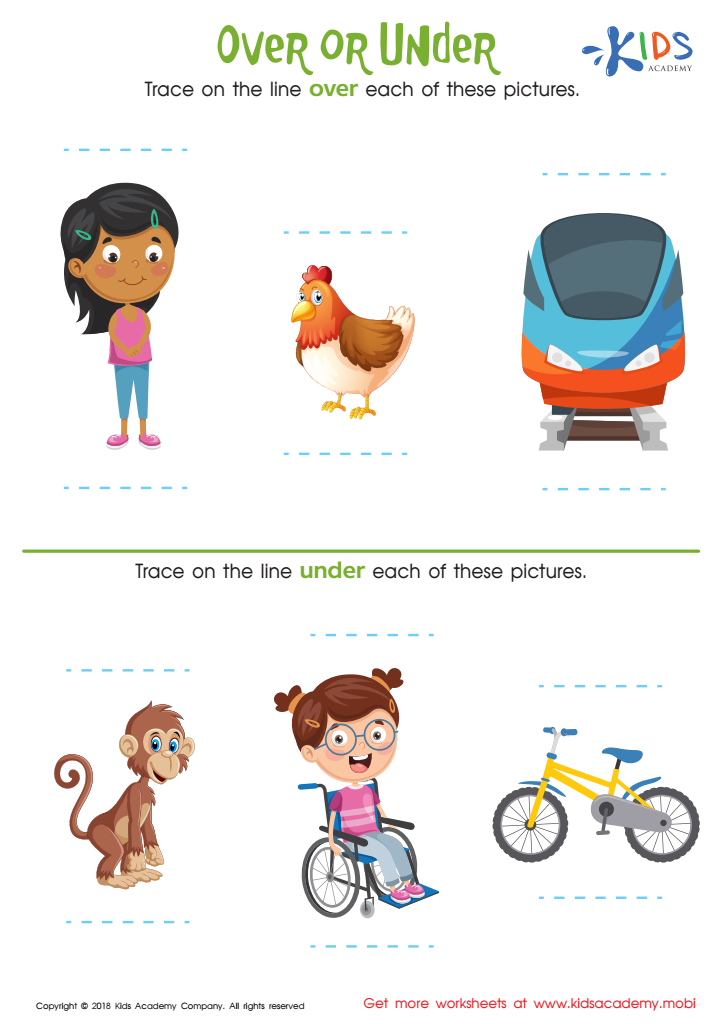
Over or Under Worksheet
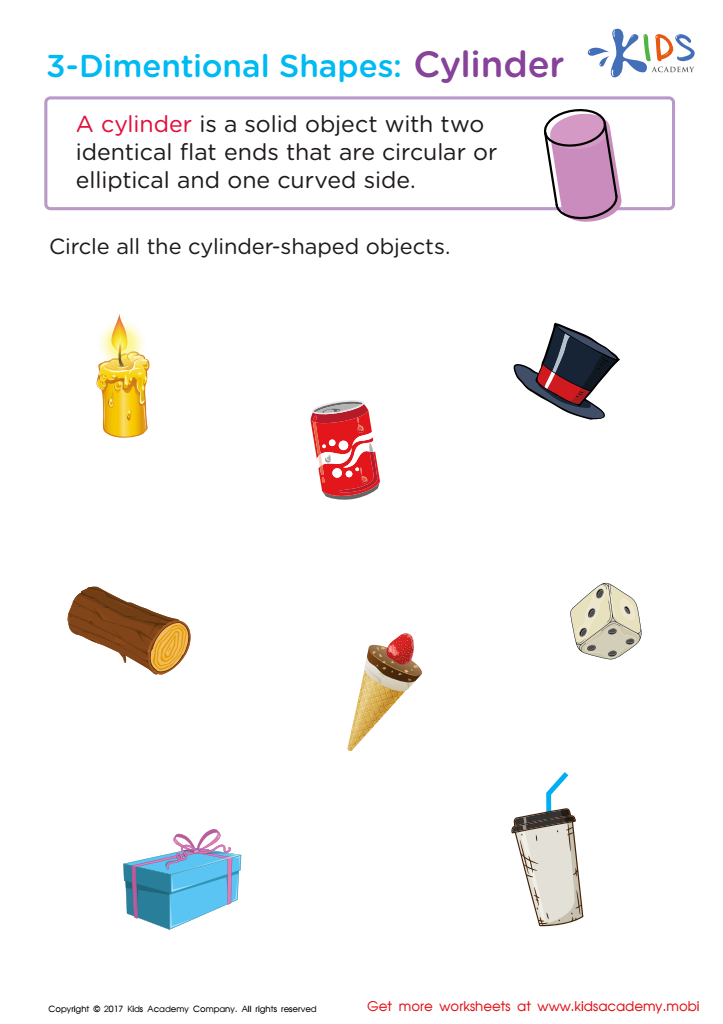
Three–Dimensional Shapes: Cylinder Worksheet
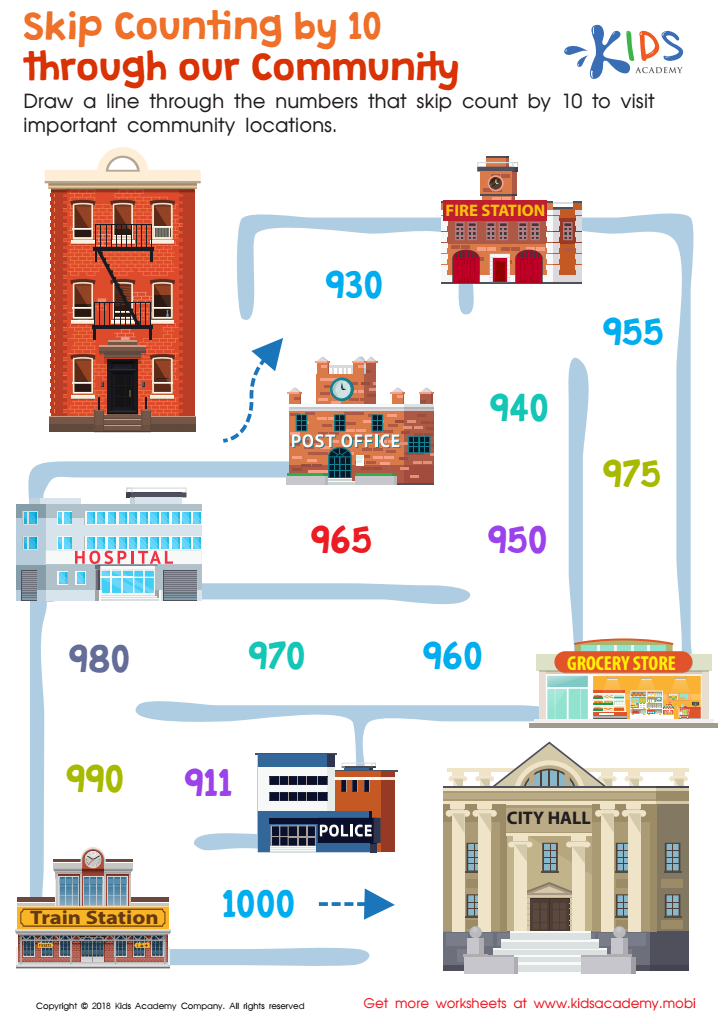
Skip Counting by 10 Through Our Community Worksheet
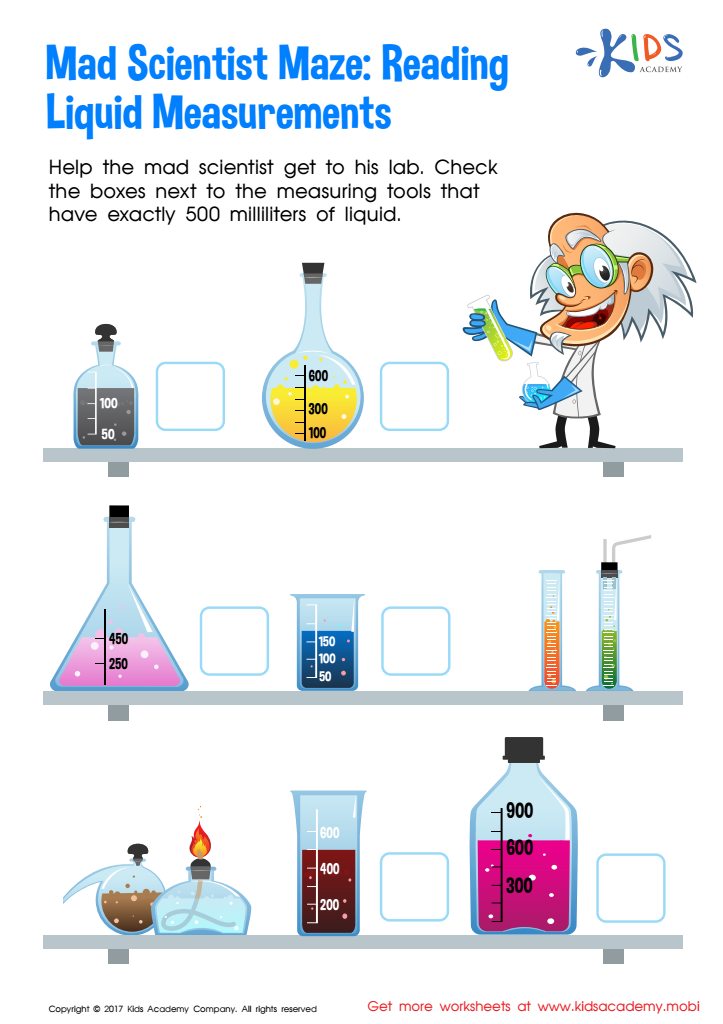
Reading Liquid Measurement Worksheet
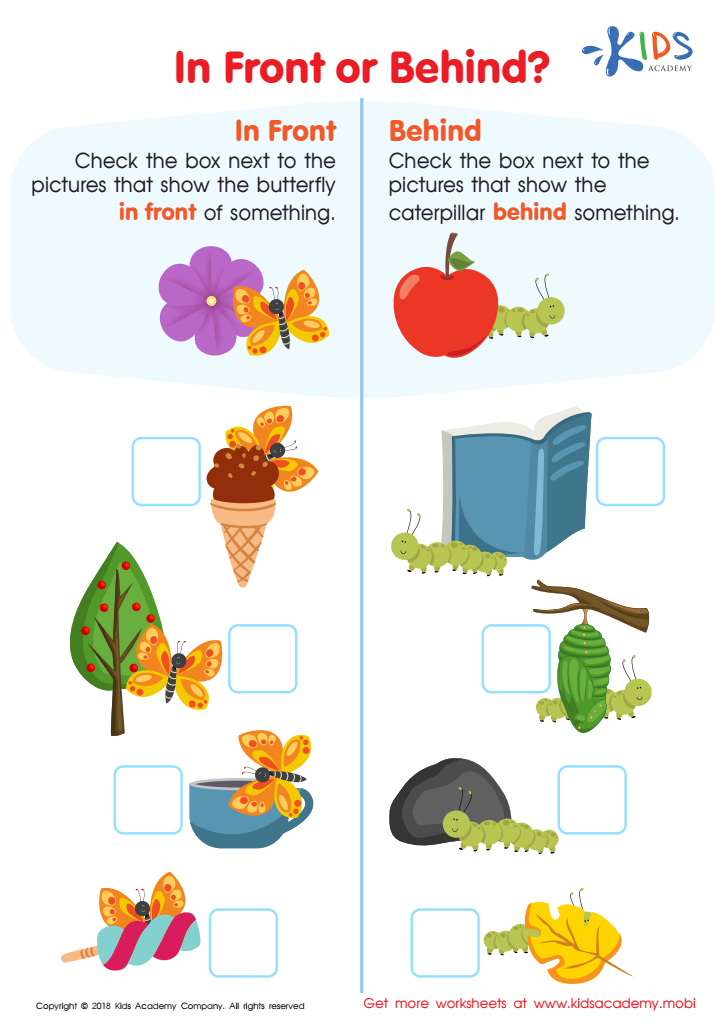
In Front or Behind Worksheet
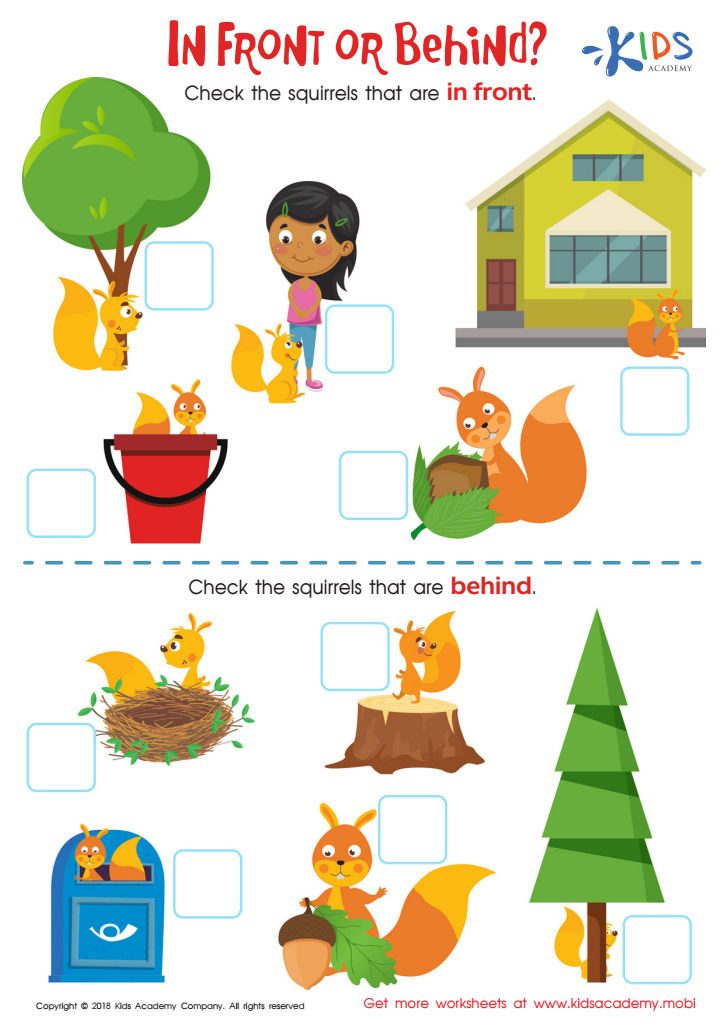
In Front or Behind: Part 2 Worksheet
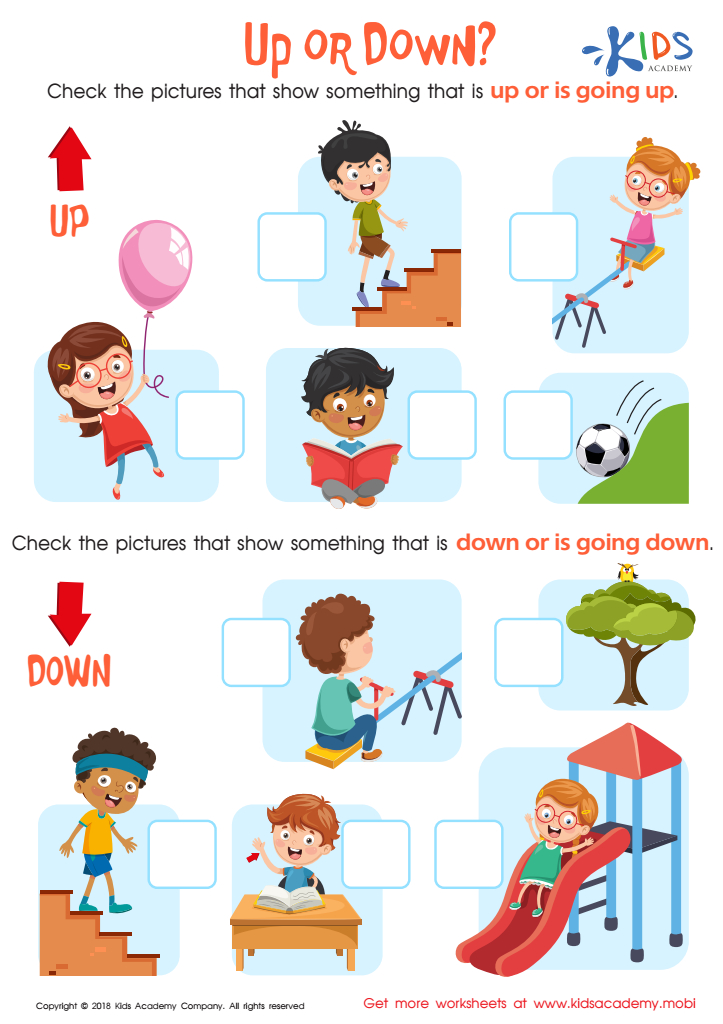
Up or Down Worksheet





Spatial awareness is crucial for young children aged 3-9 as it forms the foundation for mathematical thinking and problem-solving skills. For both parents and teachers, fostering spatial awareness can significantly enhance a child's cognitive development and daily life competencies.
Spatial awareness involves understanding the relationships between objects in space, including distance, direction, location, and movement. When children develop spatial skills, they become competent in visualizing shapes, patterns, and configurations, which are essential for grasping more complex mathematical concepts later on.
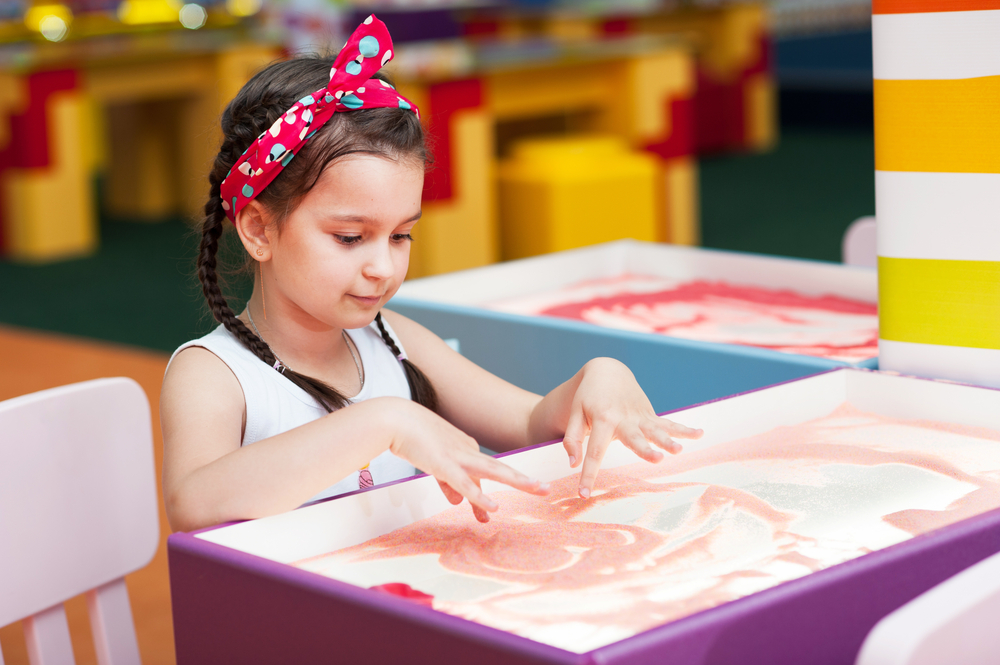
Activities such as puzzles, block play, and drawing are not just entertaining but also educational. They help children comprehend shapes, sizes, and space, laying the groundwork for geometry and measurement. This comprehension aids in subjects like math, science, technology, engineering, and even art. Furthermore, spatial skills are integral to everyday activities such as reading maps, packing bags, or playing sports, making them practical as well as academic.
For parents and teachers, encouraging spatial awareness can also lead to enhanced literacy. Writing letters, understanding graphs, and allowing concepts like 'left' and 'right' to sink in become more manageable. In essence, a strong base in spatial awareness equips children with a toolkit for success across both academic subjects and real-world challenges. Prioritizing this development ensures a well-rounded, competent, and confident learner.








