Visual perception Normal Math Worksheets for Ages 3-9
15 filtered results
-
From - To
Boost your child's math skills with our Visual Perception Normal Math Worksheets for ages 3-9. These engaging and educational printables are designed to enhance visual perception, a critical skill for early learning. Featuring fun and interactive activities such as pattern recognition, matching, and sorting, our worksheets help young learners develop essential math foundations while enjoying the process. Created by educational experts, they are perfect for both classroom and at-home learning. Give your child the head start they deserve in mathematical thinking and visual discrimination with our meticulously crafted worksheets. Download now and watch your child's confidence soar!
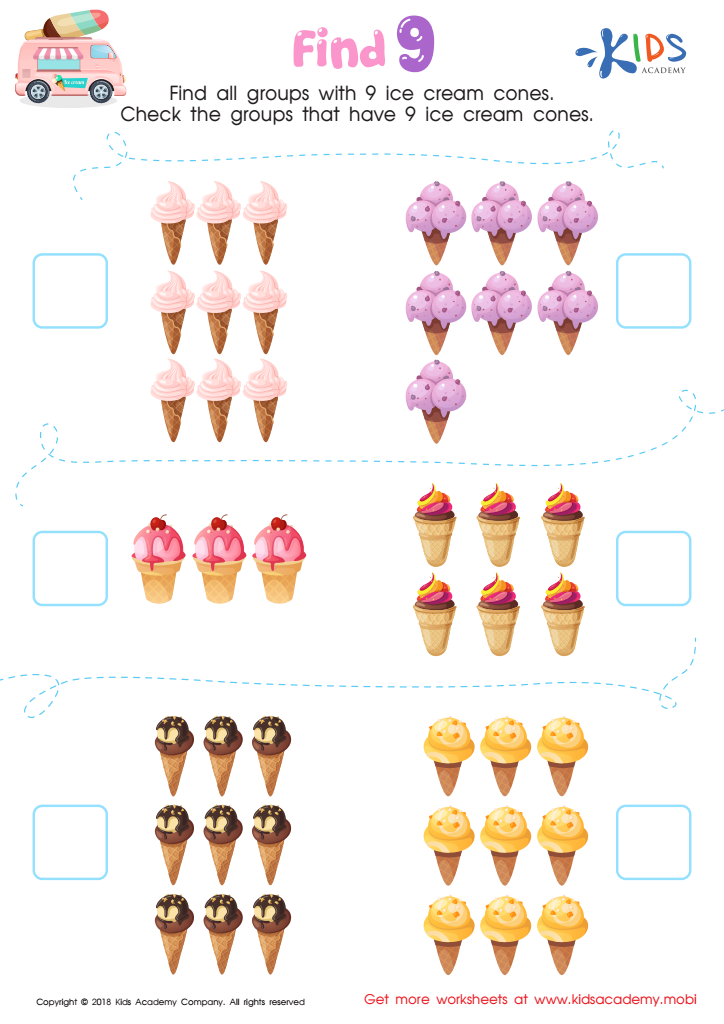
Find 9 Worksheet
 Assign to My Students
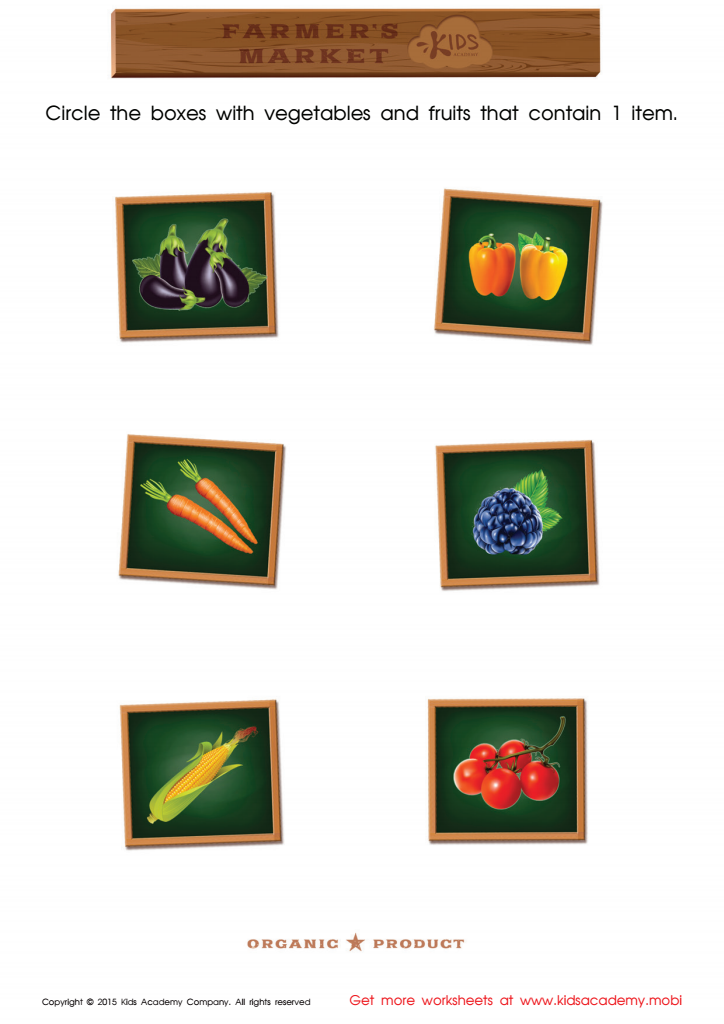
Count and Match Boxes with Vegetables
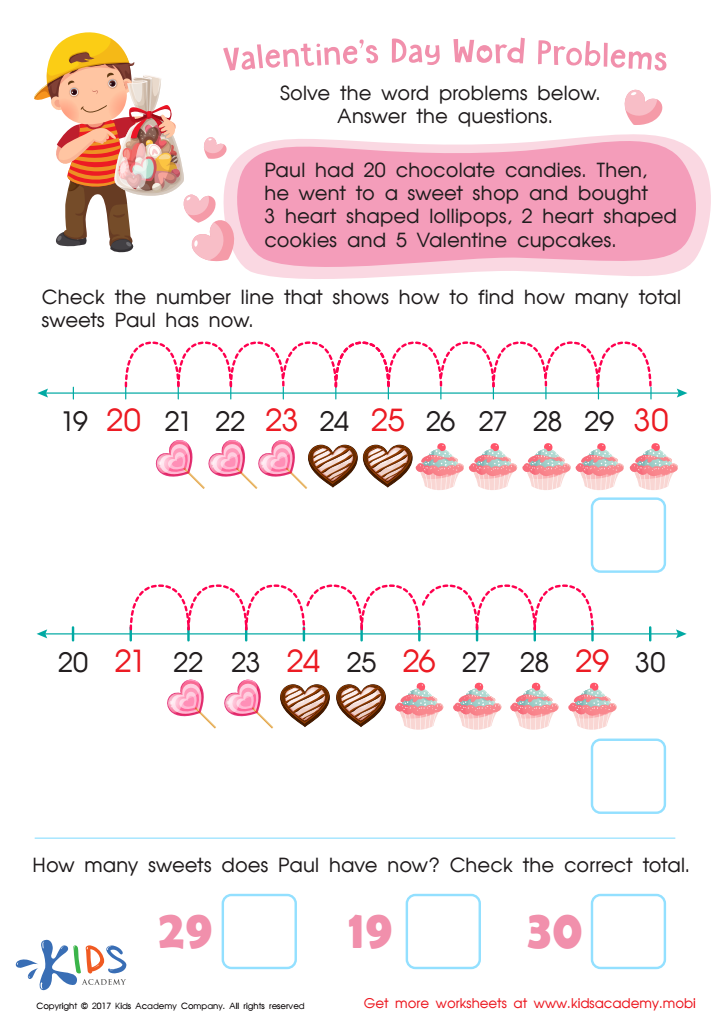
Valentines Day 2 Printable
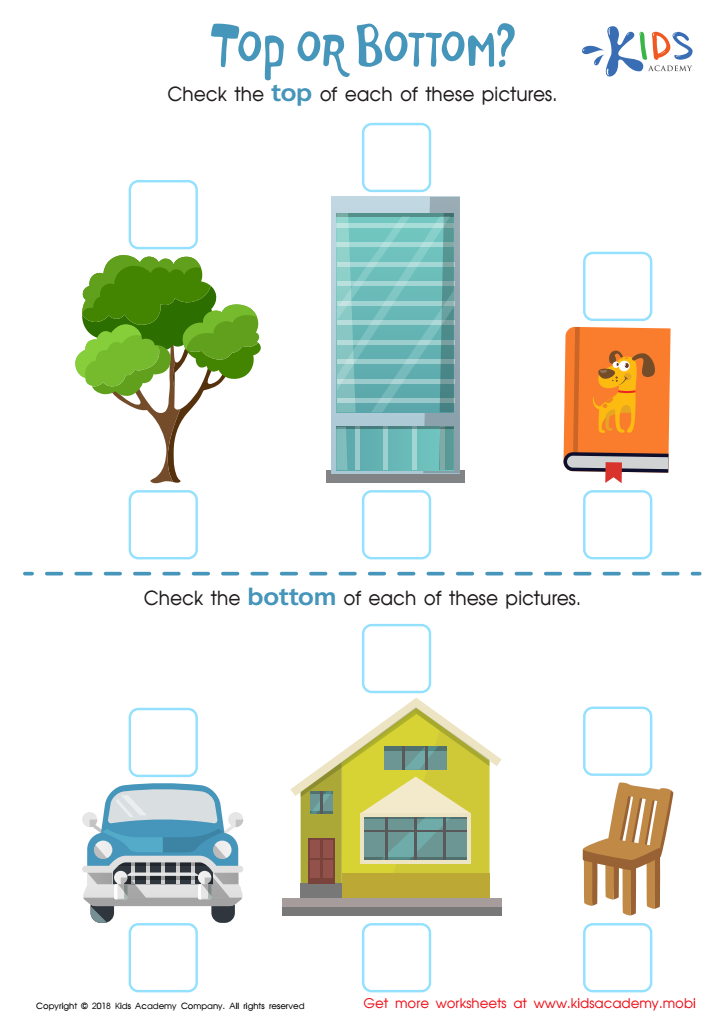
Top or Bottom Worksheet
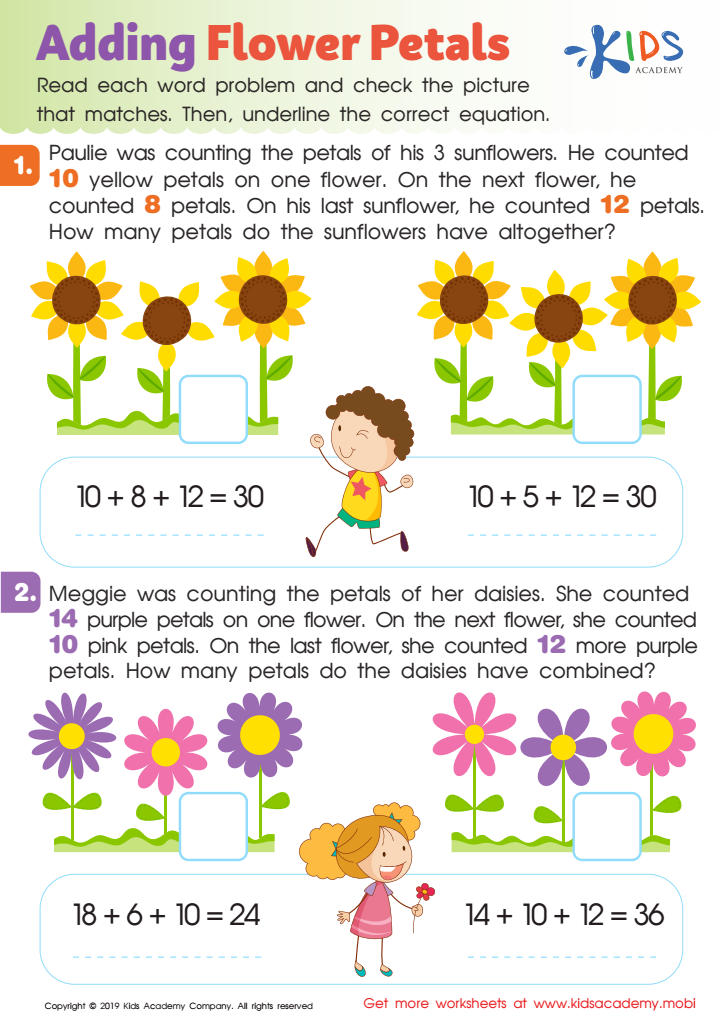
Adding Flower Petals Worksheet
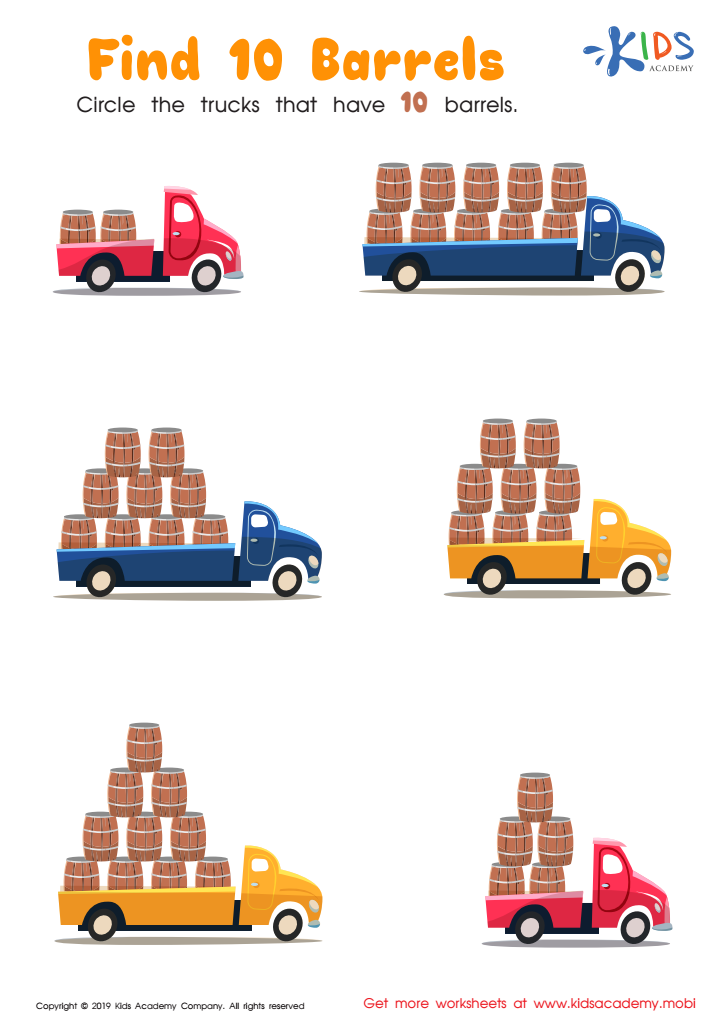
Find 10 Barrels Worksheet
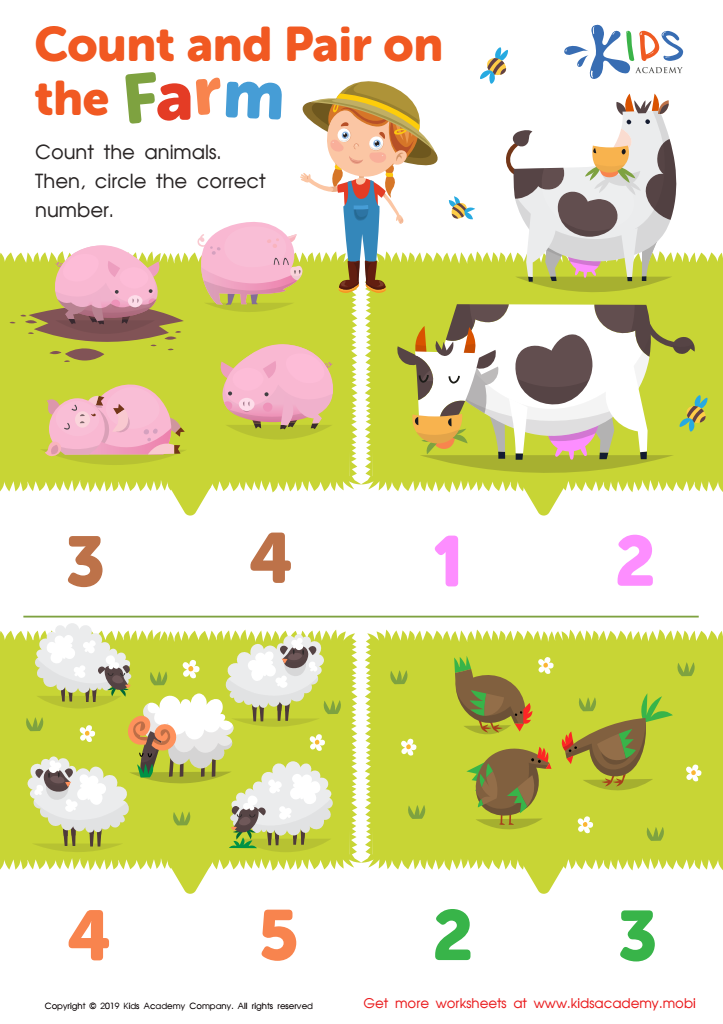
Count and Pair on the Farm Worksheet
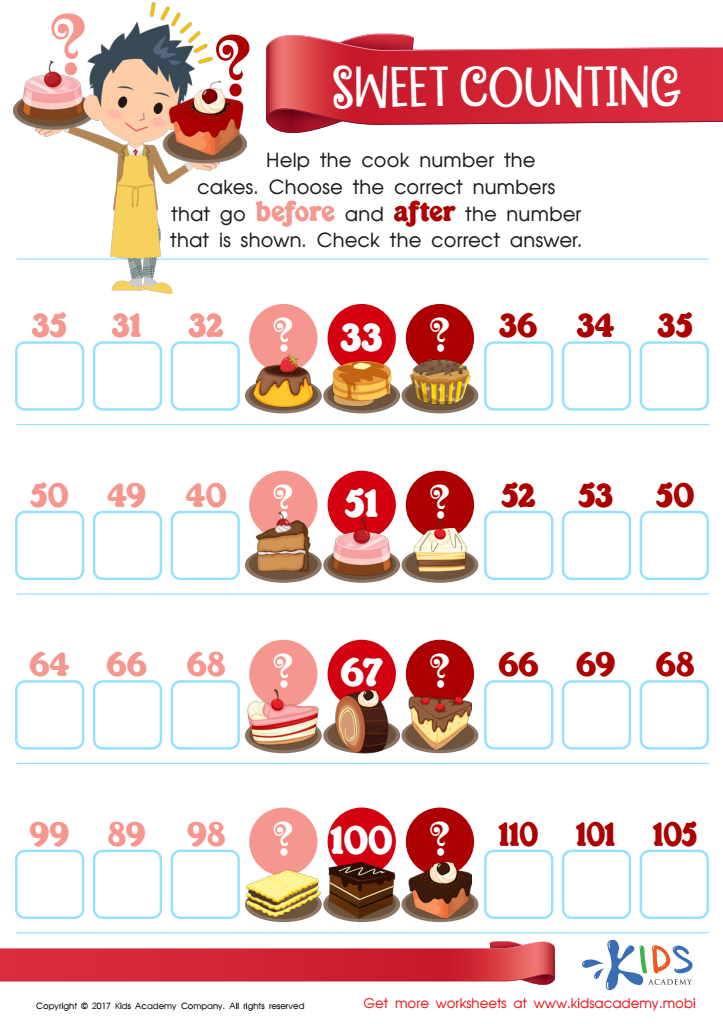
Sweet Counting - Part 1 Worksheet
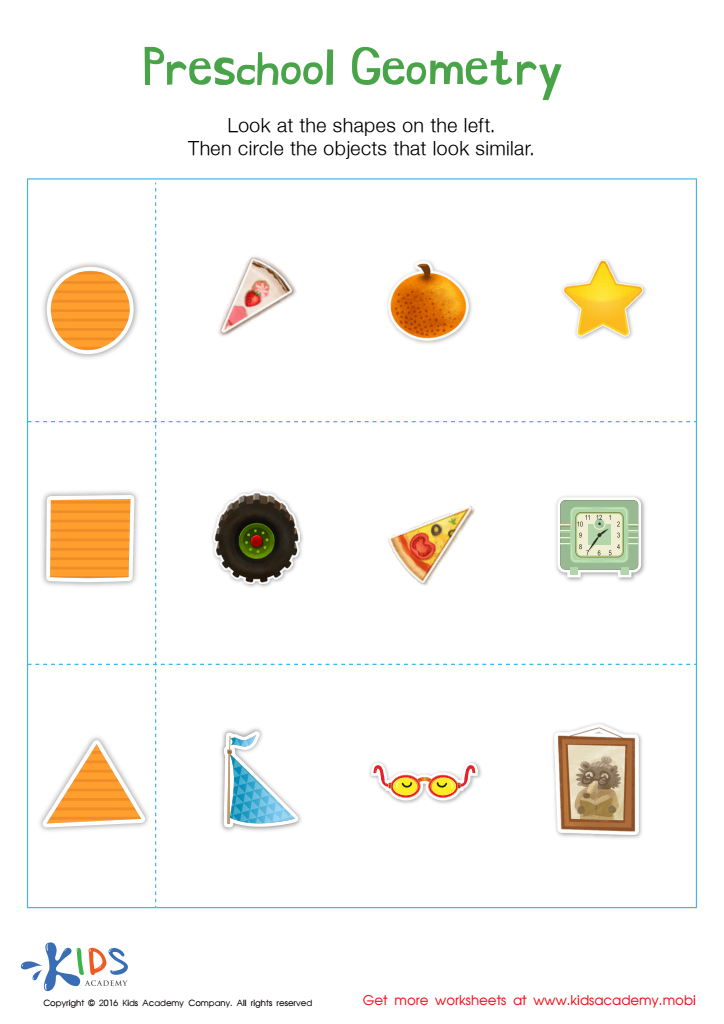
Preschool Geometry Match Up Worksheet
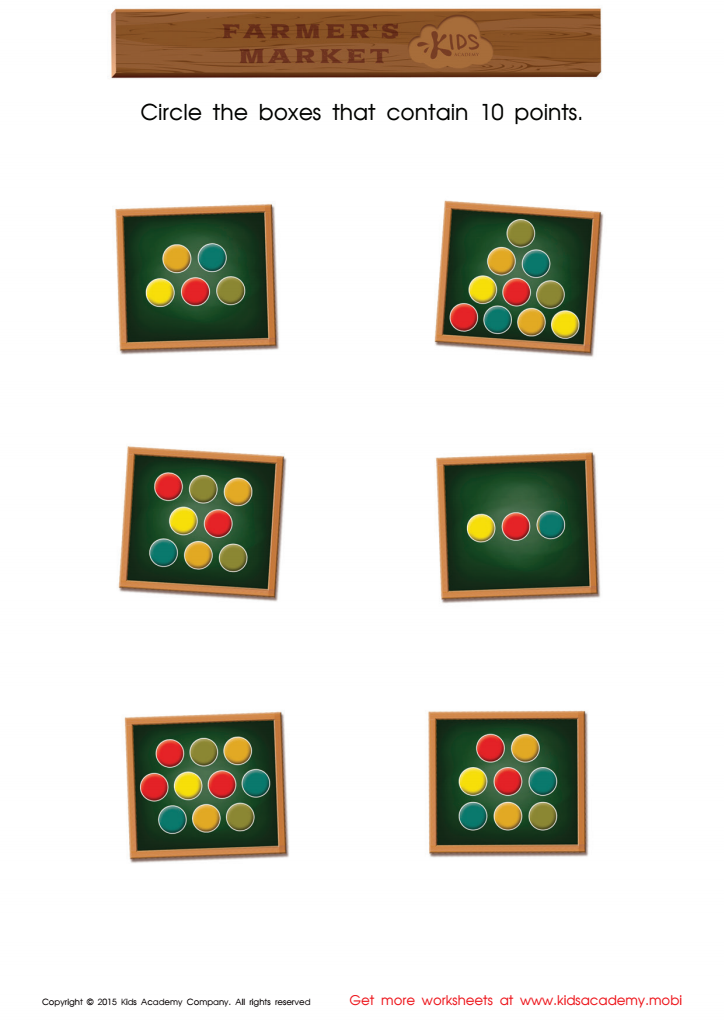
Count and Match Points 10 Math Worksheet
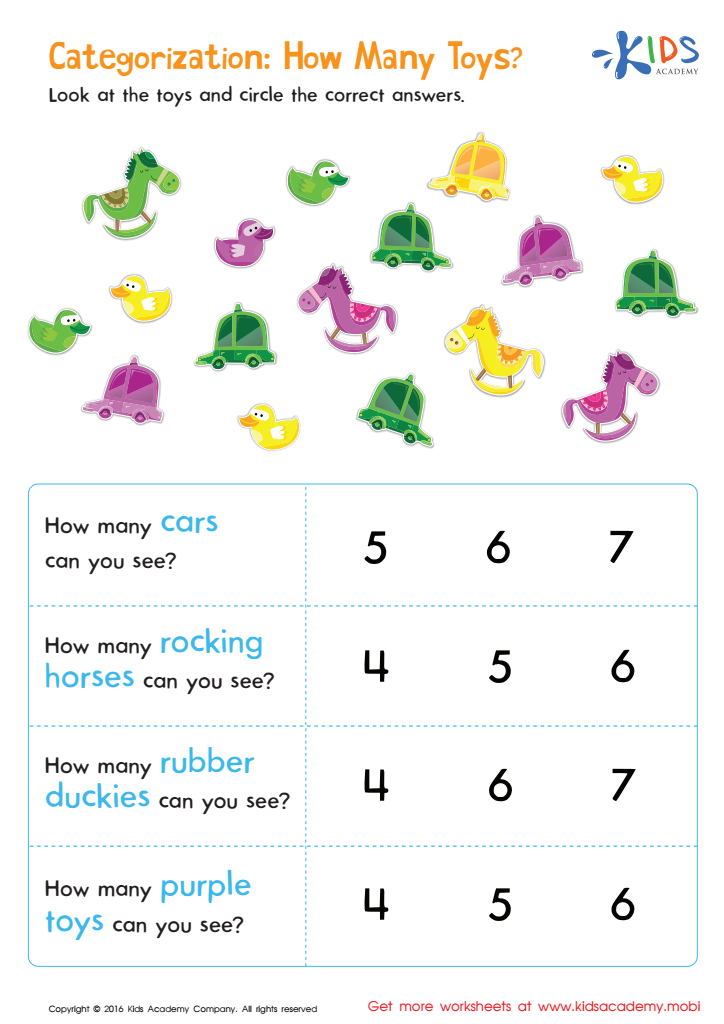
Classifying Toys by Type and Color Sorting Worksheet
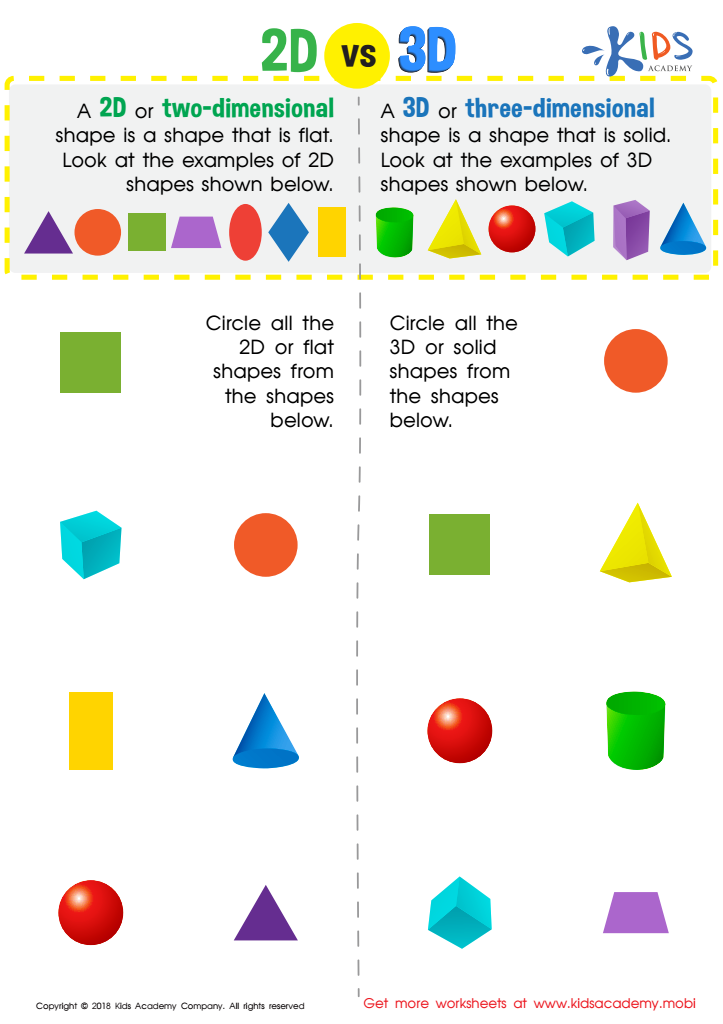
2D vs 3D Shapes Worksheet
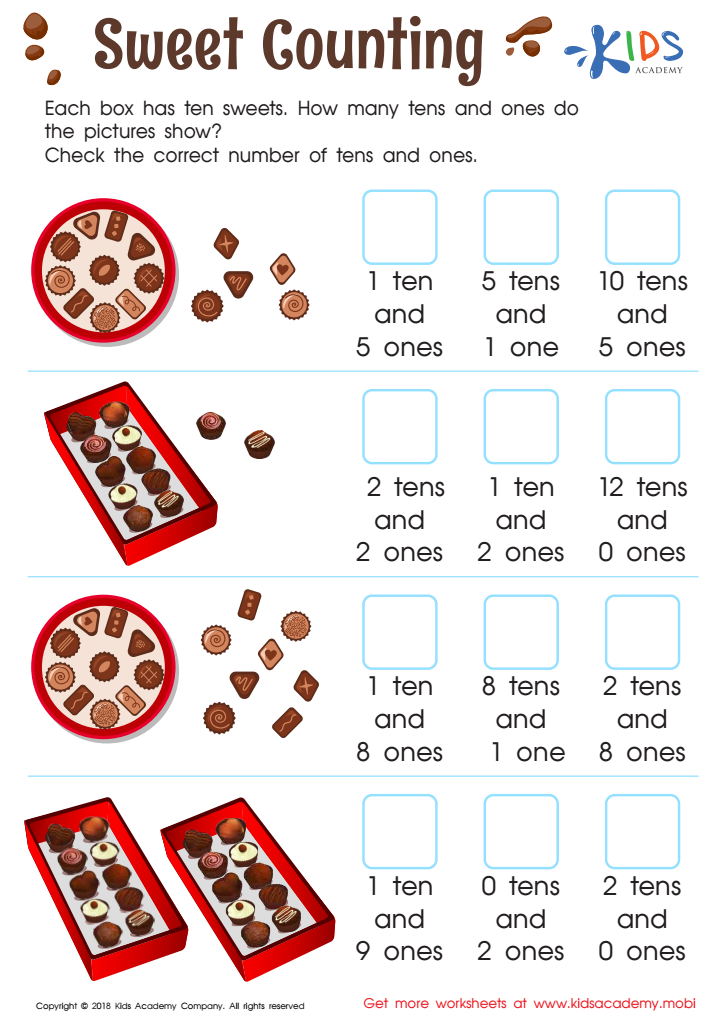
Sweet Counting - Part 2 Worksheet
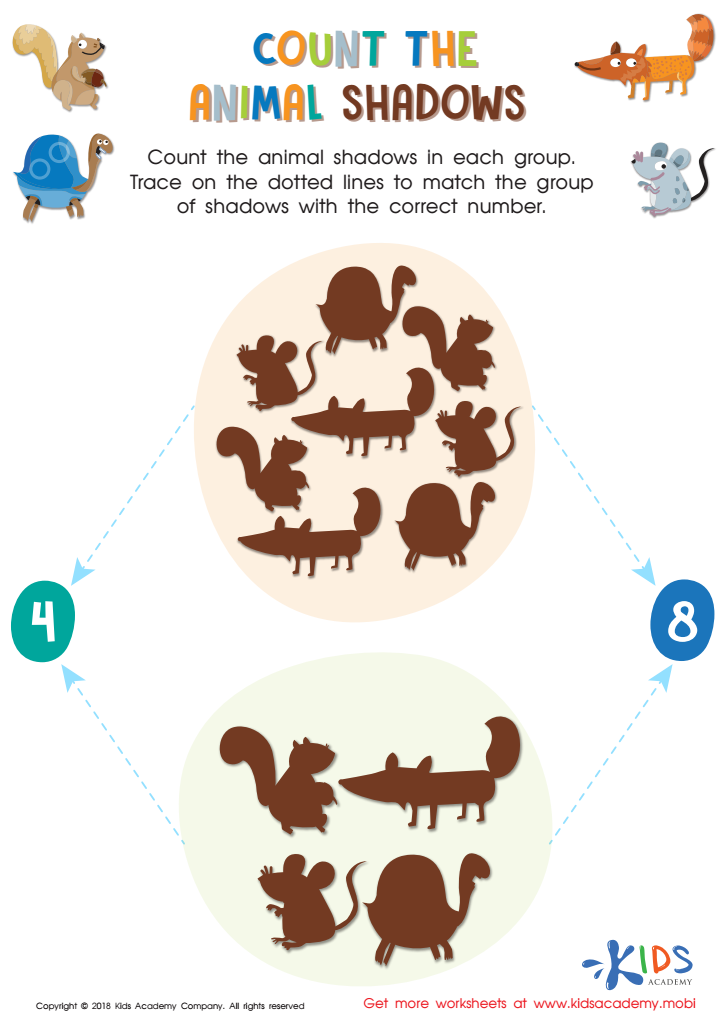
Count the Animal Shadows Worksheet
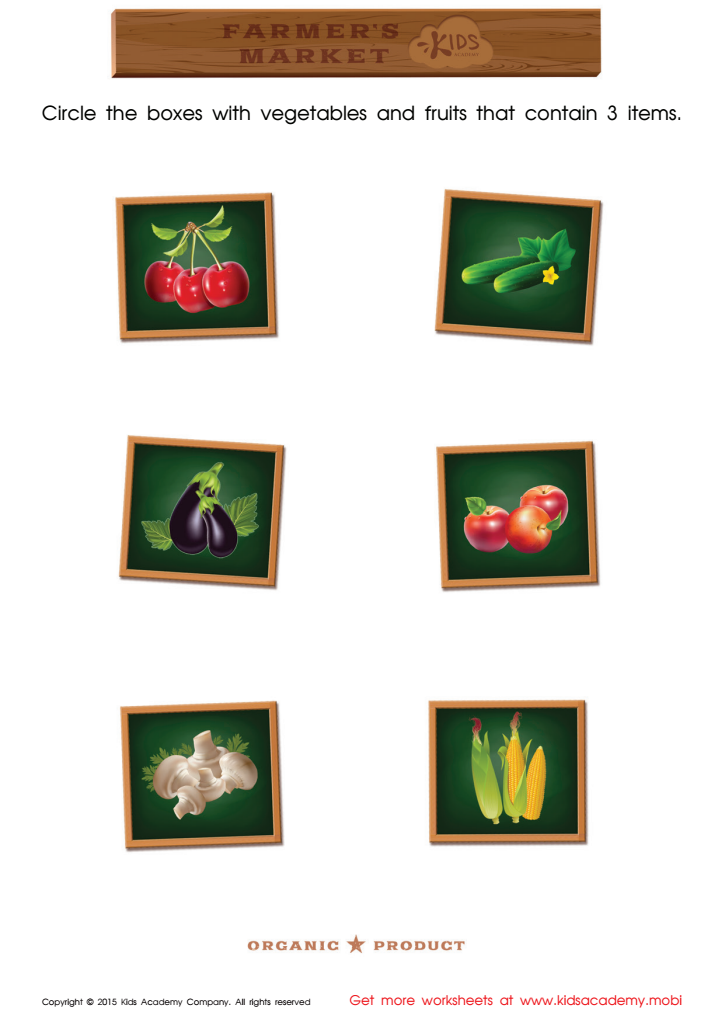
Count and Match Vegetables 1 – 5 Math Worksheet







Visual perception is crucial for children aged 3-9 as it affects their ability to interact with and understand the world around them. Providing stimulation in visual perception skills can significantly bolster a child's overall learning experience, especially in mathematics.
Visual perception encompasses several skills such as visual discrimination, spatial relations, and visual memory, all of which are foundational for math proficiency. For instance, recognizing patterns, shapes, and symmetry in early childhood fosters an intuitive understanding of numbers and measurement concepts. When children learn to differentiate between similar figures or numbers, they develop accuracy and advance in more complex mathematical reasoning later on. For example, understanding that "9" and "6" are different numbers despite visual similarities is key to numerical literacy.
In the context of learning, visual perception supports children in organizing visual information meaningfully. This capability is indispensable in solving math problems, understanding geometric concepts, and grasping relationships between different sets of data. Furthermore, visual memory assists children in recalling math facts and procedures, thus adding to skills like mental arithmetic and problem-solving.
Early emphasis on developing visual perception can result in enhanced cognitive abilities, better academic performance, and improved self-confidence in math and other domains. Therefore, parents and teachers should actively engage and nurture these skills through activities and instructional strategies tailored to visual learning.








