Visual perception improvement Normal Math Worksheets for Ages 3-9
4 filtered results
-
From - To
Enhance your child’s visual perception skills with our tailored Normal Math Worksheets for ages 3-9! Designed specifically to support young learners, these worksheets provide engaging activities that promote essential visual skills, aiding in their overall mathematical understanding. Watch as your little ones develop the ability to interpret and analyze shapes, patterns, and spatial relationships while enjoying a fun and interactive learning experience. Each worksheet is crafted to challenge and inspire, making math more enjoyable and accessible for your child. Equip them with the tools they need to succeed in math and beyond! Start nurturing your child’s visual perception today!
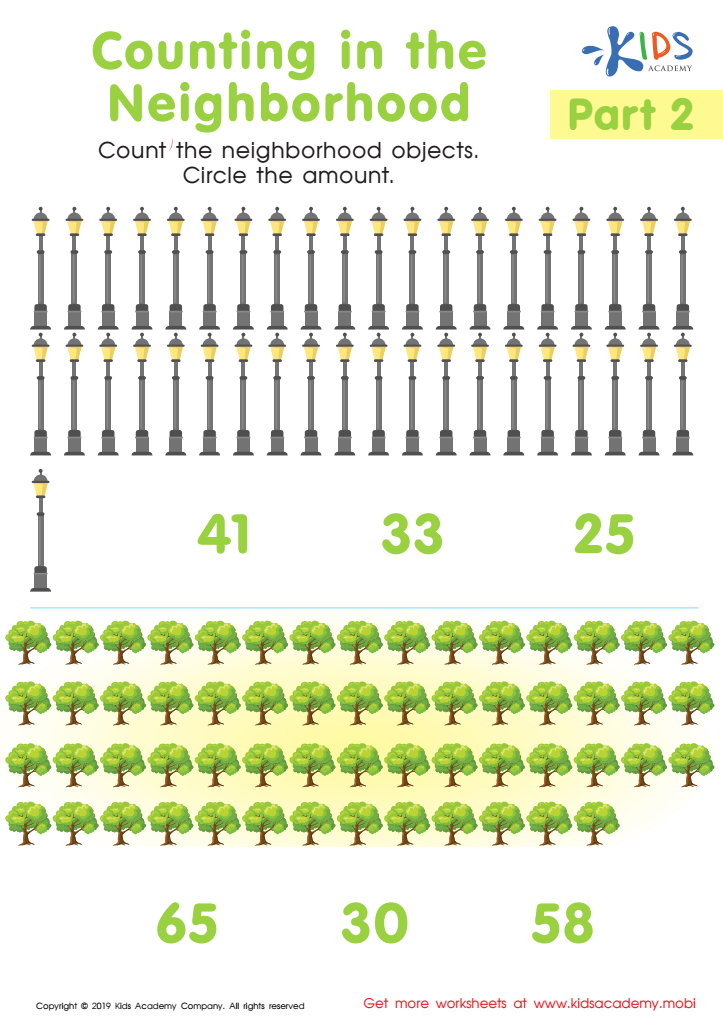
Counting In The Neighborhood Part 2 Worksheet
 Assign to My Students
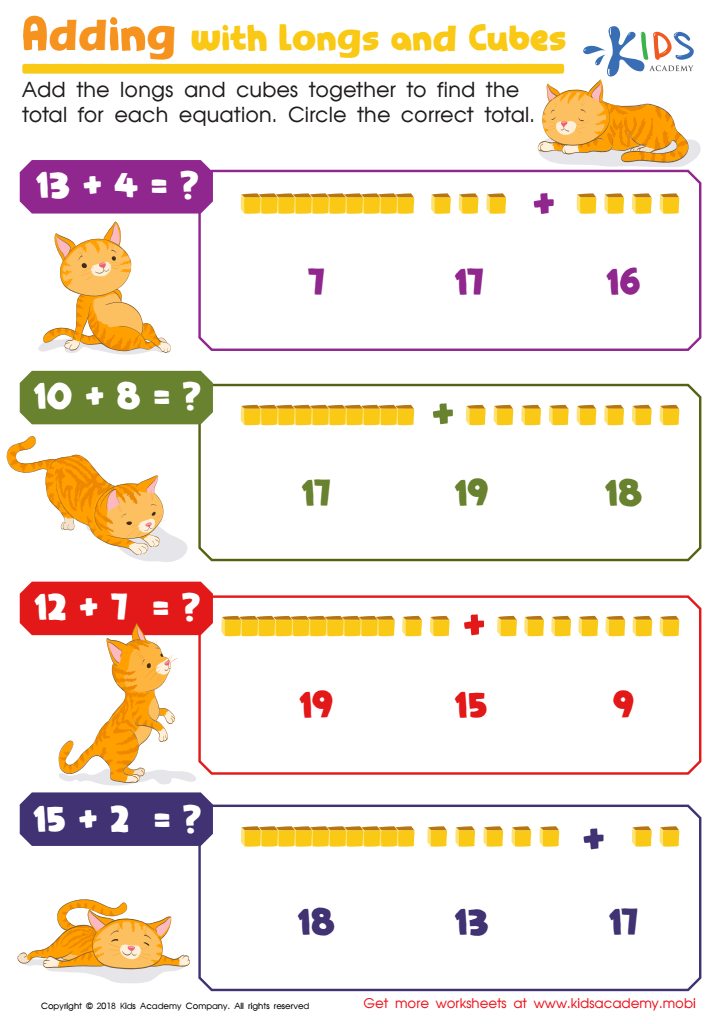
Adding With Longs and Cubes Worksheet
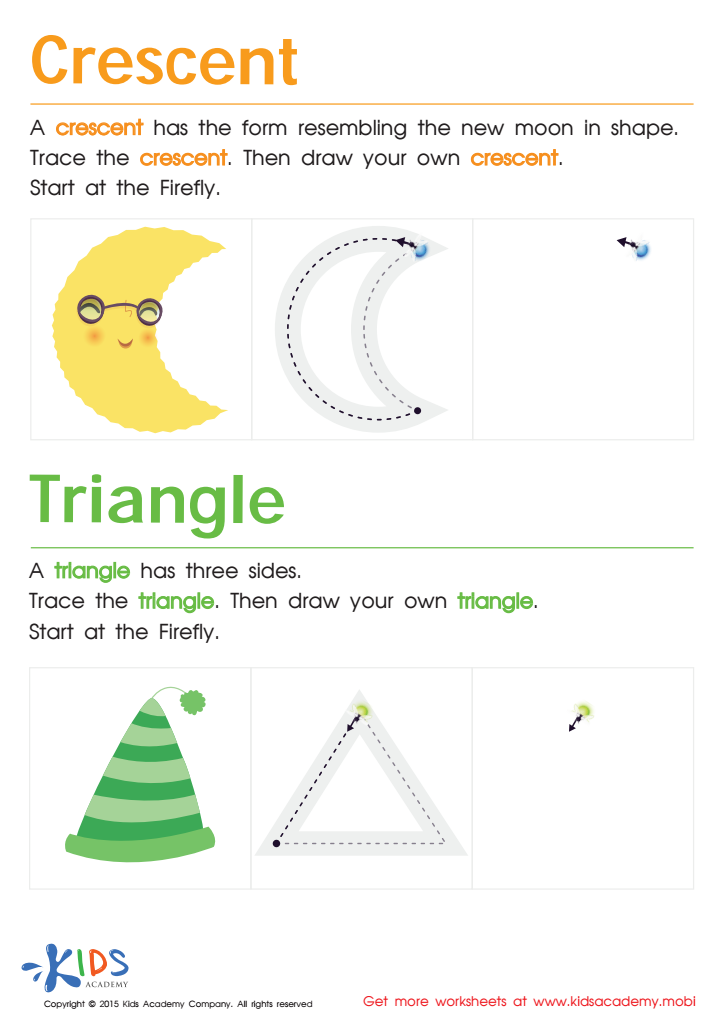
Learning to Draw Crescents And Triangles Worksheet
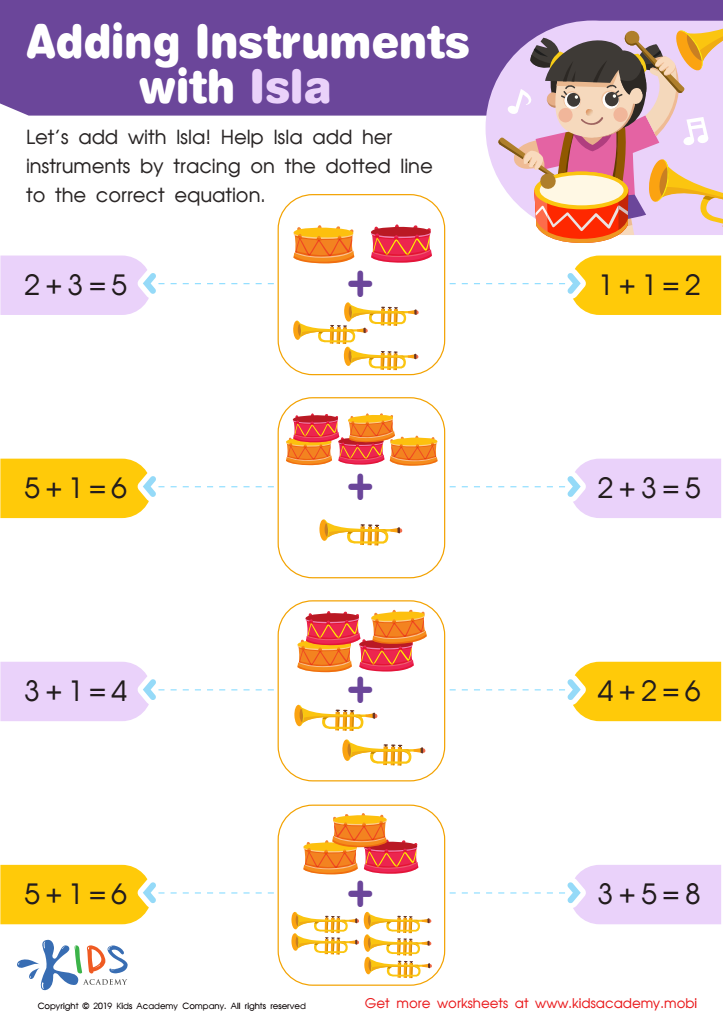
Adding Instruments with Isla Worksheet


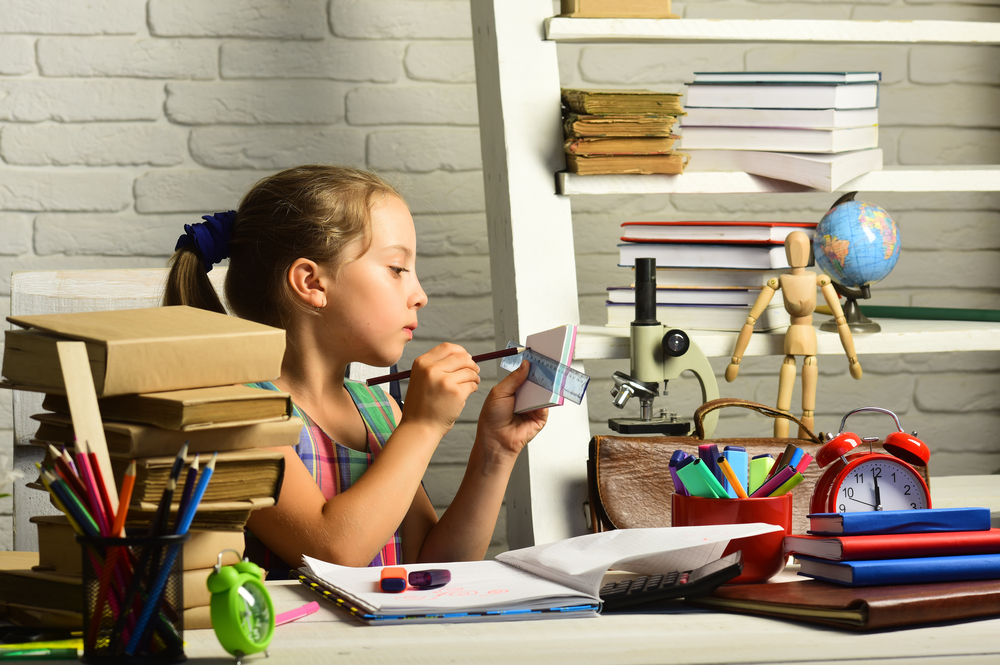





Visual perception is a crucial skill for children aged 3-9 as it directly impacts their math abilities and overall cognitive development. It encompasses the ability to interpret and process visual information, which is essential for understanding numbers, shapes, and spatial relationships. When parents and teachers prioritize visual perception improvement, they lay a solid foundation for a child’s learning journey.
At this early age, children are developing the necessary skills to recognize patterns, understand fractions, and navigate geometric concepts. Enhanced visual perception contributes to improved problem-solving abilities and boosts confidence in math. Children with well-developed visual perception can better interpret charts, graphs, and mathematical symbols, fostering a greater understanding of more complex concepts as they progress through school.
Furthermore, visual perception is closely linked to literacy skills, also essential at this stage. By promoting visual perception activities—for instance, through games and engaging exercises—parents and teachers create a well-rounded educational environment. This ensures a holistic approach to learning, ultimately helping children become successful learners across all subjects. Recognizing the importance of visual perception can empower caregivers and educators to nurture young minds effectively, setting the stage for future academic achievements.








