Logical thinking Normal Reading Worksheets for Ages 3-9
6 filtered results
-
From - To
Unlock your child's potential with our engaging Logical Thinking Normal Reading Worksheets, designed especially for ages 3-9. These worksheets incorporate fun activities that foster critical thinking, comprehension, and reasoning skills essential for developing a lifelong love of learning. Each worksheet offers age-appropriate challenges that stimulate curiosity and promote cognitive growth while enhancing reading skills. Featuring colorful illustrations and interactive exercises, kids will enjoy mastering logical concepts in a playful way. Perfect for classroom use or at-home learning, these resources will empower young learners to explore the world around them while building a strong foundation in reading and logic. Start your journey today!
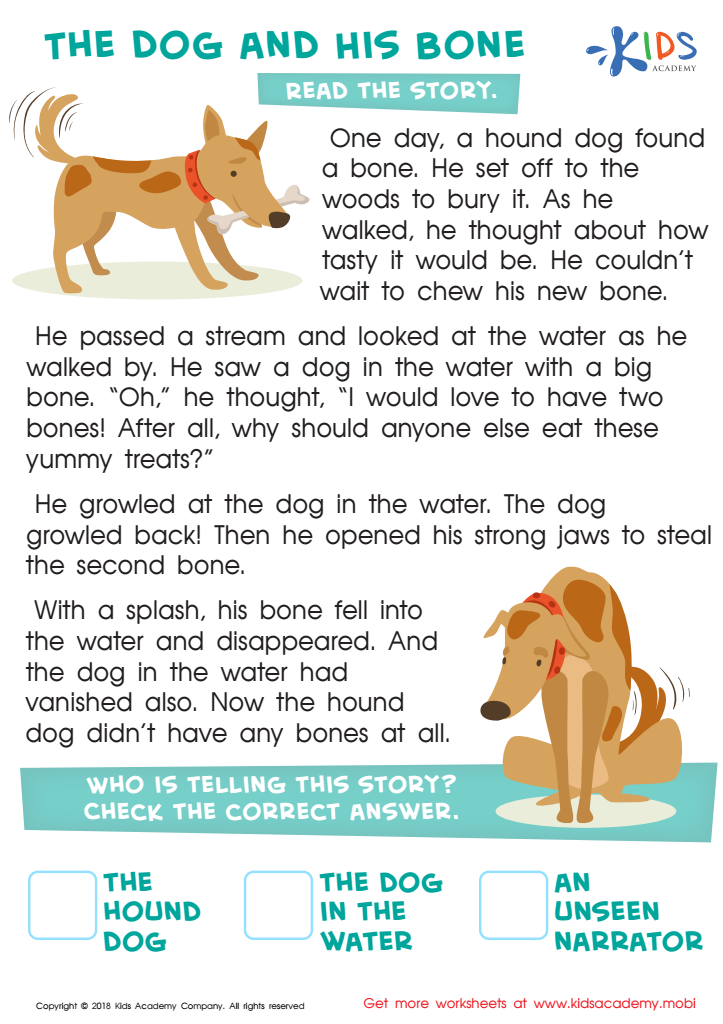
The Dog and His Bone Worksheet
 Assign to My Students
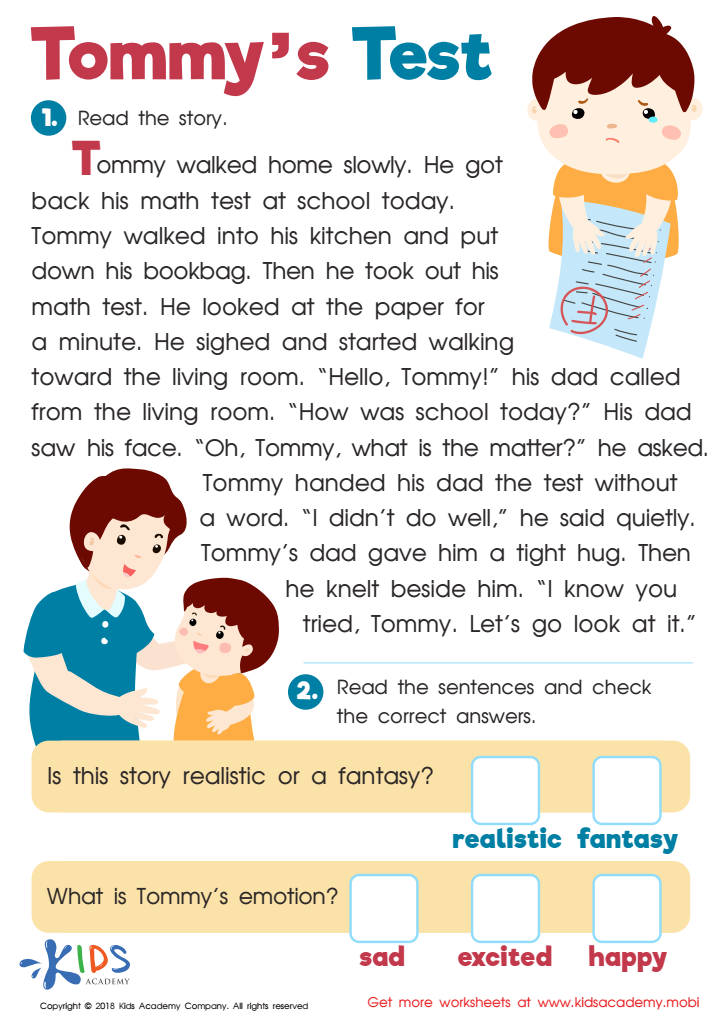
Tommys Test Worksheet
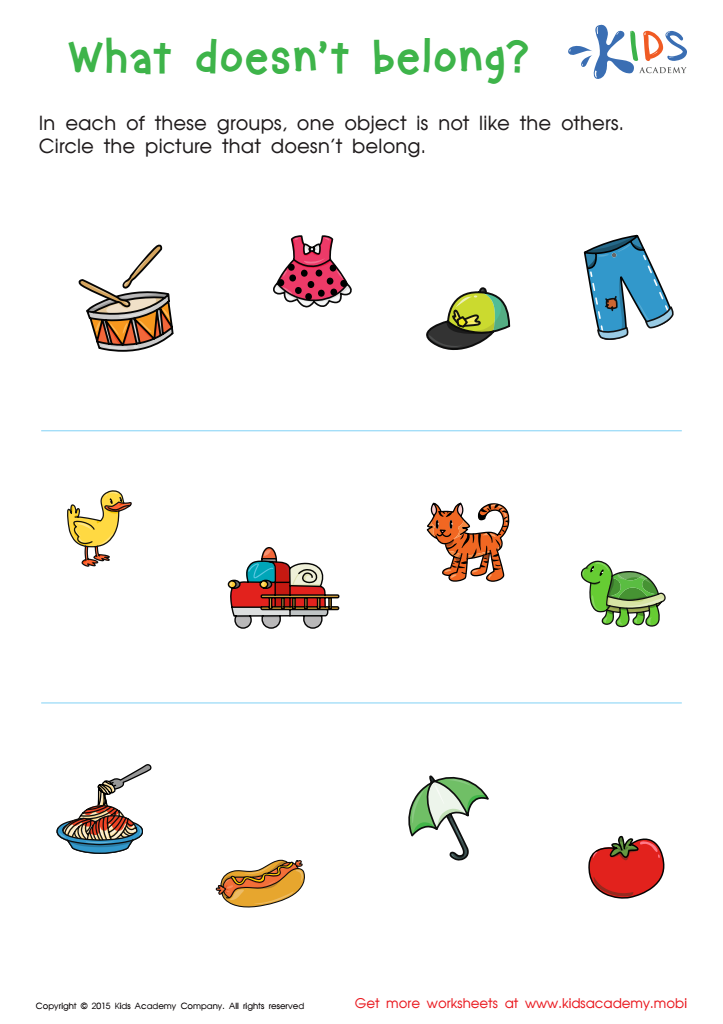
First Words: What Doesn't Belong Worksheet
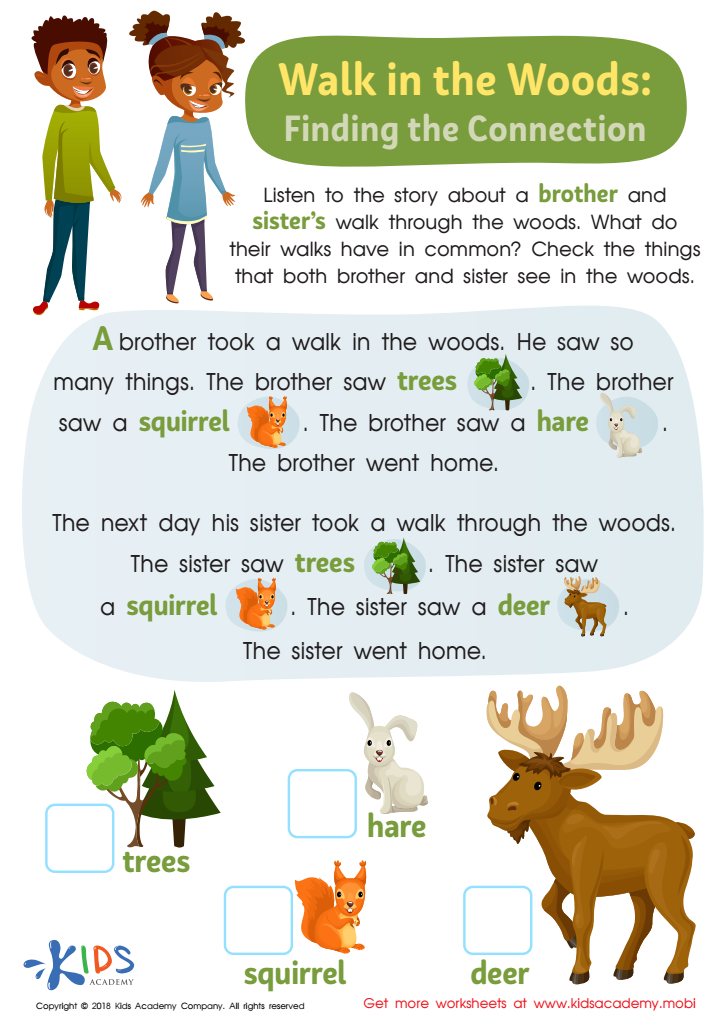
Walk In the Woods: Finding Connections Worksheet
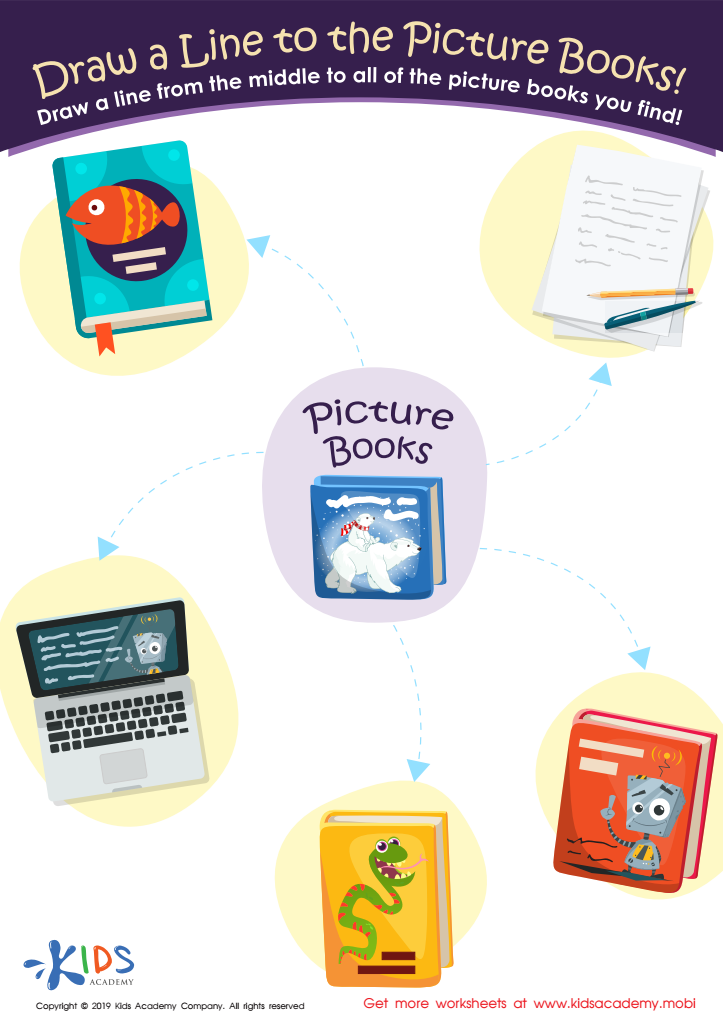
Draw a Line to the Picture Books Worksheet
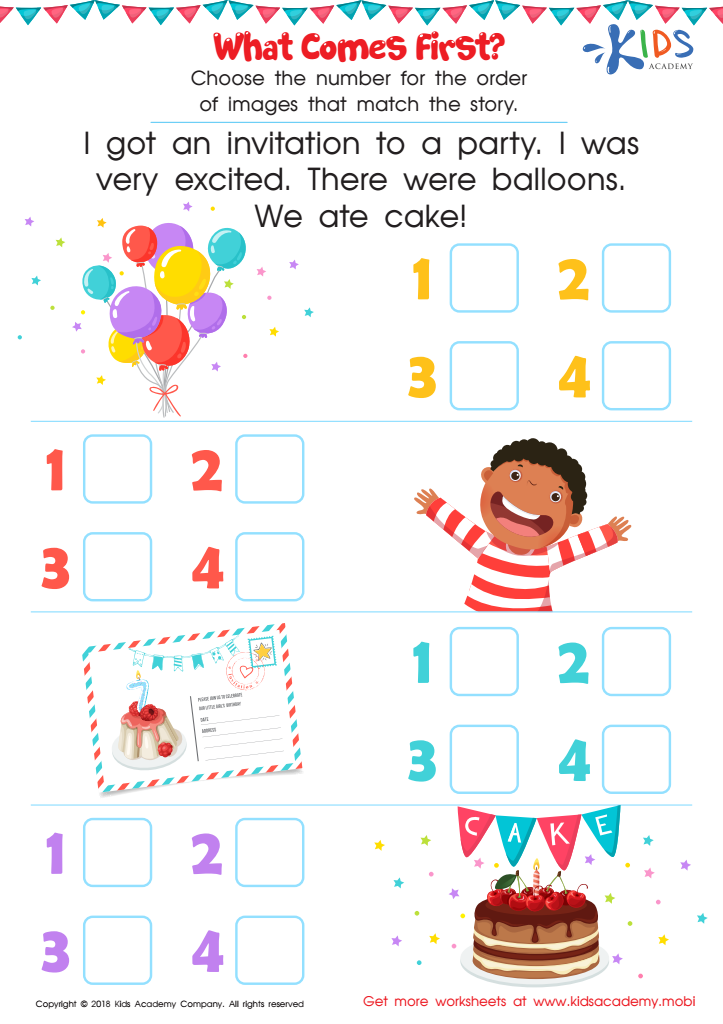
What Comes First Worksheet







Parents and teachers should prioritize logical thinking and reading skills for children aged 3 to 9 because these foundational skills greatly influence overall cognitive development and academic success. Logical thinking enhances a child's ability to reason, solve problems, and make decisions based on available information, which are critical skills for both life and learning. Engaging in activities that promote logical thinking, such as puzzles and pattern games, sharpens a child’s analytical abilities and prepares them for more complex subjects in later years.
Moreover, developing normal reading skills in early childhood fosters literacy, comprehension, and a love for learning. Reading is not only a vital academic skill but also a doorway to imagination and creativity. When children read— or are read to—they learn to interpret and analyze information, which reinforces their logical thinking abilities. Early exposure to reading also enhances vocabulary development and communication skills, which are essential for social interactions and academic discussions.
Combining both logical thinking and reading cultivates a well-rounded intellect, strengthens critical thinking skills, and fosters independence in problem-solving. Thus, nurturing these skills in early learners prepares them effectively for the challenges of education and life. Ultimately, supporting logical thinking and reading during these formative years can contribute to most positive outcomes in a child's development.








