Vocabulary enhancement Normal Reading Comprehension Worksheets for Ages 3-9 - Page 2
41 filtered results
-
From - To
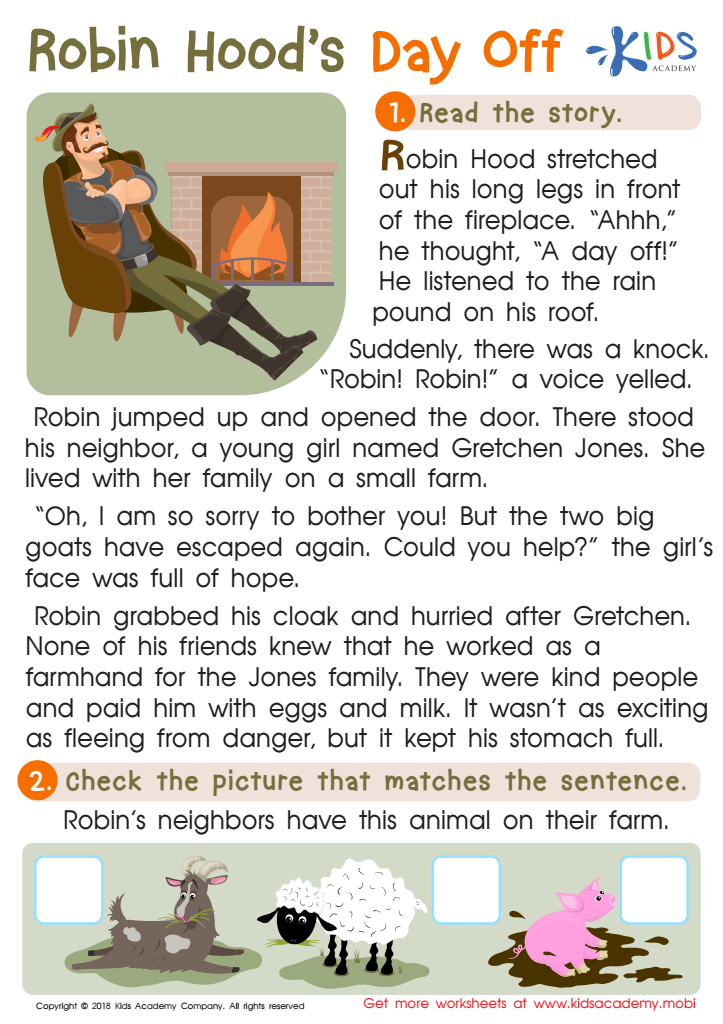
Robin Hood's Day Off Worksheet
 Assign to My Students
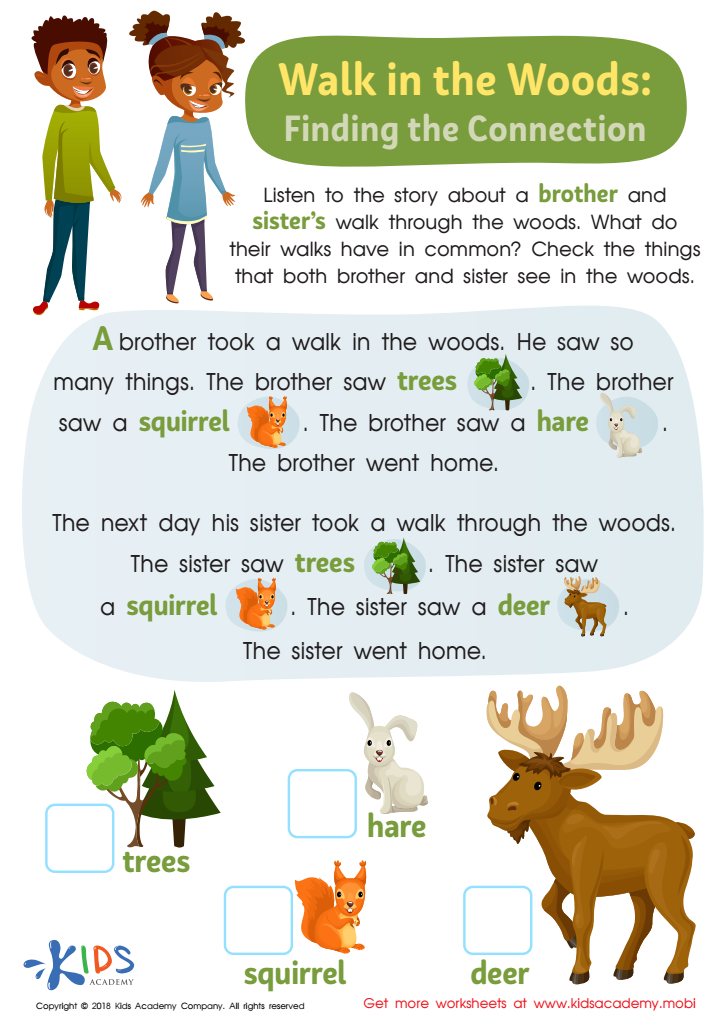
Walk In the Woods: Finding Connections Worksheet
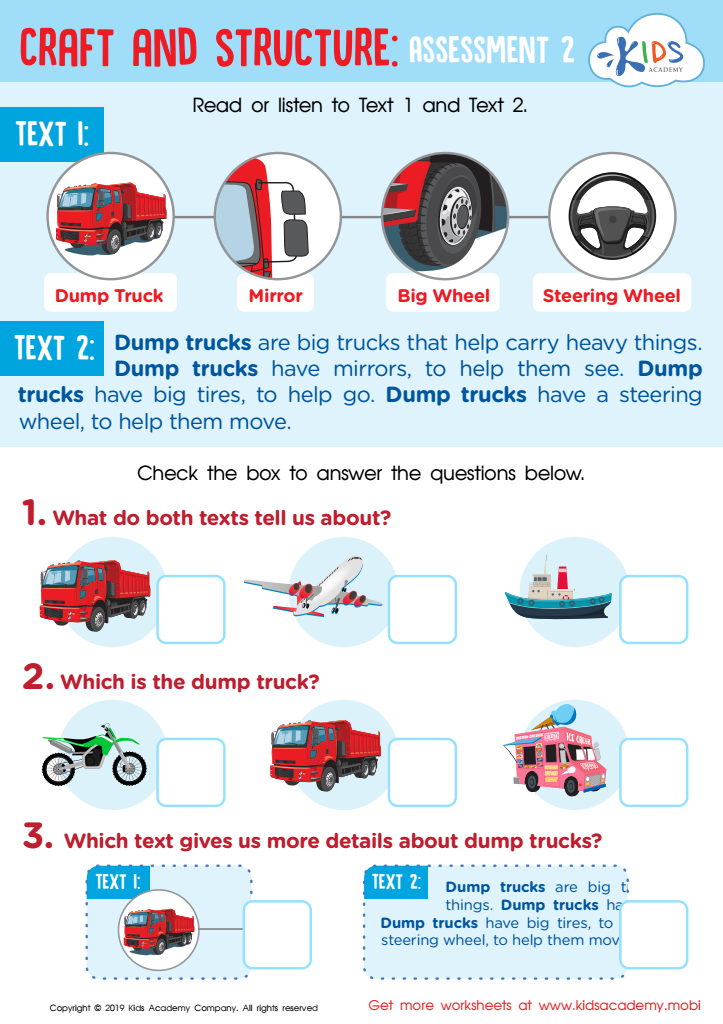
Craft and Structure: Assessment 2 Worksheet
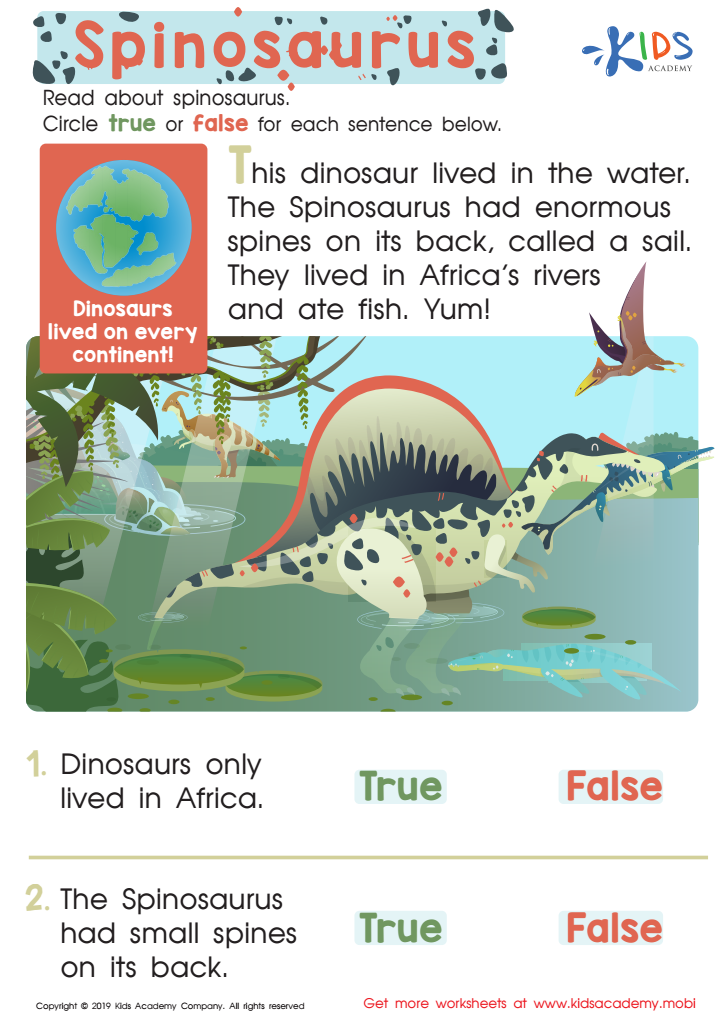
Spinosaurus Assessment Worksheet
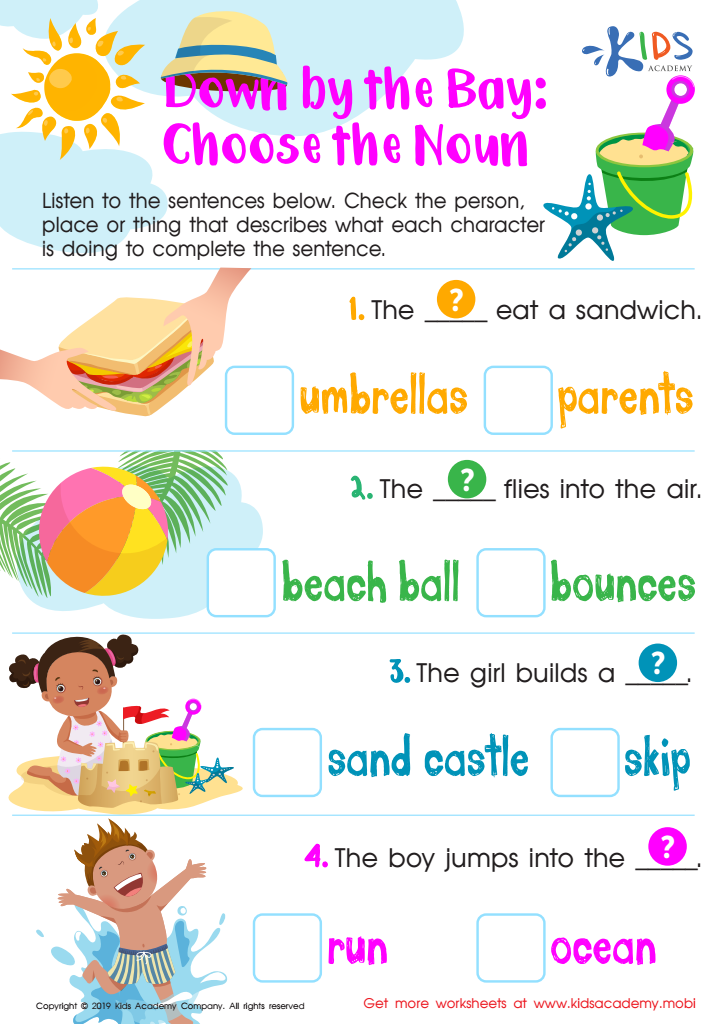
Down by the Bay: Choose the Noun Worksheet
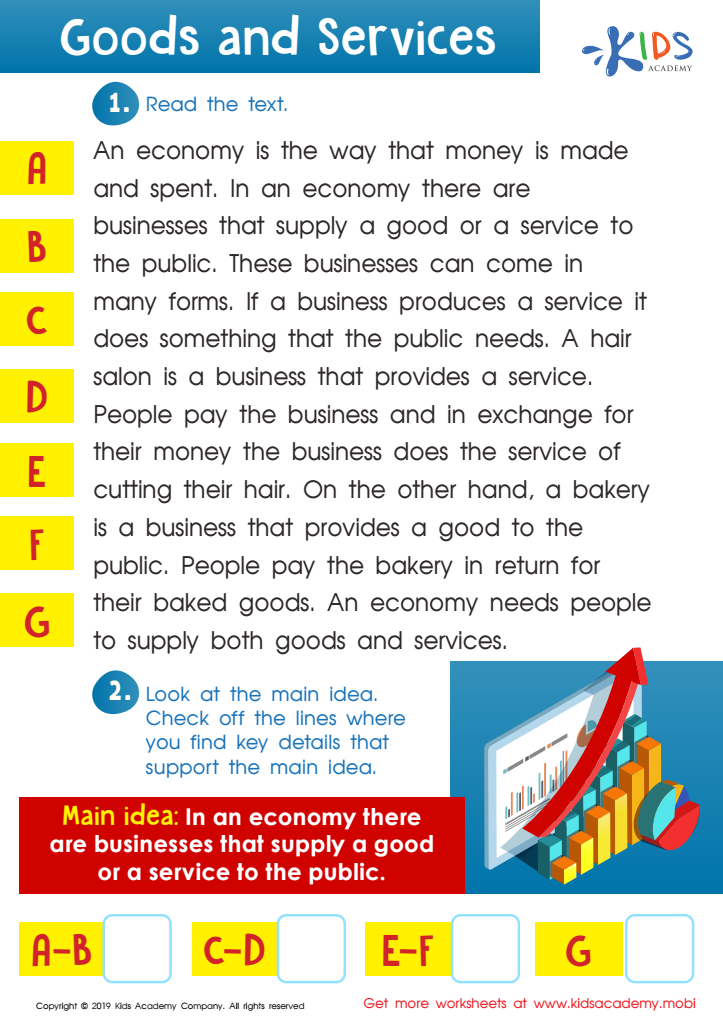
Goods and Services Worksheet
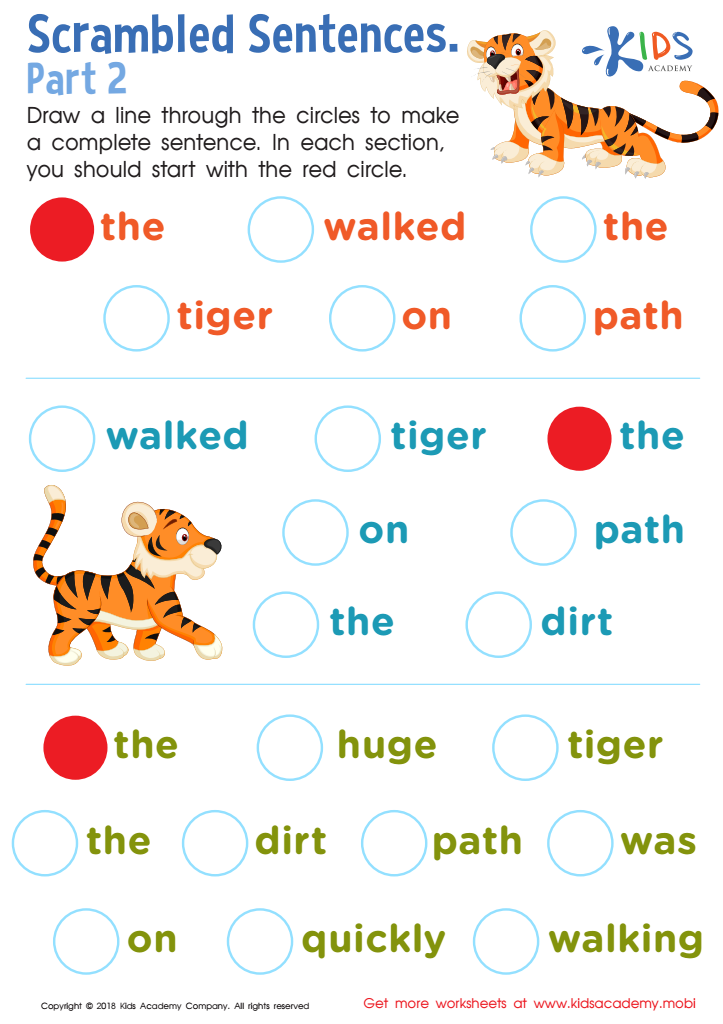
Scrambled Sentences Part 2 Worksheet
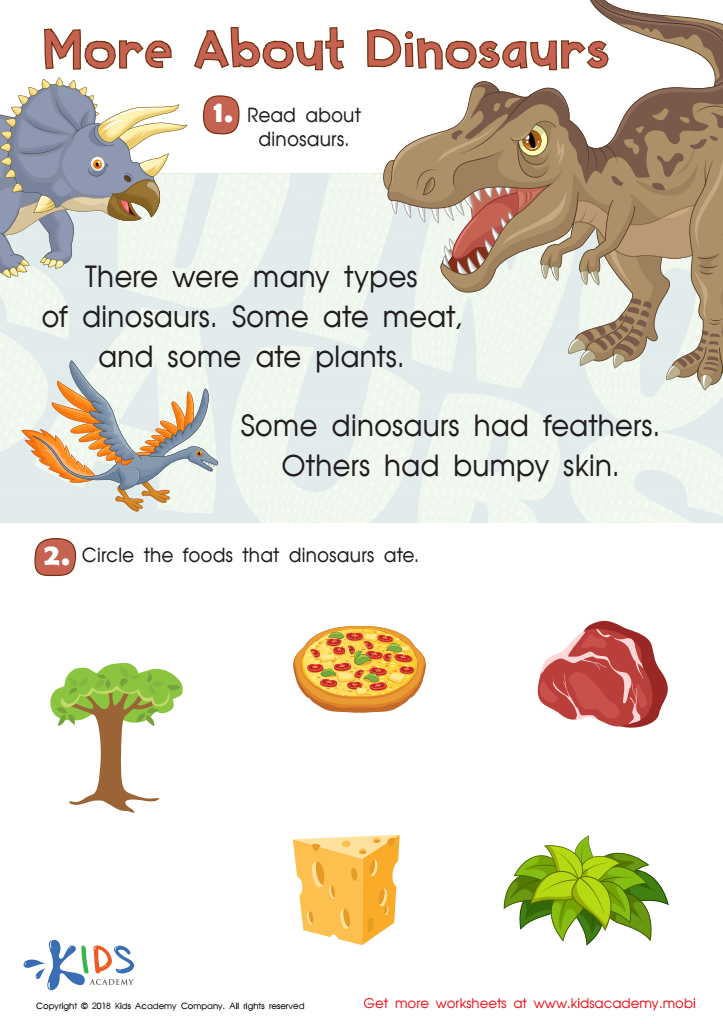
More About Dinosaurs Worksheet
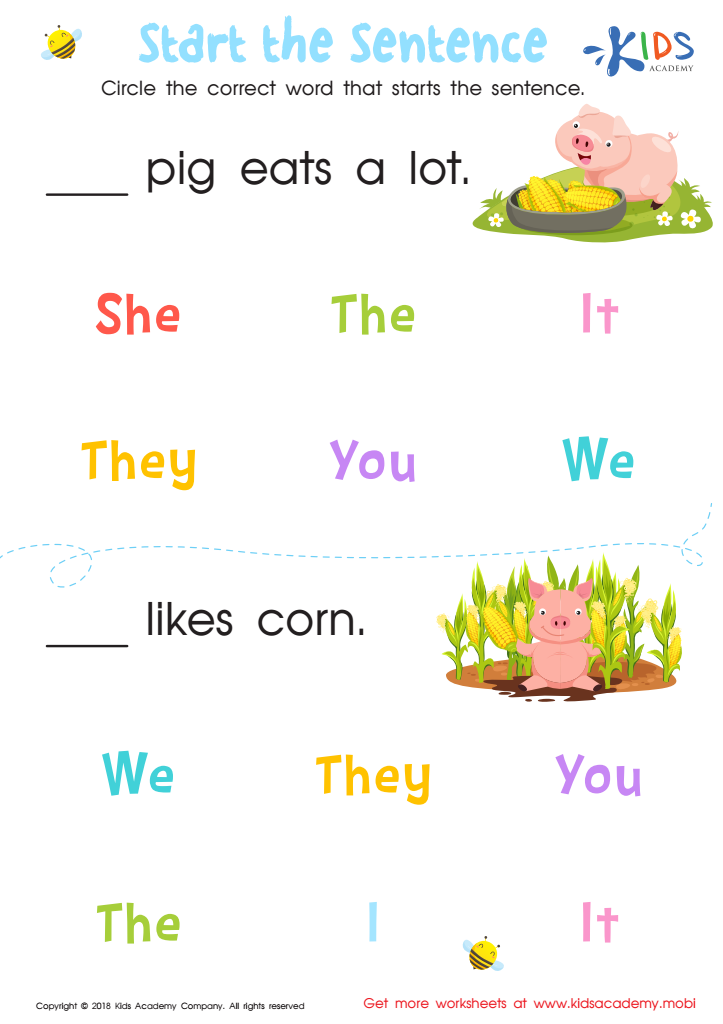
Start the Sentence Worksheet
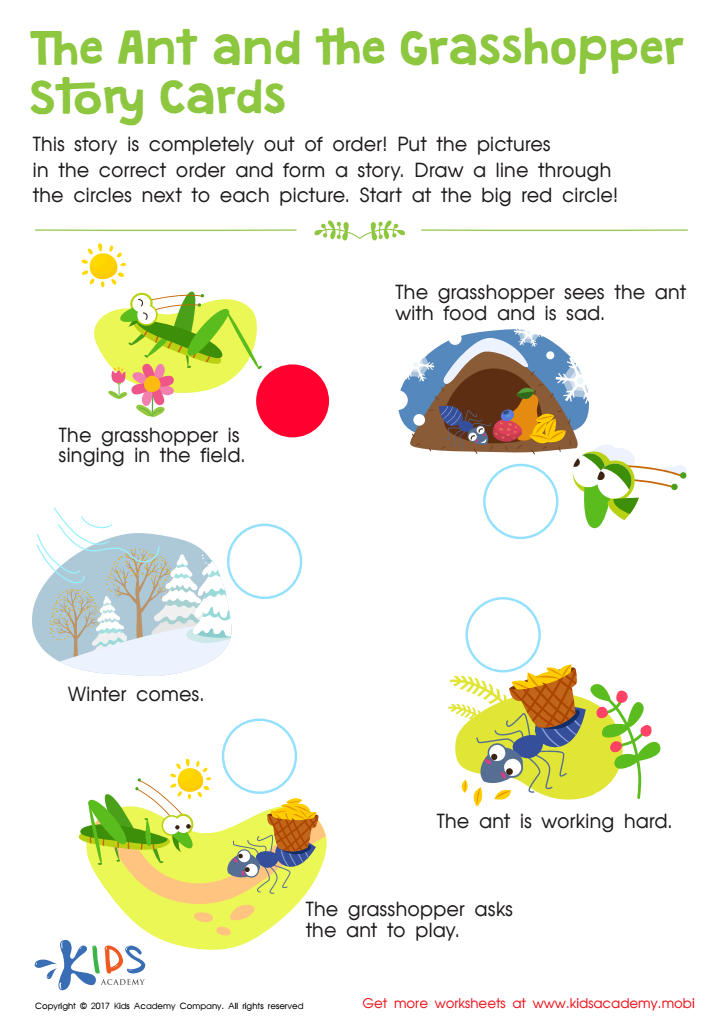
The Ant and The Grasshopper Worksheet
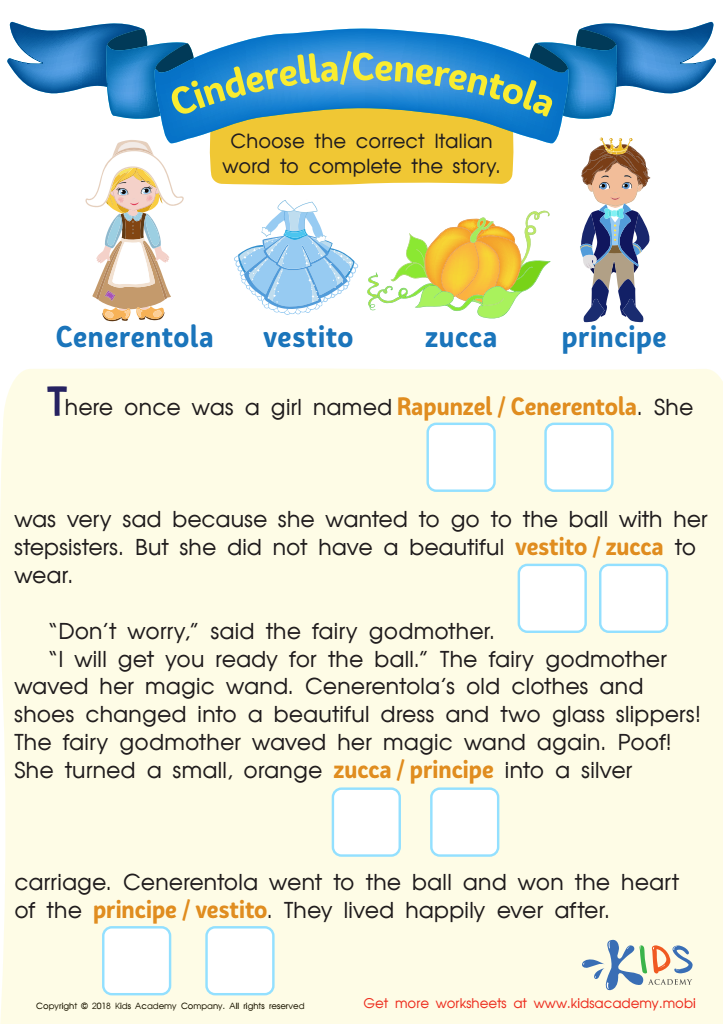
Cinderella / Cenerentola Worksheet
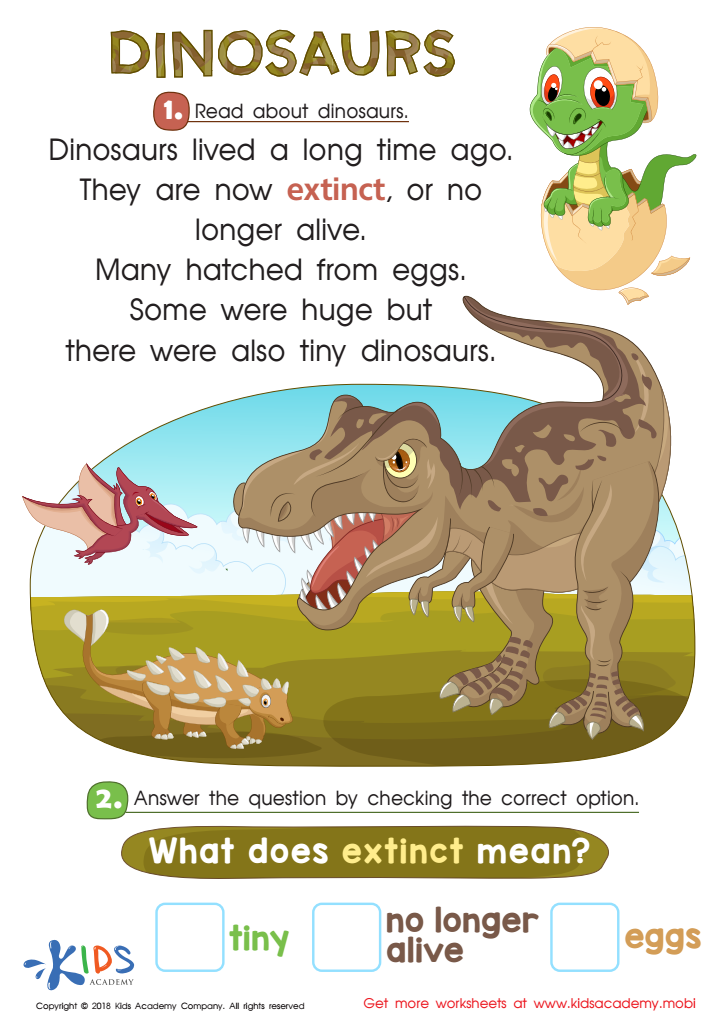
Dinosaurs Worksheet
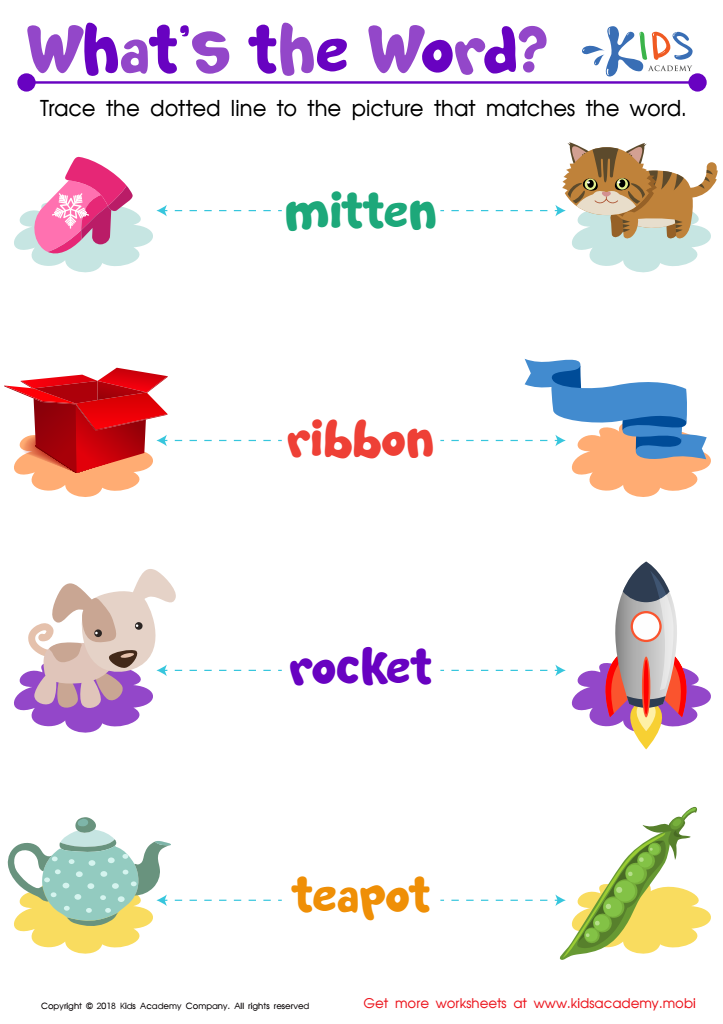
Reading: What's Word Worksheet
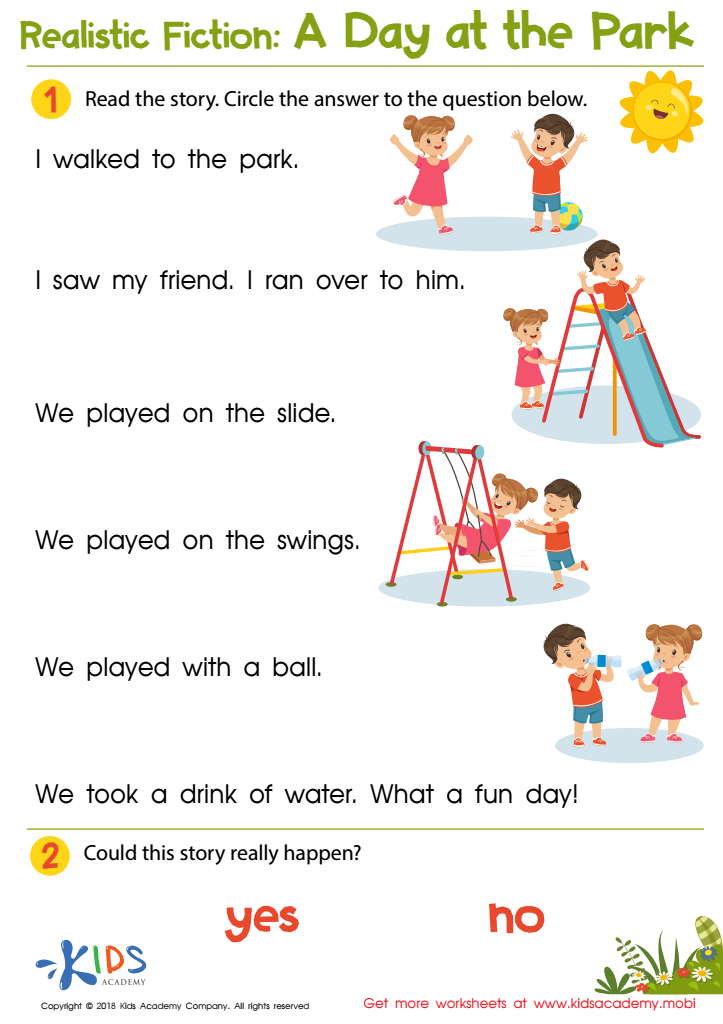
A Day at the Park Worksheet
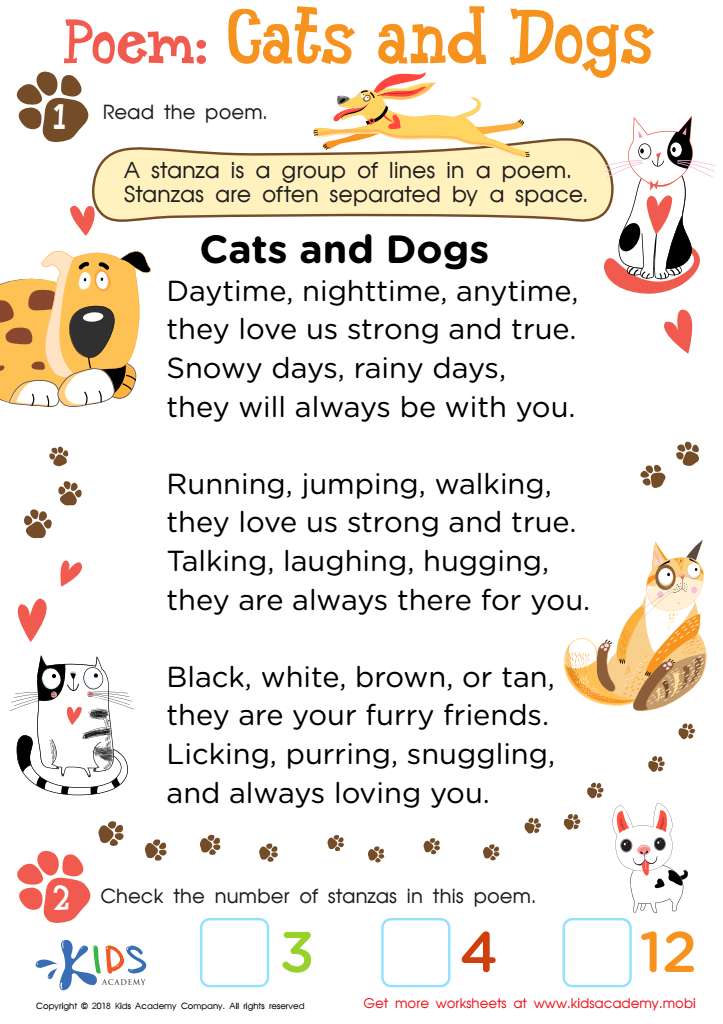
Poem: Cats and Dogs Worksheet
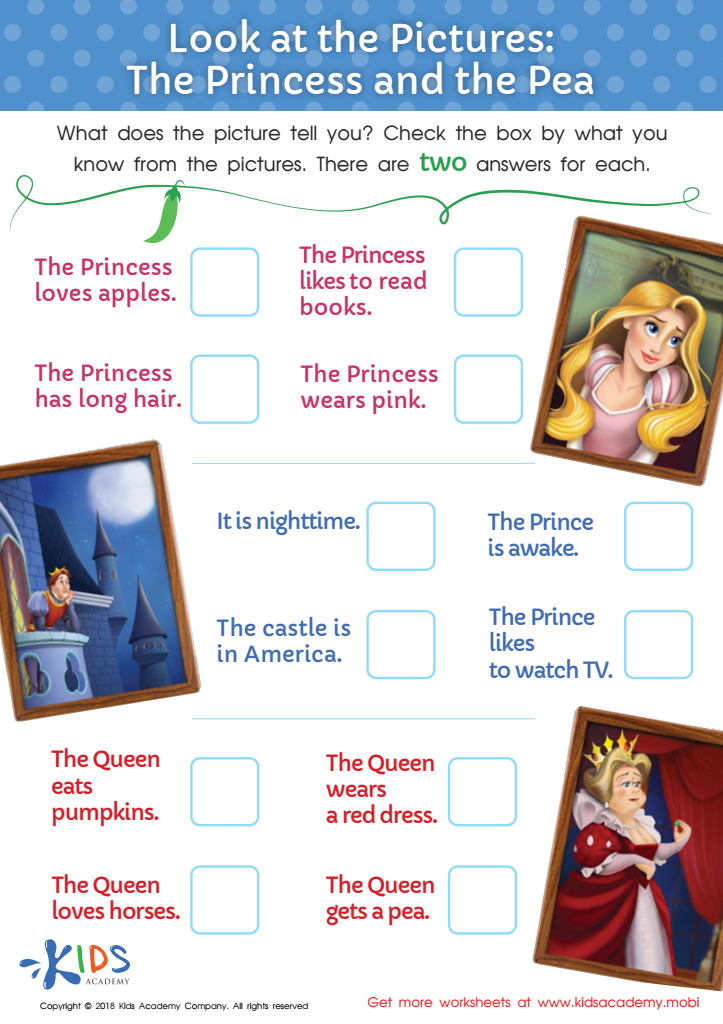
Look at the Pictures: The Princess and the Pea Worksheet
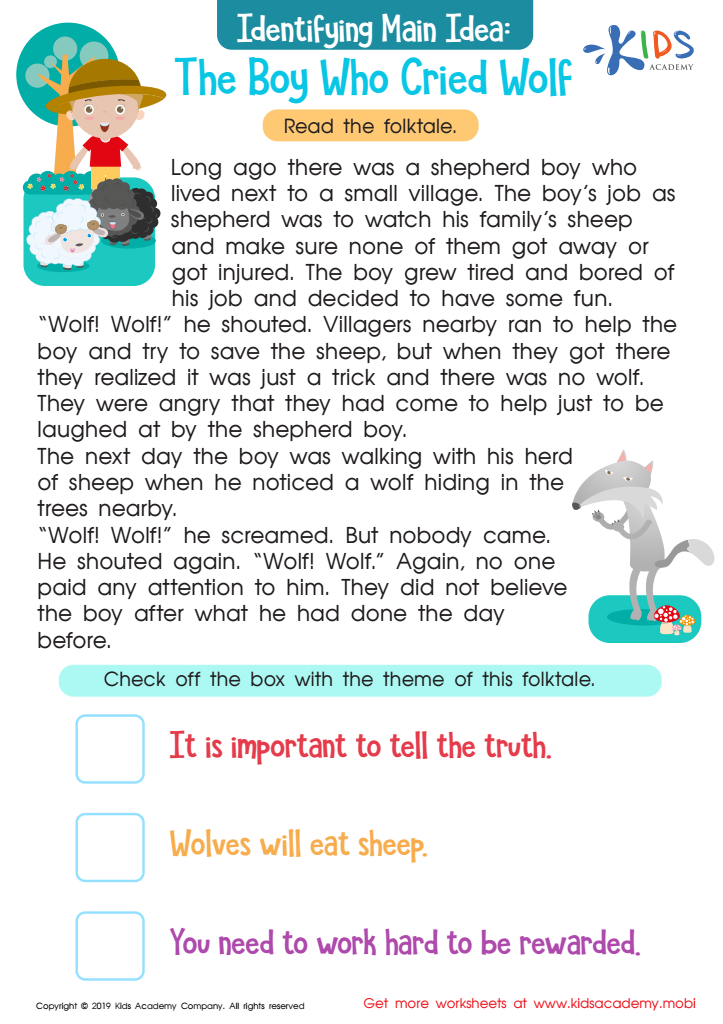
The Boy Who Cried Wolf Part 2 Worksheet







Vocabulary enhancement and reading comprehension are critical components of early childhood education, both of which lay the groundwork for lifelong learning and academic success. For children aged 3-9, the development of a robust vocabulary facilitates effective communication, bolsters their ability to comprehend new information, and enhances cognitive development. A rich vocabulary is foundational for understanding more complex texts and ideas as children grow older, directly impacting their reading comprehension skills.
Reading comprehension, the ability to understand and interpret text, is directly linked to vocabulary knowledge. When children understand the words they read, they can visualize concepts, make inferences, and grasp the subtleties of language, which boosts overall academic performance. Furthermore, strong reading skills contribute to increased confidence in classrooms, leading to greater participation and a willingness to engage with challenging material.
Parents and teachers play a pivotal role by fostering environments rich in spoken and written language. Reading aloud, engaging in conversations, and encouraging exploration through books and educational activities not only nurture vocabulary growth but also create positive associations with learning. This early investment paves the way for academic excellence, critical thinking, and a lifelong love of reading. Therefore, prioritizing vocabulary enhancement and reading comprehension in ages 3-9 is essential for future educational success and personal development.








