Word Recognition Normal Reading Comprehension Worksheets for Ages 3-9
8 filtered results
-
From - To
Discover our engaging "Word Recognition Normal Reading Comprehension Worksheets," designed specifically for children ages 3 to 9. These worksheets enhance reading skills by focusing on word recognition, helping young learners build a strong foundation for effective comprehension. Each worksheet is tailored with age-appropriate content, colorful illustrations, and fun activities that promote interactive learning. Kids will enjoy practicing vocabulary, identifying sight words, and improving their overall literacy skills. Ideal for classroom use or at-home learning, these thoughtfully crafted resources foster a love for reading while ensuring that children can confidently navigate texts and understand their meaning. Unlock your child's reading potential today!
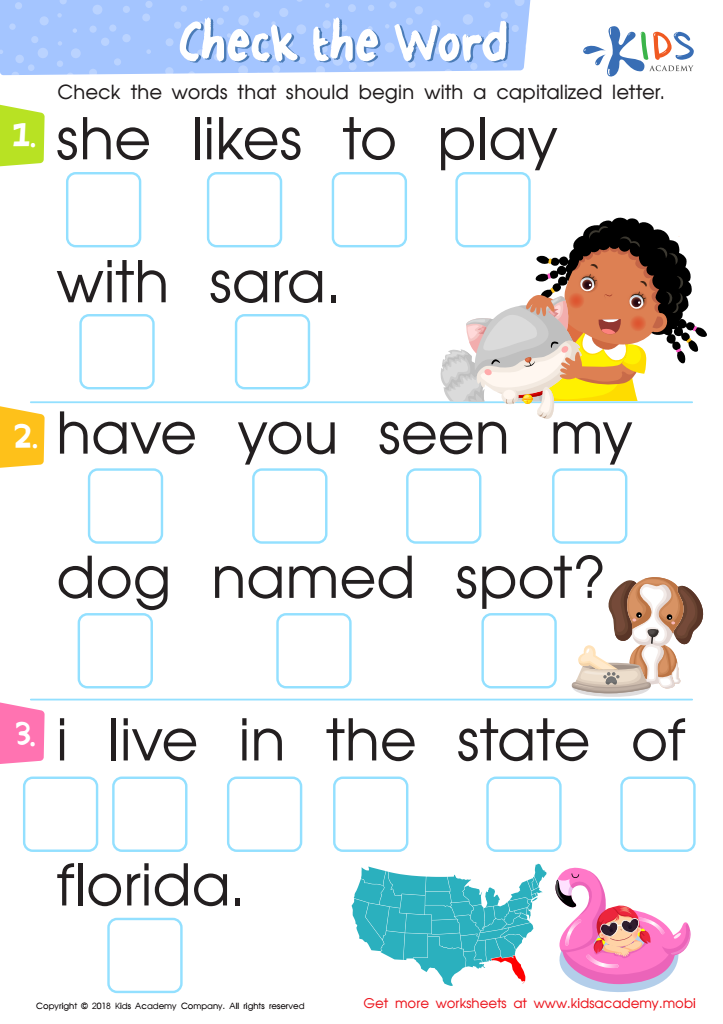
Check the Word Worksheet
 Assign to My Students
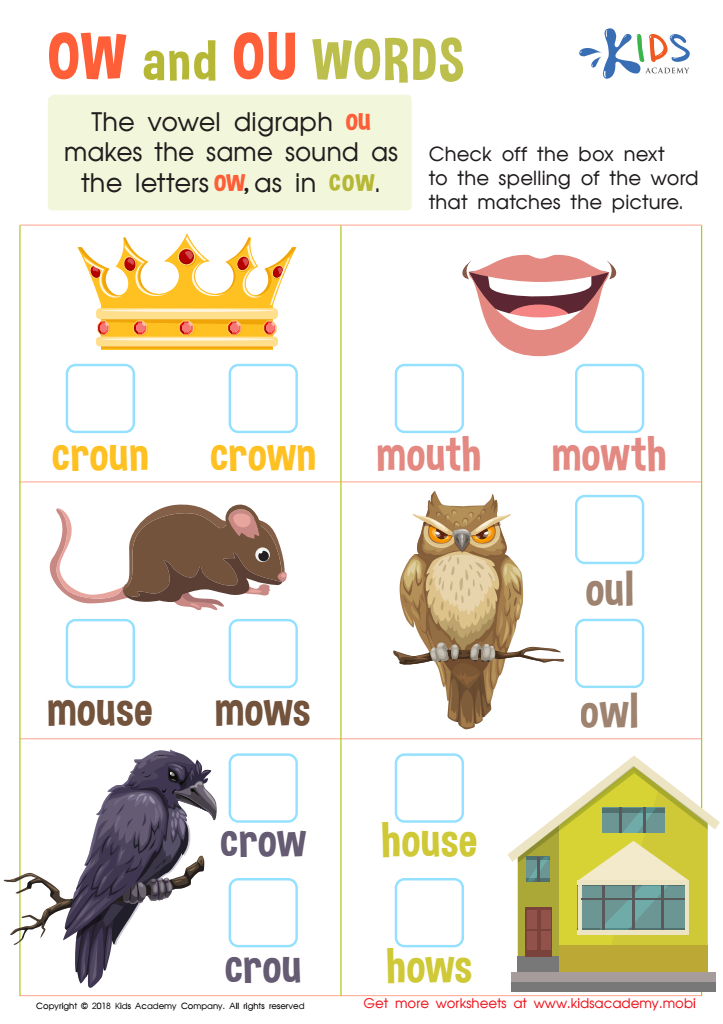
Reading: OW and OU Words Worksheet
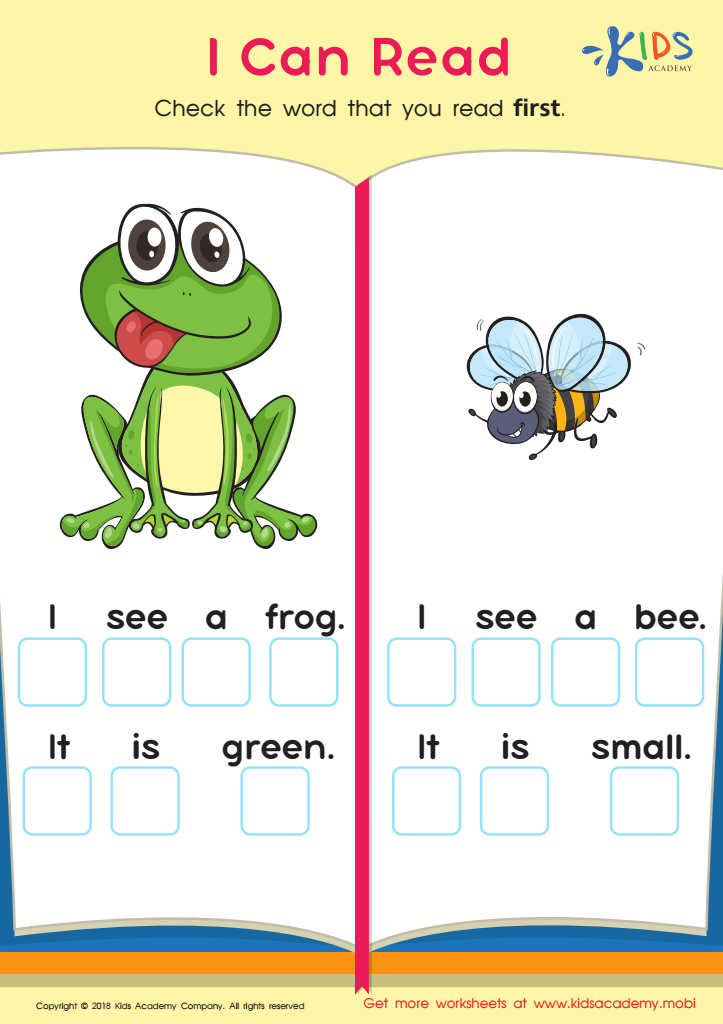
I Can Read Worksheet
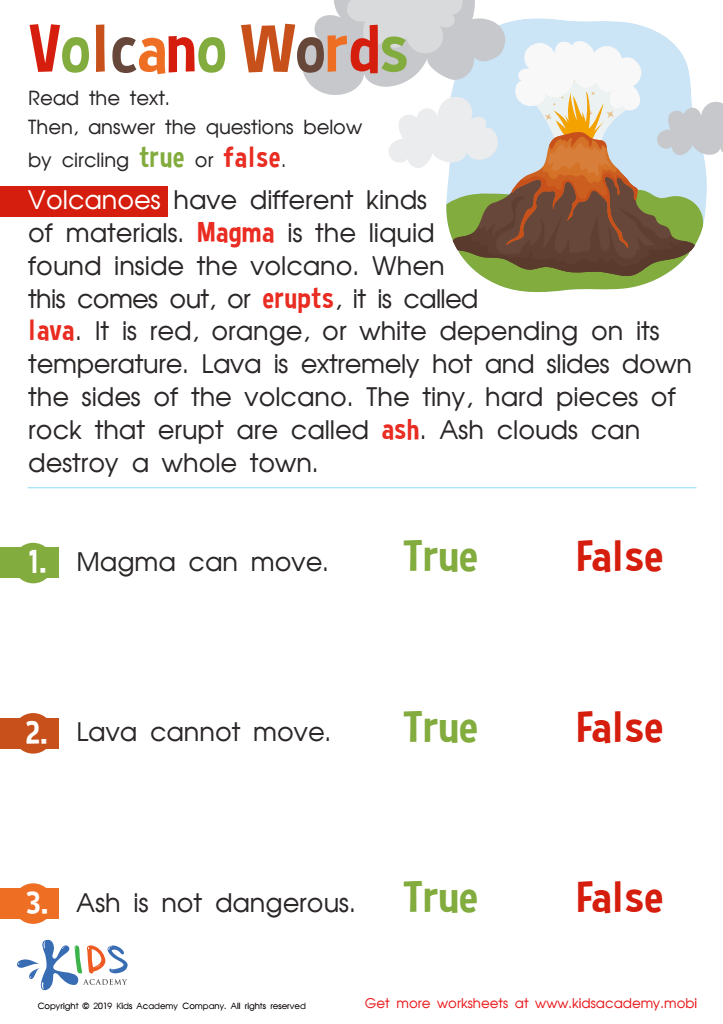
Volcano Words Worksheet
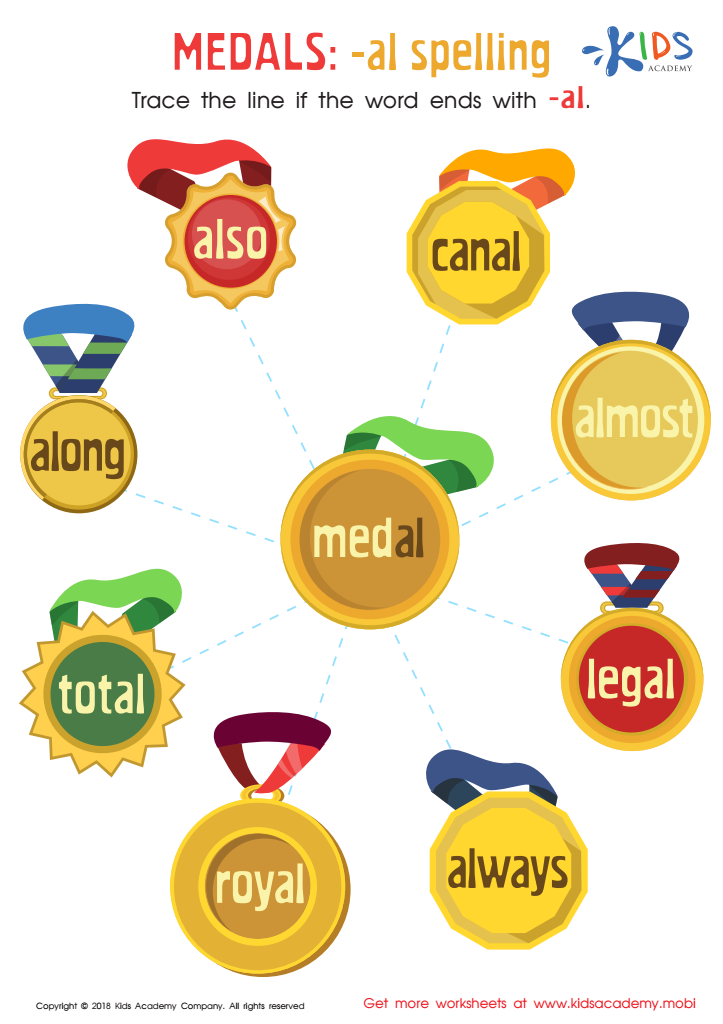
Medals: Al Spelling Worksheet
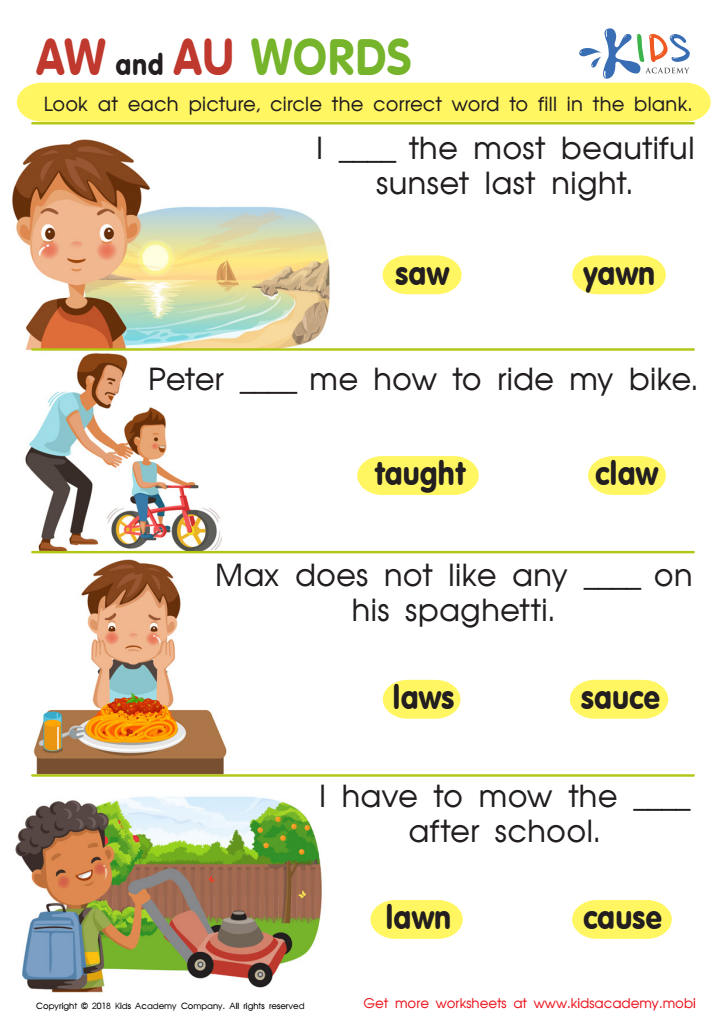
Reading: AW and AU Words Worksheet
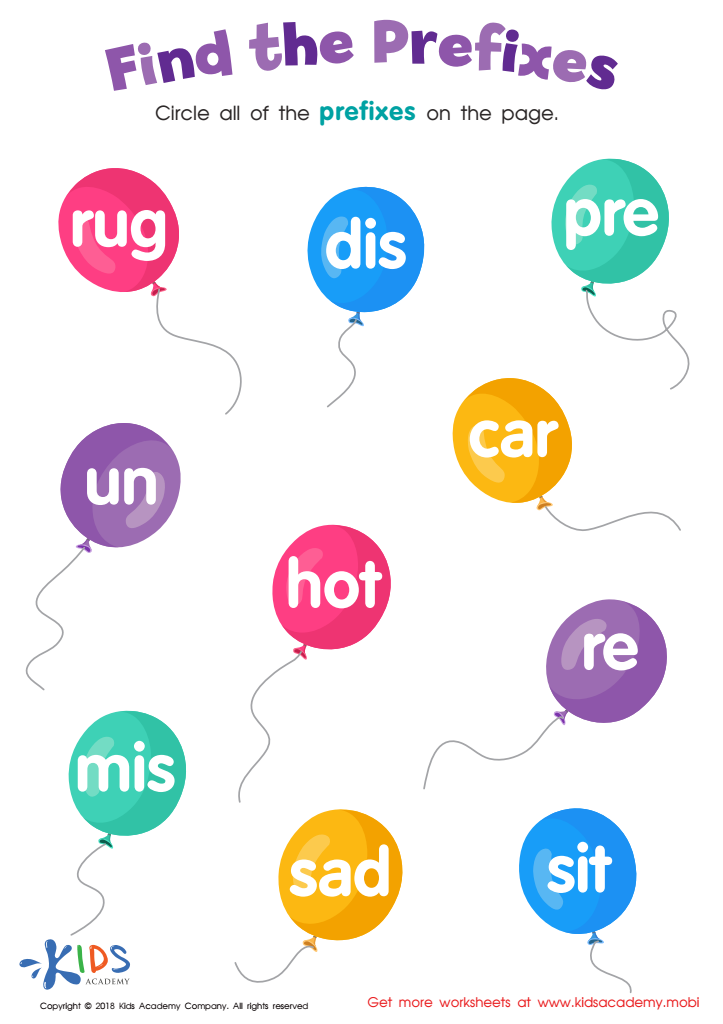
Reading: Find the Prefixes Worksheet
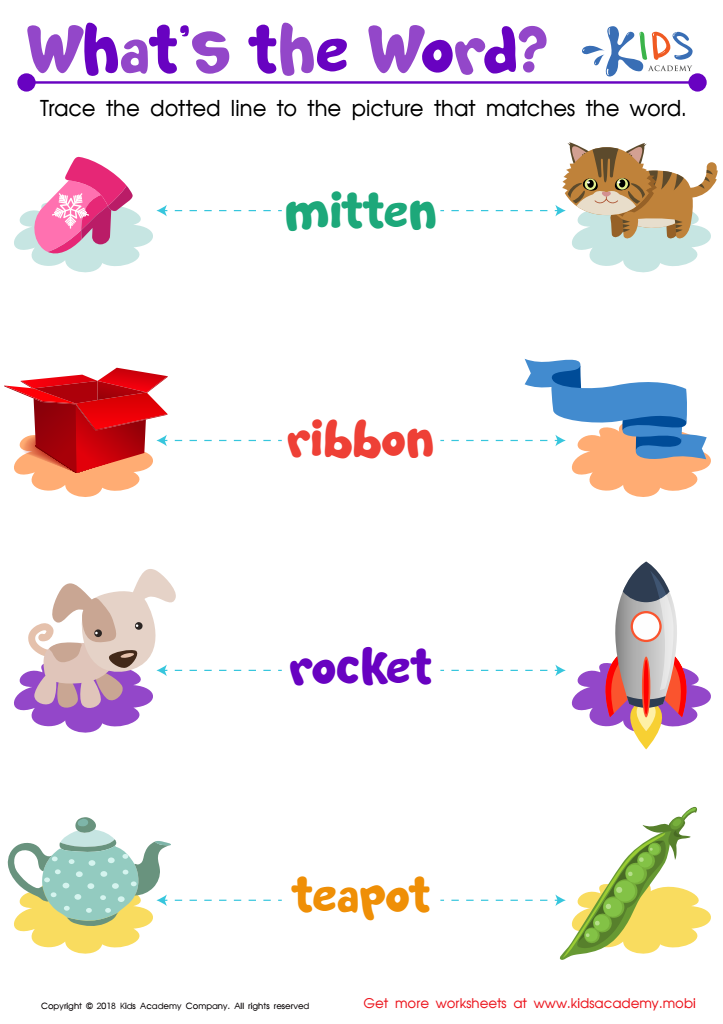
Reading: What's Word Worksheet







Word recognition and reading comprehension are foundational skills that significantly influence a child's academic success and lifelong learning. For children ages 3-9, developing these skills is essential, as this stage lays the groundwork for literacy.
Word recognition—the ability to identify and understand words—helps children decode text, facilitating smoother reading transitions and boosting confidence. When children can quickly recognize words, they can focus on understanding the content, making reading a more enjoyable and engaging experience.
Reading comprehension goes hand-in-hand with word recognition. It enables children to grasp the meaning of what they read, fostering critical thinking and the ability to connect ideas. Early comprehension skills can enhance vocabulary, improve communication abilities, and enrich children’s understanding of the world.
Moreover, enhancing these skills during early childhood promotes a love for reading, which can lead to better educational outcomes. Children who excel in reading comprehension tend to perform better in other subjects, as strong literacy skills are crucial across the curriculum.
Ultimately, teachers and parents play a vital role in supporting the development of these skills, ensuring children become confident readers and informed thinkers, prepared for future academic challenges and opportunities.








