Word identification Normal Writing Worksheets for Ages 3-9
5 filtered results
-
From - To
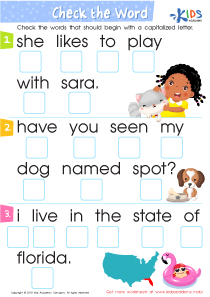
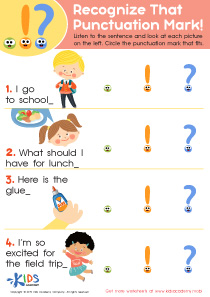
Discover engaging and age-appropriate Word Identification Normal Writing Worksheets designed for children aged 3-9. These expertly crafted resources by Kids Academy help young learners develop essential reading and writing skills. The worksheets focus on recognizing, writing, and understanding words, laying a strong foundation for literacy. Each activity is thoughtfully created to keep kids motivated and excited about learning, promoting gradual skill advancement. Perfect for both classroom settings and at-home practice, these worksheets provide a fun and effective way to boost word identification abilities in early learners. Ignite your child's passion for reading and writing with Kids Academy.
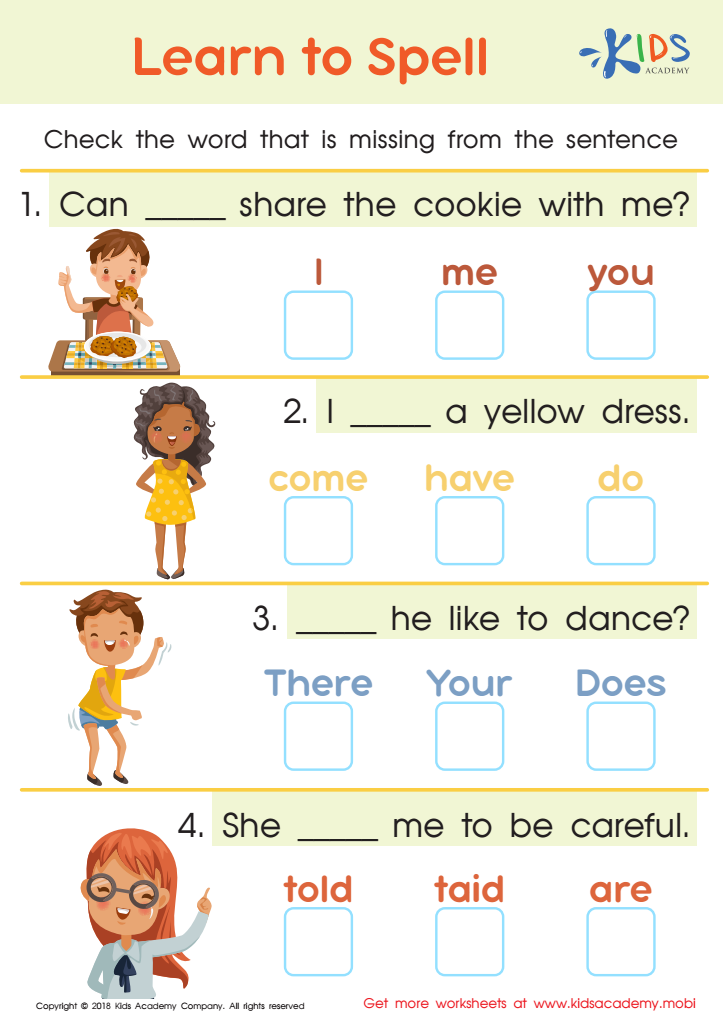
Learn to Spell Worksheet
 Assign to My Students
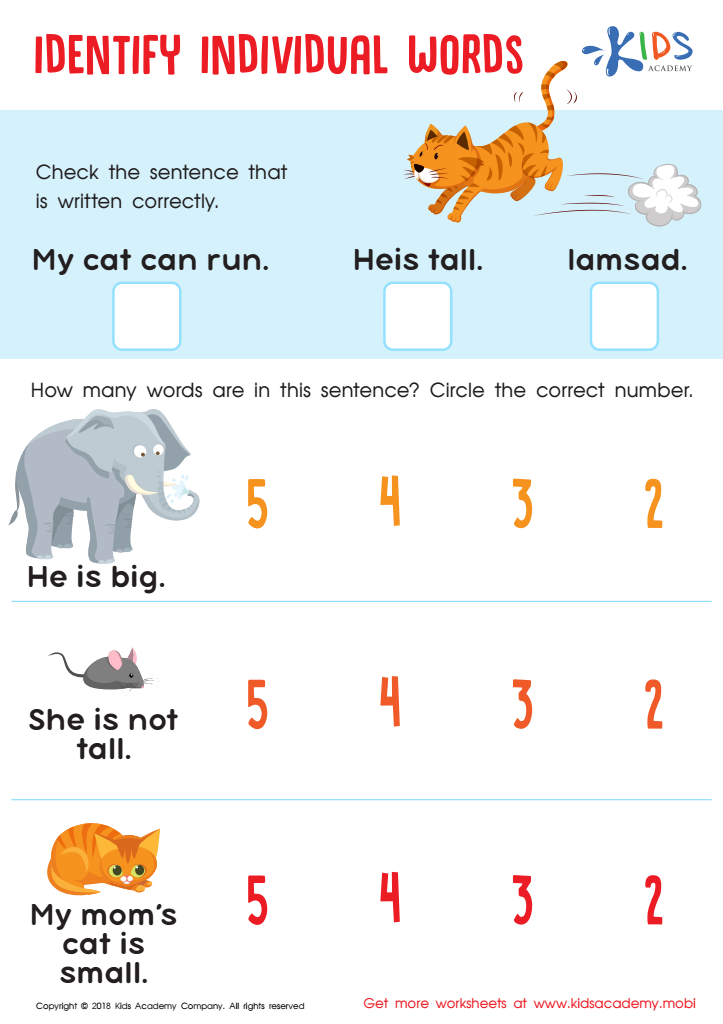
Identify Individual Words Worksheet
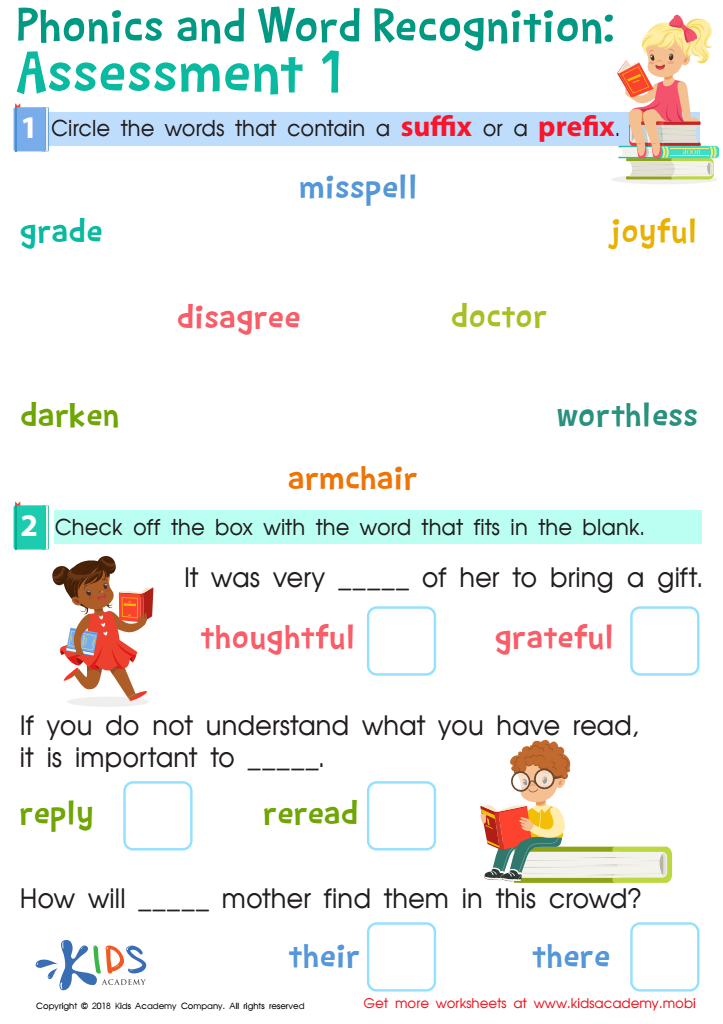
Phonics and Word Recognition: Assessment 1 Worksheet
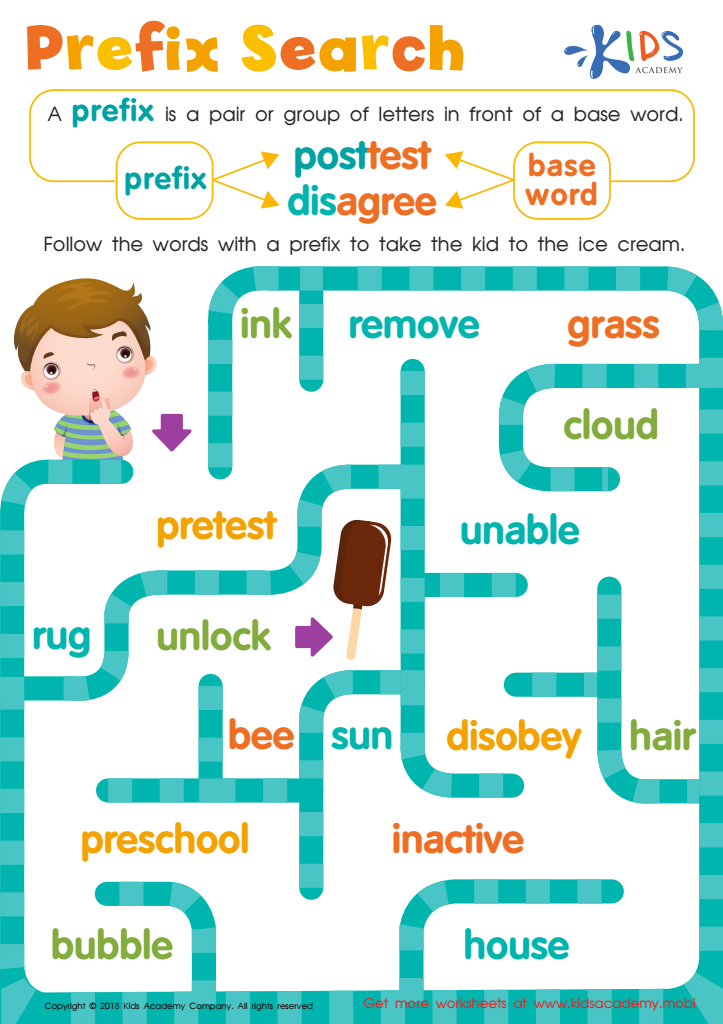
Reading: Prefix Search Worksheet
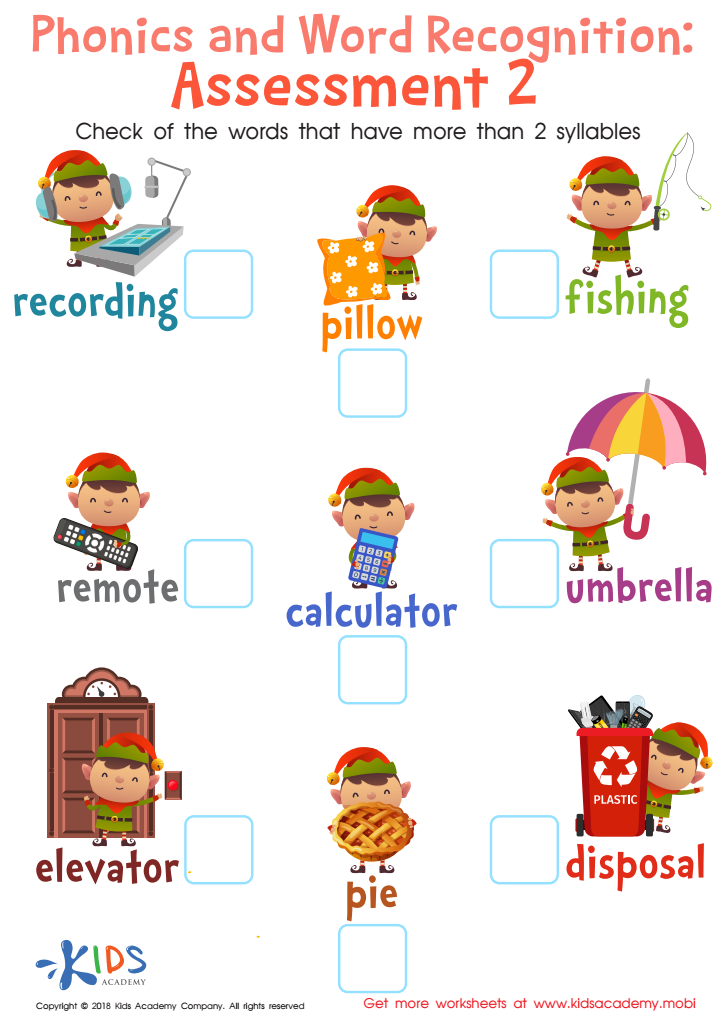
Phonics and Word Recognition: Assessment 2 Worksheet








Word identification skills and normal writing development are critical for children aged 3-9 as these form the foundation of literacy, which is one of the most important skills for future academic success and lifelong learning. Parents and teachers must focus on word identification because it directly impacts their reading ability. When children can recognize words quickly and accurately, they can read more fluently. This fluency is essential for comprehension; if they are constantly struggling to identify words, they will have less cognitive space to understand and engage with the text.
Moreover, normal writing development is crucial for effective communication. As children learn to write, they also learn to organize their thoughts, convey their ideas coherently, and develop fine motor skills. These abilities translate to other practical and critical-thinking skills needed in various subjects and real-world scenarios.
Early intervention is key: if children fall behind in word identification and writing, they might experience frustration, low self-esteem, and a decline in academic motivation. These early years are pivotal; by fostering strong literacy foundations, teachers and parents set the stage for a child's overall academic and personal development, encouraging a love for learning and better preparing them for future educational challenges.