Sound Association Normal Phonics Worksheets for 3-Year-Olds
13 filtered results
-
From - To
Our "Sound Association Normal Phonics Worksheets for 3-Year-Olds" are expertly designed to nurture early phonics skills in children. These engaging worksheets focus on helping young learners associate sounds with corresponding letters through fun, interactive activities. Each worksheet features adorable illustrations, promoting visual learning to make the process enjoyable and effective. Perfect for preschoolers, these resources build a solid foundation in recognizing and connecting letter sounds, crucial for reading success. Parents and educators will find these printables easy to use both at home and in the classroom, ensuring a delightful learning experience for every 3-year-old.
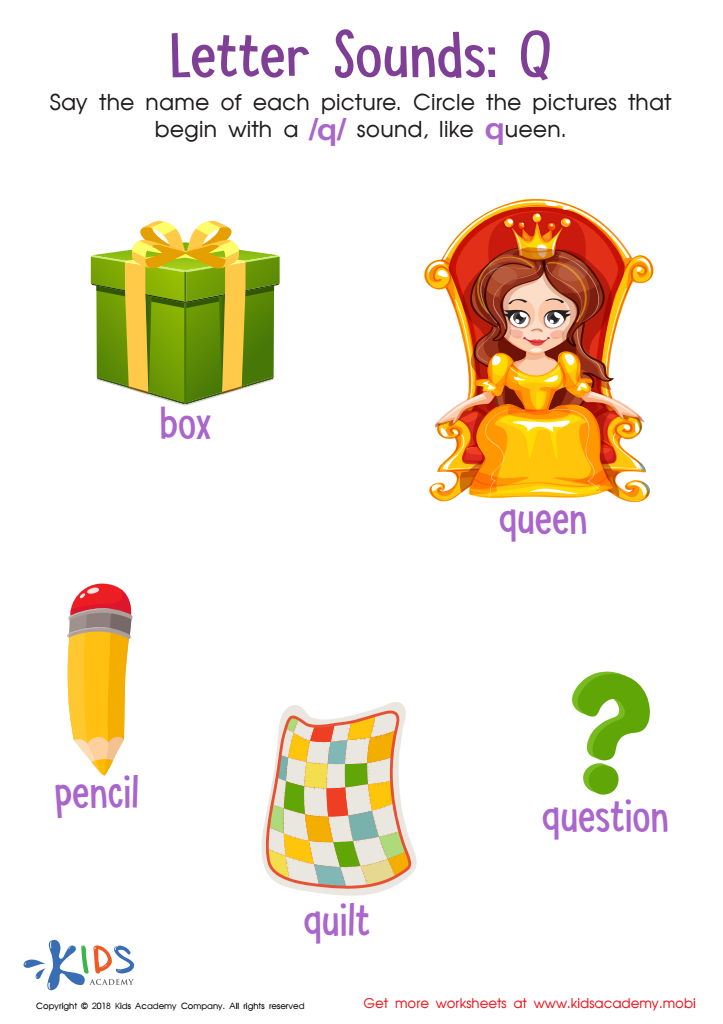
Letter Q Sounds Worksheet
 Assign to My Students
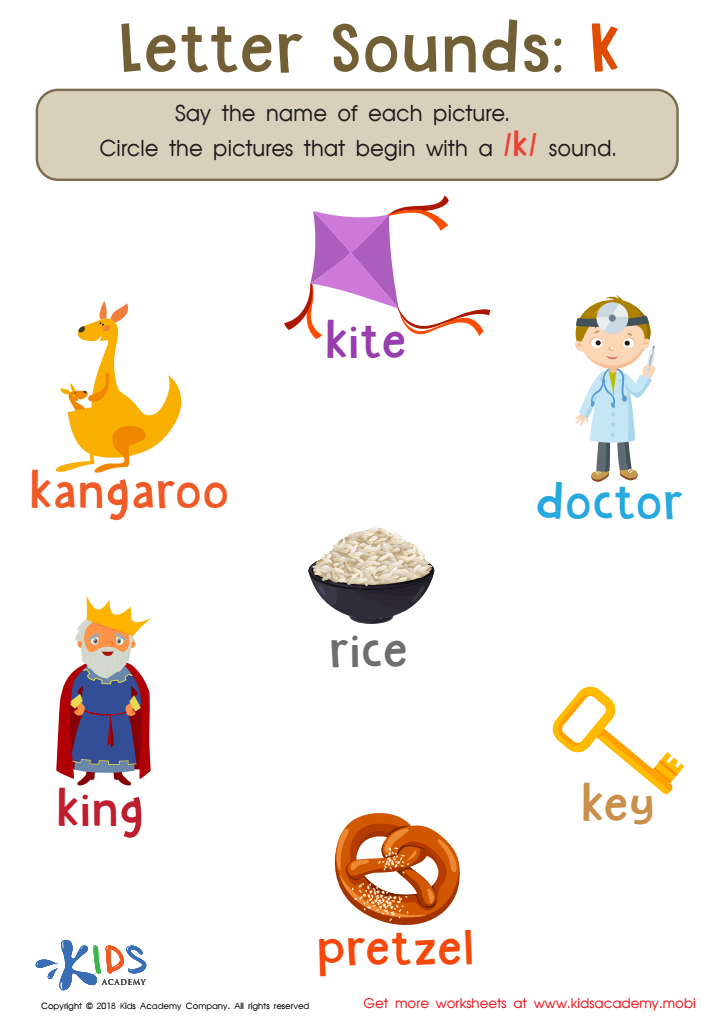
Letter K Sounds Worksheet
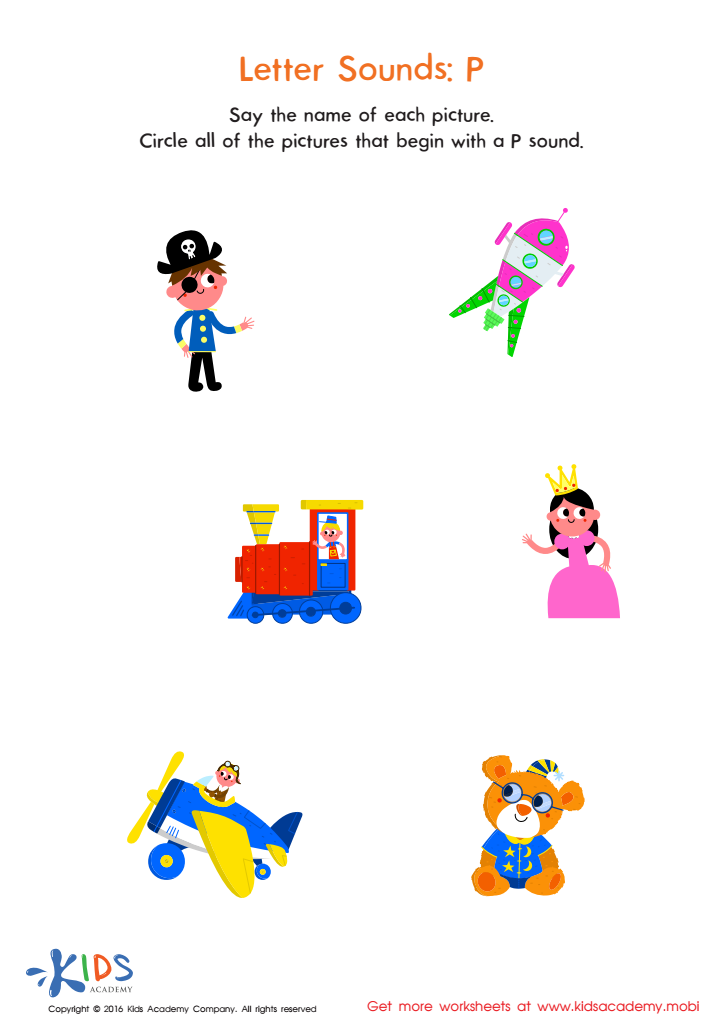
Letter P Sound Worksheet
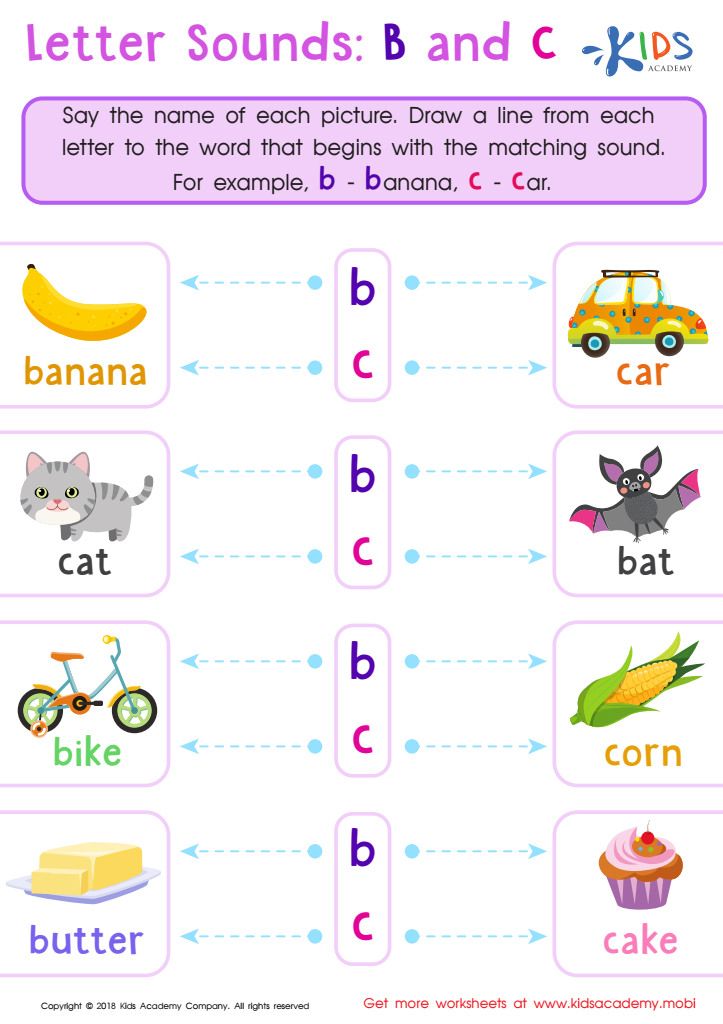
Letter B and C Sounds Worksheet
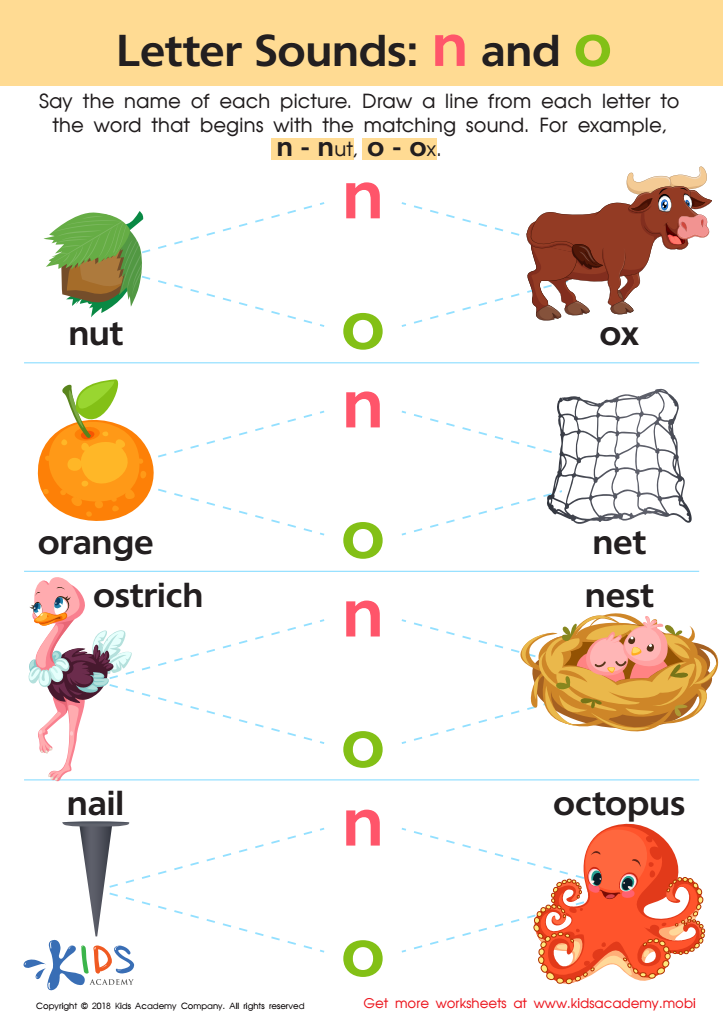
Letter N and O Sounds Worksheet
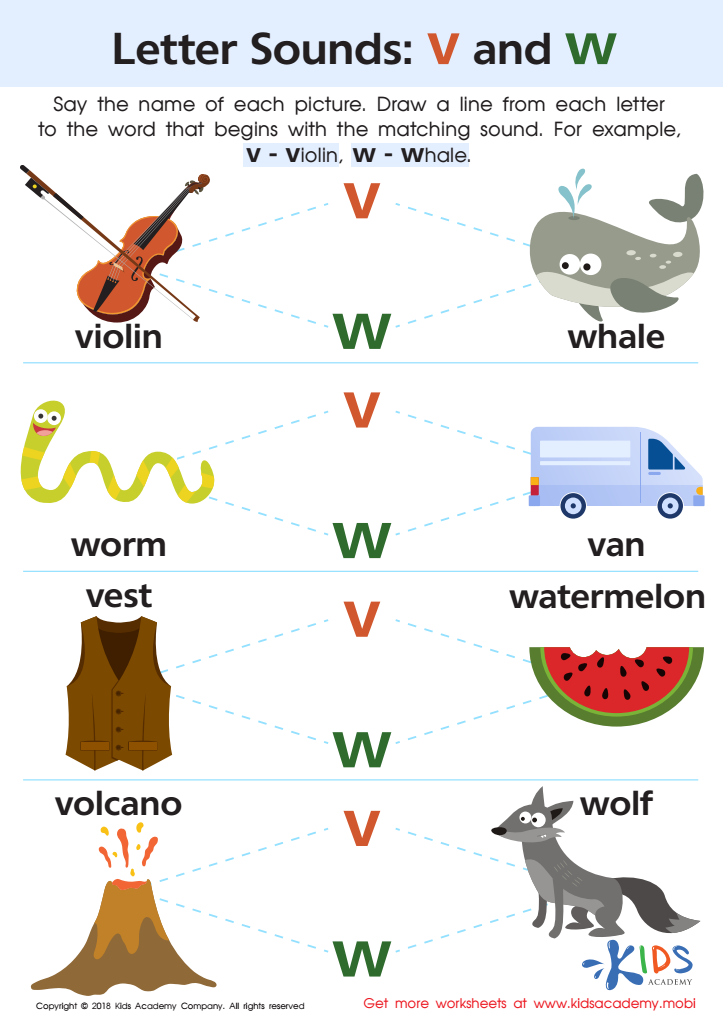
Letter V and W Sounds Worksheet
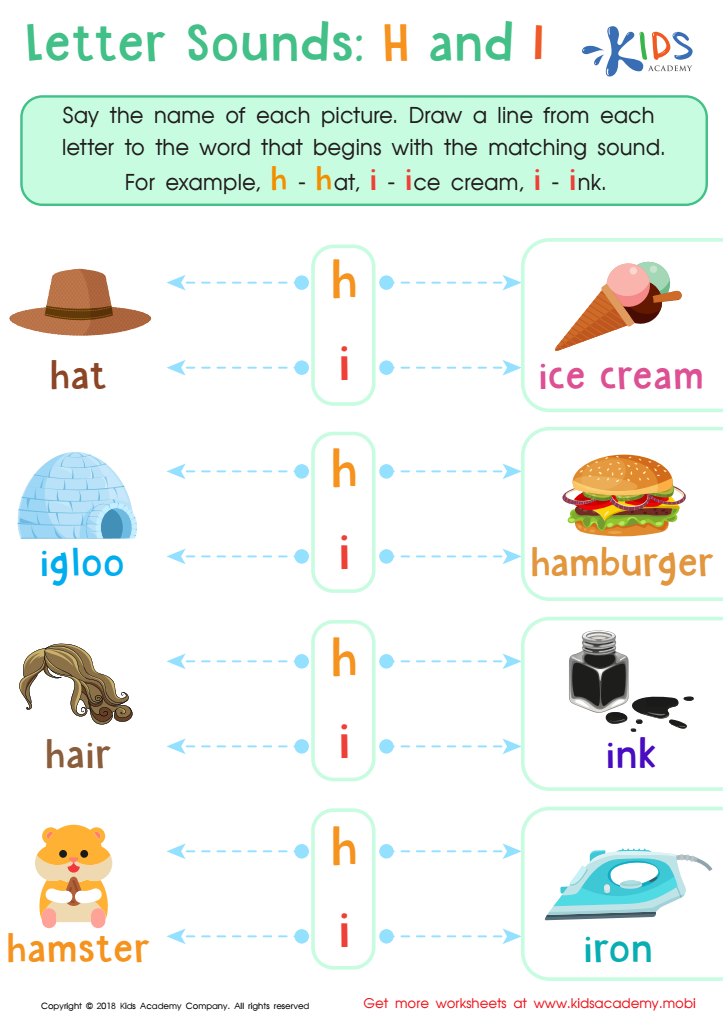
Letter H and I Sounds Worksheet
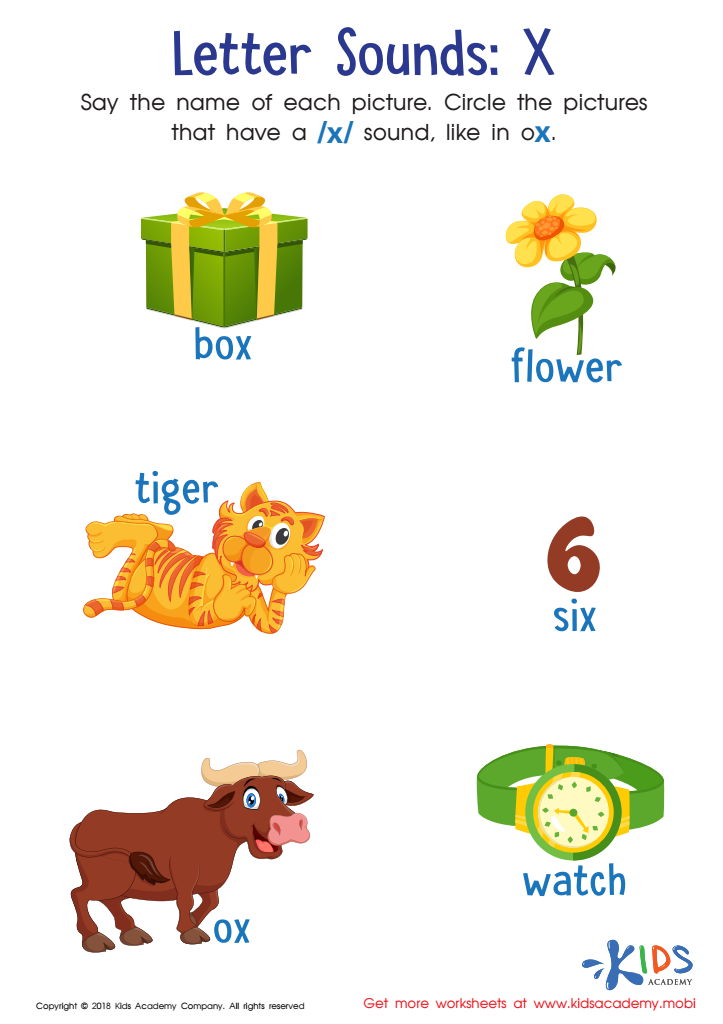
Letter X Sounds Worksheet
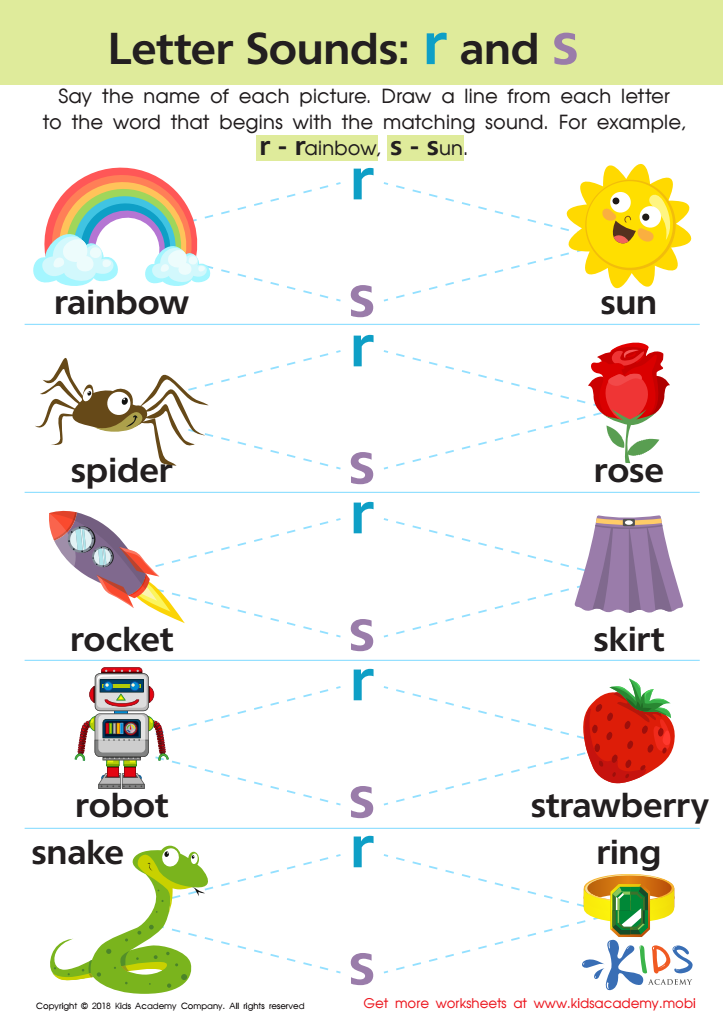
Letter R and S Sounds Worksheet
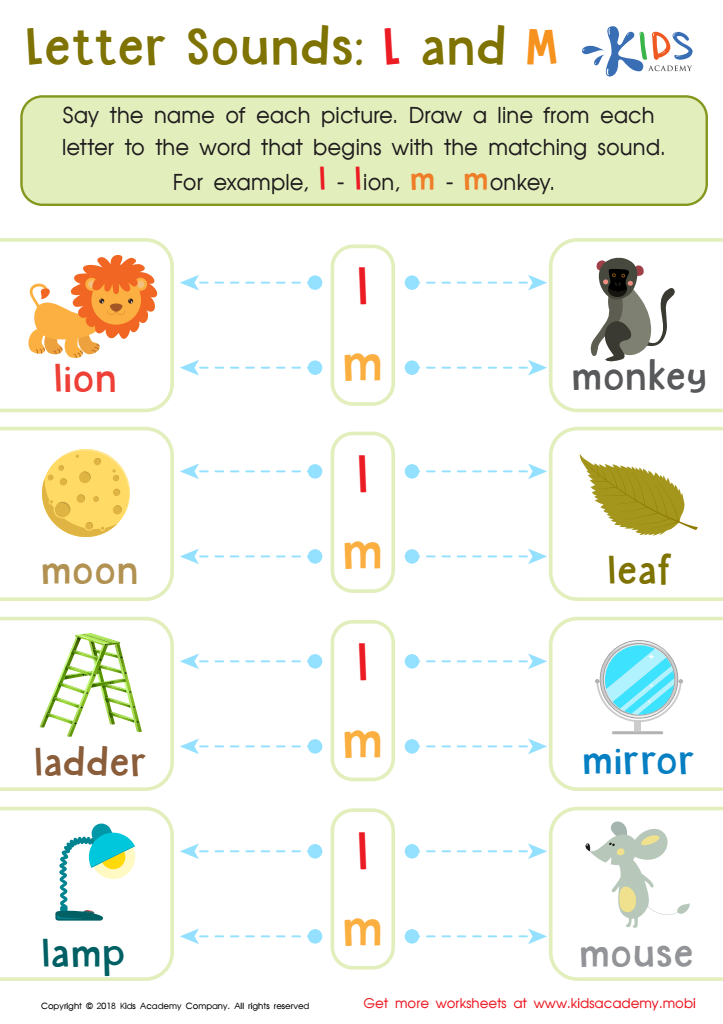
Letter l and M Sounds Worksheet
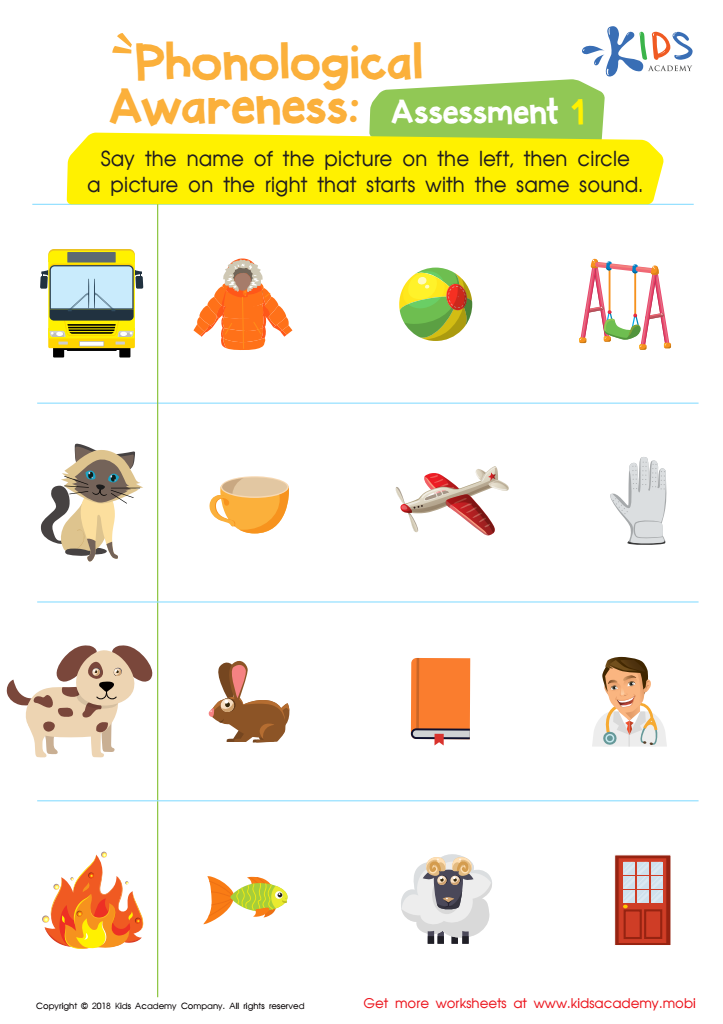
Phonological Awareness: Assessment 1 Worksheet
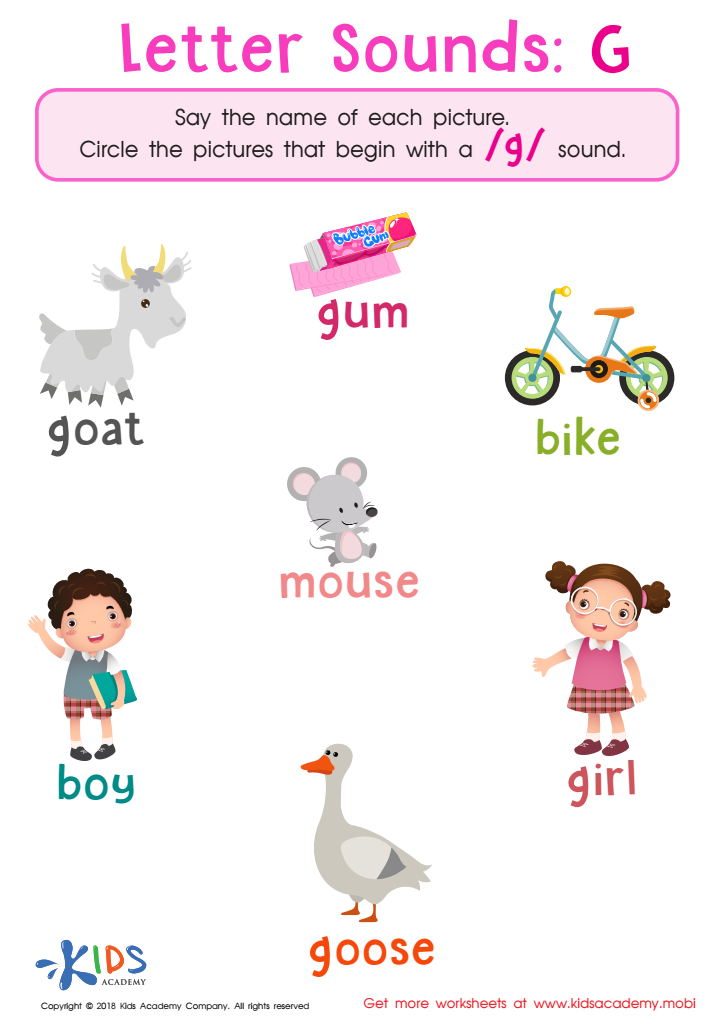
Letter G Sounds Worksheet
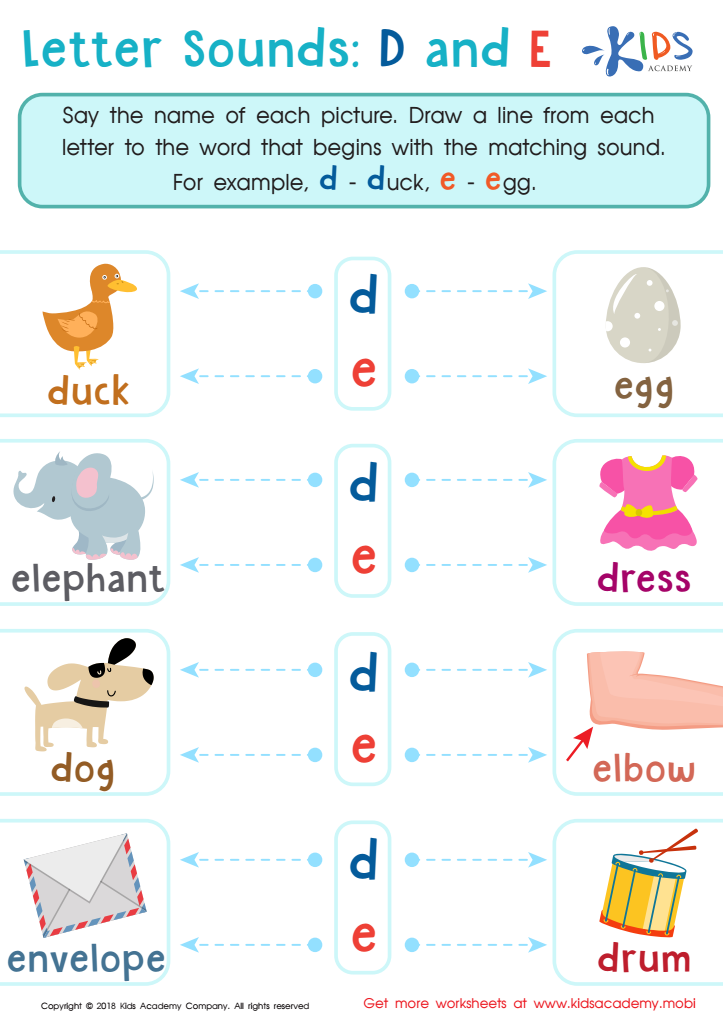
Letter D and E Sounds Worksheet








Introducing Sound Association Normal Phonics to 3-year-olds is crucial for early literacy development and sets the foundation for future academic success. At this age, children's brains are highly receptive to learning and can efficiently grasp new concepts and patterns.
Sound association aids in phonemic awareness, allowing children to recognize and differentiate between distinct sounds. Phonemic awareness is a critical pre-reading skill, crucial for decoding words and fluent reading. Children who master this ability early are often more proficient readers later on.
Normal Phonics, which involves linking these sounds with corresponding letters and groups of letters, helps children understand the alphabetic principle—the idea that letters and combinations of letters represent sounds. This understanding is essential for reading and spelling skills.
Moreover, early phonics education builds vocabulary and improves listening skills, enabling children to follow oral instructions better and communicate more effectively. It promotes curiosity and encourages a lifelong love for learning.
For parents and teachers, investing in Sound Association Normal Phonics for young children is investing in their future academic journey. It ensures children have the tools they need to succeed in kindergarten and beyond, fostering both cognitive development and emotional confidence as they navigate more complex literacy tasks.







