Fine Motor Skills Normal Cultures and Holidays Coloring Pages Worksheets for 3-Year-Olds
6 filtered results
-
From - To
Our Fine Motor Skills Normal Cultures and Holidays Coloring Pages Worksheets for 3-Year-Olds are designed to inspire young learners through creative and cultural exploration. These engaging worksheets combine the joy of coloring with the development of critical fine motor skills, helping preschoolers improve hand-eye coordination, dexterity, and control. Each page features delightful illustrations celebrating different cultures and holidays, providing a fun and educational way for children to recognize important traditions from around the world. Perfect for both classroom and home use, these worksheets are a valuable resource for enhancing early childhood education.
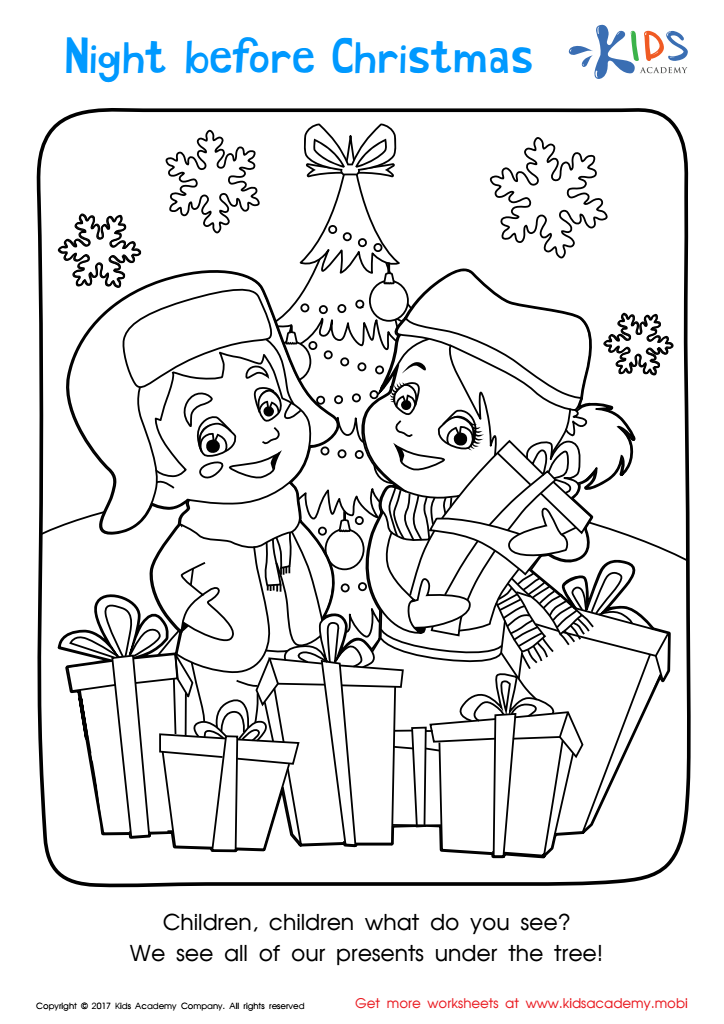
Christmas: Night Before Christmas Printable
 Assign to My Students
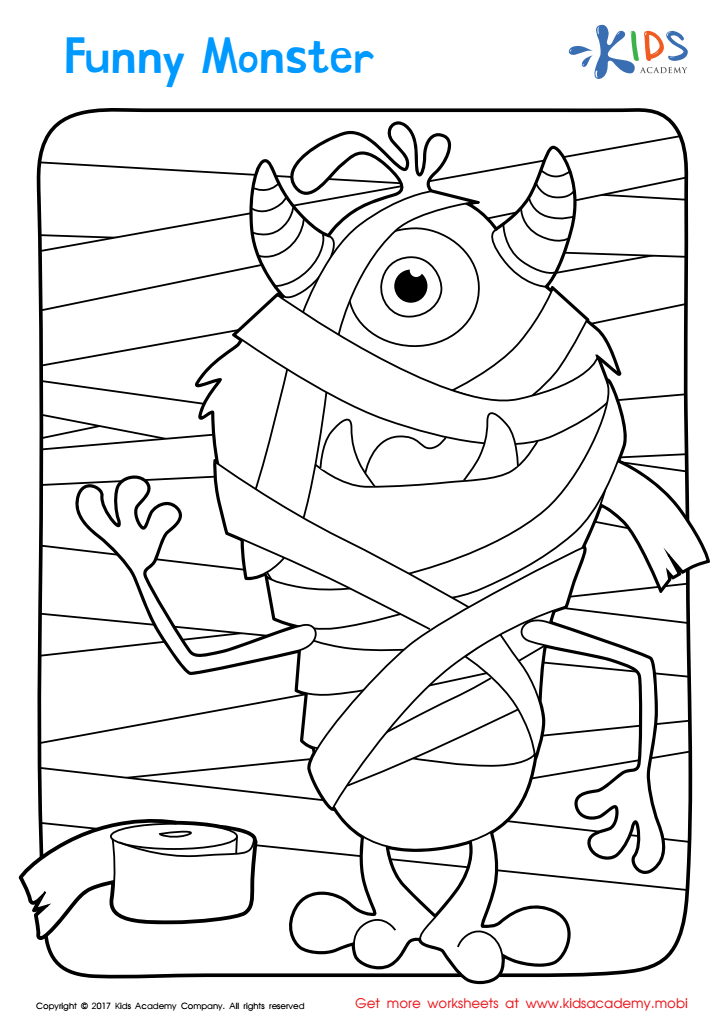
Halloween: A Funny Monster Worksheet
Assign to My Students
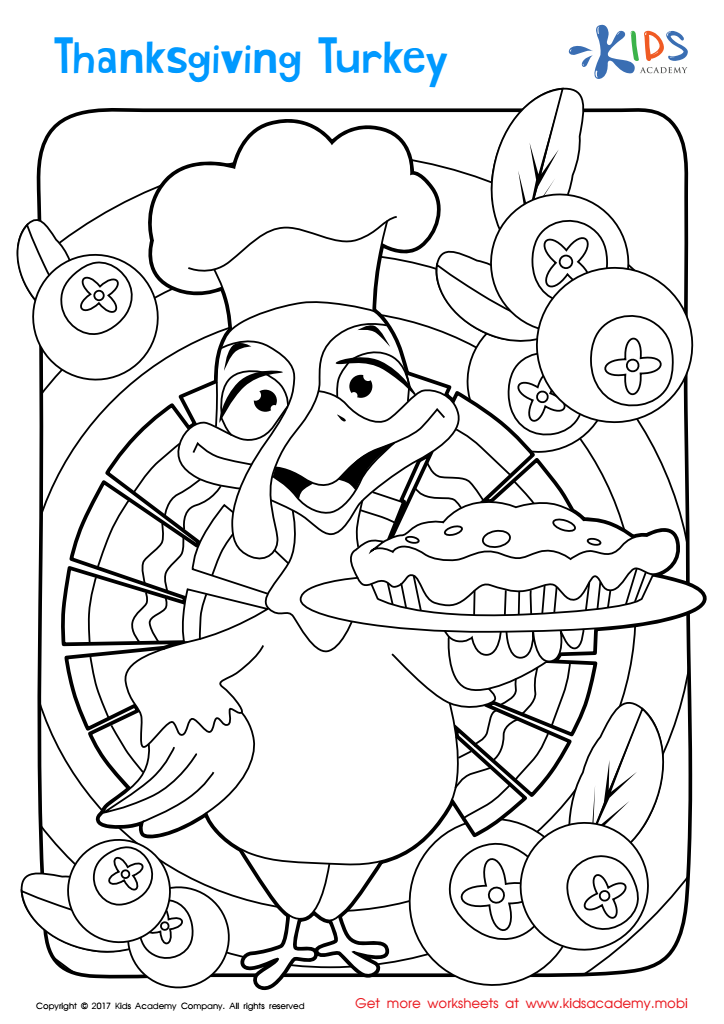
Turkey Thanksgiving Day Worksheet
Assign to My Students

Christmas: Christmas Tree Printable
Assign to My Students



Fine motor skills are essential for a child's overall development, and parents and teachers play a crucial role in nurturing these abilities. For 3-year-olds, fine motor skills involve the coordination of small muscles in the hands and fingers, necessary for tasks like writing, cutting with scissors, and buttoning clothes. Fostering these skills during early childhood sets the foundation for later academic and daily life achievements.
Coloring pages offer a perfect medium to enhance fine motor skills. The act of holding and manipulating coloring tools, such as crayons or markers, helps children strengthen their hand muscles and improve hand-eye coordination. Specifically, Normal Cultures and Holidays Coloring Pages are uniquely beneficial because they not only develop fine motor skills but also broaden the child's understanding of diverse cultures and traditions. This dual focus on physical skill and cognitive cultural awareness makes these activities particularly enriching.
Parents and teachers utilizing these specialized coloring pages contribute to a well-rounded developmental experience for the child. They provide a structured yet enjoyable way for youngsters to practice precision and control in their movements while simultaneously exposing them to cultural diversity. This combination enhances cognitive skills, fosters inclusivity, and prepares children for more complex tasks as they grow. Investing in such activities promotes a holistic approach to early childhood education.