Problem-Solving Skills Normal Worksheets for 3-Year-Olds - Page 2
35 filtered results
-
From - To
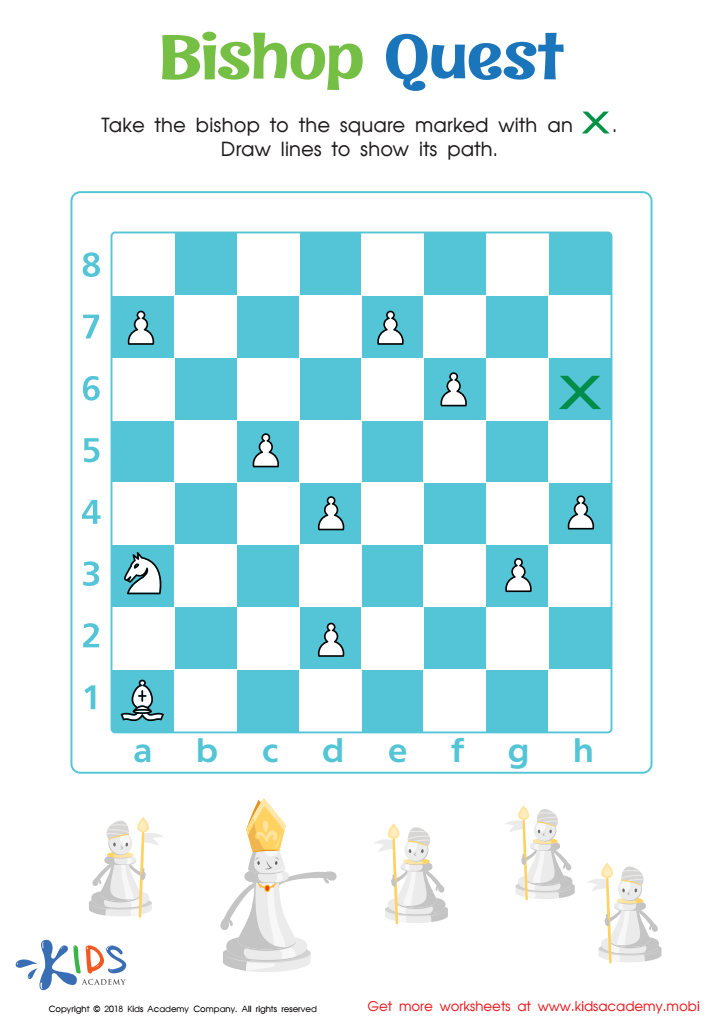
Bishop Quest Worksheet
 Assign to My Students
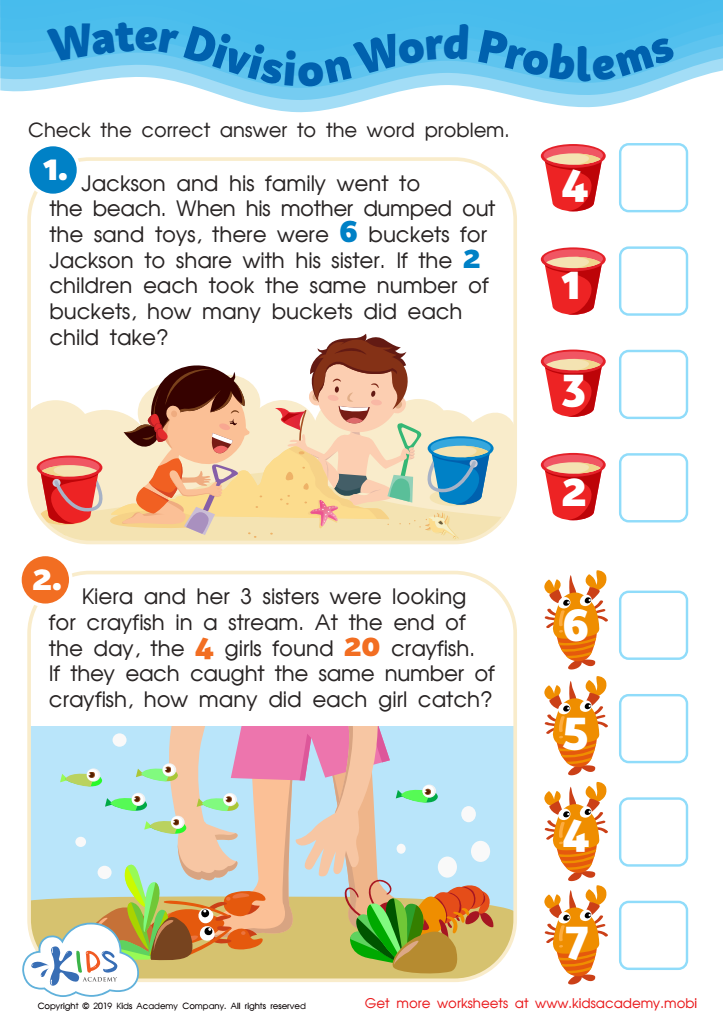
Water Division Word Problems Worksheet
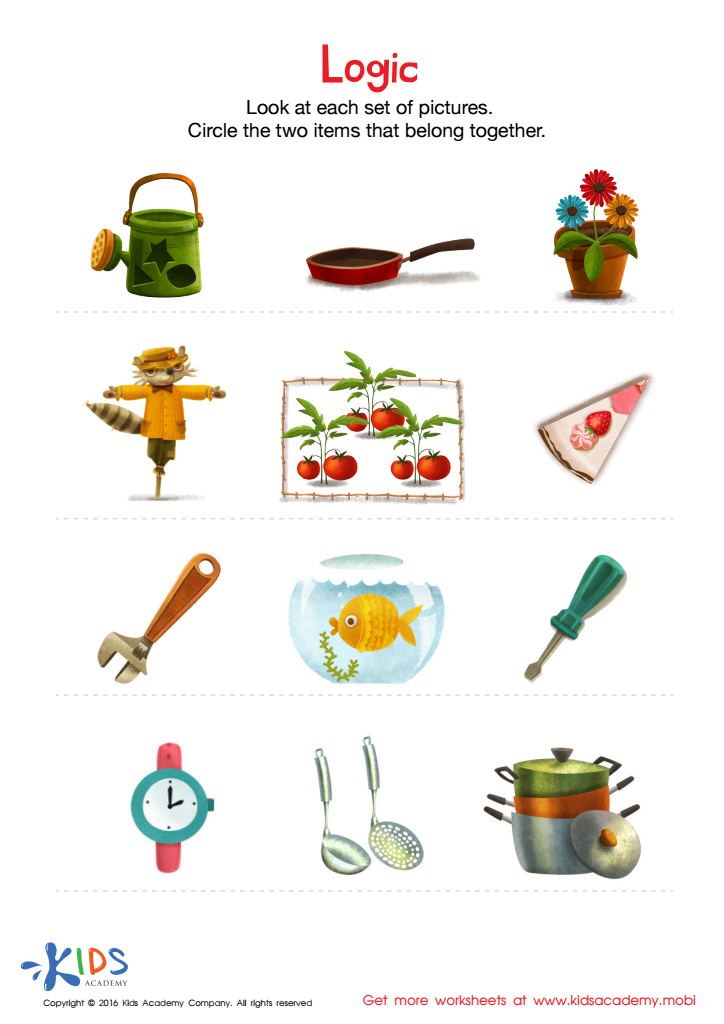
Logic Game Sorting Worksheet
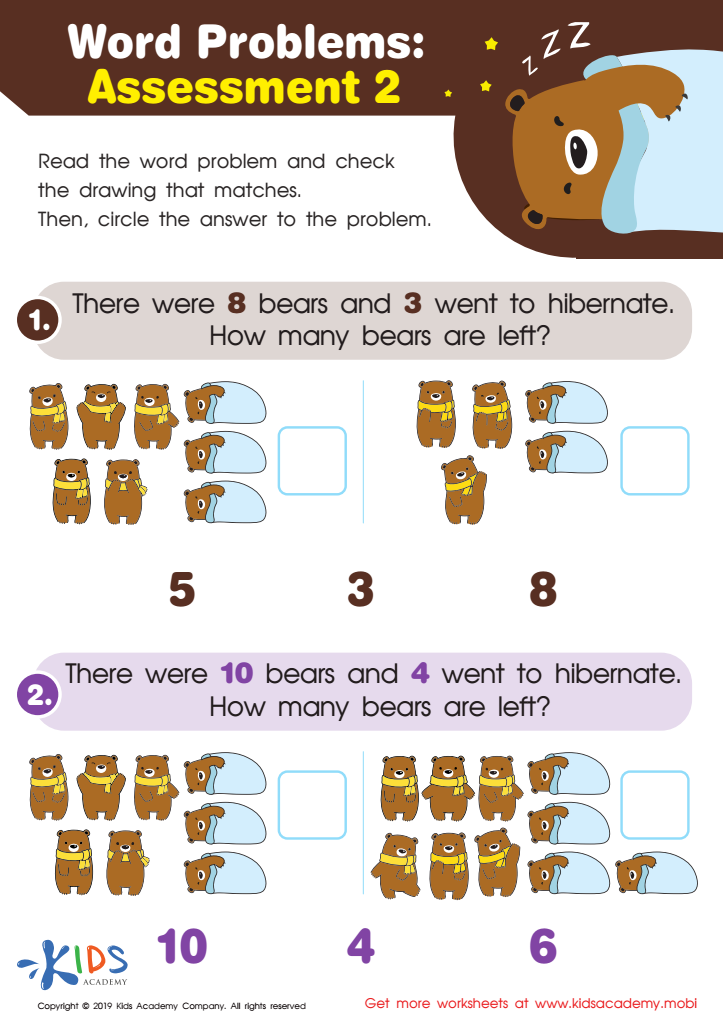
Word Problems: Assessment 2 Worksheet
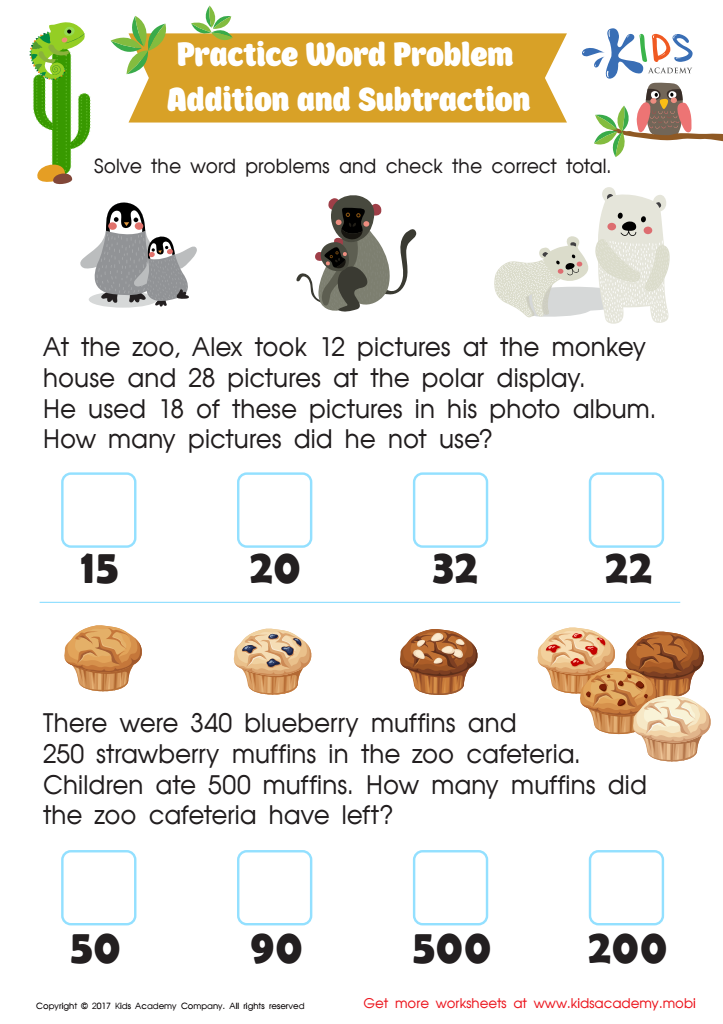
Addition and Subtraction: Word Problems Worksheet
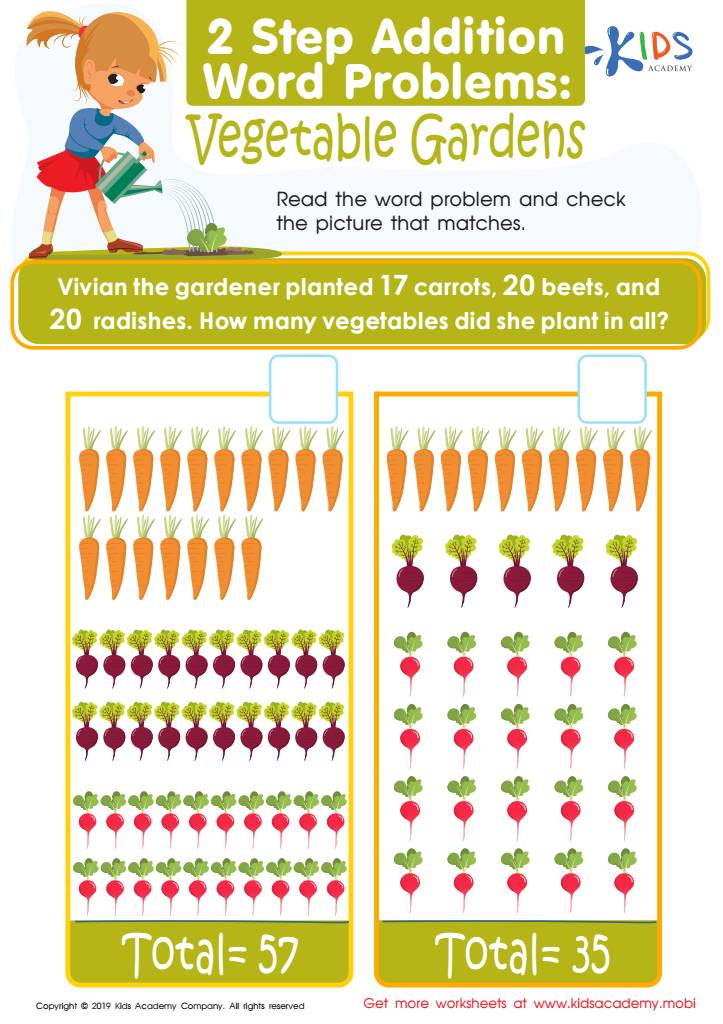
Vegetable Gardens Worksheet
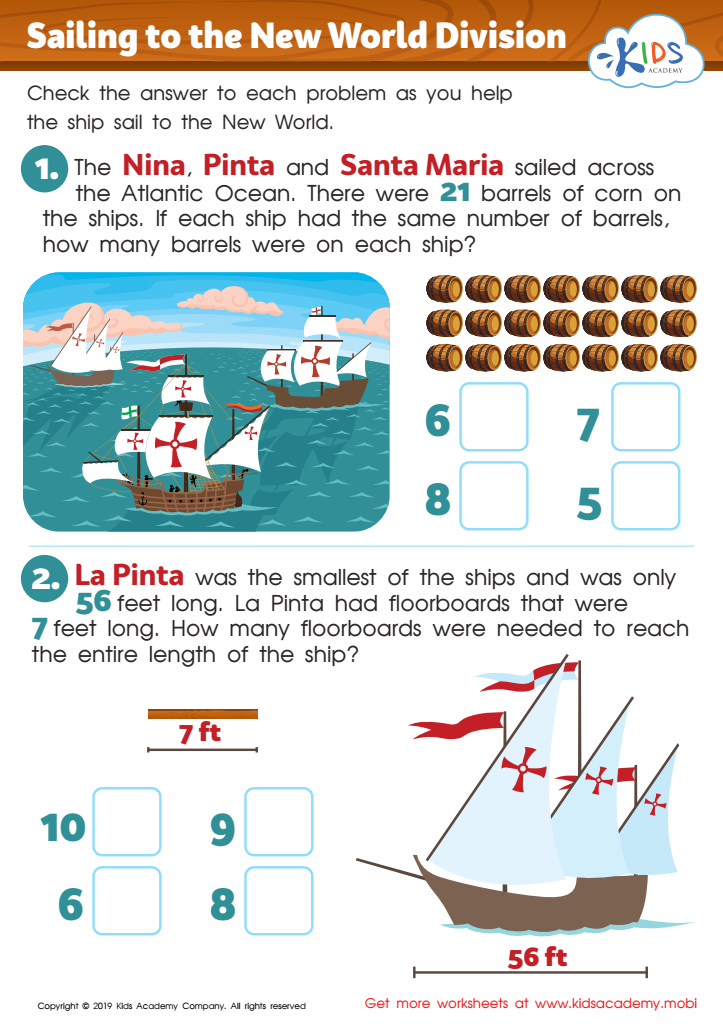
Sailing to the New World Division Worksheet

Towns Worksheet

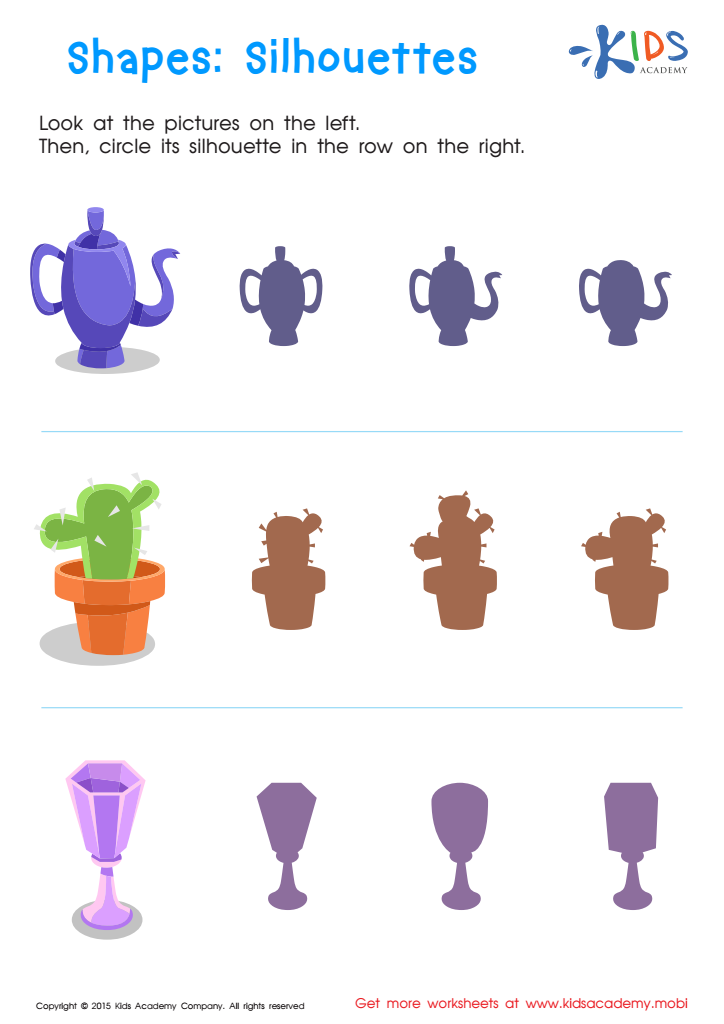
Silhouettes – Shapes Worksheet
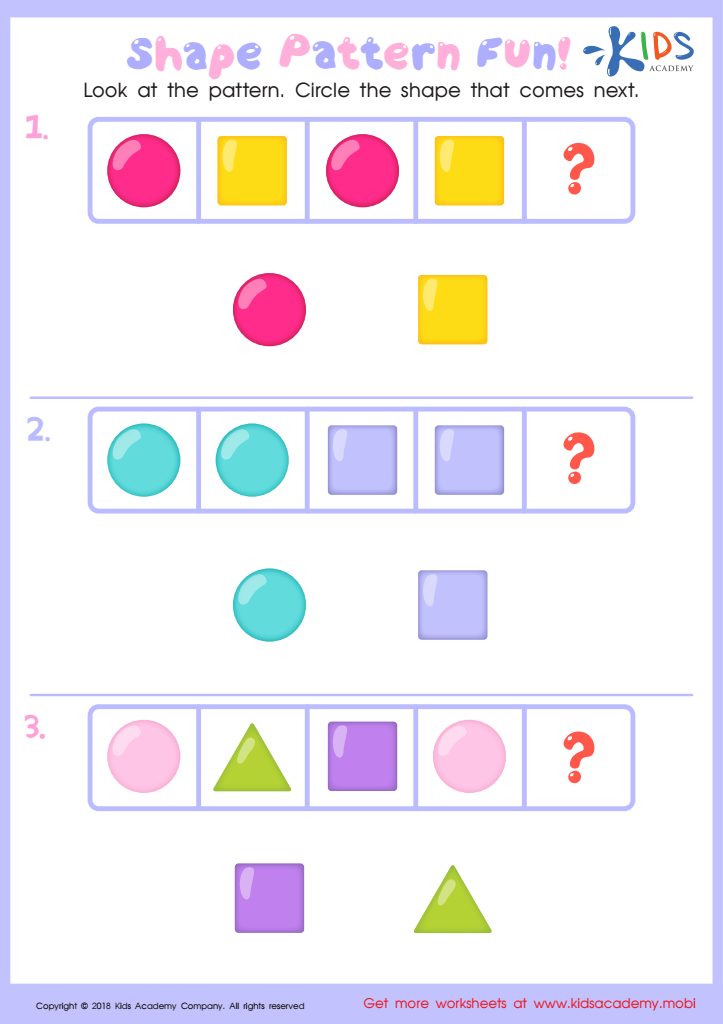
Shape Pattern Fun Worksheet



.jpg)


Problem-solving skills are crucial for the development of three-year-olds, as they form the foundational building blocks for cognitive, social, and emotional growth. Parents and teachers should care about these skills because they play a significant role in fostering independence and resilience in young children. At this age, kids are discovering how to navigate challenges in their daily lives, whether it’s figuring out how to build with blocks, resolving disagreements with peers, or overcoming minor obstacles while playing.
Encouraging problem-solving helps children develop critical thinking abilities and creativity, enabling them to approach tasks with confidence and inventiveness. Engaging in problem-solving activities, like puzzles or simple cooking tasks, nurtures their ability to evaluate situations, make decisions, and understand consequences. Additionally, these interactions improve communication and cooperation with others, essential skills for successful social interaction.
Moreover, teaching and reinforcing problem-solving at an early age contributes to long-term academic success and emotional well-being. Children who feel capable of solving problems are more likely to take risks in learning, exhibit perseverance, and develop a positive attitude toward challenges. Thus, prioritizing problem-solving skills in early education not only enhances children's immediate experiences but also prepares them for future life challenges.








