Subtraction practice Normal Worksheets for 3-Year-Olds
5 filtered results
-
From - To
Our subtraction worksheets for 3-year-olds are designed to make early math learning fun and engaging. These printable sheets feature simple subtraction problems, colorful visuals, and playful themes to grab the attention of young learners. Each worksheet aims at developing essential math skills such as number recognition, counting backward, and understanding basic subtraction principles. Perfect for at-home practice or classroom activities, these worksheets help children build a solid math foundation while enjoying the learning process. Give your child a head start in math with our expertly crafted subtraction practice worksheets for early childhood education.
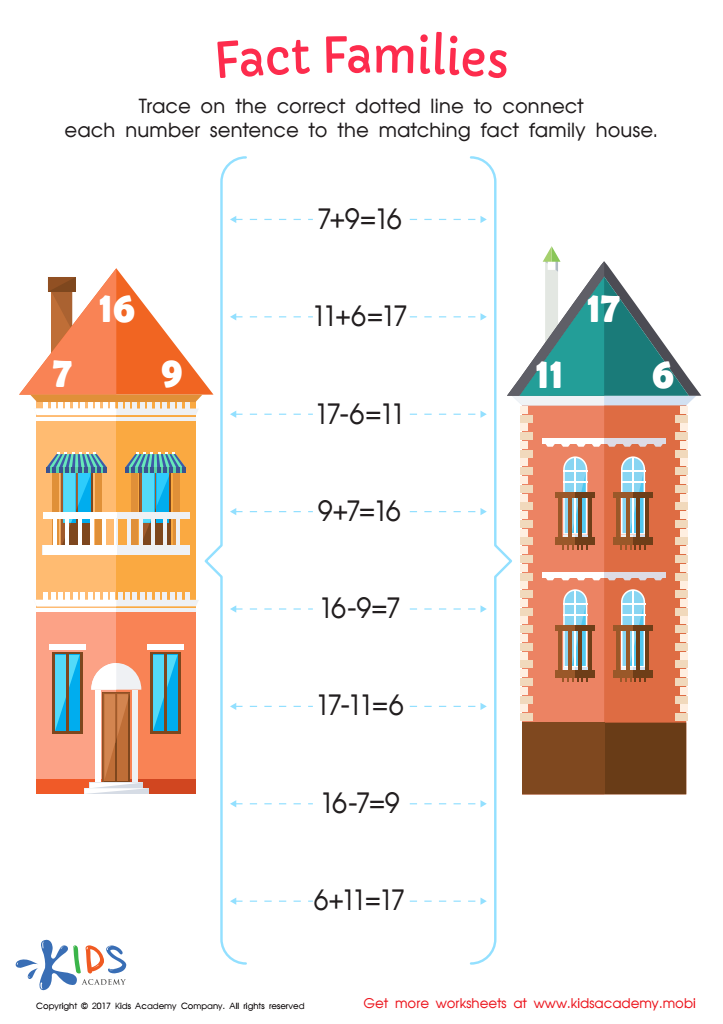
Fact Families — Add and Subtract Worksheet
 Assign to My Students
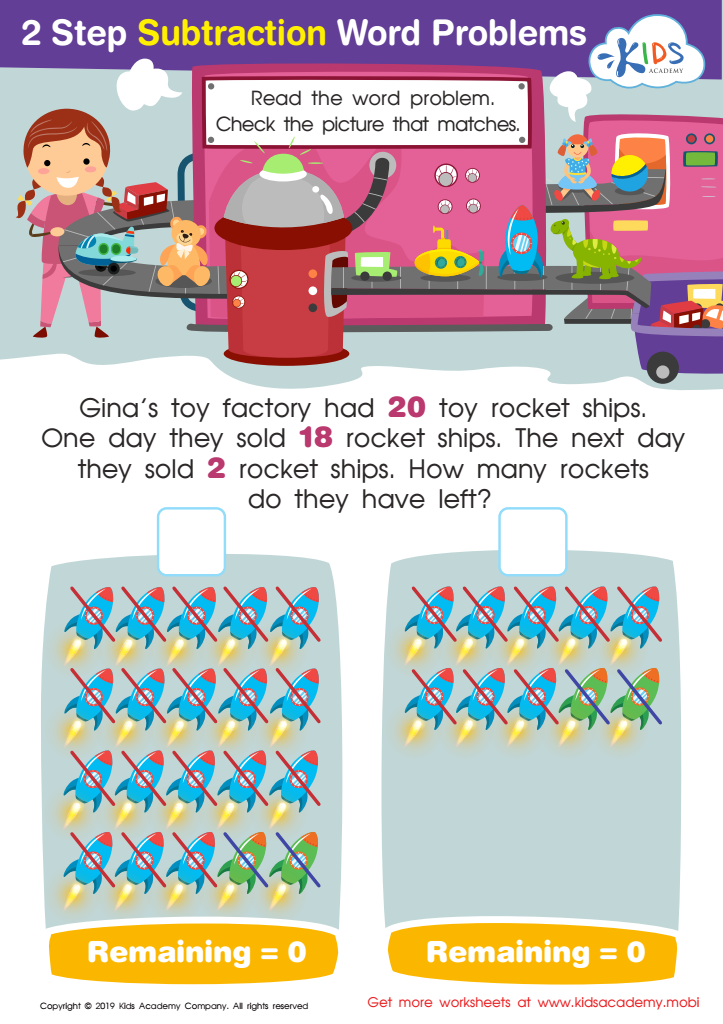
Step Subtraction Word Problems Worksheet
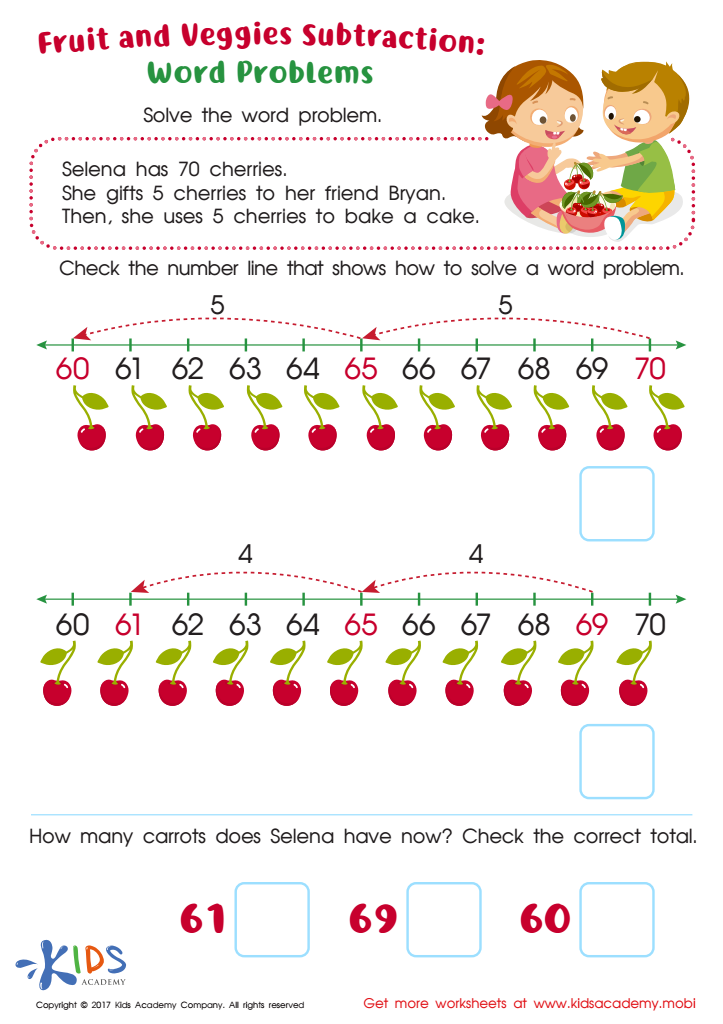
Subtraction Word Problems Free Printable
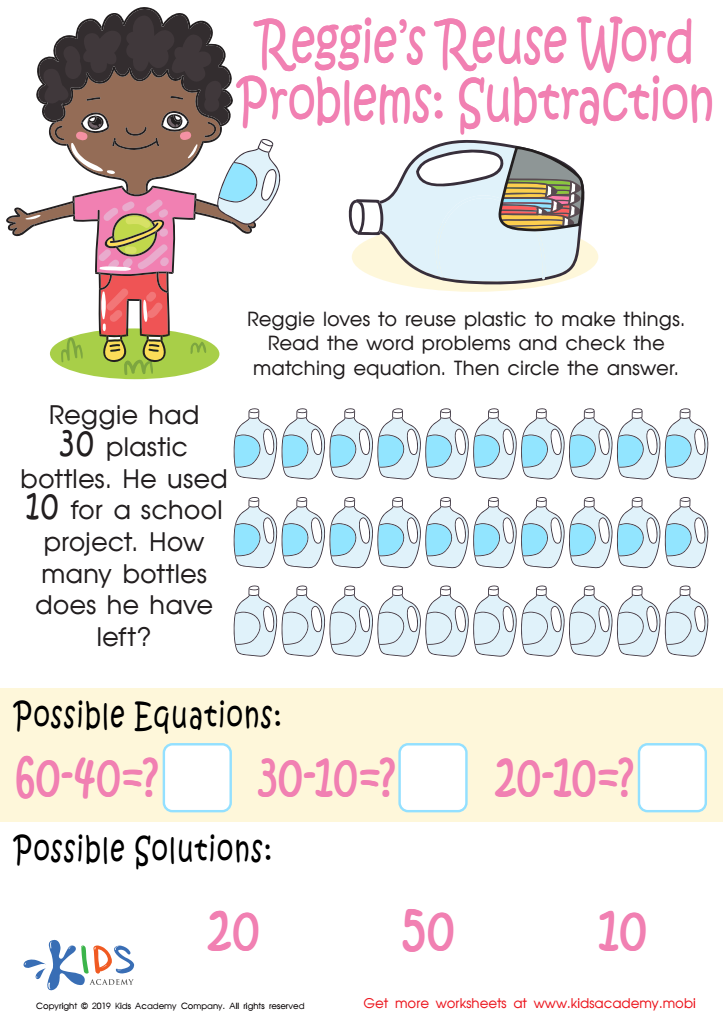
Reggie's Reuse Word Problems: Subtraction Worksheet
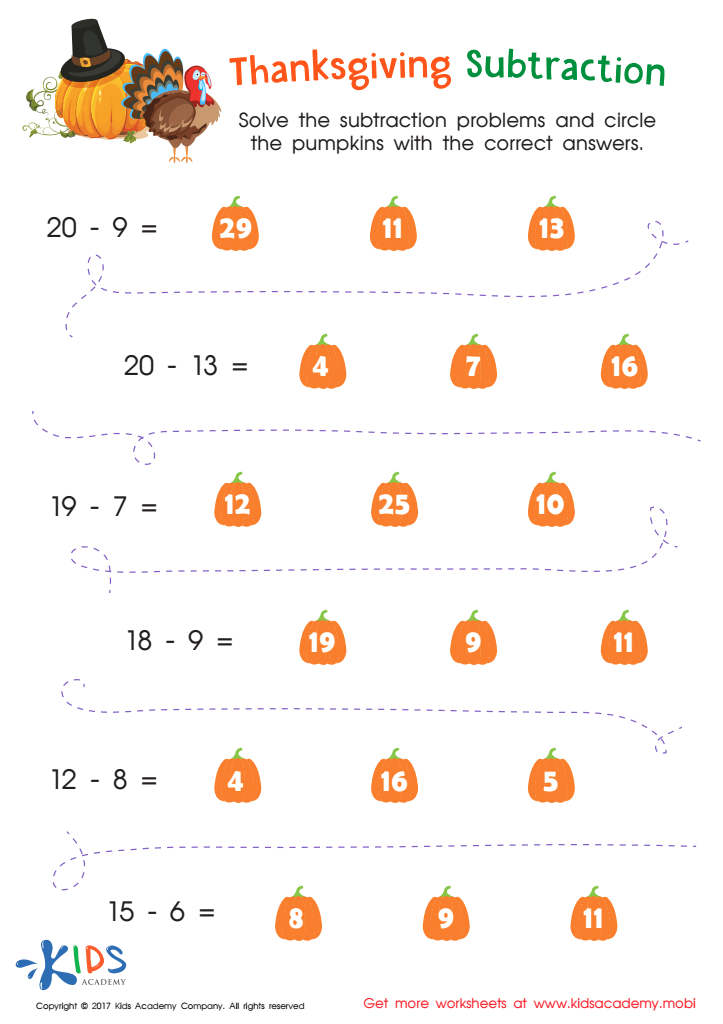
Thanksgiving Subtraction Substraction Worksheet






While it may seem premature to introduce formal subtraction practice to 3-year-olds, there are several compelling reasons why both parents and teachers should care about this early math foundation. At this age, children are in a critical period of cognitive development, where they rapidly absorb and make sense of the world around them. Introducing basic subtraction concepts helps foster numerical literacy and problem-solving skills that are vital for future academic success.
First, engaging young children in subtraction helps develop their understanding of the relationships between numbers, which is crucial for mastering more advanced mathematical concepts later on. Early math skills are strongly correlated with later achievement in not only math, but also literacy and overall academic performance.
Second, subtraction activities encourage logical thinking and attention to detail. Through simple subtraction exercises using everyday objects, children learn to count, compare quantities, and understand the concept of "taking away." These activities can also boost their fine motor skills, especially when integrated into playful, hands-on experiences.
Lastly, involving subtraction in daily routines makes learning intuitive and enjoyable. Through games, songs, and simple interactive tasks, children can see math as a part of their world, rather than an abstract concept. Cultivating a positive attitude towards math at an early age sets the stage for a lifelong appreciation and competence in the subject.








