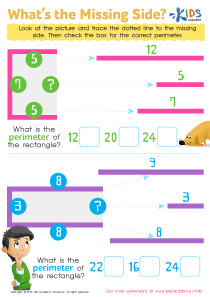
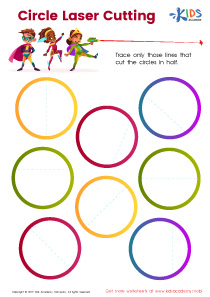
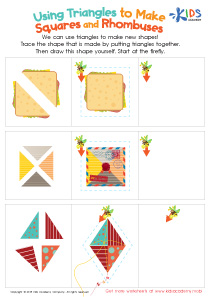
Problem-Solving Skills Normal 2D Shapes Worksheets for 3-Year-Olds
4 filtered results
-
From - To
Discover engaging Problem-Solving Skills Worksheets focused on 2D shapes for 3-year-olds! Our thoughtfully designed activities help young learners develop critical thinking and analytical skills while exploring vibrant and captivating visuals of circles, squares, triangles, and more. These worksheets encourage children to identify, compare, and manipulate shapes through fun challenges, promoting a deeper understanding of geometry in an enjoyable way. Enhance your child's early math skills with our interactive resources that foster creativity and independence. Perfect for homeschooling or classroom settings, these printable worksheets will make learning about shapes an exciting adventure for your little ones! Start exploring the world of shapes today!
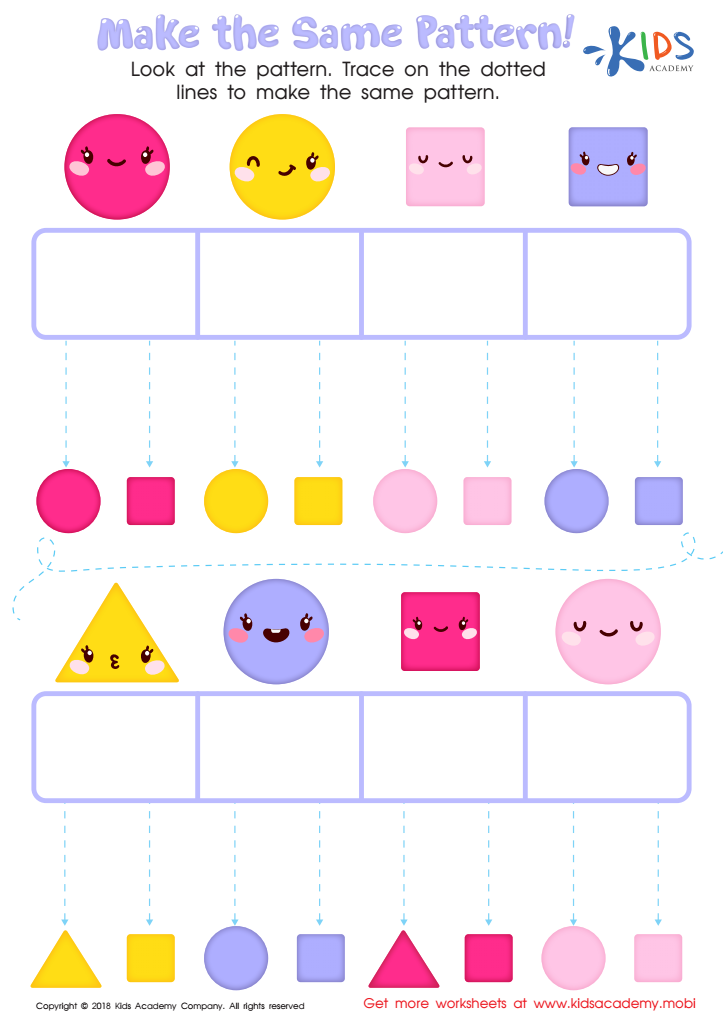
Make the Same Pattern Worksheet
 Assign to My Students






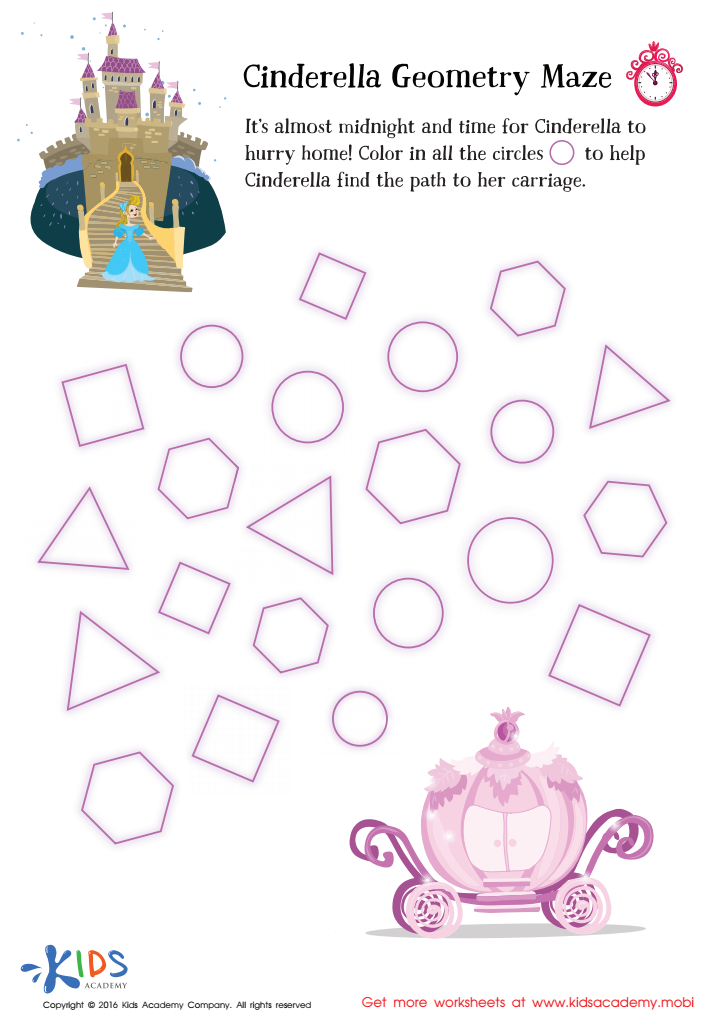
Cinderella Geometry Maze Worksheet
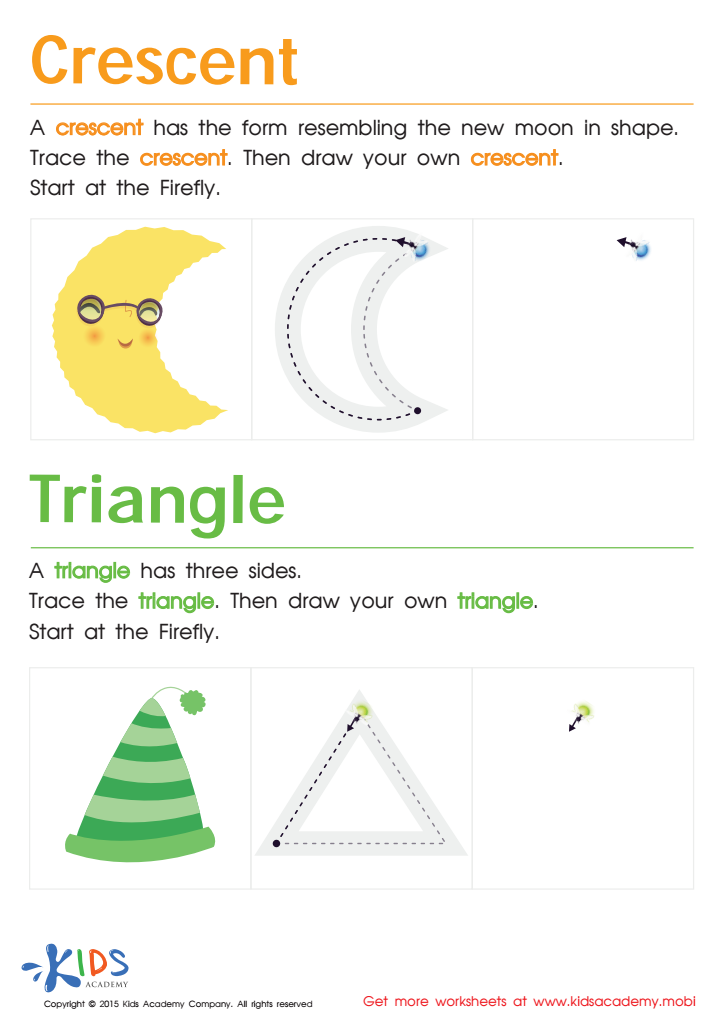
Learning to Draw Crescents And Triangles Worksheet
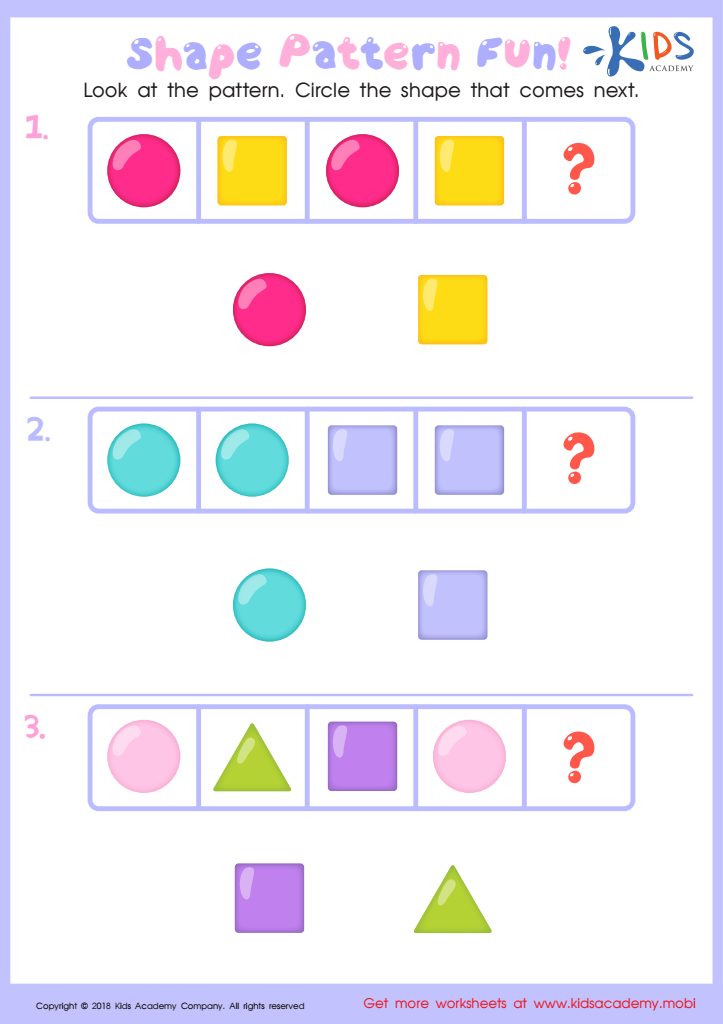
Shape Pattern Fun Worksheet








Parents and teachers should prioritize problem-solving skills related to 2D shapes for 3-year-olds because these skills lay a critical foundation for future learning and cognitive development. Engaging young children with 2D shapes encourages them to explore, compare, and analyze, which enhances their critical thinking abilities. Problem-solving with shapes involves recognizing patterns, understanding spatial relationships, and developing the ability to classify and organize objects—skills that are essential for mathematics and logical reasoning.
Additionally, this hands-on learning experience promotes fine motor skills as children manipulate shapes through drawing, cutting, or placing them in specific arrangements. Early exposure to problem-solving activities related to shapes can spark curiosity and creativity, fostering a love for learning that can last a lifetime.
Furthermore, these skills are often integrated into broader curricula, connecting with literacy, art, and social interactions. Nurturing problem-solving abilities in young children equips them to tackle more complex challenges as they grow, ultimately enhancing their academic readiness and success. By actively engaging in shape-related problem-solving, parents and teachers can help instill confidence and resilience in young learners, leading to their overall development and well-rounded growth.