Sound Association Normal Worksheets for Ages 4-5
19 filtered results
-
From - To
Discover our engaging "Sound Association Normal Worksheets" designed for children aged 4-5! These worksheets help young learners develop essential phonemic awareness by connecting sounds to images and words. Our fun, colorful activities encourage listening and matching skills, making learning an enjoyable experience. Each worksheet focuses on sound recognition, helping kids identify similarities and differences in sounds through playful exercises. With easy-to-follow instructions, parents and educators can seamlessly incorporate these worksheets into daily learning routines, fostering early literacy skills in a supportive environment. Explore our collection and watch your child's confidence grow as they strengthen their sound association abilities!
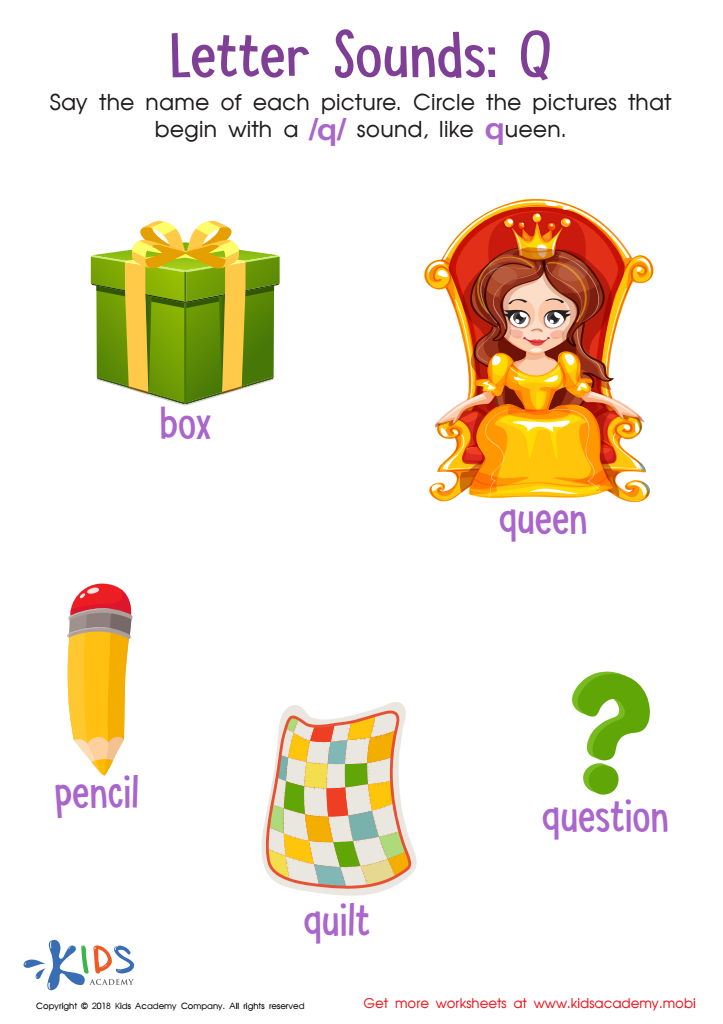
Letter Q Sounds Worksheet
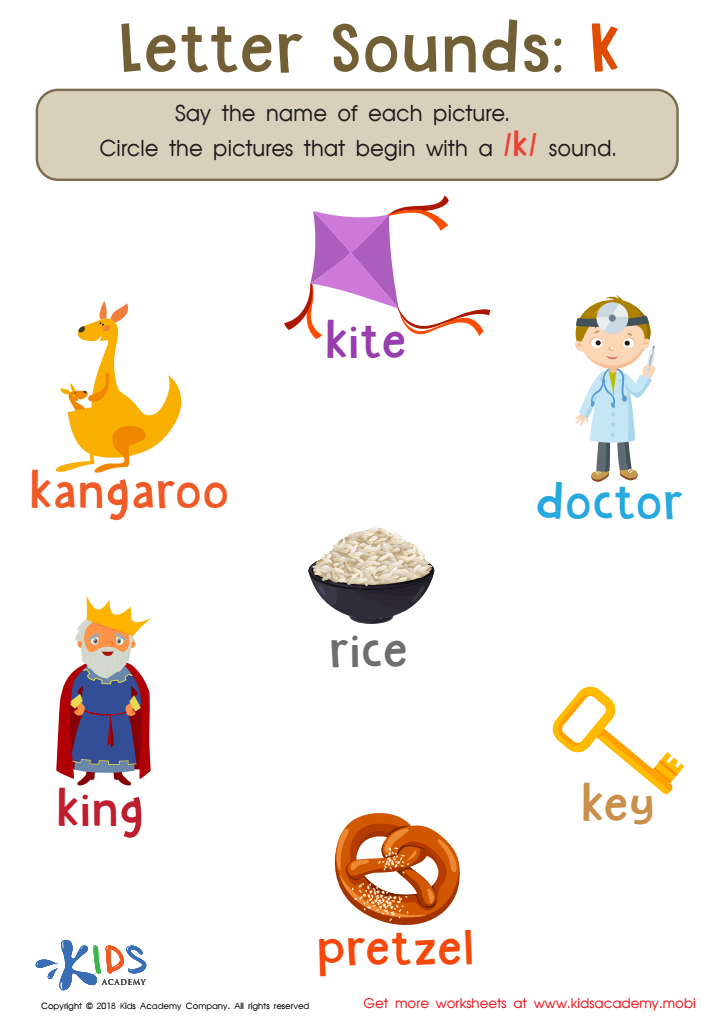
Letter K Sounds Worksheet
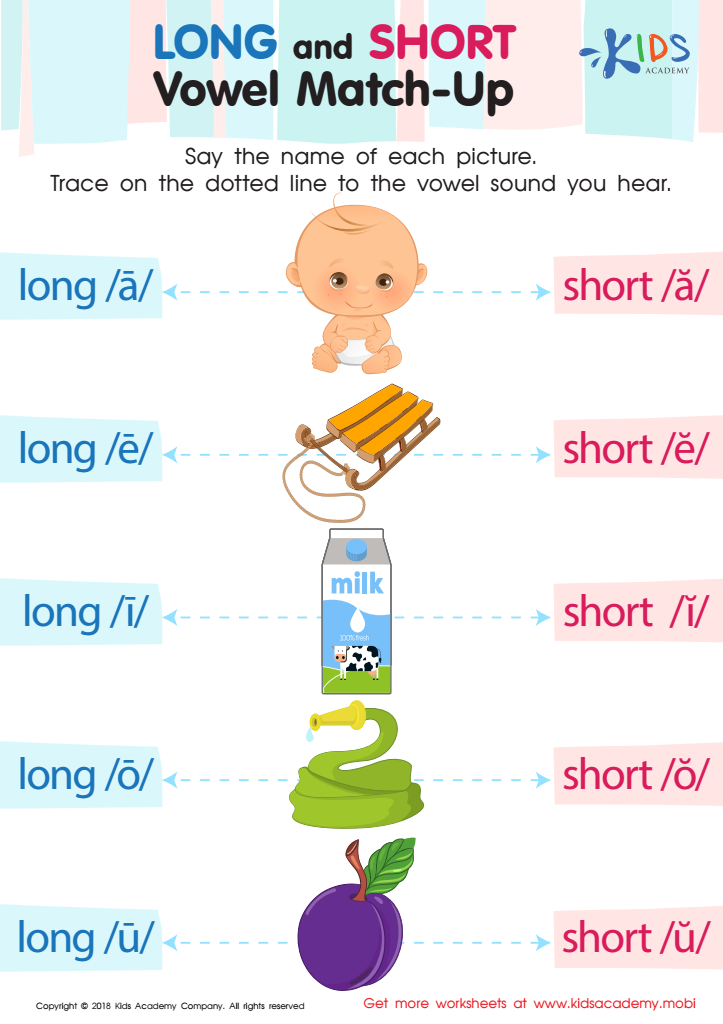
Long and Short Vowel Match up Reading Worksheet
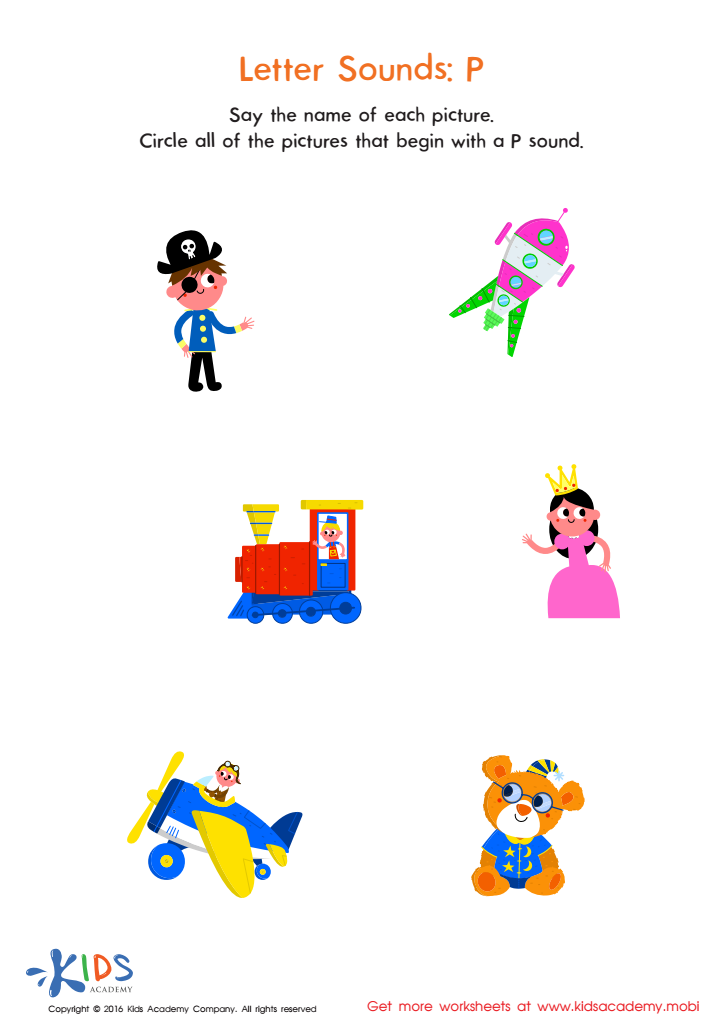
Letter P Sound Worksheet
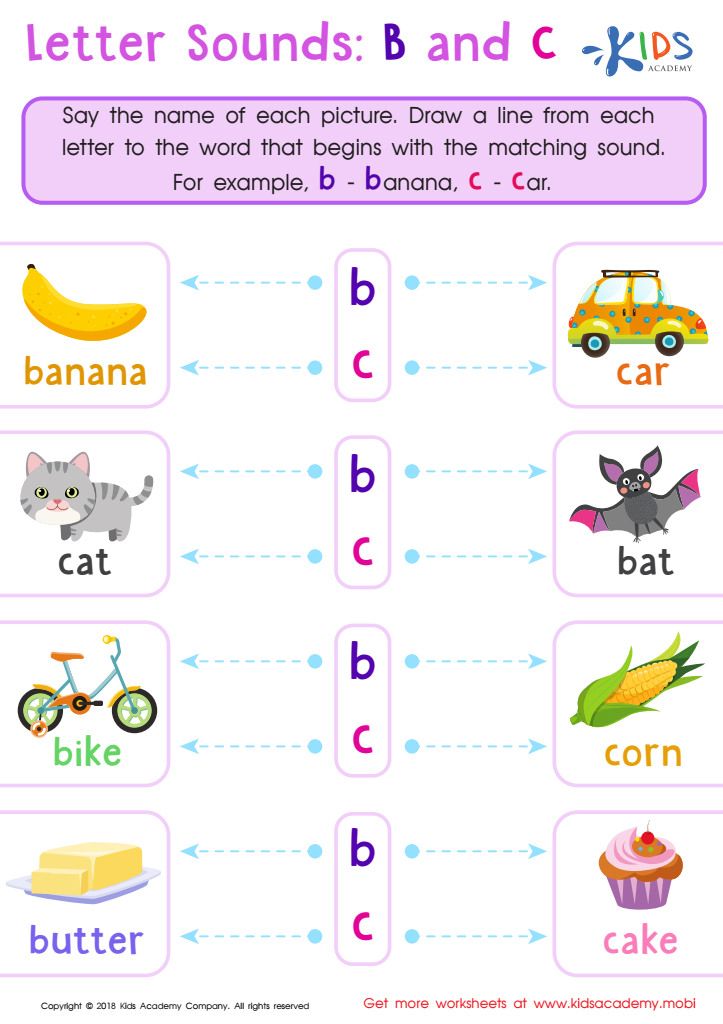
Letter B and C Sounds Worksheet
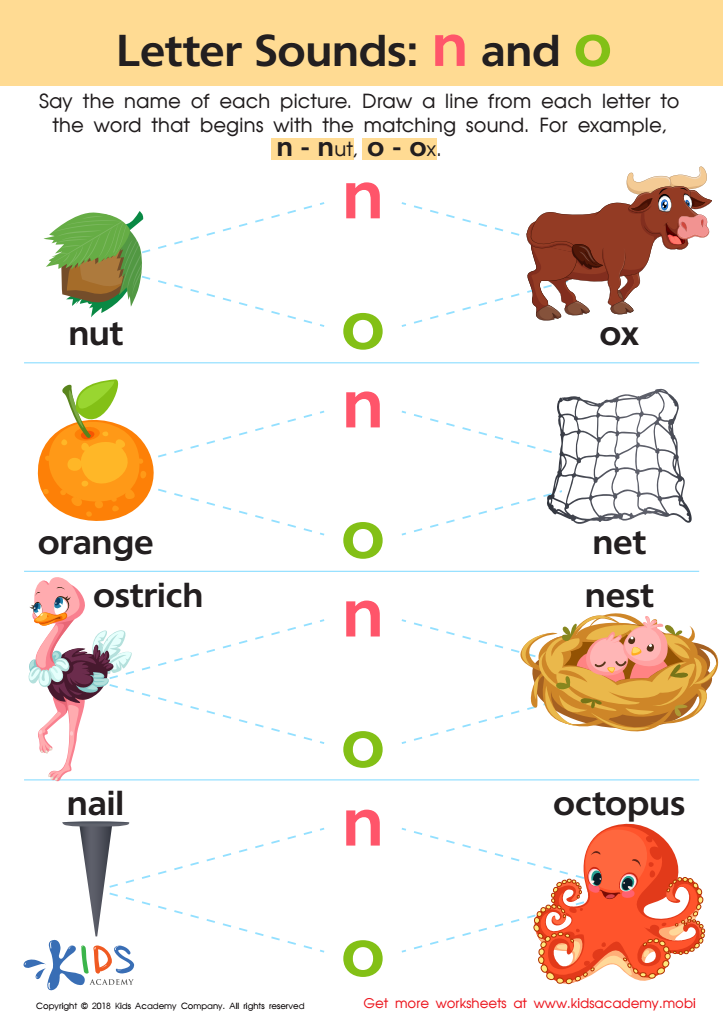
Letter N and O Sounds Worksheet
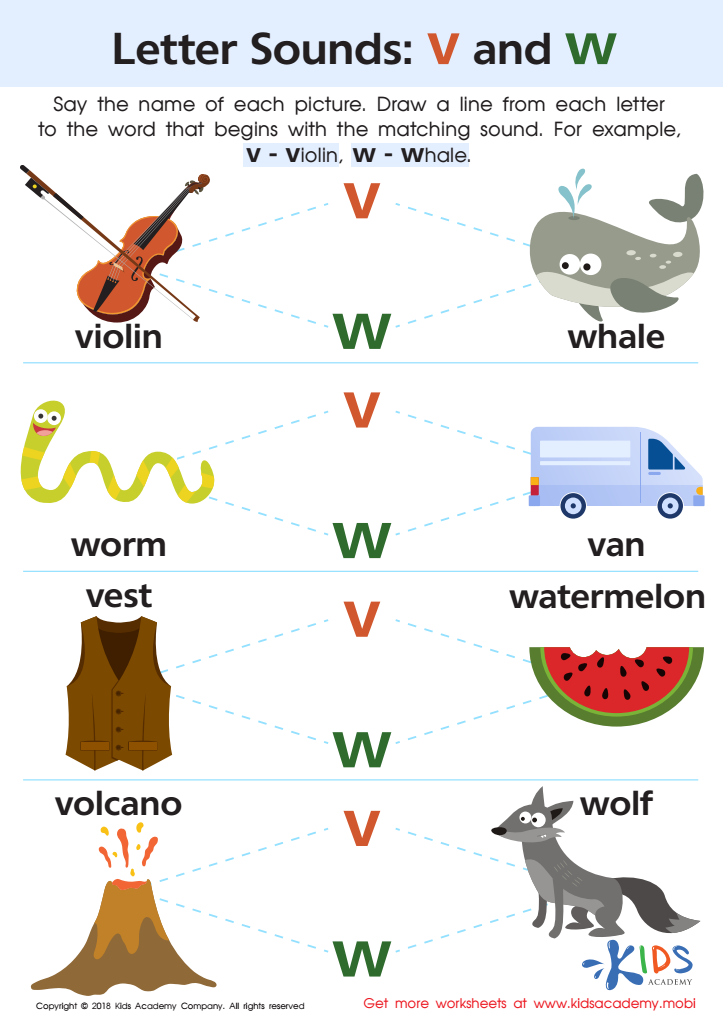
Letter V and W Sounds Worksheet
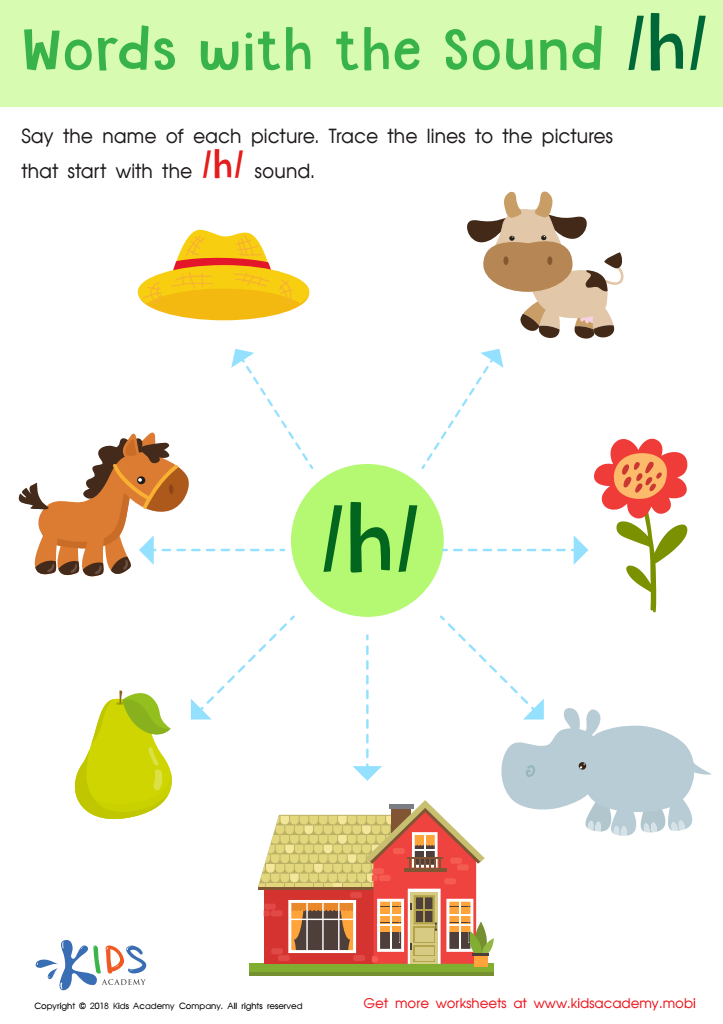
Words with sound h Reading Worksheet
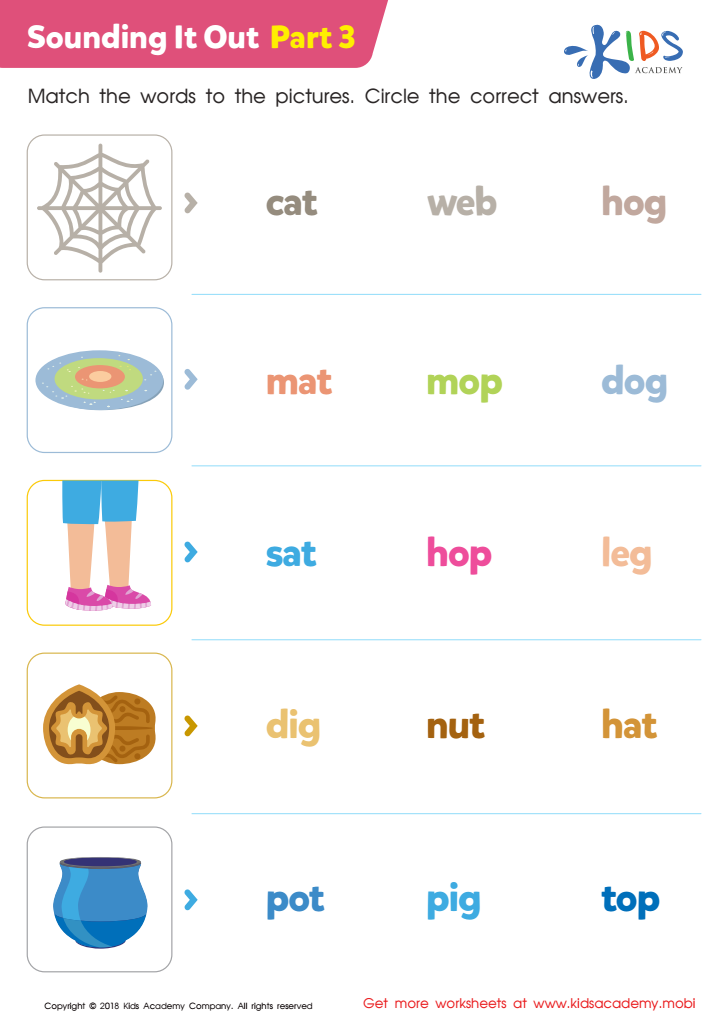
Sounding it Out: Part 3 Worksheet
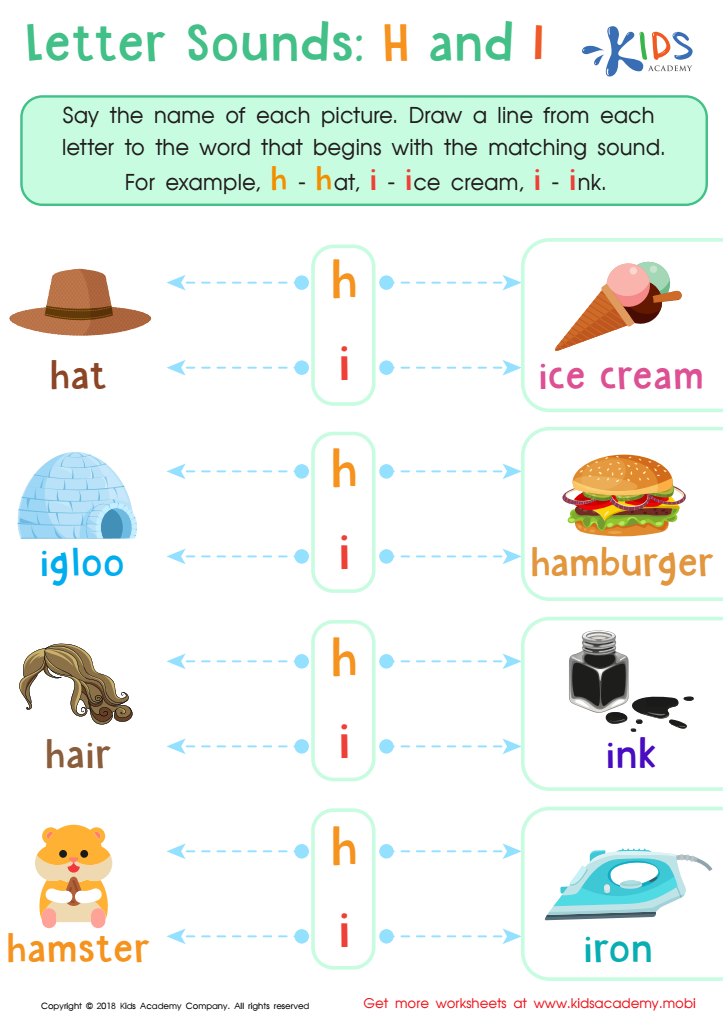
Letter H and I Sounds Worksheet
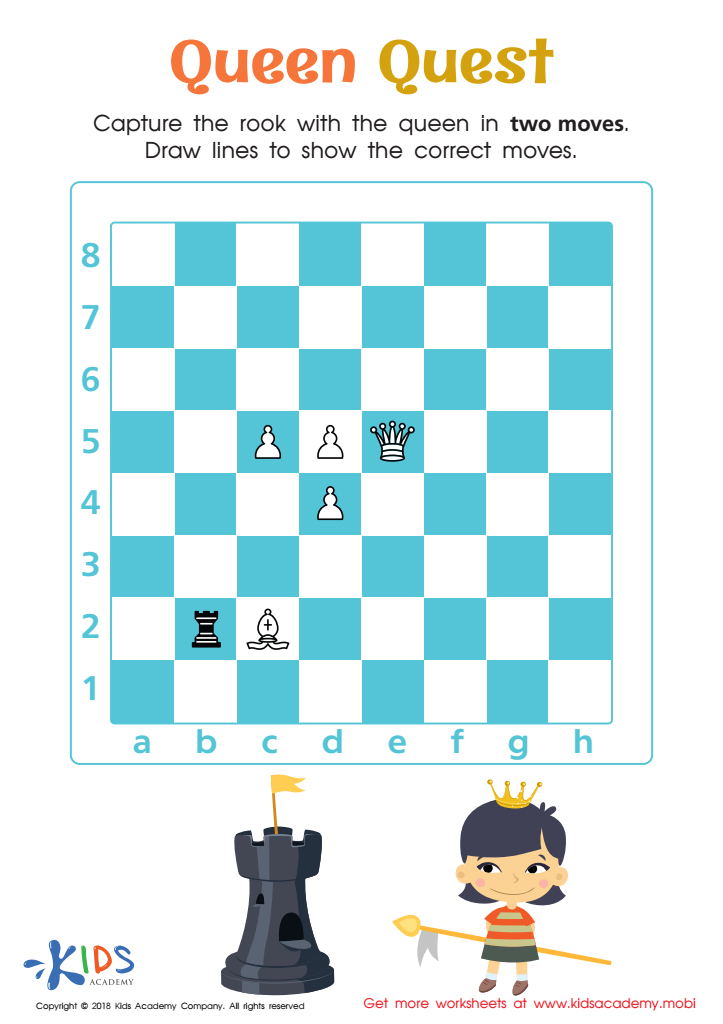
Queen Quest Worksheet
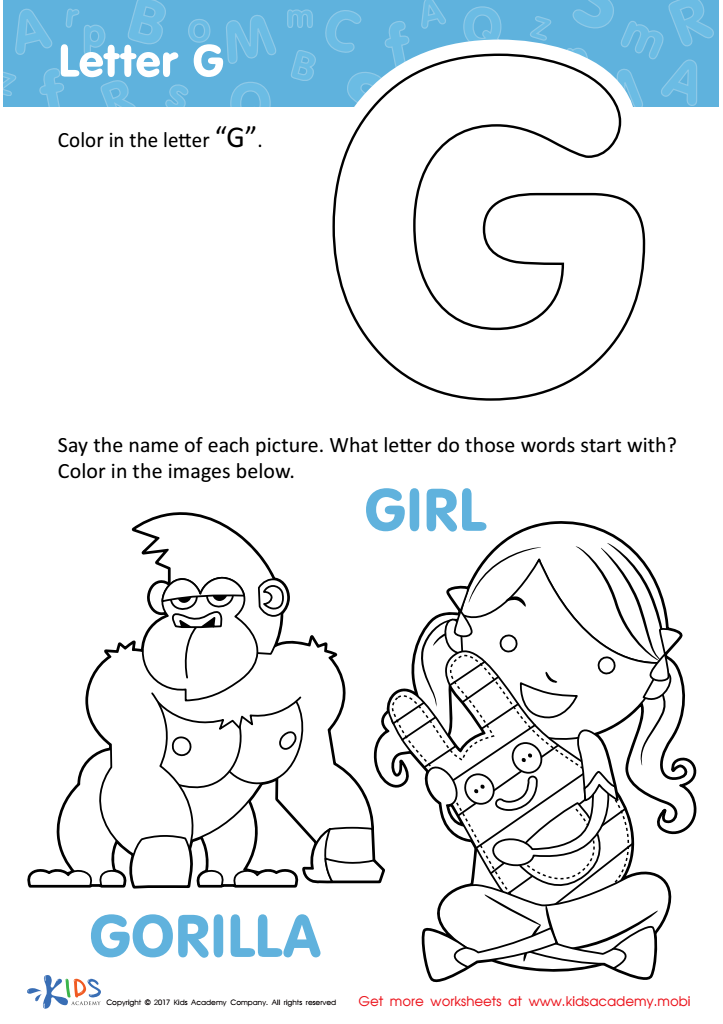
Letter G Coloring Sheet
 Assign to My Students
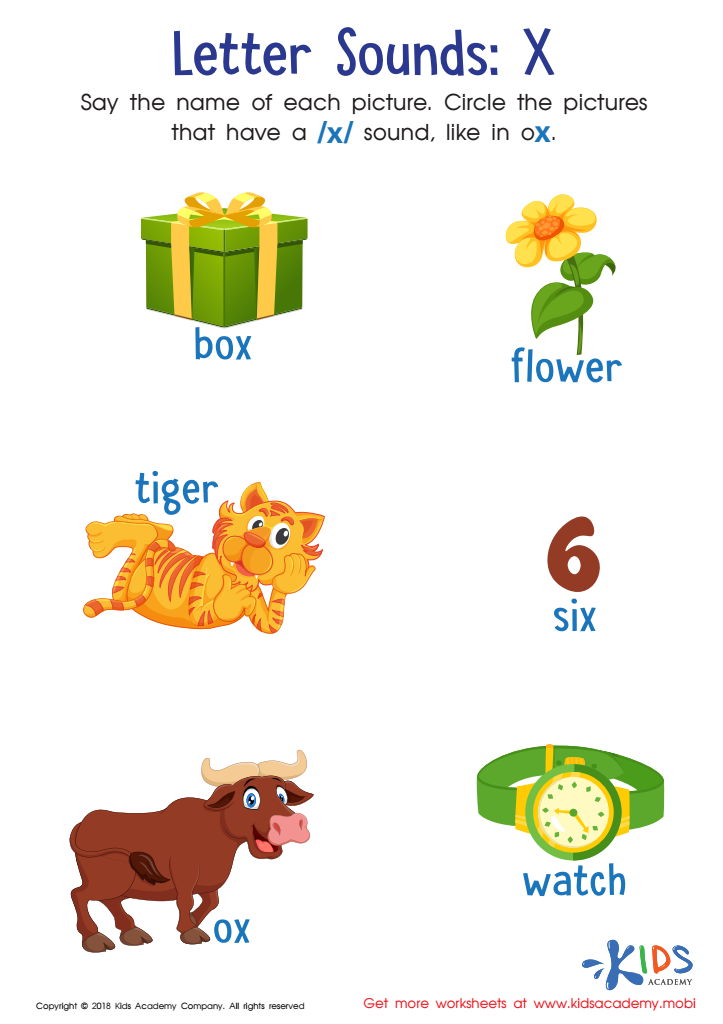
Letter X Sounds Worksheet
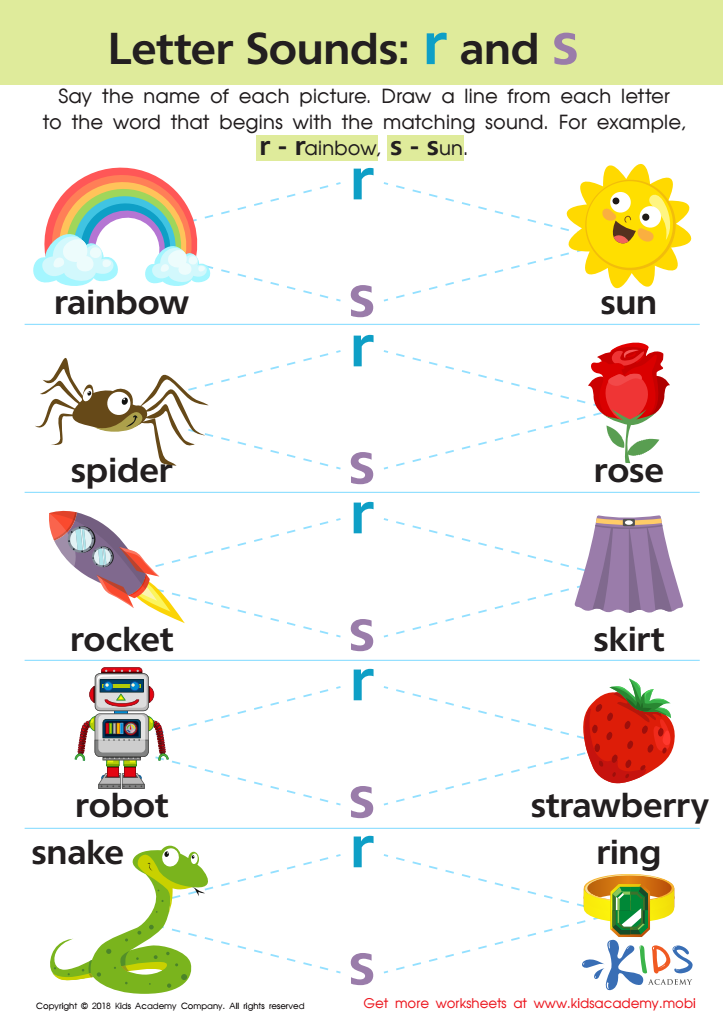
Letter R and S Sounds Worksheet
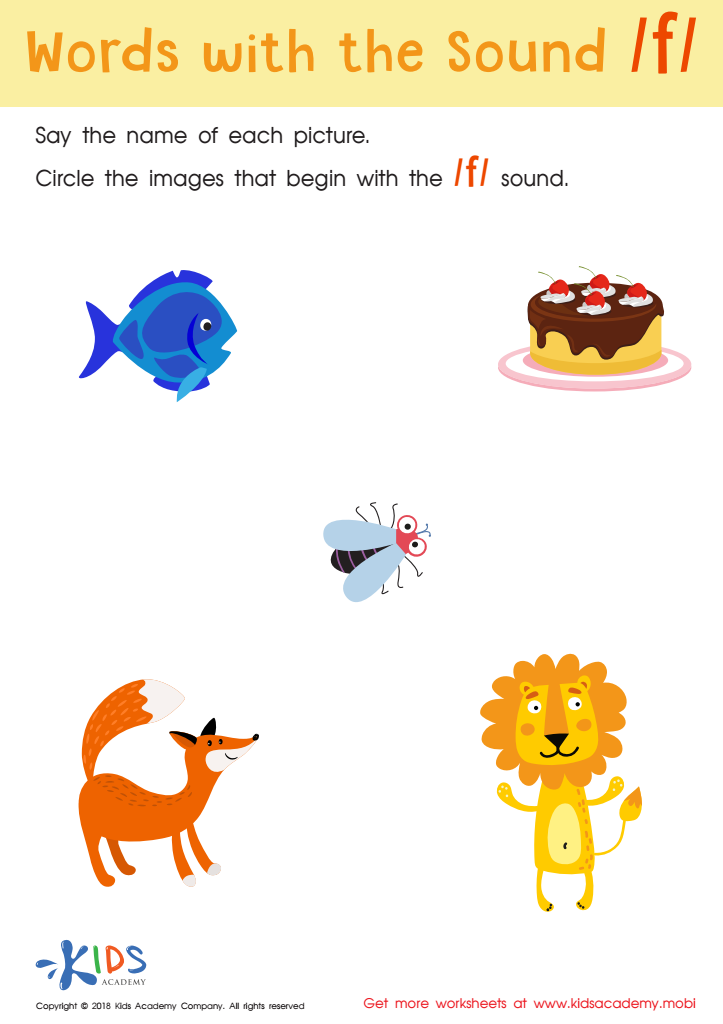
Words with sound f Reading Worksheet
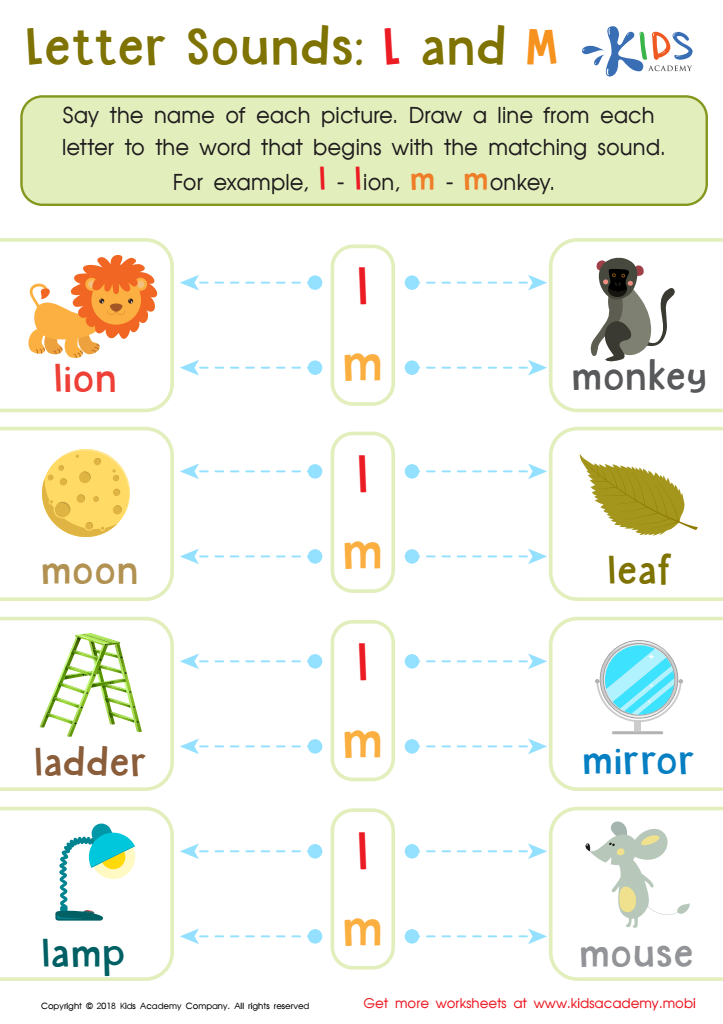
Letter l and M Sounds Worksheet
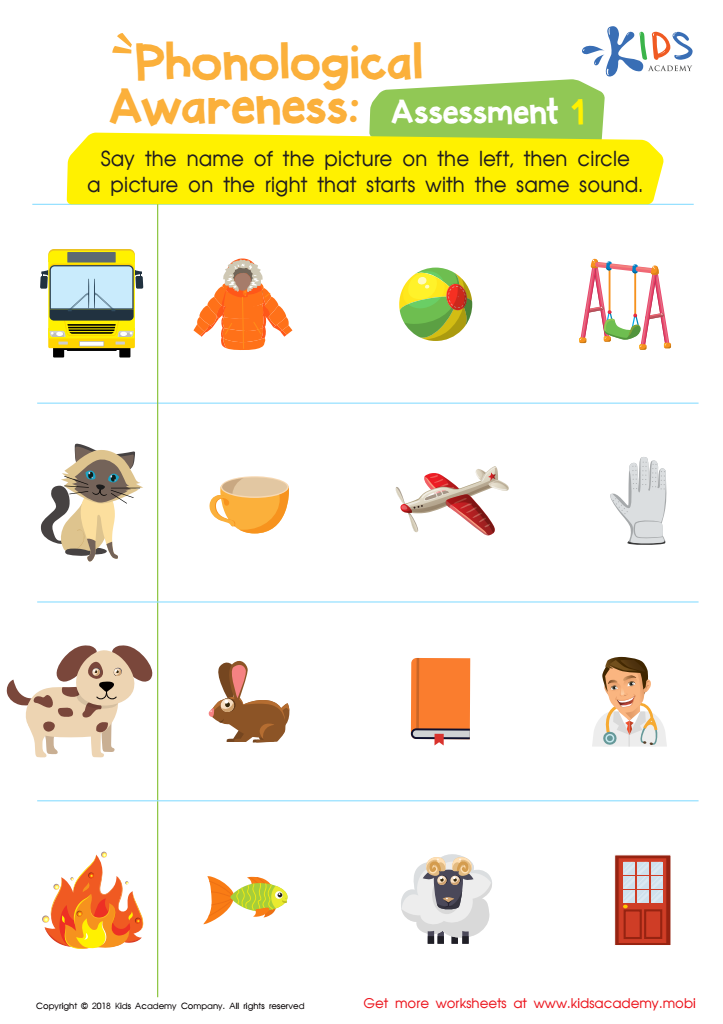
Phonological Awareness: Assessment 1 Worksheet
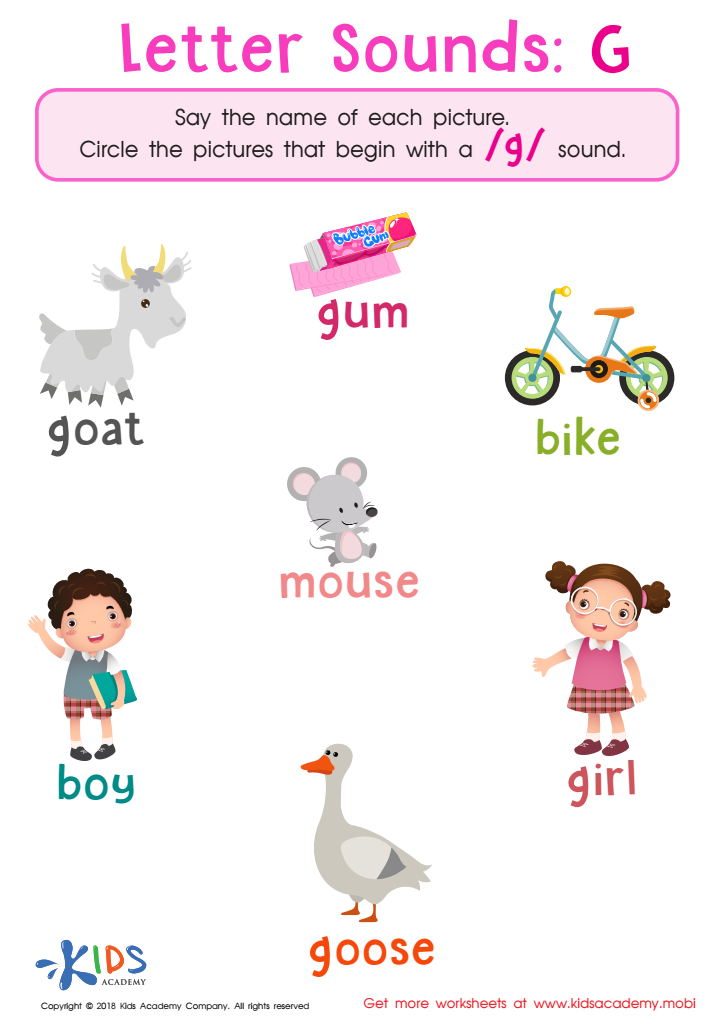
Letter G Sounds Worksheet
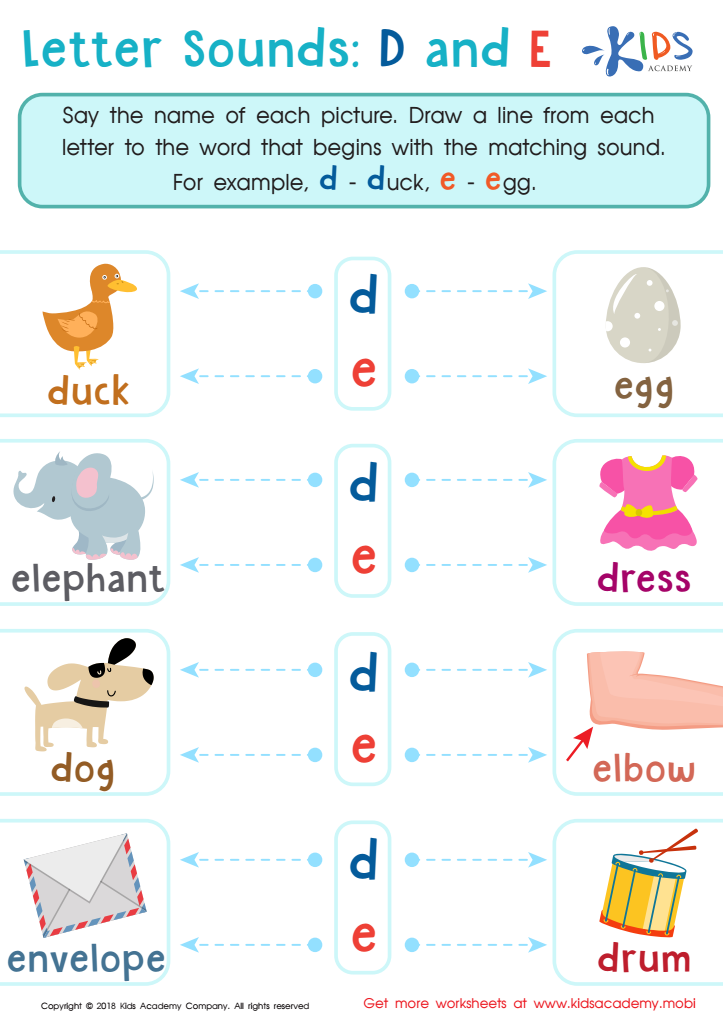
Letter D and E Sounds Worksheet






Sound association is a crucial component of early literacy development for children aged 4-5. During this developmental stage, children are building foundational skills that will support their reading and writing throughout their educational journey. Understanding sound associations, or the connection between letters and their corresponding sounds, facilitates phonemic awareness, which is the ability to hear, recognize, and manipulate sounds in spoken words.
Parents and teachers who prioritize sound association help children develop the skills necessary for decoding and encoding words. This makes reading more accessible and enjoyable for young learners. When children can swiftly associate sounds with letters, they become more confident readers, leading to better comprehension and vocabulary acquisition.
Additionally, sound association enhances children's oral language skills, enabling them to express their thoughts clearly and effectively. Engaging with phonics-based activities during this period reinforces these sound-letter connections, fostering critical thinking and problem-solving abilities.
Investing time and resources in sound association practices not only supports children’s literacy but also cultivates a love for reading from an early age, laying the groundwork for lifelong learning. Engaging in such meaningful activities establishes a collaborative environment between home and school, benefitting the child’s educational experience.








