Visual perception Normal Worksheets for Ages 4-5
14 filtered results
-
From - To
Visual perception is essential for young learners as it helps them interpret and make sense of what they see. Our "Visual Perception Normal Worksheets for Ages 4-5" are designed to enhance these crucial skills through fun, engaging activities. Perfect for preschoolers, these worksheets improve shape recognition, pattern completion, and visual differentiation. By practicing with our carefully crafted sheets, children will develop strong observational skills crucial for reading and arithmetic. View our collection to provide your child with the right tools for a successful educational journey. Encourage early learning and visual competence with our expertly designed tools.
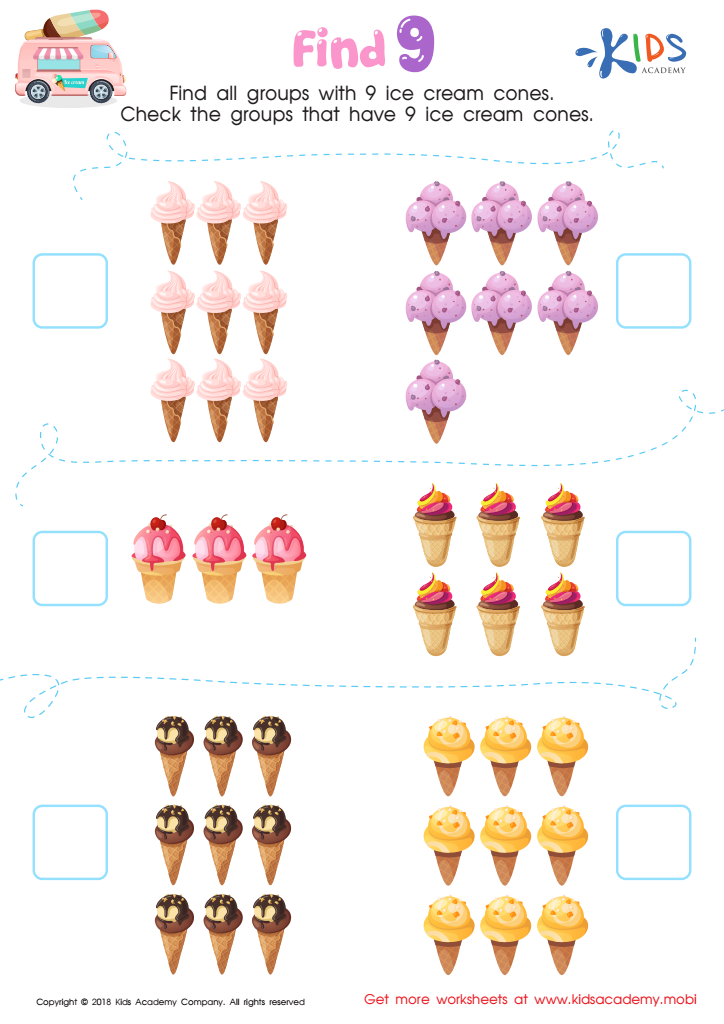
Find 9 Worksheet
 Assign to My Students
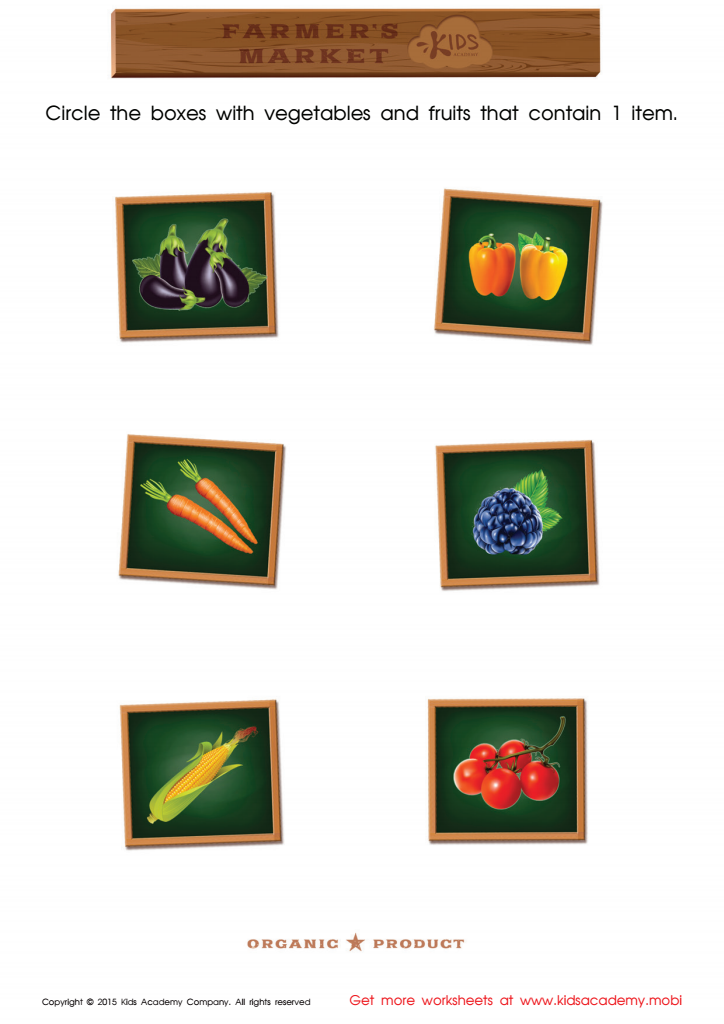
Count and Match Boxes with Vegetables
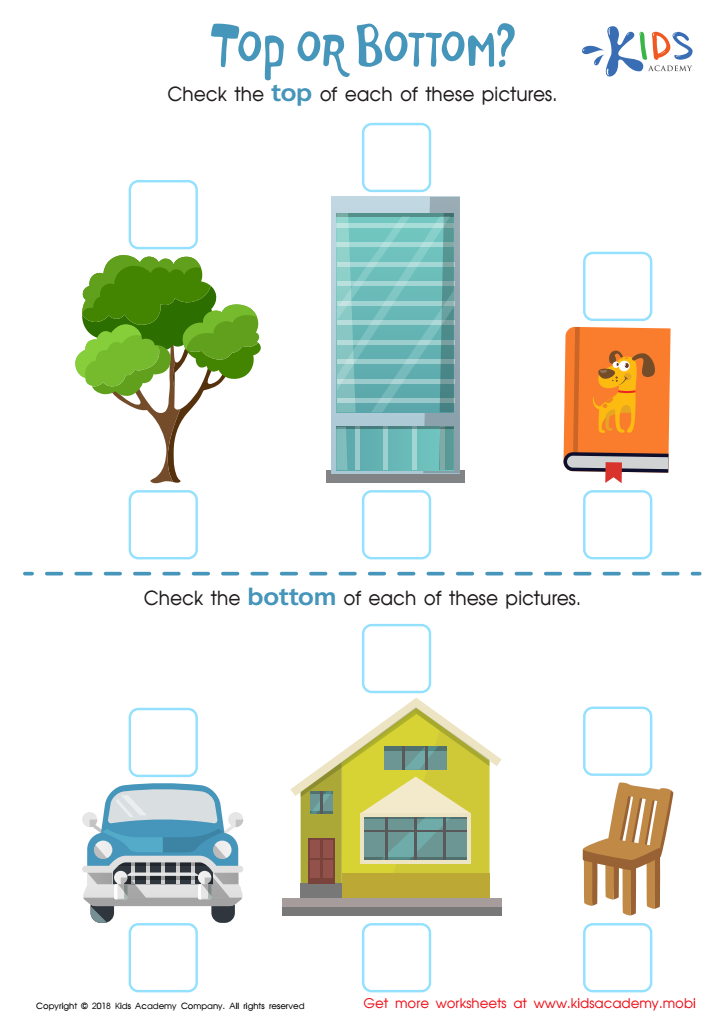
Top or Bottom Worksheet
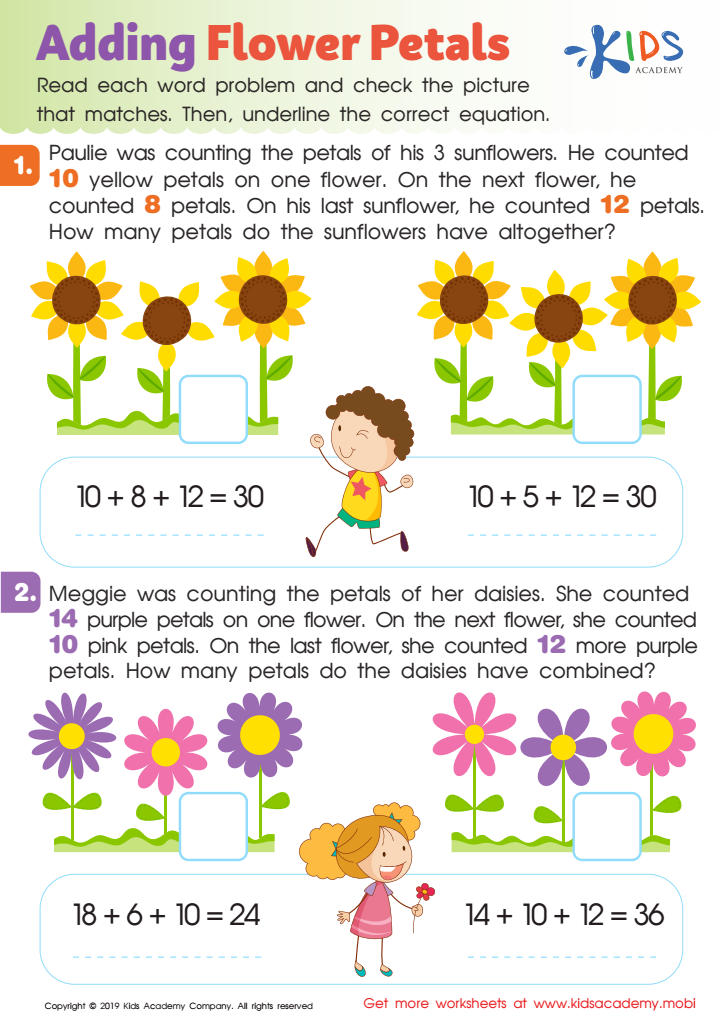
Adding Flower Petals Worksheet
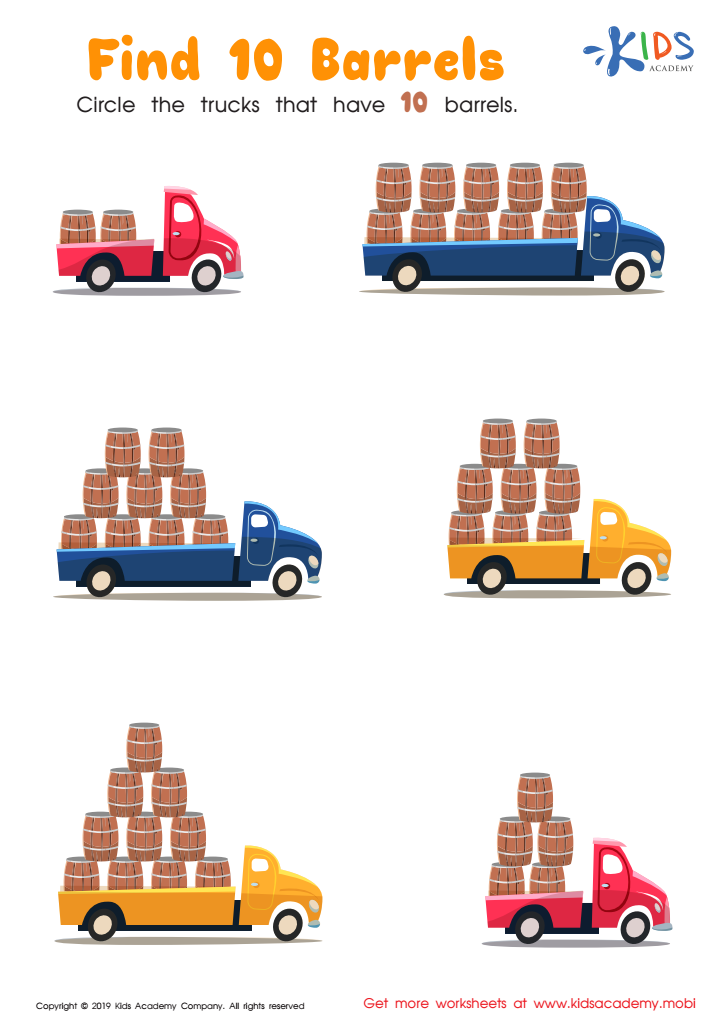
Find 10 Barrels Worksheet
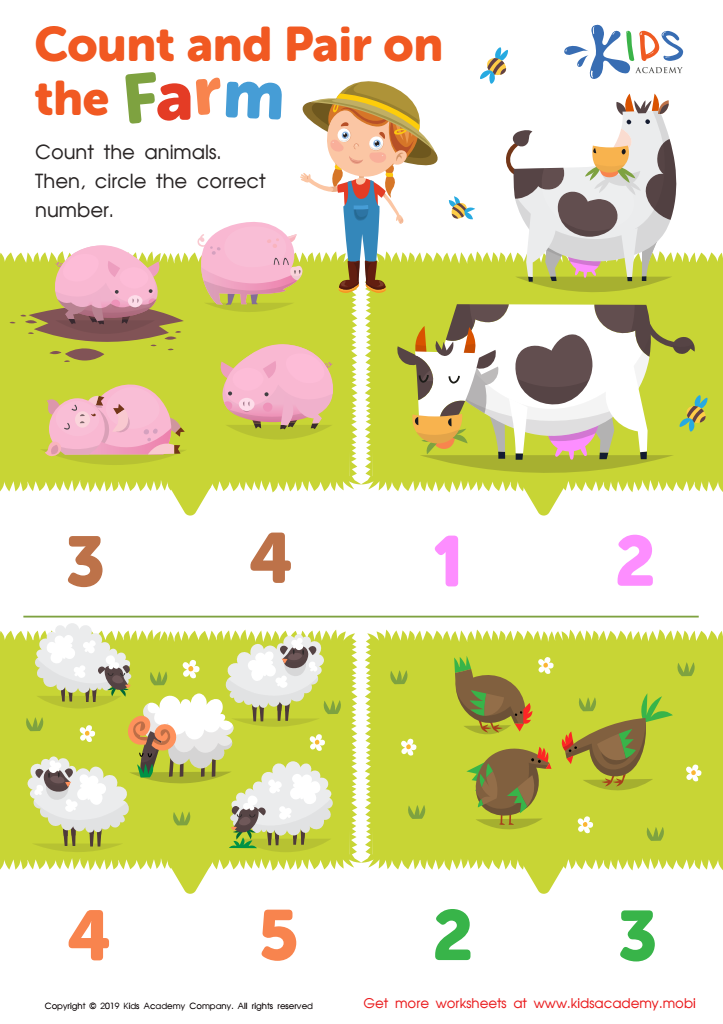
Count and Pair on the Farm Worksheet
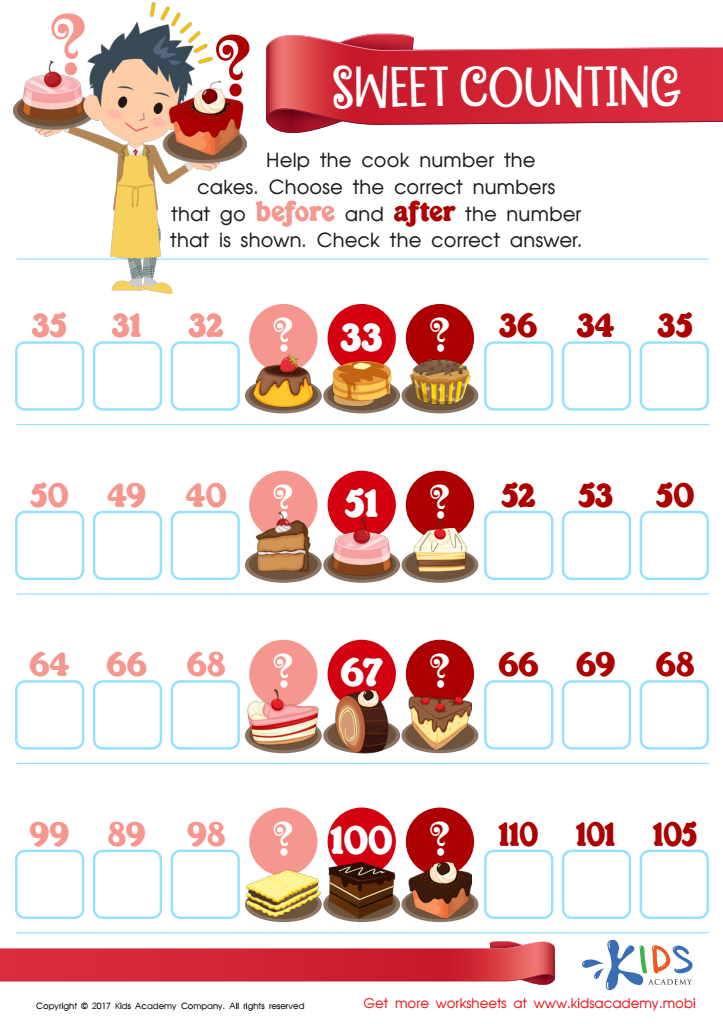
Sweet Counting - Part 1 Worksheet
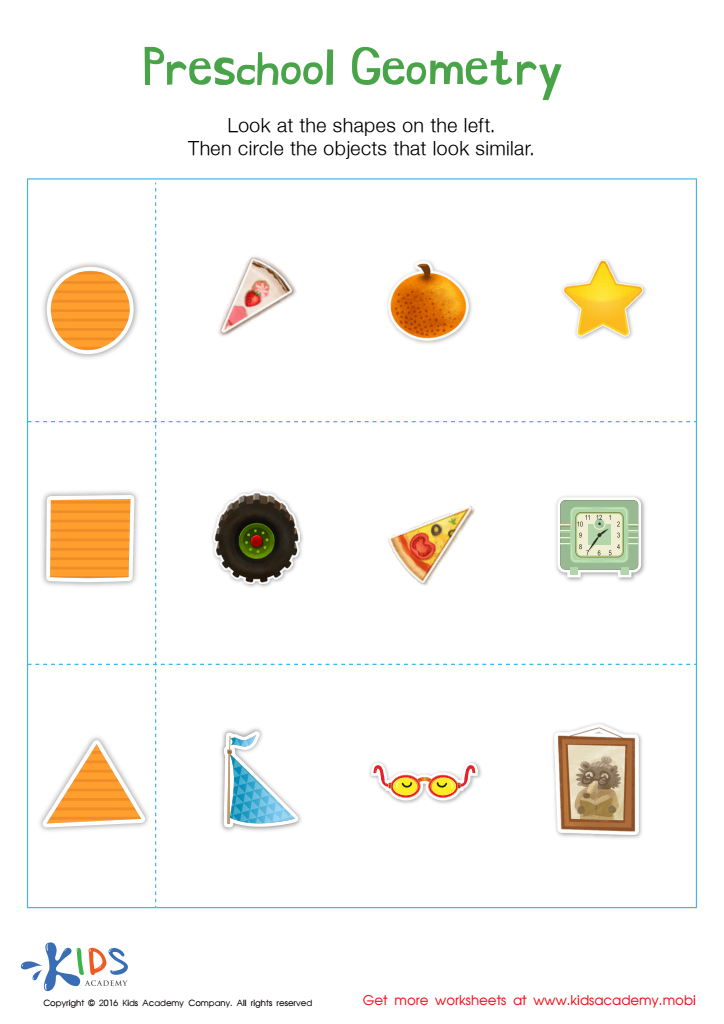
Preschool Geometry Match Up Worksheet
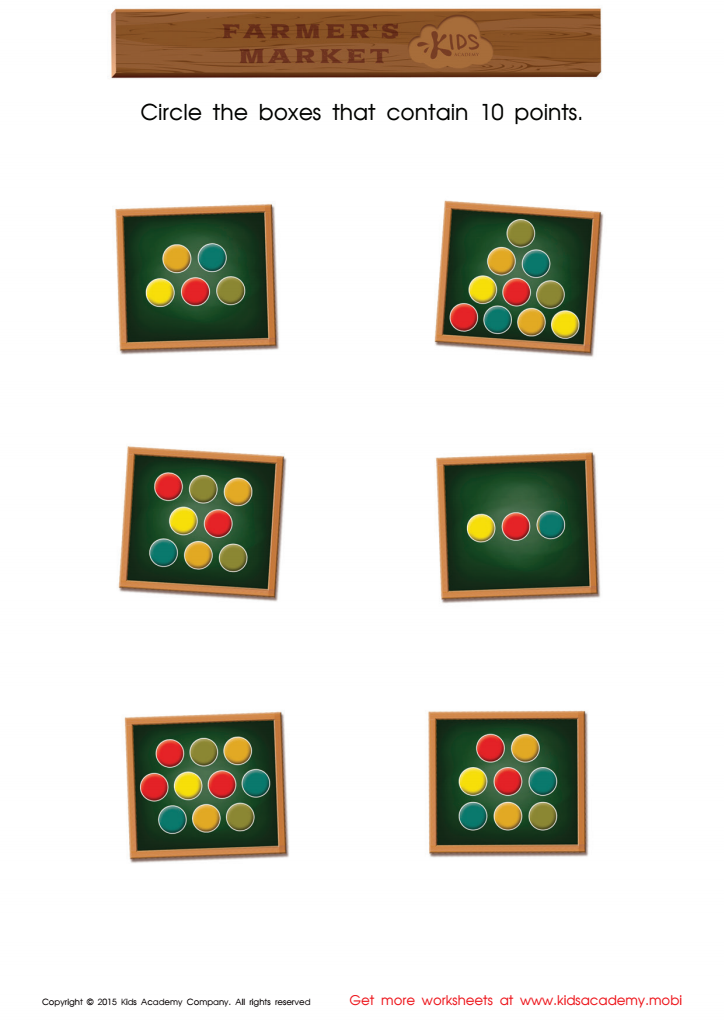
Count and Match Points 10 Math Worksheet
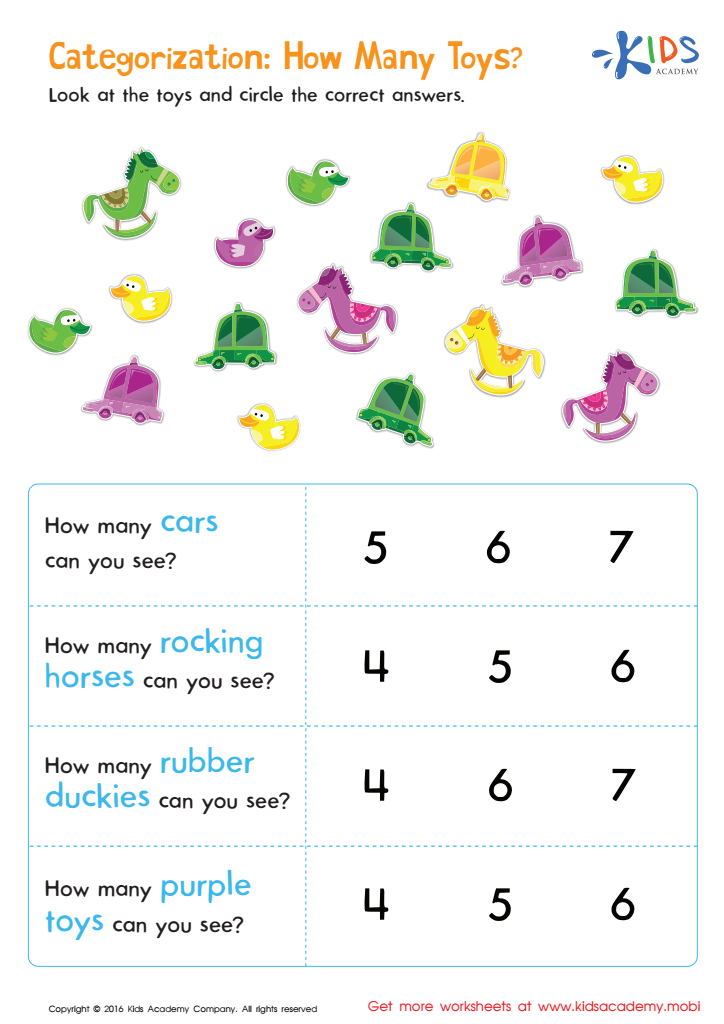
Classifying Toys by Type and Color Sorting Worksheet
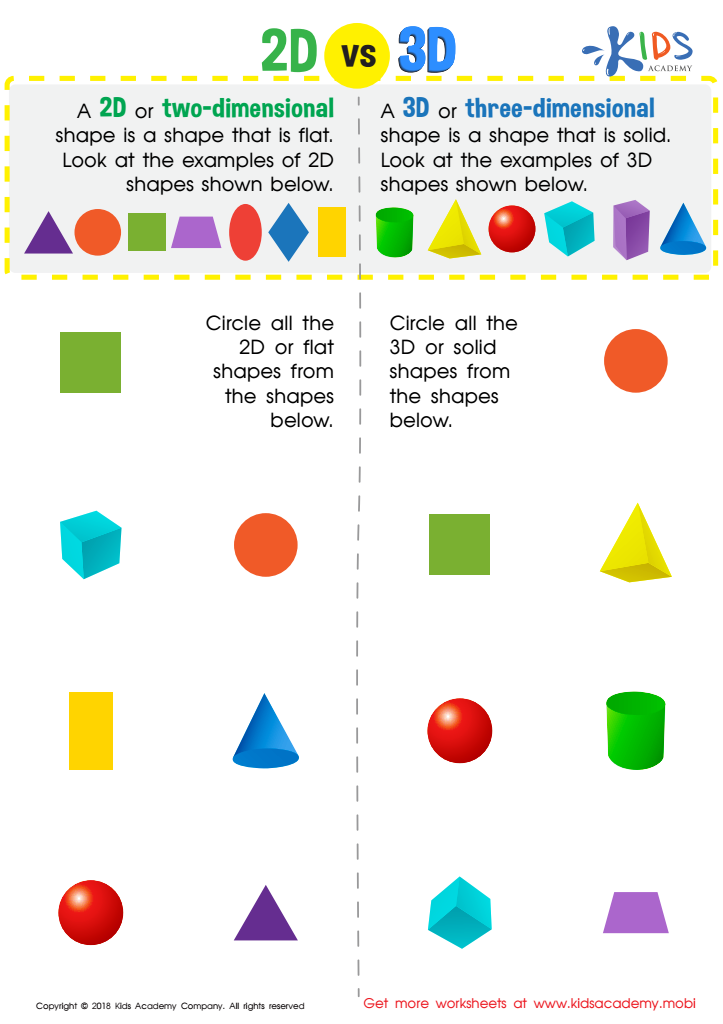
2D vs 3D Shapes Worksheet
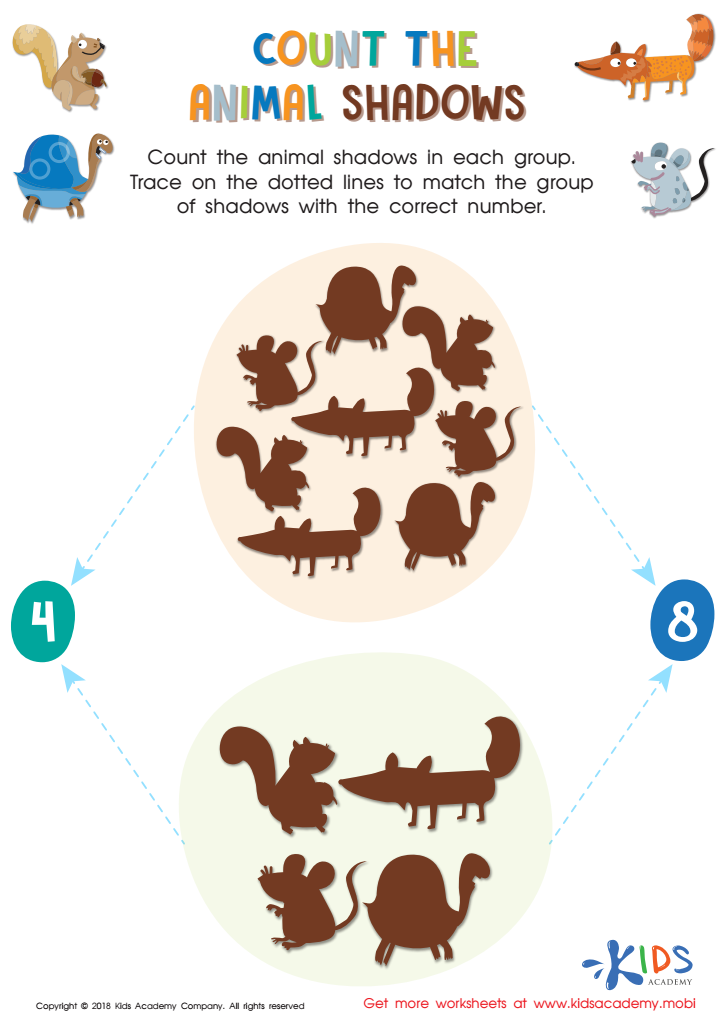
Count the Animal Shadows Worksheet
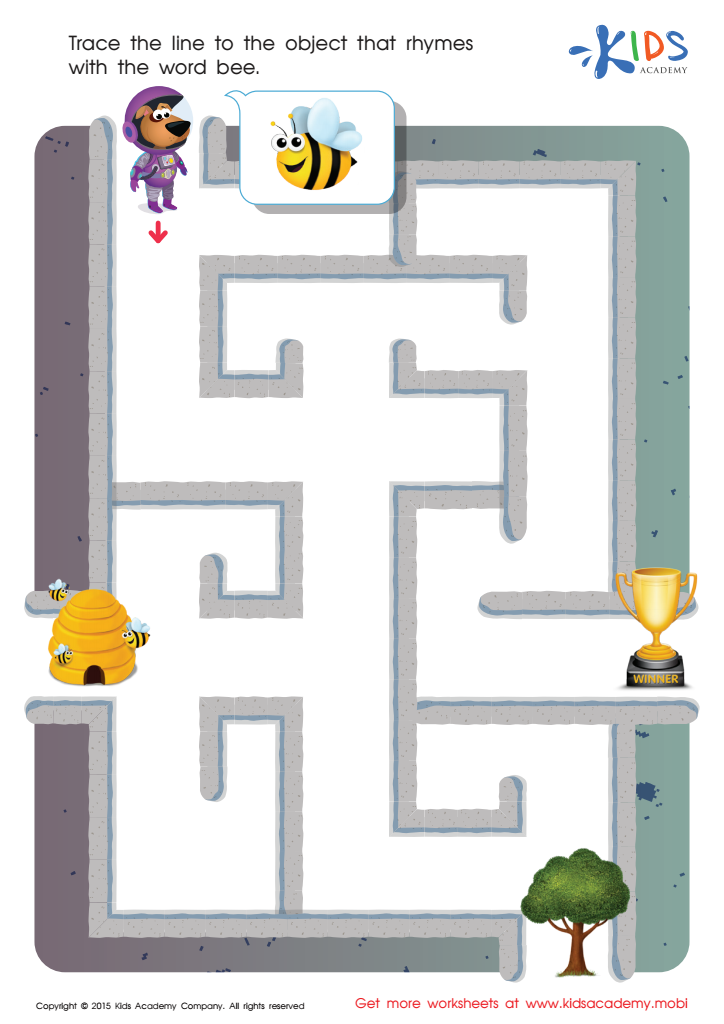
Bee Rhyming Words Worksheet

Count and Match Vegetables 1 – 5 Math Worksheet







Parents and teachers should care about visual perception development in children ages 4-5 because it is crucial for their overall learning and daily functioning. Visual perception refers to the brain's ability to interpret and make sense of visual information from the surrounding environment. During these early years, children's brains are highly receptive, making it an ideal time for visual perceptual skills to be nurtured.
Normal visual perception at this age supports reading readiness, as recognizing letters and differentiating them from each other is foundational for literacy. It also aids in mathematical skills by helping children to understand shapes, sizes, patterns, and spatial relationships. Near properly, these skills will set the stage for academic success as children progress through school.
Moreover, proficient visual perception enhances daily life skills. For instance, children will be better suited to navigate their environments, dress themselves, and participate in play activities, such as catching a ball. Offering activities to nurture these skills, like puzzling, drawing, and interactive games, can be very beneficial.
By prioritizing the development of visual perception early, parents and educators set the groundwork for confidence, independence, and academic achievements, easing the transition into more complex learning tasks as they grow. Identifying and addressing potential issues early can also allow for timely intervention, contributing to more effective learning and development.








