Cognitive Development Normal Reading Worksheets for Ages 4-5
4 filtered results
-
From - To
Explore our "Cognitive Development Normal Reading Worksheets for Ages 4-5," designed to enhance early literacy skills in young learners. These engaging worksheets encourage critical thinking and comprehension through fun activities tailored for preschoolers. Focusing on cognitive development, they introduce essential concepts such as letter recognition, vocabulary building, and sequencing. Each worksheet is crafted to advance children's understanding of stories and reading fundamentals while fostering their curiosity and creativity. Perfect for parents and educators, our resources support interactive learning and make mastering reading skills an enjoyable journey for children ages 4 to 5. Get started today and watch your child thrive!
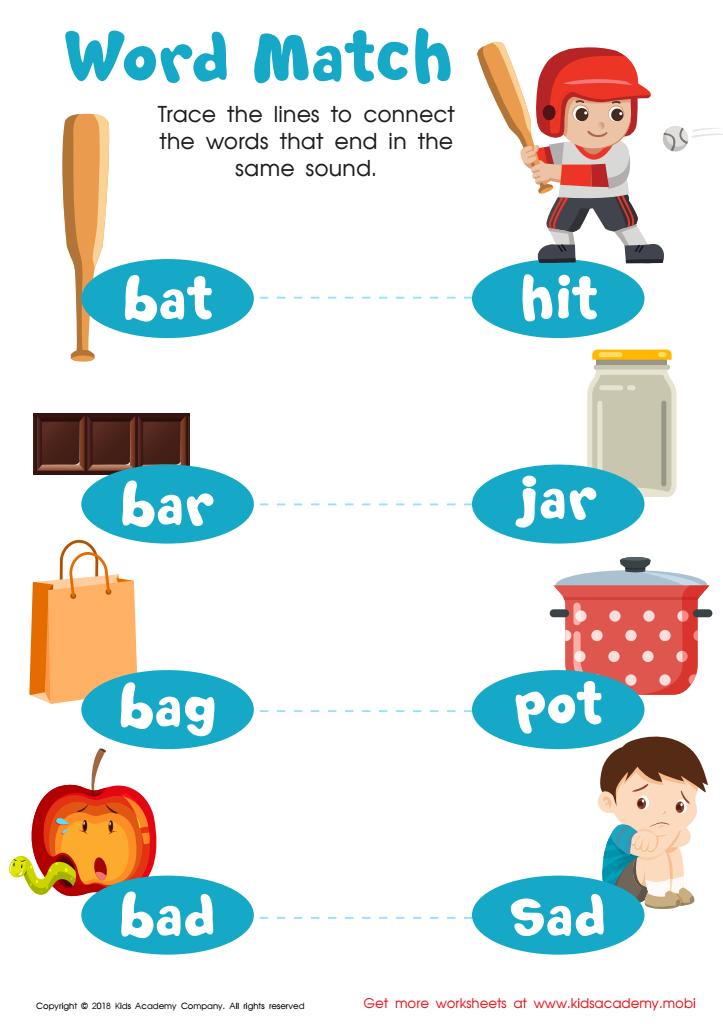
Word Match Reading Worksheet
 Assign to My Students
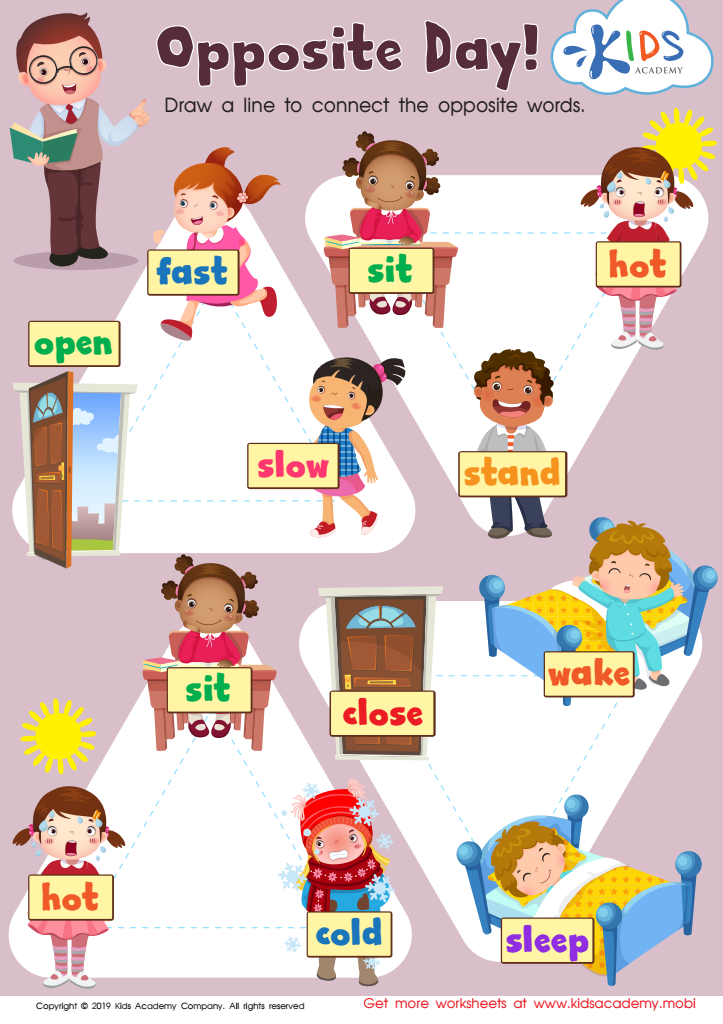
Opposite Day Worksheet
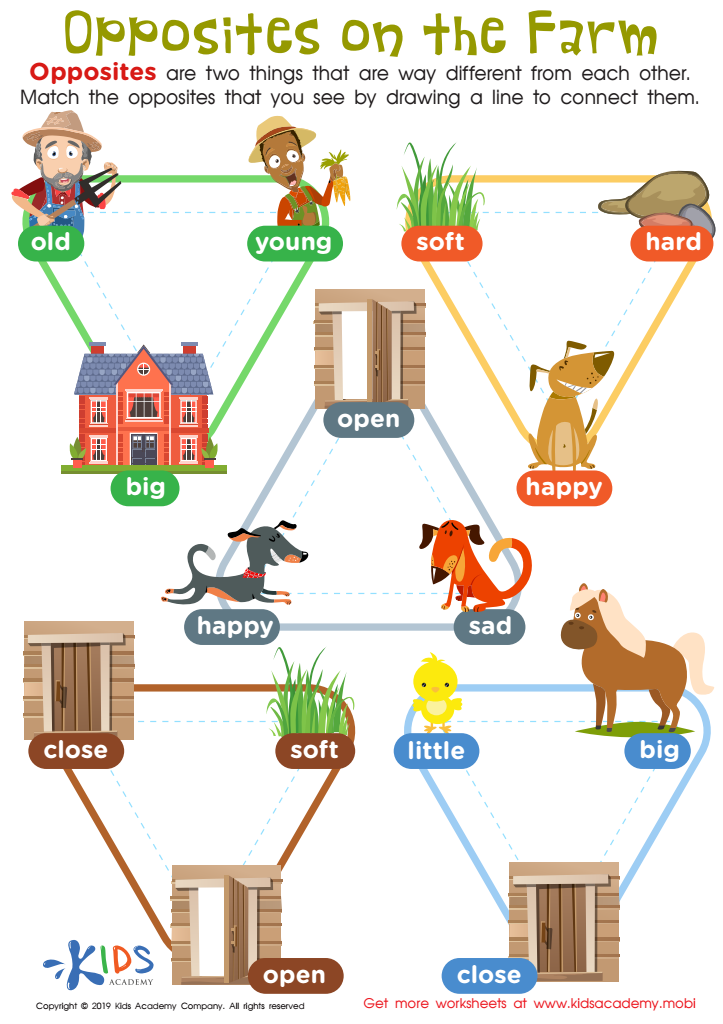
Opposites on the Farm Worksheet
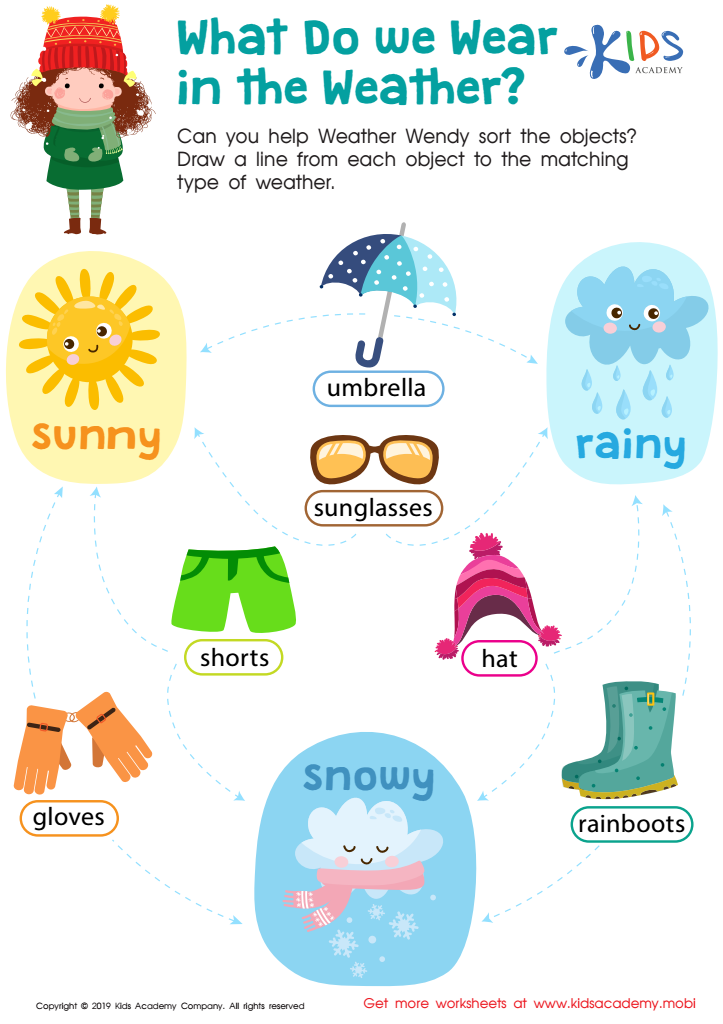
What Do We Wear in the Weather? Worksheet





.jpg)

Cognitive development during the critical ages of 4-5 lays the foundation for a child’s future learning and academic success. Understanding normal reading milestones at this stage is essential for parents and teachers alike. At this age, children are increasingly developing skills such as phonemic awareness, vocabulary acquisition, and basic comprehension, which are crucial for literacy.
Parents should care about cognitive development in reading because their involvement directly supports a child's love for learning. Regular reading routines, engaging storytelling, and phonics-based games not only enhance reading skills but also foster emotional bonding between parent and child. Meanwhile, teachers equipped with knowledge of cognitive benchmarks can tailor their instructional strategies to meet diverse learner needs, ensuring that each child is appropriately challenged and supported.
Furthermore, recognizing the importance of developing these skills early can help identify any potential reading difficulties or delays, allowing for timely interventions. A strong grasp of reading fundamentals promotes greater academic achievement, critical thinking, and overall cognitive growth, ultimately preparing children for complex literacy tasks throughout their educational journey. By prioritizing cognitive development in reading during these formative years, we equip children with the tools they need for lifelong learning.








