Alphabet Recognition Normal Worksheets for Ages 4-6 - Page 2
44 filtered results
-
From - To
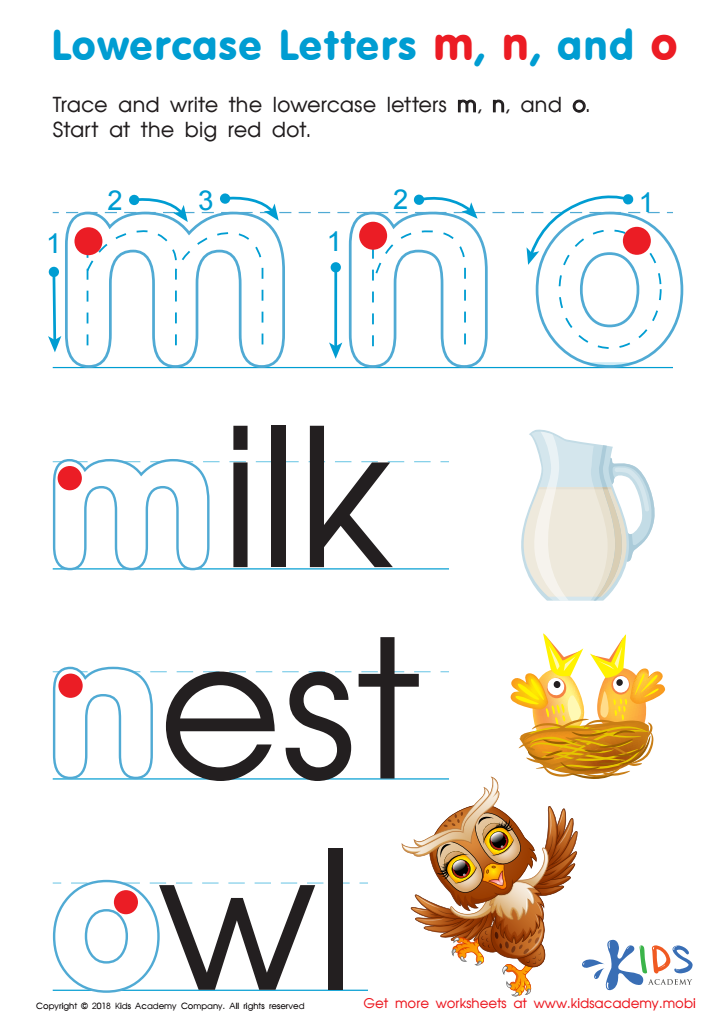
Lowercase Letters m n o Worksheet
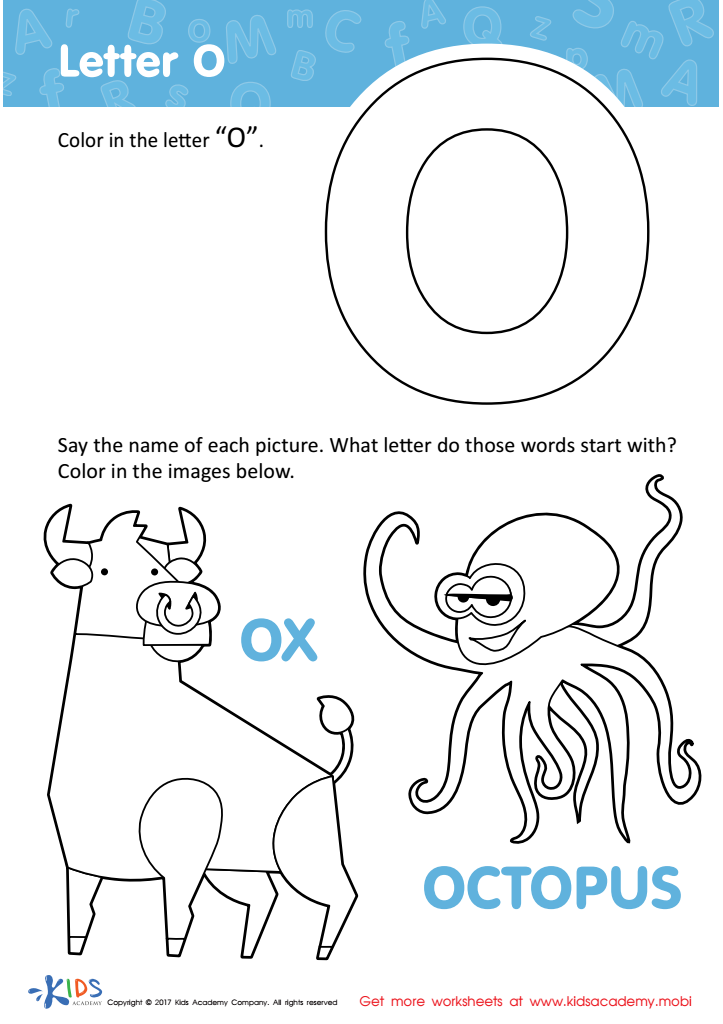
Letter O Coloring Sheet
 Assign to My Students
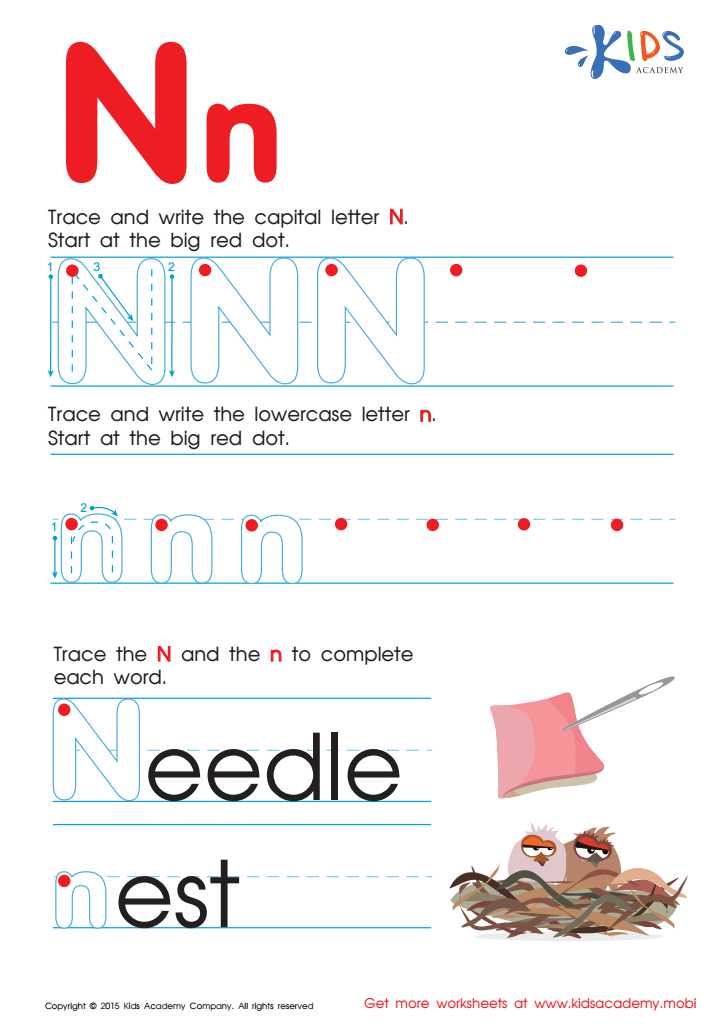
Letter N Tracing Page
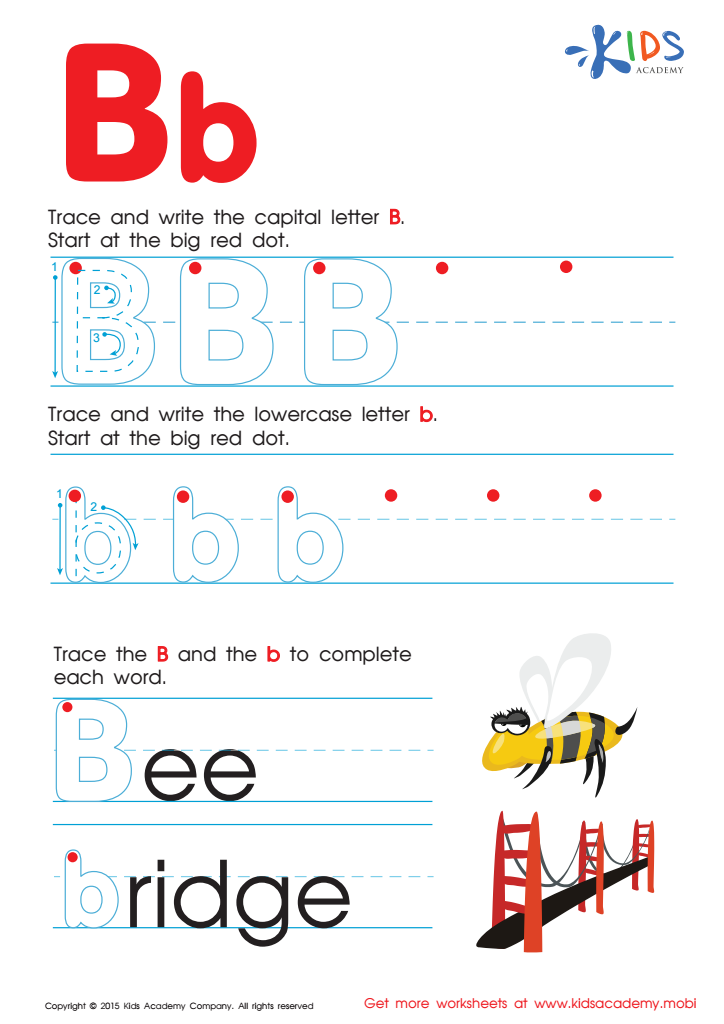
Letter B Tracing Page
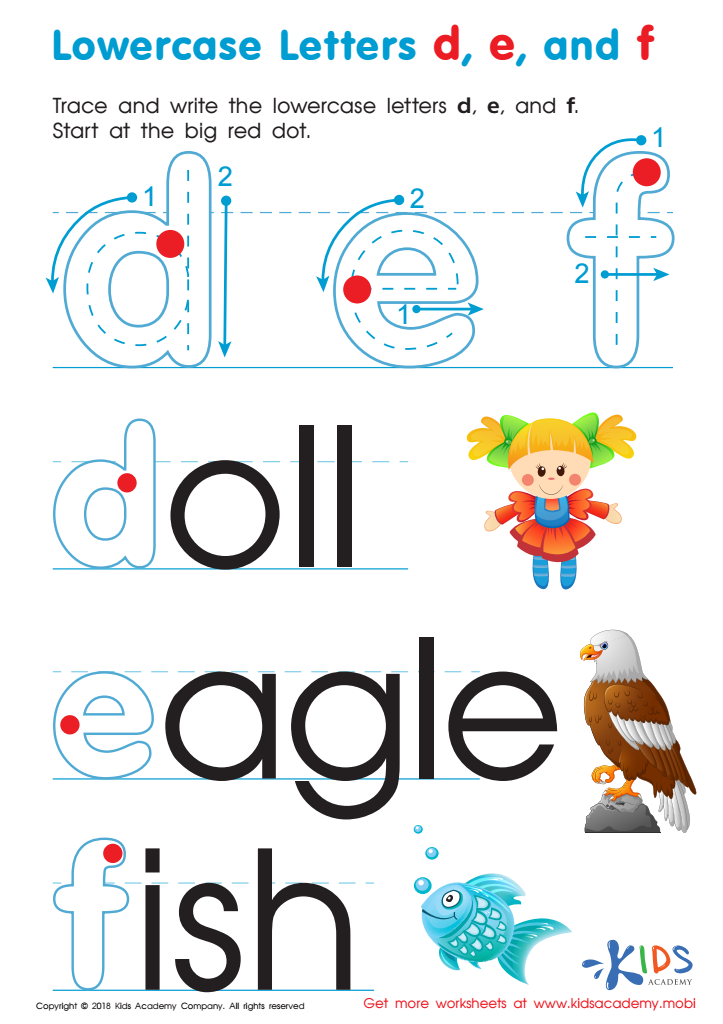
Lowercase Letters d e f Worksheet
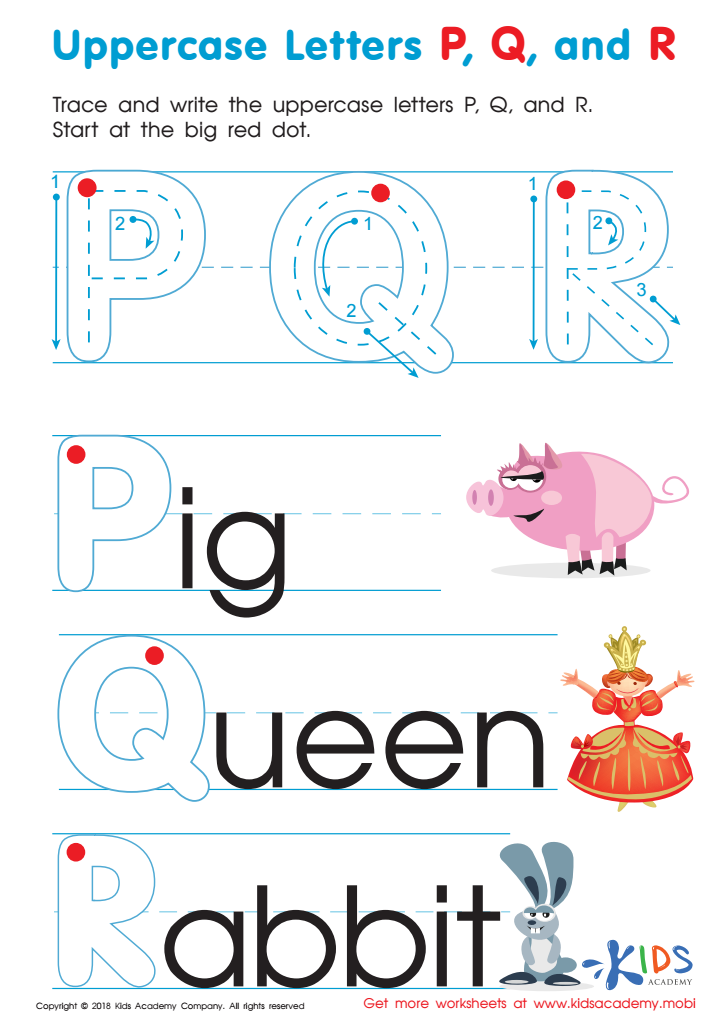
Uppercase Letters P, Q, and R Worksheet
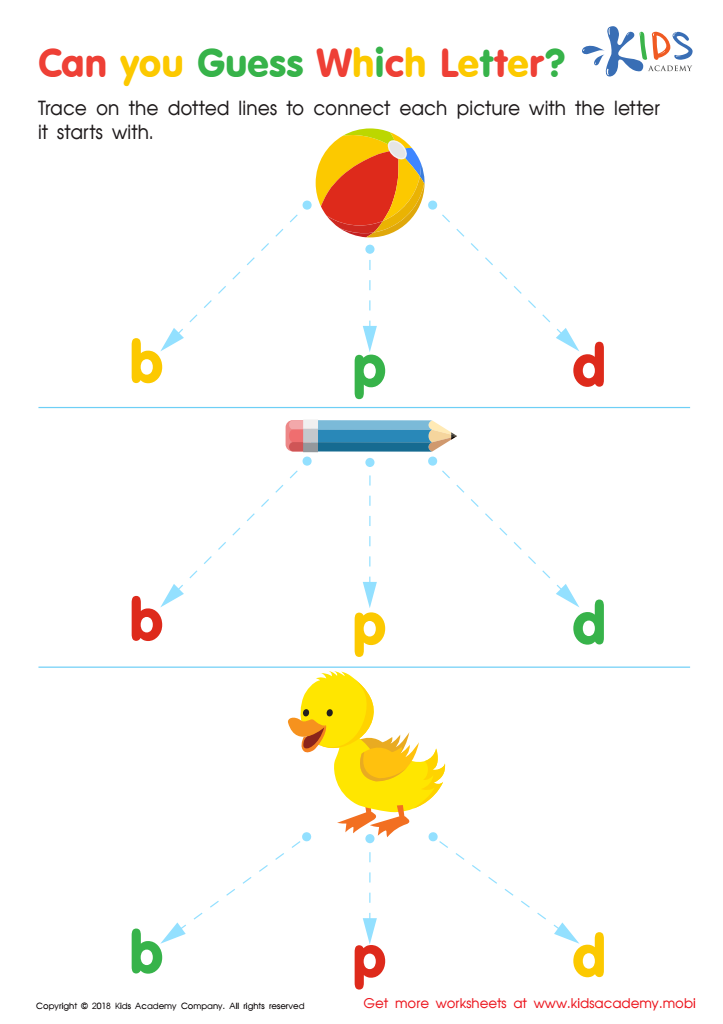
Can you Guess Which Letter? Worksheet
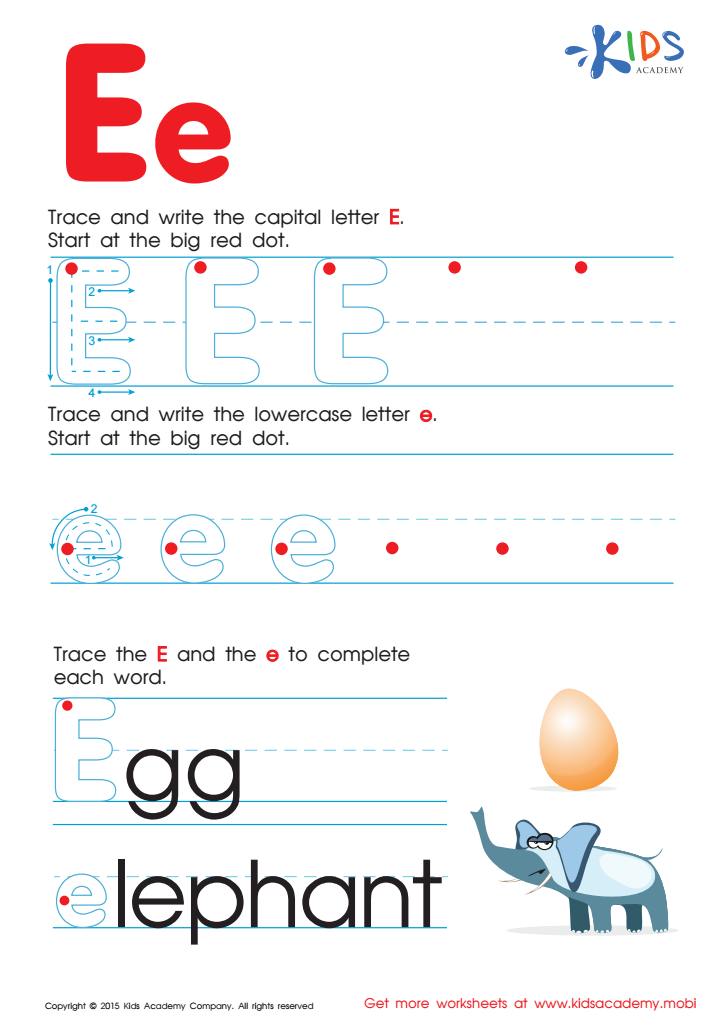
Letter E Tracing Page
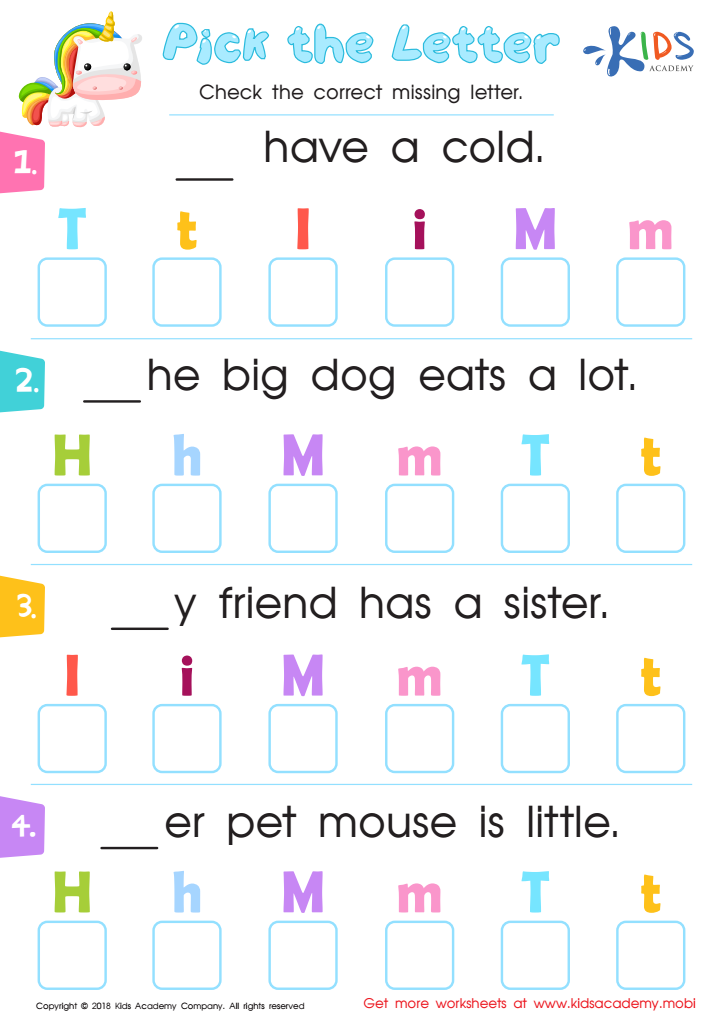
Pick the Letter Worksheet
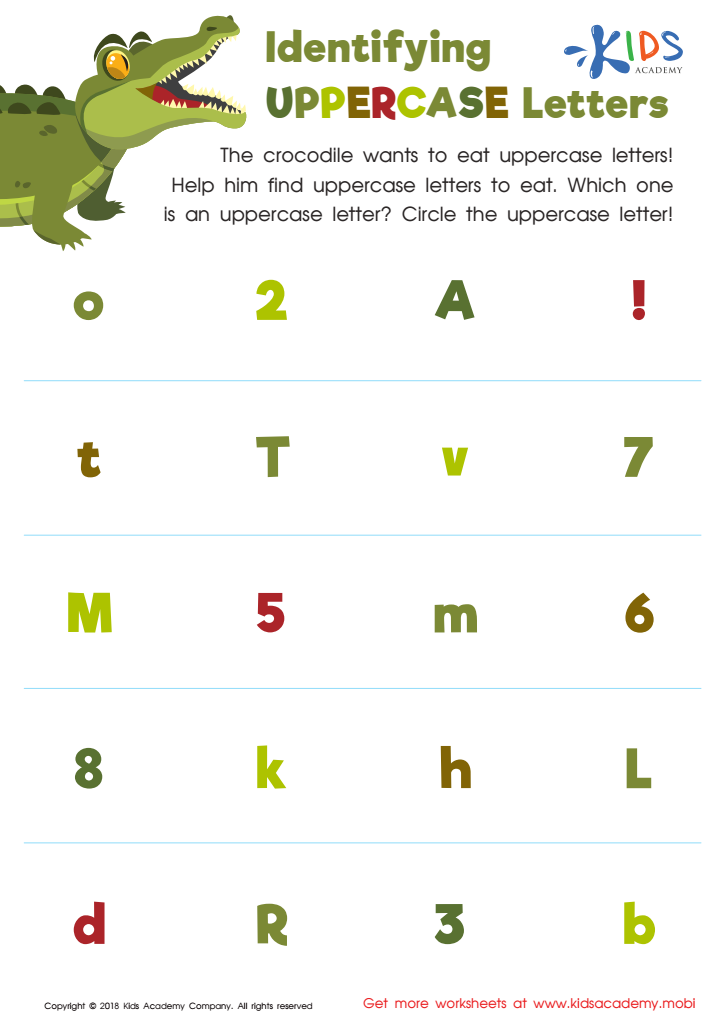
Identifying Uppercase Letters Worksheet
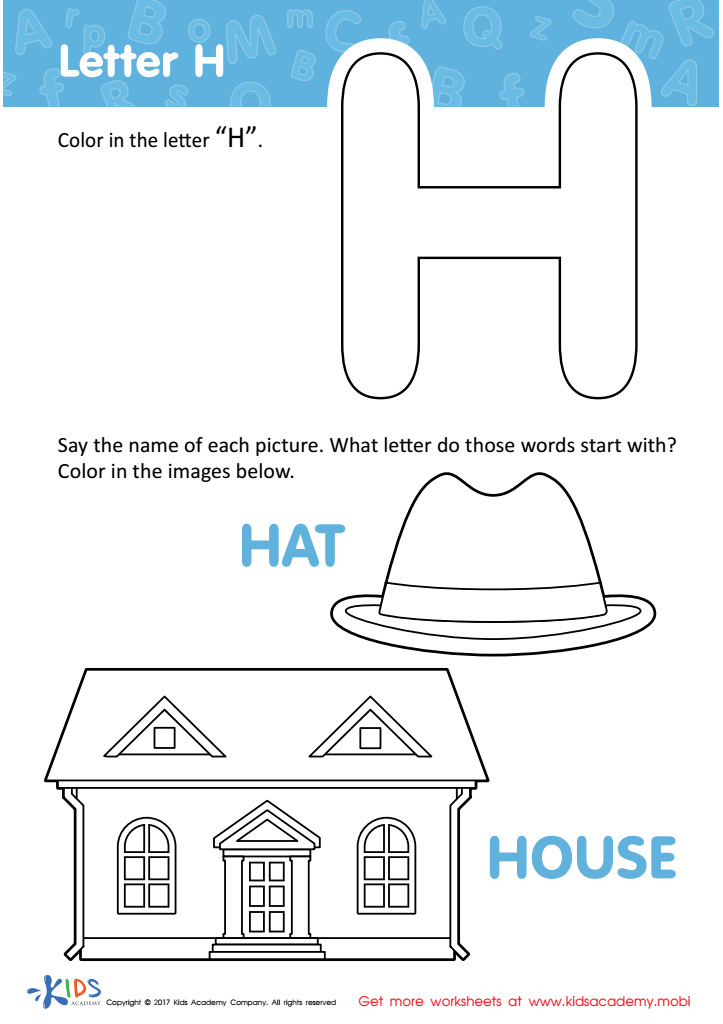
Letter H Coloring Sheet
Assign to My Students
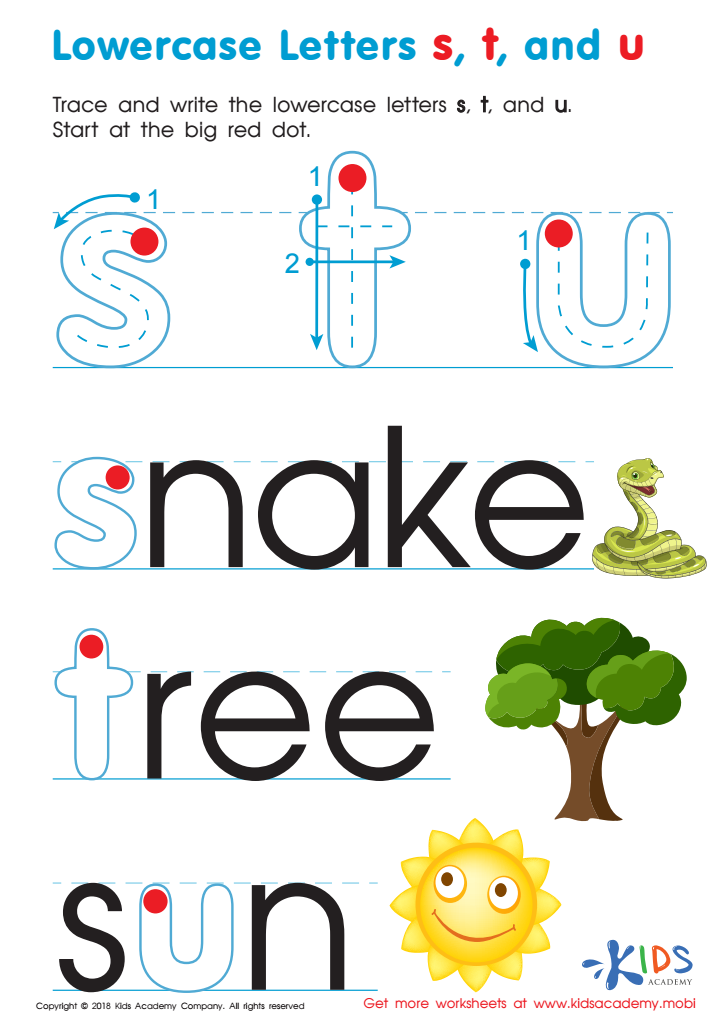
Lowercase Letters s t u Worksheet
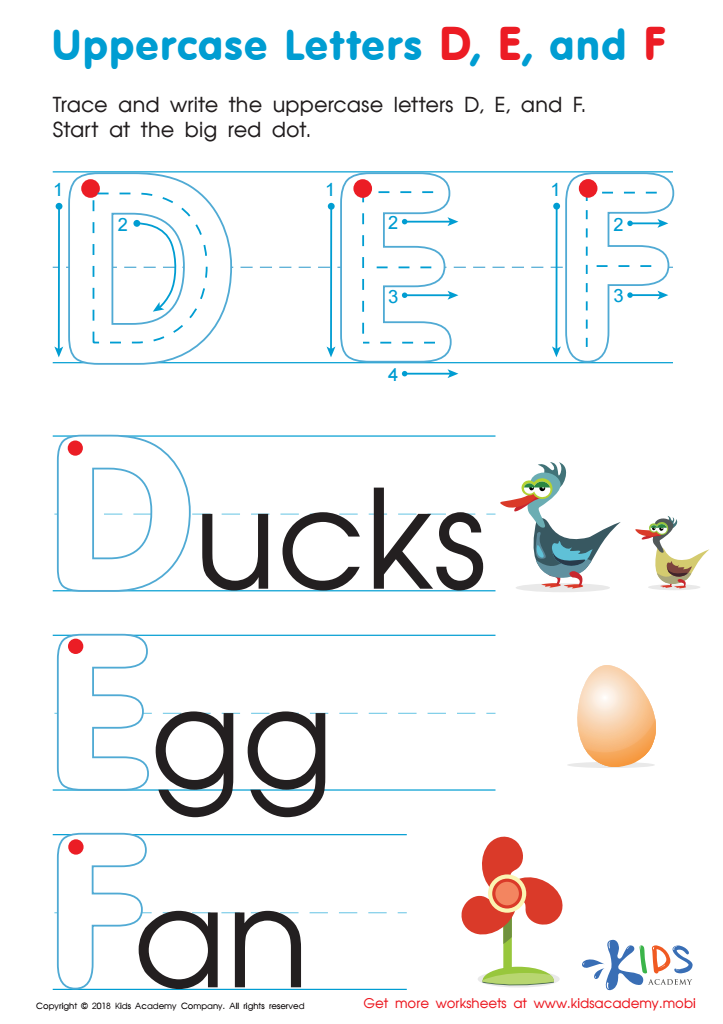
Uppercase Letters D, E, and F Worksheet
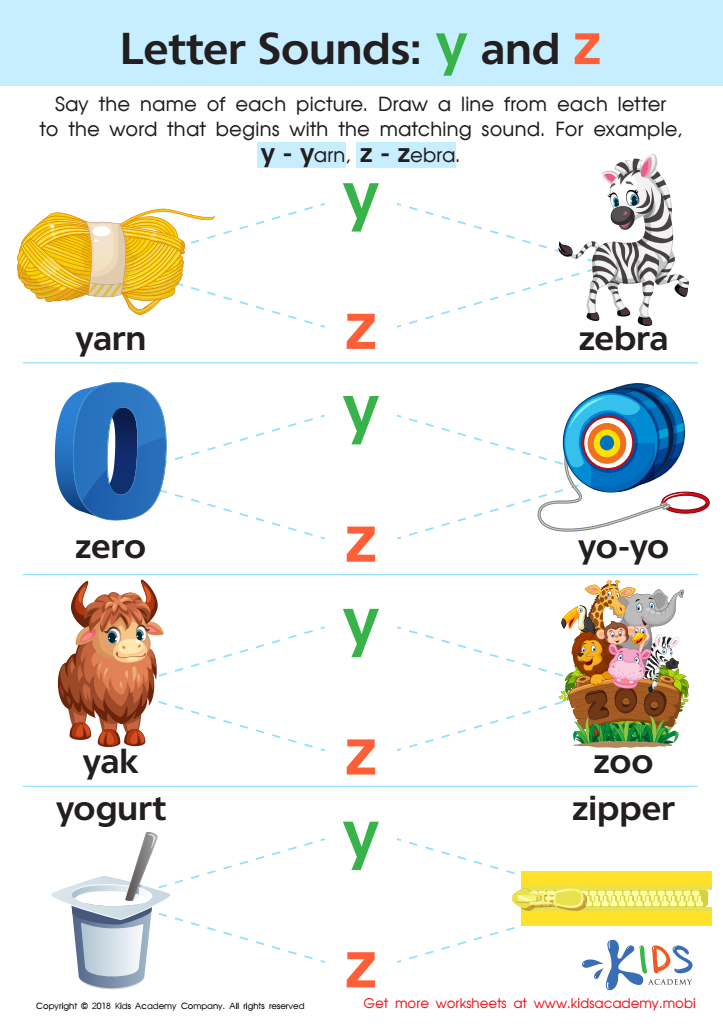
Letter Y and Z Sounds Worksheet
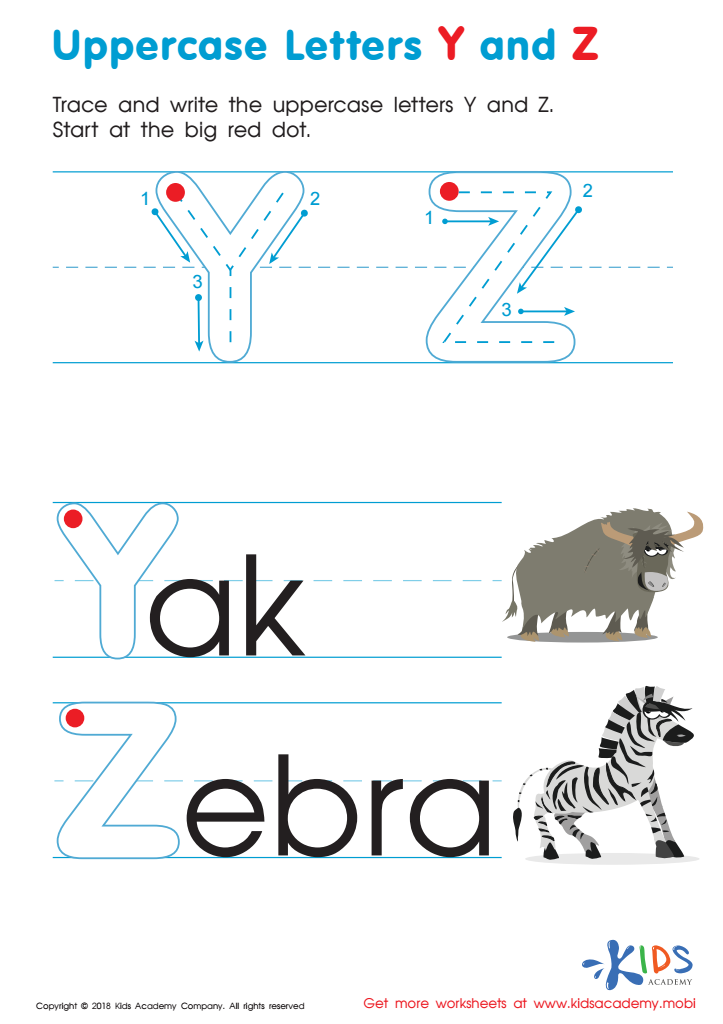
Uppercase Letters Y Z Worksheet
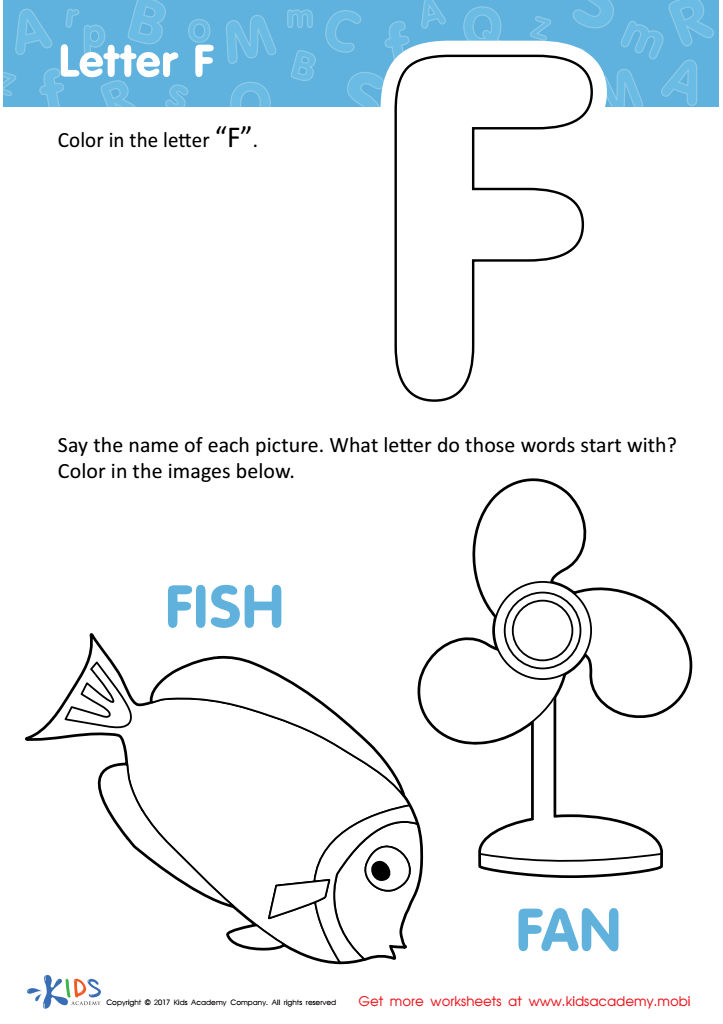
Letter F Coloring Sheet
Assign to My Students
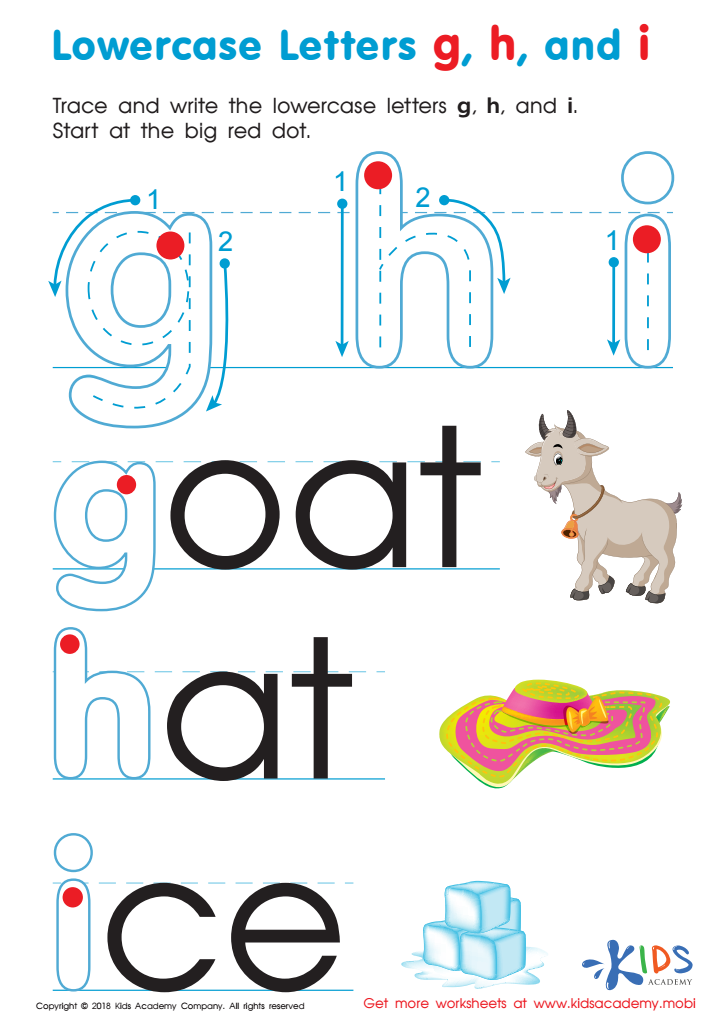
Lowercase Letters g h i Worksheet
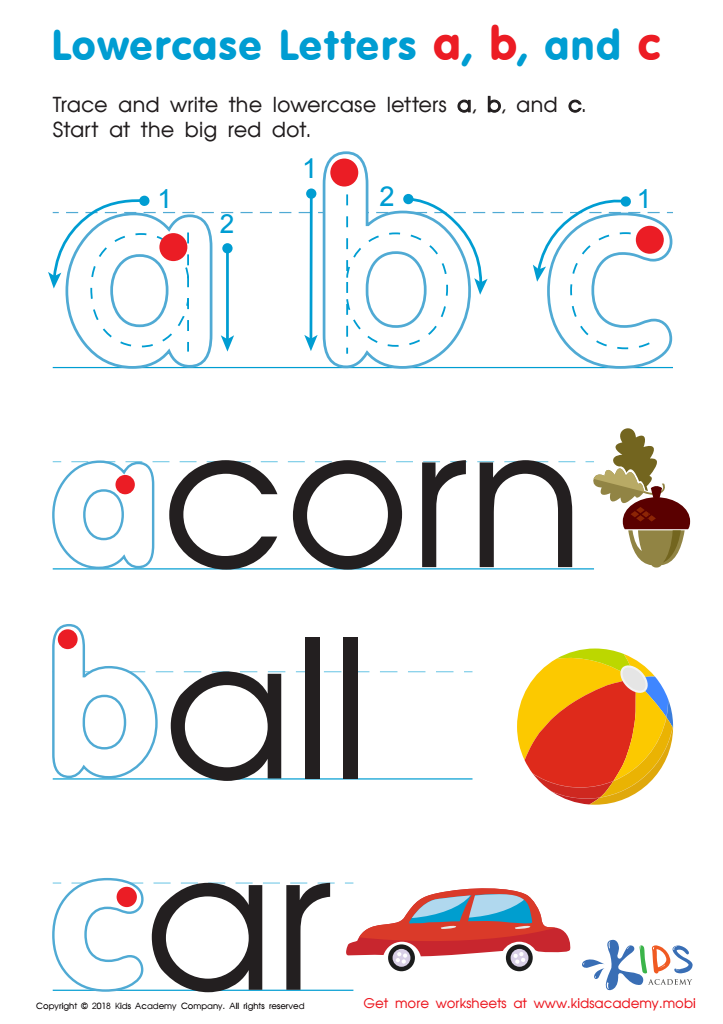
Lowercase Letters a b c Worksheet
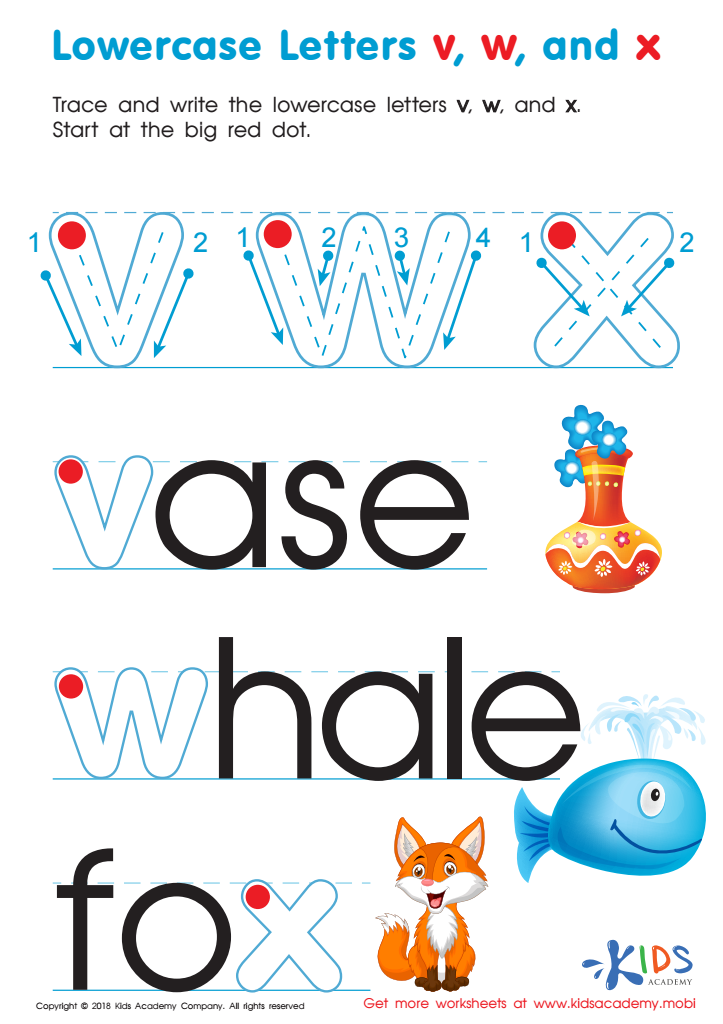
Lowercase Letters v w x Worksheet

Uppercase Letters V, W, and X Worksheet








Alphabet recognition is a foundational skill critical for early literacy development in children aged 4-6. Parents and teachers should care deeply about this milestone because it lays the groundwork for future academic success. Understanding the alphabet involves not only recognizing letters by their shapes and names but also understanding the sounds they represent, which is crucial for reading and writing.
When children can fluently recognize and name letters, they are better prepared to decode words and engage in more complex literacy activities. This skill enhances phonemic awareness, enabling children to make connections between letters and sounds, which is essential for word recognition, pronunciation, and spelling.
Early alphabet recognition also fosters a sense of confidence and eagerness in learning. As children master identifying letters, they gain a sense of achievement that motivates them to tackle more challenging tasks. This early success can lead to a positive attitude towards school and learning in general.
Additionally, early intervention for children struggling with alphabet recognition can mitigate future reading difficulties. Recognizing these struggles early allows parents and teachers to provide the necessary support to help children develop these skills effectively, ensuring they don't fall behind their peers.
In essence, alphabet recognition is a crucial stepping stone in a child's educational journey, deserving focused attention from both parents and teachers.








