Fine motor development Normal Worksheets for Ages 4-6
3 filtered results
-
From - To
Our "Fine Motor Development Normal Worksheets for Ages 4-6" are specifically designed to enhance your child's fine motor skills through engaging, age-appropriate activities. These worksheets provide fun, hands-on practice with tasks like tracing, cutting, and drawing, which are essential for developing hand-eye coordination and muscle control. Perfect for both classroom and home use, they support early learning by making skill development an enjoyable experience. Encourage your child’s growth with our comprehensive and thoughtfully crafted worksheets, helping to lay the foundation for future academic success. Discover more and give your little ones the tools they need to thrive!
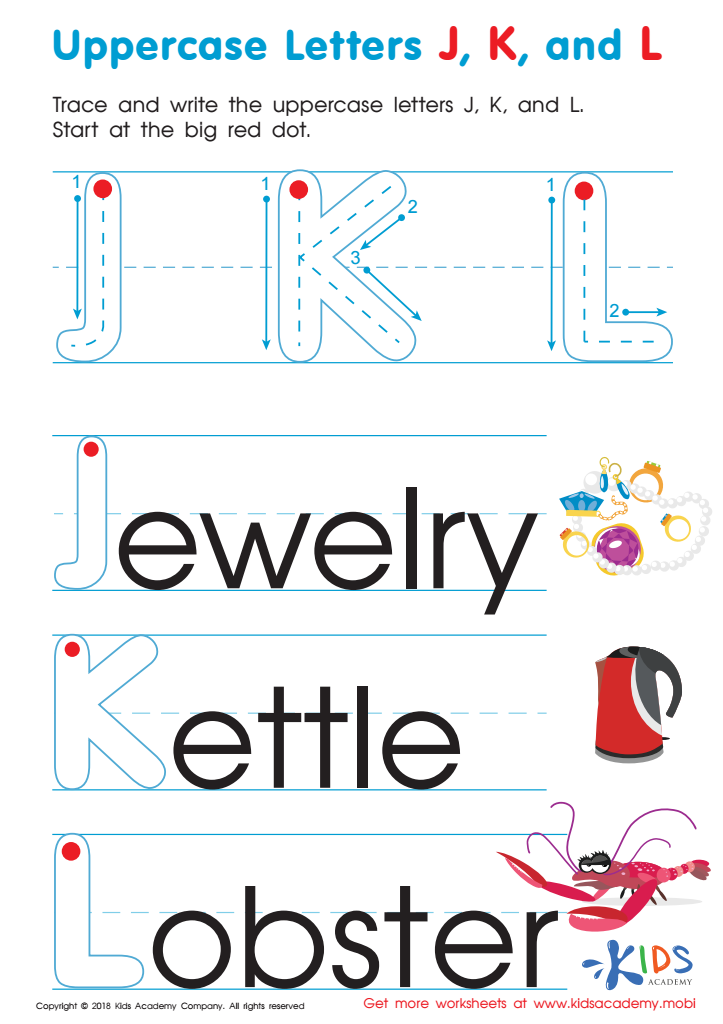
Uppercase Letters J, K, and L Worksheet
 Assign to My Students

Check Bingo Worksheet
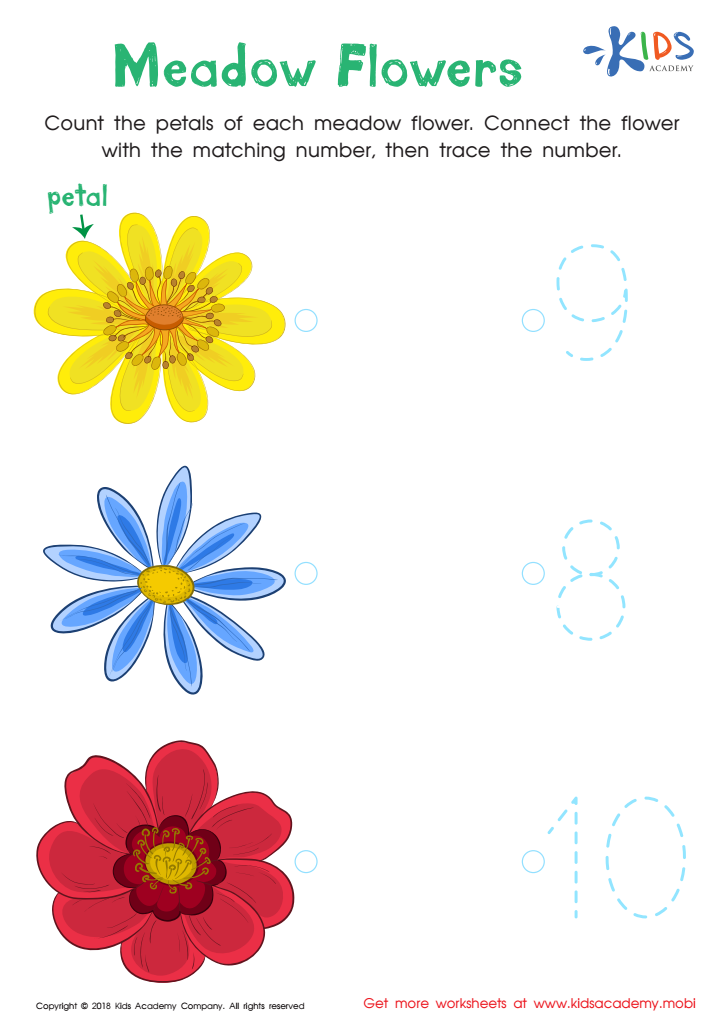
Kindergarten Number Tracing: Medow Flowers Worksheet








Fine motor development in children ages 4-6 is crucial as it lays the foundation for essential skills required for daily activities and academic success. Fine motor skills involve the coordination of small muscles, particularly in the hands and fingers, and impact a child's ability to perform tasks such as writing, cutting, buttoning, and tying shoelaces.
For parents and teachers, understanding and supporting fine motor development can enhance a child’s independence and self-esteem. Fine motor skills directly affect a child's ability to express themselves through writing or drawing, which is critical for their educational progress. Children with well-developed fine motor skills can create clear, legible work, enabling them to more efficiently learn and communicate.
Moreover, these skills contribute to cognitive development as children engage in tasks that require planning, focus, and precision. Activities like puzzles and simple crafts help reinforce these skills while integrating learning concepts such as shapes, colors, and numbers.
Neglecting fine motor development can lead to difficulties in achieving these milestones, potentially impacting academic performance and social participation. By encouraging activities that build fine motor skills, parents and teachers can support a child's holistic development, ensuring they have the necessary tools to thrive both academically and in everyday life.








