Visual perception Normal Worksheets for Ages 4-6
17 filtered results
-
From - To
Welcome to our "Visual Perception Normal Worksheets for Ages 4-6," designed to boost your child's observation skills and cognitive development. These engaging worksheets feature fun activities that enhance visual discrimination, spatial awareness, and pattern recognition, helping young learners recognize shapes, colors, and sizes. Perfect for preschool and kindergarten, our resources encourage independent learning while preparing children for primary school challenges. Each worksheet promotes critical thinking and improves learning outcomes in a playful manner. Explore our collection today and watch your child's confidence grow as they develop essential visual perception skills that lay the foundation for future academic success!
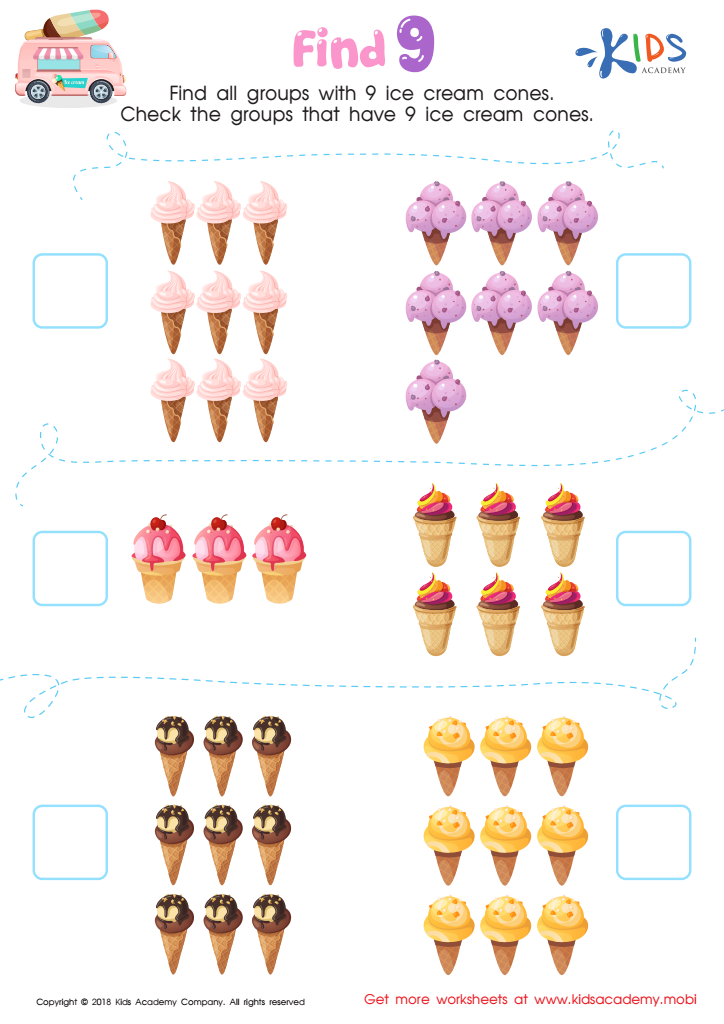
Find 9 Worksheet
 Assign to My Students
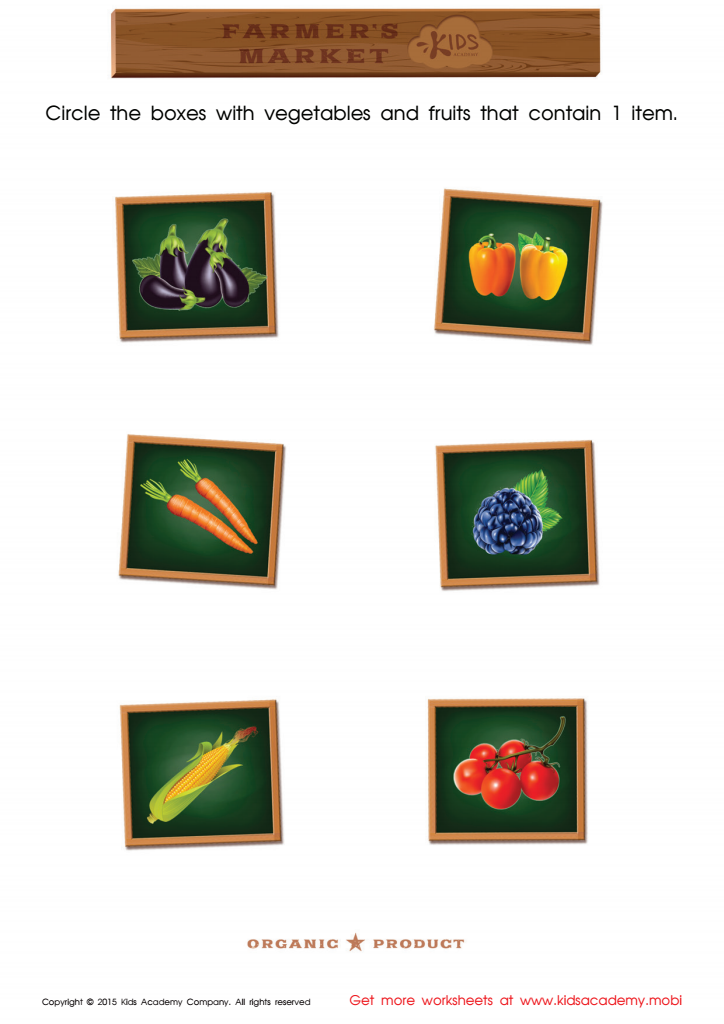
Count and Match Boxes with Vegetables
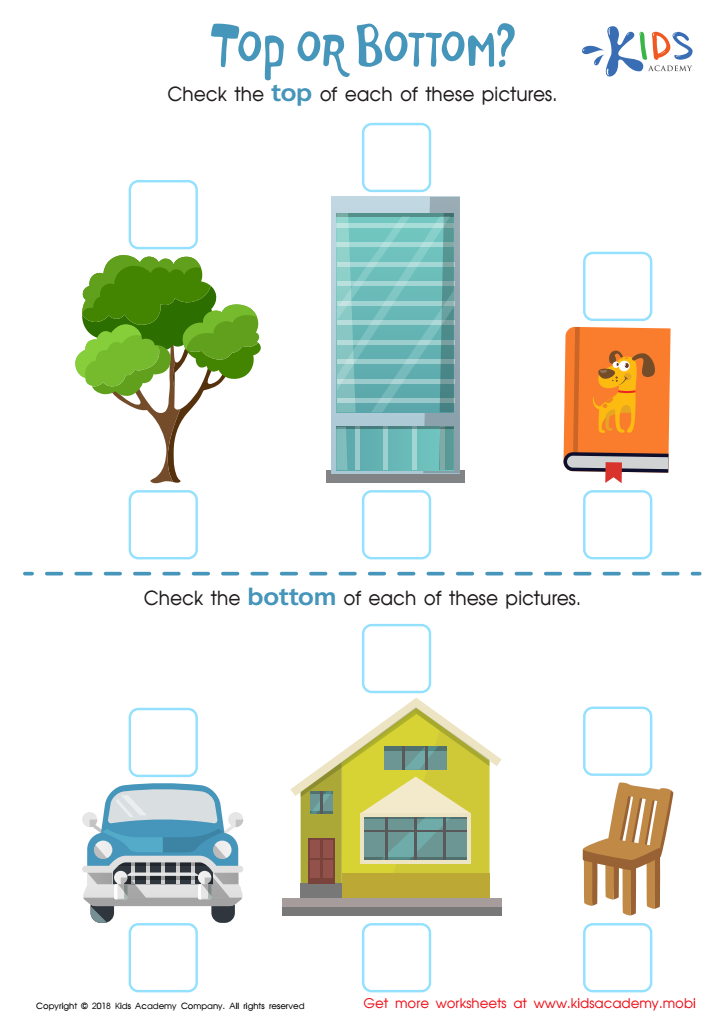
Top or Bottom Worksheet
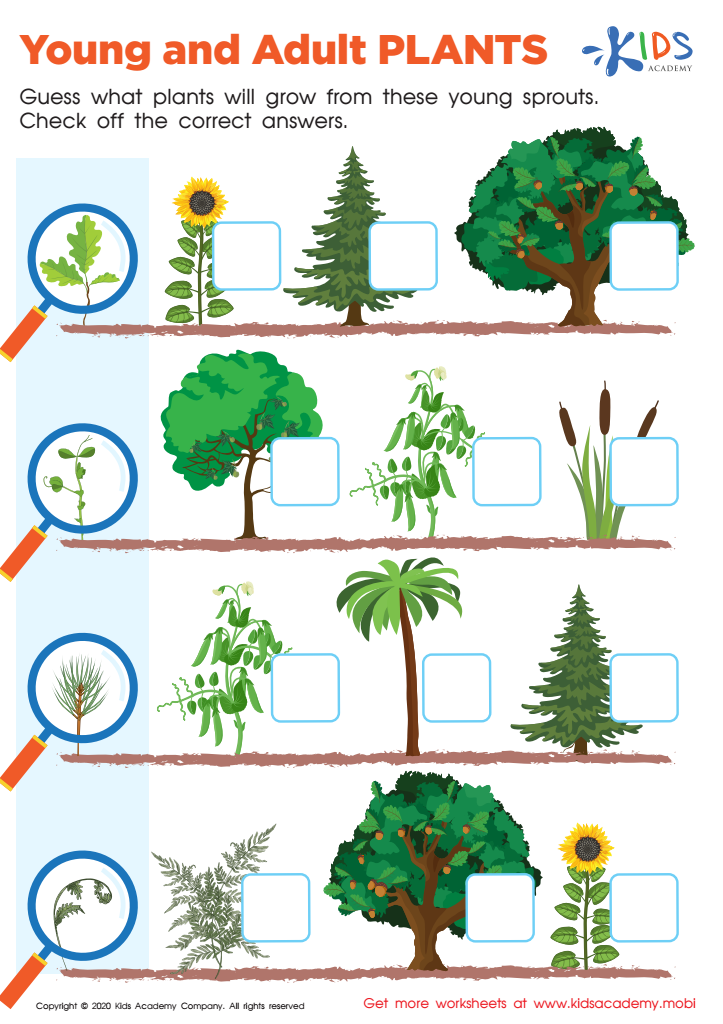
Young and Adult Plants Worksheet
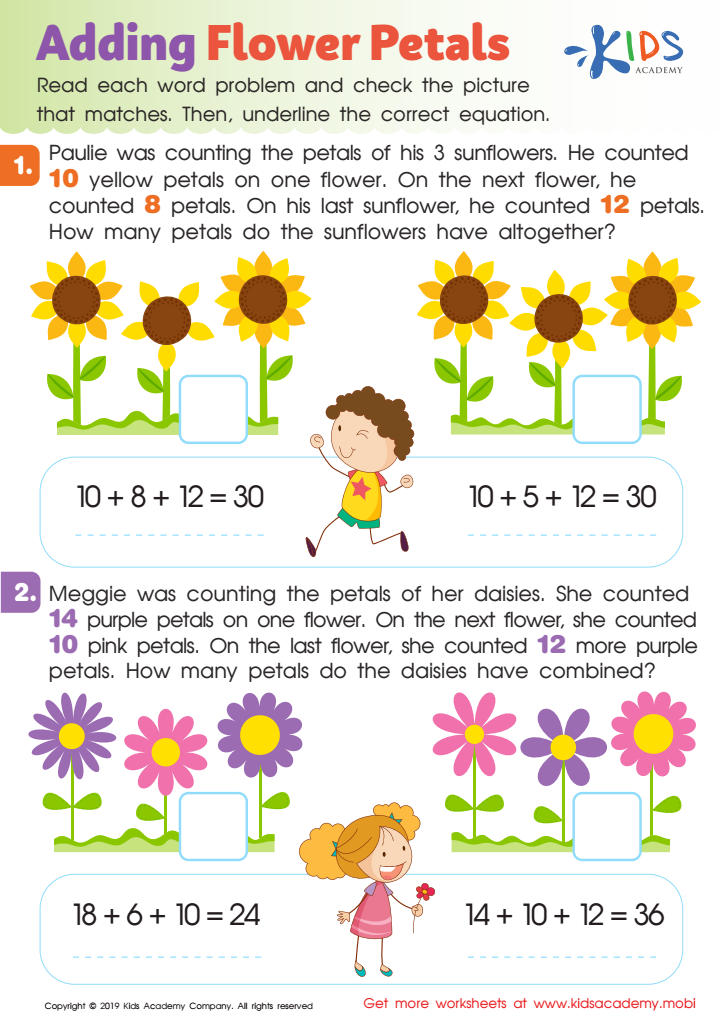
Adding Flower Petals Worksheet
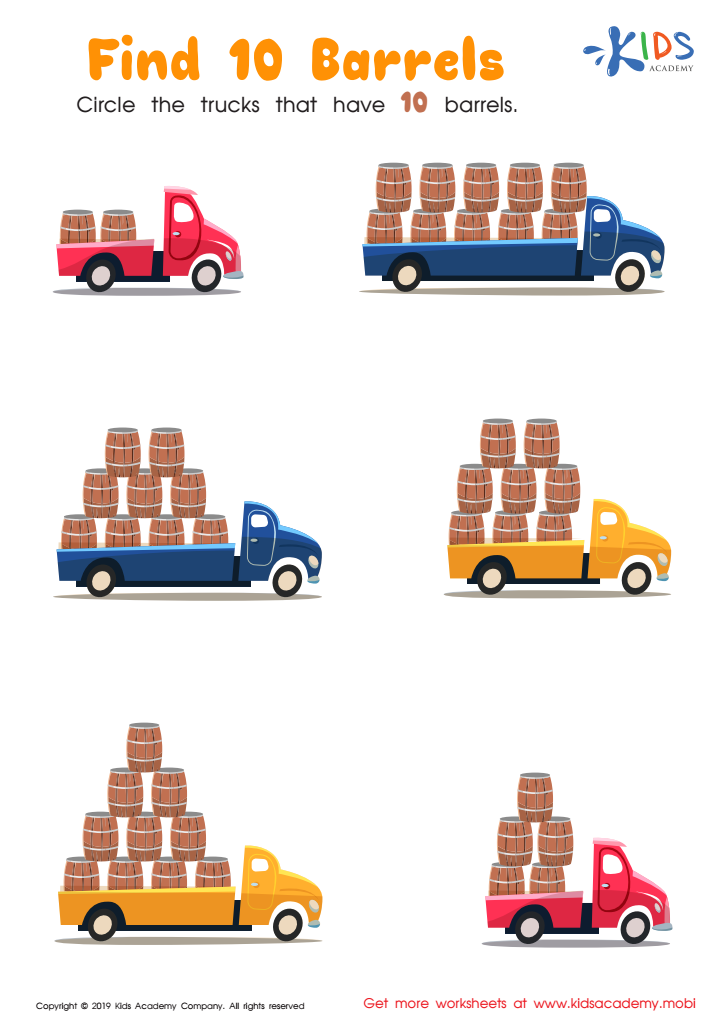
Find 10 Barrels Worksheet
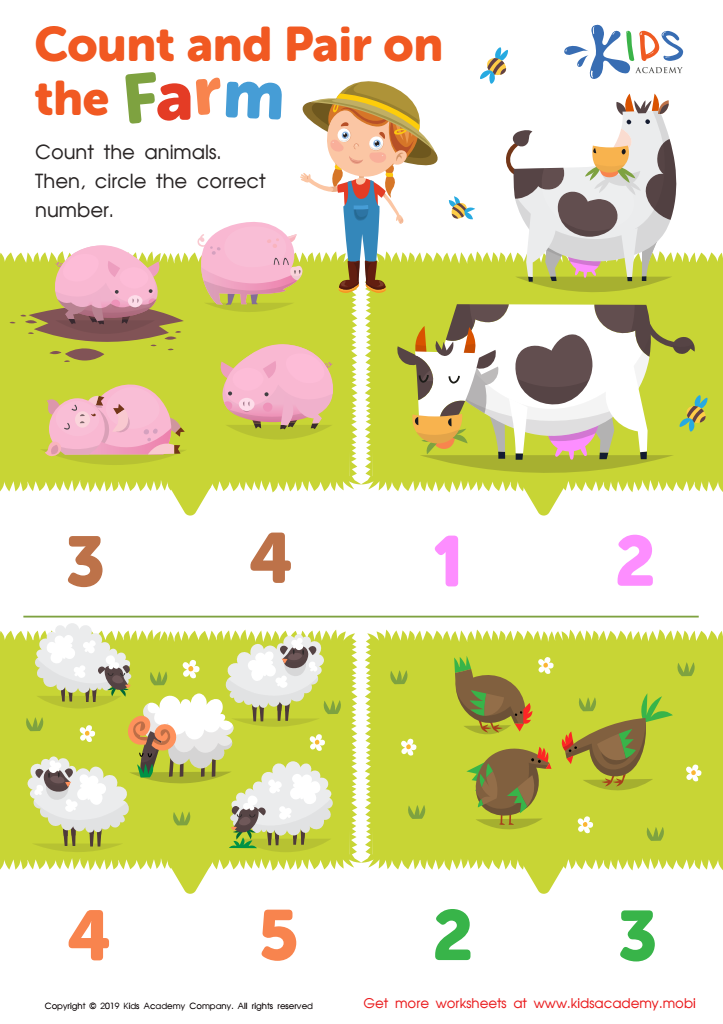
Count and Pair on the Farm Worksheet
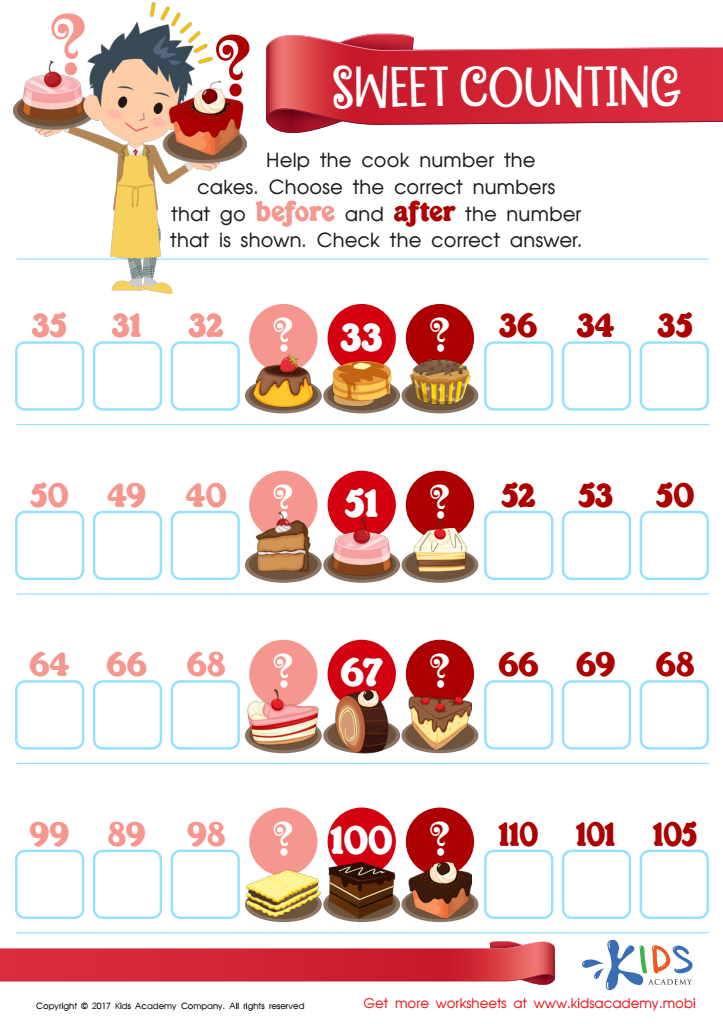
Sweet Counting - Part 1 Worksheet
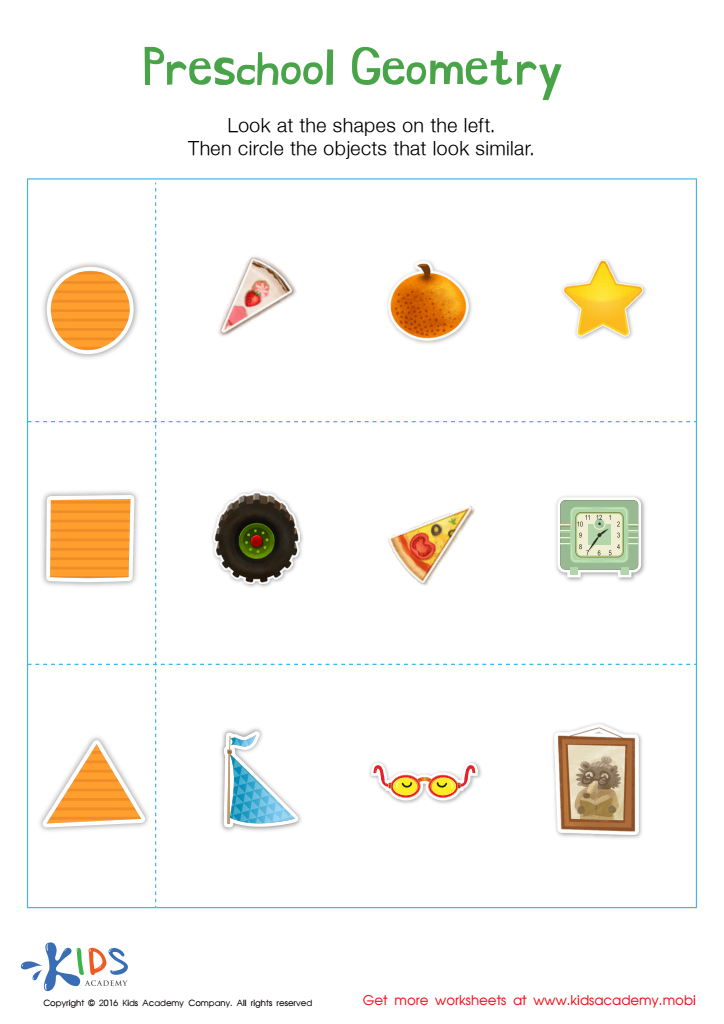
Preschool Geometry Match Up Worksheet
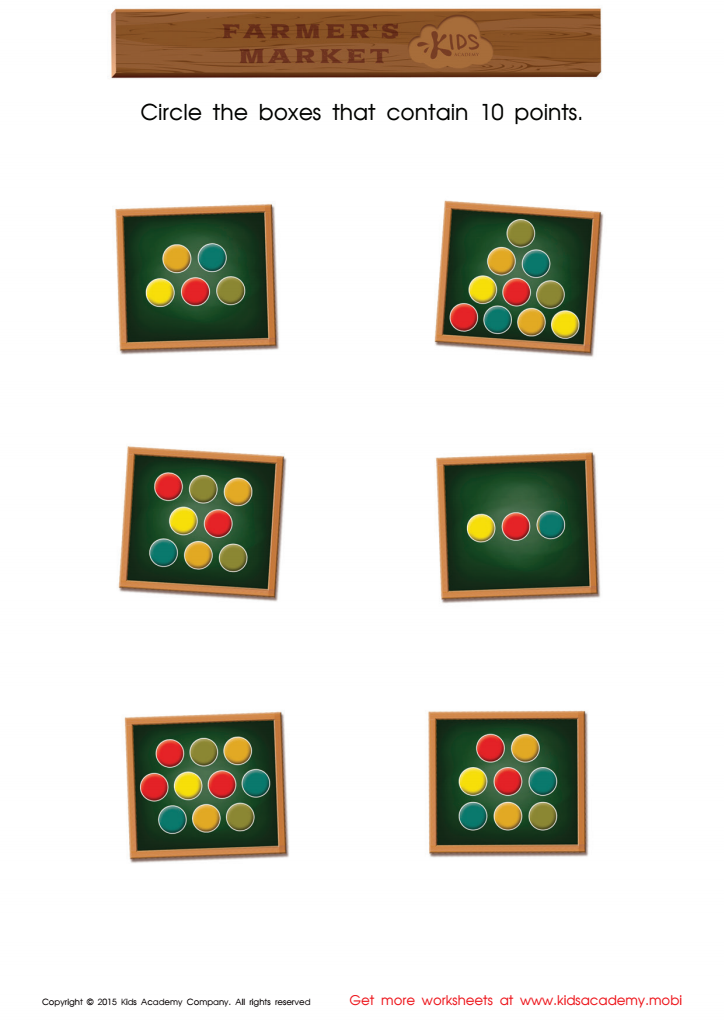
Count and Match Points 10 Math Worksheet
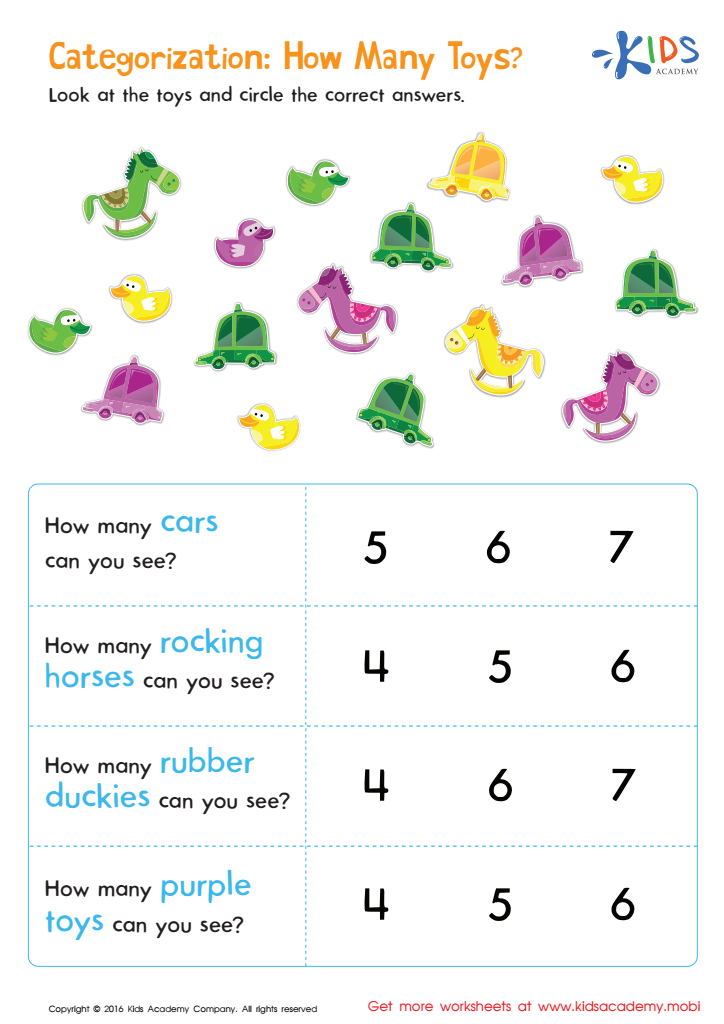
Classifying Toys by Type and Color Sorting Worksheet
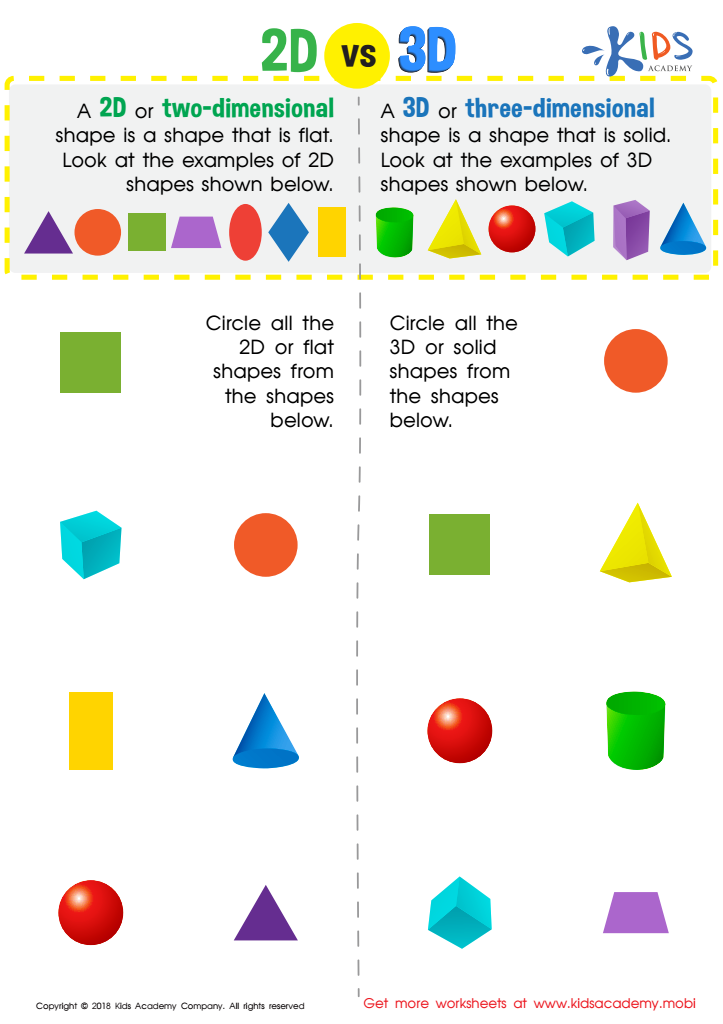
2D vs 3D Shapes Worksheet
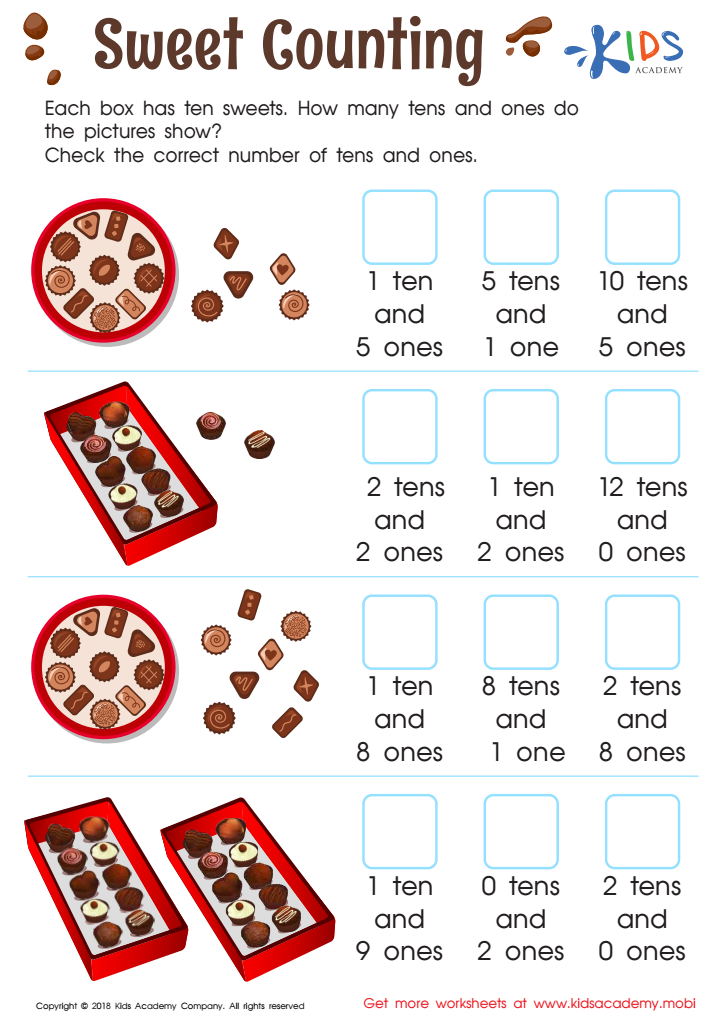
Sweet Counting - Part 2 Worksheet
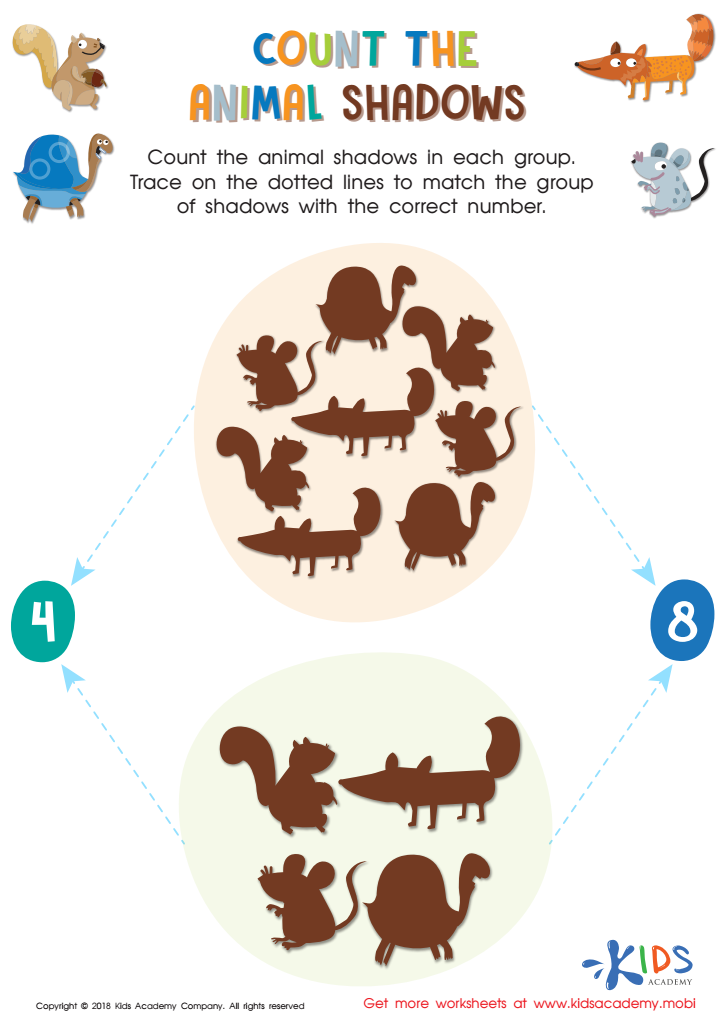
Count the Animal Shadows Worksheet
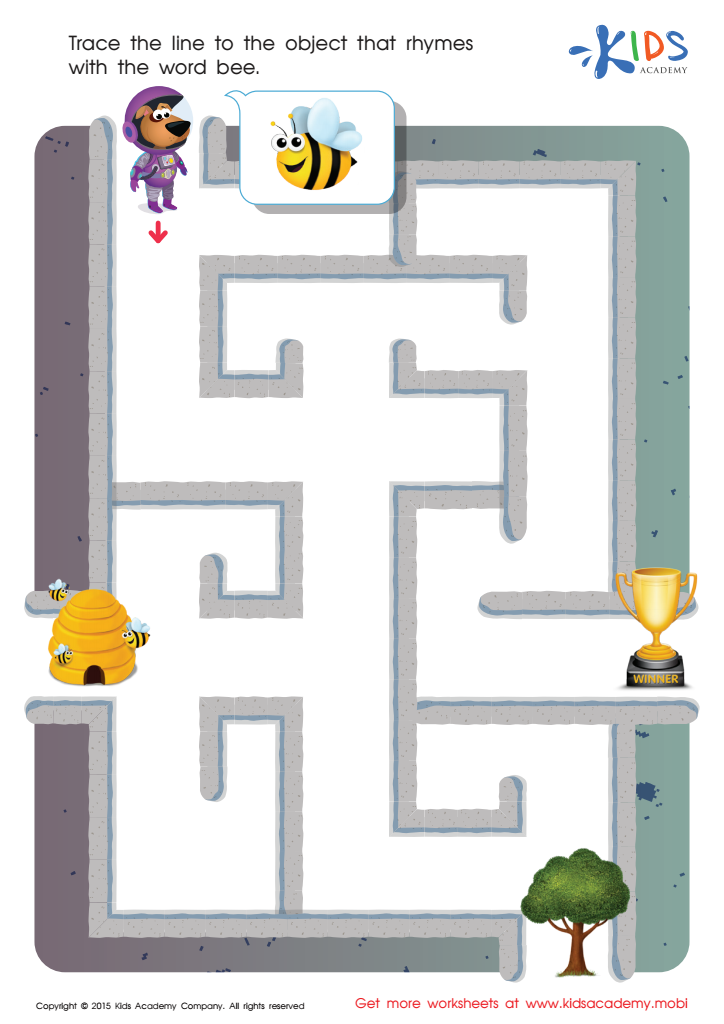
Bee Rhyming Words Worksheet

Count and Match Vegetables 1 – 5 Math Worksheet
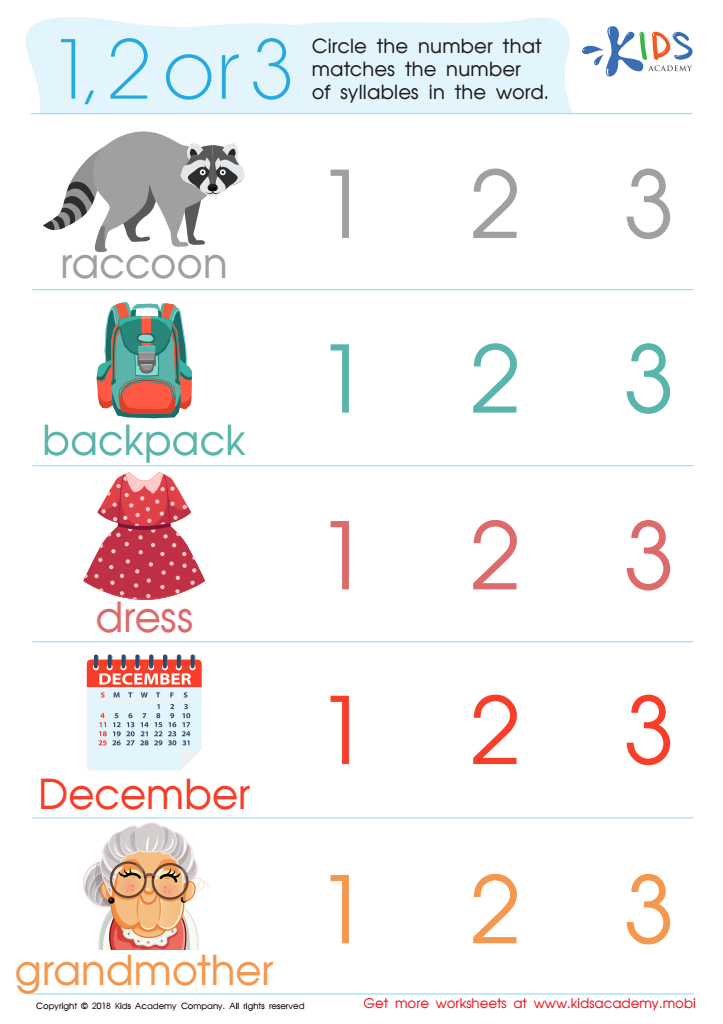
1, 2 or 3? Worksheet







Visual perception refers to the brain's ability to interpret and give meaning to what the eyes see. For children aged 4 to 6, developing strong visual perception skills is crucial as they undergo significant cognitive and motor development. Parents and teachers should care about this because visual perception forms the foundation for essential skills such as reading, writing, and problem-solving.
Children rely on visual cues to understand their environment, navigate spatial relationships, and identify shapes, colors, and patterns. Effective visual perception enables them to distinguish between different letters and numbers, contributing to literacy and numeracy skills. Additionally, it helps them track moving objects, which is vital for physical activities and sports.
Moreover, strong visual perception can impact a child’s self-esteem and motivation. Difficulties in this area can lead to frustration and challenges in learning, consequently affecting social interactions and academic performance. By focusing on activities that enhance visual perception—like puzzles, drawing, and matching games—parents and teachers can support children in becoming confident, capable learners. Addressing visual perception in early education lays the groundwork for lifelong learning, making it a critical area of concern for adults involved in child development.








