Fine Motor Skills Normal Math Worksheets for Ages 4-6 - Page 2
37 filtered results
-
From - To
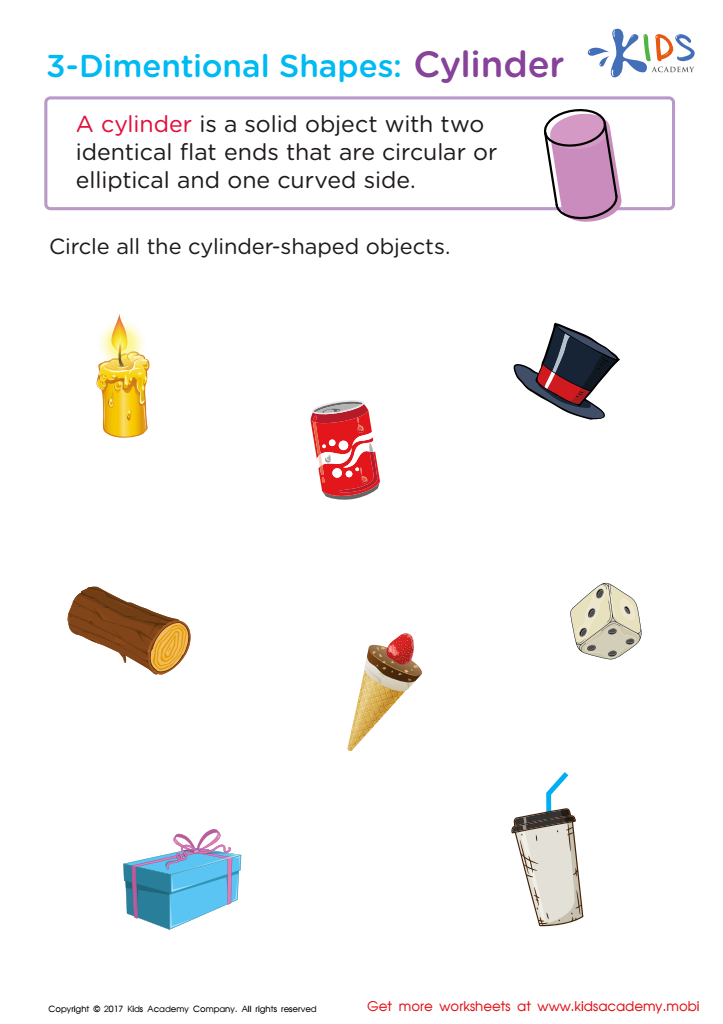
Three–Dimensional Shapes: Cylinder Worksheet
 Assign to My Students
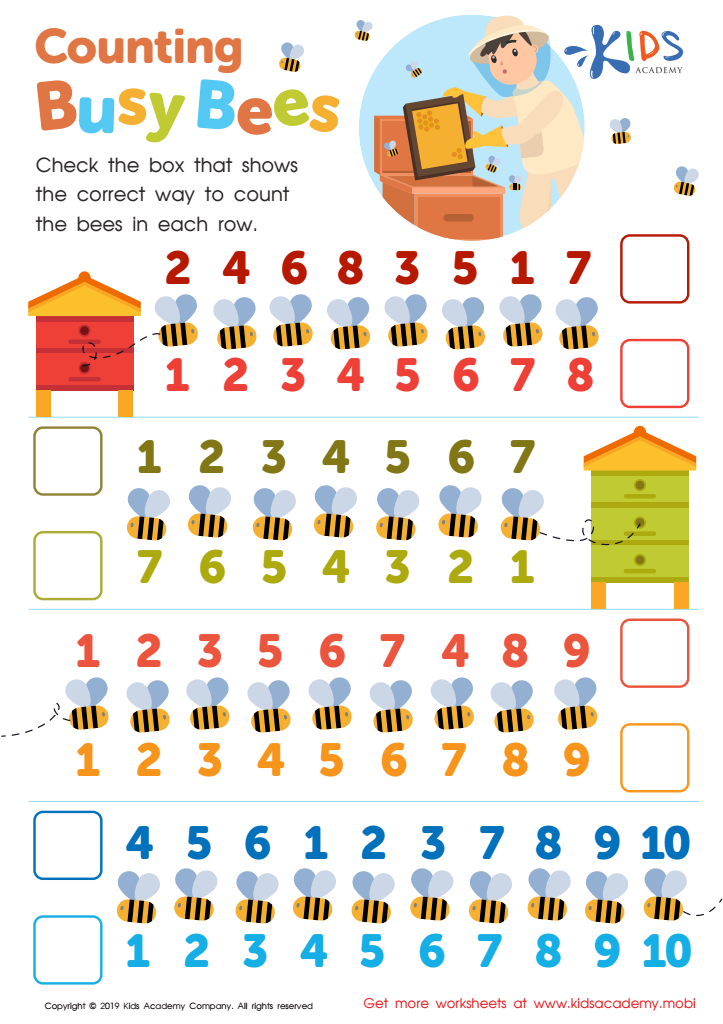
Counting Busy Bees Worksheet
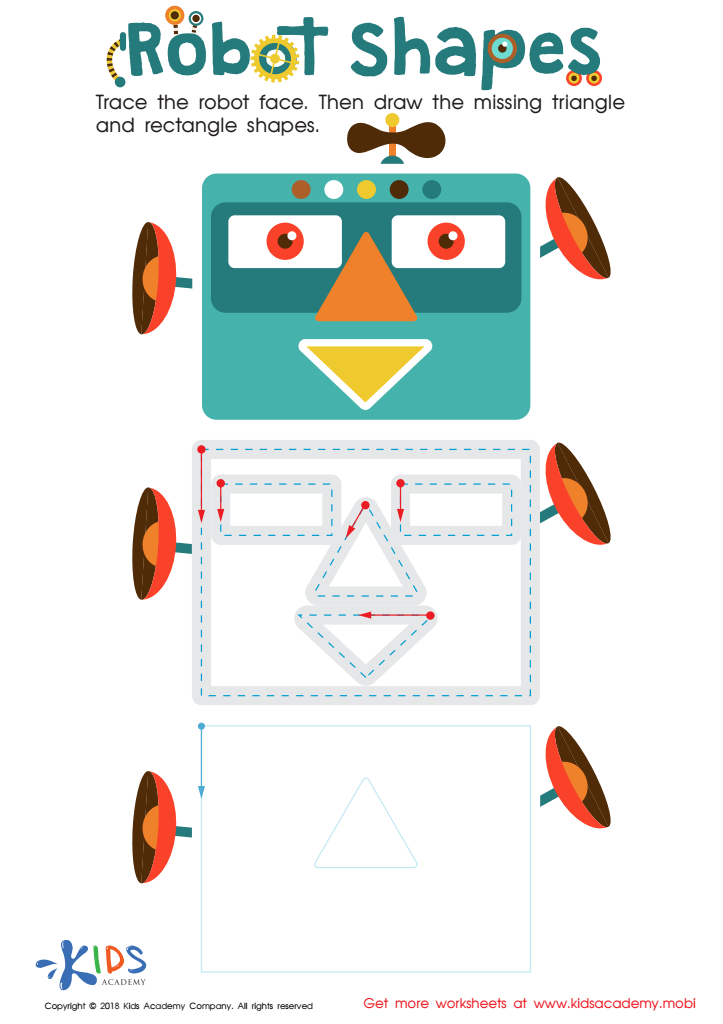
Robot Shapes Worksheet
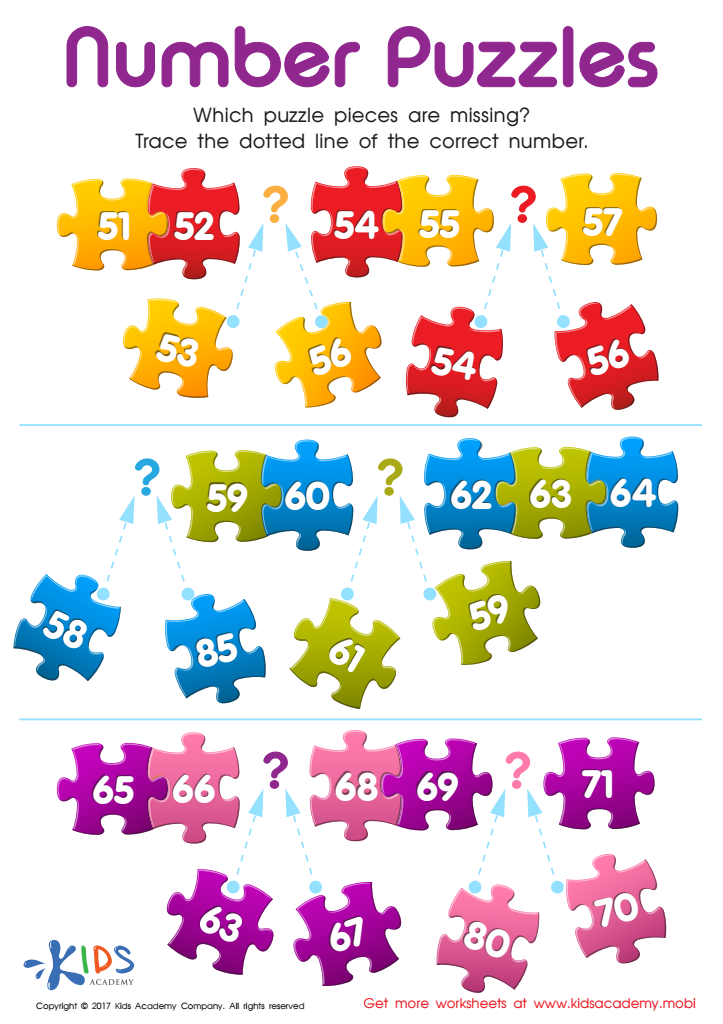
Number Puzzles Worksheet
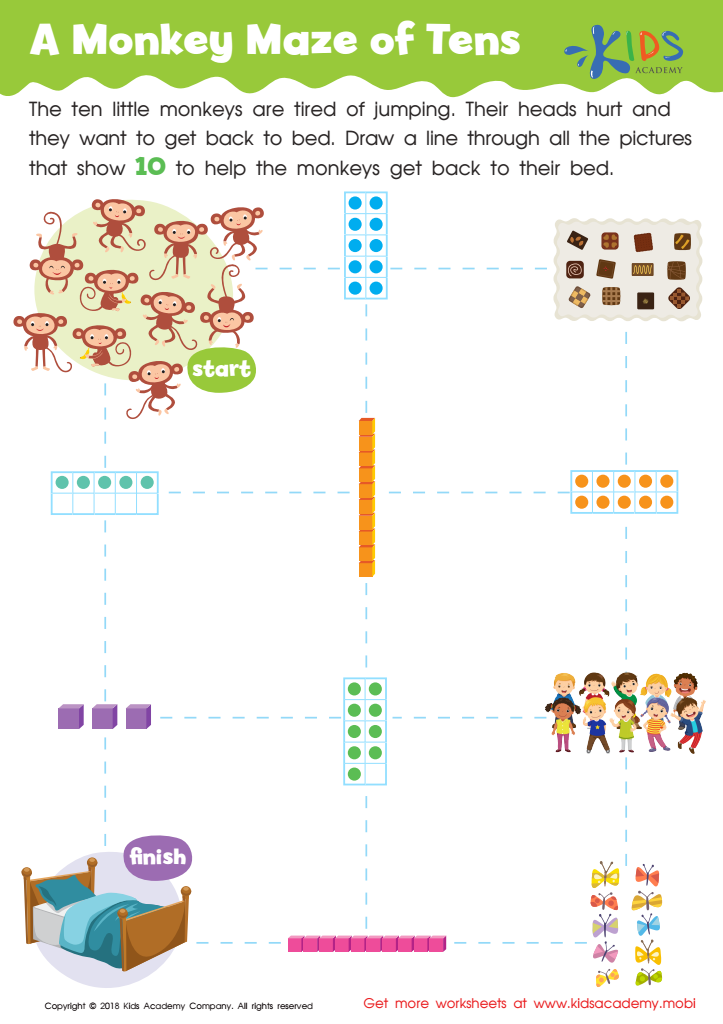
A Monkey Maze of Tens Worksheet
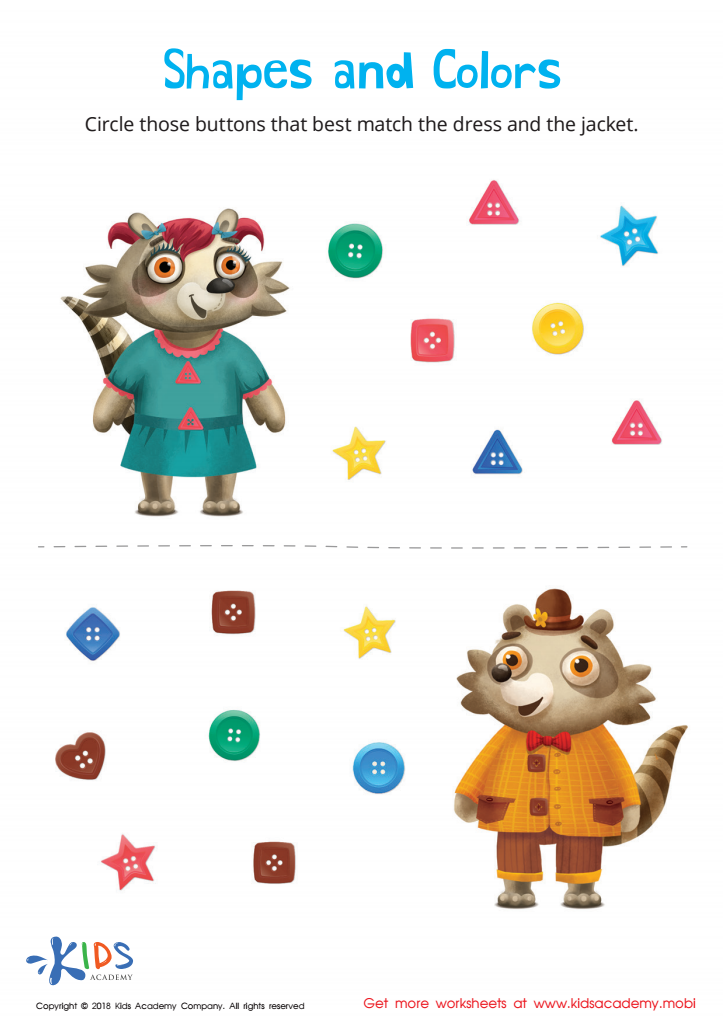
Shapes and Colors Worksheet
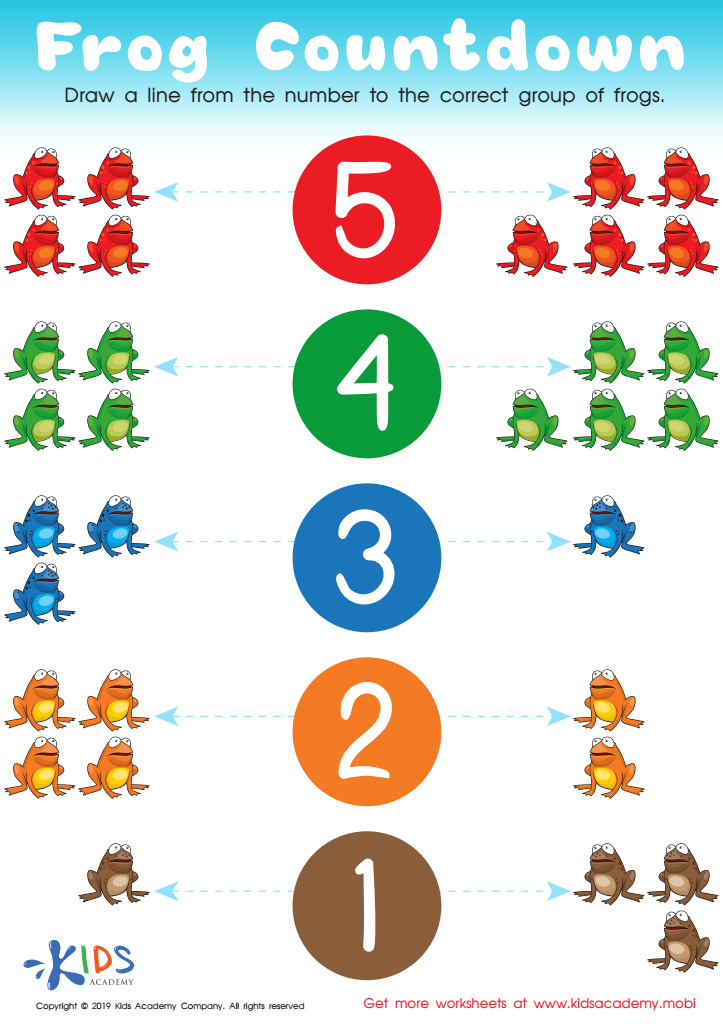
Frog Countdown Worksheet
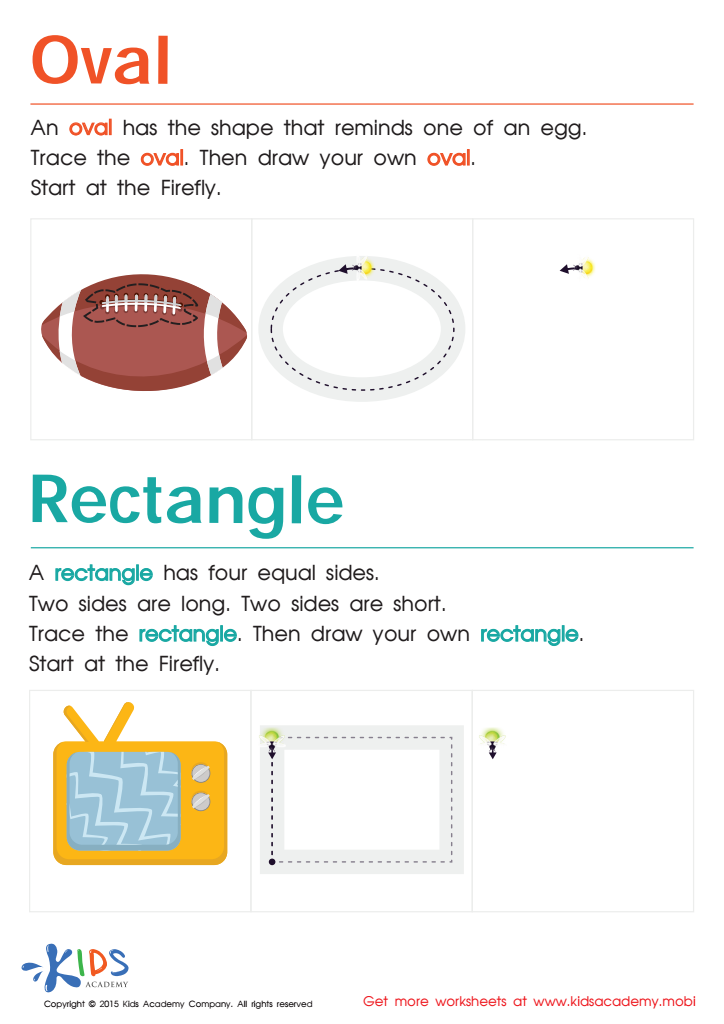
Easy Drawing of Ovals And Rectangles Worksheet
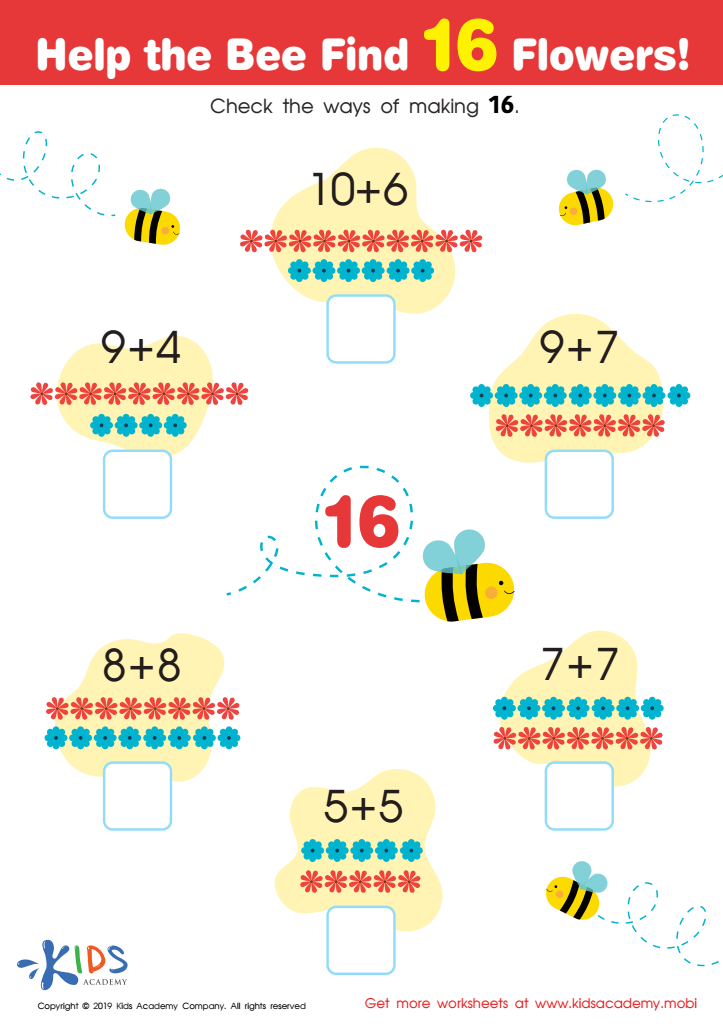
Help the Bee Find 16 Flowers Worksheet
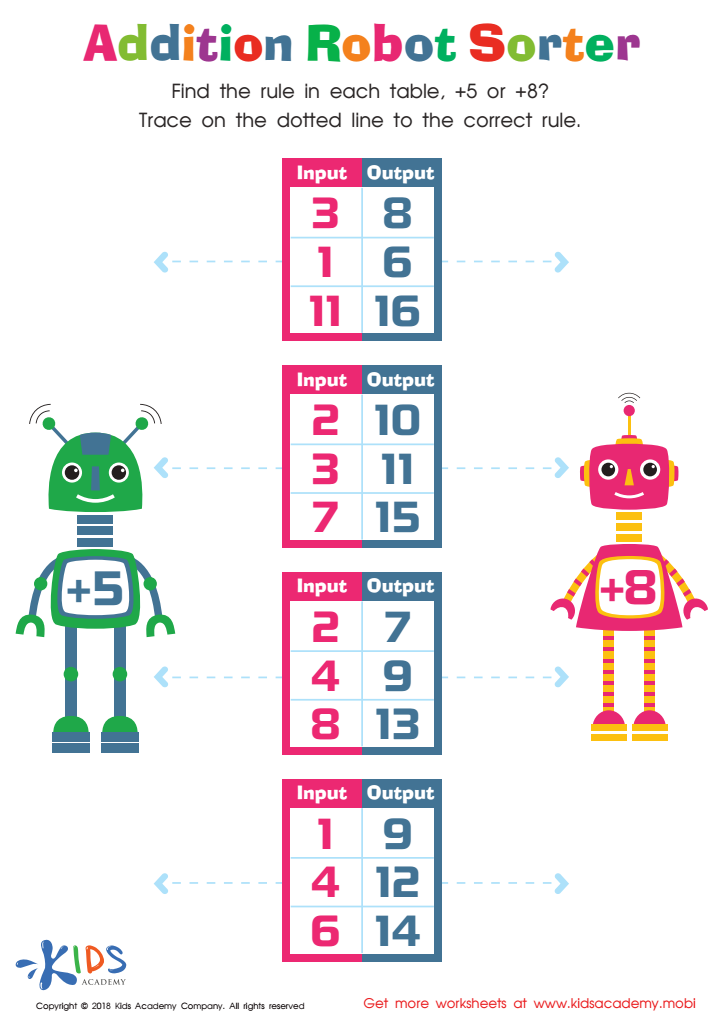
Addition Robot Sorter Worksheet
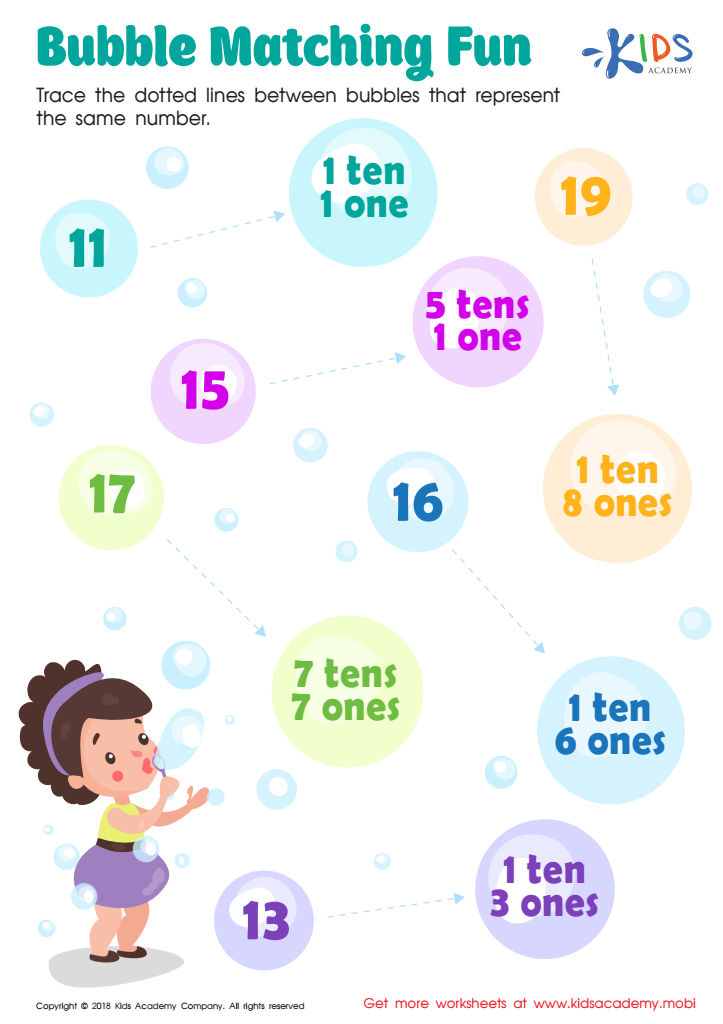
Bubble Matching Fun Worksheet
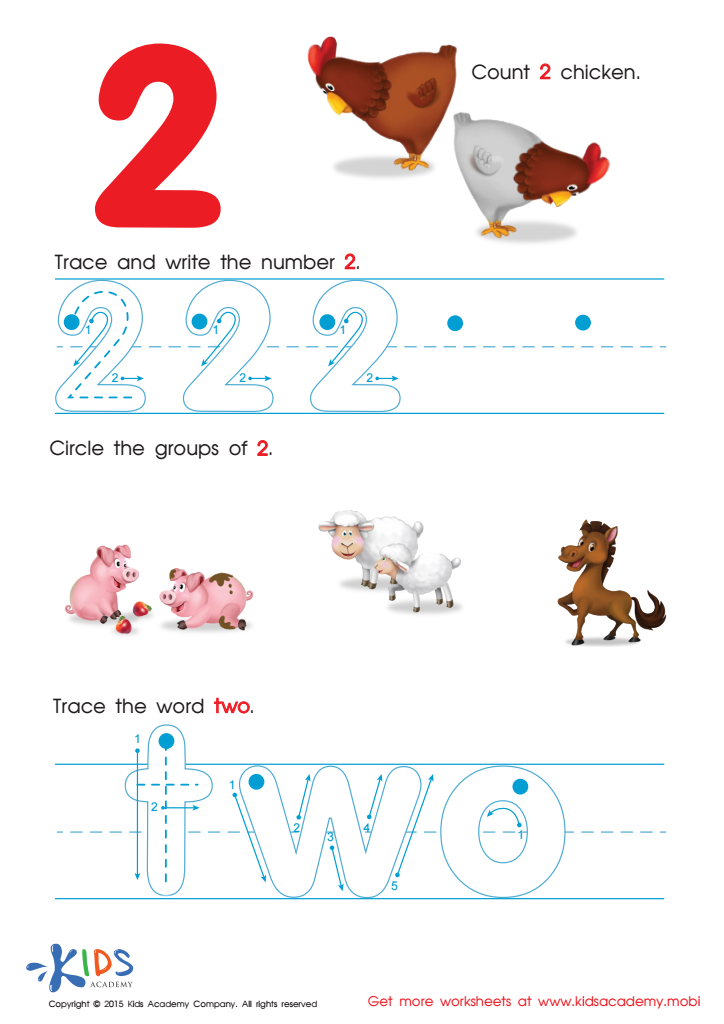
Learn to Write the Number 2 Worksheet
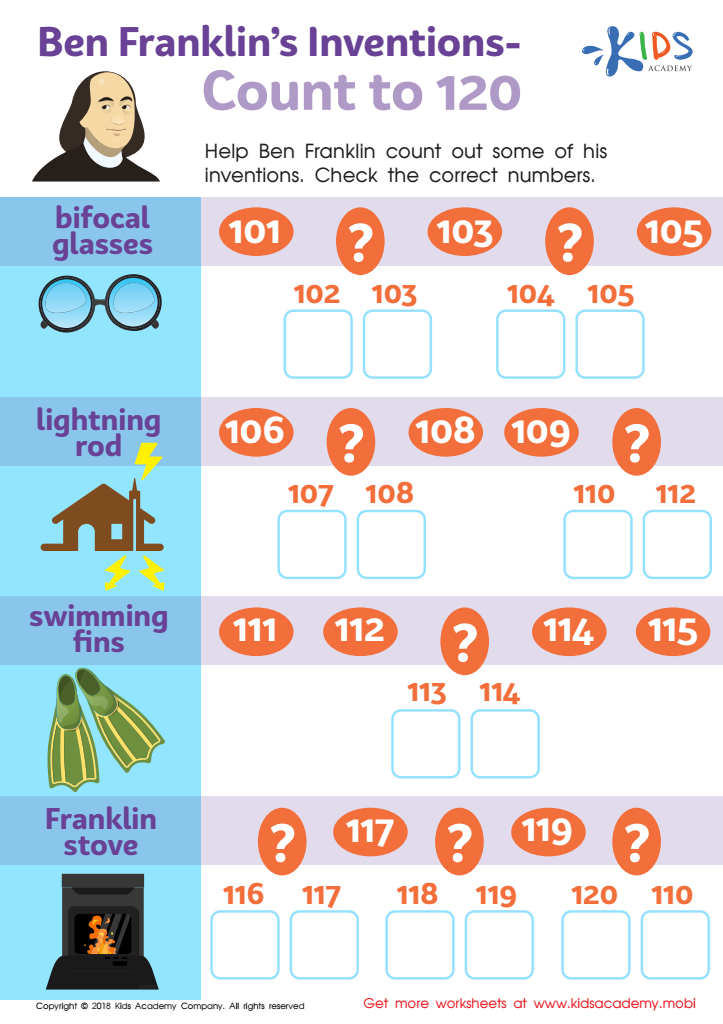
Ben Franklin’s Inventions – Count to 120 Worksheet








Fine motor skills are crucial for children aged 4-6 as they lay the foundation for essential daily tasks and overall development. These skills involve the small muscles of the hands and fingers, and nurturing them during the early years enhances a child’s ability to perform tasks such as writing, buttoning clothes, cutting with scissors, and feeding themselves. By strengthening fine motor skills, children build the coordination and dexterity necessary for complex actions later in life.
For parents and teachers, focusing on fine motor skills is vital for academic success. Proper grip and hand movements are prerequisites for writing, a core activity in early education. Mastery of these skills contributes to improved handwriting, which is integral to effective communication and learning. Moreover, activities like coloring, drawing, and simple crafts not only bolster fine motor development but also encourage creativity and cognitive growth.
Fine motor skills also boost self-esteem and independence in young children. As they succeed in manipulating small objects and achieving self-sufficiency in tasks like dressing or feeding, their confidence grows. Early intervention and regular practice in developing these skills enable smoother transitions into more advanced stages of education, equipping them for future academic and everyday challenges. Therefore, parents and teachers play an essential role in nurturing and encouraging fine motor skill development.








